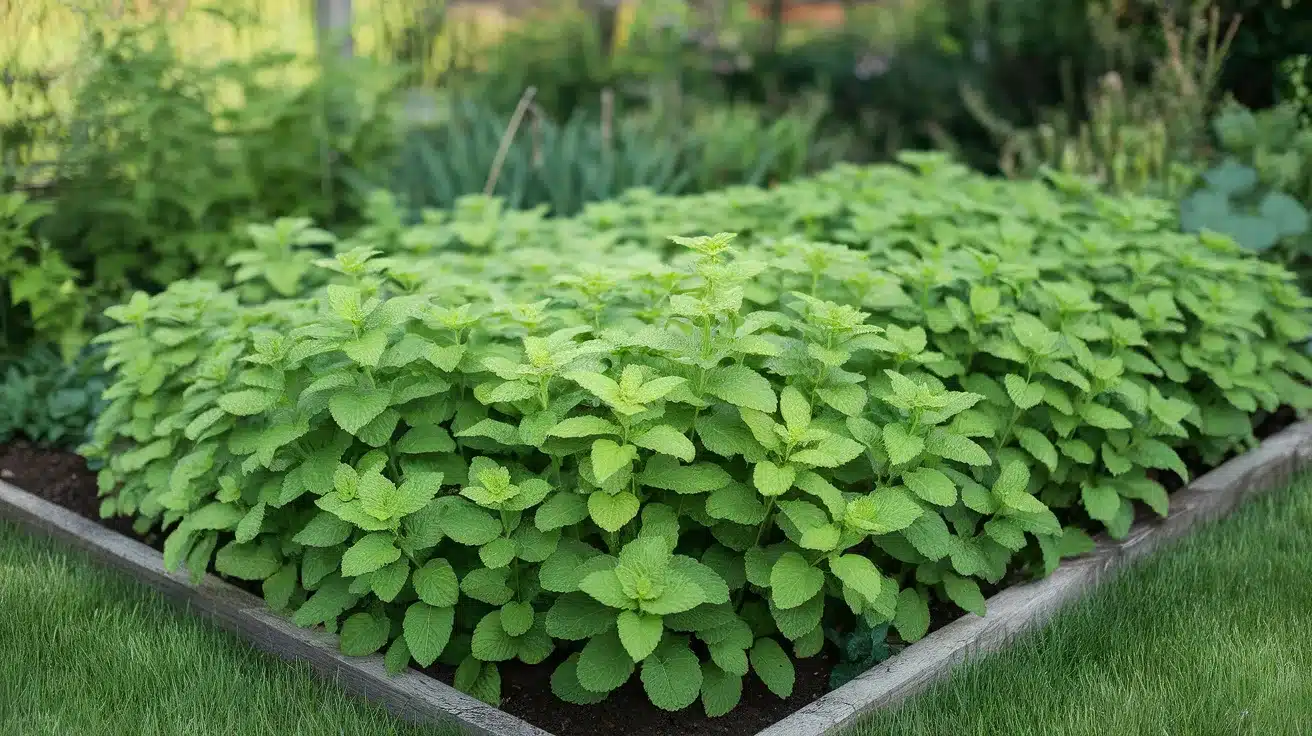
Growing peppermint at home is one of the easier things you can do as a gardener. You don’t need a big yard. A pot and a sunny spot are enough to get started.
Most store-bought dried mint has already lost much of its flavor by the time it reaches you.
Fresh leaves picked right before the plant flowers have the highest oil content, and that makes all the difference in taste.
This guide walks you through everything, from picking the right variety to planting, care, and making the most of your harvest.
Quick Peppermint Facts
Before you start growing peppermint, it helps to know a little about the plant itself. Here’s a quick overview of what to expect.
| Feature | Detail |
|---|---|
| Botanical Name | Mentha × piperita |
| Plant Type | Perennial herb |
| USDA Hardiness Zones | 3a to 11b |
| Mature Height | 1 to 3 feet |
| Sun Requirement | Full sun to partial shade (6 to 8 hours) |
| Soil pH | 6.0 to 7.0 |
| Watering | At least 1 inch per week |
| Days to Maturity | Around 90 days |
| Spreads By | Stolons (creeping underground stems) |
| Origin | Hybrid of watermint and spearmint |
Types of Peppermint You Can Grow
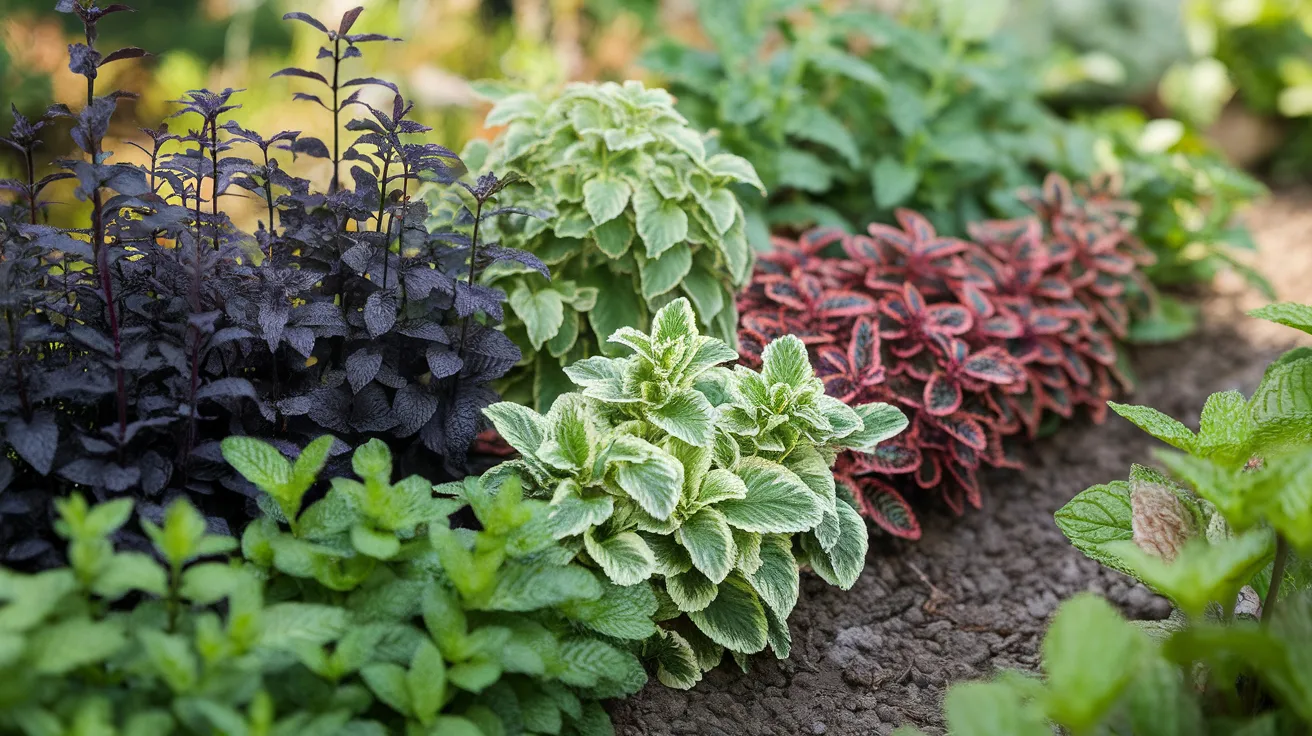
Not all peppermint plants are the same. Picking the right variety depends on what you plan to use it for, tea, cooking, or just fragrance in the garden.
- Black Mitcham: The most common variety grown commercially; has deep violet-colored leaves and stems with a strong, sharp flavor. Ideal for teas and extracts.
- White Peppermint: Light green stems and leaves with a slightly milder, more refined flavor. Good for culinary use, though it tends to be more prone to disease.
- Chocolate Mint: Smells and tastes like chocolate mixed with mint; the blooms open from the bottom up. A popular pick for desserts and hot drinks.
- Lavender Mint: Light purple blooms with reddish stems; grows fast and works well as a ground cover. Adds a floral note to meat dishes and teas.
- Candymint: Reddish stems, slightly sweeter flavor; great if you want something close to classic peppermint candy.
- Lime Mint: Has a light citrus-mint flavor; works well in cold drinks and fruit salads.
- Variegata: Green leaves with a lighter, patterned look; more decorative than flavorful, but still useful in the kitchen.
Growing Peppermint in Containers vs. In the Ground
One of the first decisions you’ll need to make is where to plant your peppermint. Both options work well, but each comes with its own tradeoffs worth knowing before you dig in.
| Feature | Containers | In the Ground |
|---|---|---|
| Spread Control | Easy to manage | Needs physical barriers |
| Watering Needs | More frequent (dries out faster) | Less frequent |
| Root Space Needed | At least a 2 to 5 gallon pot | Spreads freely if unchecked |
| Best For | Balconies, patios, small spaces | Larger garden beds |
| Winter Care | Can be brought indoors | Cut back; regrows in spring |
| Soil Drying Risk | Higher | Lower |
| Recommended Pot Size | 5-gallon for best results | Buried edging to contain roots |
How to Grow Peppermint: Step by Step
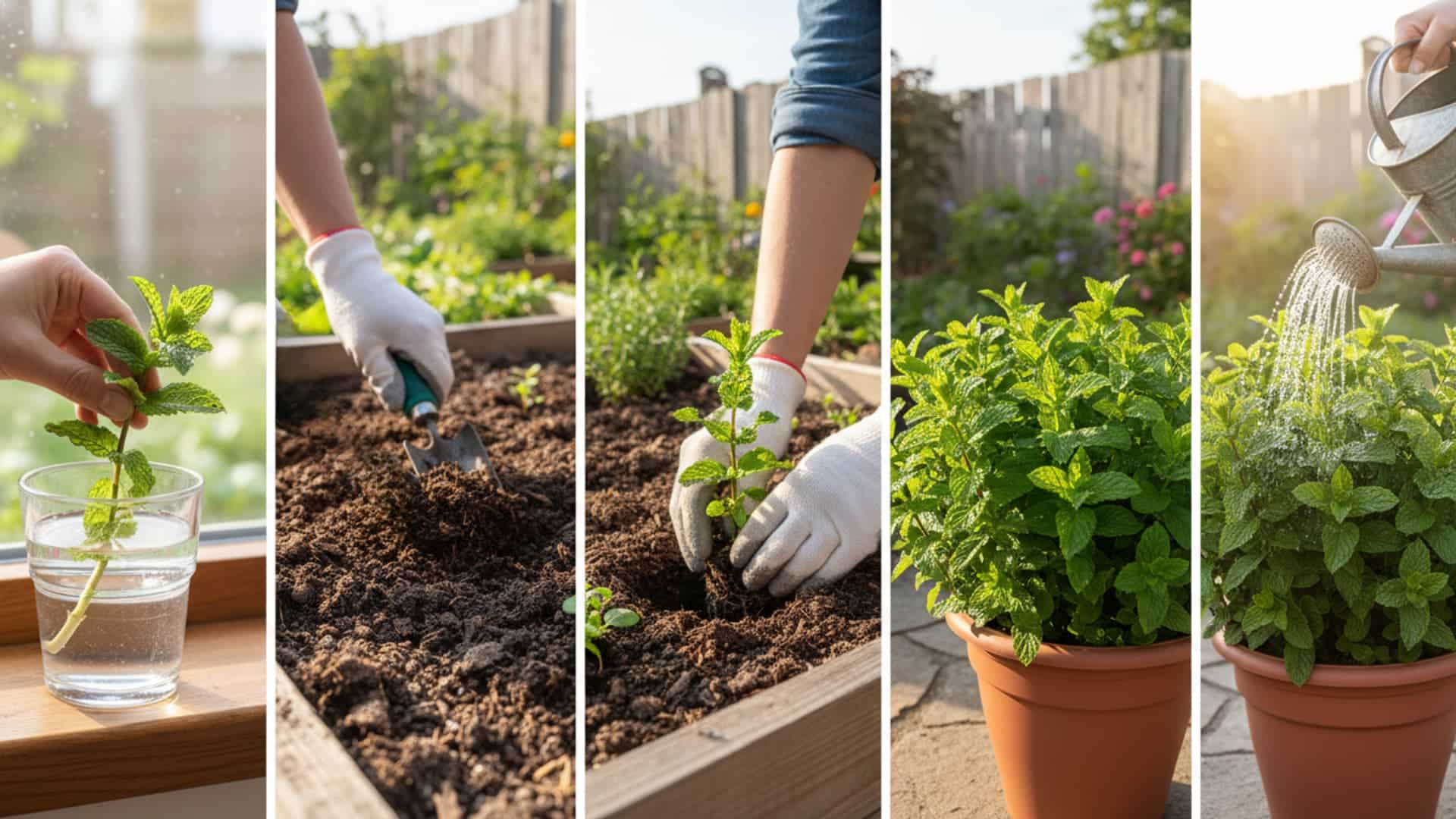
Growing peppermint is not complicated once you know the basics. Follow these five steps and your plant will be producing healthy leaves in no time.
Step 1: Choose Your Growing Method
You have three options: cuttings, division, and seeds. Cuttings are the fastest and most reliable. Take a 4–6 inch stem, remove lower leaves, place it in water in bright indirect light, and change the water every few days. Roots appear in 10–14 days.
Division works well for established plants. Dig up the clump, split it into sections, and replant. Best done in spring or fall.
Seeds are the slowest. Place them on top of the soil without covering, as they need light. At 68–75°F, they sprout in 10–15 days.
Step 2: Pick the Right Spot
Full sun (six to eight hours a day) gives you the strongest flavor and the most potent oils. Partial shade works too, but the leaves won’t be as flavorful.
If you’re in a very hot climate, some afternoon shade actually helps, harsh midday sun can scorch the leaves.
Step 3: Prepare the Soil
Peppermint does best in well-draining, loose soil that’s rich in organic matter. A pH between 6.0 and 7.0 is ideal. For garden beds, mix in plenty of compost before planting.
For containers, use a quality potting mix and add perlite or vermiculite if the mix feels heavy.
Step 4: Plant and Space Correctly
Plant in early spring after the last frost. Space transplants 18 to 24 inches apart to give the roots room to spread. For containers, use at least a 2-gallon pot, though a 5-gallon is better for the root system.
You can also sink a pot with the bottom cut out into the ground, leaving about two inches above soil level, to help control the spread.
Step 5: Water and Mulch
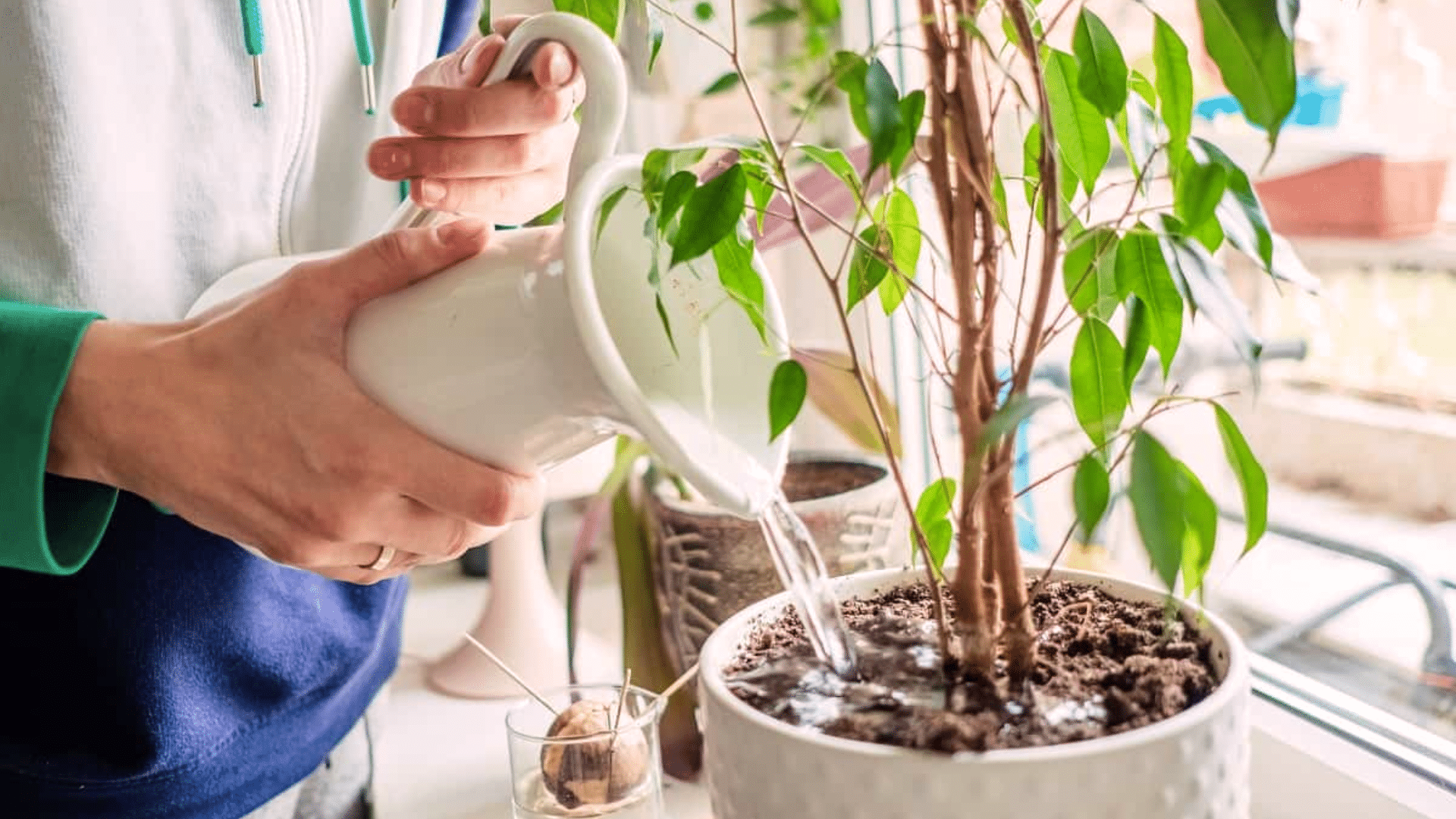
Water your plants when the top inch of soil starts to dry out, at least one inch of water per week.
Water in the morning so the leaves and soil surface have time to dry out before evening, which lowers the risk of fungal issues. Add one to two inches of organic mulch around the base to hold moisture and keep weeds down.
Peppermint Care: Watering, Feeding, and Pruning
Once your peppermint is in the ground, regular care keeps it healthy and producing strong-flavored leaves all season long. Here’s what to stay on top of:
Watering
- Check the top inch of soil before watering. If it feels dry, water thoroughly.
- Wilted leaves usually mean the plant is thirsty. Yellow leaves are often a sign of too much water.
- Always water at the base of the plant, not over the leaves.
- In summer, potted peppermint may need watering two to four times a week.
Feeding
- Peppermint is a heavy feeder. Side-dress with compost or compost tea a few times during the growing season.
- For container plants, a balanced liquid fertilizer every two to three weeks works well.
- Avoid over-fertilizing, too much nitrogen leads to lots of leaves with weaker flavor.
Pruning
- Pinch back the top shoots regularly to encourage bushier, fuller growth.
- Before and during the growing season (late spring to mid-summer), cut the top half of the plant back.
- Remove any woody or dry-looking stems when you see them.
- Snip off flower buds as soon as they appear. Letting the plant flower drops the oil concentration in the leaves, which weakens the flavor.
- Every three to four years, move your plants to a fresh spot. Peppermint weakens and grows thin if left in the same soil too long.
How to Control Peppermint’s Spread?
Peppermint spreads through underground stems called stolons, and it does so fast. If you plant it directly in a garden bed without any containment, it will take over neighboring plants within a season or two.
The simplest fix is to grow it in a container. If you want it in the ground, bury a pot (with the bottom cut out) or a strip of plastic edging at least eight inches deep around the planting area.
Regular pruning and harvesting also help keep the plant in check.
Common Problems: Pests and Diseases
Peppermint is fairly tough and bounces back from most issues, but a few pests and diseases are worth watching for. Catching them early makes a big difference.
| Problem | Signs | Fix |
|---|---|---|
| Aphids | Distorted growth, yellowing leaves, sticky residue on stems | Rinse with water or spray with insecticidal soap |
| Spider Mites | Fine webbing on leaves; tiny moving dots; leaves look dull or bronzed | Keep plants well-watered; blast with strong water spray; use neem oil for large infestations |
| Mint Leaf Beetles | Holes chewed through leaves | Remove by hand; the plant usually recovers on its own |
| Powdery Mildew | White, powdery coating on leaves | Remove infected leaves; treat with an organic fungicide |
| Rust | Orange, yellow, or red spots on the underside of leaves | Water in the morning; cut out infected sections promptly |
| Verticillium Wilt | Plant collapses suddenly; dark markings on stem; lower leaves yellow | Remove affected material; ensure consistent watering |
| Root Rot | Roots decaying; plant droops despite moist soil | Improve drainage; reduce watering; repot if needed |
When and How to Harvest Peppermint?
Timing your harvest well makes a real difference in flavor. The good news is that peppermint is generous, you can harvest it multiple times in a single season.
- When to start: Wait until the plant is at least four inches tall and well established.
- Best time of year: Just before the plant begins to flower, this is when the oil content in the leaves is at its peak.
- Best time of day: Harvest in the morning, after the dew dries but before the sun gets too hot, for the strongest flavor.
- How to harvest small amounts: Pinch off leaves or snip a few inches from the top of a stem as needed.
- How to do a full harvest: Cut stems down to just above the first or second set of leaves.
- How many times per season: Most plants can be harvested two to three times per growing season.
- One rule to follow: Never remove more than one-third of the plant at once. It needs enough foliage to keep growing and recovering.
How to Use Your Homegrown Peppermint?
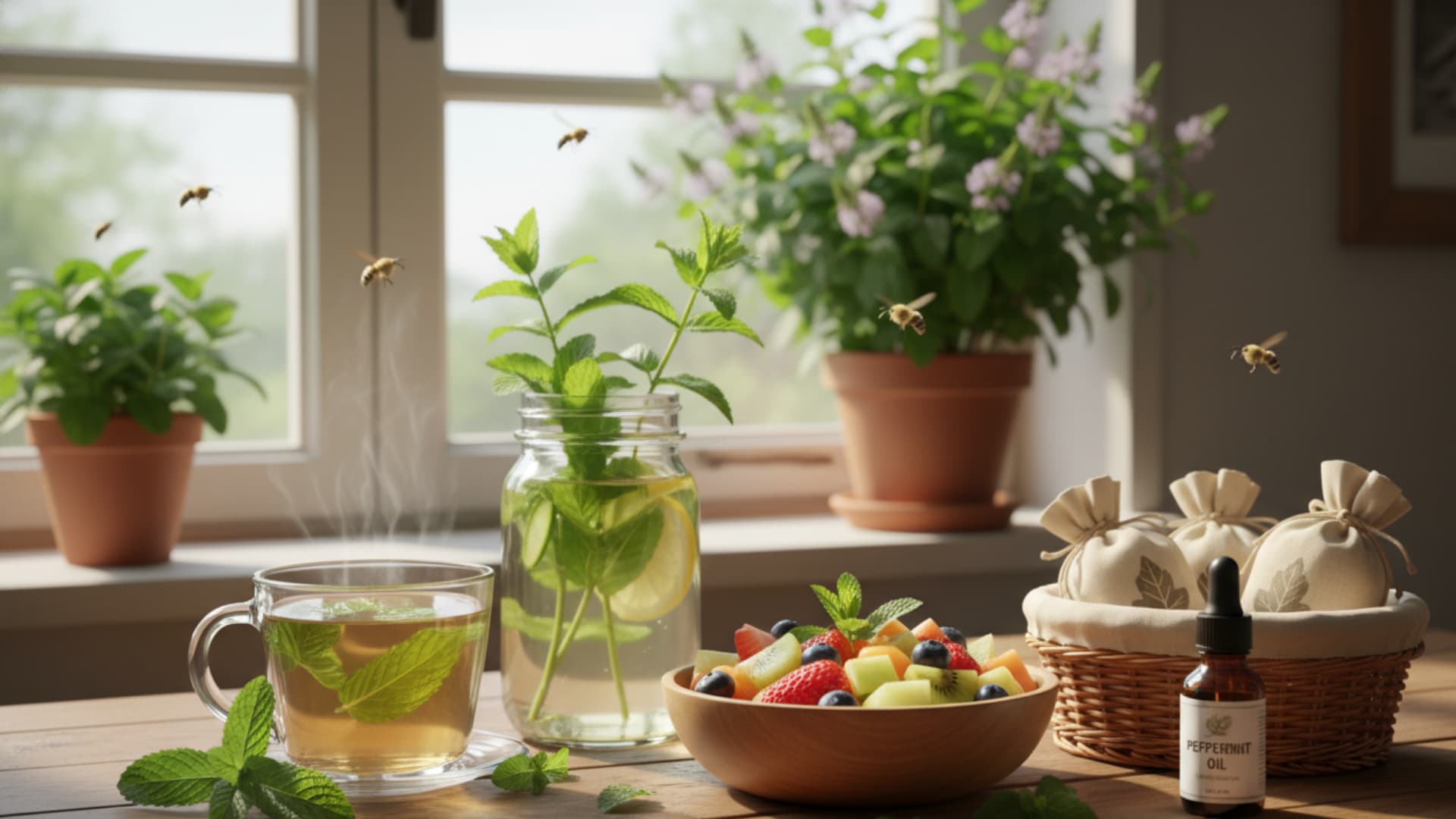
Fresh peppermint from your own garden can be used in far more ways than most people realize. Here’s how to put those leaves to work:
In the Kitchen
- Steep 10 to 12 fresh leaves in hot water for five to seven minutes to make a simple, flavorful mint tea.
- Add chopped leaves to fruit salads, grain bowls, yogurt sauces, and vinaigrettes for a fresh, slightly sharp lift.
- Toss a few sprigs into iced water, lemonade, or cocktails, the classic mojito combination works for a reason.
- Mix leaves into brownie batter or hot chocolate for that chocolate-mint combination.
- Infuse fresh leaves into honey while the plant is producing abundantly in summer; use the honey through winter in teas and baked goods.
For Your Health
- A cup of peppermint tea after meals can ease digestion and reduce bloating. The menthol compound relaxes muscles in the digestive tract, which helps with cramping and gas.
- Applying diluted peppermint oil to the forehead is a well-known approach for tension headaches. The menthol increases local blood flow and creates a cooling effect.
- Inhaling steam with a few drops of peppermint oil can help ease nasal congestion during a cold.
- Always check with a healthcare professional before using peppermint for health purposes, especially if you have acid reflux, GERD, or are pregnant.
Around the Home
- Mice and other rodents dislike the smell of peppermint strongly. Placing potted peppermint near entry points or using peppermint oil on cotton balls near gaps is a natural and non-toxic deterrent.
- Dry leftover sprigs and place them in small cloth bags for a fresh-smelling drawer or closet sachet.
- Peppermint flowers attract bees, butterflies, and other pollinators, so a plant in full bloom is genuinely good for your garden.
How to Store Fresh and Dried Peppermint?
Fresh peppermint keeps well in the fridge for up to ten days if you wrap the stems in a damp paper towel or stand them upright in a glass of water with a loose plastic bag over the top.
For longer storage, drying is the most straightforward option, hang small bundles upside down in a shaded, airy spot until fully dry, then strip the leaves and store them in an airtight container away from heat and light.
If you want to preserve the fresh flavor for drinks and recipes, freeze whole leaves flat in ice cube trays with water; the cubes drop straight into iced tea or cocktails without any prep.
Wrapping It Up
Growing peppermint is something almost anyone can do, and the results are worth it.
A plant in a pot on your windowsill gives you fresh leaves on demand, leaves that smell and taste nothing like what comes out of a store-bought packet.
Once you know how to plant, care for, and harvest it properly, peppermint becomes one of those herbs that practically takes care of itself. The bigger challenge, honestly, is keeping it contained.
Start with one pot, get a feel for it, and go from there. Your kitchen and your tea mug will thank you for it.
Frequently Asked Questions
Is Peppermint Plant Easy to Grow?
Yes, peppermint is very easy to grow. It grows quickly, adapts well, and returns each year. Just control its spread with containers or barriers.
Will Peppermint Plants Keep Mice Away?
It can help. Mice dislike the smell, so peppermint may deter them near entry points, but it won’t stop a serious infestation.
Does the Peppermint Plant Come Back Every Year?
Yes. Peppermint is a perennial, which means it dies back in cold weather but regrows from its root system each spring. In most parts of the US (USDA zones 3 to 11), you can expect it to return reliably year after year.
How Long Does It Take for Peppermint to Fully Grow?
Peppermint reaches full maturity in around 90 days. If you’re growing from cuttings, you can often take your first small harvest earlier, once the plant is at least four inches tall and well-established.