Okay, so sunflowers. Everyone grows them. Your nan grew them. That one neighbor with the perfect garden grows them. Kids grow them in little plastic cups at school, and somehow those survive too.
So why do so many first-timers end up standing over a patch of bare soil two weeks later, wondering what went wrong? When to plant sunflowers?
I asked myself the same thing. Planted confidently, watered regularly, and checked every morning like something was going to happen overnight.
Turned out I had done almost everything right except the one thing that actually decides whether seeds live or die, and it had nothing to do with watering, sunlight, or any of the stuff I was obsessing over.
Why Sunflowers are Worth Growing
Sunflowers are one of those rare plants that genuinely give back more than you put in.
They grow fast, attract bees and butterflies, produce seeds you can eat, and a well-timed row can have your garden looking like something out of a magazine for weeks.
They are beginner-friendly once you understand the two or three things that actually matter. Everything else the plant figures out on its own.
When to Plant Sunflowers
Sunflowers grow best when both the weather and soil are warm enough for fast germination. Frost dates matter, but soil temperature and growing conditions are what actually decide how successful your planting will be.
| Stage / Zone | Region or Condition | What to Know | Typical Timing |
|---|---|---|---|
| Zones 3–4 | Fargo, Duluth | Wait until soil fully warms after late frosts | Late May to early June |
| Zones 5–6 | Chicago, Denver | Mild spring temperatures support steady germination | Mid-April to mid-May |
| Zones 7–8 | Nashville, Seattle | Earlier warming allows earlier planting | March to April |
| Zones 9–11 | Los Angeles, Miami, Phoenix | Warm climates allow spring and sometimes fall planting | February to March |
| Soil Temperature | Around 50°F or warmer | Seeds sprout better in warm, crumbly soil | After the last frost |
| Sprouting Stage | Days 7–10 | Keep soil lightly moist while seedlings emerge | First week after planting |
| Thinning Stage | Around 6 inches tall | Remove weaker seedlings for stronger growth | Early growth stage |
| Bud Stage | Before flowering | Use high-potash feed and monitor for pests | Mid-season |
| Bloom Stage | Mature flowering period | Harvest blooms or leave seed heads for birds | 50–95 days after planting |
Best Sunflower Varieties for Beginners
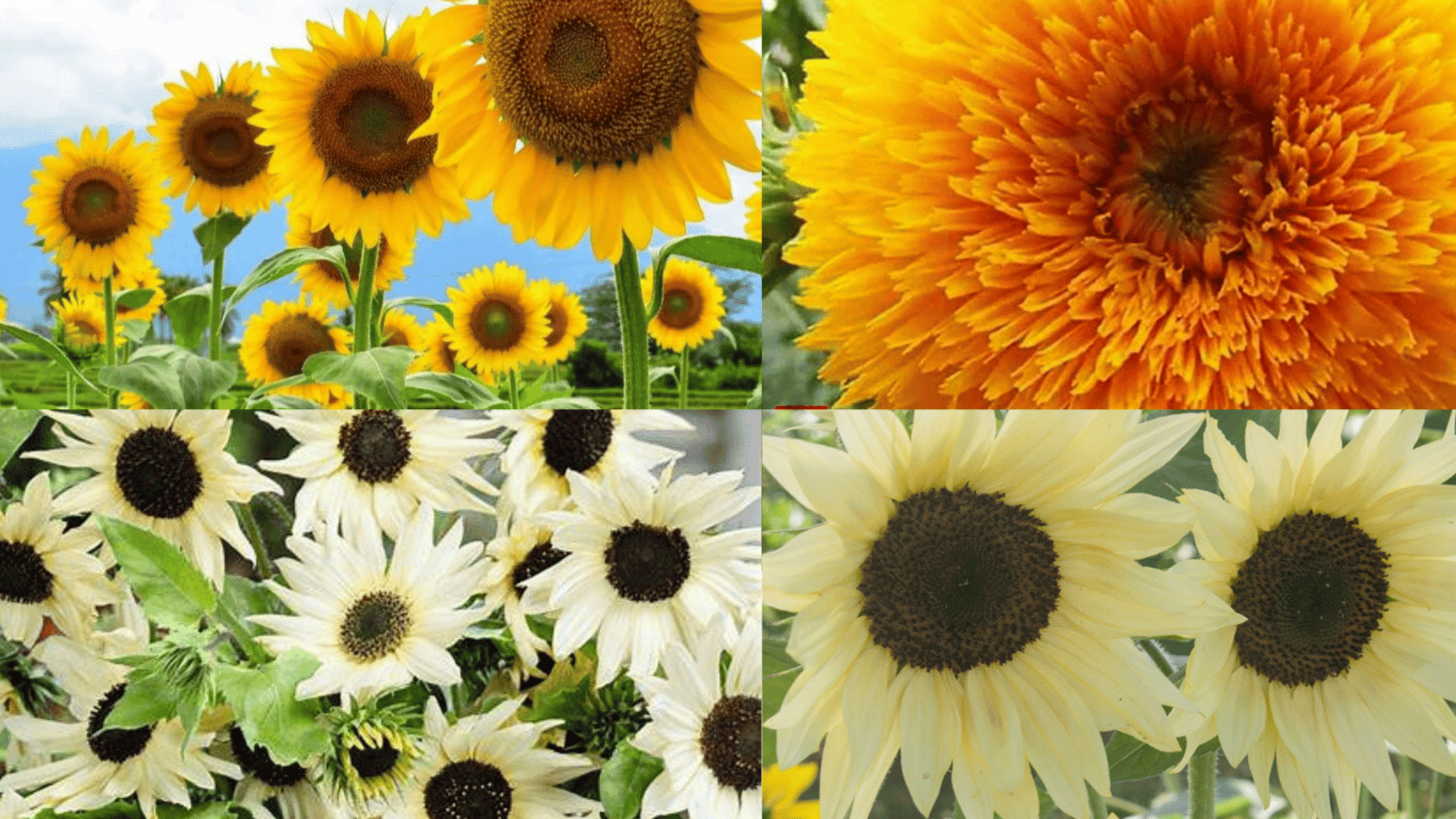
Picking the right variety before anything else saves a lot of disappointment later. A wide variety in a small pot, or a 90-day variety in a short season, will struggle regardless of how well everything else is done.
| Type | Best For | Days To Bloom |
|---|---|---|
| Dwarf | Pots and small spaces | 50–60 days |
| Mammoth | Large spaces, dramatic height | 120–180 days |
| Branching | More flowers per plant, longer season | 70 days |
| Pollenless | Cut flowers, no pollen mess indoors | 50–60 days |
| Fast-Blooming | Short seasons and late planting | Under 60 days |
How to Grow Sunflowers: Step-by-Step
Every step below matters. Skipping or rushing any of them is where most problems start.
What You Need
- Sunflower seeds
- Garden shovel or spade
- Compost or aged manure
- Soil pH test kit
- Garden rake
- Watering can or garden hose
- Nitrogen-rich fertilizer
- High-potash fertilizer (like tomato feed)
- Wooden stakes or bamboo poles
- Soft garden ties or string
- Mulch (optional)
- Gloves and measuring tape
Step 1: Pick the Right Spot
One thing sunflowers will not compromise on. They need 6 to 8 hours of direct sunlight every single day, actual unobstructed sunlight for most of the day.
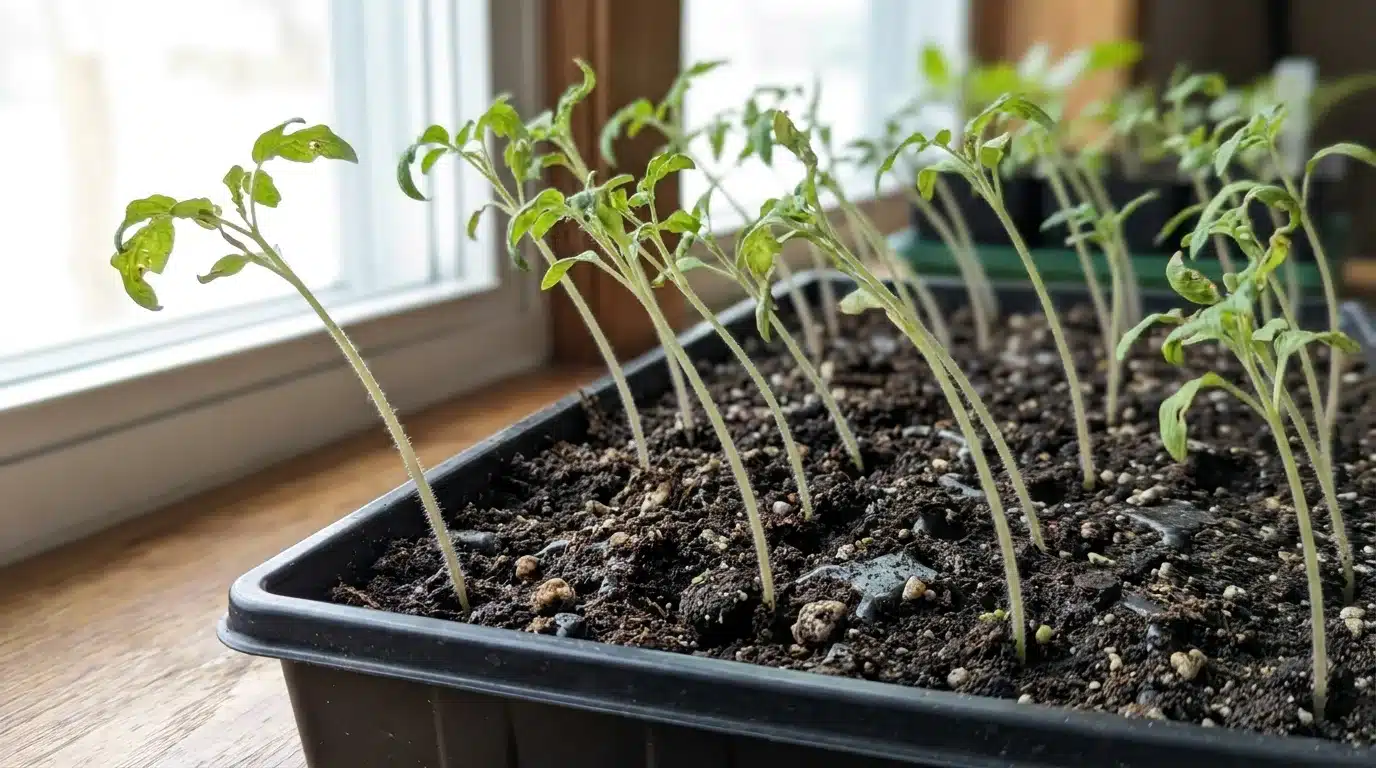
A spot that gets afternoon shade will give you tall, leggy stems reaching desperately toward whatever light they can find, and blooms that never quite fill out properly.
Step 2: Prepare the Soil Properly
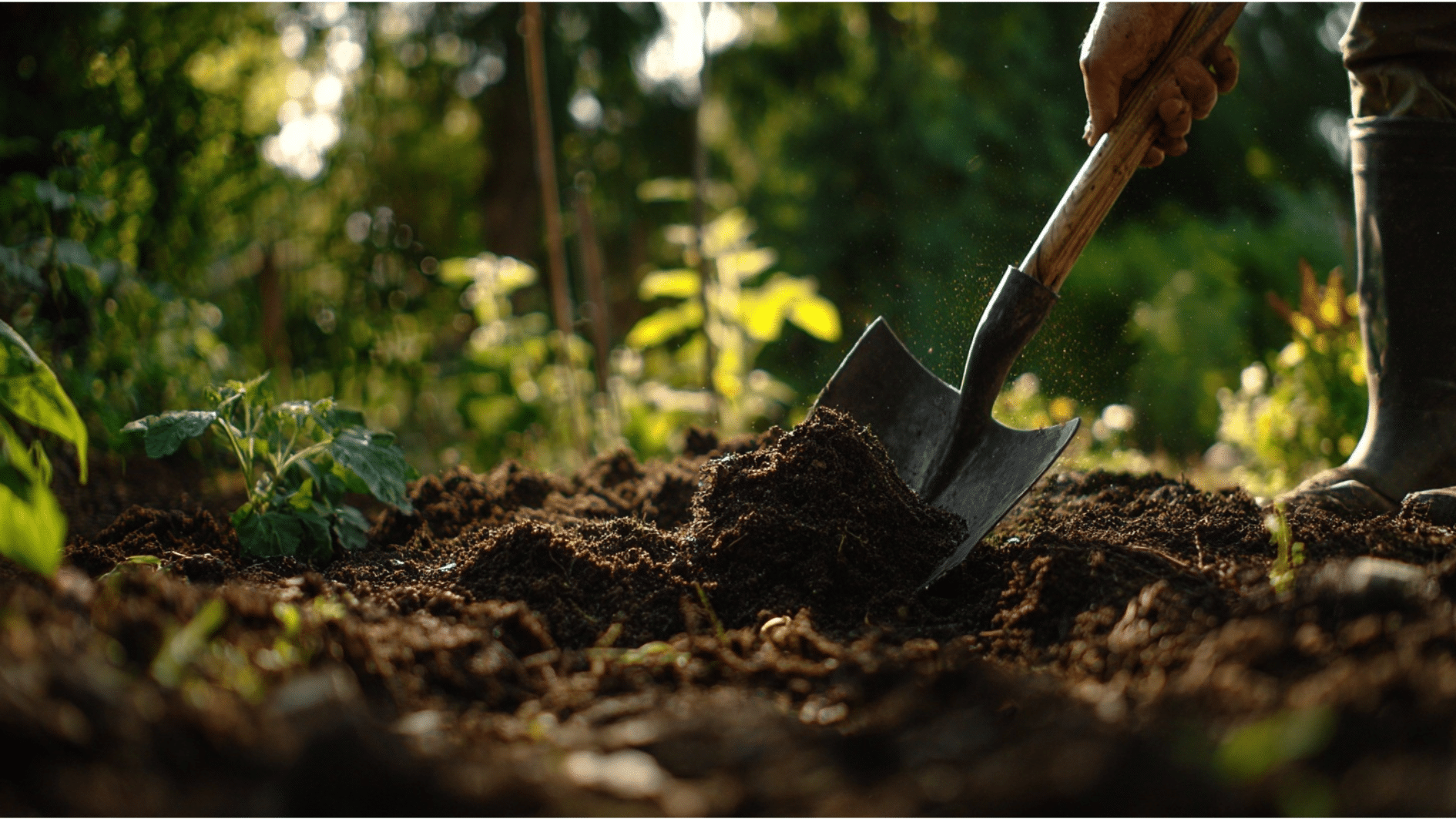
Sunflowers have a deep taproot that can push several feet into the ground when conditions allow it. That root anchors a tall plant against the wind and pulls up nutrients from deep in the soil. Loosen the ground at least 2 feet down before planting.
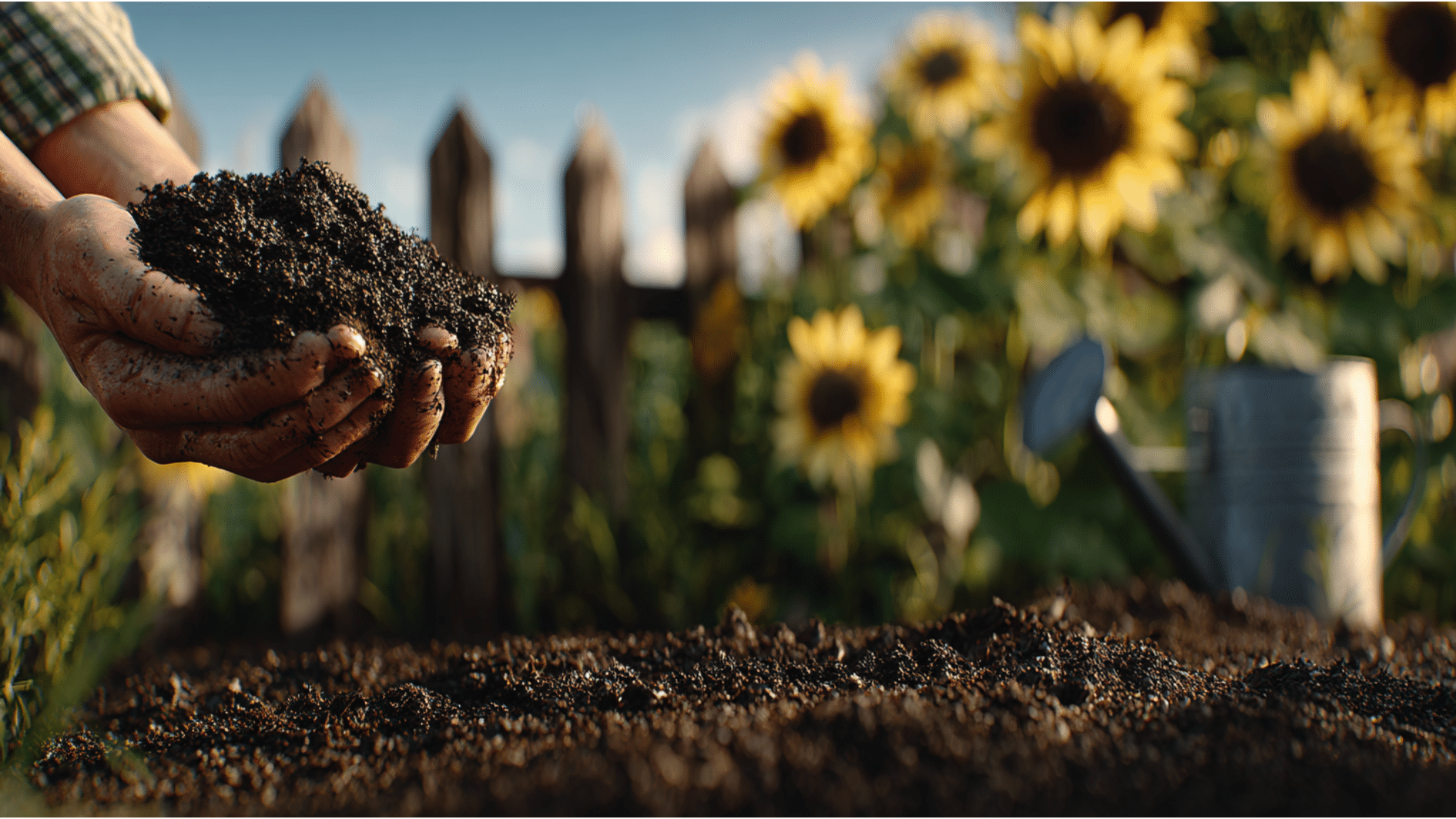
Mix in compost or aged manure to improve both nutrient levels and drainage, and check that your soil pH is between 6.0 and 7.5. Below that range, the plant cannot absorb nutrients properly
Step 3: Plant At the Right Depth and Spacing
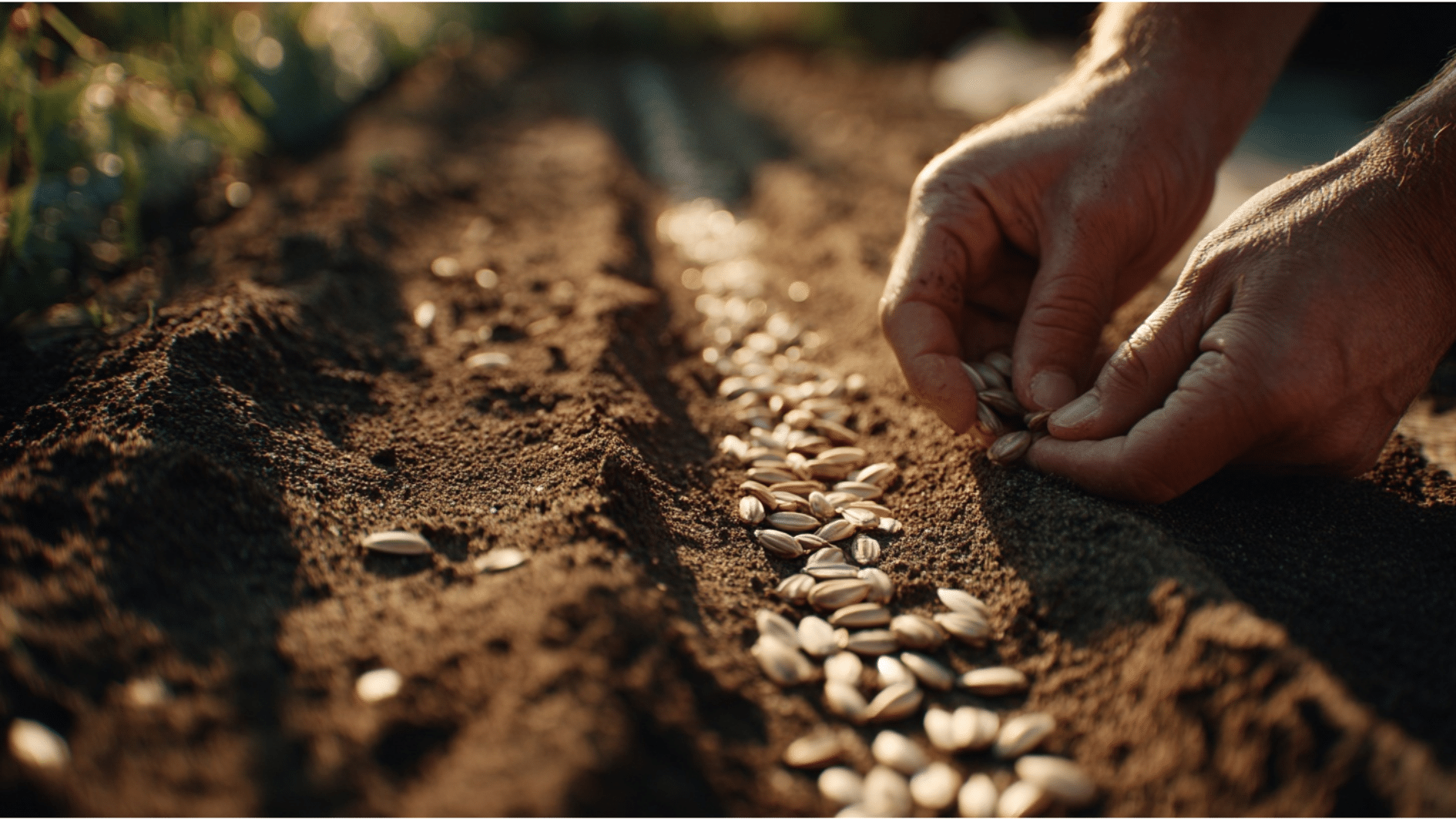
Sow seeds 1 to 1.5 inches deep. Too shallow and birds find them easily. Too deep in cold or heavy soil, and they struggle to push through. For spacing, dwarf types go 6 inches apart, branching types 12 inches, giants need a full 24 inches, and rows should sit 30 inches apart.
Crowded sunflowers compete for nutrients, develop weaker stems, produce noticeably smaller blooms, and create conditions where disease spreads between plants fast.
Step 4: Water Deeply and Back Off
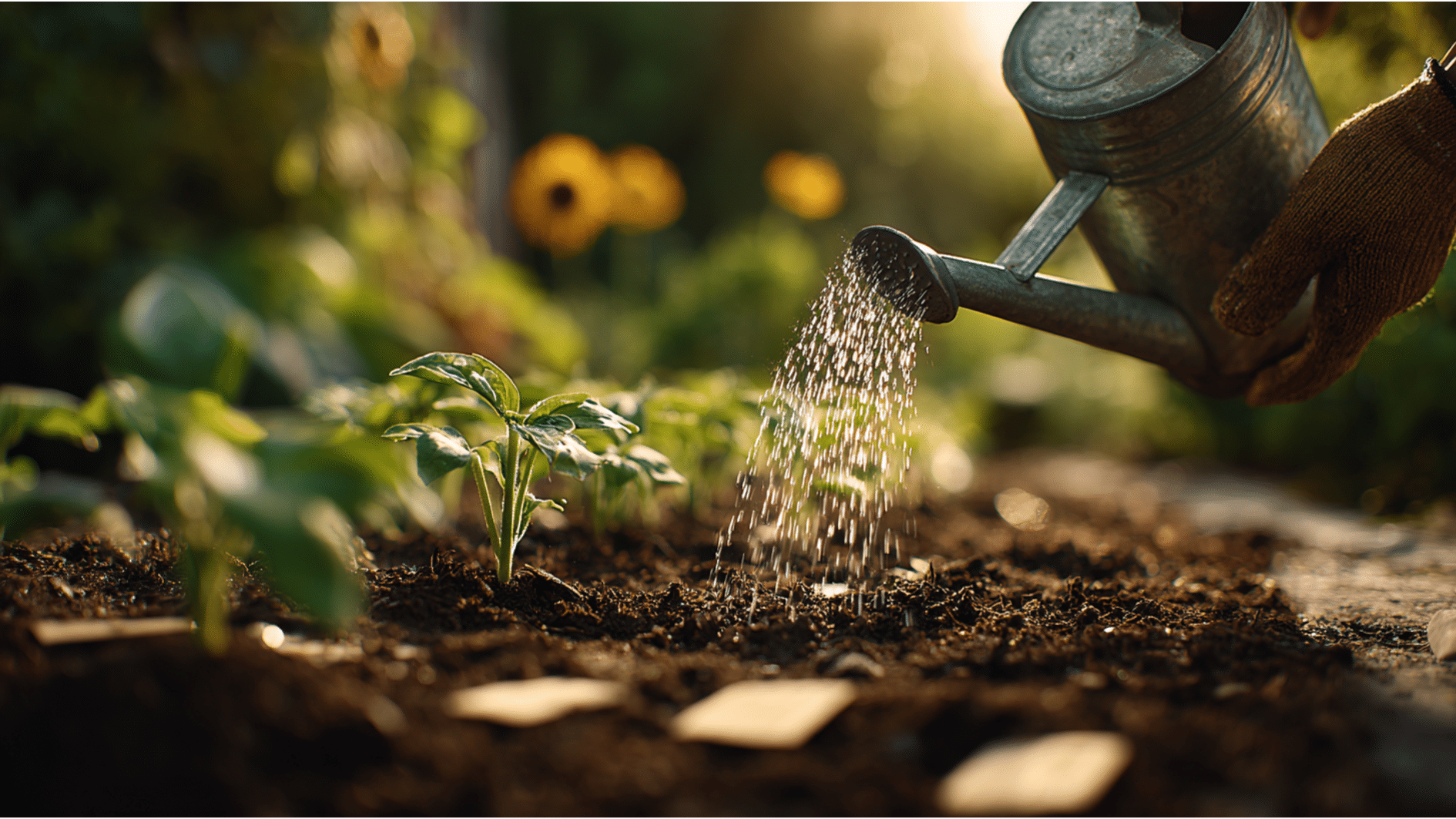
Water deeply right after planting, then pull back more than you feel comfortable with. Sunflowers need around 1 to 2 inches of water per week delivered slowly at the base of the plant, not sprayed overhead.
Overhead watering encourages fungal disease and does less for the roots than a slow, deep soak. Let the soil dry out between waterings. Once established, sunflowers are surprisingly drought-tolerant and need far less attention than most people give them.
Step 5: Feed Smartly, Not Heavily
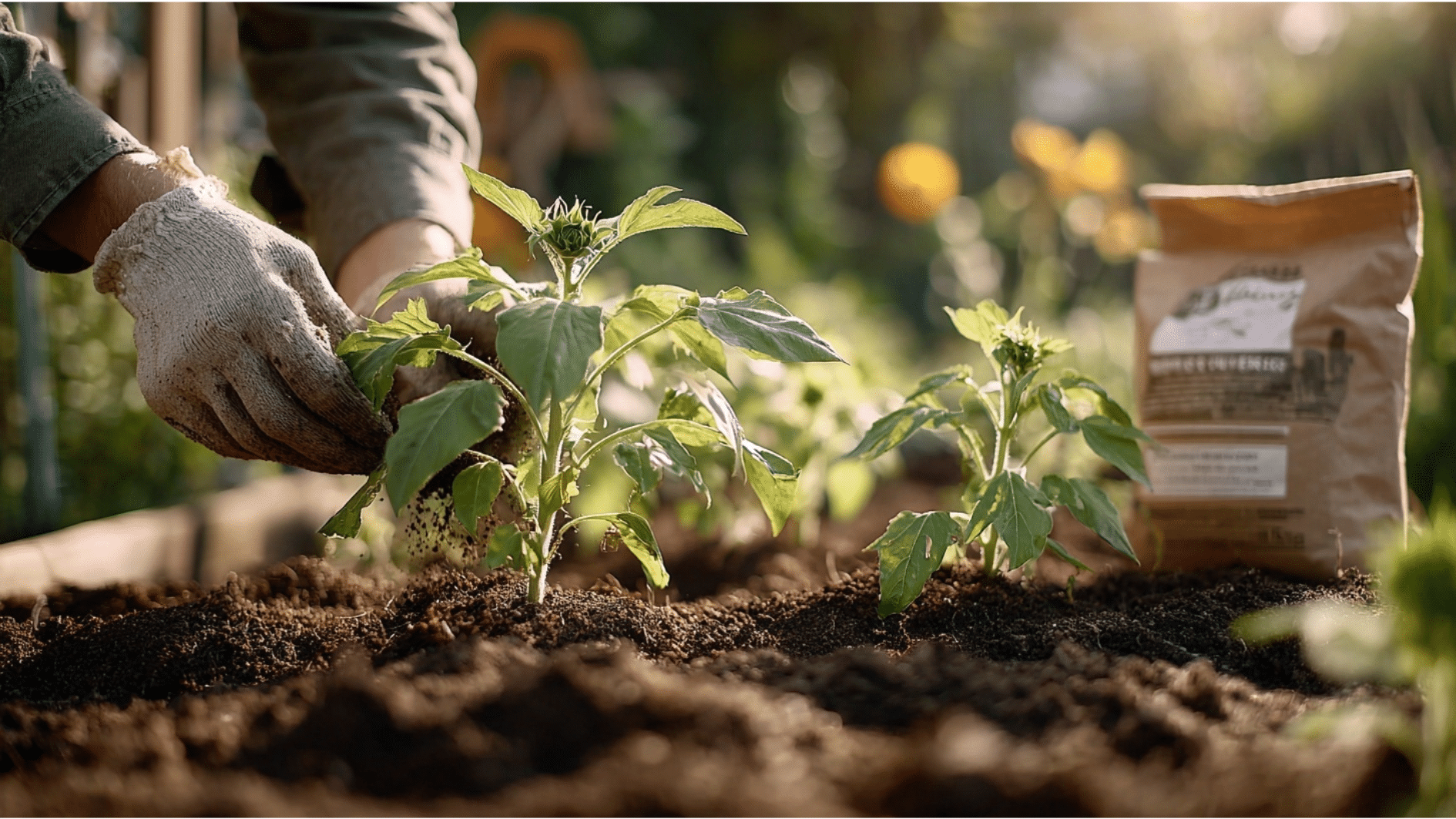
Start with a nitrogen-rich fertilizer during the early growth phase. Nitrogen builds stems and foliage, which is exactly what you want in the first few weeks: height, structure, and strong growth.
When you start to see buds forming, switch to a high-potash feed, such as a standard tomato fertilizer. Do not keep feeding with nitrogen once buds appear, as it causes lush green growth at the direct expense of flowers.
Step 6: Stake Before You Think You Need To
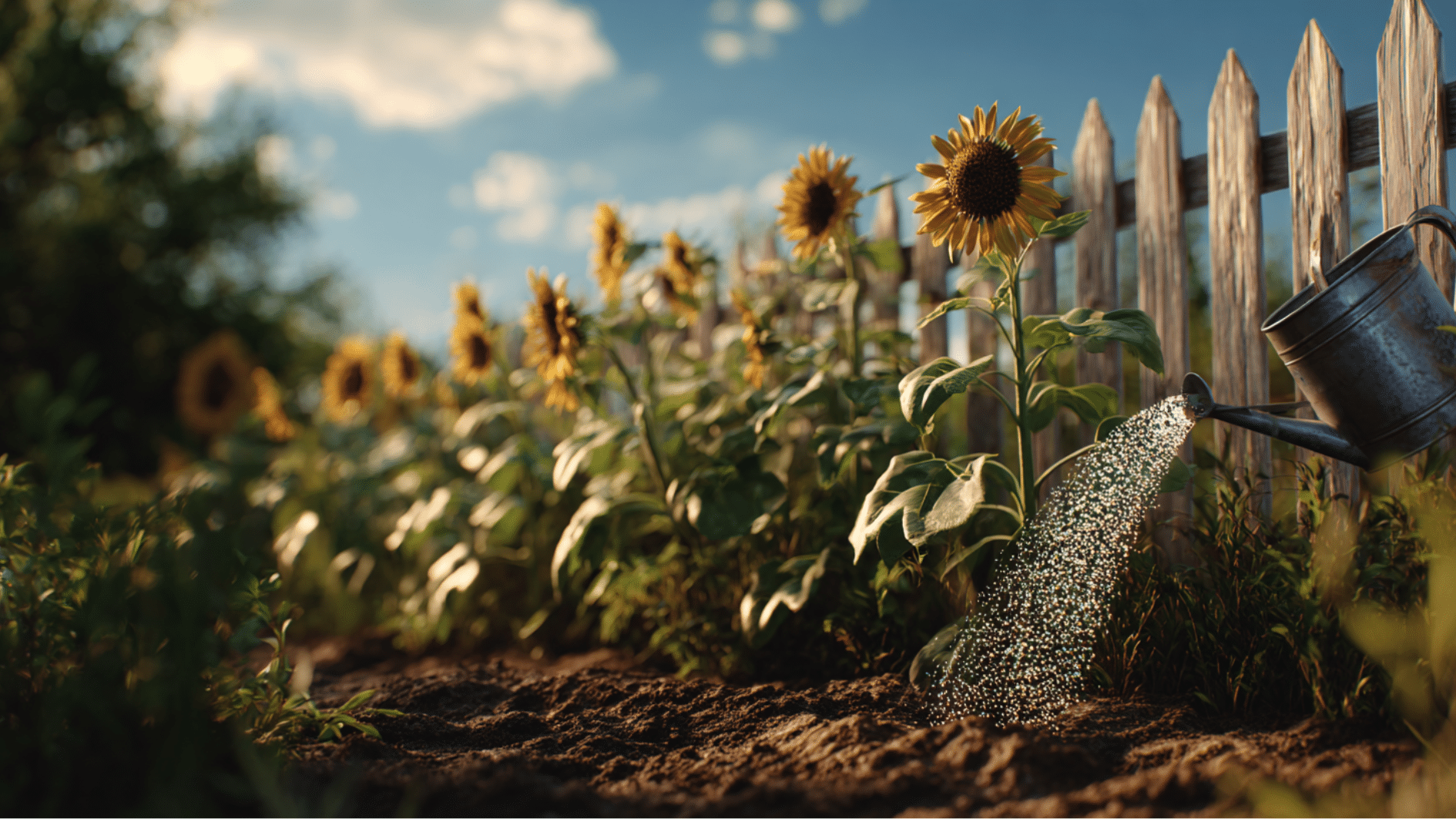
For tall varieties, get stakes in at planting time. Not when the plant starts leaning. Not when it reaches a meter high.
Adding stakes after the plant is established means pushing them into soil where the taproot already runs deep, and damaging that root sets growth back in ways that are hard to recover from.
Tie the stem loosely to the stake and adjust the tie as the plant grows.
What Real Growers Say About Planting Sunflowers
Nothing teaches you faster than people who already got it wrong. The r/gardening and r/vegetablegardening communities have more honest sunflower experiences than any guide online. Here is what actually comes up time and time again.
On timing, u/GardenNerd42 wrote:
“Planted May 1st two years running and lost most of them both times. Third year I waited until the soil actually felt warm and every single one came up. Same seeds, same spot, completely different result.”
On disappearing seeds, u/FirstTimeGrower shared:
“Planted 20 seeds on a Sunday, came out Monday morning and counted 20 holes. Every single one gone. Now I always cover the bed with netting for the first week. Never lost one since.”
On staggered planting, u/SunflowerSeason said:
“First year I planted everything at once and had flowers for maybe two weeks. Started staggering every two weeks the next year and had blooms for almost two months. Cannot believe I did not do this sooner.”
On late planting, u/LateGardener wrote:
“Tried Mammoth in mid-August. Plant grew beautifully, got tall, looked incredible. First frost came before a single bud opened. Complete waste of a season. Never doing giants late again.”
Want to read more experiences like these? Browse the r/gardening sunflower threads here.
How to Stop Animals Eating Your Seeds
This is the most common real-world failure point, and most guides give it one vague line. Here is what actually works.
- Cover Seeds with Netting: Use garden mesh or bird netting over freshly planted areas to stop birds and squirrels from digging up seeds.
- Plant Seeds Slightly Deeper: Sunflower seeds planted too close to the surface are easier for animals to spot and remove.
- Use Mulch Lightly: A thin layer of straw or mulch helps hide seeds from birds while still allowing sprouts to grow through.
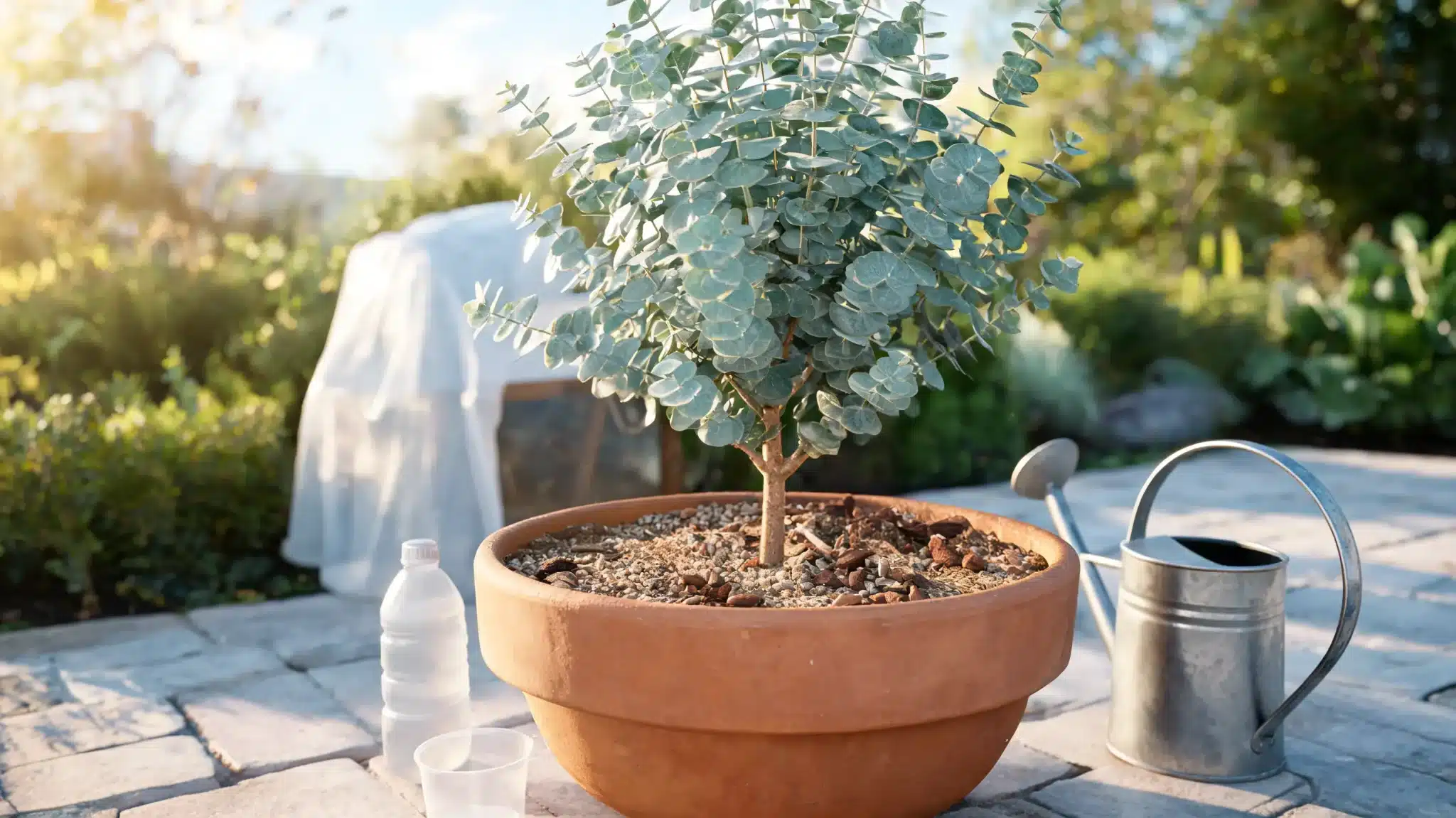
- Add Temporary Covers: Place cloches, plastic bottles, or row covers over seedlings until they become stronger and harder to eat.
- Avoid Leaving Loose Seeds Around: Extra seeds on the soil surface attract birds, squirrels, and chipmunks quickly.
- Use Natural Deterrents: Items like reflective tape, pinwheels, or motion-activated sprinklers can scare animals away from young plants.
- Start Seeds Indoors First: Growing seedlings indoors before transplanting outdoors reduces the risk of seeds being eaten early on.
Conclusion
There is a reason sunflowers show up in paintings, on birthday cards, at farmers’ markets, outside petrol stations in plastic buckets; they are genuinely one of the few things in the world that make people stop and look.
Not because they are rare or delicate or complicated. Because they are just quietly, stubbornly magnificent at being exactly what they are.
Grow one properly, and you will understand why Van Gogh painted twelve of them and kept going back. Some things are worth getting right.
Frequently Asked Questions
Why did nothing sprout after two weeks?
Usually, it is cold soil, overwatering, or animals. Check the soil temperature first, look for small holes where seeds were planted, and replant once conditions improve.
Why are my sunflower leaves turning yellow?
Usually a watering issue, too much or too little. It can also be a pH problem. A pH below 6.0 causes nutrient lockout, and a pH above 7.5 causes iron deficiency.
How do I know which variety is right for my space?
Check the mature height and days to maturity on the packet. A small space or a short season rules out most giants immediately.