Geraniums are one of the easiest ways to add bright color to a home or garden without taking on a difficult plant-care routine.
While geraniums are fairly low-maintenance, a few small care habits can make a big difference in how full and healthy the plants look over time.
Choosing the right variety, giving them enough space, and following simple growing tips can help the blooms last longer and keep the plants looking fresh throughout the season.
Why Geraniums are So Popular
Geraniums are one of those flowers that instantly make a space look brighter and more cheerful. They bloom for months, grow happily in pots or garden beds, and do not ask for too much attention along the way.
Their mix of bold colors, easy upkeep, and reliable flowers makes them a favorite for beginners and longtime plant lovers alike.
One of the best things about geraniums is how easily they fit into different spaces. They can brighten sunny balconies, decorate patios, add color to garden borders, or even grow indoors near bright windows.
With the right care, these plants can stay colorful and lively through most of the growing season.
Different Types of Geraniums
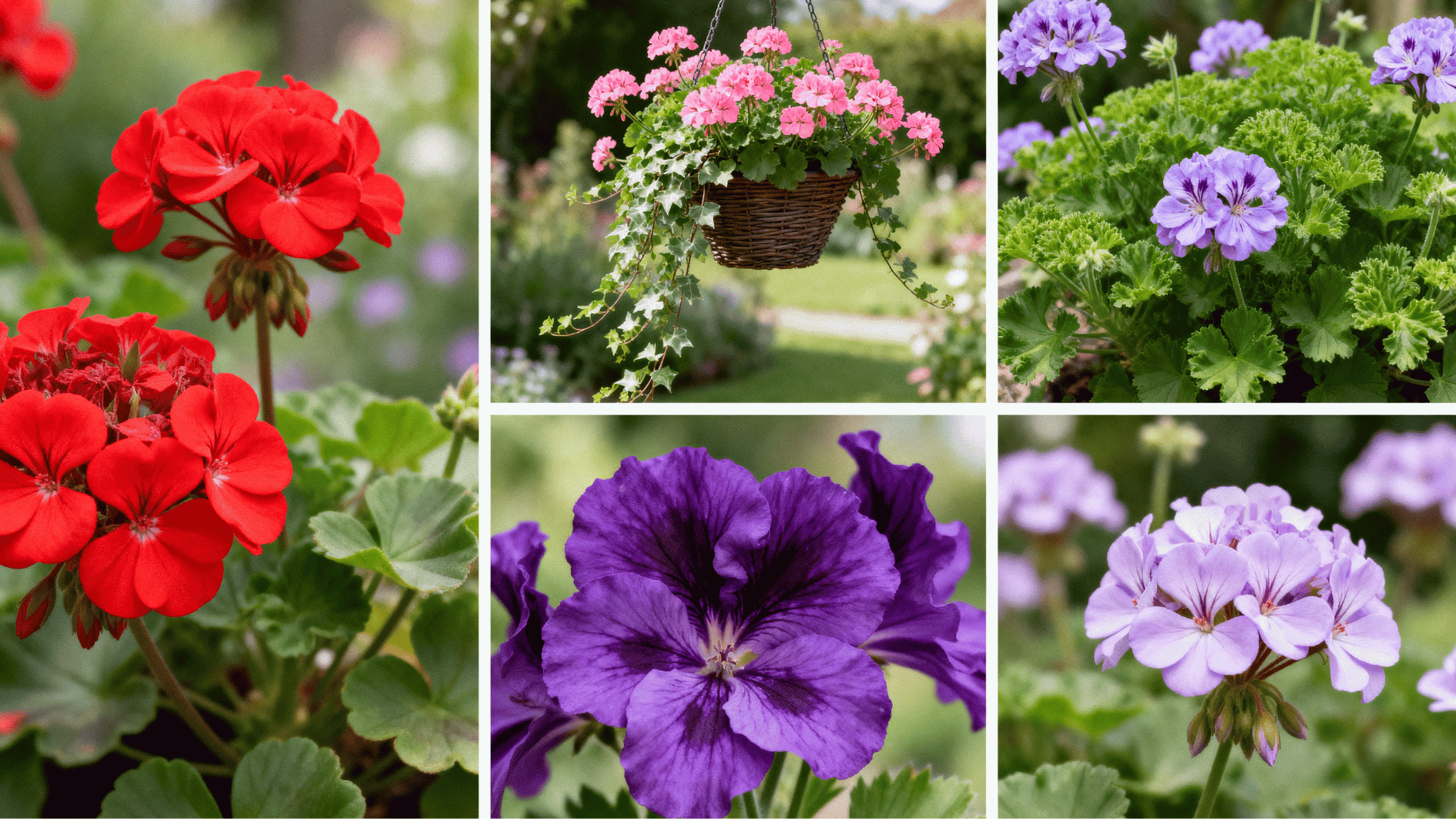
Geraniums come in several varieties, and each one has its own look and growing style. Some are perfect for hanging baskets, while others grow better in pots or garden beds.
| Type of Geranium | What Makes It Special | Best Place to Grow |
|---|---|---|
| Zonal Geraniums | Rounded flower clusters with upright growth | Pots and garden beds |
| Ivy Geraniums | Trailing stems with flowing blooms | Hanging baskets and window boxes |
| Scented Geraniums | Fragrant leaves with lemon, mint, or rose scents | Patios and indoor pots |
| Regal Geraniums | Large flowers with rich colors | Decorative containers |
| Angel Geraniums | Compact plants with smaller blooms | Small pots and balconies |
Tips for Growing Geraniums with Beautiful Blooms
Geraniums usually bloom best when they get a strong start early on. A few simple growing habits can help the plants produce fuller flowers and stay colorful for a much longer time without making gardening feel complicated.
1. Start with Healthy Young Plants
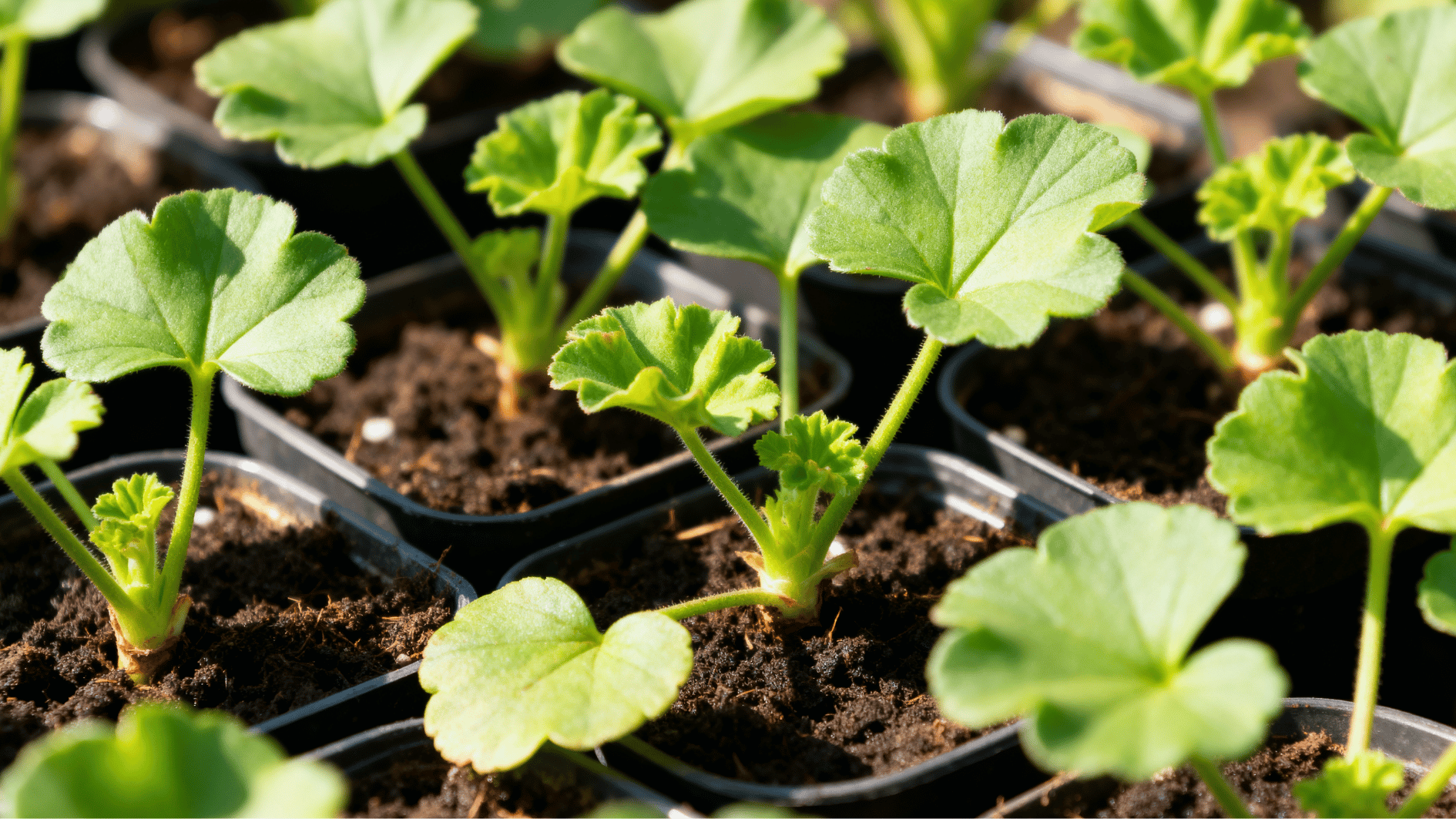
Picking healthy starter plants can make growing geraniums much easier from the beginning.
- Choose plants with firm stems and bright green leaves
- Avoid plants that already look droopy or damaged
- Strong starter plants usually bloom sooner
2. Choose the Right Container Size
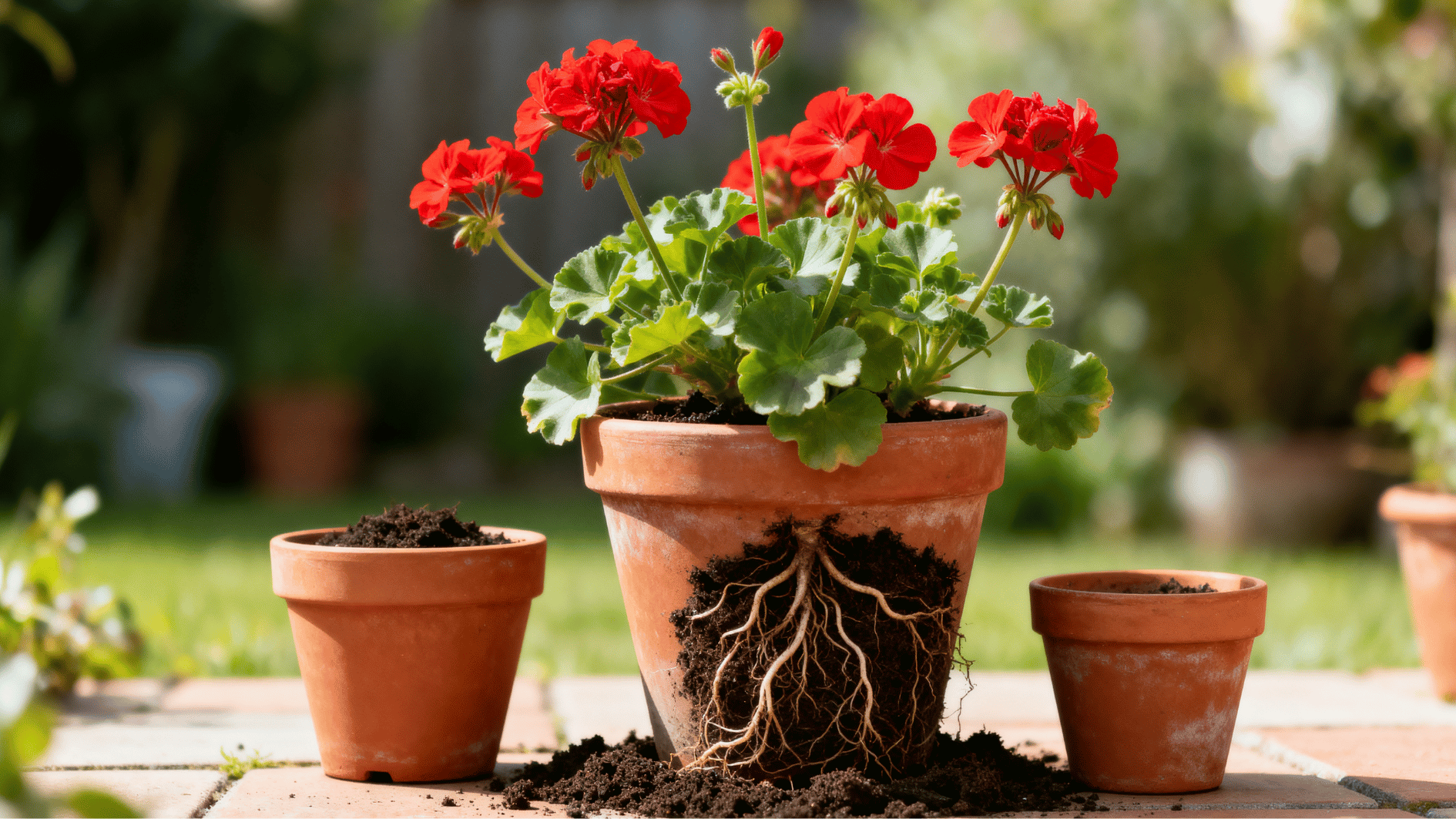
The size of the pot can affect how comfortably the plant grows over time.
- Medium-sized pots help roots grow comfortably
- Tiny pots can limit plant growth too quickly
- Very large containers may slow early growth
3. Give Plants Room to Spread
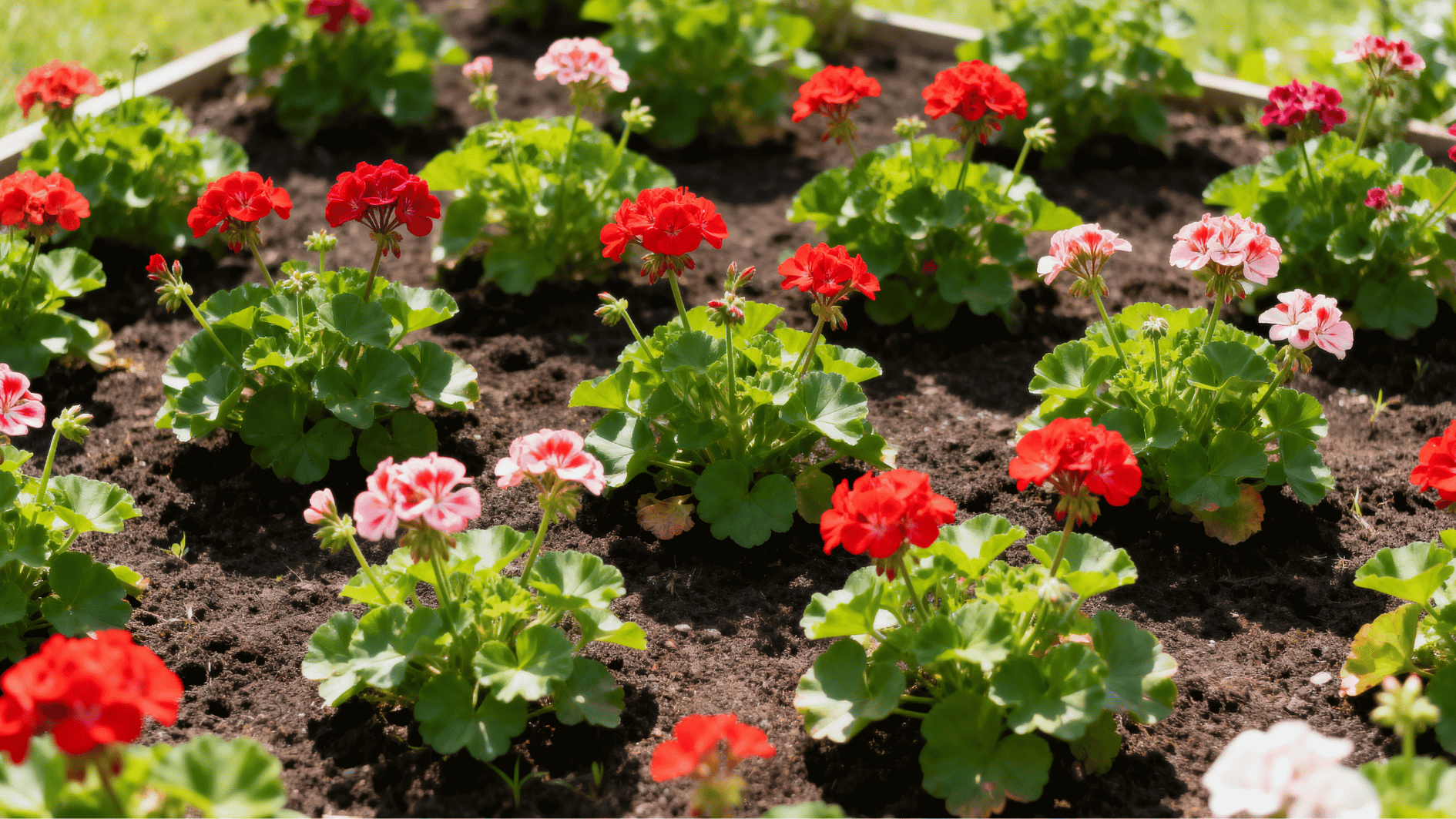
Geraniums usually grow better when they are not packed too closely together.
- Leave enough room between plants while planting
- Crowded stems may compete for space and light
- Extra room helps the plant grow more naturally
4. Turn Pots for Even Growth
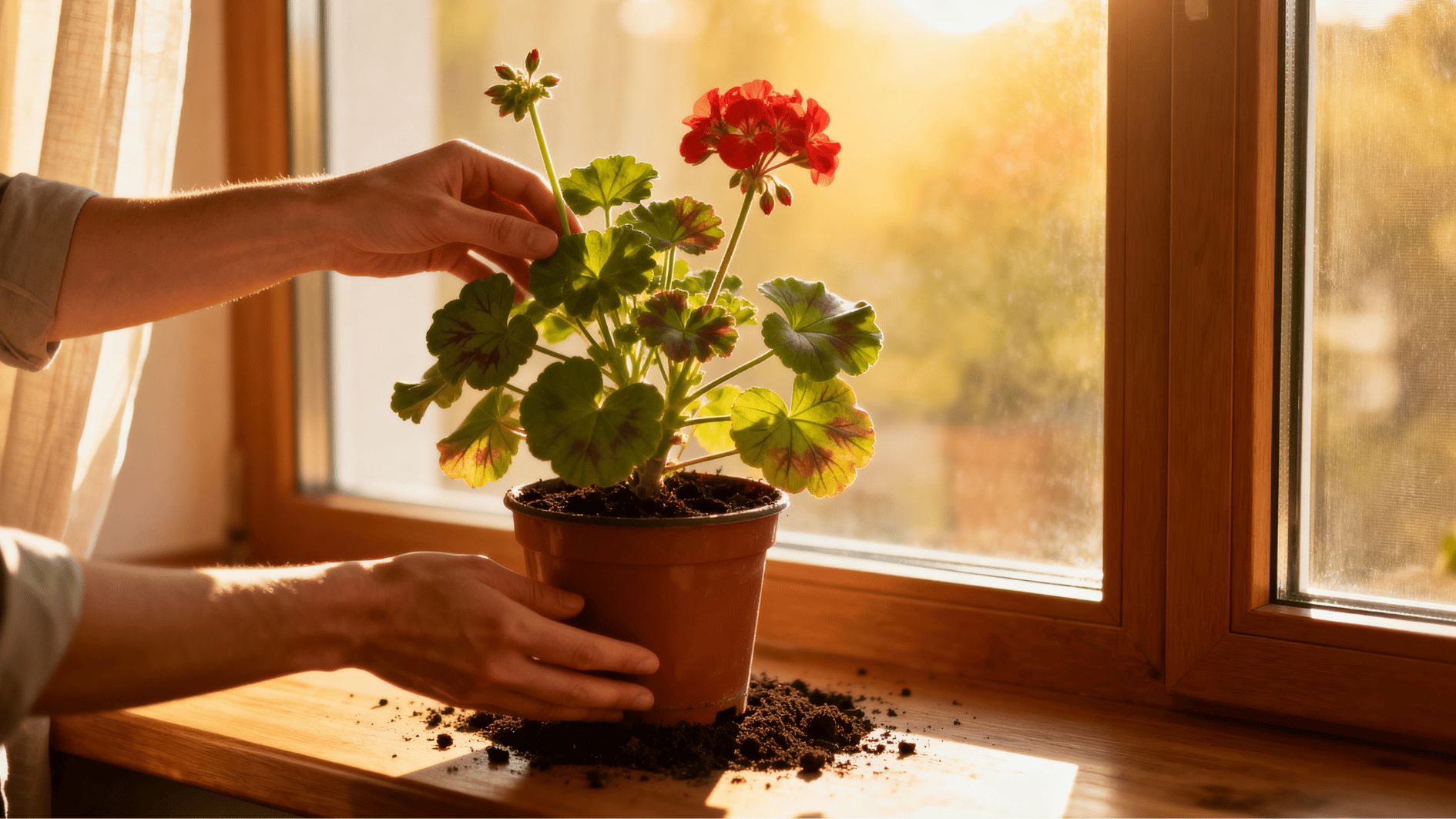
Potted geraniums can sometimes lean toward one side if they stay in the same position for too long.
- Rotate containers every few days
- This helps the plant grow evenly on all sides
- Even growth can make blooms look fuller later
5. Pinch Young Stems Early
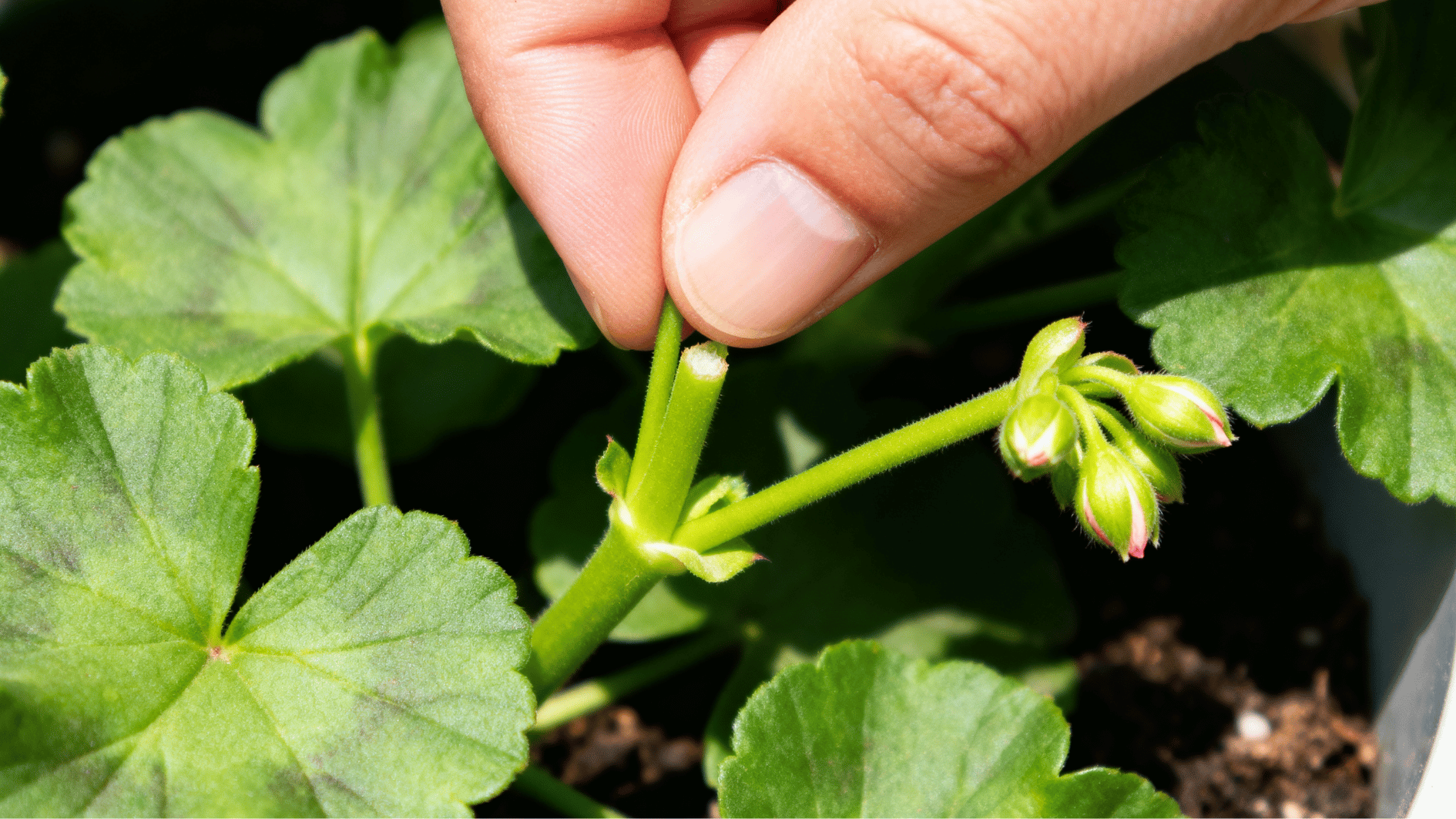
Light pinching can help young plants grow bushier instead of tall and thin.
- Pinching soft stem tips encourages bushier growth
- Fuller plants often produce more flower clusters
- Young plants respond best to light pinching
6. Plant at the Right Depth
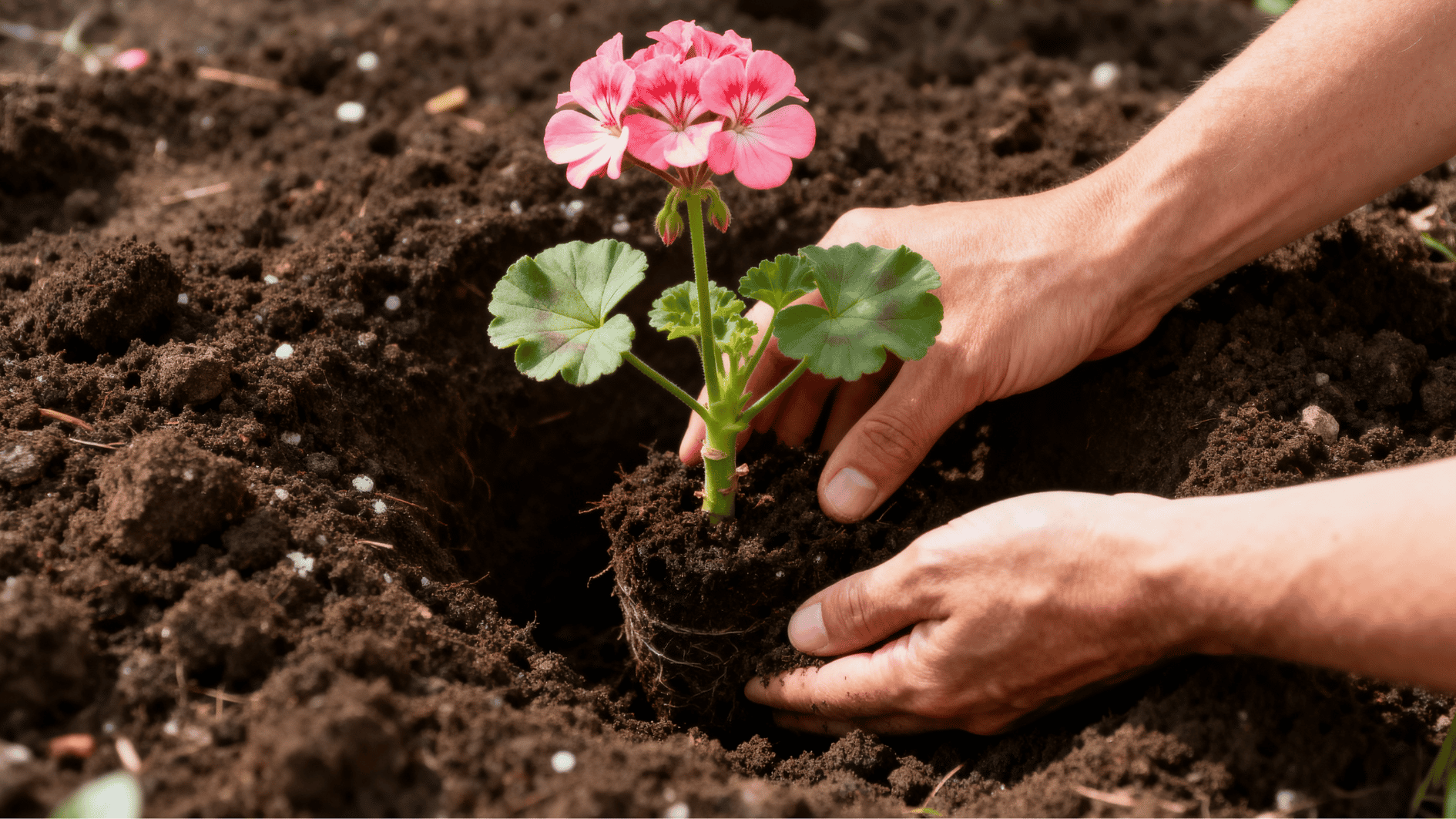
Planting too deep can make young geranium stems struggle early on.
- Keep the main stem slightly above the soil line
- Planting too deep can stress young stems
- Proper depth helps new plants settle faster
Simple Geranium Care Habits for Healthy Plants
Geraniums usually stay healthy when the care routine feels simple and steady. Small habits done regularly can help the plants look fresher and stronger throughout the season.
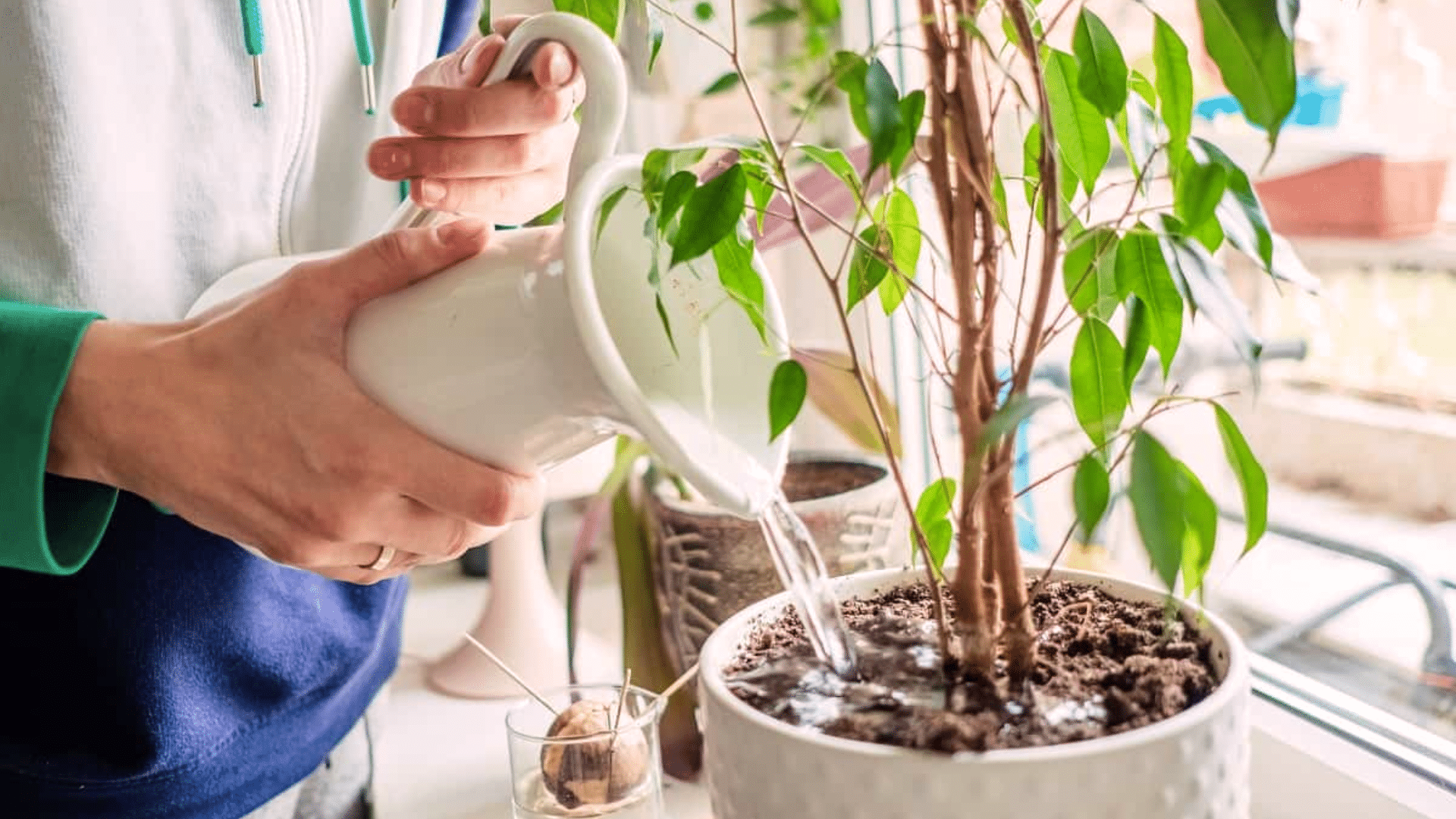
- Let the Soil Dry Slightly Before Watering Again – Geraniums prefer lightly dry soil instead of constantly damp roots. Wet soil for too long can sometimes turn the leaves yellow.
- Clear Away Fallen Leaves From Pots – Old leaves sitting on the soil can trap moisture and make containers look messy over time.
- Rotate Indoor Pots Sometimes – Turning pots every so often can help indoor plants grow more evenly instead of leaning in one direction.
- Keep Plants Away From Strong Cold Drafts – Cold air near windows or doors during winter can affect indoor geranium growth.
- Avoid Crowding Too Many Plants Together – Giving plants enough room can help leaves stay cleaner and reduce weak-looking growth.
- Watch Leaves During Very Hot Weather – Crispy edges or faded spots can sometimes appear during intense heat, especially on sunny patios or balconies.
Conclusion
Geraniums may look delicate with their bright flowers, but geranium care is surprisingly simple once the basics feel familiar. A little sunlight, the right growing space, and easy care habits can help these plants stay colorful and healthy for months.
Small steps like choosing healthy plants, avoiding overcrowding, and keeping up with light maintenance often make the biggest difference.
Even beginners can grow beautiful blooms without needing complicated gardening routines. With a bit of patience and regular care, geraniums can keep adding cheerful color to balconies, patios, windows, and gardens throughout the growing season.
Frequently Asked Questions
Why are my geranium buds not opening?
Sudden weather changes, stress, or dry conditions can sometimes stop flower buds from opening properly.
How tall do geranium plants usually grow?
Most geranium varieties grow between 12 to 24 inches tall, depending on the type and growing conditions.
Why do geranium leaves sometimes smell strong?
Some geranium varieties naturally have scented leaves that release fragrance when touched or brushed against.
Do geranium flowers close at night?
Some geranium blooms may partially close or look less open during cooler nighttime temperatures.