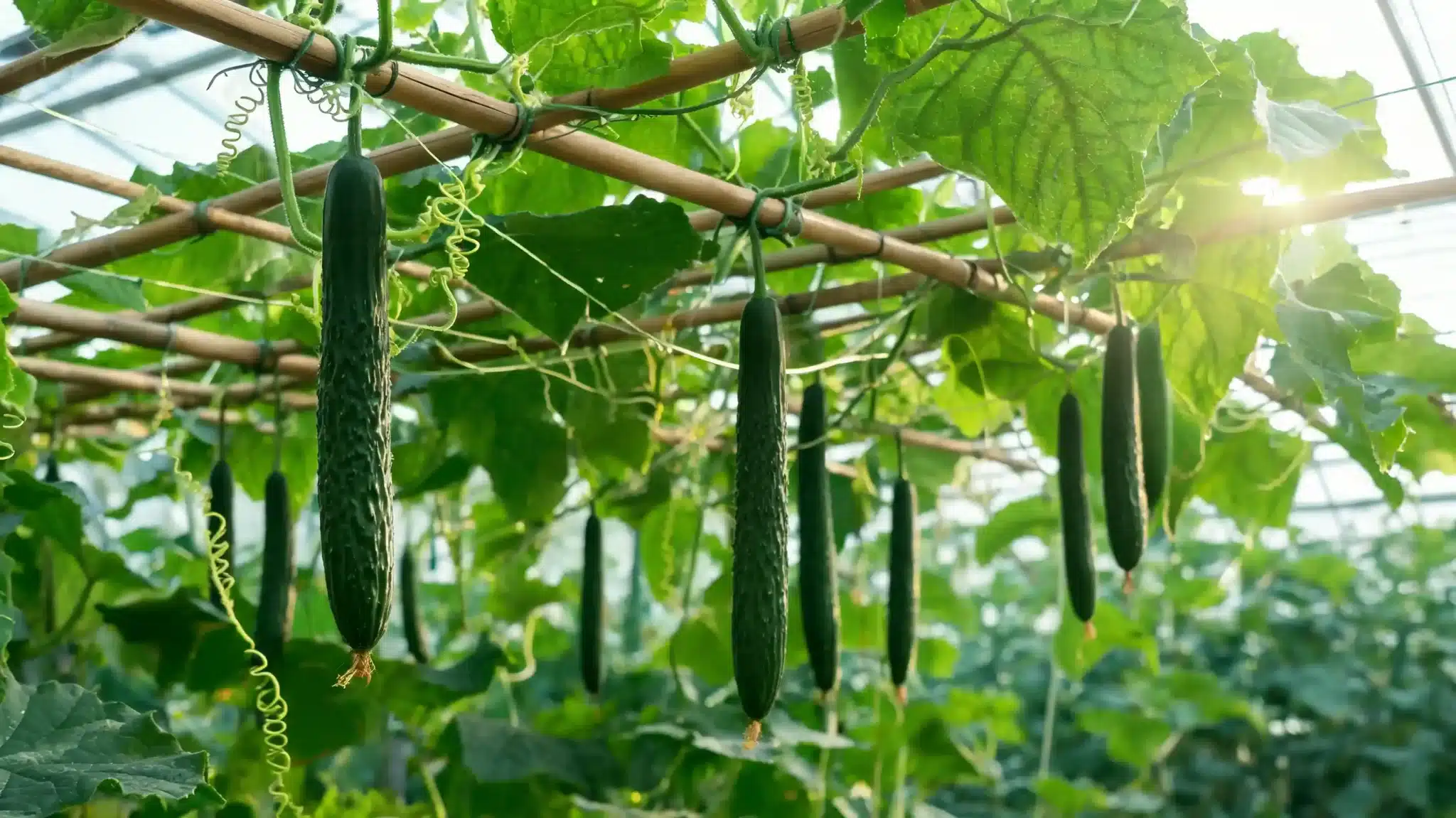
Nothing feels better than picking a crisp cucumber from a plant you grew yourself. It can seem a little confusing at first, especially when you start thinking about timing, soil, spacing, watering, and pests.
That is why this guide keeps things simple. You will learn how to plant cucumbers from seed, where to place them, how to care for the vines, and when to harvest the fruit.
I will walk you through the basics clearly, so you can avoid common mistakes and feel more confident about each step.
You will know how to give your cucumber plants a strong start and keep them growing well through the season, even if this is your first time planting them.
Quick Glance: Cucumber Growing Basics:
| Factor | Best condition |
|---|---|
| Best season | Late spring to summer, after frost risk has passed |
| Soil temperature | Around 70°F for strong germination |
| Sunlight | 6 to 8 hours of direct sun daily |
| Soil pH | 6.0 to 7.0 |
| Water needs | About 1 inch per week, more in heat |
| Seed depth | 1/2 to 1 inch deep |
| Spacing | 12 to 18 inches apart; rows 4 to 6 feet apart |
| Days to harvest | About 50 to 70 days |
When to Plant Cucumbers?
Plant cucumbers in late spring or early summer, once the danger of frost has passed and the soil has warmed.
Cucumbers are warm-season plants, so they do not grow well in cold soil or chilly weather. For best results, wait until the soil temperature is around 70°F.
You can direct-sow seeds outdoors about 1 to 2 weeks after the last frost date.
For an earlier crop, start seeds indoors about 3 weeks before transplanting, then move seedlings outside after the weather stays warm.
Where to Plant Cucumbers for the Best Growth
Cucumbers grow best when the planting spot supports warmth, sunlight, airflow, and steady moisture. A good location helps the roots settle faster, keeps leaves healthier, and makes harvesting easier later.
1. Choose the Right Garden Spot
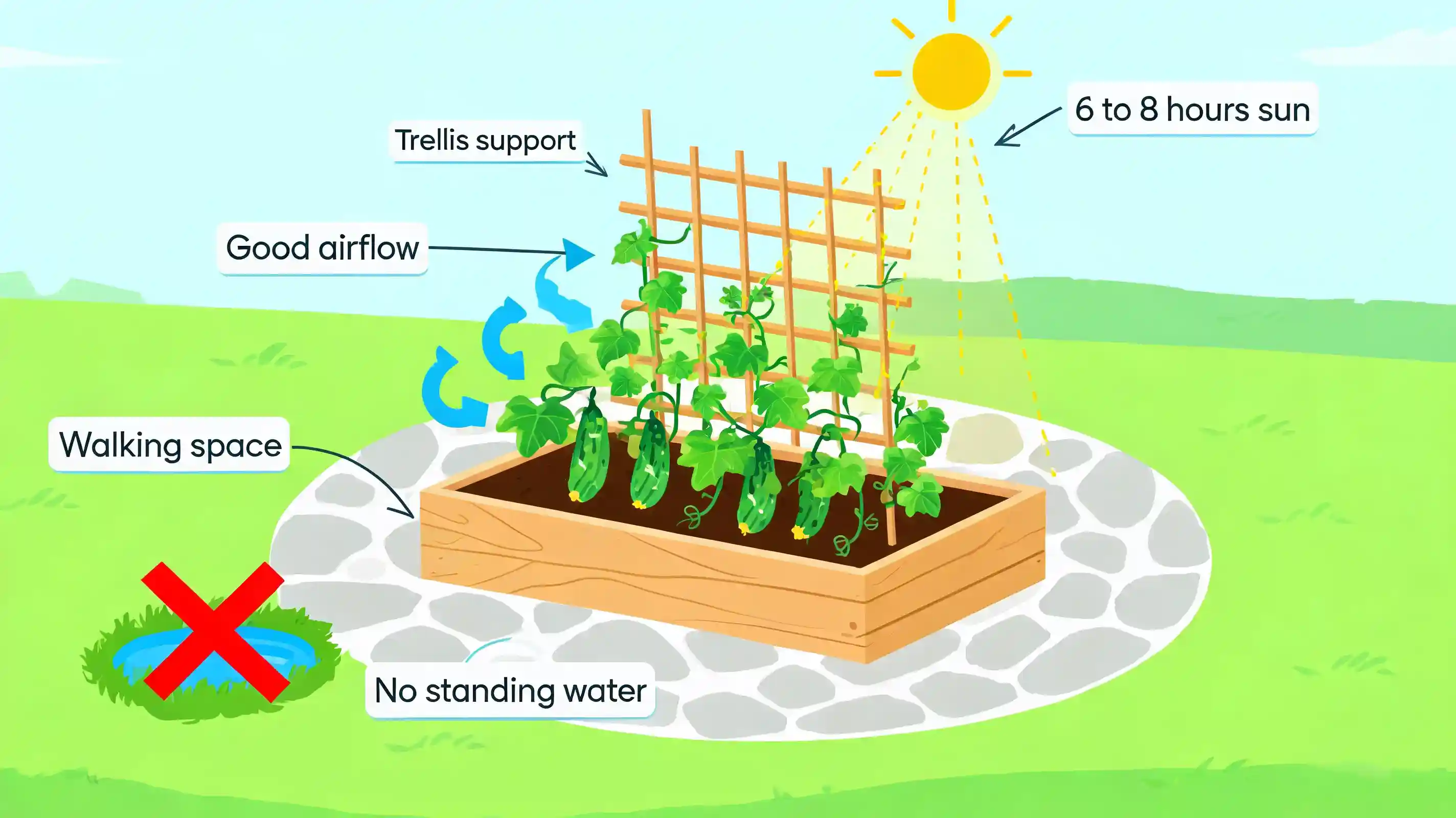
Before planting, check the space for sun, drainage, and room for vines. Cucumbers grow quickly, so the right spot should give them enough space to spread or climb.
- Pick a sunny area that gets 6 to 8 hours of direct sunlight each day.
- Avoid low spots where water collects after rain or heavy watering.
- Leave enough walking space around the bed so you can water, inspect, and harvest without stepping on vines.
- Place cucumbers near a trellis, fence, or support if you are growing vining types.
- Choose a spot with good airflow to help reduce leaf disease.
2. Best Soil for Cucumbers
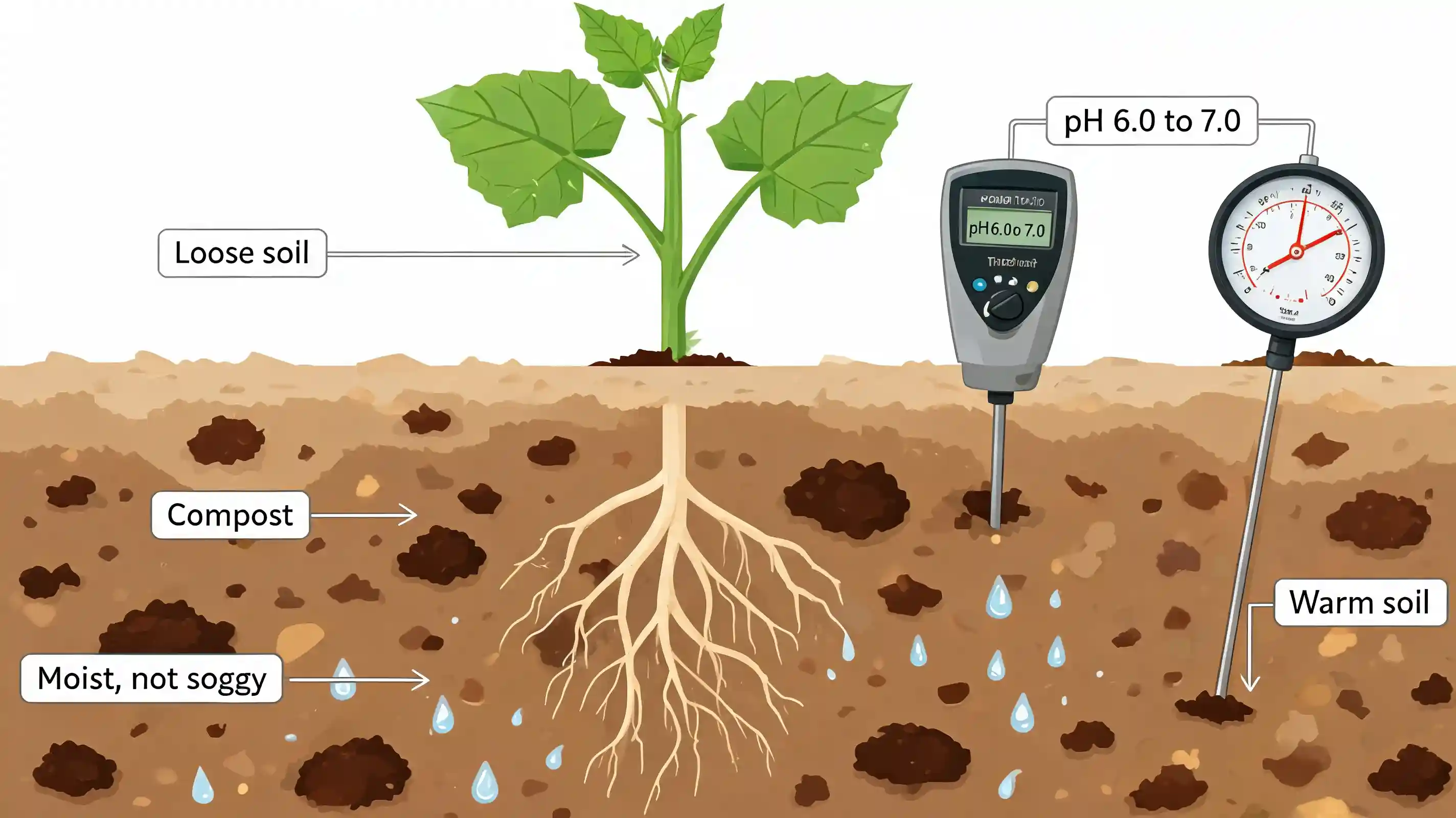
Cucumbers need loose, fertile soil that holds moisture without staying soggy. Preparing the soil before planting gives young roots a better start.
- Use well-draining soil with a slightly acidic to neutral pH, around 6.0 to 7.0.
- Mix compost or aged organic matter into the bed before planting.
- Avoid heavy clay soil unless it has been improved with compost.
- Keep the soil evenly moist, but do not let it become waterlogged.
- Warm the soil before planting, as cucumber seeds sprout best in warm soil.
Good soil helps cucumber plants grow strong vines, healthy leaves, and better fruit through the season.
How to Plant Cucumbers Step-by-Step
Planting cucumber seeds works best when the soil is warm, loose, and moist. Cucumbers grow fast, but they need a good start. These steps help the seeds sprout well and give the young plants enough room to grow strong:
Choosing the Right Cucumber Type
| Cucumber type | Best for |
|---|---|
| Slicing cucumber | Fresh eating, salads, and sandwiches |
| Pickling cucumber | Pickles and small fresh cucumbers |
| Bush cucumber | Containers, patios, small beds |
| Vining cucumber | Trellises, fences, and larger gardens |
| Greenhouse cucumber | Protected growing spaces |
Step 1: Prepare the Soil
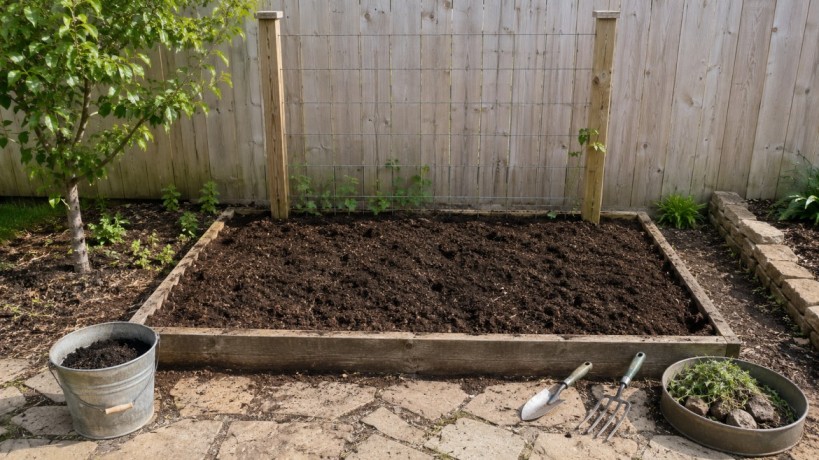
Start by choosing a sunny garden spot where water does not sit after rain. Loosen the top few inches of soil with a small shovel, hand tool, or garden fork. Remove weeds, rocks, sticks, and clumps of hard soil. Mix in compost to make the soil softer and richer.
The soil should feel light and crumbly in your hand. If it feels sticky, heavy, or packed down, add more compost before planting. Soft soil helps cucumber roots spread easily and take in water.
Step 2: Water Before Planting
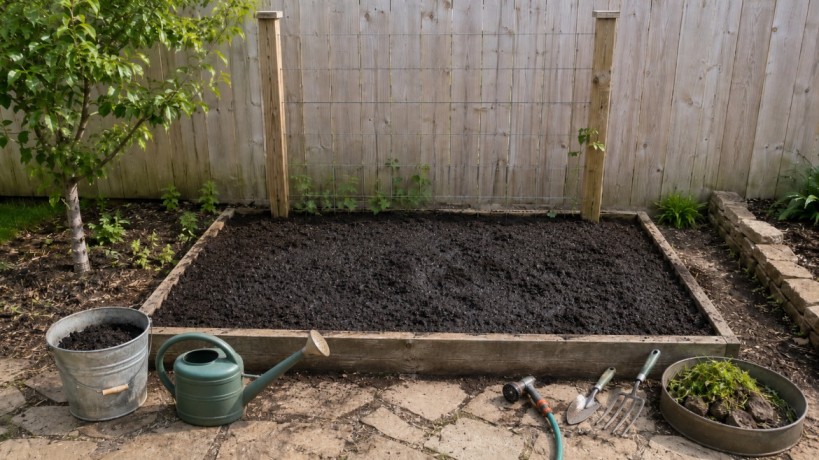
Water the planting area before you put the seeds in the ground. This gives the seeds moisture right away and helps the soil settle. Use a gentle flow of water so the soil becomes damp but not muddy. If water sits on top, wait until it drains before planting.
This step is useful because watering after planting with a strong stream can move the seeds out of place. Damp soil also helps cucumber seeds sprout faster once the weather warms up.
Step 3: Sow Seeds at the Right Depth
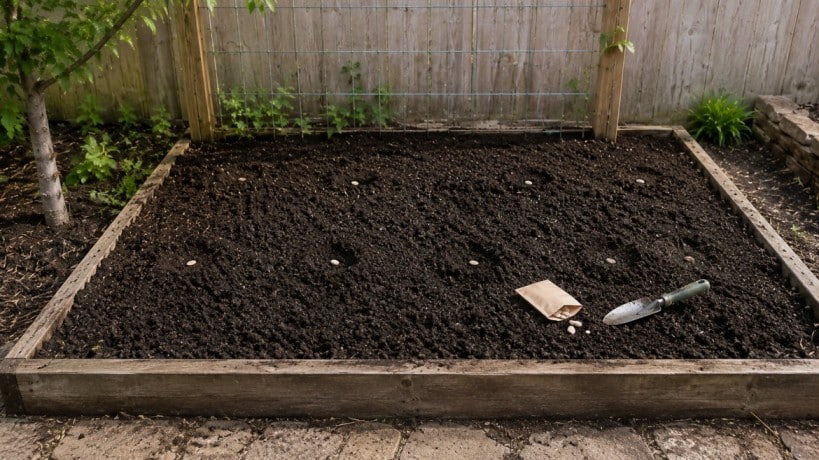
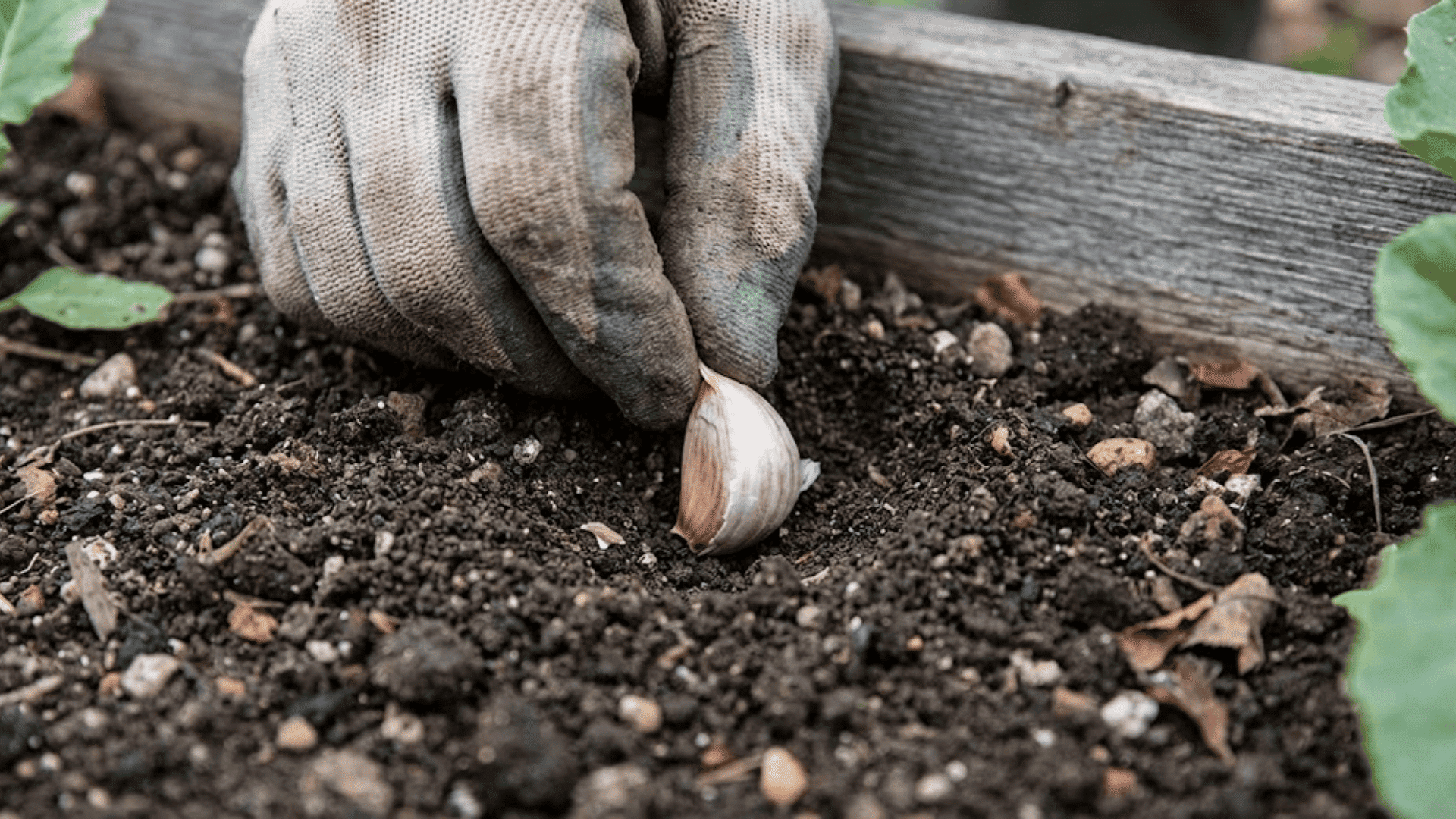
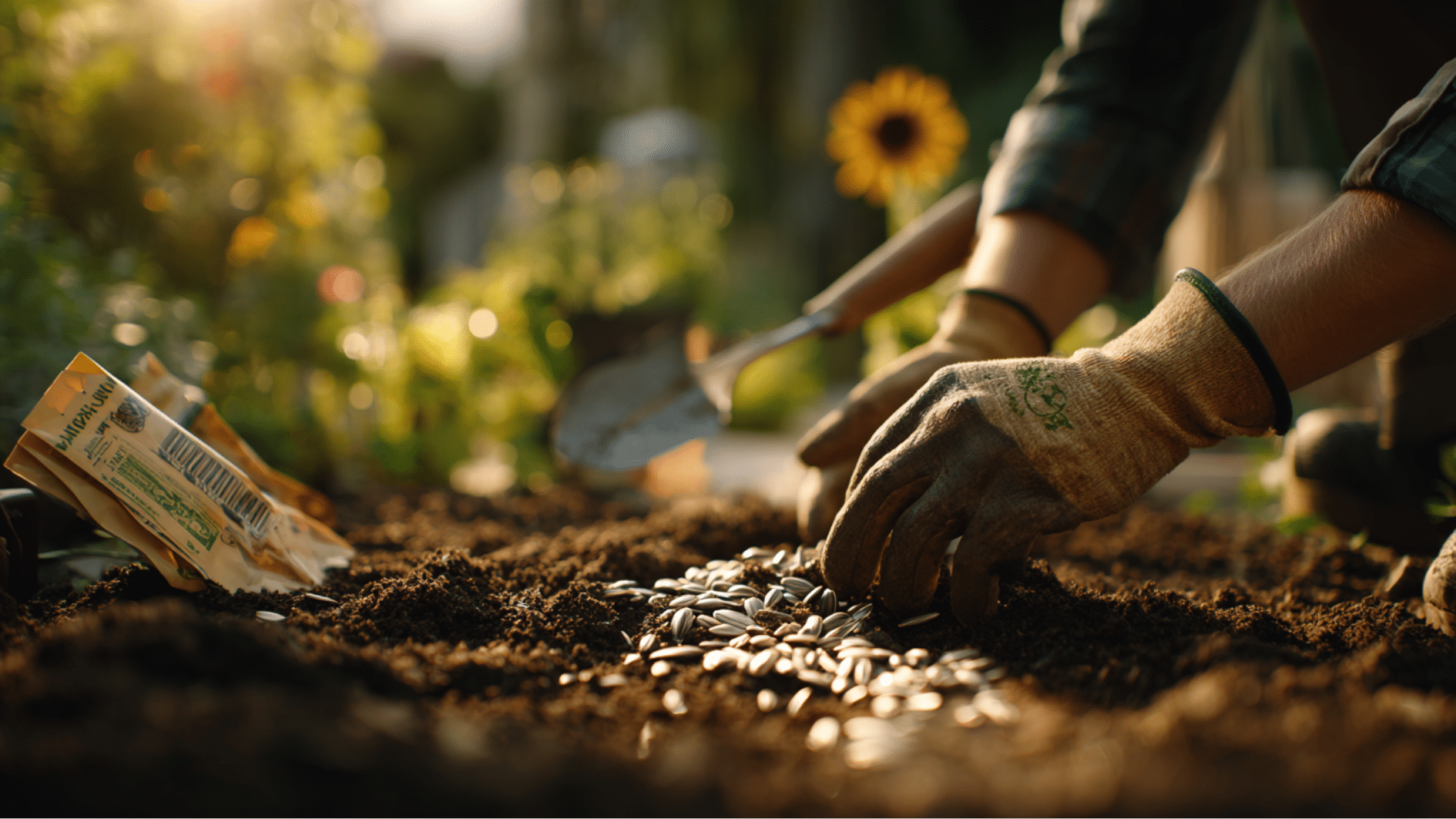
Make small holes about 1/2 to 1 inch deep. Place one cucumber seed in each hole, then cover it lightly with soil. Do not press the soil down too hard.
The seed needs to touch the soil, but it also needs space to push upward when it sprouts. If the seed is too close to the surface, it may dry out. If it is too deep, it may struggle to grow. A shallow, covered hole gives the seed the best start.
Step 4: Space Seeds Correctly
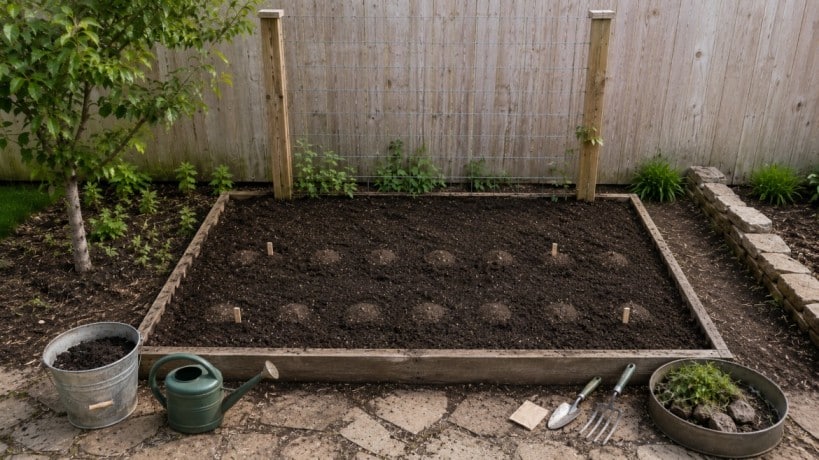
Cucumber plants need space because their vines and leaves grow quickly. If you are planting in rows, place seeds about 6 inches apart at first. Later, you can thin them so the stronger plants have more room. Leave 4 to 6 feet between rows if the vines will spread on the ground.
If you use a trellis, plants can grow closer together because they will climb upward. Good spacing helps sunlight reach the leaves and makes the plants easier to water, check, and harvest.
Step 5: Thin Seedlings
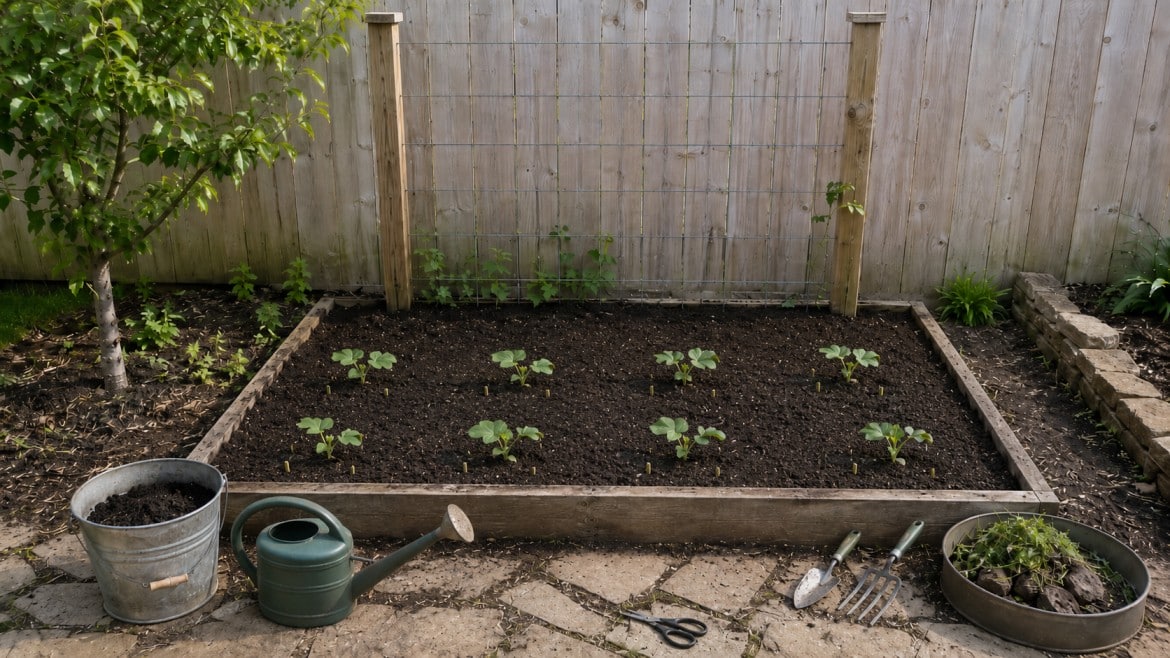
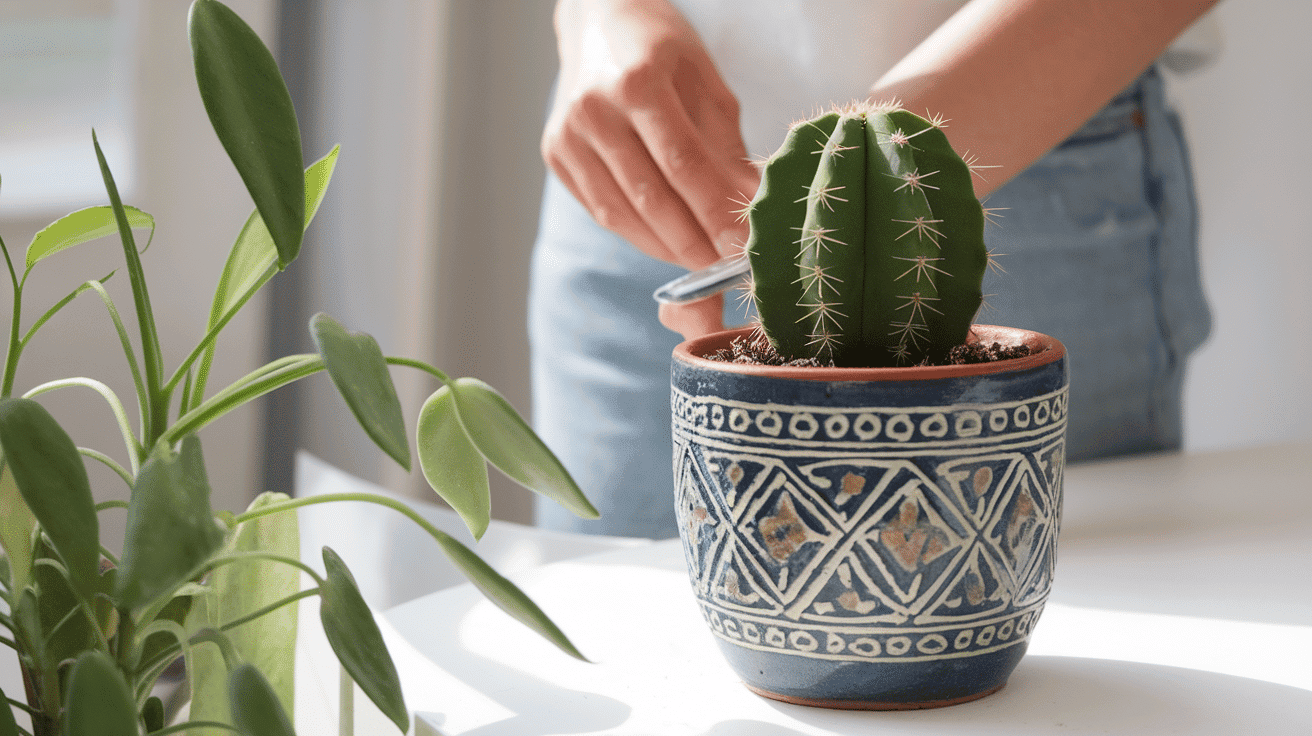
After the cucumber seedlings grow a few real leaves, choose the strongest plants and remove the weaker ones. This gives the best seedlings more space, water, and sunlight. Do not pull the extra seedlings out by hand because this can disturb nearby roots.
Instead, use small scissors and cut the weaker seedlings at the soil level. Thinning may feel wasteful, but crowded plants often grow poorly. Fewer, stronger cucumber plants usually give a better harvest than many weak plants packed too close together.
Planting is finished once the seeds are in place and the best seedlings have room to grow. After this, the focus changes to keeping the young plants healthy as they turn into strong vines.
Growing Cucumber Plants After Planting
Once cucumber seedlings appear, they need steady care. Good watering, warm soil, pest checks, and support help the plants grow faster and produce better fruit. These next steps help protect the crop during its early growth.
Step 6: Add Mulch After Soil Warms
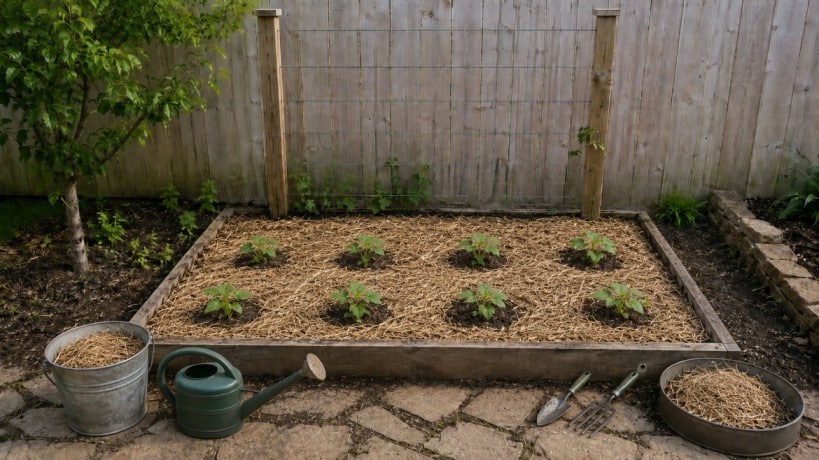
Wait until the soil is warm and the seedlings are growing well before adding mulch. Spread a light layer of straw, dry leaves, or untreated grass clippings around the plants. Keep the mulch a little away from the stems so they do not stay too wet.
Mulch helps the soil hold moisture, blocks some weeds, and keeps cucumbers cleaner if vines grow on the ground. Do not add thick mulch too early because it can keep cool soil from warming up.
Step 7: Protect Young Plants
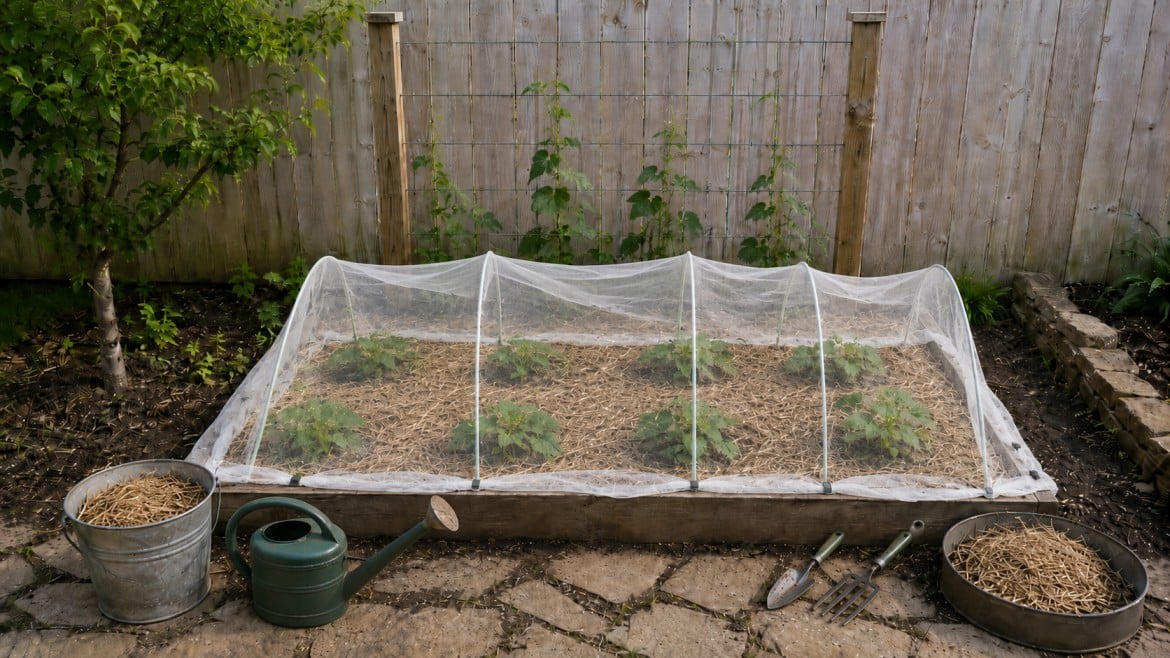
Young cucumber plants can be hurt by cold nights, strong wind, insects, and hungry animals. If the weather is still cool, cover the plants with a light garden cover at night. Remove the cover when flowers appear so bees can reach the blooms.
Check the leaves often for holes, yellow spots, or small bugs. Catching problems early makes them easier to fix. If vines begin to grow, guide them gently toward a trellis or support so they do not tangle across the soil.
With warm soil, steady water, enough space, and early protection, cucumber plants can grow quickly. Keep checking them every few days, and harvest the fruit while it is still firm, green, and tender.
Weekly Cucumber Care Checklist
Cucumber plants grow quickly, so weekly care helps you stay ahead of dry soil, pests, tangled vines, and overripe fruit. Use this simple table from planting through harvest:
| Week | Task | What to do |
|---|---|---|
| Week 1 | Check soil moisture | Keep the soil lightly moist while seeds sprout or seedlings settle. |
| Week 2 | Inspect young leaves | Look for holes, yellow spots, or small bugs under the leaves. |
| Week 3 | Thin and guide plants | Keep the strongest seedlings and guide young vines toward support. |
| Week 4 | Train vines | Gently guide vines onto a trellis, fence, or support. |
| Week 5 | Check flowers and leaves | Look around the flowers and the undersides of leaves for pests or damage. |
| Week 6 | Watch for young cucumbers | Check the plant often as small cucumbers begin to form. |
| Week 7 onward | Pick mature cucumbers | Harvest firm, green cucumbers as soon as they reach the right size. |
Keep repeating the last few tasks through the harvest season. Check moisture, inspect leaves, train vines, and pick cucumbers often for a stronger crop.
When and How to Harvest Cucumbers
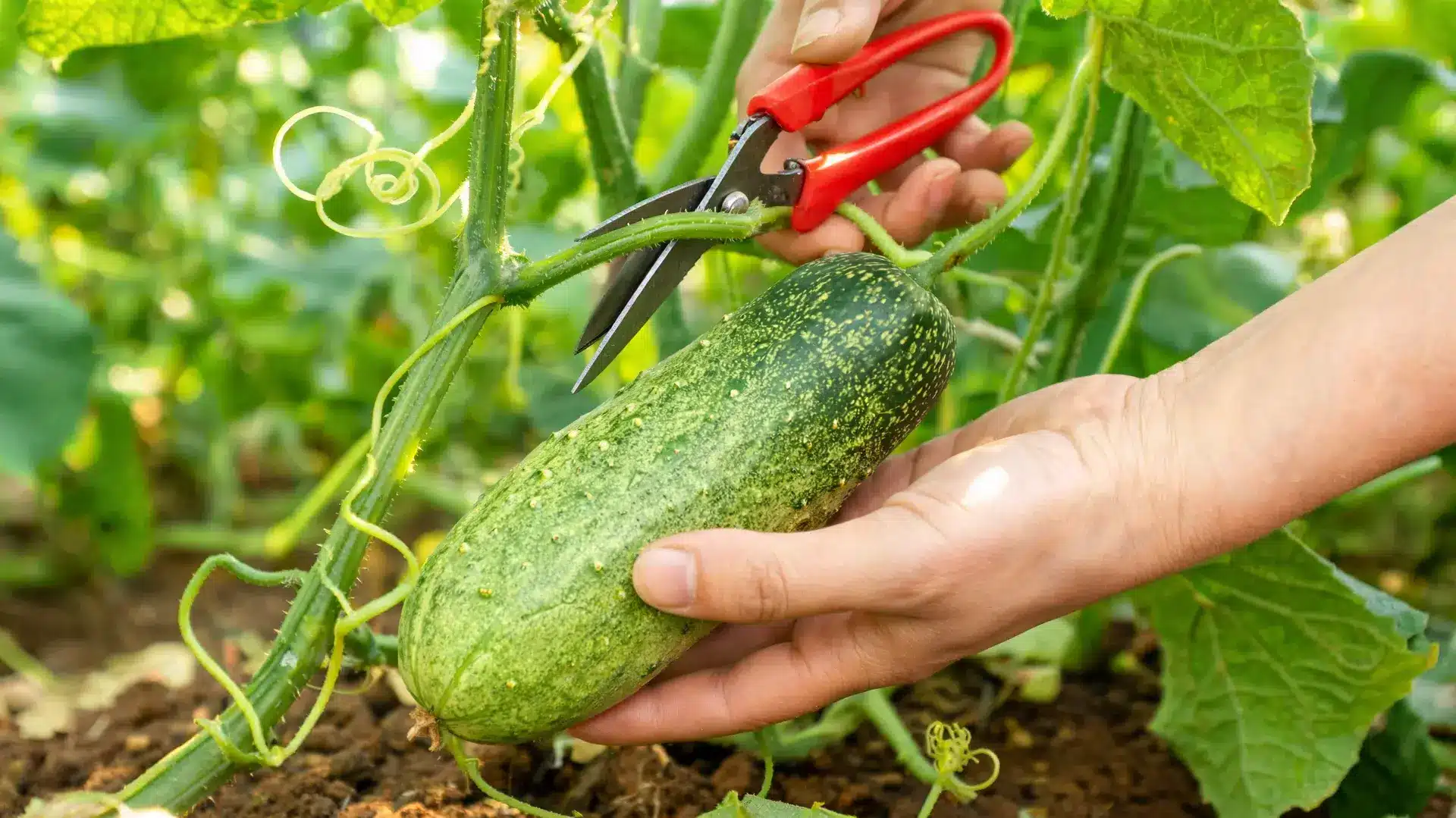
Harvest cucumbers when they are firm, green, and still young, usually about 50 to 70 days after planting. Do not wait for them to turn yellow, because older cucumbers often taste bitter and have tougher seeds. Regular picking keeps the plant producing more fruit.
| Tip: Pick slicing cucumbers when they are about 6 to 8 inches long and still firm. Pick pickling cucumbers when they are about 2 to 4 inches long for the best crunch. |
- Pick burpless or long cucumbers based on the size listed for that variety.
- Harvest every 1 to 2 days during peak season to keep the plant producing new cucumbers.
- Do not pull or twist cucumbers from the vine, because this can damage the plant.
- Use clean scissors, garden clippers, or a small knife to cut the stem above the cucumber.
- Hold the cucumber gently with one hand while cutting the stem with the other hand.
- Leave a short piece of stem attached to the cucumber if possible.
- Remove overripe yellow cucumbers from the plant so they do not slow down new fruit growth.
- Use overripe cucumbers for compost or seed saving if the variety is suitable.
Frequent harvesting keeps cucumber plants productive and yields better-tasting fruit throughout the growing season.
How to Store Cucumbers Safely
Fresh cucumbers taste best soon after picking, but good storage can help them stay crisp for several days. Handle them gently, keep them dry, and store them in a cool place.
- Do not wash cucumbers before storing, as extra moisture can cause them to spoil faster.
- Gently wipe off dirt with a dry cloth if needed.
- Wrap each cucumber in a paper towel to absorb extra moisture.
- Place wrapped cucumbers in a loose plastic bag or storage container.
- Store cucumbers in the fridge, preferably in the crisper drawer.
- Keep cucumbers away from apples, bananas, and tomatoes, because they can make cucumbers soften faster.
- Use slicing cucumbers within a few days for the best crunch and flavor.
- Use pickling cucumbers as soon as possible, ideally the same day or within 24 hours.
- Check stored cucumbers often and remove any that feel slimy, soft, or yellow.
Good storage keeps cucumbers firm, fresh, and ready to eat. Fresh cucumbers usually last about 7 to 10 days when stored well in the fridge. For the best taste, use them while they are still green, crisp, and heavy for their size.
Common Problems and Fixes
Cucumbers can attract insects and leaf diseases, especially in warm, wet, or crowded gardens. Good spacing, clean watering, and regular checks help keep the plants healthier.
| Pest or disease | Signs to watch for | Fix |
| Cucumber beetles | Holes in leaves, damaged flowers, wilted plants, scarred fruit | Use row covers early, handpick beetles, and remove infected plants |
| Aphids | Sticky leaves, curled growth, yellowing, small soft bugs under leaves | Spray leaves with water, remove badly covered leaves, and invite ladybugs |
| Squash bugs | Wilting leaves, eggs under leaves, brown or gray bugs near stems | Check leaf undersides, remove eggs, and handpick bugs early |
| Powdery mildew | White powdery patches on leaves | Improve airflow, avoid wetting leaves, and remove badly infected leaves |
| Downy mildew | Yellow spots on leaf tops and gray growth under leaves | Water at soil level, space plants well, and remove infected leaves |
| Cucumber mosaic virus | Curled leaves, yellow patterns, small or twisted fruit | Remove infected plants and control aphids that can spread it |
| Bacterial wilt | Sudden wilting even when soil is moist | Control cucumber beetles and remove wilted plants quickly |
| Organic prevention methods | Pest pressure or repeated disease issues | Rotate crops, use mulch, water at the base, plant flowers for helpful insects, and keep the bed clean |
Healthy cucumber plants start with prevention. Keep leaves dry, give vines space, remove sick plants quickly, and check pests early so the crop keeps growing well.
Frequently Asked Questions
What not to plant around cucumbers?
Keep cucumbers away from potatoes, sage, fennel, and strong-growing vines like melons or squash when space is tight. These plants can compete for food, water, light, or airflow.
What to put in the hole when planting cucumbers?
Add compost or well-rotted manure to the planting hole before sowing cucumber seeds or setting transplants. Mix it with the soil instead of leaving it in a thick layer. This gives young roots gentle food & better soil texture.
What do coffee grounds do for cucumbers?
Coffee grounds can add small amounts of nutrients and organic matter to the soil, but they should be used lightly. Mix a thin amount into compost first, then add it around cucumbers.
What does baking soda do for cucumber plants?
Baking soda is sometimes used in homemade sprays for powdery mildew, but it must be used carefully. Too much can harm leaves or affect the soil. It works best as a light leaf spray, not a soil treatment.
How many cucumber seeds per hole?
Plant 2 to 3 cucumber seeds per hole, then keep the strongest seedling after they sprout. Cut the weaker seedlings at the soil level instead of pulling them out. This protects the roots of the plant you want to keep and gives it more room to grow.
Final Words
Learning how to plant cucumbers gets easier when you break the job into simple steps. You do not need a perfect garden or fancy tools.
You just need warm soil, enough sun, steady water, and a little attention as the plants grow. I like cucumbers because they show progress fast. One week, you see small seedlings, then vines, flowers, and tiny fruit starting to form.
If you choose the right spot, plant at the right time, and harvest often, your plants can keep giving you fresh cucumbers through the season. Start small, watch your plants closely, and learn from what you see.
Your next cucumber crop will feel easier because you will know what worked in your own garden.