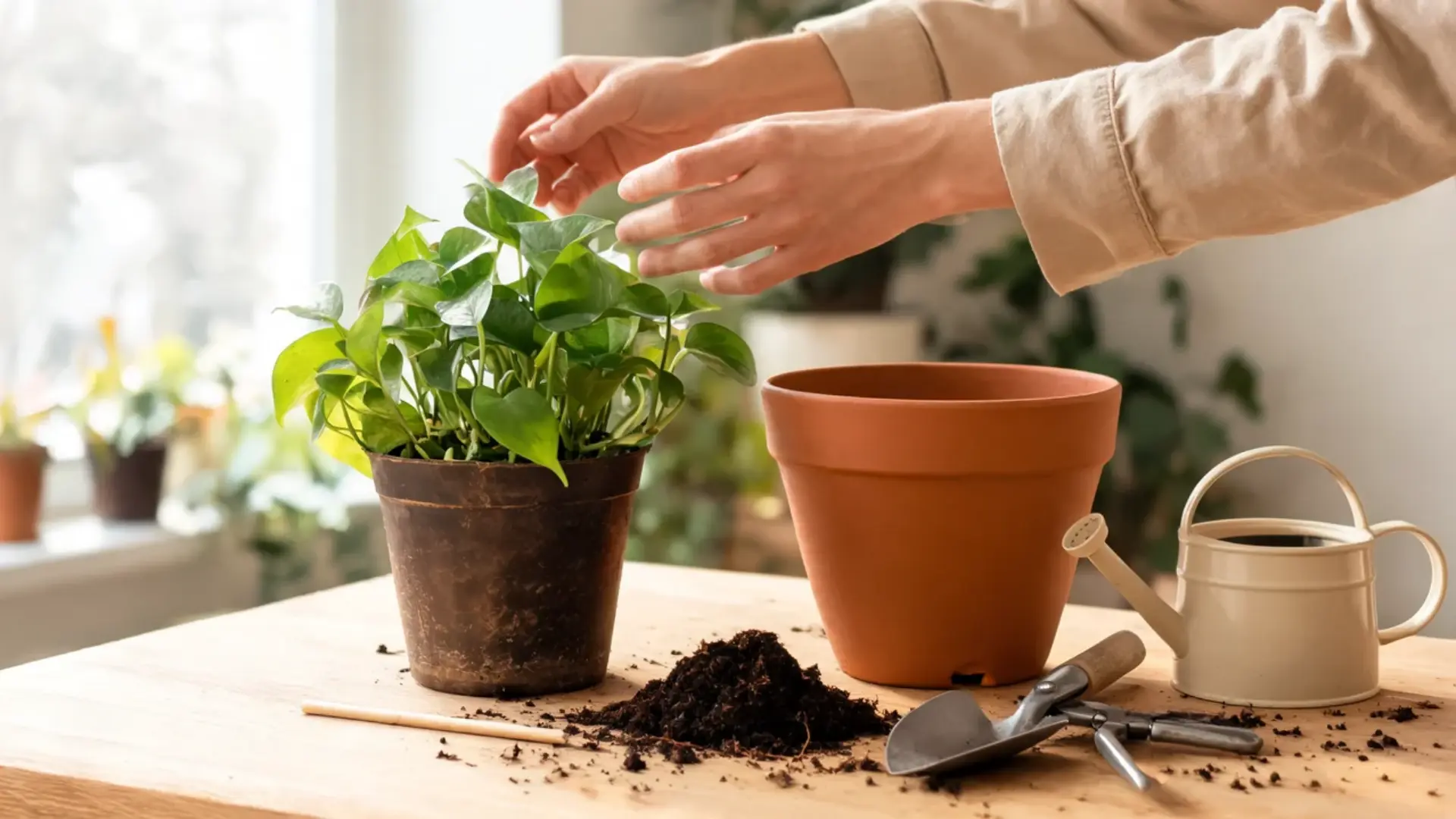
Tomatoes usually look fine right up until they suddenly do not.
The leaves are green, the plant keeps growing, and then somewhere in the middle of the season, the harvest slows, diseases appear, or the entire plant seems weaker for no obvious reason.
In this guide, the most common plants that quietly weaken tomatoes are identified and ranked by how harmful they are.
Some compete for nutrients underground, some spread disease through shared soil and airflow, and others interfere with tomato growth in ways most gardeners never notice until the season starts going wrong.
Most Tomato Problems Start Underground
Tomatoes have been cultivated for over 500 years and are the most commonly grown vegetable in American home gardens.
What most people do not know is that they are one of the most chemically sensitive plants you can grow.
They respond to allelopathic compounds released by neighboring plants, compete intensely for specific nutrients, and are unusually susceptible to diseases that travel easily through soil and air.
Most bad companion combinations do not announce themselves with dramatic symptoms. They just quietly drain your plants across an entire season until the harvest disappoints.
From Least to Most Harmful: What Not to Plant with Tomatoes
Not every bad combination is equally damaging. Some cause mild competition, some share dangerous diseases, and some will actively poison your tomatoes through the soil.
#10 Corn
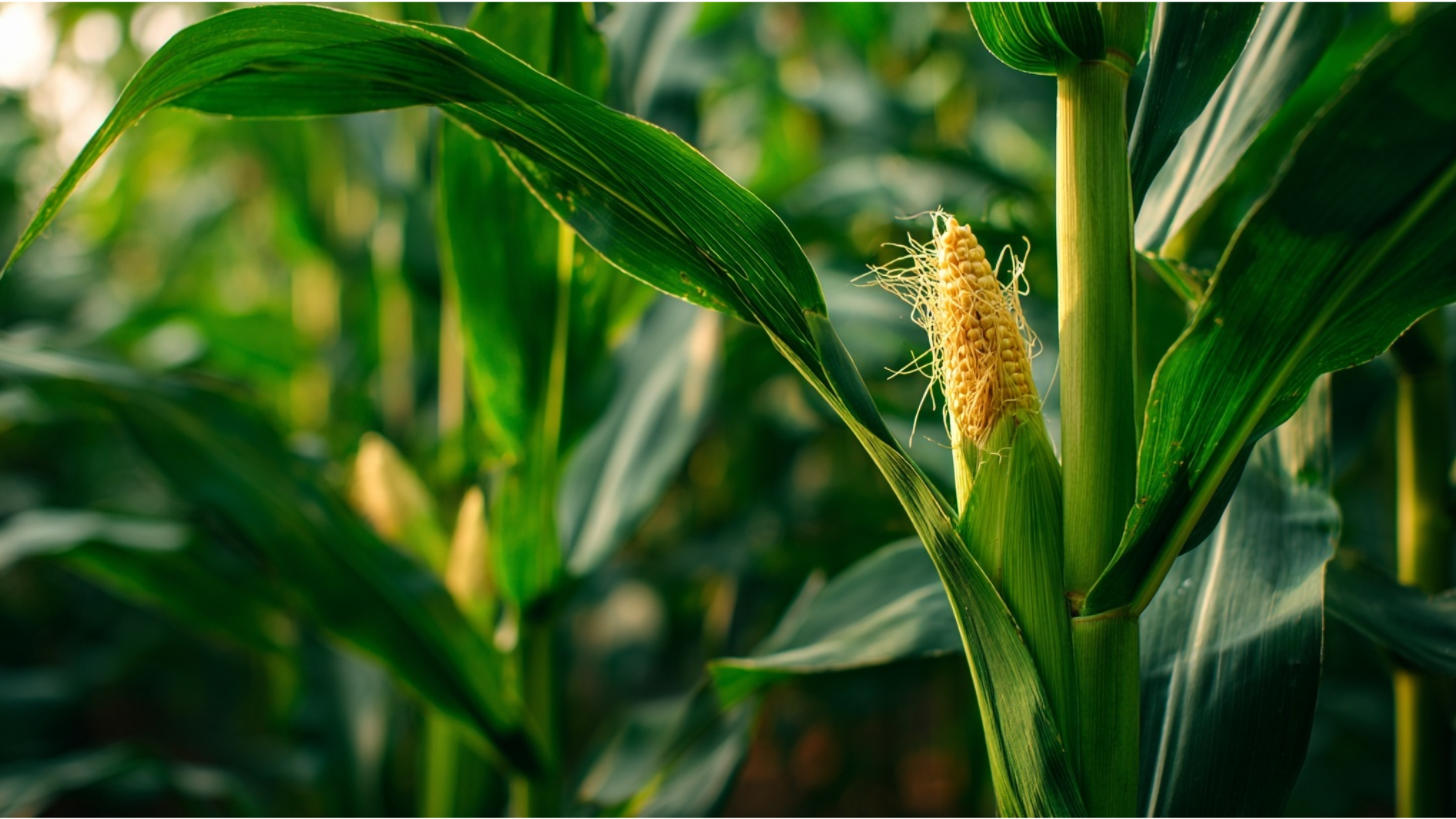
Corn and tomatoes share the same pest: the corn earworm, called the tomato fruitworm when it attacks tomatoes. Planting them together concentrates pest pressure in one area, and populations build faster than they would either crop alone.
Corn also reaches significant height quickly and begins shading tomatoes before most gardeners realize what is happening, reducing the direct sunlight tomatoes need to produce well.
#9 Roses
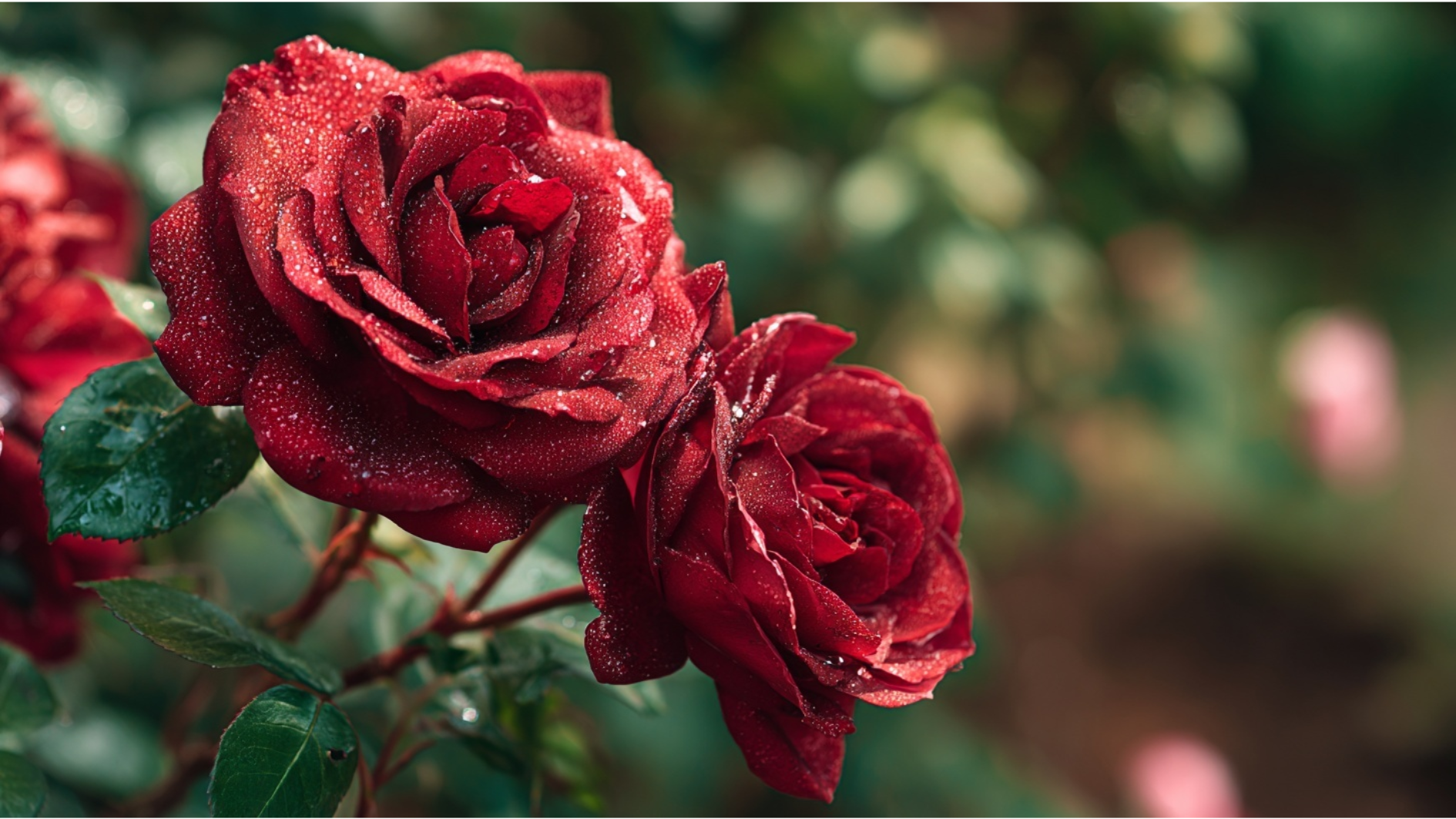
Roses and tomatoes look harmless together, which is exactly why so many gardeners plant them side by side. The problem is that both are highly vulnerable to fungal diseases that spread quietly through moisture and airflow.
Black spot, botrytis, and powdery mildew move easily between crowded plants during humid weather, especially after overhead watering or summer rainstorms.
Once fungal spores settle onto tomato leaves, the plant often weakens slowly before obvious symptoms appear. What starts as a decorative garden pairing can quietly turn into a disease hotspot by midseason.
#8 Dill
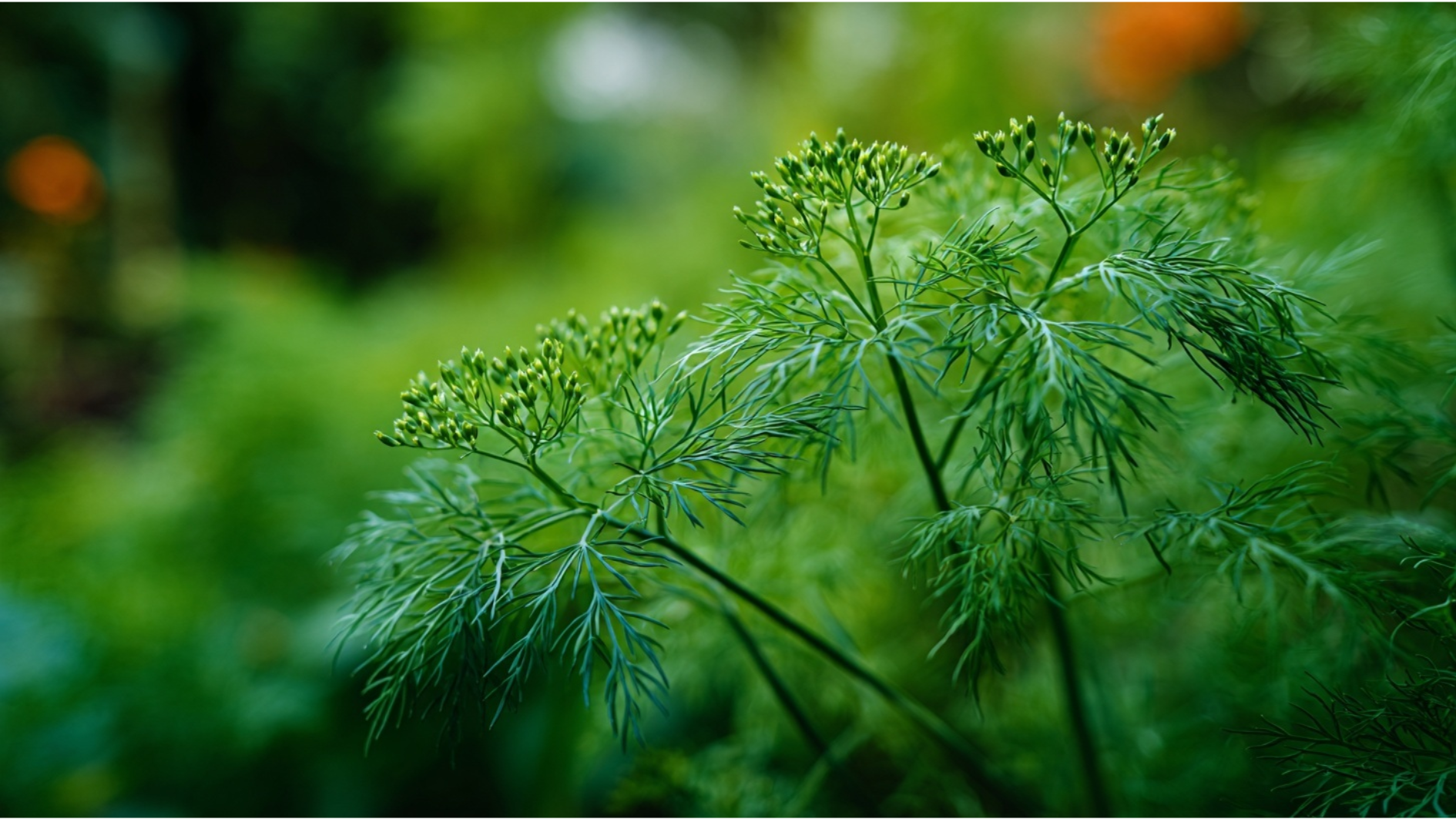
Young dill is a decent companion and attracts beneficial insects. The problem starts at maturity when it produces compounds that inhibit tomato growth.
Most gardeners plant it once and let it run wild. Pull it before it fully matures, or keep it far enough away that the mature plant cannot reach your tomatoes.
#7 Brassicas
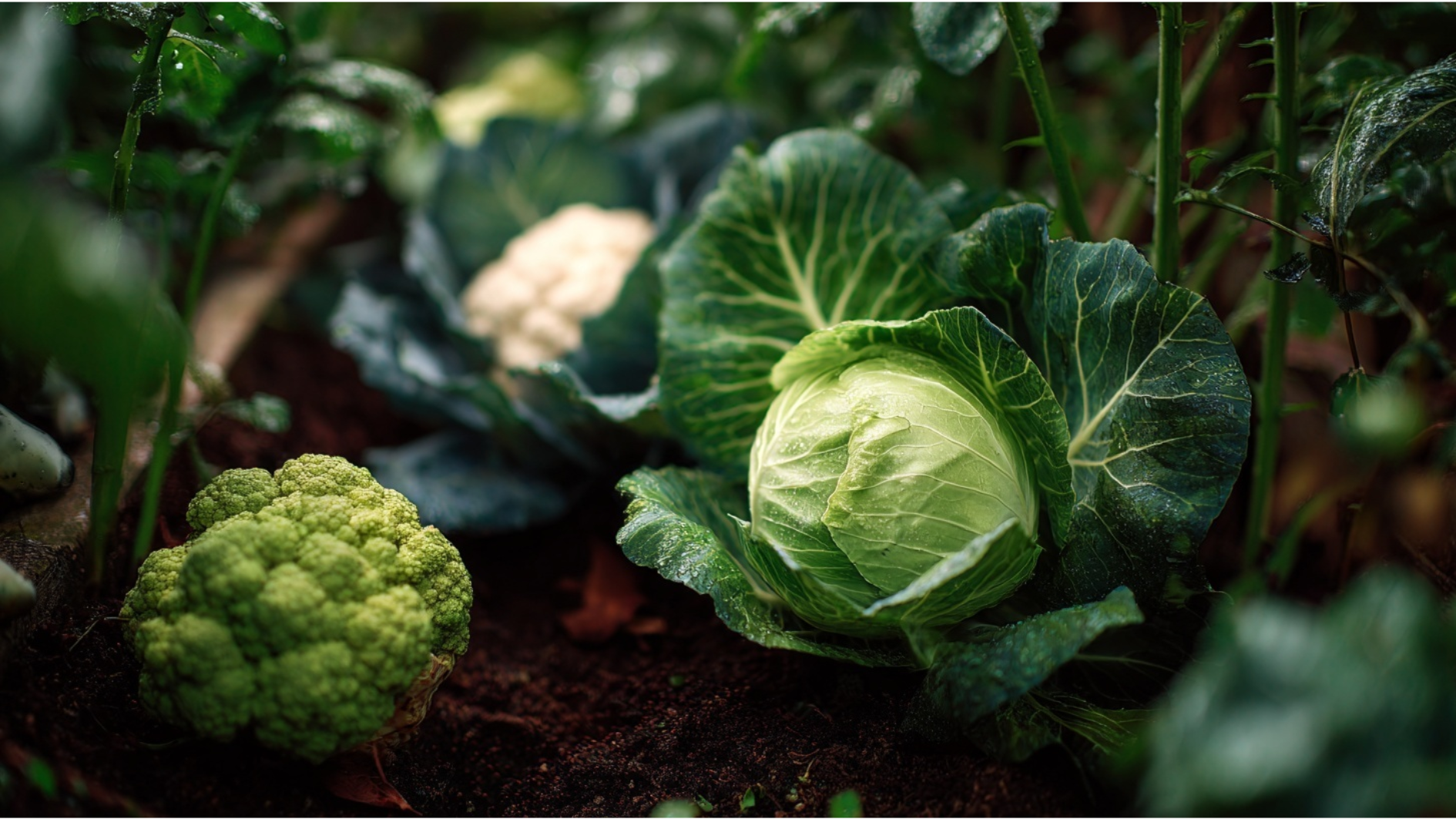
Cabbage, broccoli, cauliflower, kale, and Brussels sprouts are all heavy feeders competing directly with tomatoes for potassium and phosphorus.
Both crops underperform when grown close together. Brassicas also attract cabbage worms and aphids, which spread to neighboring plants as populations build.
#6 Kohlrabi and Beetroot
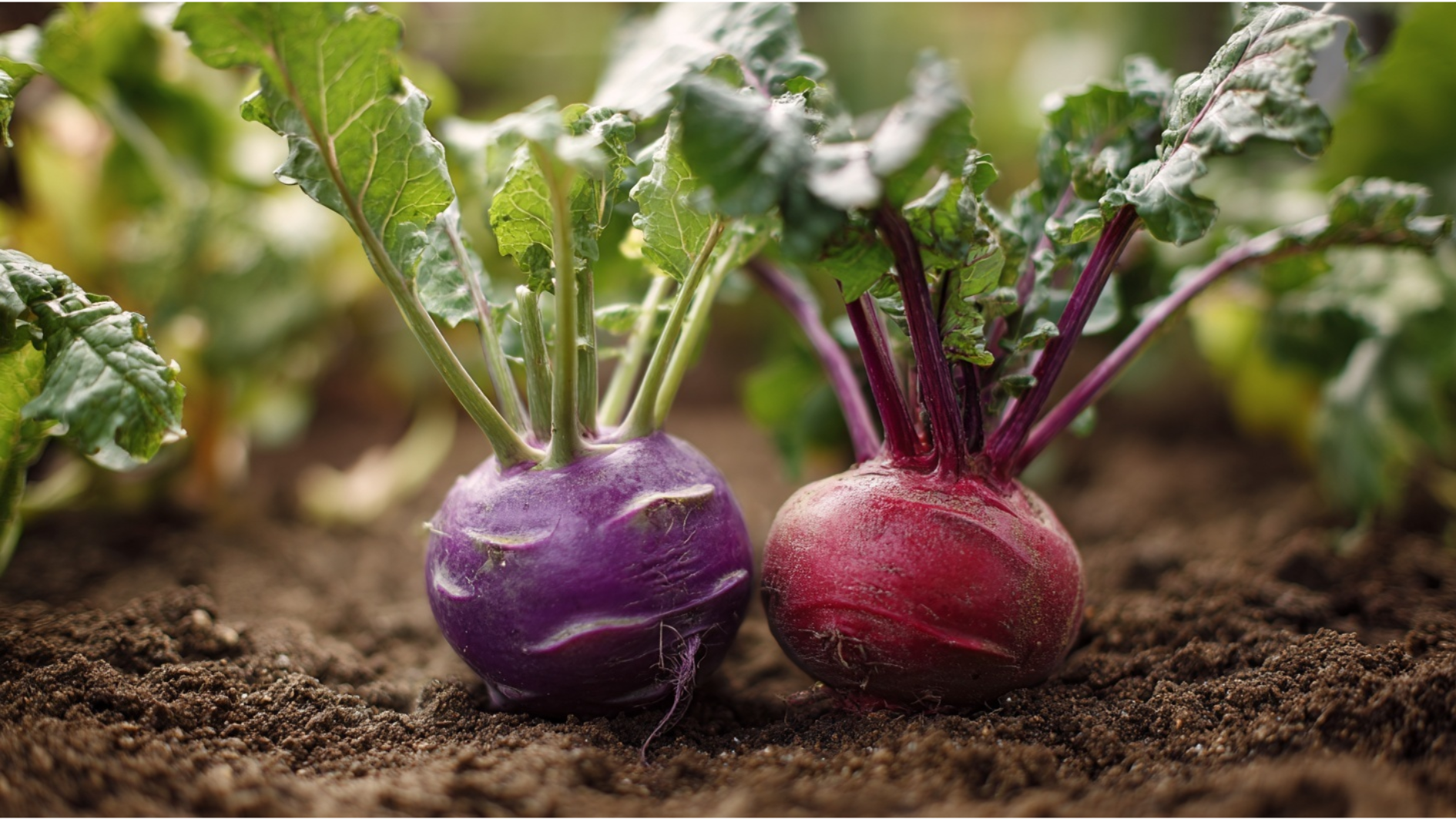
Tomatoes already require a lot of nutrients to produce well, especially potassium and phosphorus. Kohlrabi and Beetroot compete for many of the same resources underground, gradually slowing tomato development without causing a dramatic visible problem.
The result is usually weaker growth, slower fruiting, and smaller overall harvests. Because the decline occurs gradually, most gardeners blame fertilizer, watering, or weather rather than the nearby root competition.
#5 Peppers and Eggplant
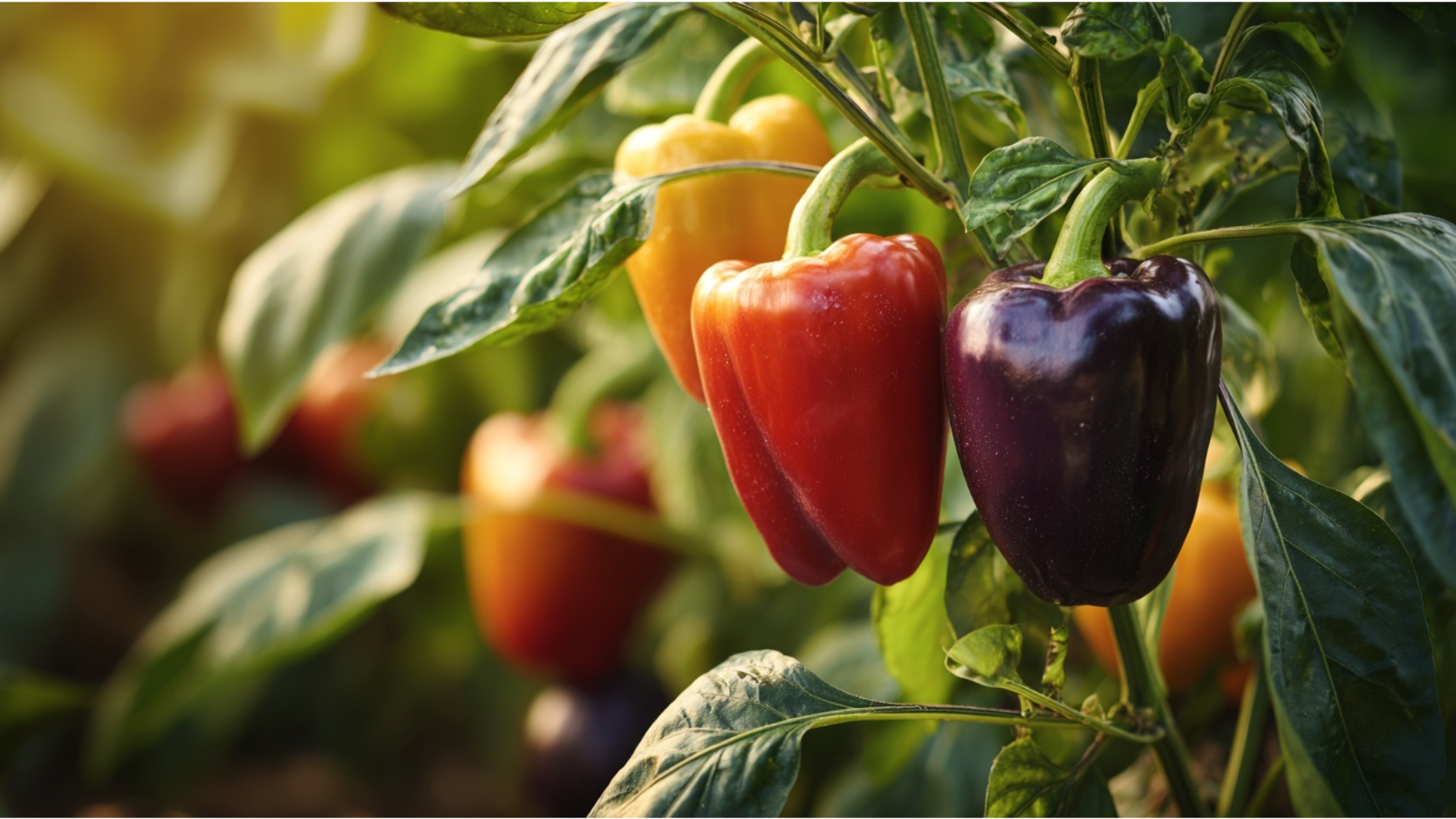
All three are nightshades sharing the same vulnerabilities: bacterial spot, mosaic virus, and blight. When disease enters a nightshade cluster, it spreads quickly throughout the entire cluster.
A contained problem becomes a garden-wide infection within days. Blight risk is especially high in humid regions like the Southeast and Mid-Atlantic, where warm, wet summers create ideal conditions for its spread.
#4 Sunflowers
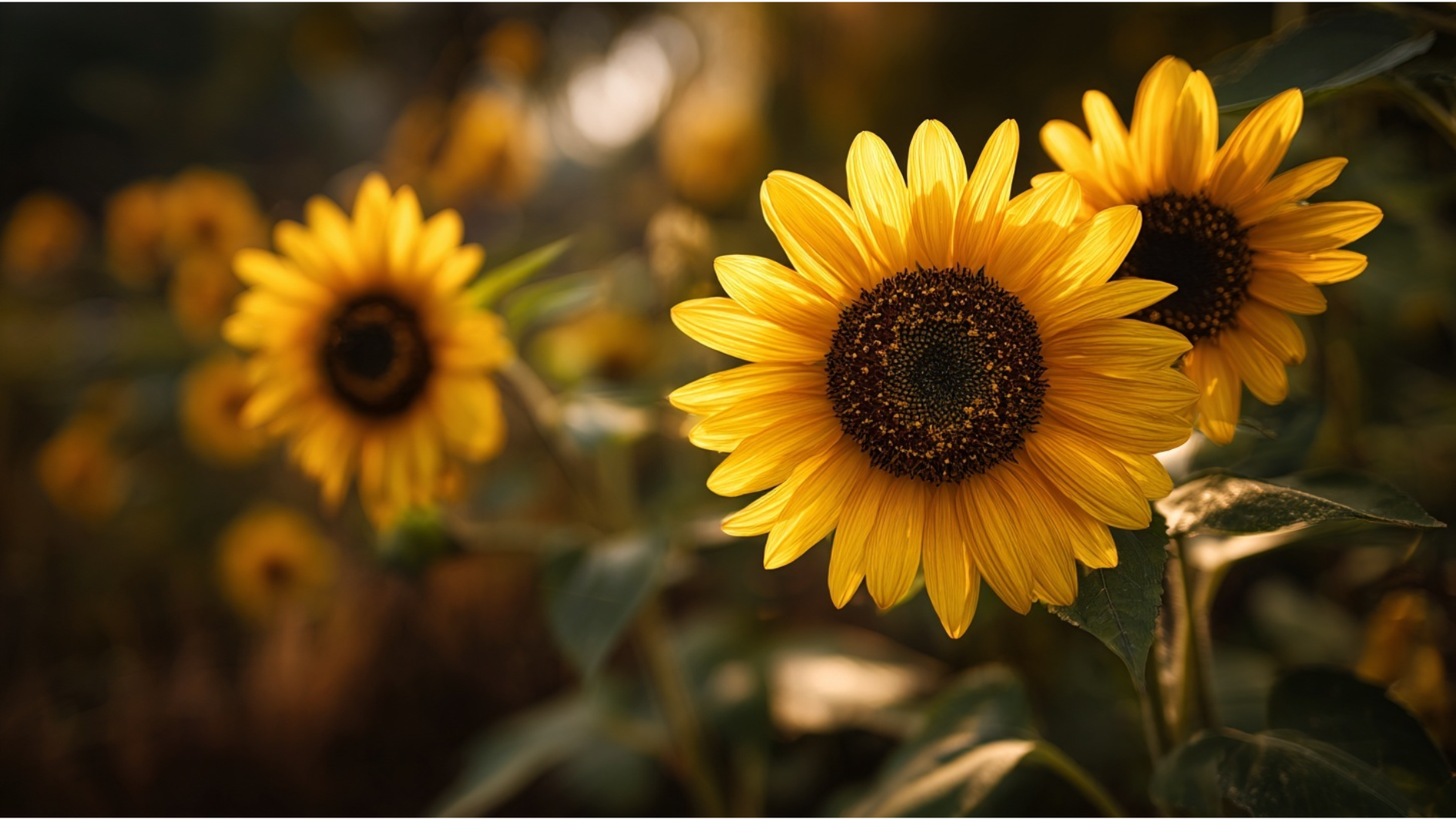
Sunflowers release allelopathic compounds from their roots that suppress nearby plant growth, and tomatoes are particularly sensitive to them.
The damage happens underground, so most gardeners blame watering or soil quality without ever suspecting the sunflowers growing a few feet away.
#3 Walnut Trees
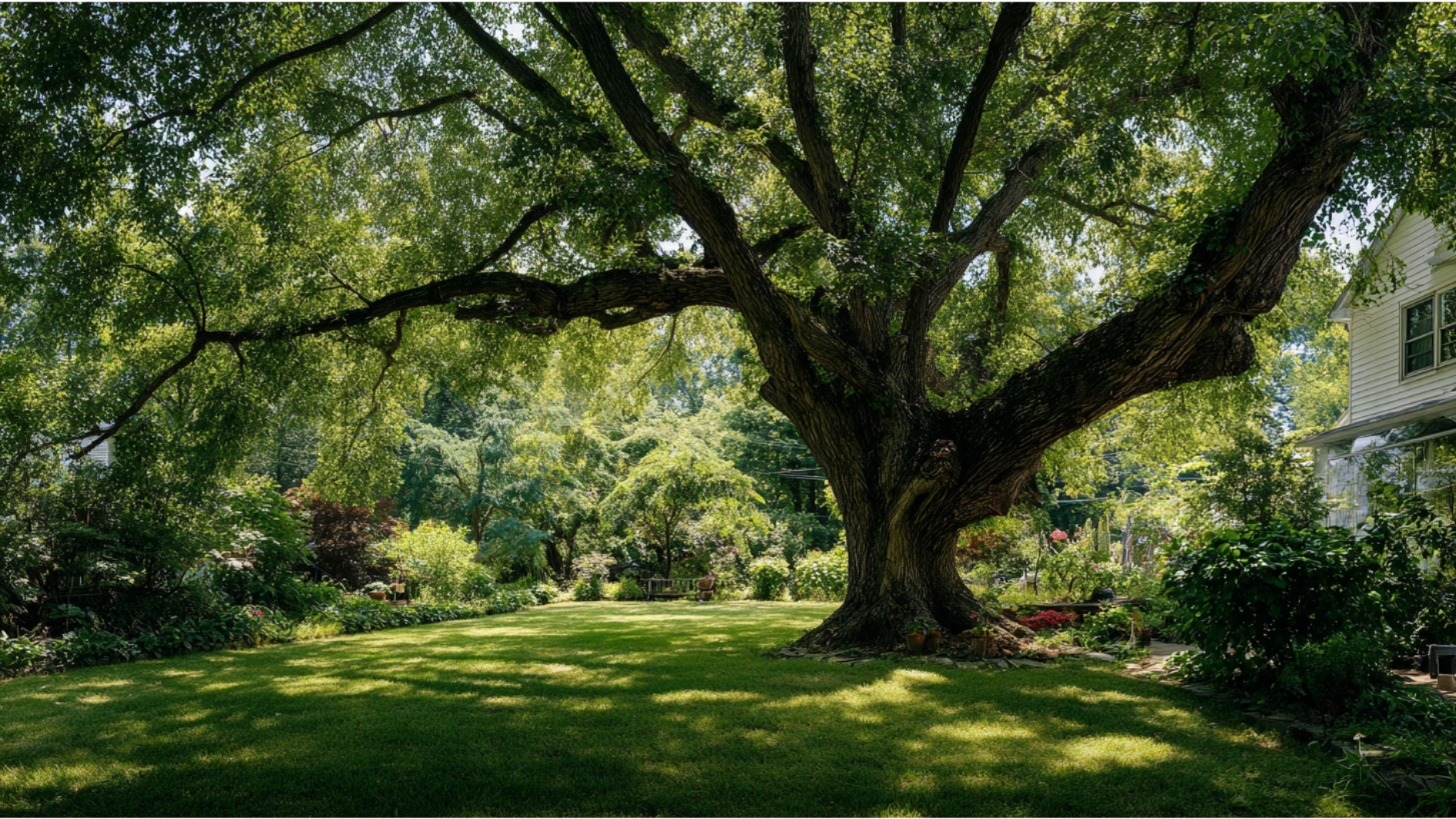
Black walnut trees are common across the US Midwest and East Coast and produce juglone, a compound toxic to tomatoes that leaches through soil well beyond the tree’s canopy.
Even a neighbor’s mature walnut tree nearby can reach your tomatoes through shared soil. If your tomatoes mysteriously fail year after year with no clear explanation, check which trees are growing close to your property line.
#2 Potatoes
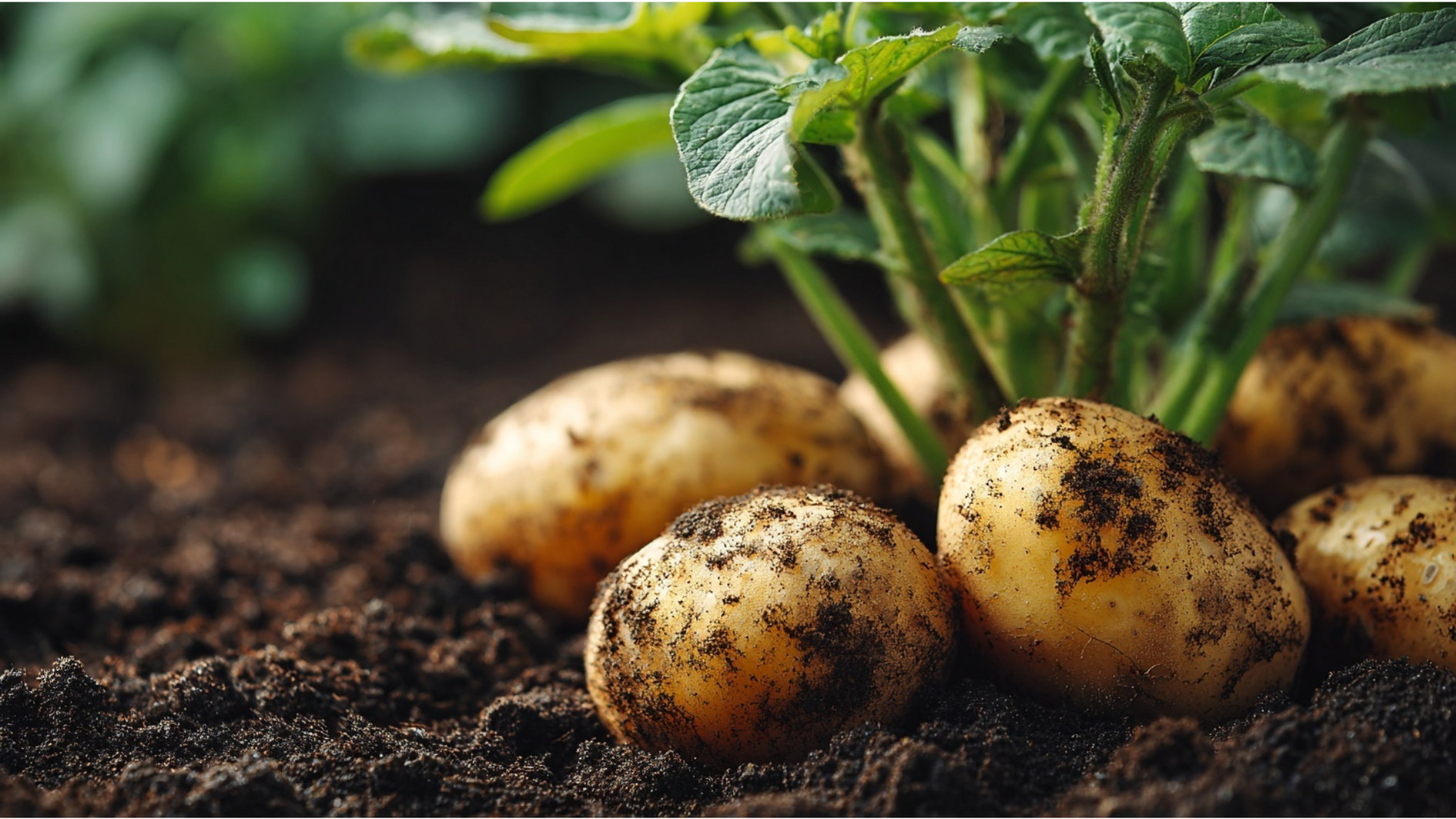
Both are nightshades, highly susceptible to blight, specifically Phytophthora infestans, the pathogen behind the Irish Potato Famine.
Plant them close together, and blight jumps rapidly between crops. Potatoes can also transfer soil-borne diseases directly to tomato roots. Never rotate one into soil where the other recently grew.
#1 Fennel
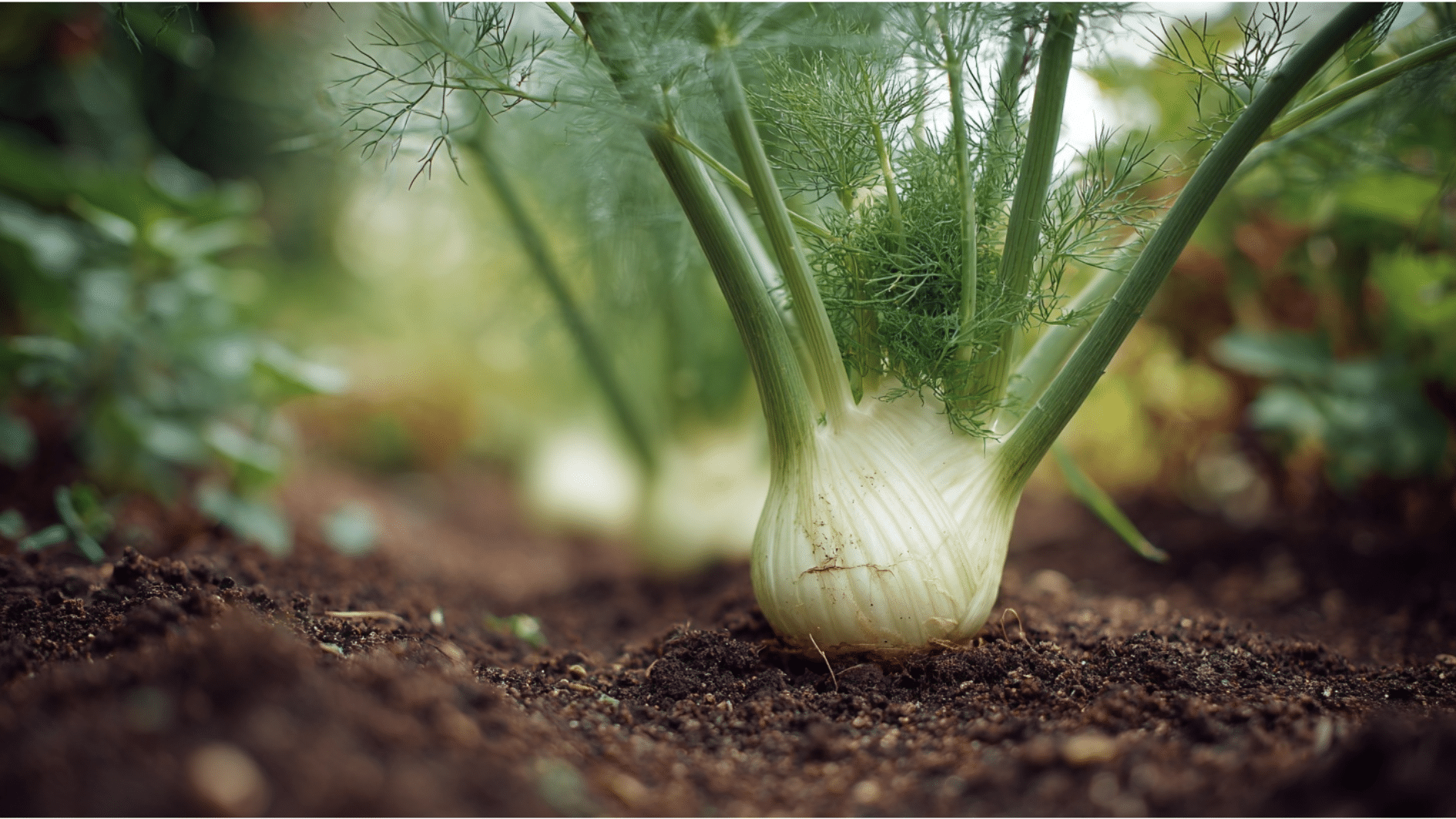
Fennel is commonly sold in US grocery stores and farmers’ markets, leading many home gardeners to try growing it without realizing how aggressive it can be as a neighbor.
It releases allelopathic compounds that suppress the growth of almost everything nearby, and tomatoes are especially sensitive to them. Stunted growth, reduced yields, and unexplained wilting all happen underground before anything visible appears.
Safe Distance Guide for Planting These
Knowing what not to plant is only half of it. Here is exactly how far away each problem plant needs to be:
➡ Walnut Trees → 50+ feet
➡ Fennel → 20+ feet
➡ Sunflowers → 12+ feet
➡ Potatoes → 10+ feet
➡ Corn → 10+ feet
➡ Roses → 8+ feet
➡ Peppers & Eggplant → 5+ feet
➡ Brassicas → 5+ feet
➡ Kohlrabi & Beetroot → 5+ feet
➡ Dill → 3+ feet
What You Can Plant with Tomatoes Instead
Every bad neighbor has a good one. These are the plants that actively help tomatoes repel pests, improve soil, attract beneficial insects, or stay out of the way.
| Plant | Benefit | Why It Works |
|---|---|---|
| Basil | Repels pests | Deters aphids, whiteflies, and tomato hornworm |
| Marigolds | Pest control | Root secretions repel nematodes, flowers deter whiteflies and aphids |
| Carrots | Soil aeration | Loosen compacted soil around tomato roots |
| Borage | Pest deterrent | A herb that repels tomato hornworm and attracts pollinators |
| Parsley | Attracts beneficials | Draws predatory insects that feed on common tomato pests |
| Nasturtiums | Trap crop | Attract aphids away from tomatoes, acting as a sacrificial plant |
| Lettuce | Ground cover | Does not compete for nutrients, shades the soil, and retains moisture |
| Celery | Pest deterrent | Repels whiteflies and cabbage worms that affect tomatoes |
| Chives | Pest deterrent | Deters aphids and improves overall garden health around tomatoes |
Conclusion
Garden beds rarely fail because of one dramatic mistake. Most problems build slowly, especially with tomatoes. A plant that looked healthy in early summer can gradually lose strength.
That is what makes companion planting so important. Some neighbors aggressively pull nutrients from the soil, while others create ideal conditions for disease.
The frustrating part is that the symptoms usually resemble completely different problems. Paying attention to plant combinations early saves far more trouble later.
Frequently Asked Questions
Can tomatoes and cucumbers be planted together?
Yes. Cucumbers do not share tomato diseases, do not compete aggressively for nutrients, and coexist without issues.
Can you plant tomatoes and zucchini together?
Yes. Zucchini and tomatoes coexist well as long as you manage spacing. Zucchini spreads aggressively, so give both plants enough room to grow without crowding each other.
Why do tomato plants sometimes look worse after nearby plants get larger?
As neighboring plants mature, their roots spread aggressively underground and begin competing much harder for nutrients and moisture.
Can tomatoes react differently to the same companion plant in another garden?
Yes. Soil quality, spacing, humidity, and climate all affect how strongly plants interact.