Most gardeners get garlic depth wrong the first time. Either the cloves sit too close to the surface, and frost pushes them up, or they go in too deep, and the bulb struggles to grow properly.
Knowing how deep to plant garlic before you put a single clove in the ground saves you months of waiting for a poor harvest. Soil type, climate, and whether you plan to mulch all play a role.
This guide breaks it down clearly so you can plant with confidence, no second-guessing required.
How Soil Type Changes the Depth You Should Use
The soil in your garden does more than just hold the clove in place. It controls how quickly water drains away and how much pressure builds around the bulb as it grows, both of which directly affect the depth that works best for you.
| Soil Type | Best Planting Depth | Why |
|---|---|---|
| Clay soil | 1.5 inches | Holds water; deeper planting increases rot risk |
| Sandy soil | 2.5 inches | Drains fast; extra depth retains moisture near the clove |
| Loamy soil | 2 inches | Ideal balance of drainage and nutrients |
| Compacted soil | 1.5 inches | Loosen first; hard soil restricts bulb expansion |
The Standard Depth for Planting Garlic Cloves
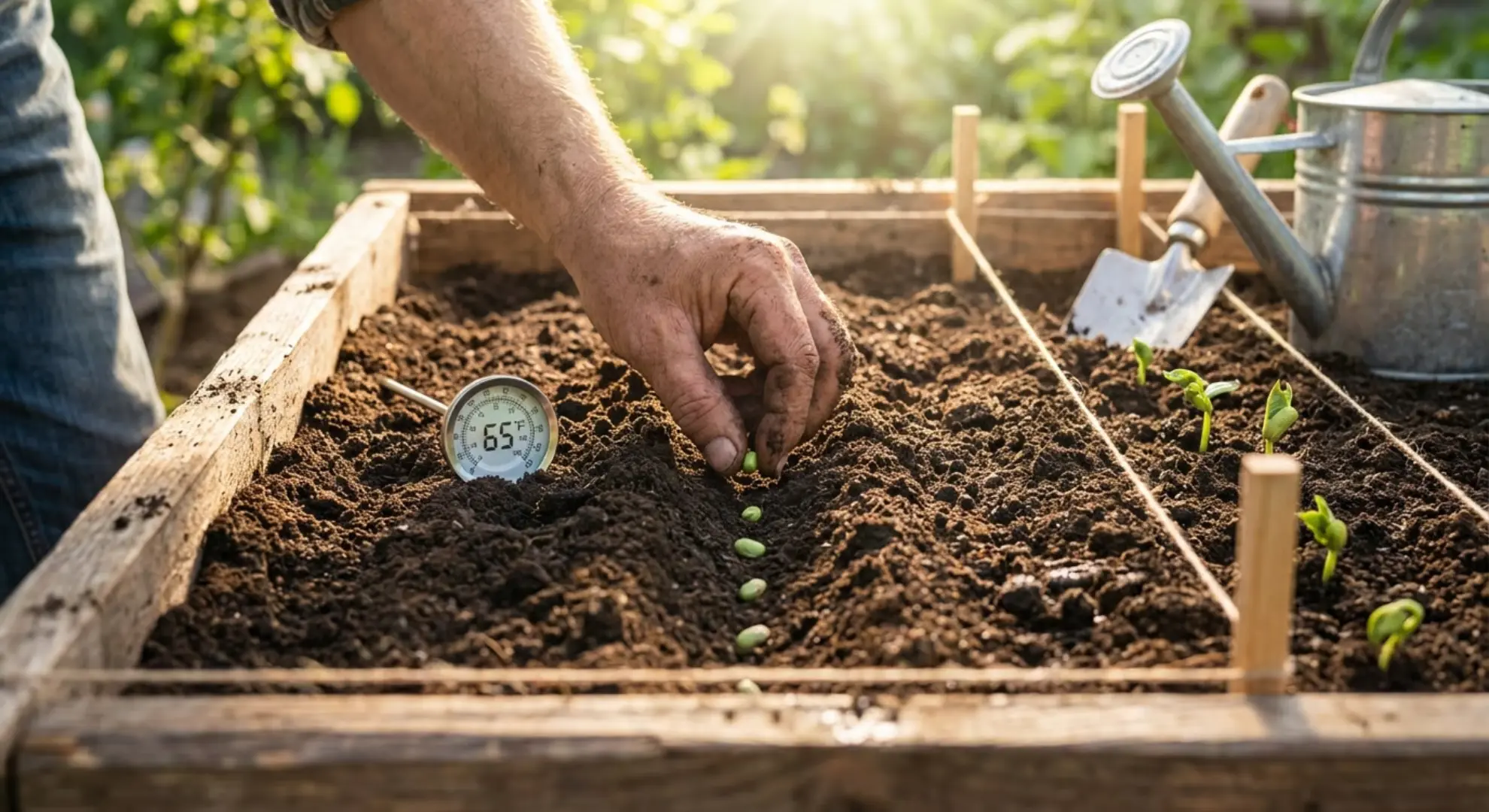
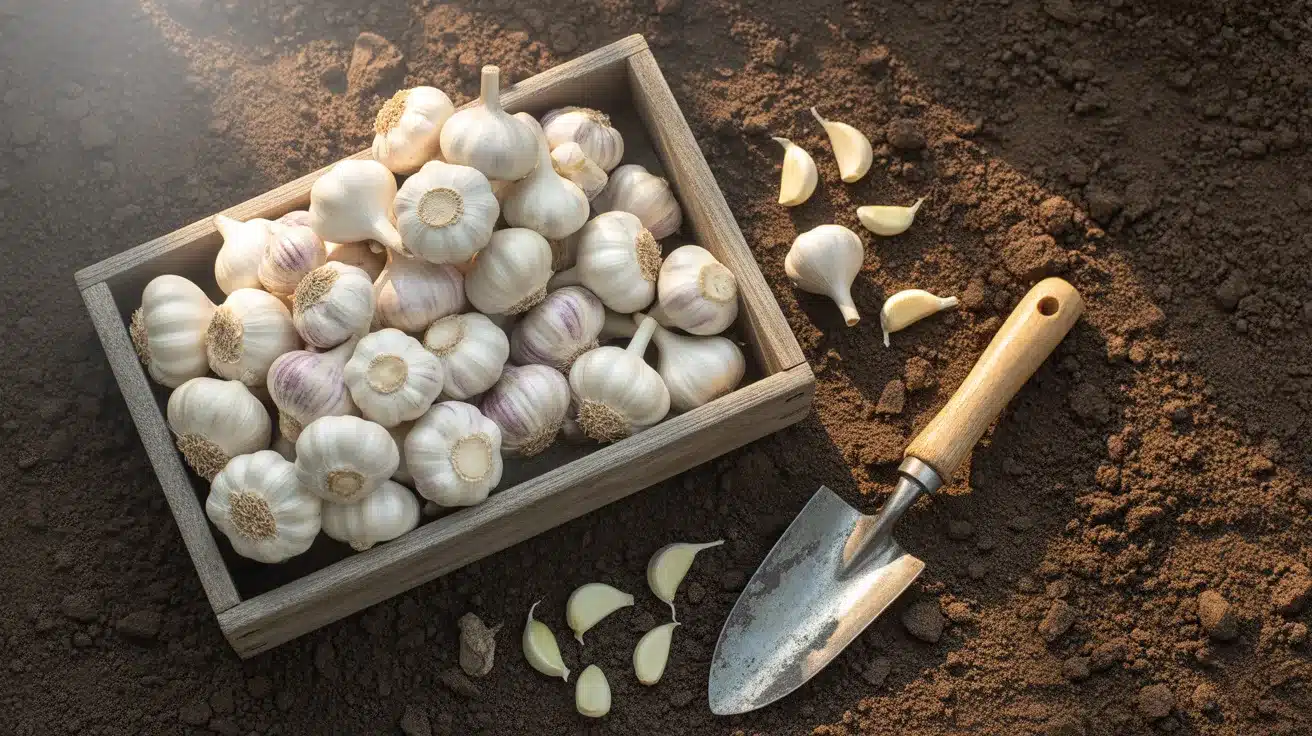
For most gardens, plant garlic cloves 2 inches deep, measured from the top of the clove to the soil surface. Always place the clove with the pointed tip facing up and the flat root end facing down.
Planting it upside down causes the shoot to twist as it tries to right itself, weakening the plant. Leave the papery skin on, as it protects the clove from rot.
The general rule is to plant each clove about 2.5 times its own size deep, so very small cloves can go a little shallower and large ones can go slightly deeper. The workable range is 1 to 3 inches, but 2 inches hits the mark for most home gardeners.
Climate and Your Growing Zone
Where you live changes how big that clove needs to grow to make it through to spring. A gardener in Minnesota and a gardener in Georgia are not working with the same conditions, and their planting depth should reflect that.
| Climate or Zone | Recommended Depth | Key Consideration |
|---|---|---|
| Cold zones (3 to 5, Northern US) | 2.5 to 3 inches | Deep planting protects from hard freeze and frost heave |
| Temperate zones (6 to 7, Mid-US) | 2 inches | Standard depth works well; mulch adds extra protection |
| Mild zones (8 to 9, Southern US) | 1.5 to 2 inches | Soil rarely freezes; shallower planting is fine |
| High rainfall regions (any zone) | 1.5 to 2 inches | Use raised beds or well-draining soil to reduce rot risk |
How to Plant Garlic in a Raised Bed
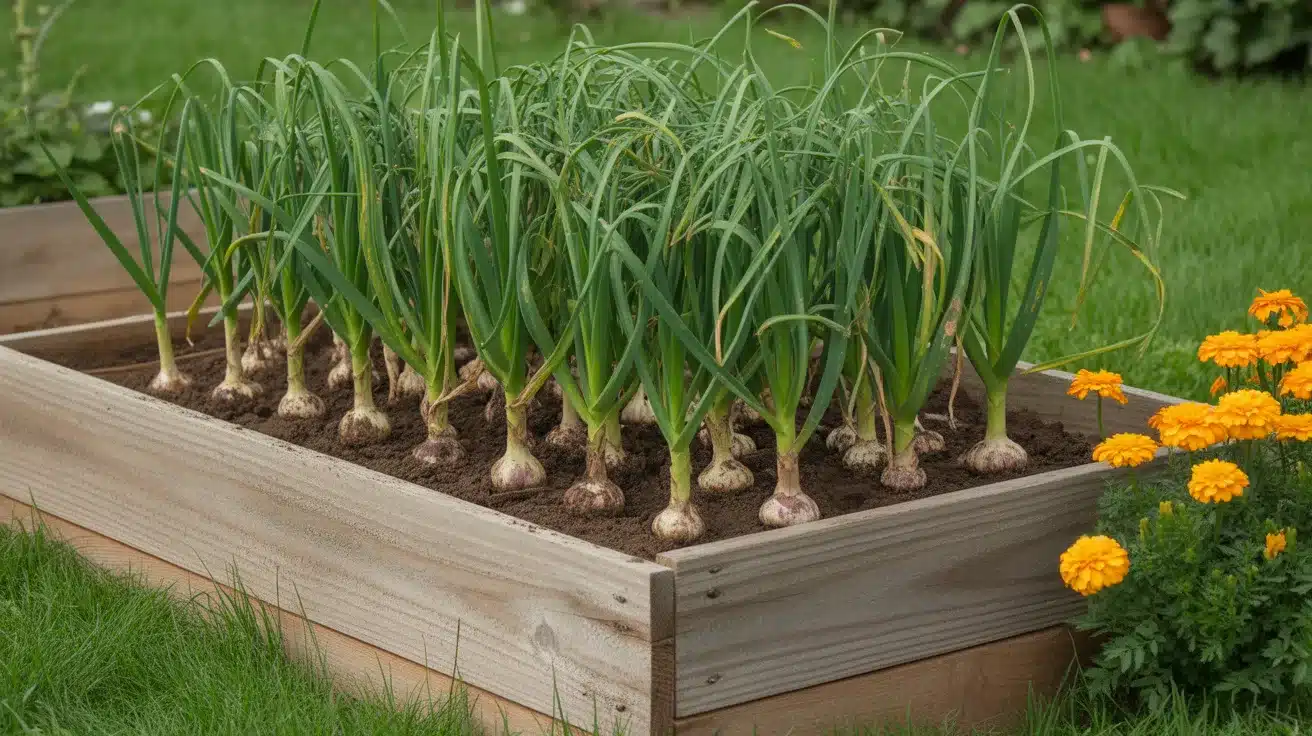
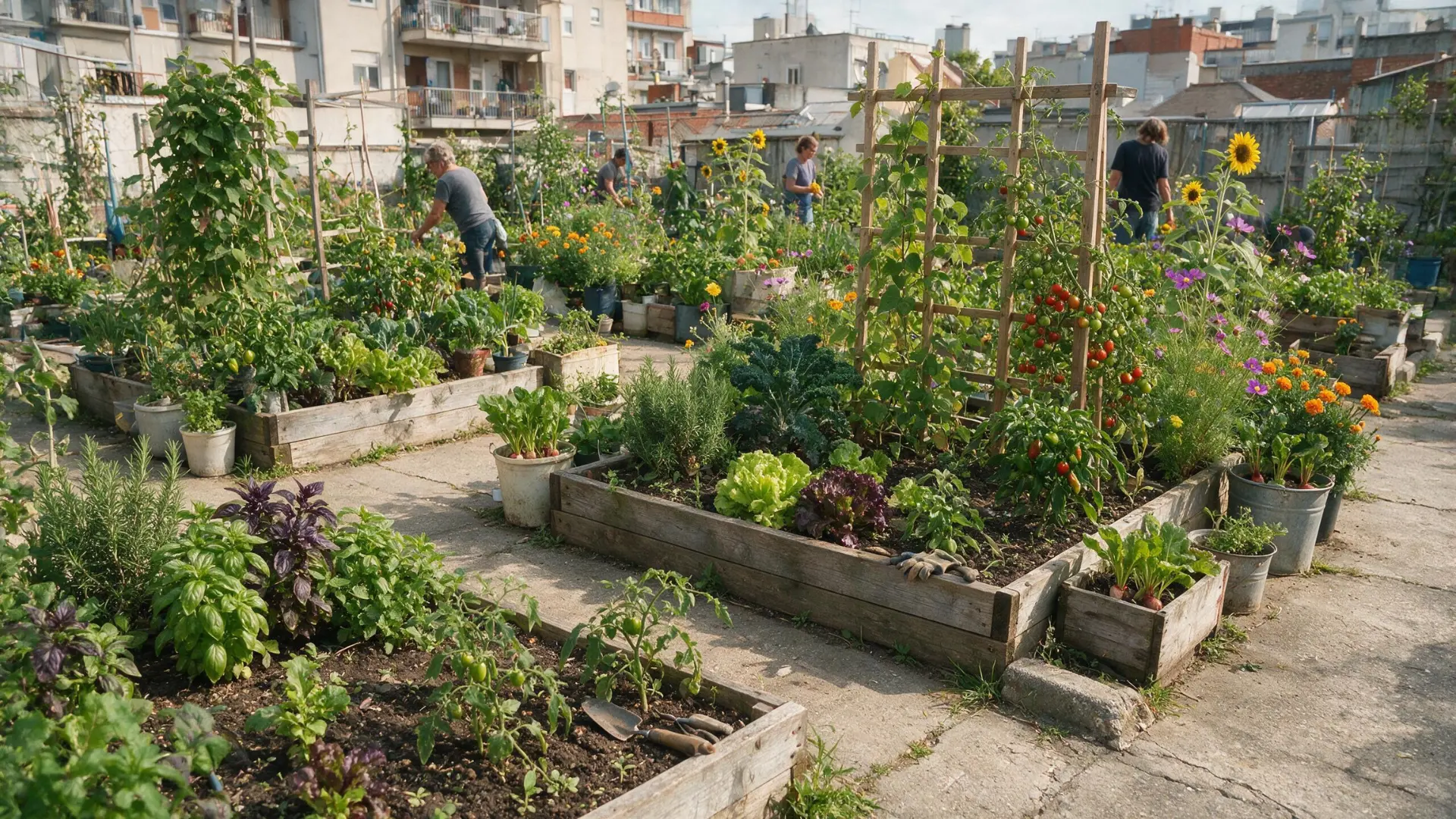
Raised beds and garlic go well together. The soil drains faster, stays looser, and warms up earlier in spring, all conditions that garlic responds well to.
1. Planting Depth in A Raised Bed
The same 2-inch depth applies in a raised bed. Because the soil tends to be looser and richer, cloves often establish roots faster here than they do in ground-level gardens.
Dig a small hole or press the clove into the soil so the tip sits about 2 inches below the surface, firm the soil around it, and you are done.
2. Bed Depth and Size
The raised bed itself needs to be at least 10 to 12 inches deep. Garlic roots grow down before the bulb forms, so a shallow bed limits how well the plant can establish itself before winter sets in.
3. Container Growing
If you are working with pots or grow bags, choose a container at least 12 inches deep.
Fill it with a compost-rich mix, make sure it gets 6 or more hours of sun each day, and check moisture more often than you would in a ground bed.
Raised beds and containers dry out faster, so the cloves need more frequent watering until the ground freezes.
Spacing Garlic Cloves the Right Way
Depth alone does not produce big bulbs. If the cloves are planted too close together, they compete for nutrients, and all of them end up smaller than they should be.
| Situation | Clove Spacing | Row Spacing |
|---|---|---|
| Standard in-ground planting | 4 to 8 inches | 6 to 12 inches |
| Raised bed | 4 to 6 inches | 10 to 12 inches |
| Containers or small pots | 4 inches | Single layer only |
| Elephant garlic | 10 to 12 inches | 12 to 18 inches |
| Staggered grid layout | 6 inches diagonally | 3 rows per 4-foot bed |
The Role of Mulch in Protecting Your Depth Choice
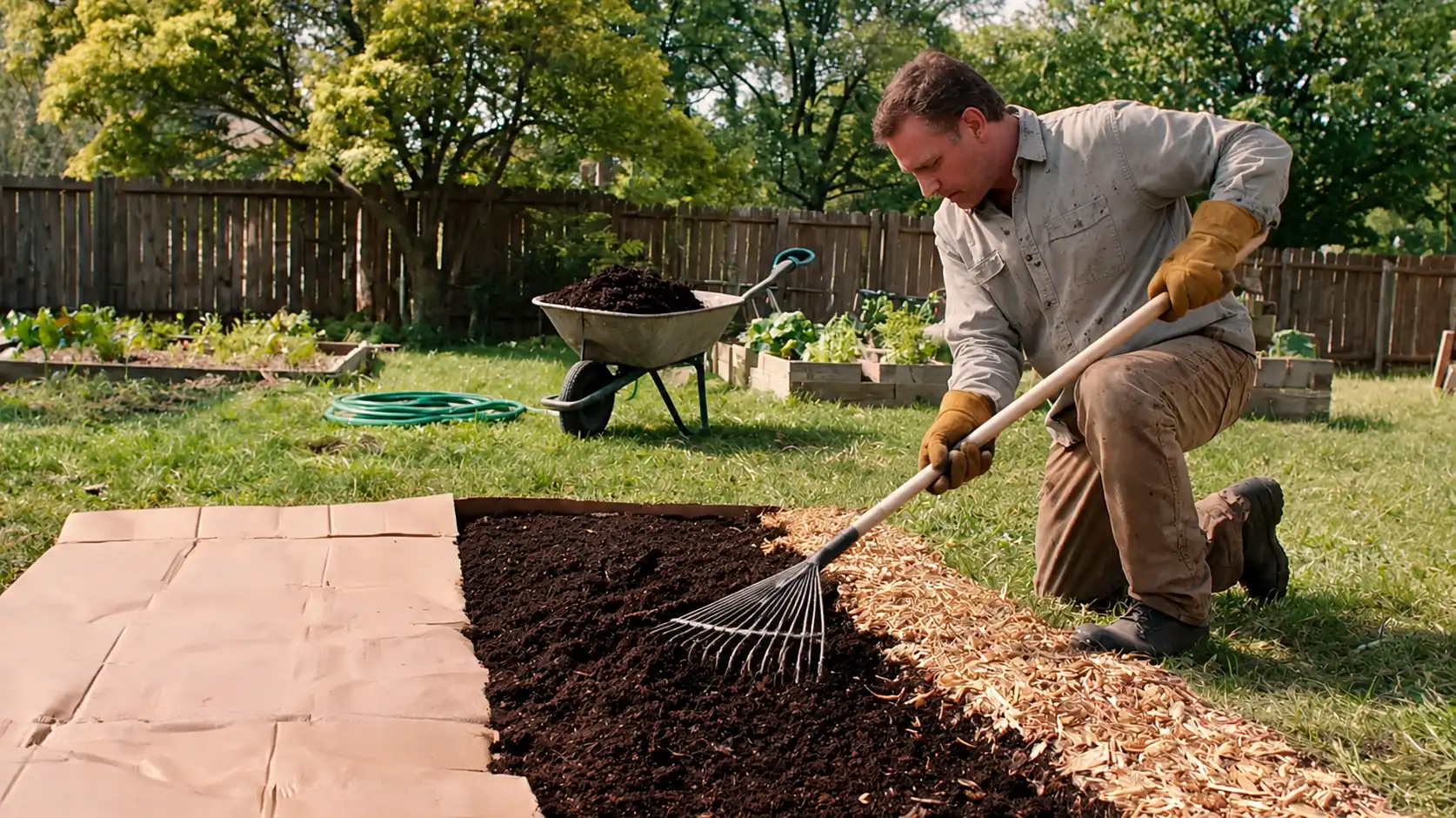
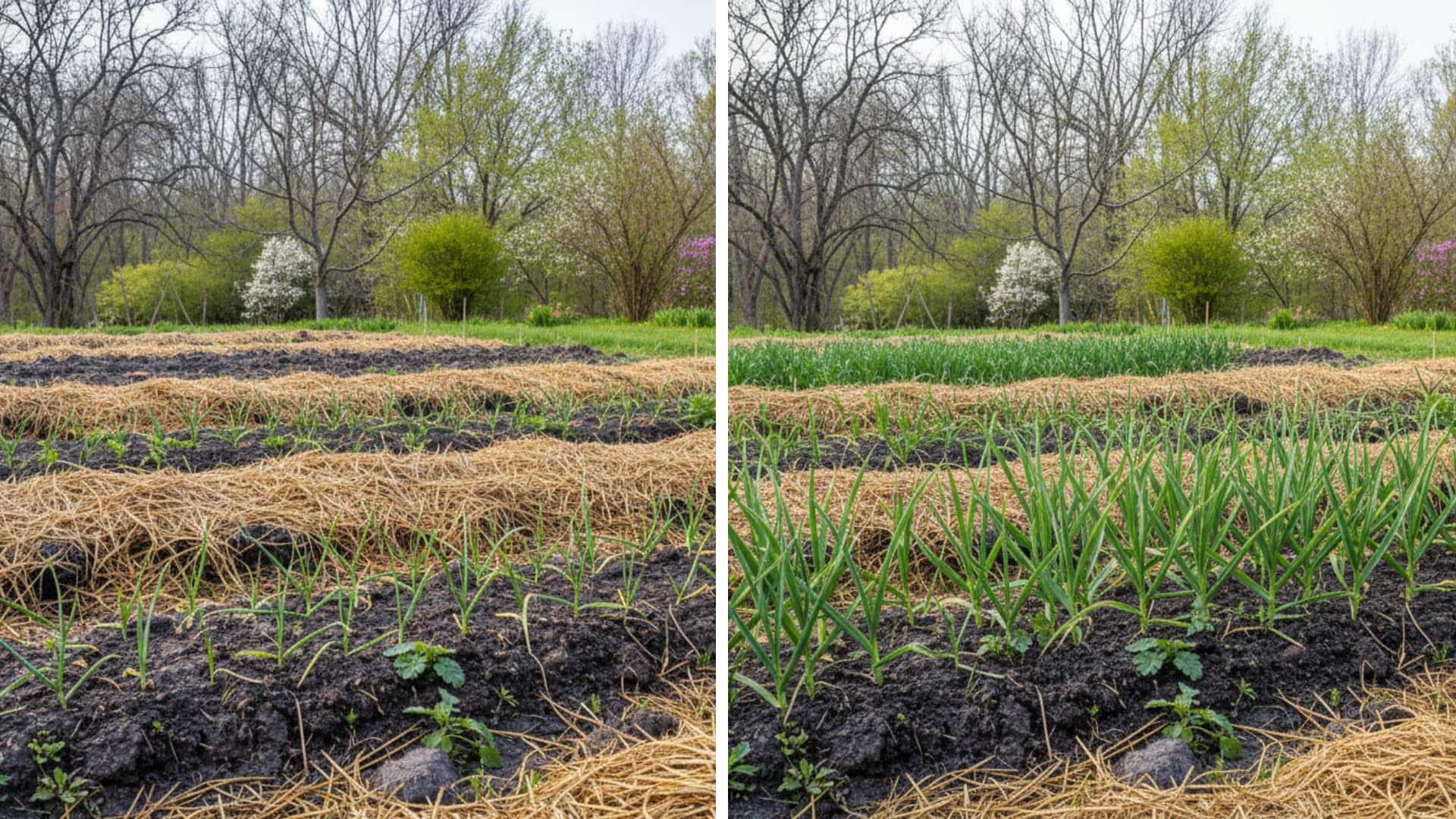
Mulch changes the math on depth. A thick layer of straw or shredded leaves above the soil acts as extra ground cover, so you can plant a bit shallower and still protect the clove through winter.
- Without mulch: Plant at least 3 inches deep in cold climates. The clove needs that extra soil above it to survive freeze-thaw cycles without being pushed to the surface.
- With 3 to 4 inches of straw or shredded leaves, 2 inches of depth is enough, even in zones 4 and 5. The mulch keeps soil temperature steady and stops the heaving that shallow planting triggers.
- With 6 inches of mulch, some growers in northern zones plant as shallow as 1.5 to 2 inches and rely on heavy mulch for full winter protection. This works, but the mulch needs to stay in place through late winter.
- Timing matters: Apply mulch after the ground has frozen, not before. The goal is to keep the soil stable once it freezes, not to prevent it from freezing in the first place.
- In spring, loosen or pull back thick mulch once the soil starts to warm. Green shoots need room to push through, and compacted mulch can slow them down.
Fall vs Spring Planting: Does Depth Change?
Planting season affects more than timing. It also changes how the clove behaves underground and, as a result, how deep it should go.
| Factor | Fall Planting | Spring Planting |
|---|---|---|
| Recommended depth | 2 to 3 inches | 1.5 to 2 inches |
| Why depth matters more | Clovers sit through winter; frost heave risk is higher | Soil is warming; freeze risk is low |
| Bulb size at harvest | Larger roots establish all winter | Smaller, less underground development time |
| Variety to use | Any hardneck or softneck suited to your zone | Pre-chilled “spring planting” varieties only |
| Best window | 4 to 6 weeks before the ground freezes hard | As soon as the soil is workable in early spring |
How Deep Should Garlic Be Planted Without Mulch?
Without mulch, garlic needs at least 3 inches of soil above the top of the clove in cold climates.
That depth gives the clove enough protection from the freeze-thaw cycles that happen through late fall and winter. In milder climates where the ground stays above freezing, 2 inches without mulch is usually enough.
The real risk with shallow, unmulched planting is frost heave, where repeated freezing and thawing push the clove up toward the surface, exposing it to cold, dry air. If you are not planning to mulch, go deeper rather than shallower.
Wrapping It Up
Getting the depth right is the most important step when planting garlic, and the good news is that it doesn’t need to be complicated.
For most home gardeners, 2 inches deep with the tip pointing up is the right starting point. From there, adjust slightly based on your soil type, how cold your winters get, and whether you plan to add mulch.
These small shifts make a real difference by harvest time. Have a question about your specific soil or climate? Drop it in the comments, and we can work through it together.