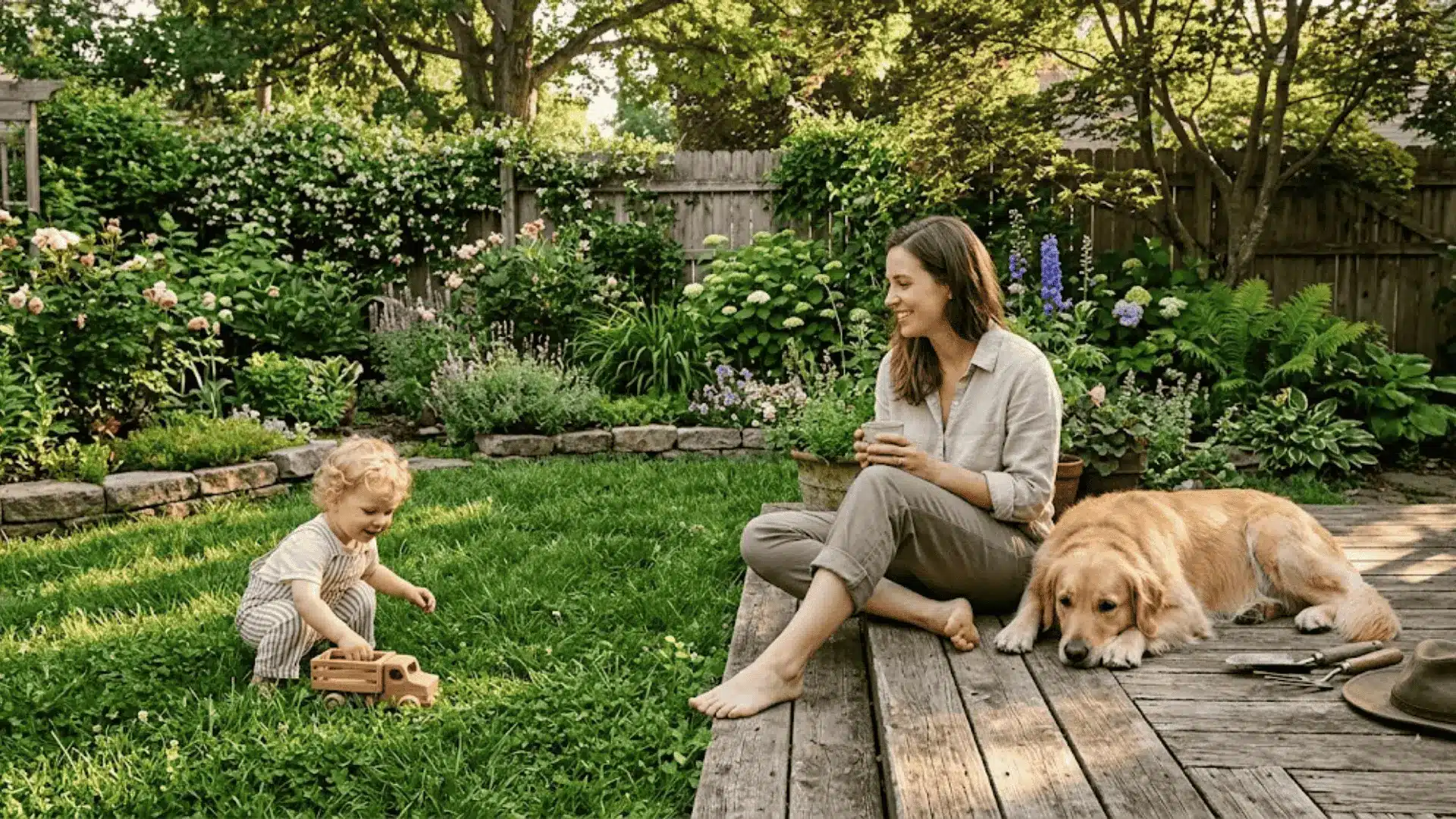
A garden should feel like your happy place, somewhere you can kick off your shoes, let the kids run free, and actually exhale.
But when the buzz of bees puts you, your little ones, or your furry friends on edge, that dreamy outdoor space can start to feel a little less relaxing.
Allergy concerns, a nervous toddler, and an anxious pet are all completely valid reasons to want a calmer garden.
Bees are wonderful for the ecosystem, and we love them for it, but your comfort in your own backyard matters too.
What Actually Keeps Bees Away?
Before you start picking plants, it helps to know what bees are naturally drawn to and what they tend to skip.
Bees gravitate toward blue, purple, and white blooms, especially ones with open, easy-to-land-on petals and a good amount of fragrance.
On the flip side, they struggle to see red flowers, tend to avoid narrow or tubular blooms, and aren’t particularly interested in double-petaled or low-nectar varieties.
Certain strong scents and natural oils can put them off, too. Once you know this, building a beautiful, low-bee garden starts to feel very doable.
15 Flowers That Don’t Attract Bees
Not sure where to begin? Start here. These picks are pretty, practical, and genuinely low on bee activity, so your garden gets to be both beautiful and peaceful.
1. Petunias
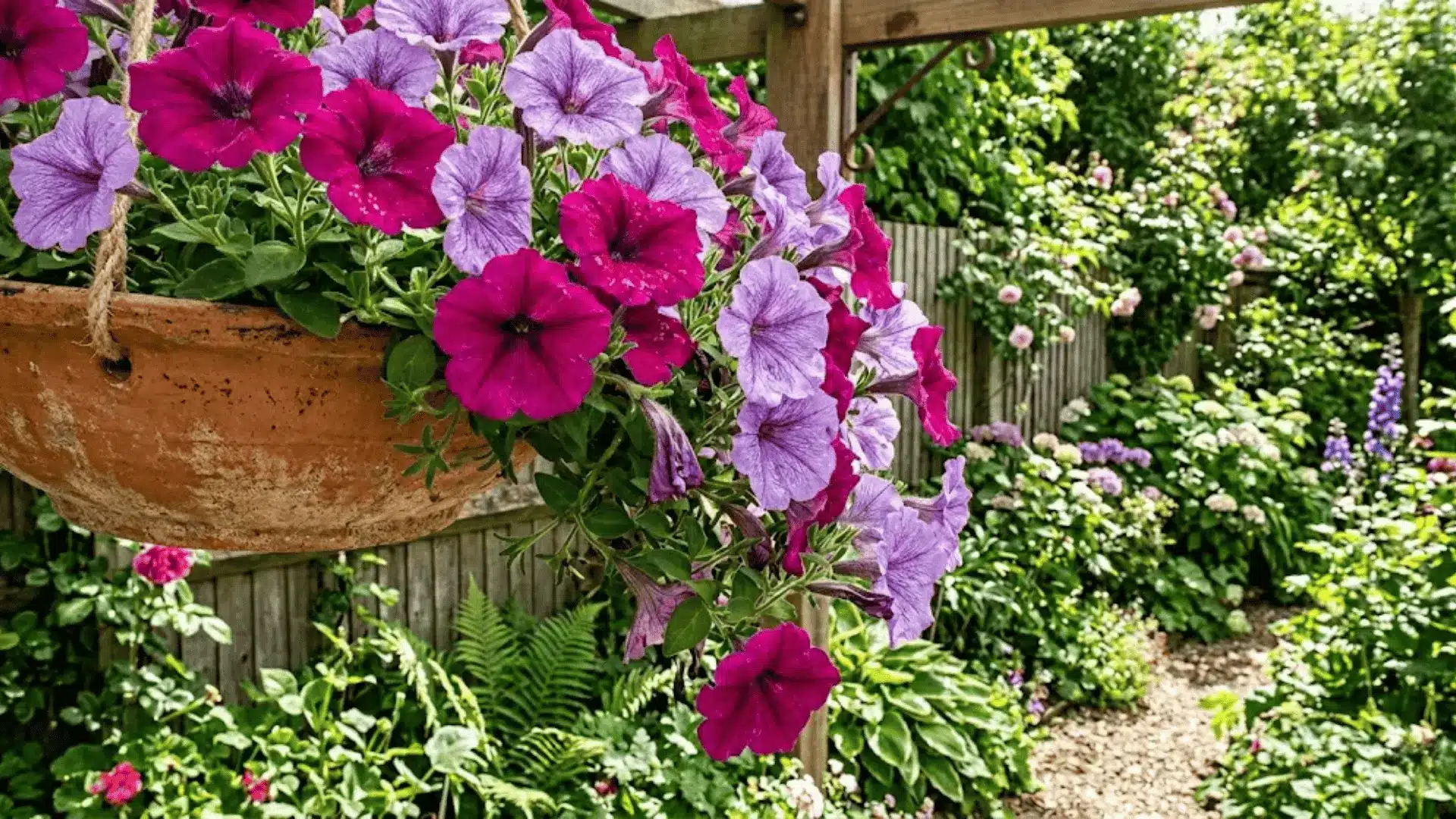
Petunias are basically the overachievers of a low-bee garden. Their narrow openings make it tricky for bees to access the nectar, so they mostly get passed over.
They spill gorgeously out of hanging baskets, line borders like a dream, and come in enough colors to make any garden look intentionally styled. Plant them in full sun, and they will keep blooming generously all season long.
2. Geraniums
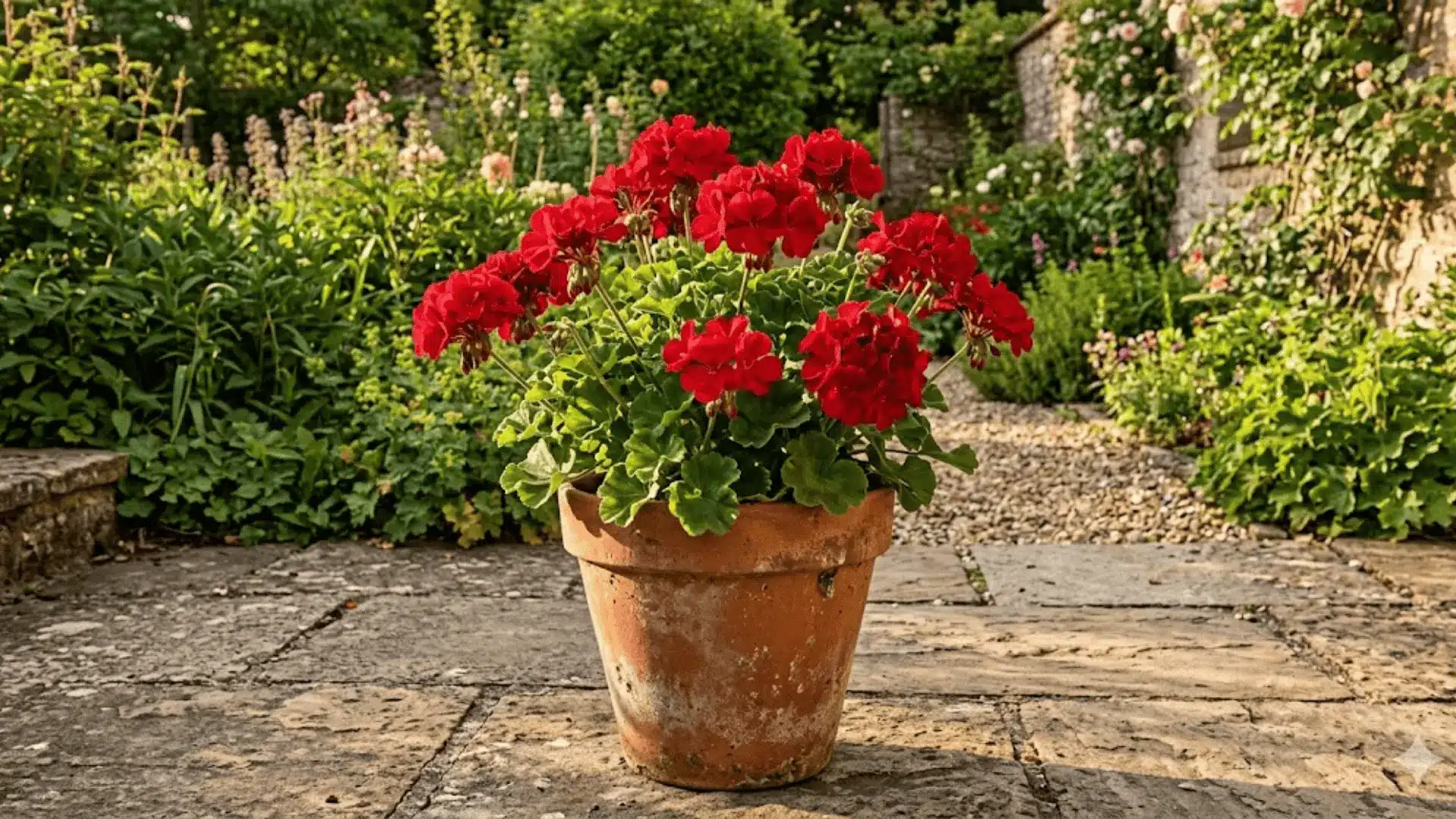
If you want something reliable and a little no-nonsense, geraniums are your go-to. Red varieties are especially ignored by bees since they genuinely struggle to see that color.
Add in the low pollen count and that signature musky scent, and bees tend to move right along. They’re cheerful, hardy, and look incredibly put-together in pots by a doorway or patio edge.
3. Begonias
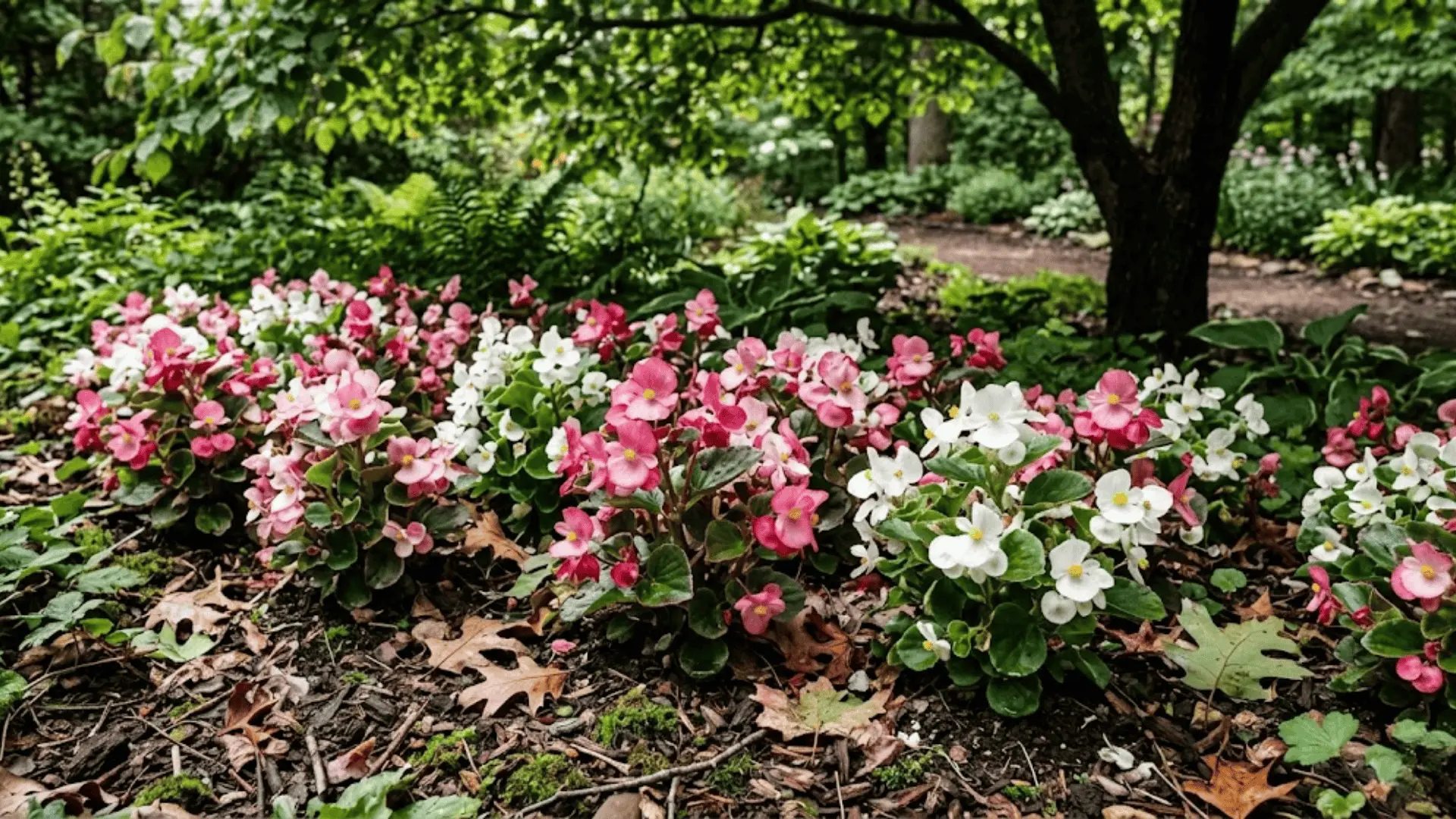
Begonias bring the color without the chaos. With minimal fragrance and very little nectar on offer, they simply don’t make it onto a bee’s radar.
They’re also one of the few flowering plants that genuinely thrive in shade, which makes them perfect for those corners of your garden that other plants sulk in. Soft, lush, and quietly pretty.
4. Impatiens
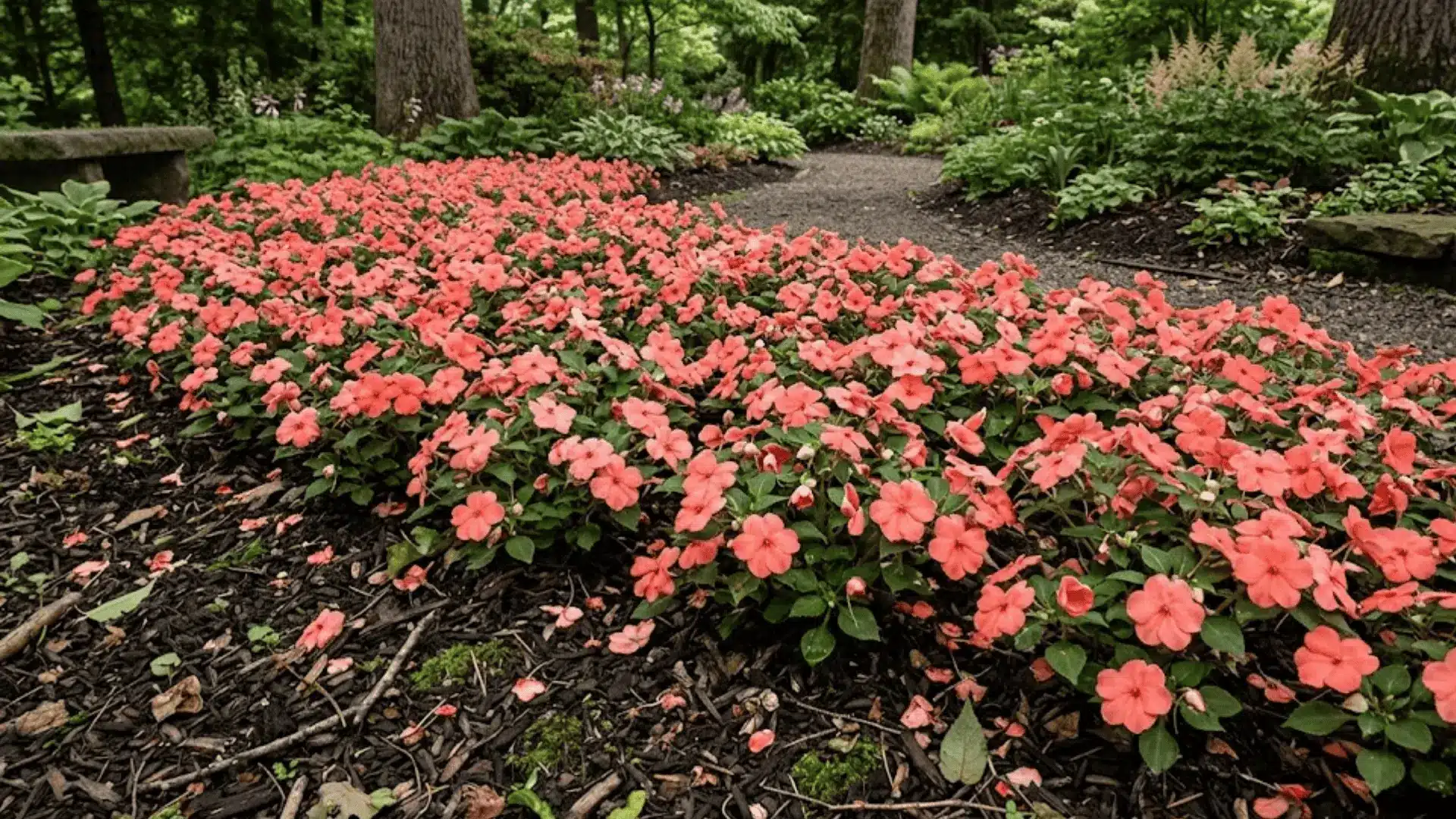
Impatiens are the kind of plant that just gets on with it. Low nectar production means bees rarely bother, and their vibrant little blooms keep going without asking much from you in return.
If you want a fuss-free, low-bee bed that still looks lively and full of color, a generous patch of impatiens will do exactly that.
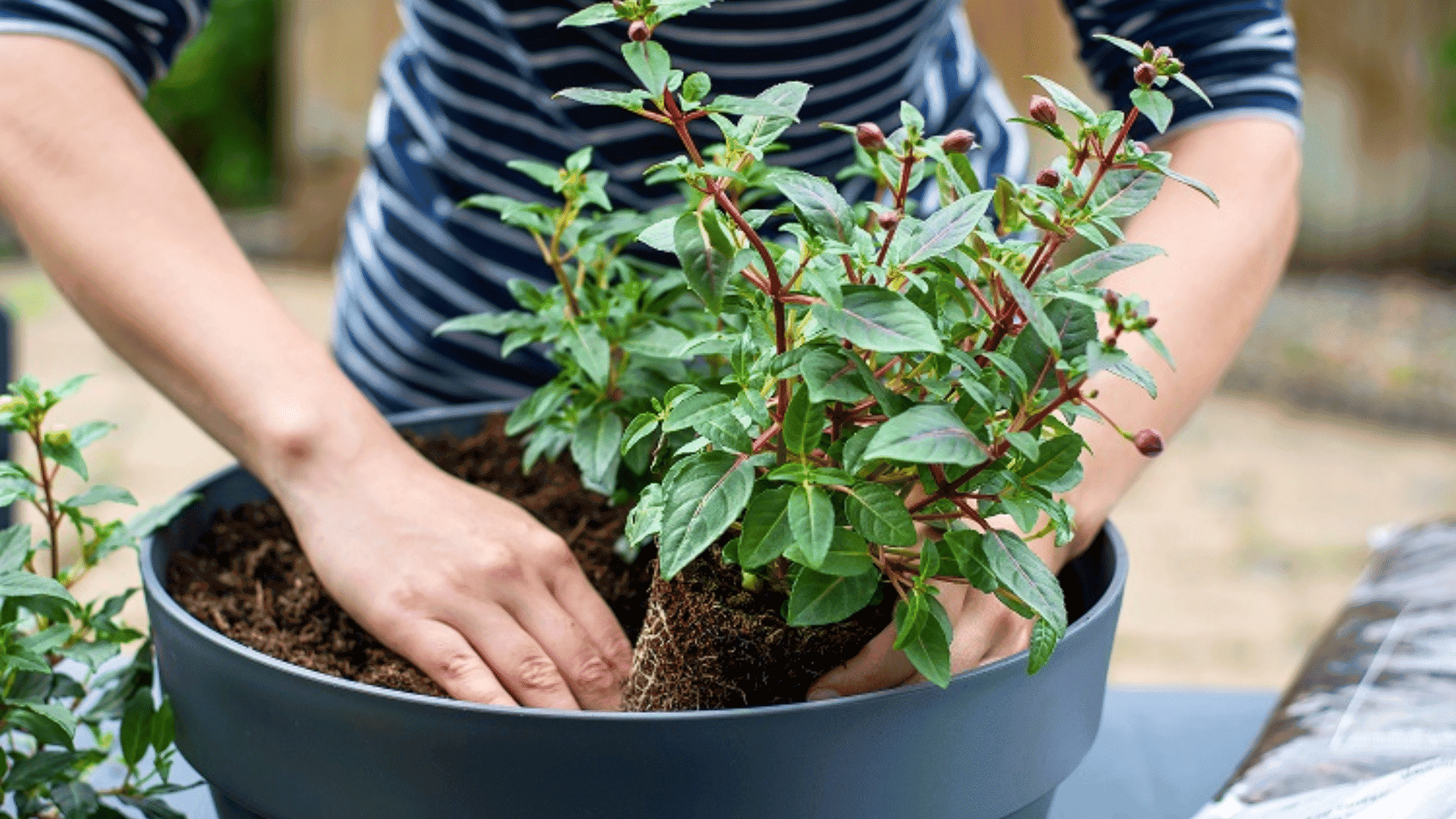
5. Fuchsia
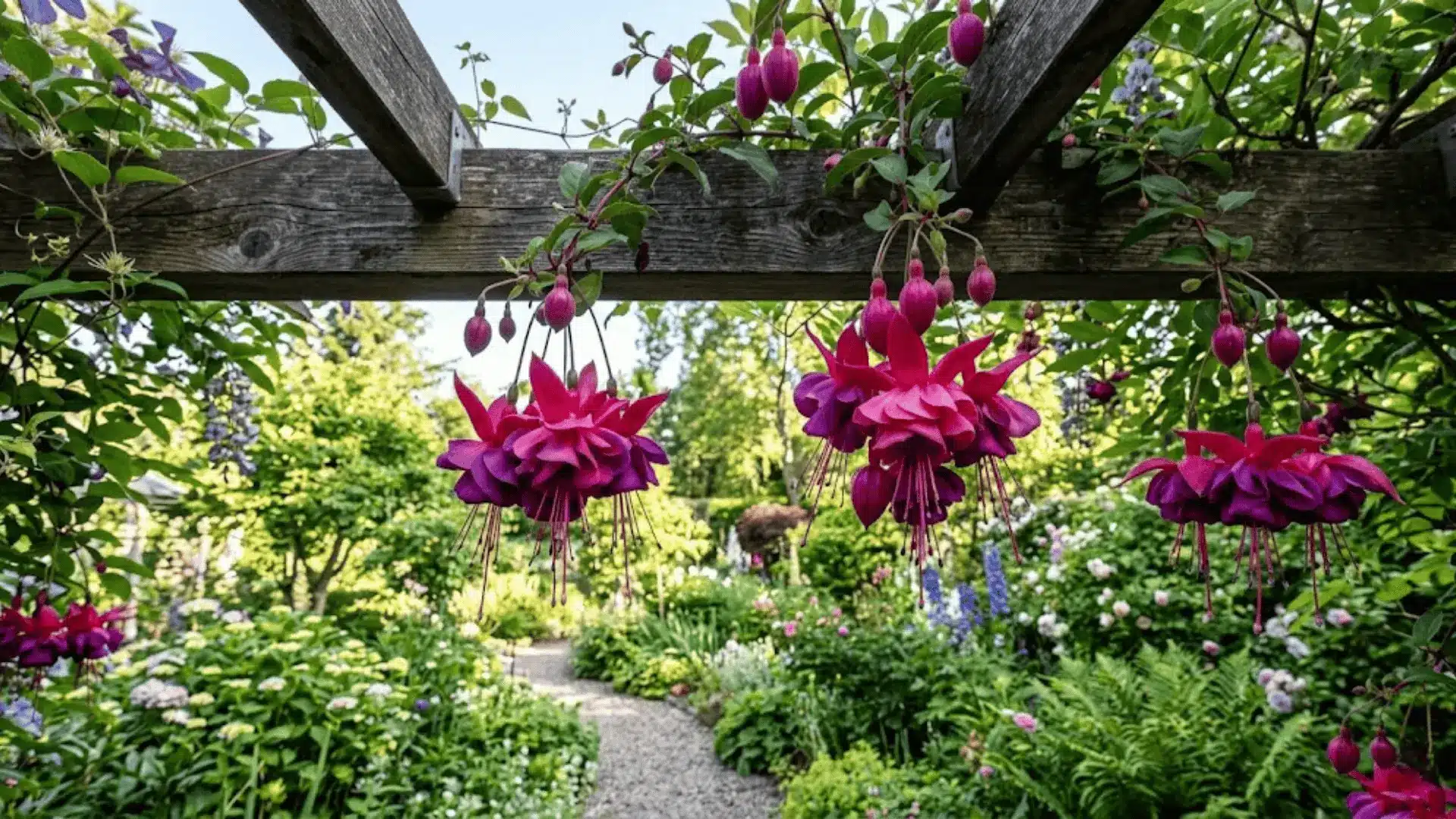
Fuchsia is practically showing off with those dramatic, pendulous blooms hanging like little jewels. But as stunning as they are, the downward-facing structure makes landing nearly impossible for bees, so they tend to get skipped.
Hummingbirds, though? Absolutely obsessed. Hang them in a basket somewhere you can actually sit and enjoy them.
6. Columbine
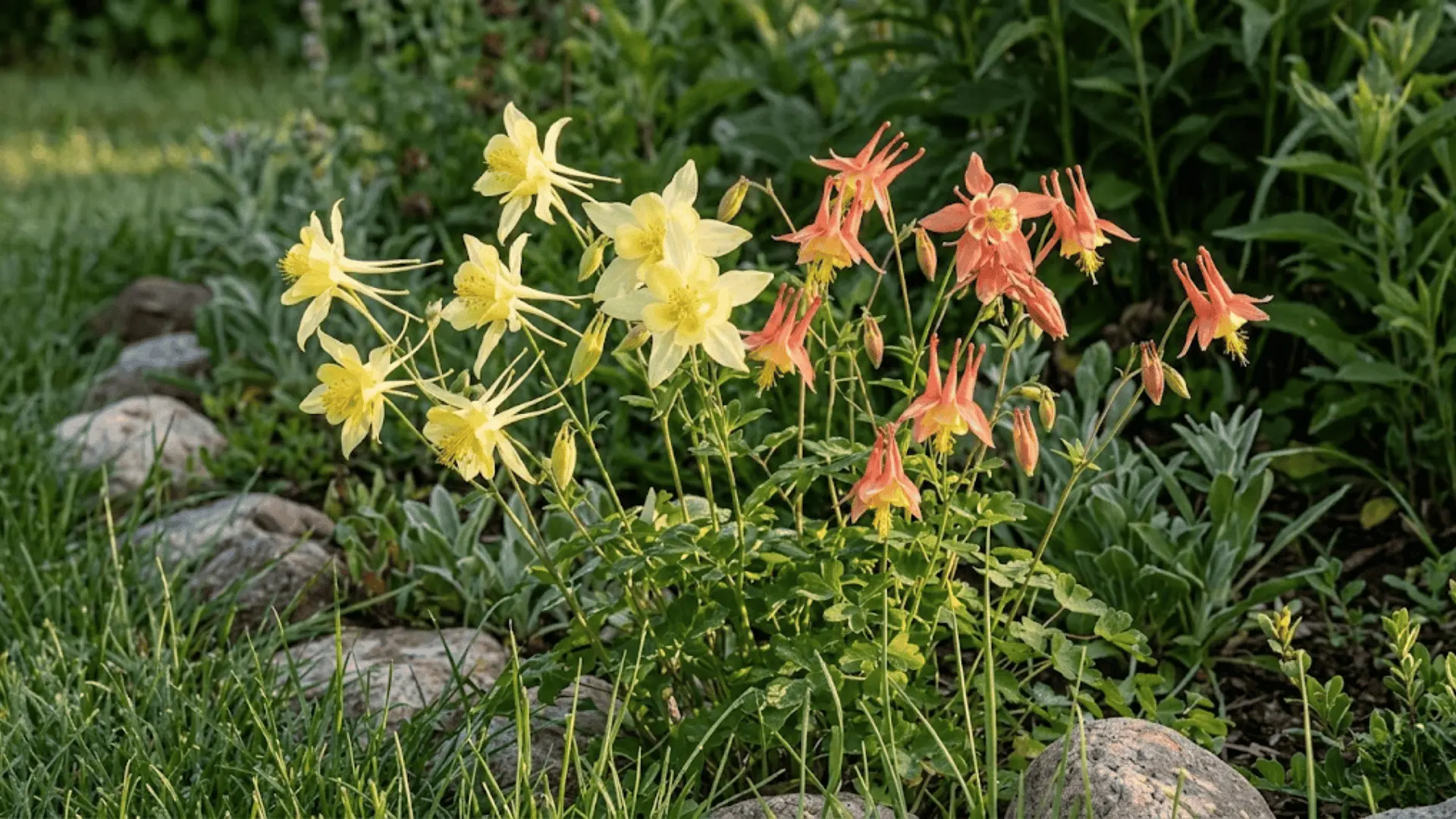
Columbine has a quiet, cottage-garden appeal that photographs beautifully and asks very little of you. The nectar is tucked deep inside long, narrow spurs that bees simply can’t navigate efficiently.
Birds tend to do the pollinating here instead. It’s the kind of flower that makes your garden feel a little wild and intentional at the same time.
7. Red Salvia
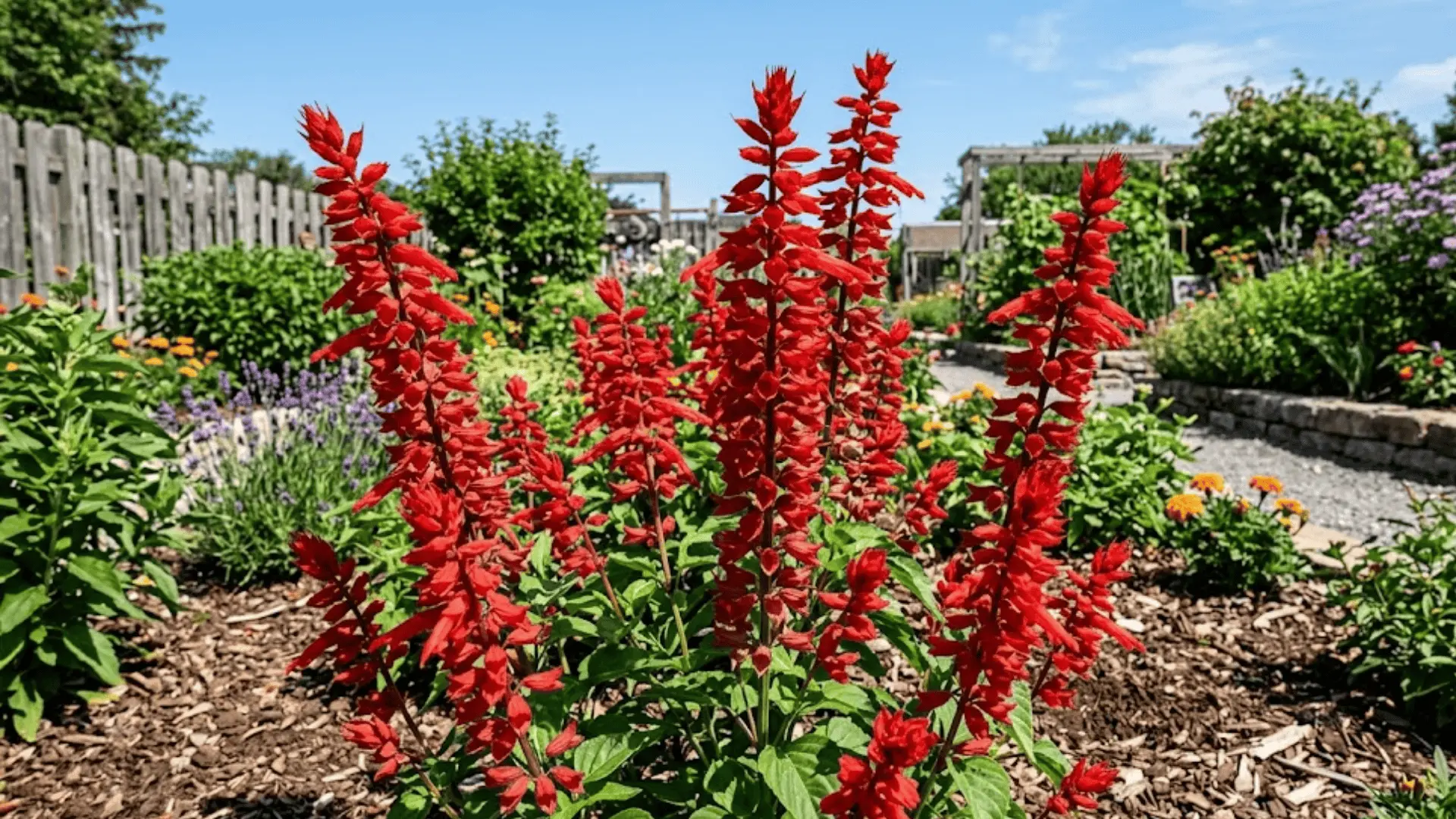
Red salvia is a great example of color doing the work for you. Bees have a limited ability to perceive red, so these vivid spikes tend to go unvisited by them.
Hummingbirds, on the other hand, are completely drawn in. If you want movement and life in your garden without the buzz, red salvia gives you exactly that trade-off.
8. Feverfew
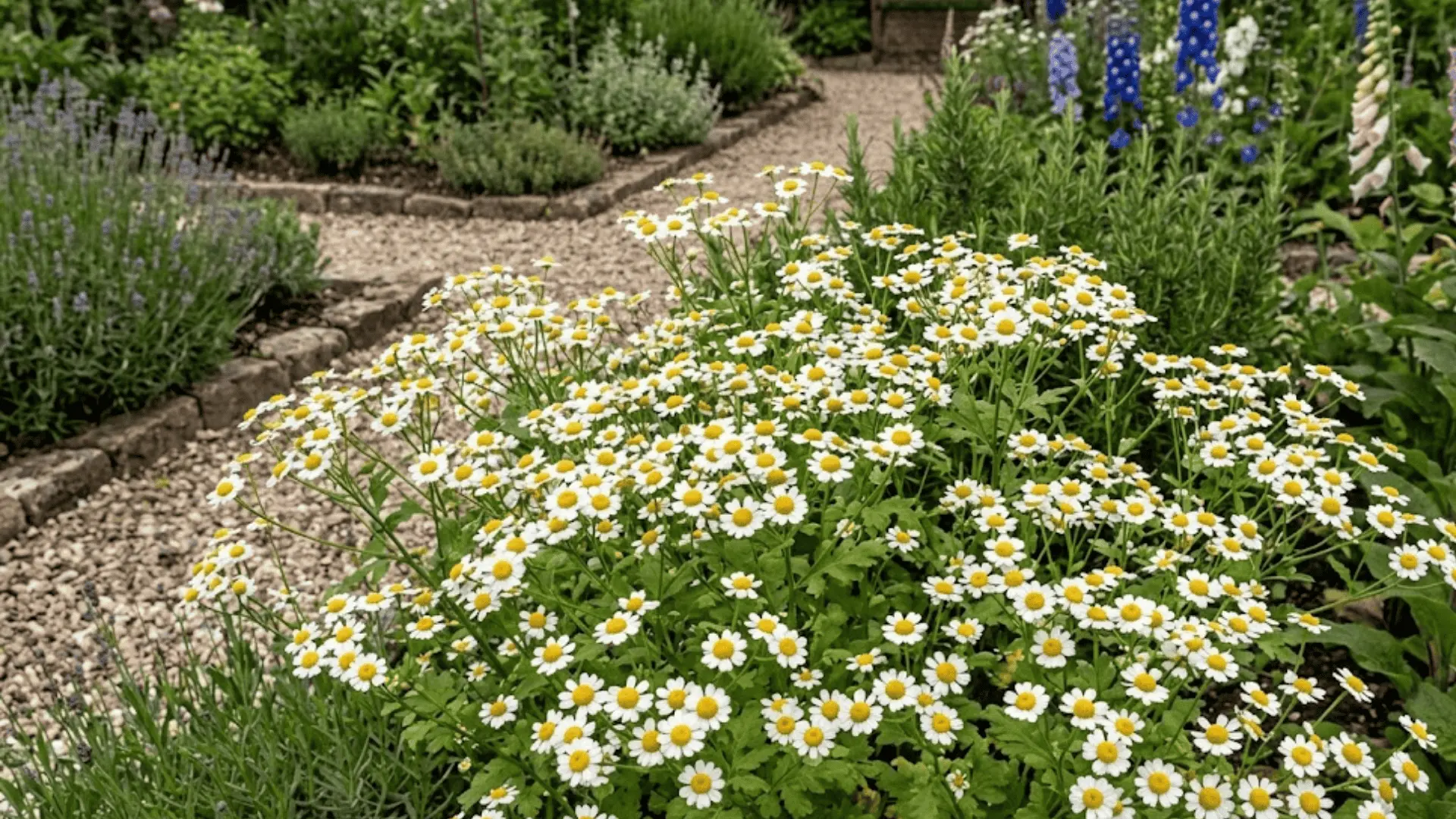
Feverfew looks like chamomile’s cooler, low-maintenance sibling. Those cheerful daisy-like blooms are easy on the eye, but the strong natural scent is a genuine deterrent for bees.
It’s one of those plants that earns its place twice over, looking lovely while quietly keeping things calm. It also has a long history in herbal use, so it brings a little character with it, too.
9. Marigolds
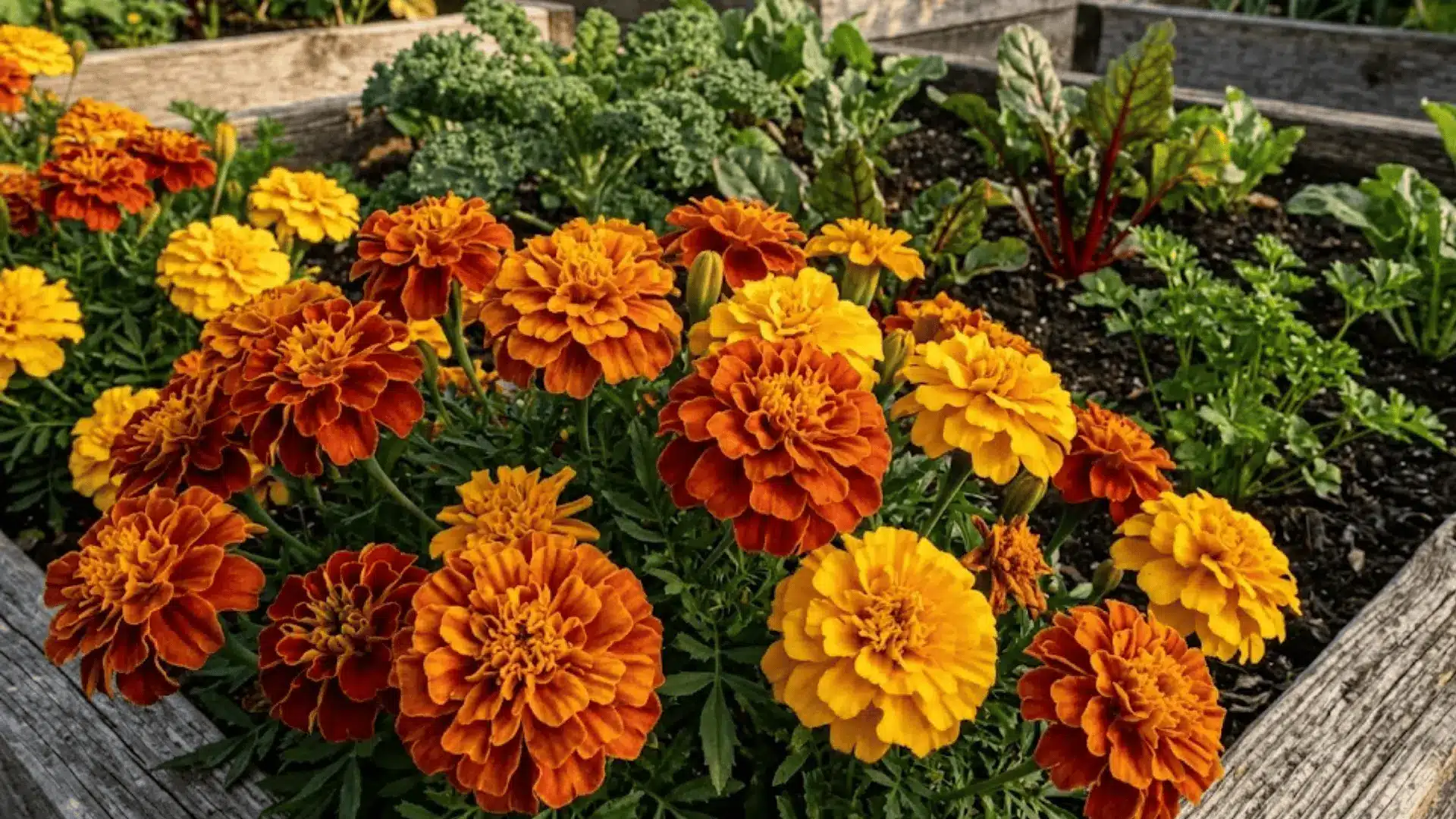
Marigolds are already beloved for keeping pests away, and the double varieties bring an extra layer of usefulness. Those densely packed petals make pollen access difficult, so bees don’t find them worth the effort.
They’re bold, they’re bright, and they look incredible lining a vegetable bed or framing a pathway. Hardworking and pretty, basically the ideal garden plant.
10. Wax Begonias
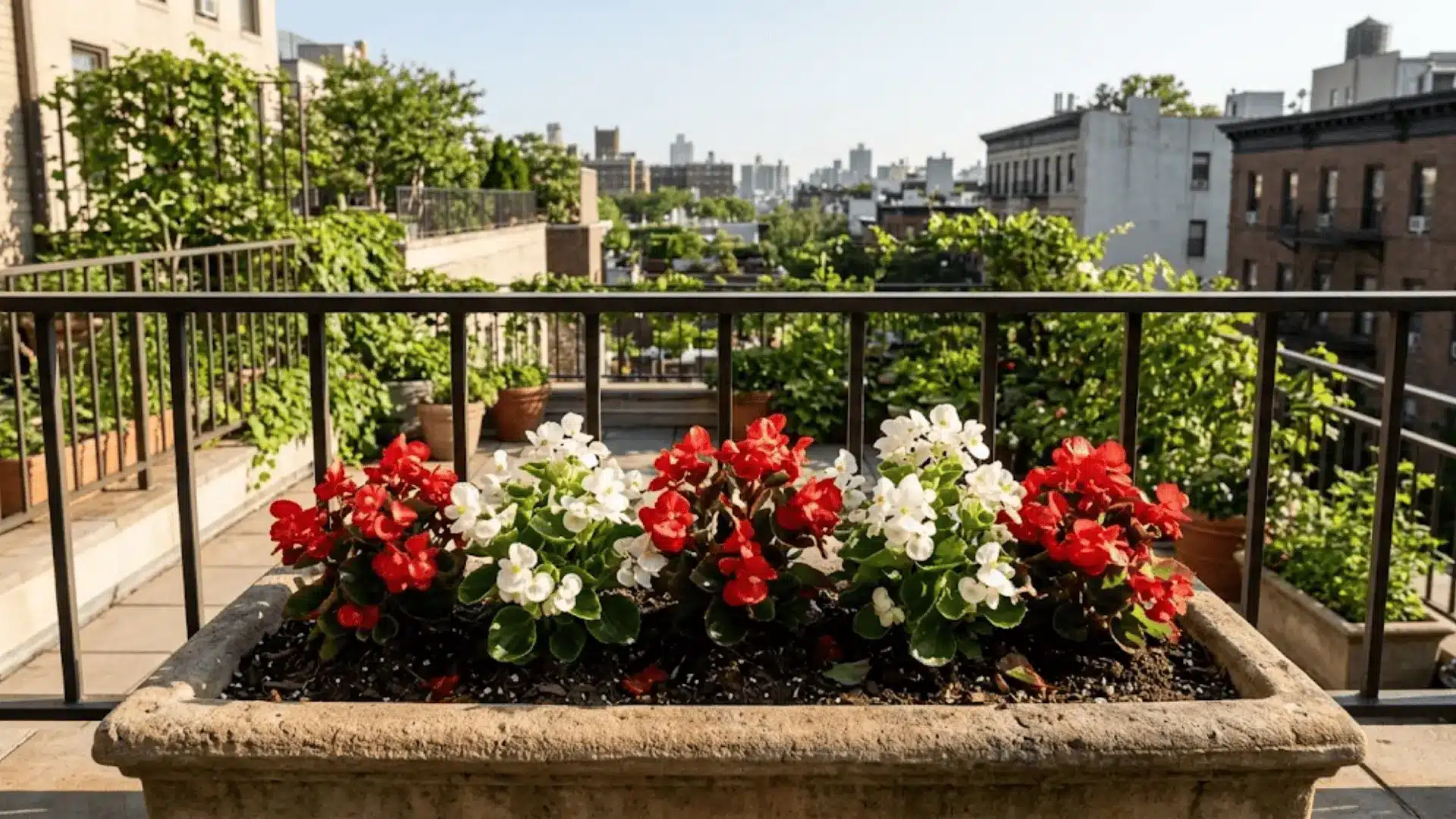
Think of wax begonias as the tidier, more structured cousin of the regular begonia. Low scent and very low nectar mean bees consistently overlook them, and their compact, waxy look makes them one of the neatest container plants.
Window boxes, pots, balcony planters; they fit right in and stay looking polished with very little effort on your end.
11. Snapdragons
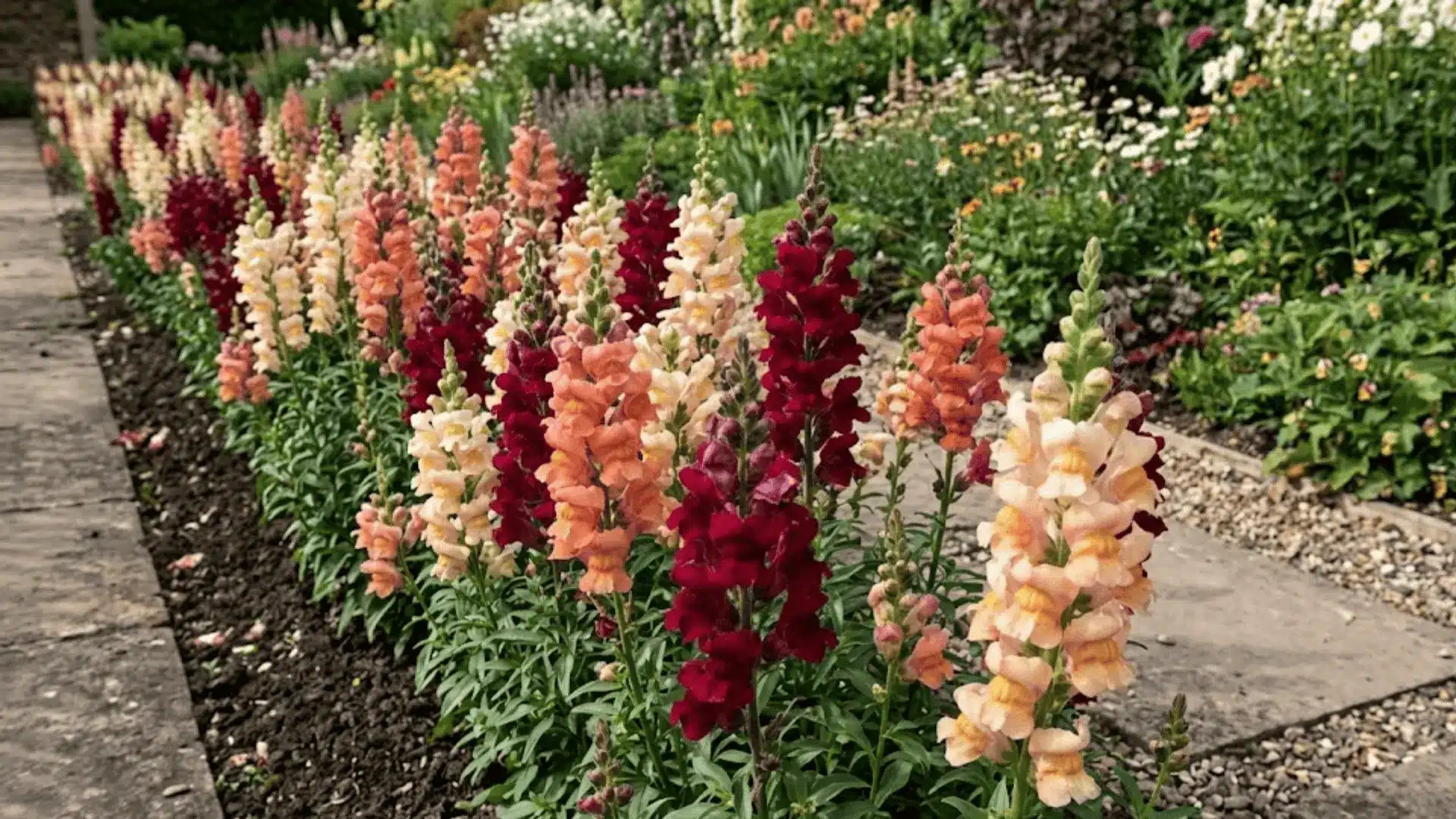
Snapdragons have that playful, pinch-the-bloom quality that makes them a childhood favorite, and they happen to be wonderfully unbothered by bees.
Their narrow tubular flowers require a level of strength that most bees don’t have, so they get left to butterflies and larger pollinators. They come in the most beautiful range of colors and add real vertical interest to any bed.
12. Nicotiana
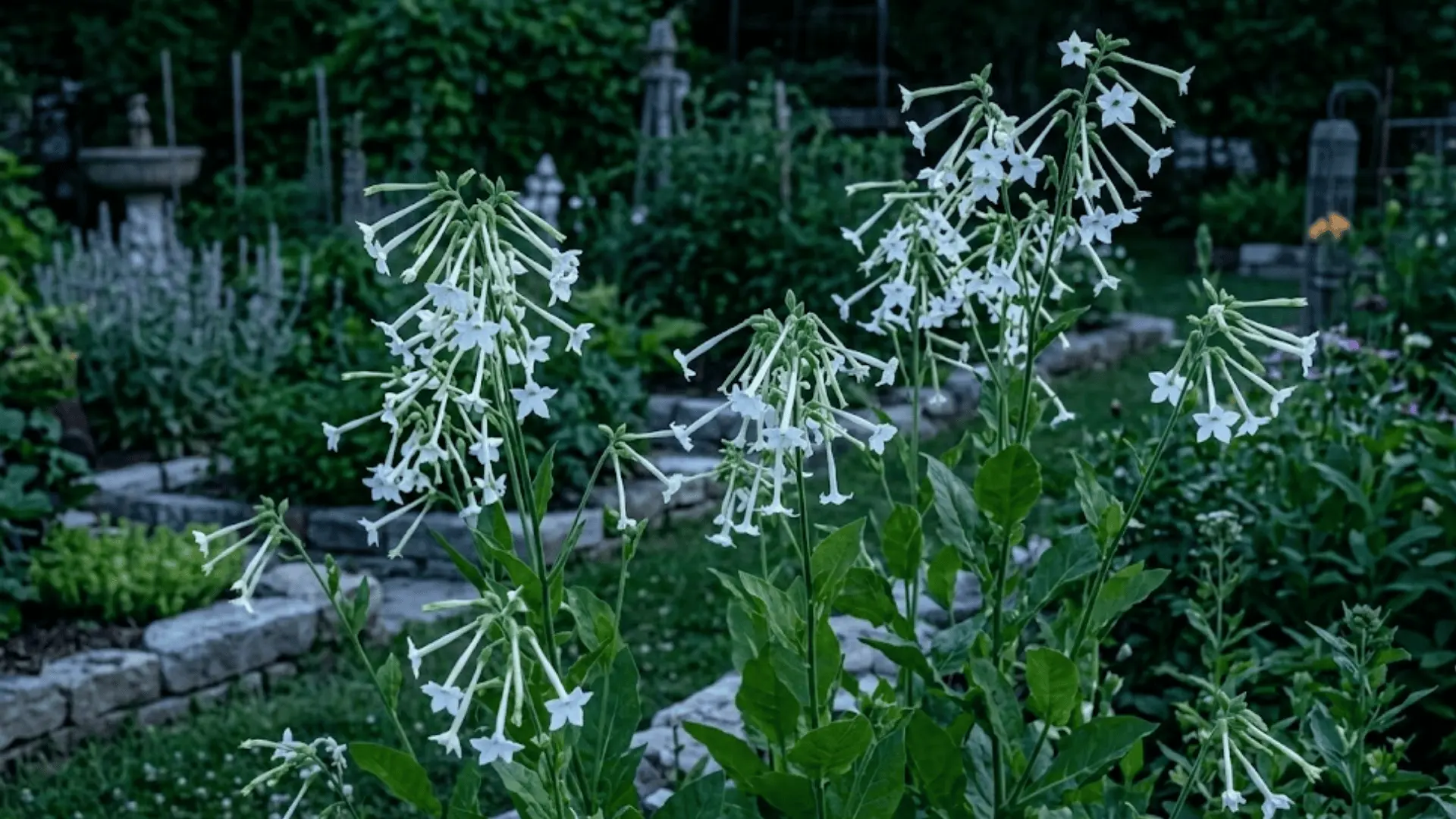
Nicotiana is one of those quietly underrated picks that deserve far more garden space. The blooms are slender and tubular, and since the plant is primarily night-blooming, it’s moths that come calling, not bees.
It has a soft, almost romantic look in the evening garden and carries a gentle fragrance that makes sitting outside after sunset genuinely lovely.
13. Foxglove
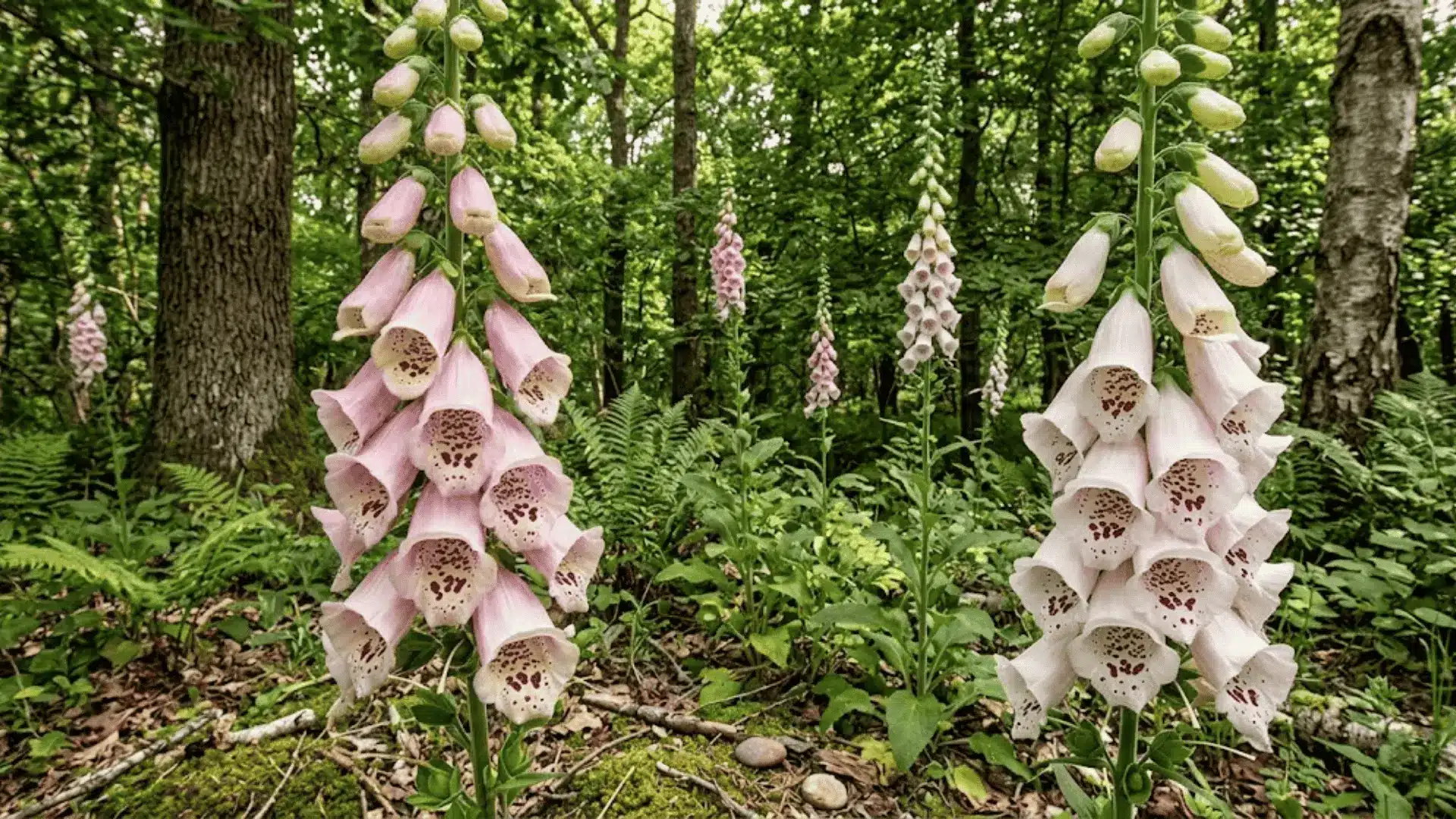
Foxgloves are statement plants in every sense. Tall, dramatic, and full of personality, they also happen to be largely bee-unfriendly at a practical level.
The deep tubular bells are built for birds, not bees, which keeps things quieter around them. They do best in part shade and add that wildflower, English-countryside energy that makes a garden feel truly special.
14. Wormwood
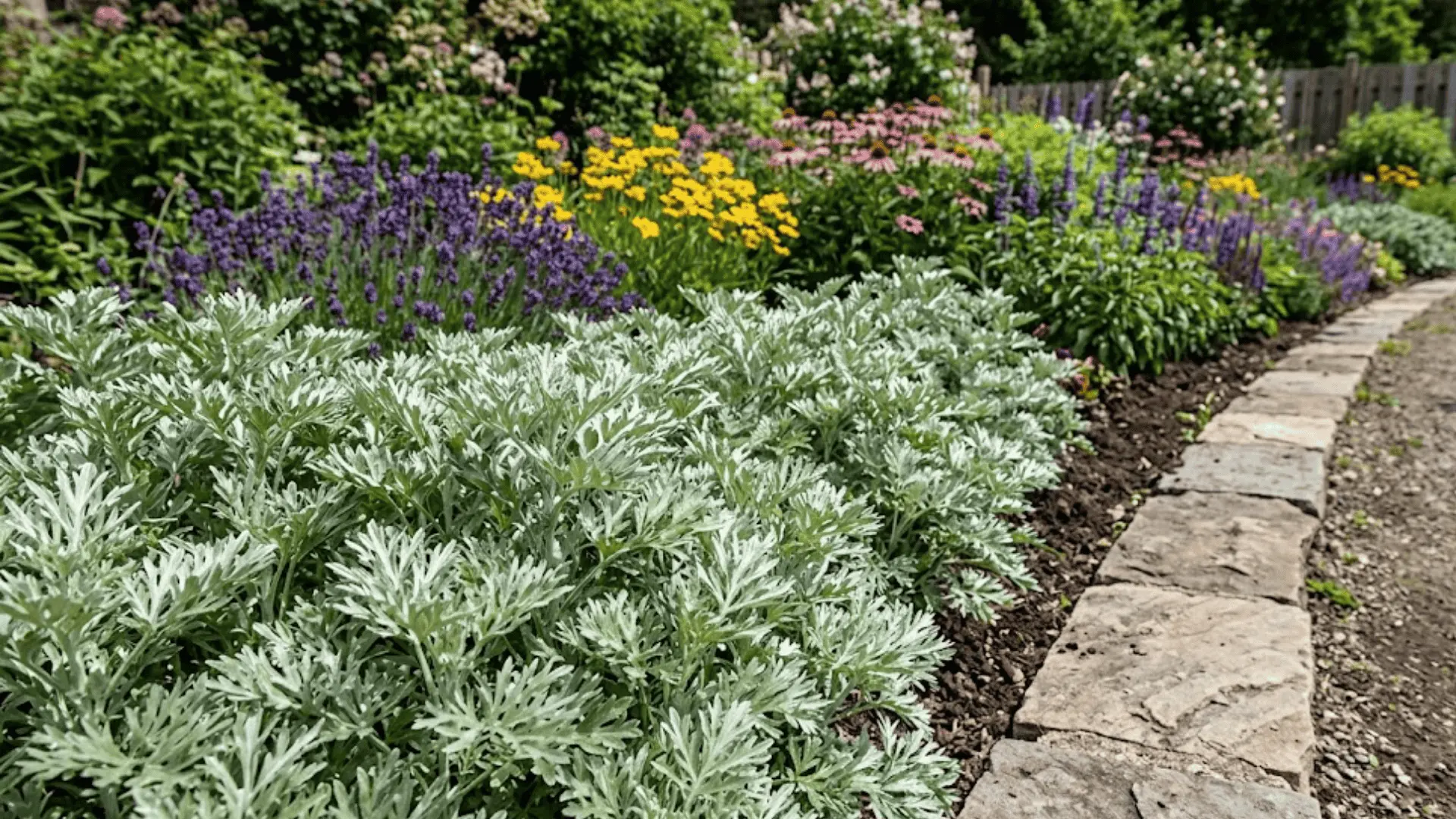
Wormwood won’t win any prizes for flashy blooms, but it earns its place through sheer usefulness. The intensely strong scent actively repels insects, bees included, making it a smart border choice wherever you want a little calm.
Its silvery-grey foliage adds beautiful texture and contrast, and it pairs surprisingly well with softer, more colorful plants nearby, doing quiet but meaningful work in the background.
15. Ornamental Grasses
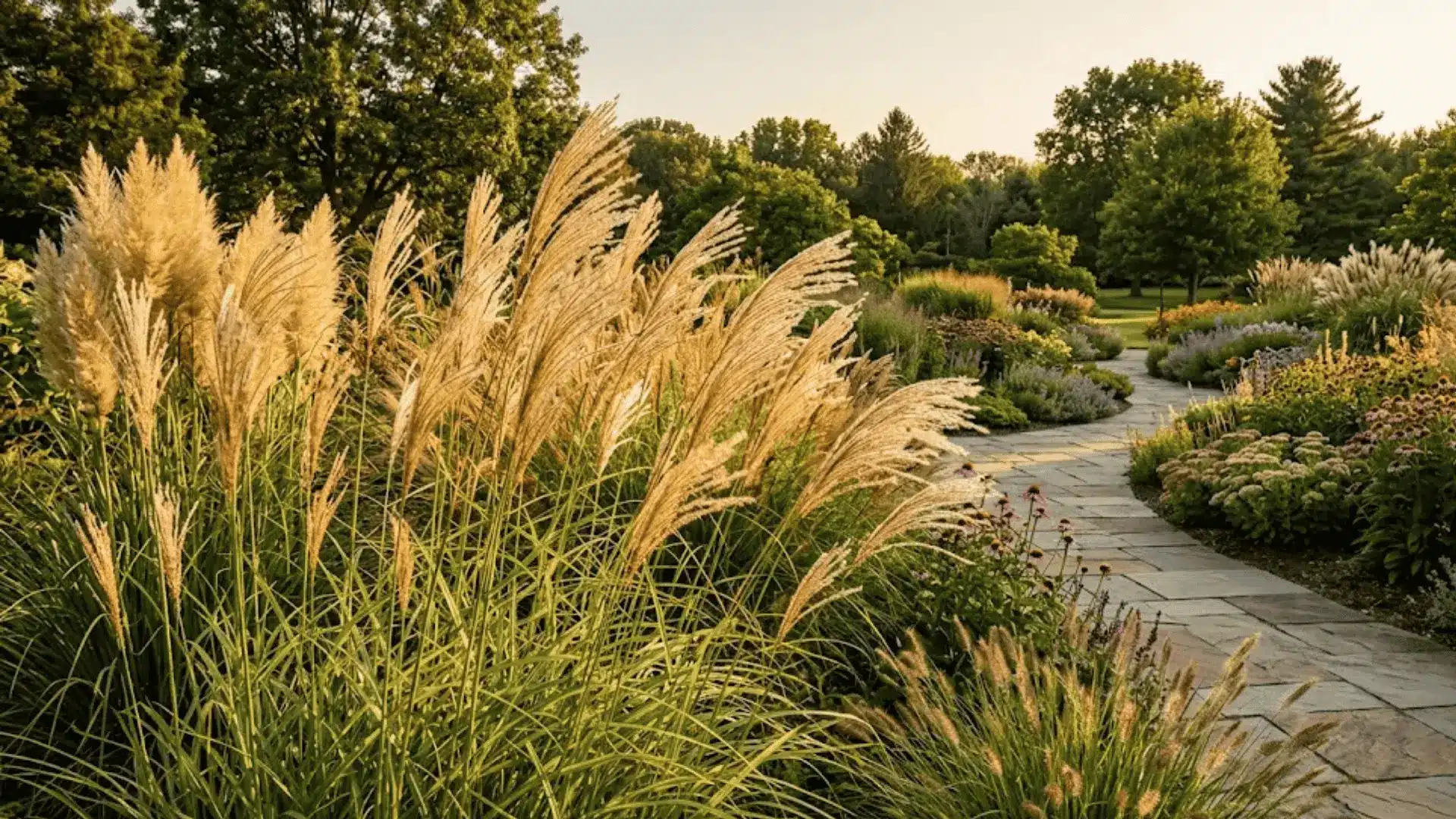
Okay, not a flower, but worth every bit of its spot on this list. Ornamental grasses are wind-pollinated, which means nectar isn’t part of their design at all. No nectar, no bee interest.
They add movement, softness, and a lovely architectural quality to a garden, and they require almost nothing from you to look good. A genuinely peaceful, low-maintenance addition.
Design Tips for a Bee-Free Garden
Choosing the right flowers is a great start, but how you design the space matters just as much. A few intentional choices can make your garden feel noticeably calmer.
- Lean into reds, dark shades, and muted tones since bees have a genuinely hard time seeing them.
- Skip the heavily fragrant blooms, as strong floral scents are one of the fastest ways to draw bees in.
- Choose double-petaled varieties wherever you can, as the dense layering makes pollen access difficult and discourages visits.
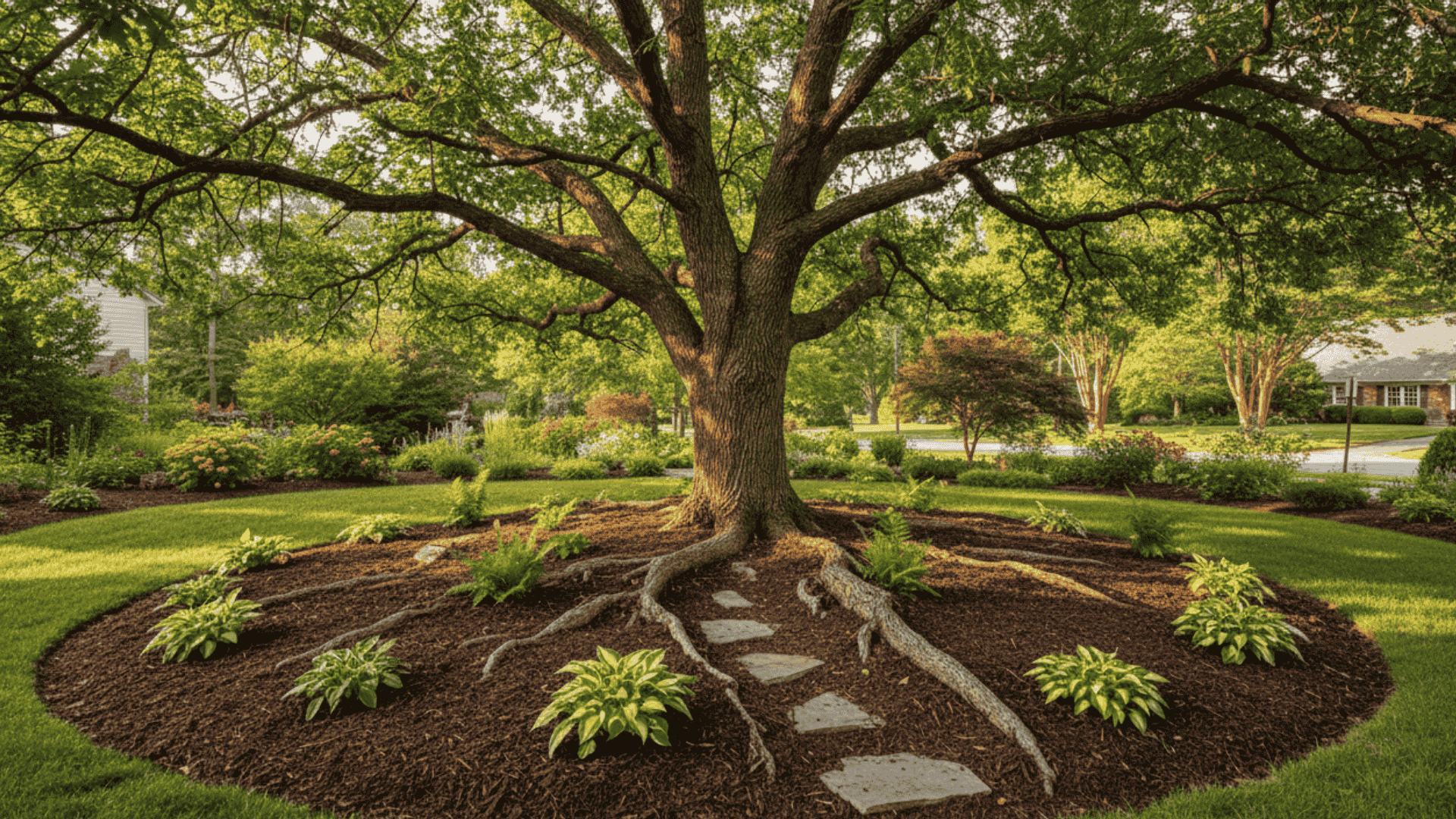
- Bring in ferns, grasses, and foliage-heavy plants to fill space beautifully without adding any bee appeal.
- Be thoughtful about placement and keep any bee-friendly plants well away from patios, entrances, or play areas.
A little planning goes a long way, and honestly, some of the most beautiful gardens are the ones that were put together with this kind of intention behind them.
What to Plant With Caution?
Even the most thoughtfully designed garden can unintentionally pull bees in if a few particular plants sneak into the mix.
Here’s a quick reference for what’s best kept away from your seating areas and high-traffic spots.
| Plant | Bee Appeal | Best Kept |
|---|---|---|
| Lavender | High nectar + strong fragrance | Far from seating |
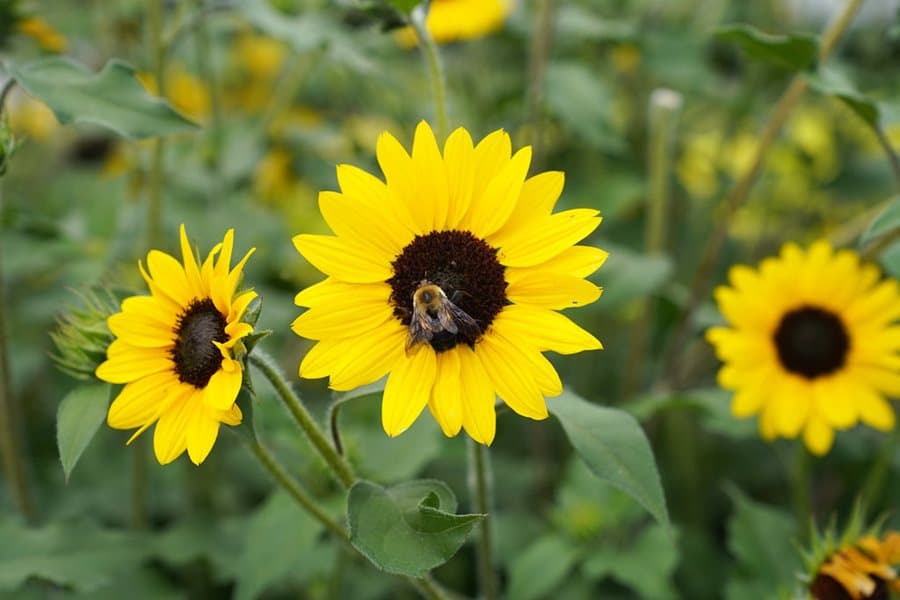
| Sunflowers | Major pollen source | Back of the garden |
| Zinnias | Open blooms, easy nectar access | Away from pathways |
| Bee Balm | Extremely high nectar | Garden borders only |
| Coneflowers | Pollen-packed centers | Away from play areas |
Are Bee-Free Gardens a Good Idea?
Bees are genuinely irreplaceable. They support nearly a third of the world’s food supply through pollination, so the goal here was never really about getting rid of them entirely.
A more realistic and responsible approach is designing with intention, keeping low-bee plants close to where you live and play, and letting a wilder, bee-friendly zone exist further out in the garden.
Everyone gets what they need, the bees included. You get your peaceful patio, and the ecosystem stays intact.
Final Thoughts
Building a garden around flowers that don’t attract bees doesn’t mean you’re working against nature; it just means you’re designing with your lifestyle in mind.
A calm, beautiful outdoor space that your kids, pets, and guests can enjoy freely is absolutely worth thoughtful planning. Start small, swap a few plants, and see how the space shifts.
Gardening is always a work in progress, and that’s honestly the best part of it.
Which of these plants are you most excited to try? Drop it in the comments!