Houston has one of the toughest climates in the world for yard work. It gets extremely hot in the summer, rainy in the spring and fall, and has a bug problem that seems to last forever. Maintaining a healthy-looking yard takes a lot more than just mow and go. If you’re looking to take care of your own home or prepare a rental property for rent, there is no higher return improvement you can make than having a nice, well-manicured lawn and yard area.
This article covers what every Houston homeowner needs to know about taking care of their yard, landscaping, and backyard year-round.
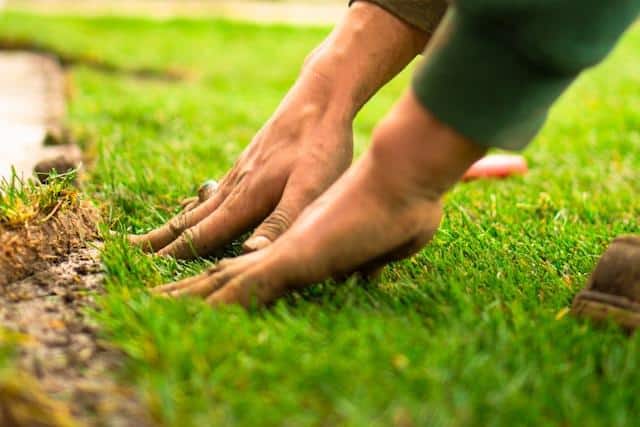
Choosing the Best Type of Grass for Houston Weather
Not every type of grass works well in Houston’s climate. The two best options for Houston homeowners are:
St. Augustine is the number one choice for almost every neighborhood in Houston. It grows great in the heat, tolerates some shade, and produces the full, lush look that most people want. However, it does need consistent watering during dry stretches and is vulnerable to chinch bugs — probably the worst lawn pest in Texas.
Bermuda grass is best for sun-only areas with heavy foot traffic. It’s much more resistant to drying out than St. Augustine and recovers faster from wear and tear. The drawback is that it dies off completely and turns brown in colder months, which can hurt curb appeal during winter.
Zoysia is becoming popular as a lower-maintenance option that tolerates extreme heat and moderate shade. The downside is that it develops very slowly and can be costly to install.
Consistency with Your Watering Habits Makes All the Difference
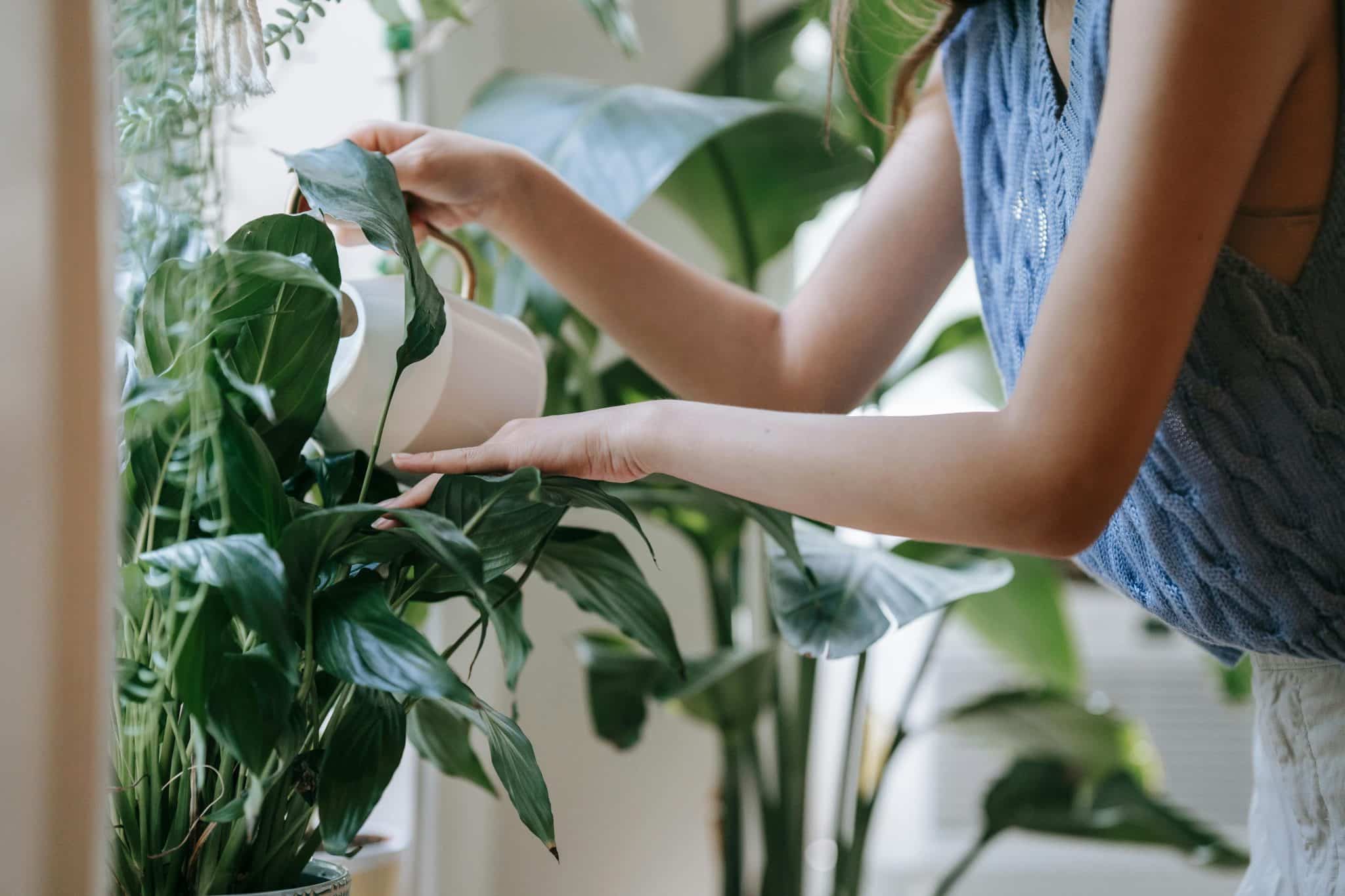
One of the most frequent mistakes Houston homeowners make when caring for their lawns is overwatering. It causes shallow root development, creates conditions that promote fungus, and drives up water bills unnecessarily.
A good rule of thumb for watering Houston lawns during the growing season is one inch of water per week — via rain, irrigation, or a combination of both. Water deep and occasionally rather than light and frequent. This trains roots to develop further down into the soil, resulting in a lawn that’s far more resistant to drying out.
Avoid watering in the evenings. Wet grass sitting overnight in Houston’s humidity is asking for trouble with diseases like brown patch. Try to start watering before 9 a.m. so your grass has time to dry before nightfall.
Fertilizer and Weed Control for Seasonal Growth
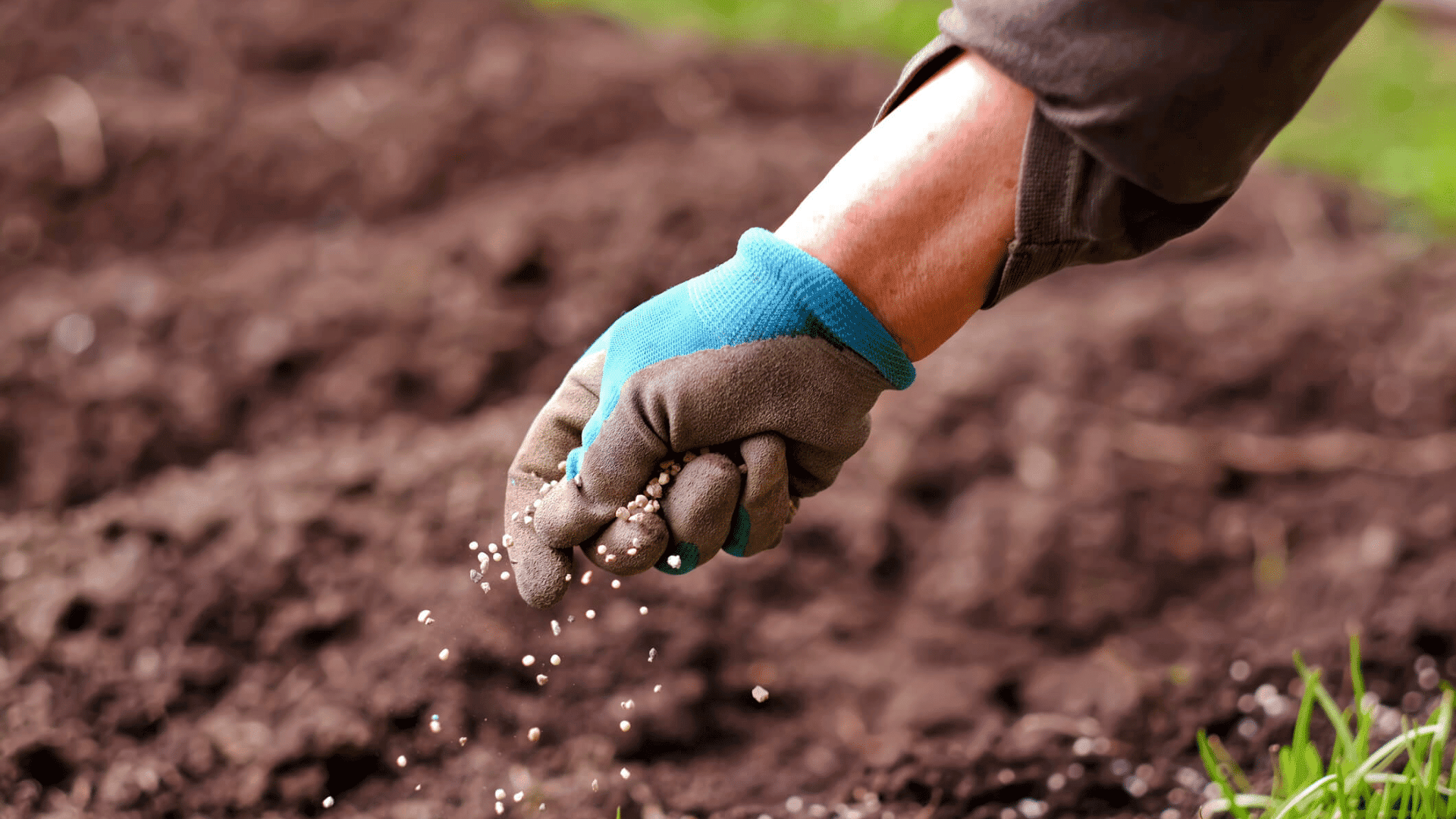
Houston’s growing season runs generally from March through October, and the frequency of fertilizer applications greatly influences how dense and vibrant your lawn looks.
For St. Augustine lawns:
- Spring (March–April): Apply a slow-release nitrogen fertilizer once soil temperatures remain consistently above 65°F. This kick-starts growth after winter dormancy.
- Early summer (June): A second application supports continued growth through the hottest part of the summer.
- Early fall (September): A final feeding before the end of the growing season strengthens your lawn heading into winter.
Pre-emergent weed control applied in early spring and again in early fall is by far the best way to prevent new weed growth — particularly crabgrass and other annuals. Timing is everything here; apply too late and the weeds have already sprouted.
Managing Pests in Houston’s Tropical Climate
Houston’s Environment Allows Many Different Species of Lawn and Garden Pests to Thrive Year-Round. the Most Common Problems for Houston Homeowners Include:
Chinch Bugs eat St. Augustine Grass Under Hot, Dry Conditions. Look for Patches that Begin Turning Yellow — They Will Continue to Enlarge Unless Treated Immediately with A Contact Pesticide.
White Grubs destroy Grass from Below Ground Level, Killing Entire Sections of Lawn that Pull up Like a Rug. Consider Preventative Grub Treatments in Late Spring to Protect Your Lawn’s Roots from Summer Damage.
Fire Ants are Something Every Houston Homeowner Deals With, Whether in Yards Where Kids Play or Pets Run Around. Regular Treatment Is Essential — Start with Broadcast Baits Across the Entire Lawn, Then Follow up With Individual Mound Treatments for Active Colonies.
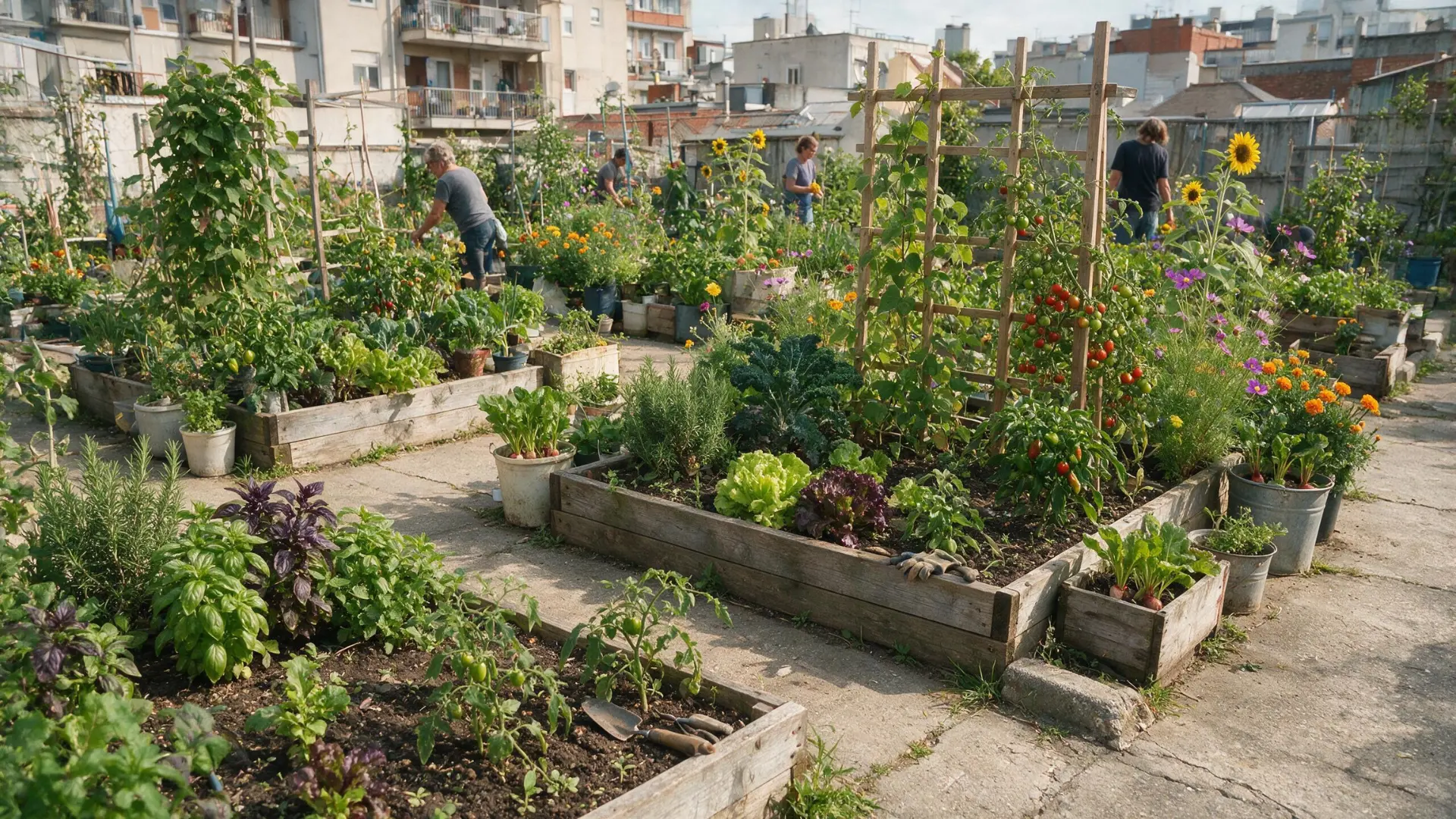
For Garden Beds and Vegetable Gardens, Aphids, Whiteflies, and Spider Mites Are the Most Common Culprits. Neem Oil and Insecticidal Soap Are Effective Organic Options that Target Unwanted Pests While Protecting Beneficial Insects when Applied Correctly.
What Backyard and Landscape Maintenance Matters Most
Beyond the Lawn Itself, a Few Targeted Maintenance Habits Will Keep Your Houston Outdoor Spaces Looking Their Best:
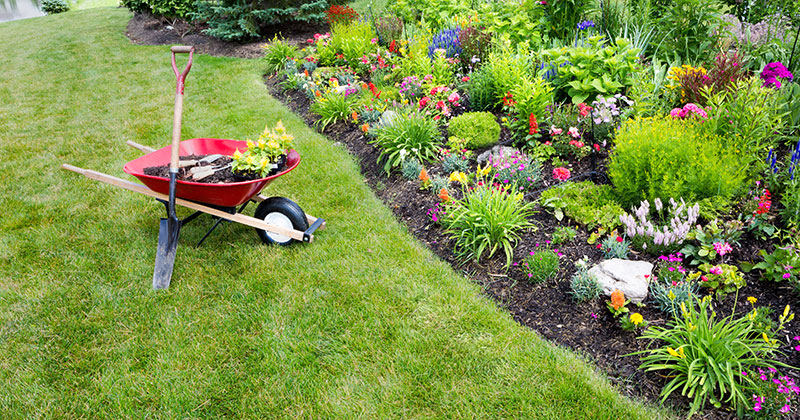
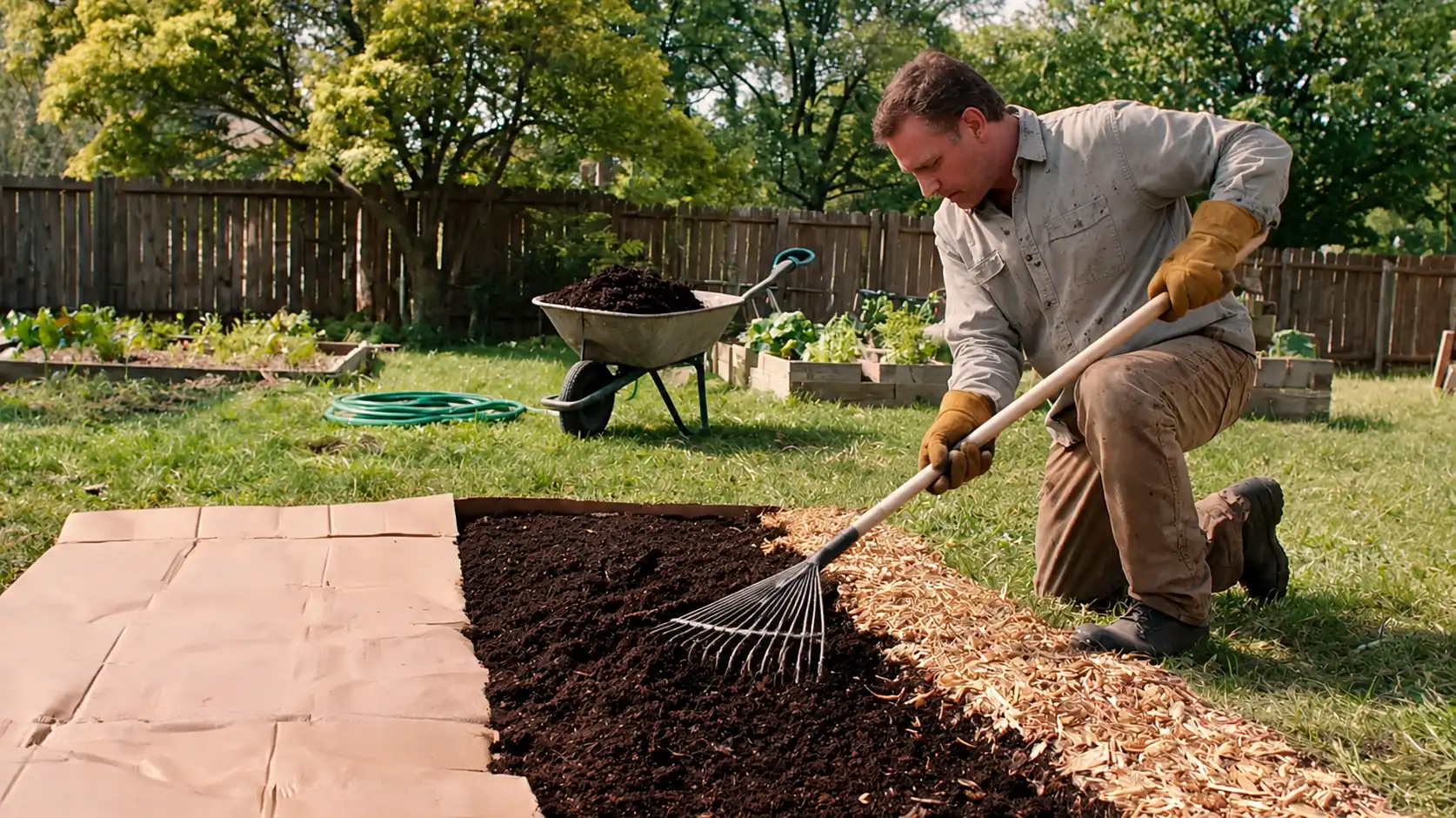
Replace Mulch Annually. a Two-To-Three Inch Layer of Mulch in Garden Beds Retains Moisture, Regulates Soil Temperature, and Suppresses Weeds. in Houston’s Extreme Heat, Mulch Can Mean the Difference Between Thriving Plants and Stressed Ones. Refresh It Every Spring Before Temperatures Peak.
Maintain Trees and Shrubs Proactively. trim Back Any Branches that Could Hit Structures or Vehicles During a Storm. Houston Sees Severe Weather in Every Season — Trimming Now Saves Money on Storm Damage Repairs Later.
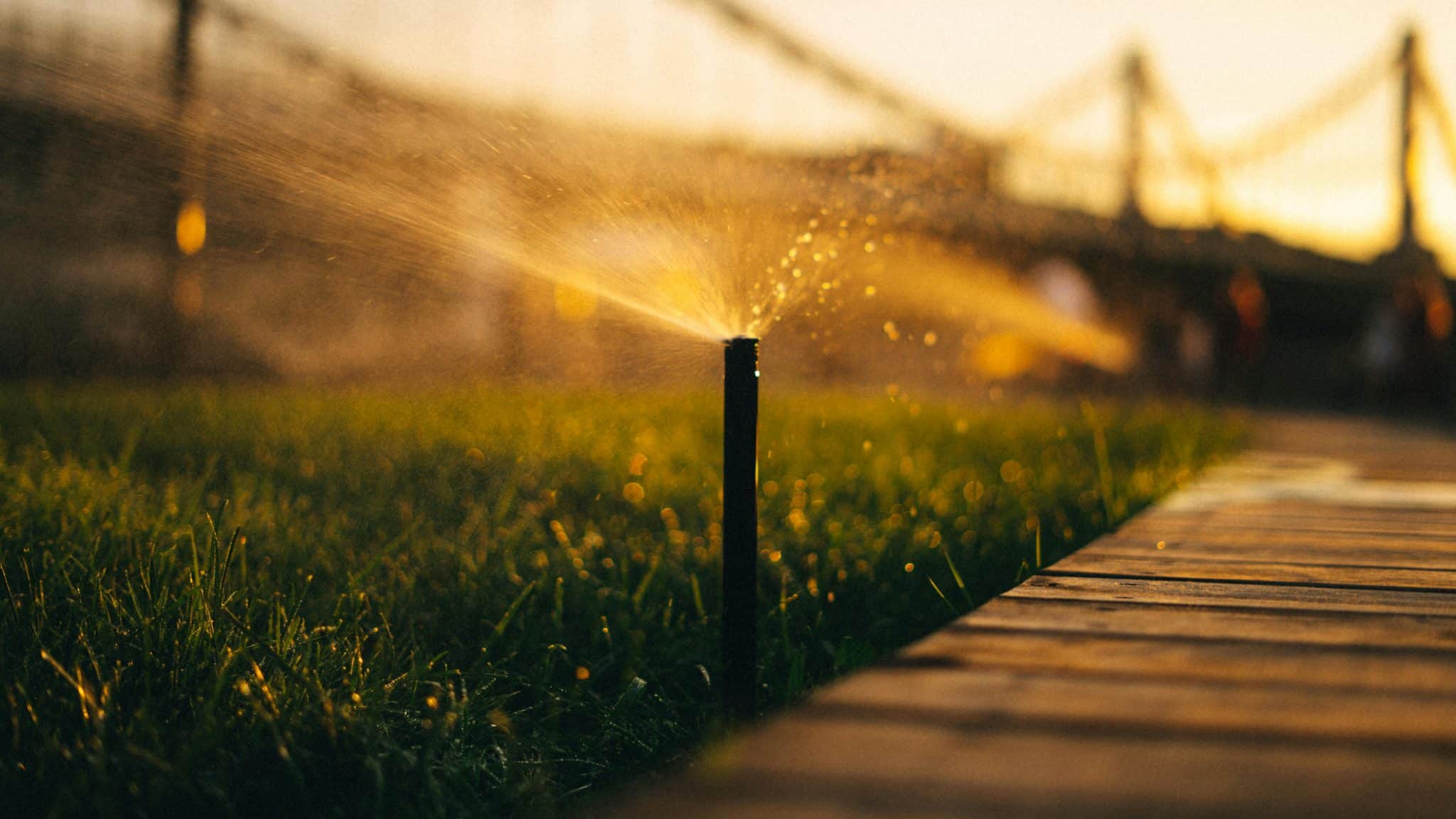
Inspect Your Irrigation System Each Spring. a Single Broken Sprinkler Head or Incorrectly Set Zone Can Waste Hundreds of Gallons per Month without Any Visible Sign until The Water Bill Arrives or A Dead Spot Appears.
Curbside Attractiveness and Rental-Ready Landscapes
To Potential Renters, Nothing Signals a Well-Cared-For Home Better than Well-Maintained Landscaping. Simple Upgrades with Strong Return on Investment Include Fresh Mulch Around Front Planters, Clean-Cut Lawn Edges Along Driveways and Walkways, Flowers in Pots Near the Entrance, and A Pruned, Tidy Tree Line. These Changes Cost Relatively Little but Create Powerful First Impressions During Showings.
If You’re Preparing a Houston Rental Property and Need Guidance on What Truly Impacts Rentability, Working with A Reputable houston Property Management company Can Pay Big Dividends in Rental Income, Tenant Quality, and Long-Term Protection of Your Investment.
The Bottom Line
Whether You’re Staying Ahead of The Curve or Playing Catch-Up, Maintaining Your Lawn and Landscape in Houston’s Harsh Climate Pays Off in Real, Measurable Ways. Build a Consistent Routine Around Watering, Fertilizing, and Pest Control, and Your Outdoor Spaces Will Stay Healthy Year-Round — Adding Genuine Value to Your Houston Property.
Start with the basics, stay consistent, and your lawn will thank you.