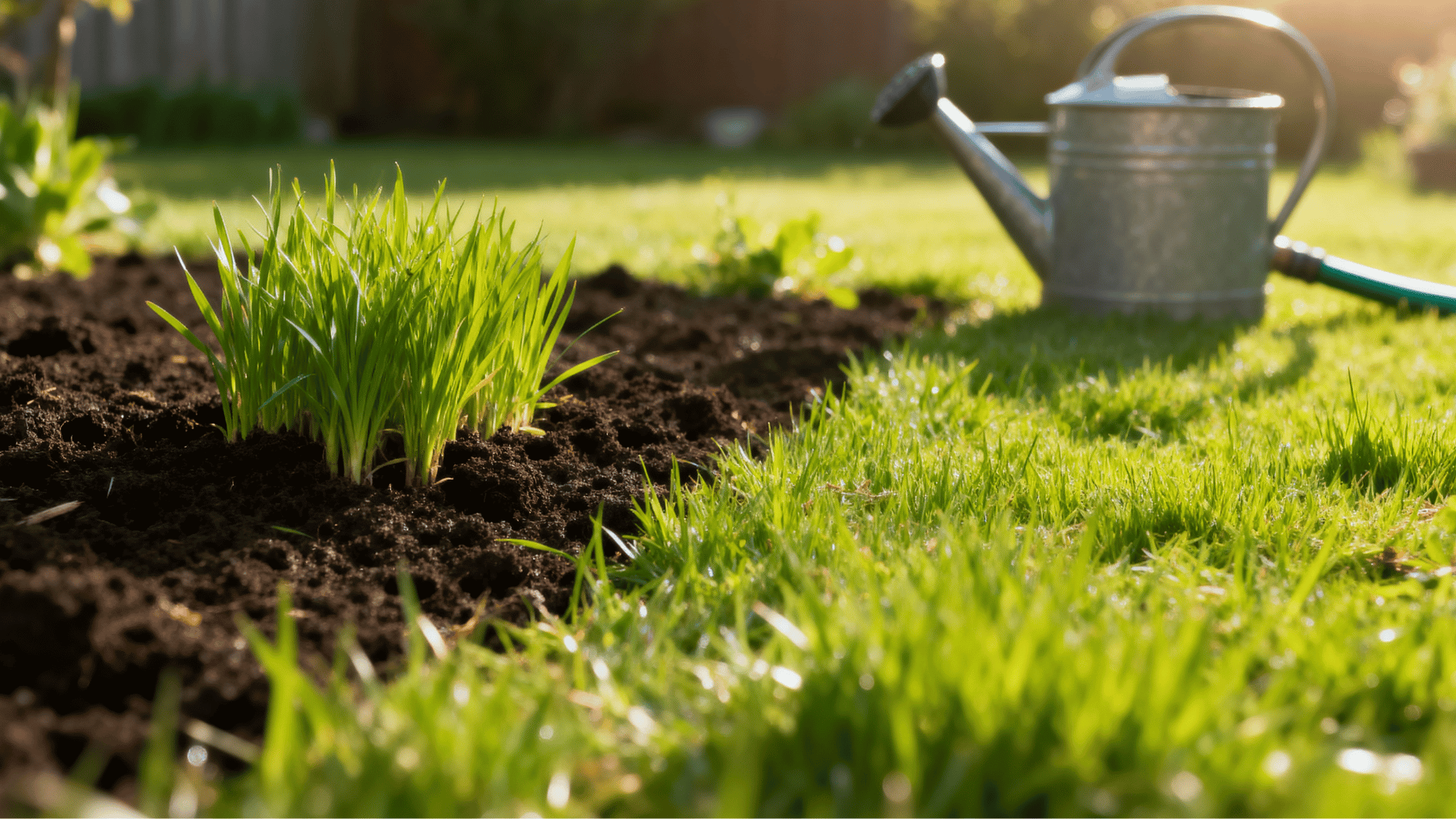
A freshly seeded lawn can test anyone’s patience. For days, sometimes weeks, the soil may look exactly the same, making it hard to tell if anything is actually happening underneath.
That is usually when most people start overwatering, reseeding, or assuming the grass seed failed completely. In reality, grass spends its first stage growing below the surface before any green shoots appear above the soil.
Understanding the difference between germination and full lawn establishment helps set realistic expectations and makes it easier to care for new grass properly during the early growing stages.
How Long Does Grass Seed Take to Grow?
After planting grass seed, the waiting period can feel longer than expected. Some lawns show green sprouts quickly, while others take more time before noticeable growth appears.
Grass Seed Germination
Most grass seed begins germinating within 5 to 30 days, but the exact timing depends on the type of grass planted.
- Fast-growing grass types may sprout within 5–10 days
- Medium-growing grass usually appears in 10–21 days
- Slow-growing grass seed may take up to 30 days
- Warm soil and steady moisture often speed up growth
- Cold temperatures and dry soil can delay germination
Germination vs. Full Growth
| Stage | What It Means | Typical Time | What You’ll See |
|---|---|---|---|
| Germination | Grass seed begins sprouting from the soil | 5–30 days depending on grass type | Thin green shoots appearing across the soil |
| Early Growth | Young grass starts establishing shallow roots | 2–4 weeks after germination | Grass becomes thicker and more even |
| Full Growth | Grass reaches mature height and stronger roots | 6–12 weeks | Dense lawn ready for regular mowing and foot traffic |
| Established Lawn | Fully rooted and stable growth cycle | 3–12 months | Healthy, thick grass with strong recovery ability |
What Growth Looks Like Week by Week
| Growth Stage | Timeline | What Happens |
|---|---|---|
| Early Germination | Days 1–7 | Seeds absorb water and react underground |
| First Sprouts | Days 7–14 | Tiny green shoots begin appearing |
| Lawn Filling In | Weeks 3–6 | Grass spreads and starts looking fuller |
| Stronger Growth | After 2 Months | Roots grow deeper and the lawn becomes thicker |
What Happens Before the Grass Starts to Grow
After planting grass seed, the lawn may still look bare and unchanged for several days. That often makes homeowners wonder if the seeds are growing at all.
The truth is that grass does not appear above the soil right away because the early stages of growth happen underground first. Before any green blades show up, the seeds begin reacting to moisture, warmth, and soil conditions.
As the seeds absorb water, the outer shell slowly softens and the germination process begins. Soil temperature also plays a major role during this stage because warmer soil usually helps seeds react faster, while colder ground slows everything down.
Even though the lawn may still look empty, tiny roots are already beginning to form underneath the surface. Once those early stages are complete, small green sprouts finally start pushing through the soil and become visible across the yard.
Factors Which Can Slow Down Grass Seed Growth
Even healthy grass seed can take longer to grow when conditions are not ideal. Small problems with soil, temperature, watering, or sunlight can all affect how quickly new grass begins sprouting and filling in.
1. Watering Problems
Water plays a huge role in how quickly grass seed grows. Dry soil can slow down germination because seeds need steady moisture to begin sprouting.
At the same time, too much water can also create problems by drowning seeds or washing them away before roots have a chance to develop properly.
2. Cold Soil Conditions
Grass seed usually grows much slower in cold soil. Even if the air feels warm during the day, cooler ground temperatures can delay germination underneath the surface.
Some grass types are also more sensitive to temperature changes, which is why planting during the right season matters so much.
3. Poor Soil Quality
Healthy soil helps grass seed grow faster and more evenly. Hard or compacted soil makes it difficult for young roots to spread properly, while soil with low nutrients may weaken new grass during the early stages of growth
Loose, nutrient-rich soil usually gives better and quicker results.
4. Limited Sunlight
Grass seed often struggles to grow in areas with too much shade. Sunlight helps warm the soil and supports steady growth during germination.
Shaded spots may still grow grass, but the process is usually slower compared to lawns that receive enough direct sunlight during the day.
Grass Seed Germination by Type
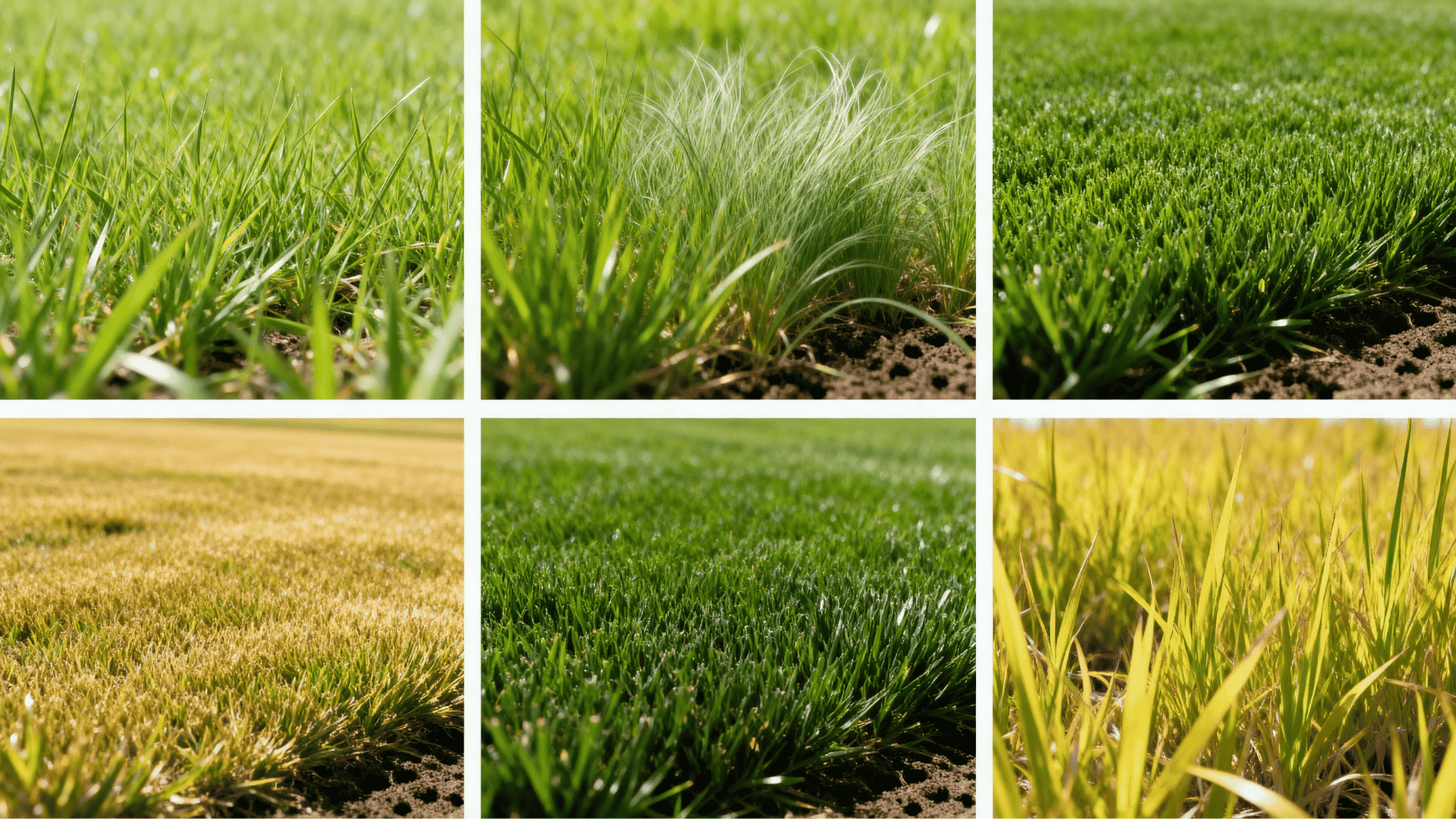
Different grass types grow at different speeds, which is why some lawns sprout quickly while others take much longer to fill in. Here is a simple breakdown of common grass types and their average germination time.
| Grass Type | Germination Time | Best Growing Climate | Growth Speed |
|---|---|---|---|
| Ryegrass | 5–10 Days | Cool Climate | Fast |
| Fescue Grass | 7–14 Days | Cool Climate | Medium |
| Kentucky Bluegrass | 14–30 Days | Cool Climate | Slow |
| Bermuda Grass | 7–14 Days | Warm Climate | Fast |
| Zoysia Grass | 14–21 Days | Warm Climate | Slow |
| Bahia Grass | 10–28 Days | Warm Climate | Medium |
Easy Ways to Help Grass Grow Faster
Small lawn care habits can help grass grow faster and healthier. If you are wondering how long for grass seed to germinate, these simple tips can help speed up the process naturally.
1. Water Lightly and Consistently
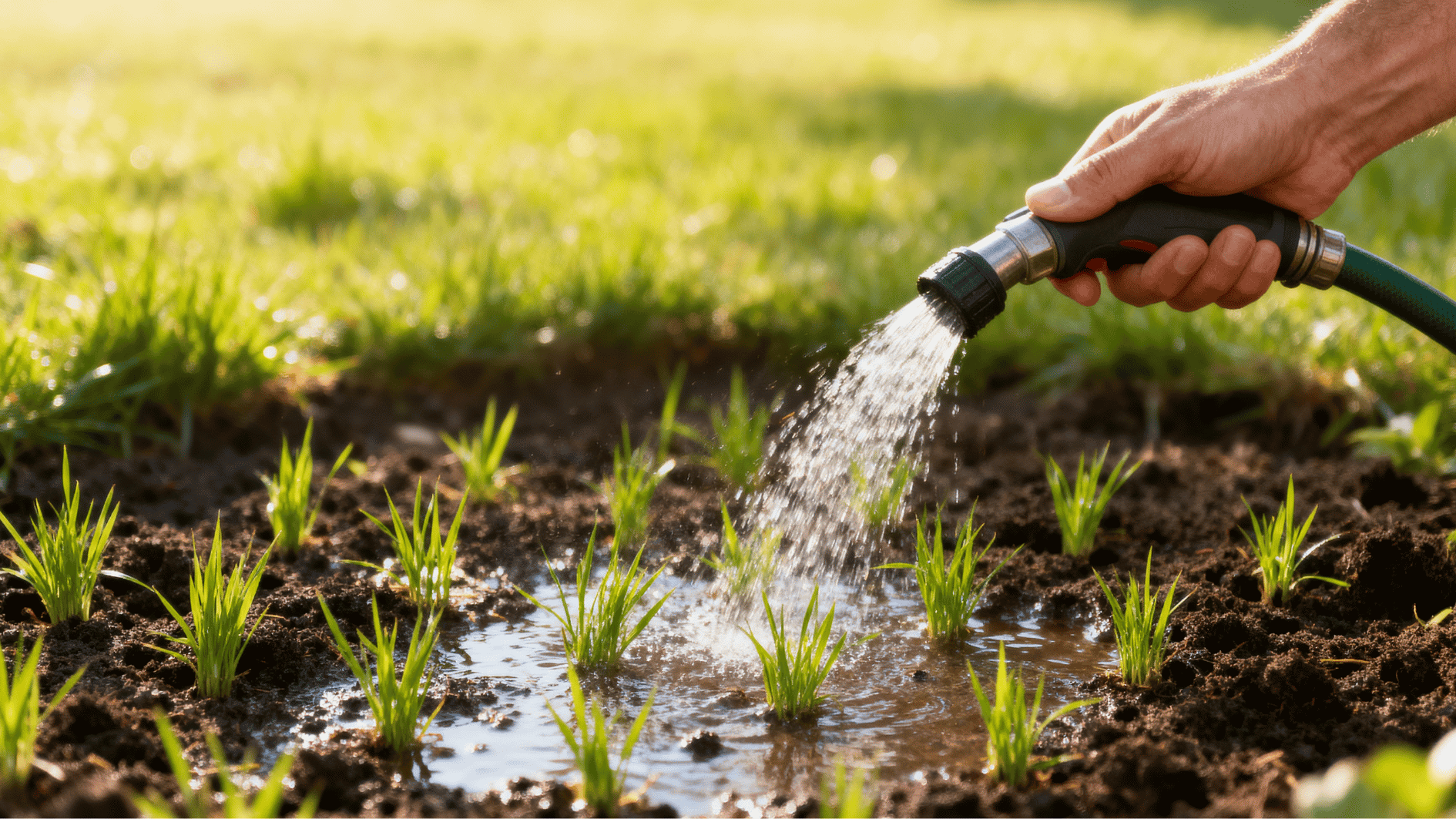
Proper watering during the early days helps grass seed settle into the soil and begin growing more evenly. Too much or too little water can both slow the process down.
- Keep the soil slightly damp during the early days
- Light watering works better than soaking the lawn
- Dry soil can slow down germination quickly
2. Protect Seed with Straw
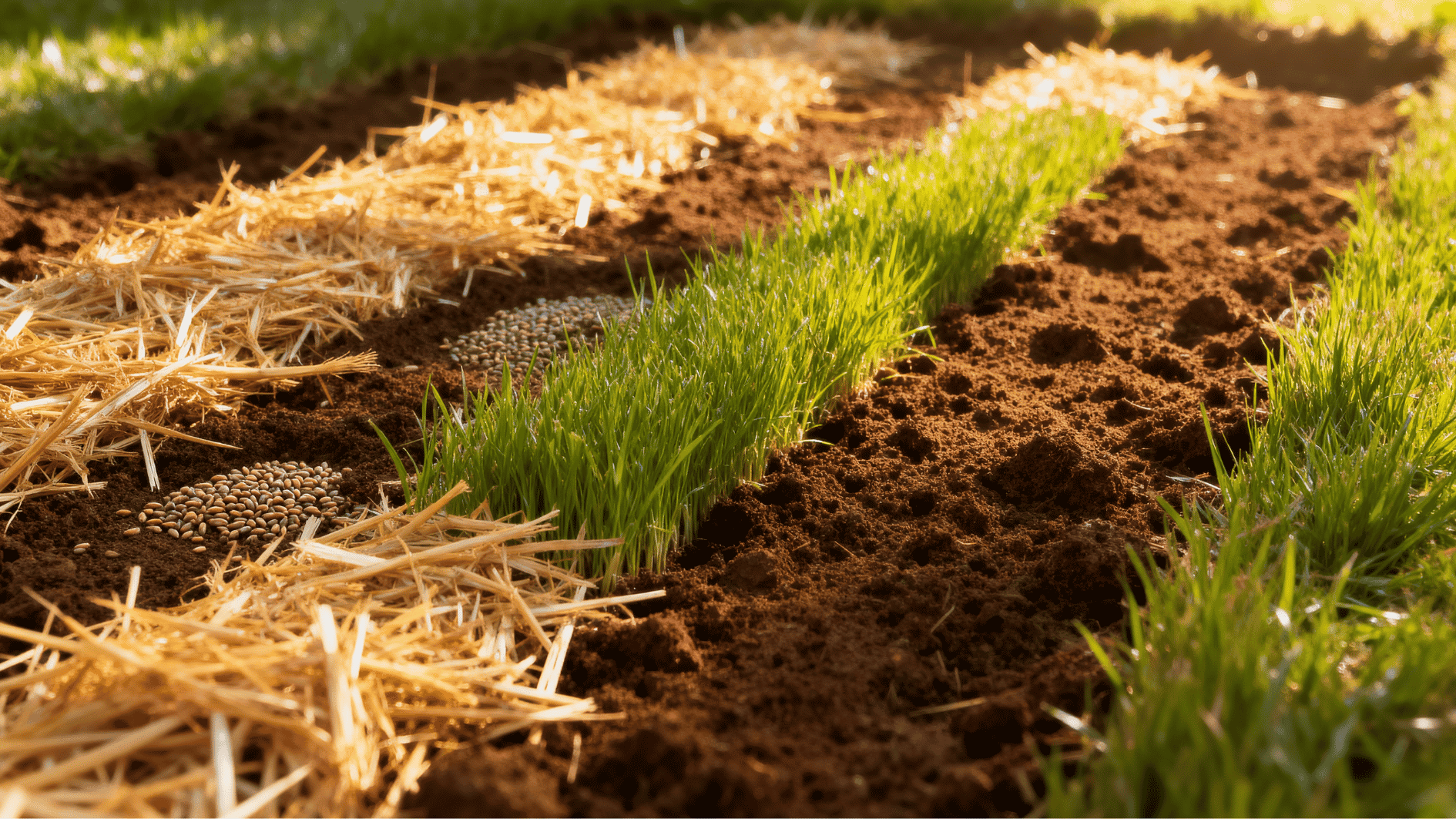
Freshly planted grass seed can easily dry out or get disturbed before it has time to grow properly. A light covering can help protect the area during the early stages.
- Straw helps the soil hold moisture longer
- It protects loose seeds from wind and rain
- Birds are less likely to eat covered seeds
3. Avoid Walking on New Grass
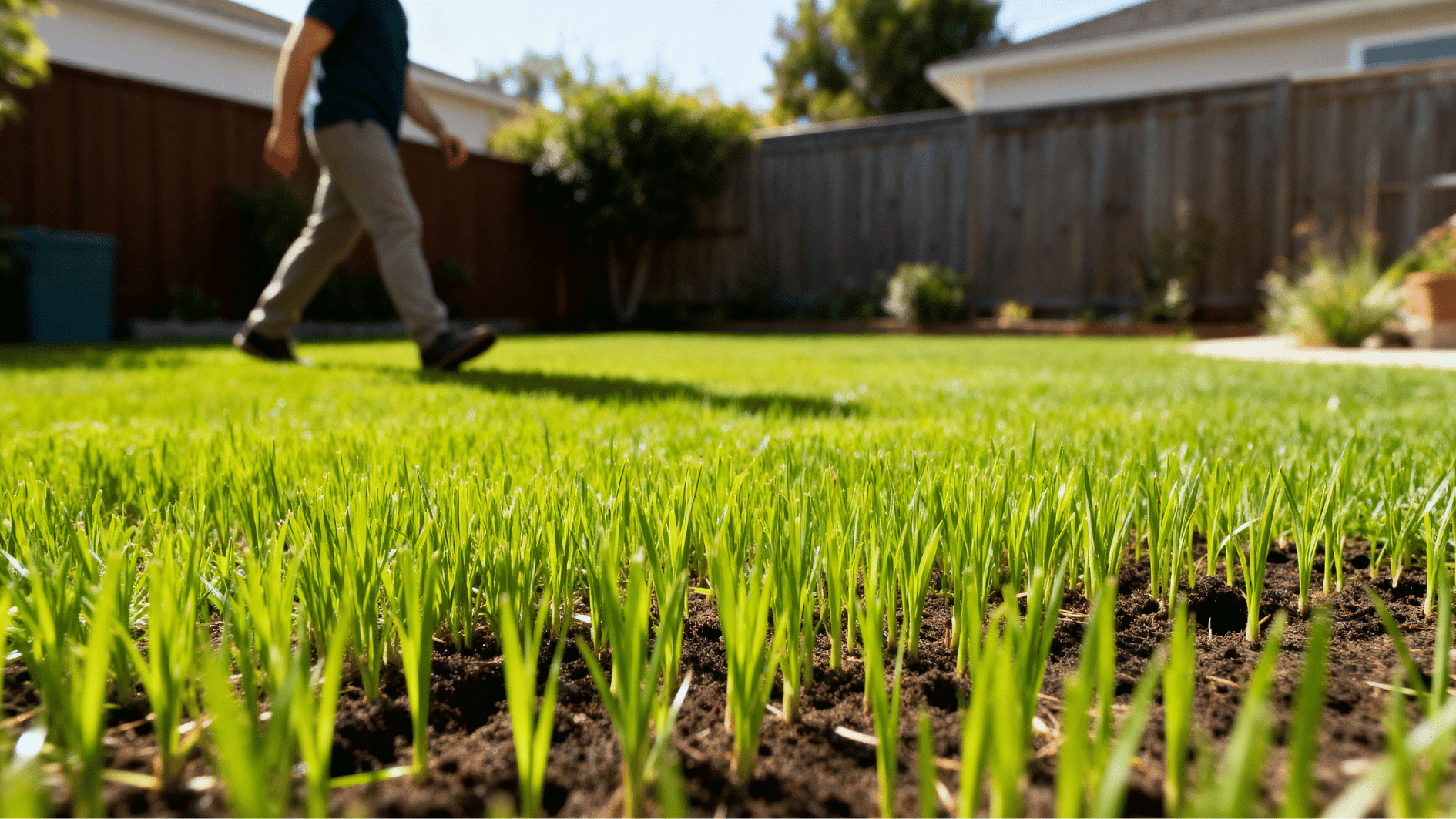
New grass needs time to settle and grow without extra pressure damaging the early roots. Giving the lawn space during this stage usually leads to better growth later.
- Young grass blades are very delicate at first
- Too much foot traffic can damage new roots
- Giving grass space helps it grow evenly
4. Wait Before the First Mow
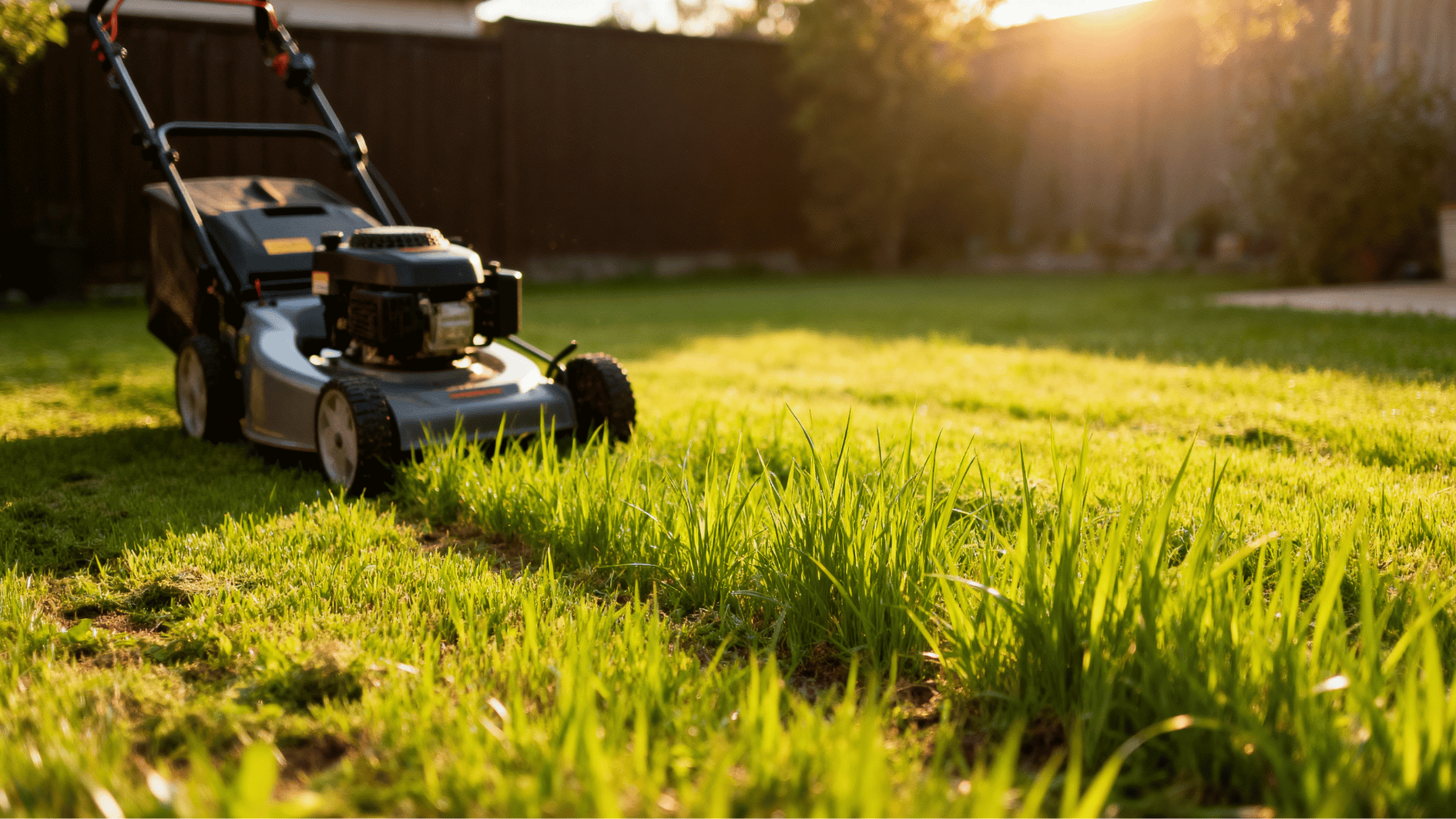
The first few weeks are important for building stronger grass growth. Mowing too soon can interrupt the early stages before the lawn becomes fully established.
- Cutting grass too early can weaken seedlings
- New grass needs time to grow stronger first
- Wait until the lawn reaches proper mowing height
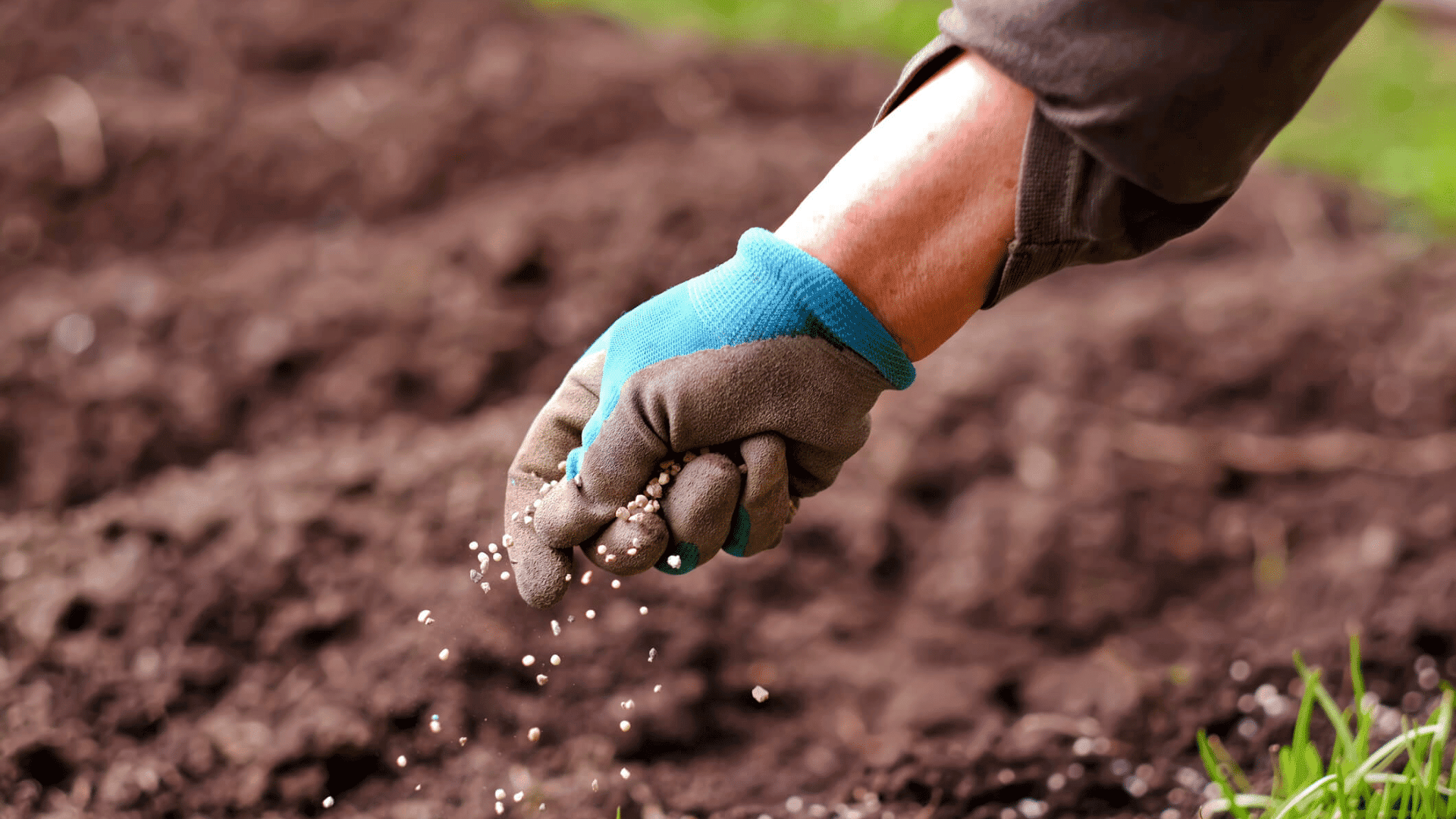
5. Use Starter Fertilizer Carefully
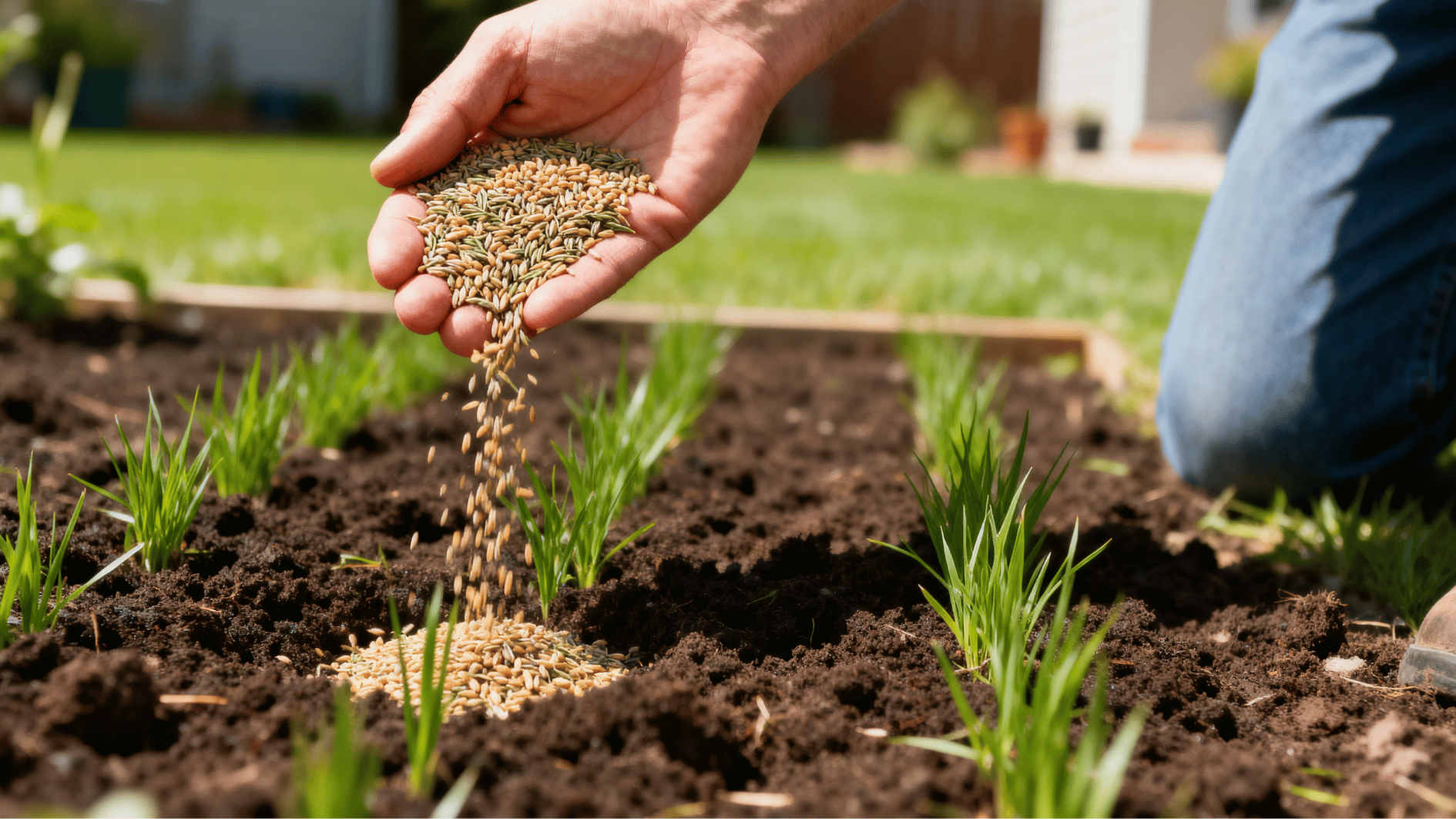
Young grass sometimes needs extra support while growing during the early stages. Using the right products carefully can help improve overall lawn growth.
- Starter fertilizer gives young grass extra nutrients
- It can help roots grow stronger and healthier
- Using too much fertilizer may damage new grass
Conclusion
Growing a healthy lawn takes a little patience, especially during the early stages when changes are hard to notice. Some grass seeds may sprout within a few days, while others can take several weeks before real growth appears.
Factors like watering, sunlight, soil quality, and temperature all affect how long it takes grass seed to grow.
Understanding how long it takes for grass seed to germinate also makes it easier to avoid common lawn care mistakes during the waiting period.
With the right care and a bit of consistency, those small seeds can slowly grow into a thick, green lawn that looks fresh and healthy over time.
Frequently Asked Questions
Can grass seed grow without topsoil?
Grass seed may grow without topsoil, but growth is usually slower and less even because roots have fewer nutrients and less support.
Should grass seed be covered after planting?
Lightly covering grass seed can help protect it from birds, wind, and heavy rain while also helping the soil stay moist longer.
Does grass seed grow better before rain?
Light rain can help keep the soil moist, but heavy rain may wash seeds away before they start growing properly.
Can old grass seed still grow?
Old grass seed can still germinate, but the success rate is usually much lower compared to fresh seed.