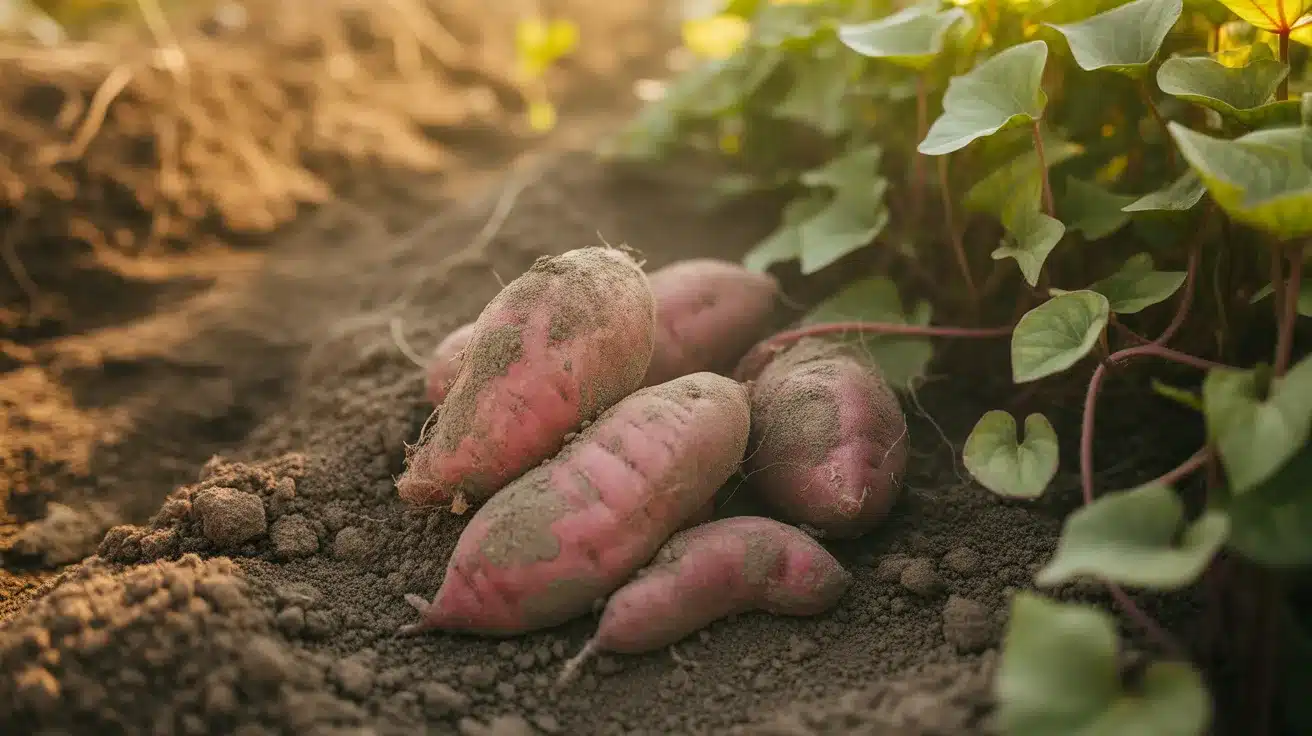
Most gardeners lose their sweet potato crop not because of bad soil or the wrong variety. They lost it because they planted it at the wrong time.
Sweet potatoes are warm-weather crops, and they need both the air and the soil to be genuinely warm before they go in the ground. Get the timing right, and this crop practically takes care of itself.
Get it wrong, and you’re waiting 120 days for something that barely fills a bowl.
This guide covers when to plant sweet potatoes based on your USDA zone, how to prepare your soil, how to grow your own slips, what to do at harvest, and how to store them so they actually taste sweet.
How Long Does a Sweet Potato Take to Grow?
Sweet potatoes need between 90 and 150 frost-free days to reach full size, depending on the variety. Most home garden varieties fall in the 100-120-day range.
That means if your last frost is in mid-April and your first fall frost is in late October, you have roughly 180 days to work with. That’s enough.
But if you’re in a shorter-season zone, variety choice and planting timing matter a lot more.
When to Plant Sweet Potatoes by USDA Zone
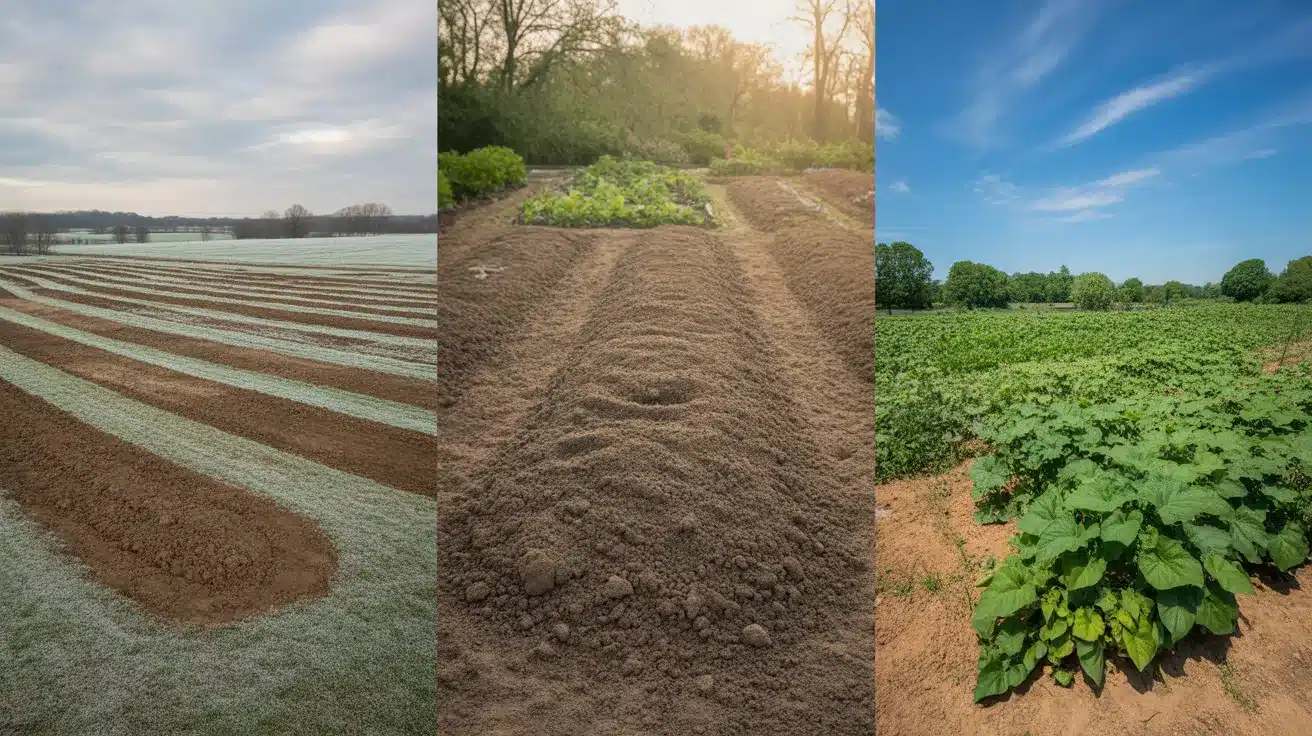
The single most common mistake is planting by the calendar instead of by soil temperature. The soil needs to be at least 60°F before you put slips in the ground. 70°F is better. Planting into cold soil below 55°F causes slips to rot rather than root.
Use this zone guide as a starting point, then check your local soil temperature before planting.
| USDA Zone | Typical Last Frost | Planting Window | Notes |
|---|---|---|---|
| Zone 5 | Late May | Early to mid-June | Start slips indoors 10–12 weeks early; use black plastic to warm the soil |
| Zone 6 | Mid-May | Late May to early June | Soil pre-warming helps; choose 90-day varieties |
| Zone 7 | Early April | Late April to mid-May | Good growing season; most standard varieties work |
| Zone 8 | Mid-March | Mid-April through May | Reliable zone for sweet potatoes; spring and early summer planting |
| Zone 9 | February | March through June | Long season; two crops possible in some areas |
| Zone 10–11 | January or frost-free | February through June; again in December | Year-round growing possible in frost-free areas |
Pro tip: You can find your exact USDA zone by entering your zip code at planthardiness.ars.usda.gov.
How to Prepare Your Soil Before Planting Sweet Potatoes
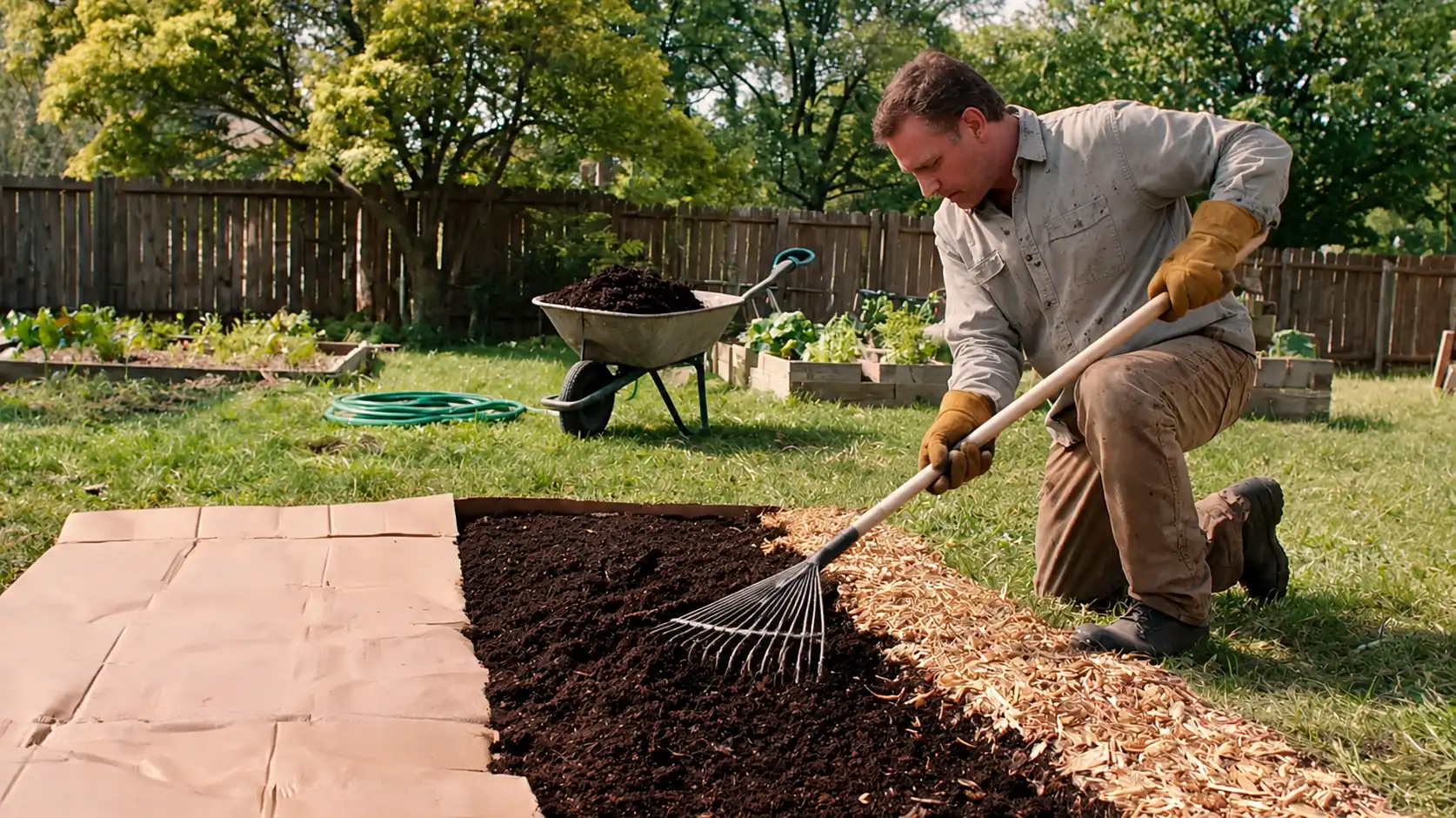
Sweet potatoes grow underground. The quality of your soil directly affects the size, shape, and quantity of what you dig up in the fall. Here’s what your soil setup should look like before a single slip goes in.
- Use loose, well-draining soil: Opt for sandy loam; if clay-heavy, mound soil 8-12 inches high to improve drainage and root expansion.
- Get the pH right: Aim for 5.0-6.5 for optimal growth and healthy tubers.
- Add aged compost: Avoid fresh manure, which can cause forked roots, and instead use compost to enhance soil structure.
- Skip high-nitrogen fertilizers: Use potassium-rich fertilizers to encourage tuber development rather than excessive leaf growth.
- Remove rocks and clumps: Turn soil 10-12 inches deep, clearing rocks and clumps to ensure roots grow without obstruction.
- Pre-warm with black plastic: Lay plastic in cooler zones 2-3 weeks before planting to raise soil temperature and jump-start growth.
- Ensure good air circulation: Good airflow around plants helps prevent disease and encourages strong, healthy root development.
How to Plant Sweet Potatoes in 5 Steps

Sweet potatoes are not grown from seeds. They grow from rooted sprouts called slips, which come from a mature sweet potato tuber. Once your soil is ready and warm, here’s how to get them in the ground.
Step 1: Get Your Slips Ready
Buy slips from a garden center or seed catalog, or grow your own by placing a sweet potato cut-side down in 2 inches of moist sand or growing mix, keeping it at 75 to 85°F and under grow lights for 14 to 16 hours daily.
Pull slips when they’re 4 to 8 inches tall with visible leaves. Start this process 6 to 12 weeks before your planned outdoor planting date. Use certified disease-free seed stock when possible.
Organic sweet potatoes from a grocery store can work in a pinch, but store-bought ones are sometimes treated with anti-sprouting chemicals.
Step 2: Plant at The Right Depth
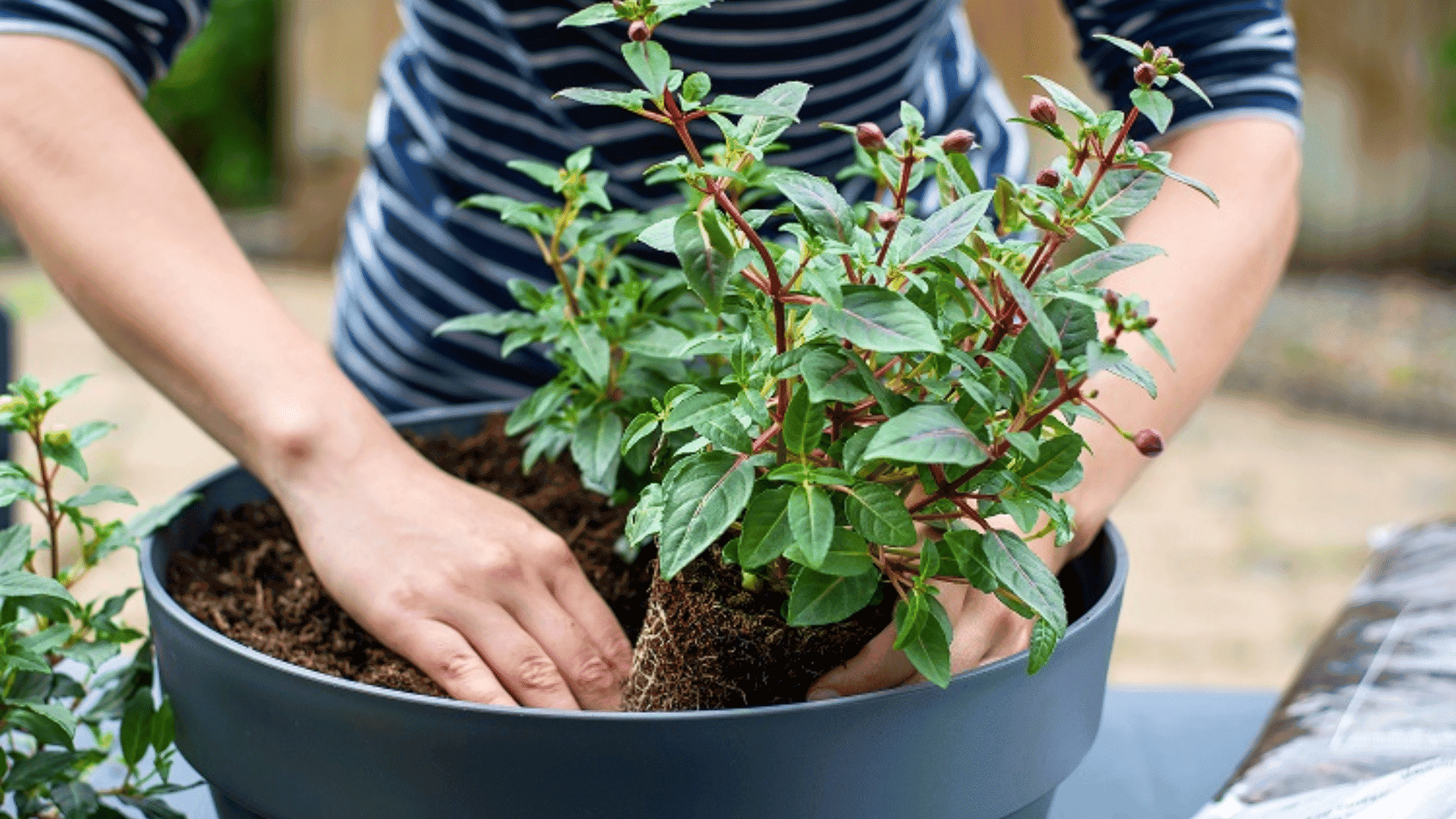
Set each slip 3 to 4 inches deep so the roots and most of the stem are covered by soil. The leaves should stick out above the surface. This depth gives roots the best start without exposing the stem base to drying air.
Step 3: Space Them Properly
Place slips 12 to 18 inches apart within each row. Leave 3 to 4 feet between rows. Sweet potato vines spread aggressively. Some varieties grow over 15 feet long, so give them room. If space is tight, choose a compact bush variety, such as Vardaman.
Step 4: Water Well Right After Planting
Water each slip in thoroughly when you plant. Keep the soil consistently moist for the first four to six weeks. After that, ease off. Overwatering once the tubers are forming causes them to split or rot underground.
Step 5: Leave the Vines Alone
Two weeks after planting, do not lift or move the vines. Feeder roots form along the vine nodes where they touch the soil. Pulling them up, even accidentally, reduces your yield. Let them grow where they fall.
Varieties of Sweet Potatoes You Can Grow
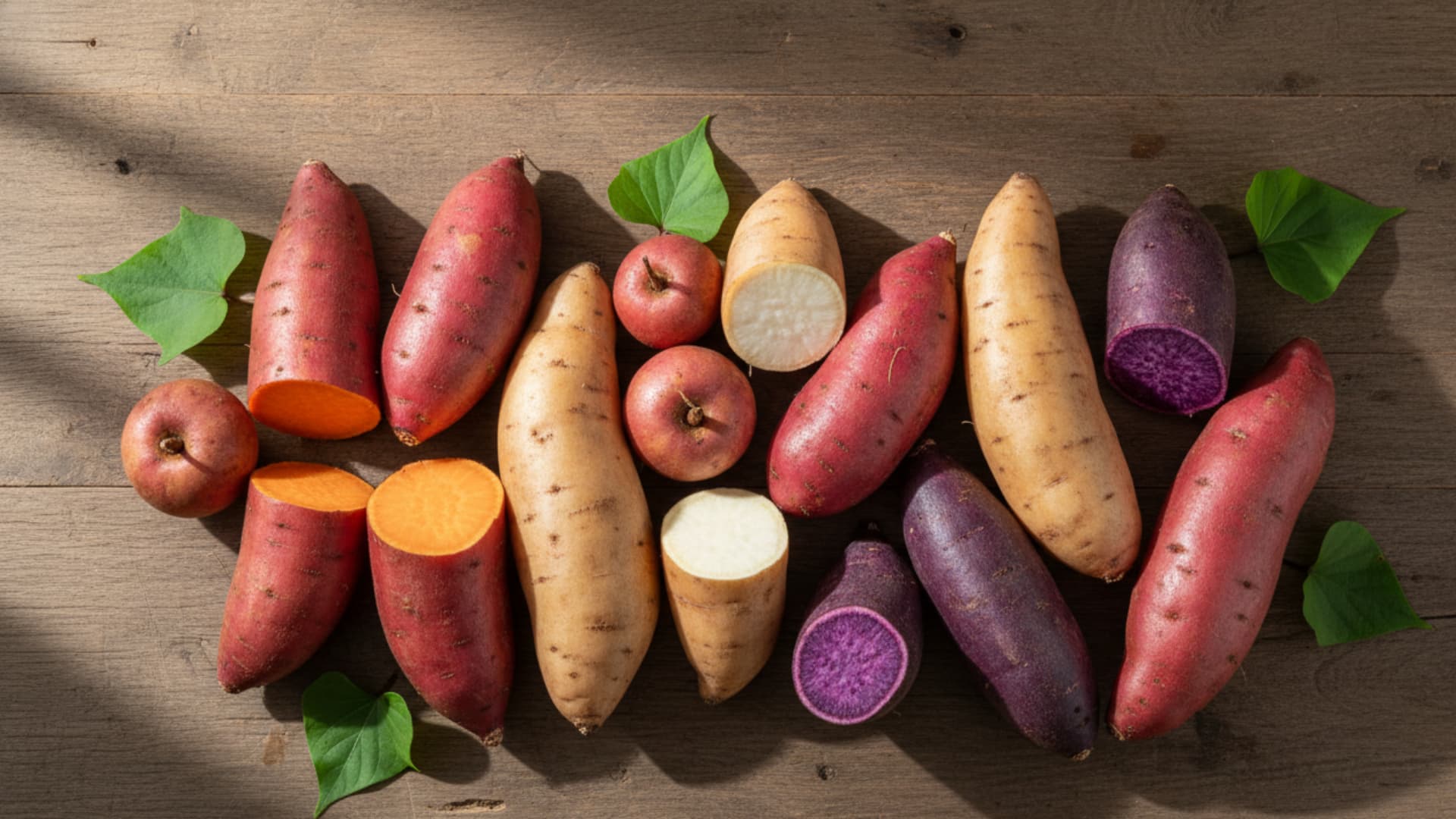
Not all sweet potatoes are orange inside. There’s a good range of varieties to choose from depending on your zone, garden size, and taste preferences.
- Beauregard. The most widely grown variety in the US. Orange flesh, copper-red skin, reliable producer, and usually matures in about 90 to 100 days. A safe first choice for most zones.
- Georgia Jet. Fast-growing and well-suited to shorter seasons. Matures in around 90 days, making it a strong option for gardeners in Zones 5 and 6, where summer is brief.
- Centennial. Another 90-day variety. Disease-resistant and a good fit for cooler zones. Orange flesh with classic flavor.
- Vardaman. A compact bush type that works well in smaller garden beds or containers. Vines stay shorter than standard types, but it still produces well.
- Jewel / O’Henry / Porto Rico. Semi-bush varieties that grow longer than Vardaman but shorter than standard vining types. Good middle ground if you have moderate space.
- Murasaki (Japanese sweet potato). Purple skin with white flesh. Mildly sweet with a drier, nuttier texture than orange varieties. Grows well in most zones.
- Purple-fleshed varieties. Deep purple inside and out. Contains anthocyanins, which are natural plant compounds with antioxidant properties. Harvest timing and growing conditions are similar to those of orange varieties.
Can You Plant Sweet Potatoes in the North?
Yes, you can. It takes a bit more planning, but gardeners in Zones 5 and 6, and even parts of Canada, have had good harvests by making a few adjustments.
Choose a short-season variety, such as Georgia Jet or Centennial, that matures in 90 days. Start your slips indoors 10 to 12 weeks before your last frost date rather than the usual 6 to 8 weeks.
Lay black plastic over raised beds at least three weeks before planting to get the soil temperature high enough. Sandy soil and raised beds warm up considerably faster than clay or ground-level beds, which is a real advantage in short-season areas.
You won’t get the yield that a Zone 9 gardener gets, but a decent harvest is completely within reach.
Signs Your Sweet Potatoes Are Ready to Harvest
You put them in the ground in late spring. Now it’s fall, and you’re wondering when to actually dig them up.
- Watch the foliage first. When the leaves and vines start turning yellow and dying back, the tubers are telling you they’re done growing. This usually happens around 90 to 120 days after planting, depending on your variety.
- Check tuber size after 80 to 85 days. Gently scrape away a small amount of soil near one plant, then check the size of the root. If it’s a couple of inches across or larger, it’s ready. Don’t wait too long after this. Tubers left in the ground past peak size can start to split.
- Harvest before the first fall frost. This is non-negotiable. Frost damages sweet potatoes while they’re still in the ground. If vines are hit by frost before you’ve harvested, cut them off right away and dig immediately. Decay moves quickly from frost-damaged vines down into the tubers.
- Dig carefully. Use a garden fork starting 15 to 18 inches from the center of the vine. Go about 6 inches deep and work inward. Sweet potato skin is thin and bruises easily. Any cuts or punctures will shorten storage life, so handle them gently from the moment they come out of the ground.
Curing and Storing Sweet Potatoes After Harvest
Sweet potatoes need to be cured after harvest to enhance their flavor. Curing takes place in warm, humid conditions (80-85°F with 85-90% humidity) for 10-14 days, during which starch is converted into sugar, and the skin toughens, allowing minor scrapes to heal.
After curing, store the potatoes in a cool, dark place (55-60°F), wrapped in newspaper, to preserve them for 4-6 months.
Never refrigerate sweet potatoes, as temperatures below 50°F can cause chilling injury, damaging the flesh and ruining the flavor. Proper curing and storage are key to enjoying sweet potatoes long after harvest.
Wrapping Up
Getting the timing right is most of the battle with sweet potatoes. Know your zone, wait for the soil to warm past 60°F, start your slips early enough, and you’re already ahead of most first-time growers.
Knowing when to plant sweet potatoes for your specific location removes the guesswork and gives the crop the long, warm season it needs to perform.
If you’re new to this, start with Beauregard or Georgia Jet, build a small raised mound with loose soil, and plant four to six weeks after your last frost date. You’ll have more than enough to share by fall.
What zone are you planting in this year? Drop it in the comments and let us know which variety you’re trying.