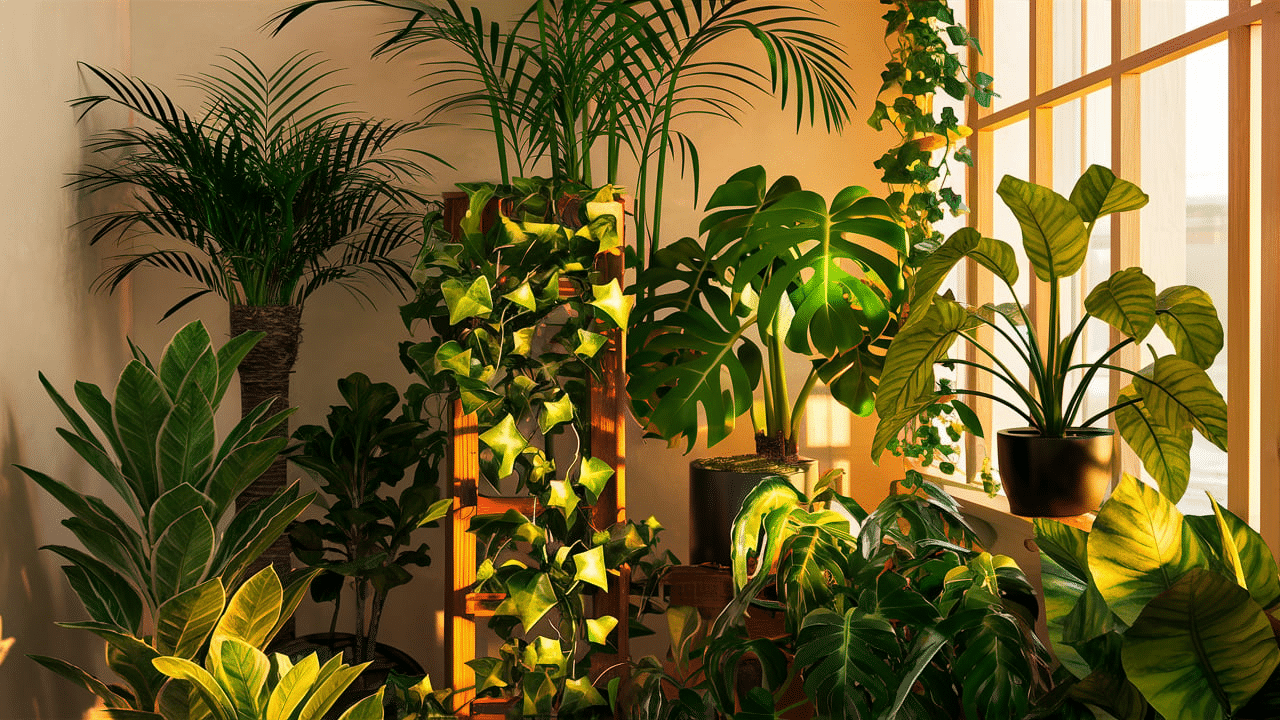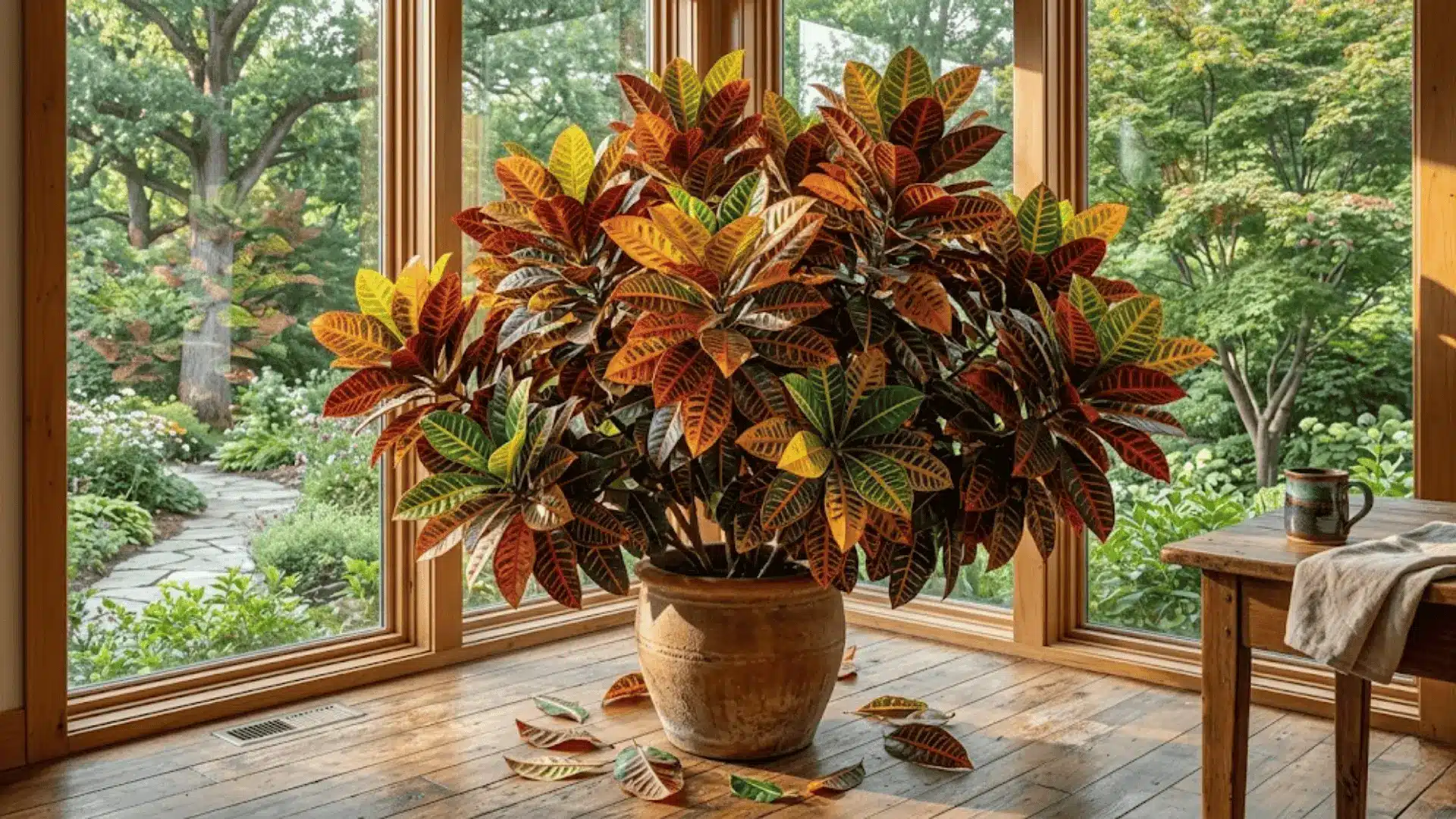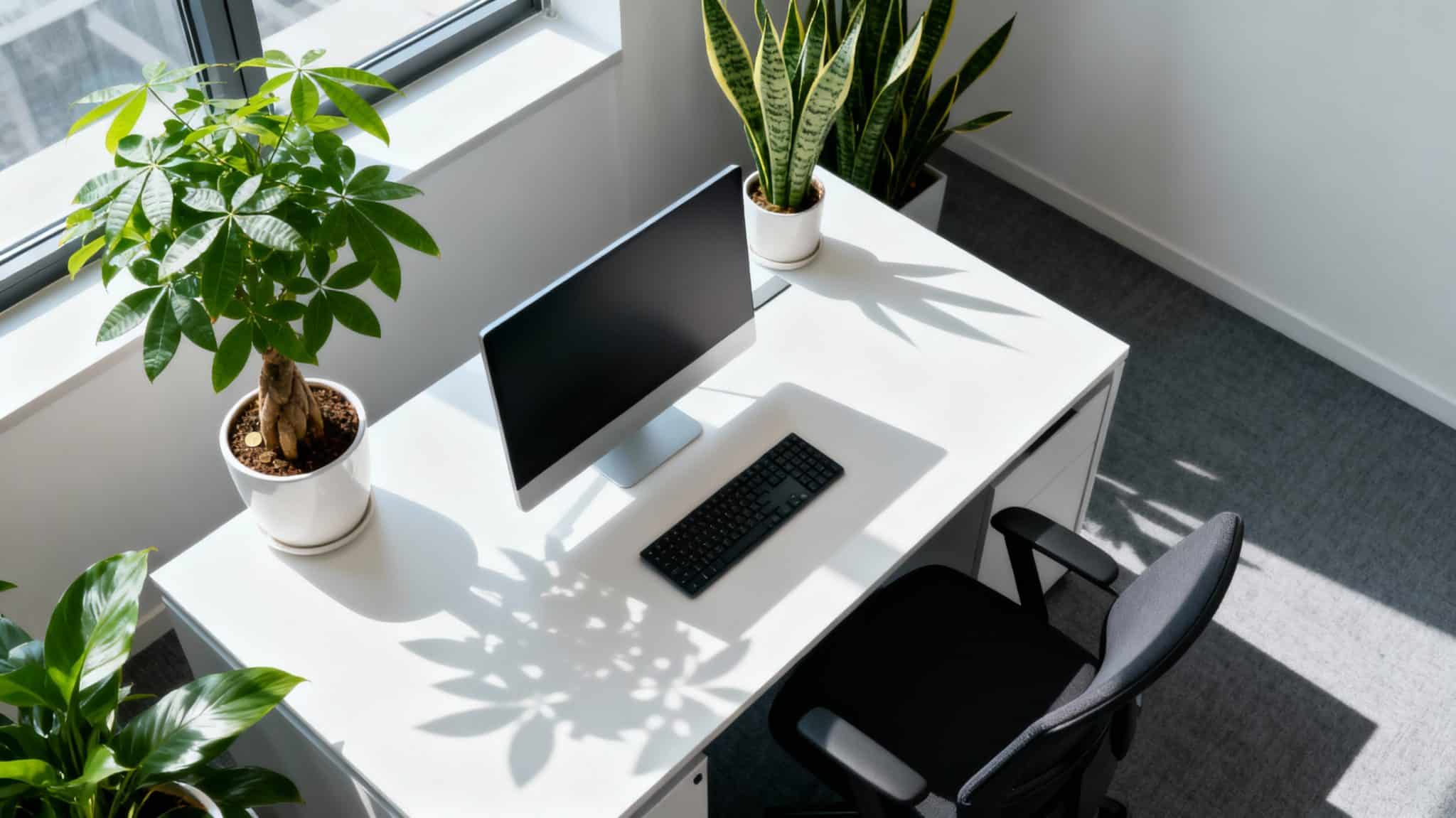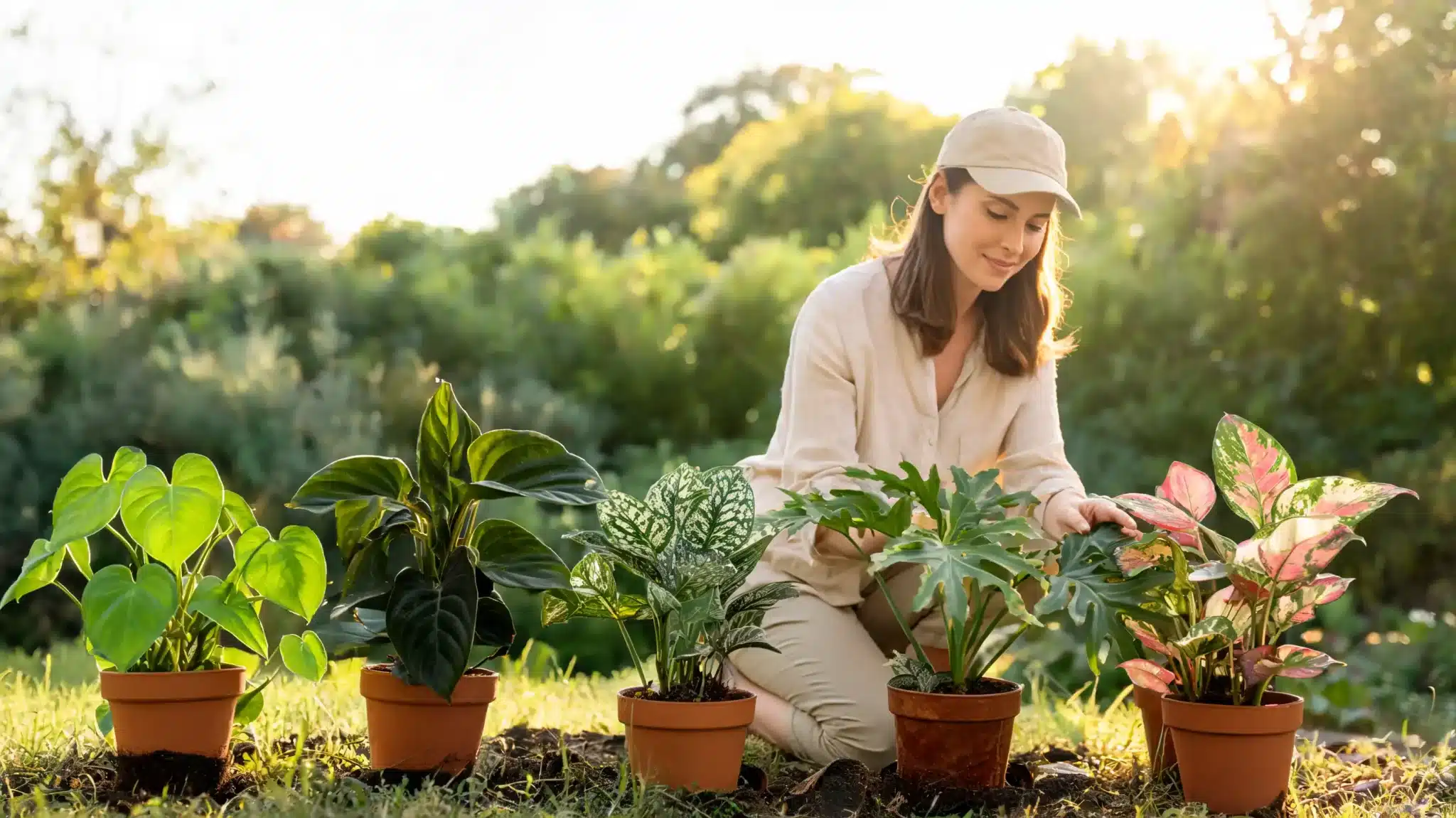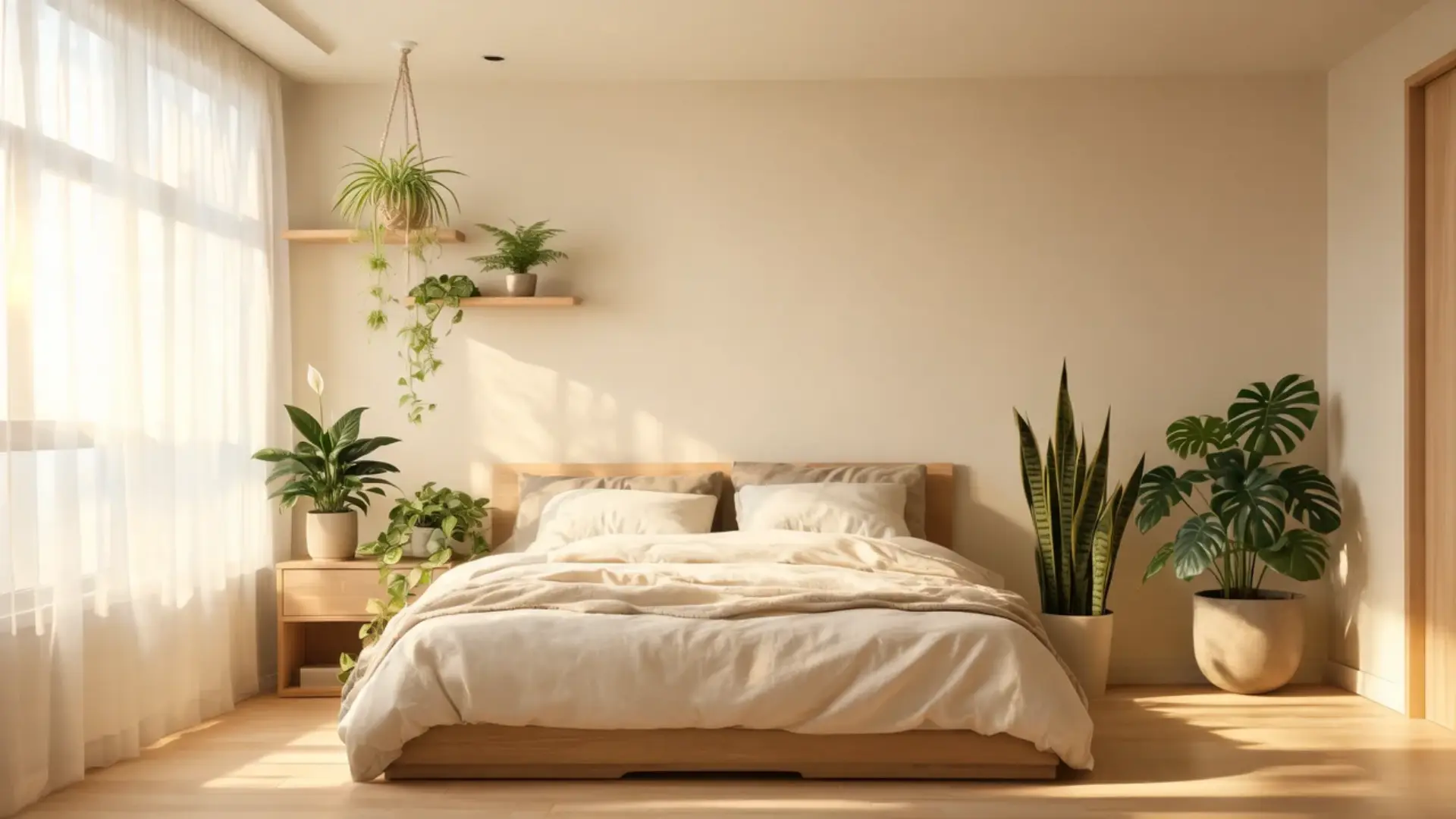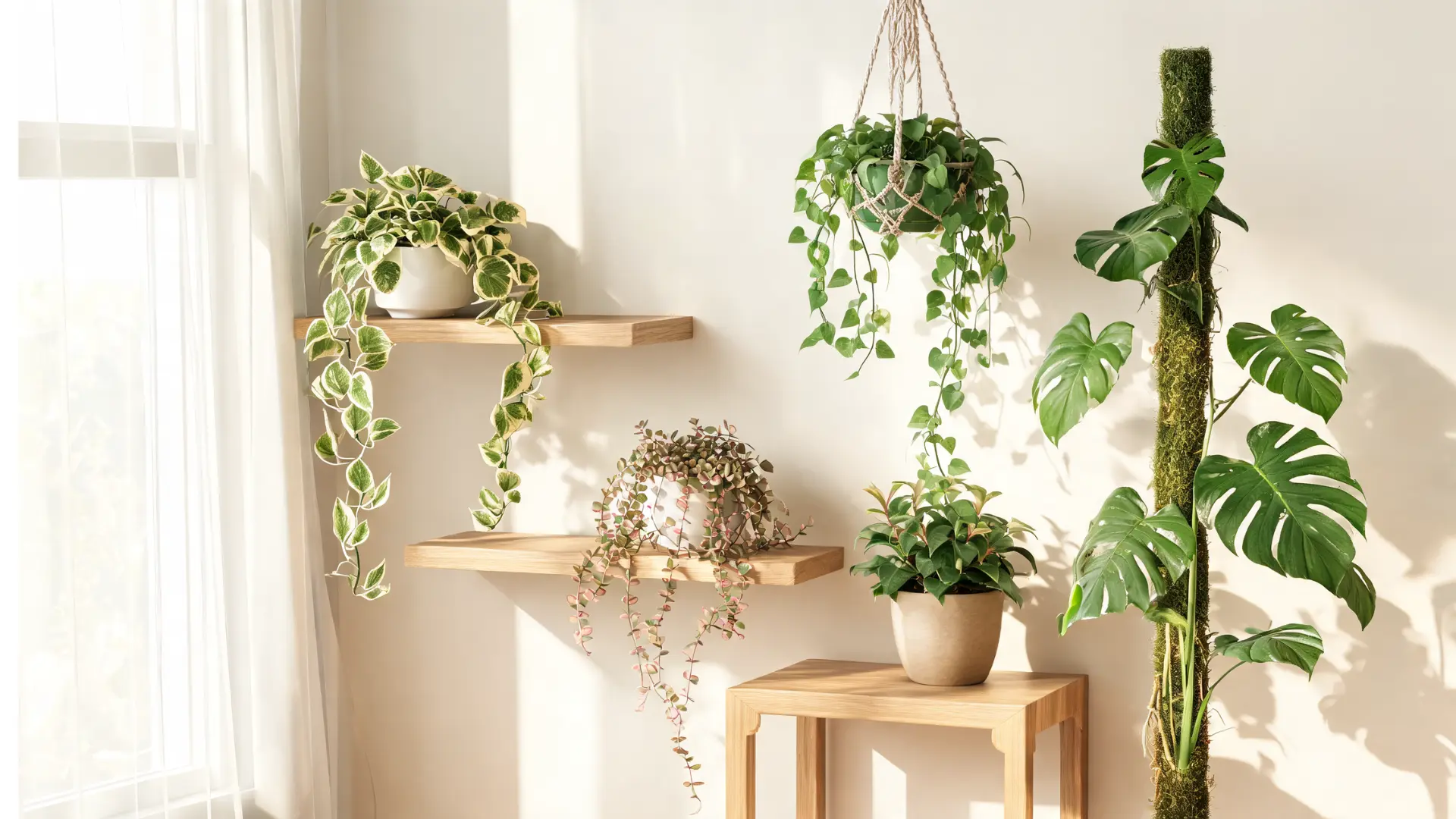
Empty shelves and bare corners can make a room feel unfinished, even when the rest of your home looks good. If you want greenery that trails, climbs, and softens a space without taking over the floor, indoor vine plants are a smart place to start.
I know it can feel confusing to choose between pothos, philodendron, hoya, monstera, and string plants when each one needs different light, water, and support. This guide makes that choice easier.
You will learn what indoor vines are, which types fit your room, how to care for them, how to avoid common mistakes, and how to keep your vines full, healthy, and easy to manage. I’ll keep the advice simple, so you can pick with confidence.
Understanding Indoor Vine Plants
Indoor vine plants are houseplants that grow long, flexible stems instead of staying compact and upright. Some vines naturally trail downward from shelves, hanging baskets, bookcases, or window ledges.
Others climb upward when you give them support, such as a moss pole, trellis, stake, or plant clips. These plants are popular because they make indoor spaces feel softer, greener, and more lived-in without needing much floor space.
You can use them to brighten a blank wall, add movement to a bookshelf, fill a sunny window, or bring greenery into bedrooms, bathrooms, kitchens, and small apartments. Common indoor vine plants include pothos, heartleaf philodendron, hoya, string of hearts, monstera, and English ivy.
Best Indoor Vine Plants at a Glance
| Situation | Best Choices |
|---|---|
| You are new to houseplants | Pothos, heartleaf philodendron, hoya carnosa |
| Your room has low light | Pothos, heartleaf philodendron, arrowhead plant, string of turtles |
| You want vines to spill from a basket | String of hearts, pothos, philodendron, hoya |
| You want a plant to climb upward | Monstera, mini monstera, Swiss cheese plant, scindapsus |
| You have pets at home | Hoya, string of hearts, string of turtles, string of nickels |
| You forget to water often | Hoya, string of hearts, string of bananas |
| You only have a small shelf or windowsill | String of turtles, string of nickels, hoya compacta |
| You want fast growth | Pothos, heartleaf philodendron, English ivy |
| You want colorful leaves | Brasil philodendron, neon philodendron, spiderwort |
Trailing indoor vine plants are usually easier for beginners because they do not need a moss pole or trellis.
Pothos, heartleaf philodendron, and string of hearts are simple choices if you want a plant that looks good on a shelf or in a hanging basket.
Climbing vines are still beginner-friendly, but they need more shaping. You may need to gently tie stems, rotate the pot, prune excess growth, and choose a sturdy support so the plant does not lean or topple.
Best Indoor Vine Plants to Grow at Home
Indoor vine plants come in many shapes, from easy trailing pothos to bold climbing monsteras and delicate string plants.
1. Pothos

Want a plant that looks beautiful but does not need much care? The pothos indoor vine plant is a great choice for beginners. It grows well in low to bright indirect light and only needs water when the top few inches of soil feel dry.
Why it works well:
- Needs little maintenance
- Grows in different indoor light conditions
- Looks good in hanging baskets and on shelves
- Makes empty corners look fresh
- Can grow long trailing vines
- Works with a hanging basket for trailing, a moss pole or trellis for climbing, and wall clips for guiding vines across shelves or walls
Simple solution: Keep it near indirect sunlight, water only when the soil starts to dry, and trim the vines when they get too long. For a fuller look, let it trail from a shelf or guide it gently onto a support.
2. Heartleaf Philodendron

Want a soft, classic vine that grows easily indoors? Heartleaf philodendron is a great option. It grows well in low to bright indirect light and needs water when the top few inches of soil feel dry.
Why it works well:
- Easy for beginners
- Has soft heart-shaped leaves
- Looks beautiful on shelves and bookcases
- Handles lower indoor light better than many vines
- Grows long, relaxed trailing stems
- Works with hanging baskets, shelf edges, wall clips, or a moss pole if you want it to climb
Simple solution: Place it where it gets indirect light, water after the soil partly dries, and prune long stems to keep the plant full. Add a small support if you want it to grow upward instead of trailing.
3. Brasil Philodendron

Want an easy vine with more color than plain green foliage? Brasil philodendron has green and yellow variegated leaves that brighten shelves and hanging baskets. It grows best in medium to bright indirect light and needs water when the soil partly dries.
Why it works well:
- Adds yellow-green color indoors
- Easy to grow and style
- Looks good in hanging planters
- Works well on bright shelves
- Brings movement to plain corners
- Works with hanging baskets for trailing, a trellis for climbing, or wall clips for guiding vines neatly
Simple solution: Keep it in bright indirect light to maintain the variegation, water when the soil feels partly dry, and trim leggy vines so the plant stays full and colorful.
4. Philodendron Micans

Want a vine that feels more elegant than a regular green plant? Philodendron micans has soft, velvety leaves that can look deep green, bronze, or burgundy. It grows best in medium to bright indirect light and needs water when the top soil dries.
Why it works well:
- Has rich velvet-like leaves
- Adds a soft, stylish look
- Works well in bedrooms and living rooms
- Trails beautifully from shelves
- Looks more decorative than many beginner vines
- Works with hanging baskets, high shelves, small trellises, or wall clips for gentle vine direction
Simple solution: Place it in bright indirect light, avoid harsh direct sun, and water when the top few inches of soil feel dry. Prune thin vines to help the plant grow fuller.
5. Satin Pothos / Scindapsus Pictus

Want a vine with bold silver markings? Satin pothos, or Scindapsus pictus, has dark green leaves with soft silver patches. It prefers medium to bright indirect light and should be watered when the top layer of soil feels dry.
Why it works well:
- Has eye-catching silver leaves
- Looks modern and decorative
- Trails well from shelves
- Can climb for a cleaner display
- Needs moderate care
- Works with hanging baskets for trailing, a trellis or moss pole for climbing, and wall clips for shaping vines
Simple solution: Keep it in bright indirect light to maintain the silver pattern, water only after the top soil dries, and avoid overwatering. Train it upward if you want a more structured look.
6. Scindapsus ‘Argyraeus’

Want a compact vine with delicate silver speckles? Scindapsus ‘Argyraeus’ is a neat choice for shelves, desks, and smaller rooms. It grows best in medium to bright indirect light and needs water when the top few inches of soil dry.
Why it works well:
- Stays neater than many long vines
- Has pretty silver-speckled leaves
- Fits well in small homes
- Looks good on desks and shelves
- Does not need heavy support
- Works with small hanging pots, shelf edges, mini trellises, or wall clips for light guiding
Simple solution: Place it in medium to bright indirect light, water when the soil begins to dry, and keep it in a small pot or hanging planter for a tidy trailing display.
7. Monstera Deliciosa

Want a large indoor vine plant that makes a statement? Monstera deliciosa has big split leaves and grows upward with support. It prefers medium to bright indirect light and needs water when the soil partly dries.
Why it works well:
- Creates a bold tropical look
- Has large split leaves
- Works as a statement plant
- Fills empty corners beautifully
- Grows stronger with support
- Works best with a moss pole, sturdy trellis, bamboo stake, or heavy pot to support climbing stems
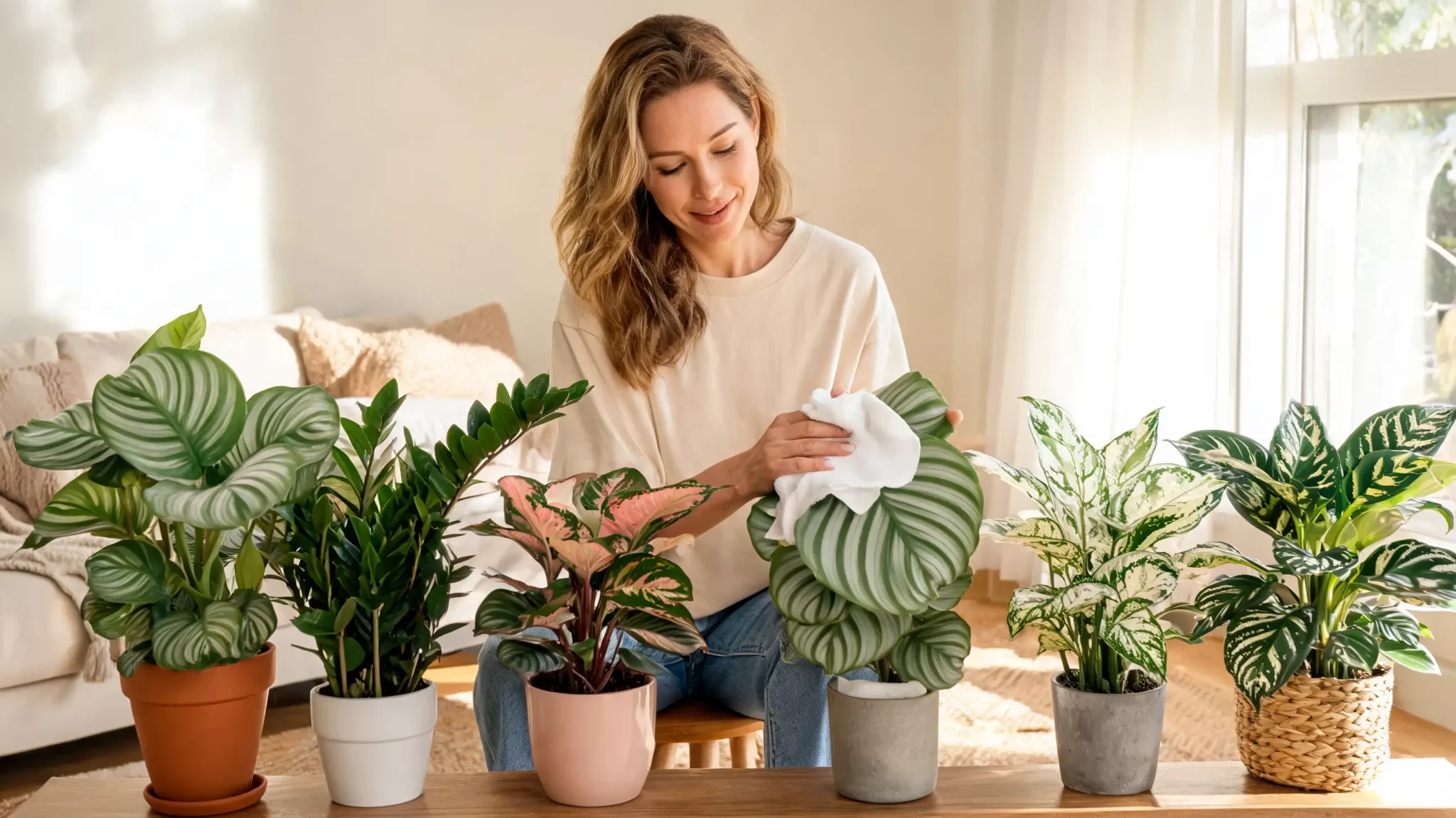
Simple solution: Place it near bright indirect light, water when the soil partly dries, and give it a moss pole early. Wipe the leaves often so they stay clean and healthy.
8. Swiss Cheese Plant

Want a vine with a tropical look but less size than Monstera deliciosa? Swiss cheese plant has leaves with natural holes and can trail or climb. It grows best in medium to bright indirect light and needs water when the top soil dries.
Why it works well:
- Has beautiful hole-patterned leaves
- Gives a jungle-style look indoors
- Works in hanging baskets or on poles
- Fits smaller spaces better than large monstera
- Grows quickly in good light
- Works with hanging baskets for trailing, moss poles for climbing, and wall clips for controlled vine direction
Simple solution: Keep it in bright indirect light, water when the top few inches of soil dry, and prune long vines when they become thin or tangled.
9. Mini Monstera

Want a climbing vine that looks dramatic without taking over the room? Mini monstera has split leaves and grows upward quickly. It prefers bright indirect light and needs water when the soil feels partly dry.
Why it works well:
- Gives a compact jungle look
- Climbs well indoors
- Fits corners and trellises
- Has attractive split leaves
- Grows fast in good conditions
- Works best with a moss pole, trellis, bamboo stake, or plant ties for upward training
Simple solution: Give it bright indirect light, water when the soil partly dries, and add support while the plant is still young. Tie stems loosely so they grow upward naturally.
10. Hoya Carnosa

Want a vine that needs less frequent watering and may bloom indoors? Hoya carnosa has waxy leaves and can produce fragrant flower clusters. It prefers bright indirect light and should dry well between waterings.
Why it works well:
- Has thick waxy leaves
- Can produce beautiful flowers
- Needs less frequent watering
- Good for hanging baskets
- Often works well in pet-friendlier homes
- Works with hanging baskets for trailing, trellises for climbing, or plant hoops for a decorative shape
Simple solution: Place it in bright indirect light, let the soil dry before watering again, and avoid repotting too often. Give it a trellis or hoop if you want a cleaner shape.
11. Hoya Compacta

Want a vine that looks different from common trailing plants? Hoya compacta has curled, rope-like leaves that hang beautifully from baskets. It prefers bright indirect light and needs water only after the soil dries well.
Why it works well:
- Has unusual rope-like foliage
- Grows slowly and neatly
- Looks great in hanging planters
- Needs less watering than many tropical vines
- Adds texture to bright rooms
- Works best in hanging baskets, plant hooks, shelf edges, or small hoops for gentle shaping
Simple solution: Keep it in bright indirect light, use a well-draining mix, and water sparingly. Avoid soggy soil because the thick leaves already store moisture.
12. String of Hearts

Want a delicate vine for shelves or hanging baskets? String of hearts has thin stems and small heart-shaped leaves that trail beautifully. It grows best in bright indirect light and needs water only when the soil dries.
Why it works well:
- Perfect for small spaces
- Has delicate heart-shaped leaves
- Trails beautifully from shelves
- Needs less frequent watering
- Adds a soft decorative look
- Works with hanging baskets, wall hooks, shelf edges, or small plant clips for light styling
Simple solution: Place it in bright indirect light, let the soil dry between waterings, and avoid heavy soil. Trim extra-long vines if they become sparse.
13. String of Pearls

Want a unique vine with bead-like leaves? String of pearls is a striking succulent vine for bright windows and hanging baskets. It needs bright light, some direct sun, and water only when the soil is fully dry.
Why it works well:
- Has round pearl-like leaves
- Looks beautiful in hanging baskets
- Great for bright windows
- Needs less frequent watering
- Adds a unique sculptural look
- Works best with hanging baskets, high shelves, sunny window hooks, or shallow pots for trailing growth
Simple solution: Give it bright light, water only after the soil fully dries, and avoid overwatering. Keep the top of the plant exposed to light so it does not thin out.
14. String of Bananas

Want a succulent vine that is easier than string of pearls? String of bananas has curved green leaves and grows well in bright rooms. It needs bright light and should dry thoroughly between waterings.
Why it works well:
- Easier than string of pearls
- Has fun banana-shaped leaves
- Trails quickly in bright light
- Needs less frequent watering
- Looks good in sunny baskets
- Works with hanging baskets, window hooks, high shelves, or trailing pots near bright light
Simple solution: Place it near a bright window, water only when the soil dries thoroughly, and move it closer to light if the vines become thin or stretched.
15. String of Turtles

Want a small trailing plant for a desk or narrow shelf? String of turtles has tiny patterned leaves that look like turtle shells. It tolerates low to bright indirect light and needs water when the top inch of soil dries.
Why it works well:
- Great for small spaces
- Has tiny patterned leaves
- Fits desks and shelves easily
- Stays compact compared to larger vines
- Often works well in pet-friendlier homes
- Works with small hanging pots, desk planters, shallow shelves, or mini wall hooks for light trailing
Simple solution: Keep it in indirect light, water when the top inch of soil feels dry, and use a light potting mix. Avoid soggy soil and oversized pots.
16. English Ivy

Want a classic vine that can trail or climb indoors? English ivy has dense green leaves and grows quickly in the right conditions. It prefers bright indirect light and needs water when the top inch of soil dries.
Why it works well:
- Has a classic indoor look
- Grows quickly
- Trails or climbs easily
- Works well on trellises
- Adds dense greenery to cool rooms
- Works with hanging baskets, trellises, wall clips, shelf edges, or small indoor frames for climbing
Simple solution: Keep it in bright indirect light, water when the top soil dries, and prune often. Check regularly for pests, especially in dry indoor air.
17. Arrowhead Plant

Want a plant that starts compact but can vine over time? Arrowhead plant has arrow-shaped leaves in green, cream, pink, or variegated tones. It grows in low to bright indirect light and needs water when the top soil dries.
Why it works well:
- Comes in many leaf colors
- Handles different indoor light levels
- Starts compact and later vines
- Works on shelves or small trellises
- Good for beginner plant owners
- Works with hanging baskets, small trellises, moss poles, or shelf edges as it starts to vine
Simple solution: Keep it in indirect light, water when the top few inches of soil dry, and prune often if you want a fuller, more compact plant.
18. Spiderwort

Want a fast-growing vine with more color? Spiderwort, also called Tradescantia, has purple, green, silver, or striped leaves. It grows best in bright indirect light and needs water when the top inch of soil dries.
Why it works well:
- Adds purple and silver color
- Grows quickly indoors
- Looks good in hanging baskets
- Softens bright shelves and windows
- Easy to propagate from cuttings
- Works with hanging baskets, shelf edges, window hooks, or wall clips for short trailing stems
Simple solution: Give it bright indirect light, water when the top inch of soil dries, and pinch back stems often. This keeps the plant bushy instead of long and bare.
19. String of Nickels

Want a small trailing vine with coin-shaped leaves? String of nickels has soft, round green leaves and works well in compact hanging displays. It prefers bright indirect light and needs water when the top few inches of soil dry.
Why it works well:
- Has round coin-like leaves
- Fits small hanging displays
- Works in bright bathrooms
- Often suits pet-friendlier homes
- Adds soft trailing texture
- Works with hanging baskets, small wall hooks, shelf edges, or bright window planters for trailing growth
Simple solution: Place it in bright indirect light, use an airy potting mix, and water only after the top soil dries. Avoid heavy soil that stays wet too long.
20. Lipstick Plant

Want a trailing indoor vine that can bloom? Lipstick plant has glossy leaves and bright red tubular flowers. It grows best in bright indirect light and needs water when the top few inches of soil dry.
Why it works well:
- Produces red flowers
- Looks great in hanging baskets
- Has glossy green leaves
- Adds color to bright rooms
- Often works well in pet-friendlier homes
- Works with hanging baskets, plant hooks, shelf edges, or light trellises for gentle trailing support
Simple solution: Keep it warm, give it bright indirect light, and water after the top soil dries. Extra humidity can help it grow better and support blooming.
21. Monstera Peru

Want a climbing vine with bold texture? Monstera Peru has firm, deep green leaves with raised texture and a tropical look. It prefers medium to bright indirect light and needs water when the soil partly dries.
Why it works well:
- Has unique textured leaves
- Stays more compact than large monstera
- Climbs well indoors
- Looks modern and tropical
- Works well as a statement shelf plant
- Works best with a moss pole, small trellis, bamboo stake, or plant ties for climbing support
Simple solution: Place it in bright indirect light, use a chunky well-draining mix, and water when the soil partly dries. Give it support so the vines grow upward.
22. Scindapsus Treubii ‘Moonlight’

Want a clean, modern vine with silvery leaves? Scindapsus Treubii ‘Moonlight’ has thick silver-green foliage and slower growth. It prefers bright indirect light and needs water when the soil partly dries.
Why it works well:
- Has sleek silver-green leaves
- Grows slowly and neatly
- Looks good in modern rooms
- Works well on small trellises
- Does not need constant pruning
- Works with small trellises, shelf edges, hanging pots, or wall clips for a clean guided shape
Simple solution: Give it bright indirect light, water only when the soil partly dries, and avoid deep shade. A small trellis helps show off its tidy leaves.
23. Neon Philodendron

Want an easy vine with bright lime-green leaves? Neon philodendron adds color without needing complicated care. It grows best in medium to bright indirect light and needs water when the top few inches of soil dry.
Why it works well:
- Adds bright lime-green color
- Easy to grow indoors
- Looks fresh on shelves and baskets
- Works well in offices and bedrooms
- Trails beautifully with regular pruning
- Works with hanging baskets, shelf edges, wall clips, or a moss pole if you want climbing
Simple solution: Keep it in indirect light, water when the top soil dries, and trim long stems to keep it full. Avoid strong direct sun, which can scorch the leaves.
How to Care for Indoor Vine Plants
| Care Need | What to Do |
|---|---|
| Light | Give bright indirect light; use brighter spots for succulent vines |
| Watering | Water when the soil feels dry, not on a fixed schedule |
| Soil | Use a light, well-draining potting mix |
| Humidity | Keep moderate humidity for tropical vines |
| Temperature | Avoid cold drafts, heaters, and AC vents |
| Fertilizer | Feed lightly in spring and summer |
| Pruning | Trim long vines to keep plants full |
| Cleaning | Wipe leaves to remove dust and spot pests early |
How to Make Indoor Vine Plants Look Fuller
- Prune long vines: Trim thin or leggy stems so the plant can grow new side shoots.
- Cut above nodes: Make cuts above leaf nodes because new growth usually starts from these points.
- Replant cuttings: Root healthy cuttings and place them back into the same pot for fullness.
- Fill bare spots: Add rooted cuttings near empty areas to make the plant look thicker.
- Improve light: Move stretched vines to bright indirect light so growth becomes stronger and compact.
- Rotate the pot: Turn the plant weekly so all sides receive even light and growth.
- Use support: Add a moss pole or trellis to help climbing vines grow larger leaves.
- Avoid overwatering: Let soil dry properly because soggy roots can weaken new vine growth.
- Feed lightly: Use light fertilizer in spring and summer to support healthy new leaves.
- Trim regularly: Small, regular trims keep indoor vine plants dense, neat, and well-shaped.
How to Propagate Indoor Vine Plants
Propagating indoor vine plants is an easy way to make your plant look fuller or grow new plants for other rooms. Some of the easiest indoor vines to propagate include pothos, heartleaf philodendron, Brasil philodendron, monstera adansonii, scindapsus, hoya, and string of hearts.
For water propagation , cut a healthy vine just below a node, remove the lower leaves, and place the cutting in clean water. Keep it in bright indirect light and change the water every few days. Once the roots are a few inches long, move the cutting into soil.
For soil propagation , place a cutting with at least one node directly into moist, airy soil. Keep the soil lightly moist but not soggy while roots develop. Spring and summer are the best times to propagate indoor vine plants because they are actively growing.
Do Indoor Vine Plants Attract Bugs?
Yes, indoor vine plants can attract bugs , just like other houseplants. This usually happens when the plant is stressed, overwatered, dusty, crowded, or placed too close to another infested plant. Common pests on indoor vine plants include mealybugs, spider mites, aphids, scale, thrips, and fungus gnats.
These pests often hide under leaves, along stems, near nodes, or in damp soil. Catching them early is the easiest way to protect your plant.
How to prevent pests:
- Quarantine new plants for a few days before placing them near others.
- Avoid overwatering, especially if fungus gnats are a problem.
- Check leaf undersides, stems, and soil regularly.
- Wipe leaves to remove dust and spot pests early.
- Remove dead leaves from the soil surface.
- Improve airflow around crowded plants.
What to Check Before Buying an Indoor Vine Plant
Before buying an indoor vine plant, check its health and whether it suits your home. A good plant should have firm leaves, strong stems, and fresh-smelling soil.
Avoid plants with heavy yellowing, limp leaves, mushy stems, webbing, sticky marks, moldy soil, or a sour smell from the pot. These signs may point to pests, overwatering, or root problems.
Also look at the plant’s future needs. Make sure it matches your room’s light, available space, and watering routine.
If you have pets, check whether the plant is toxic before bringing it home. Think about how it will grow too. Some vines look best in hanging baskets, while others need a trellis, moss pole, or wall clips for support
Common Indoor Vine Plant Problems and Fixes
Indoor vine plants usually show clear signs when something is wrong. Yellow leaves, leggy vines, brown tips, or mushy stems often point to issues with light, watering, humidity, or soil. Use this quick guide to spot the problem and fix it early.
| Problem | Likely Cause | Fix |
|---|---|---|
| Yellow leaves | Overwatering, old leaves, or low light | Check the soil before watering, move the plant to brighter indirect light, and remove damaged leaves. |
| Leggy vines | Not enough light | Move the plant closer to bright indirect light and prune long, thin stems. |
| Brown tips | Dry air, inconsistent watering, or fertilizer burn | Adjust your watering routine, increase humidity, and avoid overfeeding. |
| Mushy stems | Root rot from wet soil | Stop watering, inspect the roots, remove rotten parts, and repot if needed. |
| Dropping leaves | Stress, underwatering, or sudden changes | Keep light, watering, and temperature more consistent. |
| No growth | Low light, cold room, or poor soil | Increase light, keep the plant warm, and feed lightly during spring and summer. |
| Small leaves | Low light or no climbing support | Move the plant to brighter indirect light or add a moss pole or trellis. |
| Pests | Mealybugs, mites, gnats, scale, or thrips | Isolate the plant, inspect leaves and stems, and treat pests early. |
Frequently Asked Questions
Can indoor vine plants grow under artificial light?
Yes, many indoor vine plants can grow under artificial light if the light is bright enough and placed close to the plant. A full-spectrum grow light is useful for rooms with weak natural light or no nearby windows.
How long do indoor vine plants live?
Indoor vine plants can live for many years with steady care. Plants like pothos, philodendron, hoya, and monstera often stay healthy long-term if they receive proper light, watering, pruning, and occasional repotting.
How often should I repot indoor vine plants?
Most indoor vine plants need repotting every one to two years, depending on growth speed. Repot when roots circle the pot, water drains too quickly, or growth slows even with good care.
Do indoor vine plants need drainage holes?
Yes, drainage holes are strongly recommended. They help extra water escape and reduce the risk of root rot. If you use a decorative cover pot, keep the plant in a nursery pot inside it.
Conclusion
A good vine can do more than fill a pot; it can change how your room feels. Once you understand light, watering, support, pruning, and plant health, choosing the right vine becomes much easier.
I’d start with a forgiving plant like pothos or heartleaf philodendron if you want something simple, or try hoya, string of hearts, or monstera if your space fits their needs.
You now know how to compare options, prevent common problems, make vines look fuller, propagate cuttings, and check plants before buying. With the right match, indoor vine plants can stay healthy and beautiful for years.
Try one tip from this guide today, then share which vine you are growing or planning to bring home.