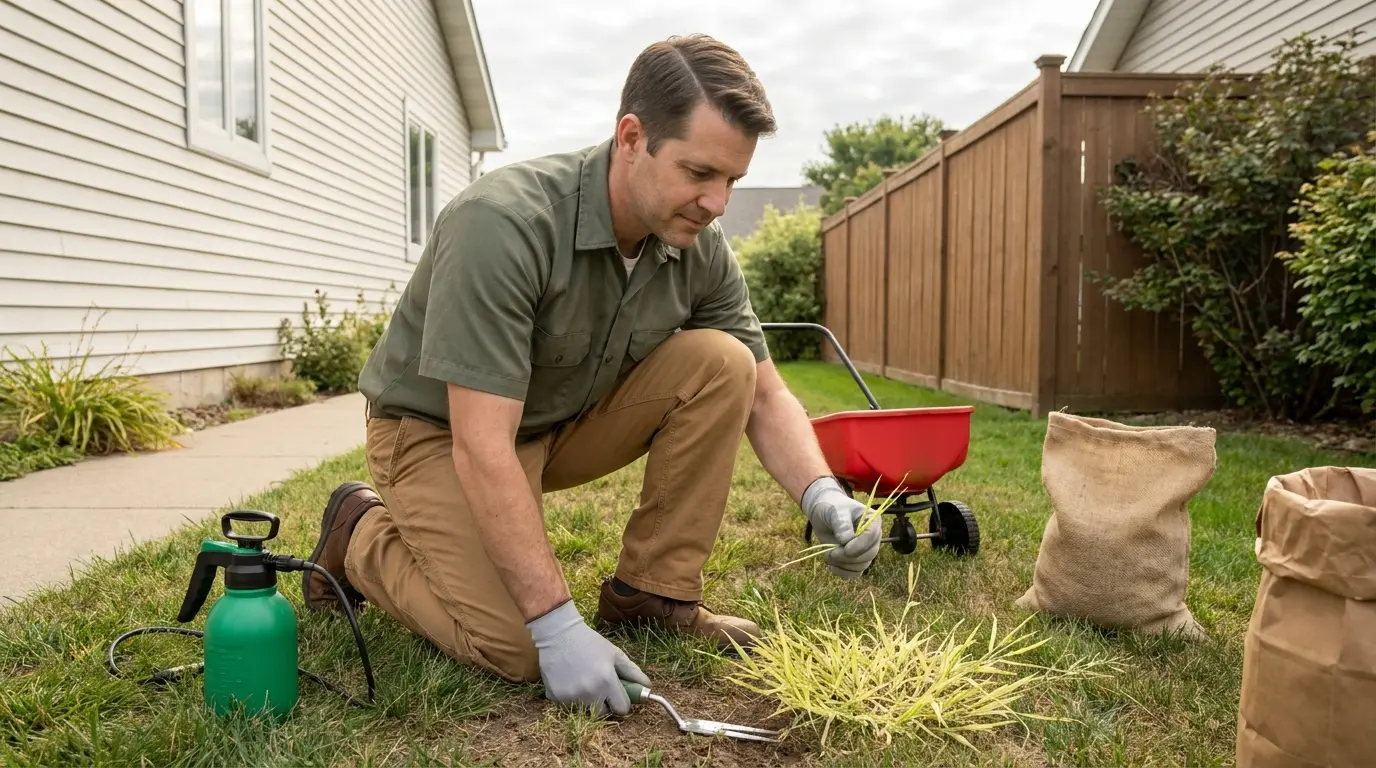
Crabgrass has a way of showing up right when a lawn looks its best, with wiry, pale patches breaking up an otherwise even stretch of green. It seems harmless enough at first, then suddenly it is spreading across the yard by midsummer.
If you are trying to figure out how to get rid of crabgrass without tearing up the rest of the lawn, start by taking a closer look at what is growing in front of you.
Quick answer: Pull small crabgrass plants by hand, treat young active growth with a labeled selective post-emergent herbicide, and use properly timed pre-emergent treatment along with good lawn care to reduce future outbreaks.
How Can You Identify Crabgrass and Check Its Growth Stage
Crabgrass is a warm-season annual grass, meaning each plant completes its life cycle in one season but can leave seeds behind that sprout new plants later. Two common species in home lawns are large crabgrass (Digitaria sanguinalis) and smooth crabgrass (Digitaria ischaemum).
Before treating, confirm the central crown, low spreading habit, coarse blades, and finger-like seedhead, since other grassy weeds can look similar, as covered in a closer look at what crabgrass actually is.
- A few young plants: Look for pale or yellowish-green, coarse blades that grow low and spread outward from a central crown. Small clumps are often found in sunny, thin, or stressed parts of the lawn.
- Several active patches: Wider groups of spreading plants show that crabgrass is moving through weak turf. The plants are established but still actively growing.
- A mature late-season infestation: Finger-like seedheads show that the plants are older and may already be dropping seed.
Growth stage matters because small plants are easier to pull, young actively growing plants are better candidates for labeled post-emergent control, and mature plants are more about limiting seed spread and preparing damaged areas for repair.
How to Get Rid of Crabgrass in Your Lawn
Once you have identified crabgrass in your lawn, use the steps below to control existing plants while protecting the surrounding turf and preparing damaged areas for recovery.
1. Pull Small Patches Before They Produce Seeds
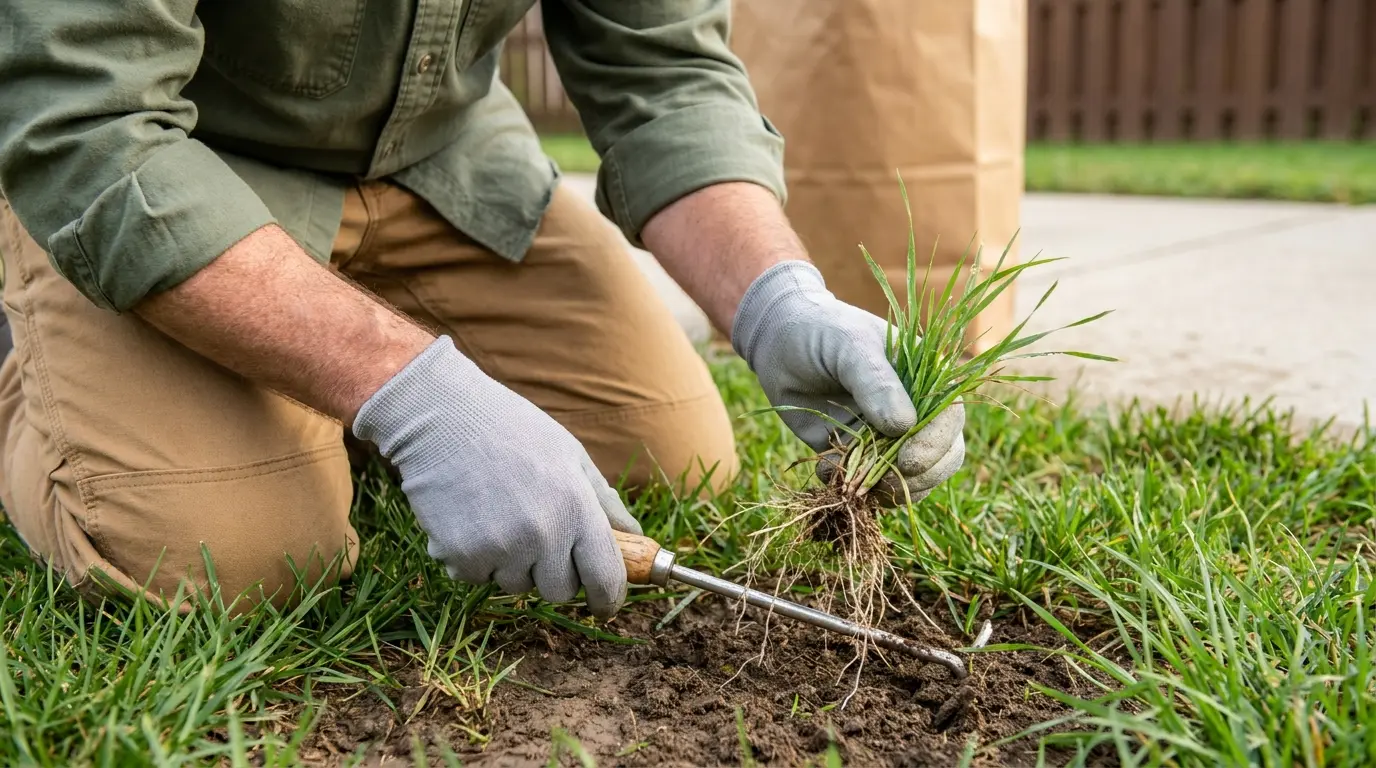
Pull crabgrass after rain or after lightly watering the soil. Grip the plant near its base, then use a hand weeder to lift out the crown and roots. If seedheads are present, move slowly so seeds do not scatter across the lawn.
Bag and discard seeded plants, then check the area again because pulling removes current growth but does not stop dormant seeds from sprouting.
2. Treat Young Plants With a Selective Post-Emergent
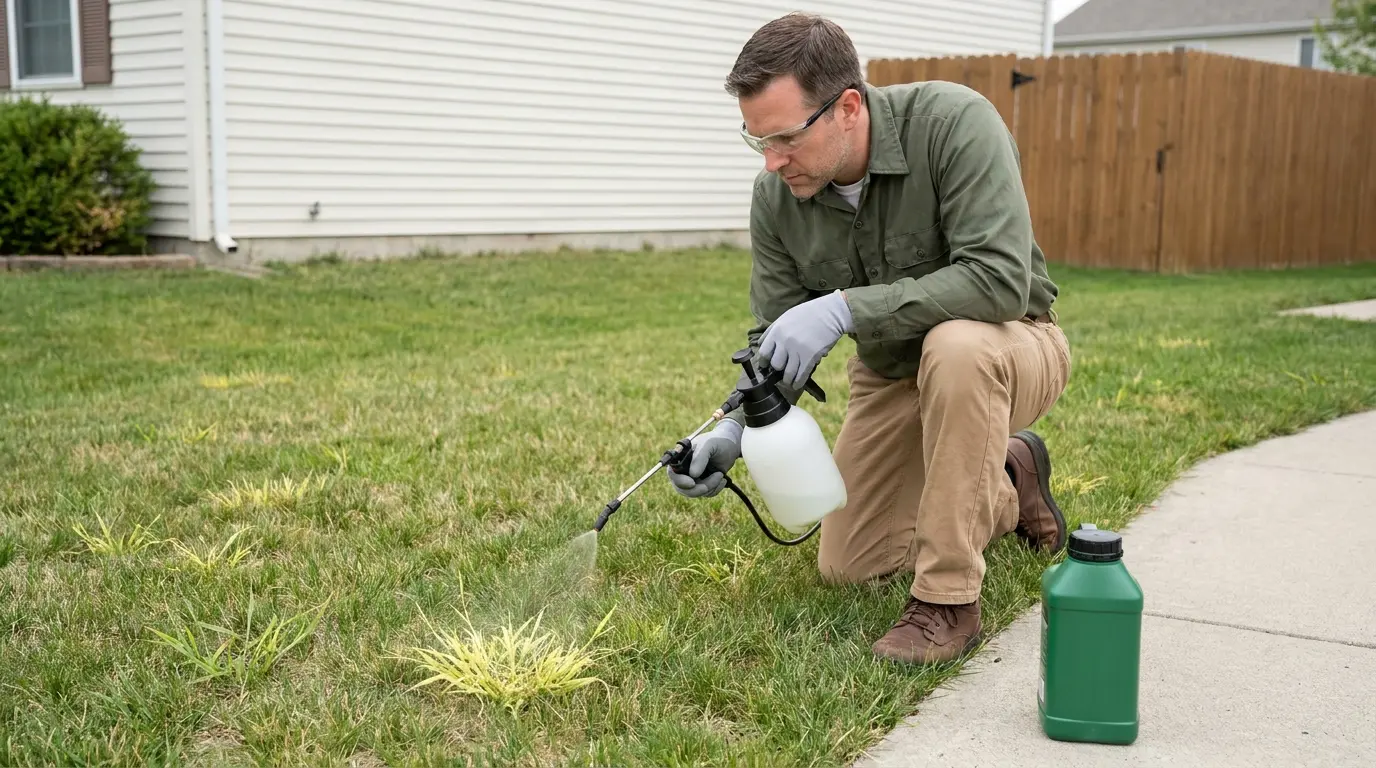
Using the wrong product can harm healthy grass and leave weak areas behind. A selective post-emergent herbicide targets certain weeds after they appear while staying labeled as safe for specific lawn grasses.
Common post-emergent active ingredients include quinclorac, mesotrione, fenoxaprop, and topramezone. Dithiopyr is primarily a pre-emergent but may also control very young emerged crabgrass, depending on the product label.
Identify your grass species, choose a product labeled for both the weed and that turf, and spot-spray young, actively growing plants. Follow the label for mowing, watering, and repeat use, per the EPA’s Introduction to Pesticide Labels.
3. Handle Mature or Late-Season Crabgrass Carefully
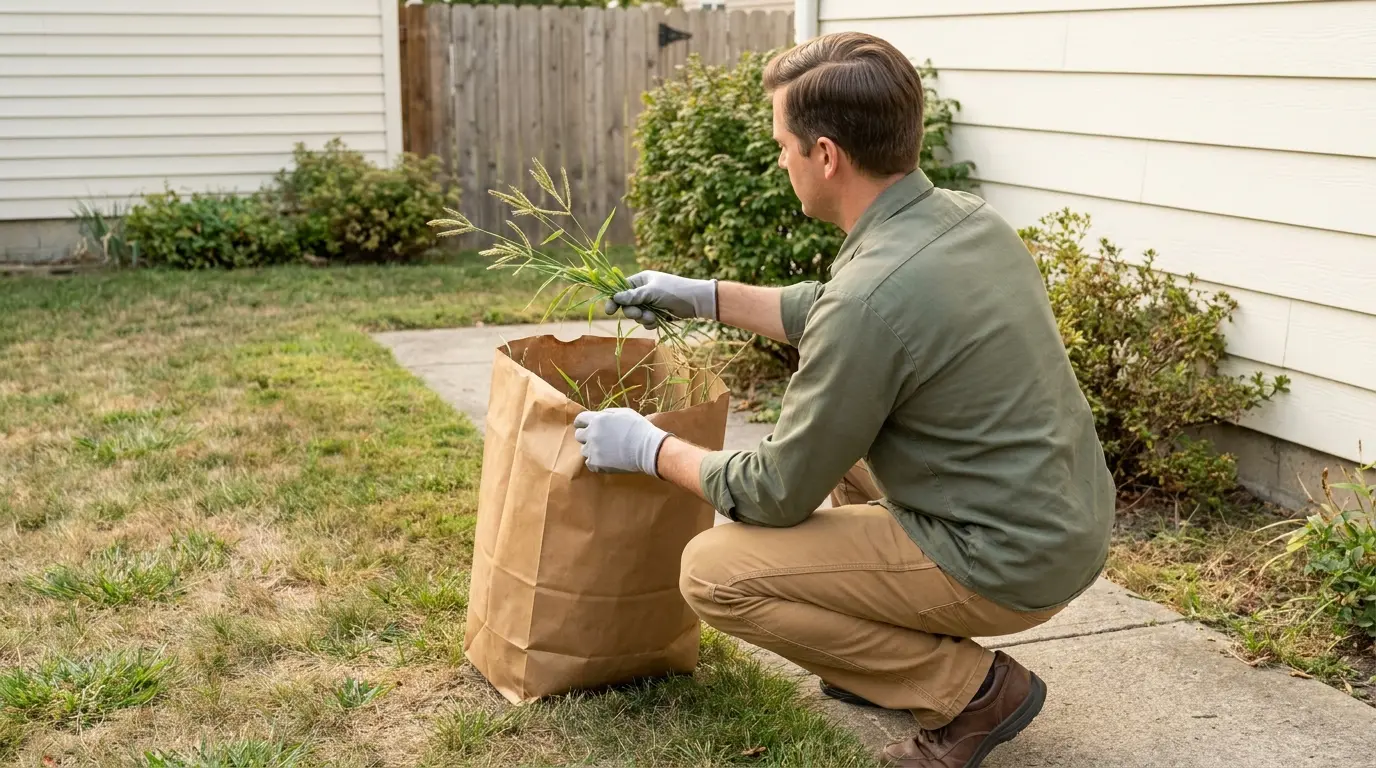
Mature crabgrass with many spreading stems is harder to control. Where a killing frost is close, mature plants may not be worth treating; in warmer regions, rely on local timing and label guidance instead.
Limit seed spread, skip whole-lawn treatment unless the label and lawn condition support it, and mark damaged spots. Pay attention to where infestations are heaviest so you can target those weak areas during lawn repair.
How Can You Prevent Crabgrass From Returning Next Spring
Pre-emergent is the main way to keep crabgrass from returning next spring, but timing comes first. Apply it before seedlings appear; it will not kill crabgrass that is already growing, so use it as prevention, not removal.
- Pre-emergent: Stops crabgrass seeds from developing into new plants.
- Post-emergent: Targets crabgrass that is already growing above the soil.
1. Time Pre-Emergent by Soil Temperature
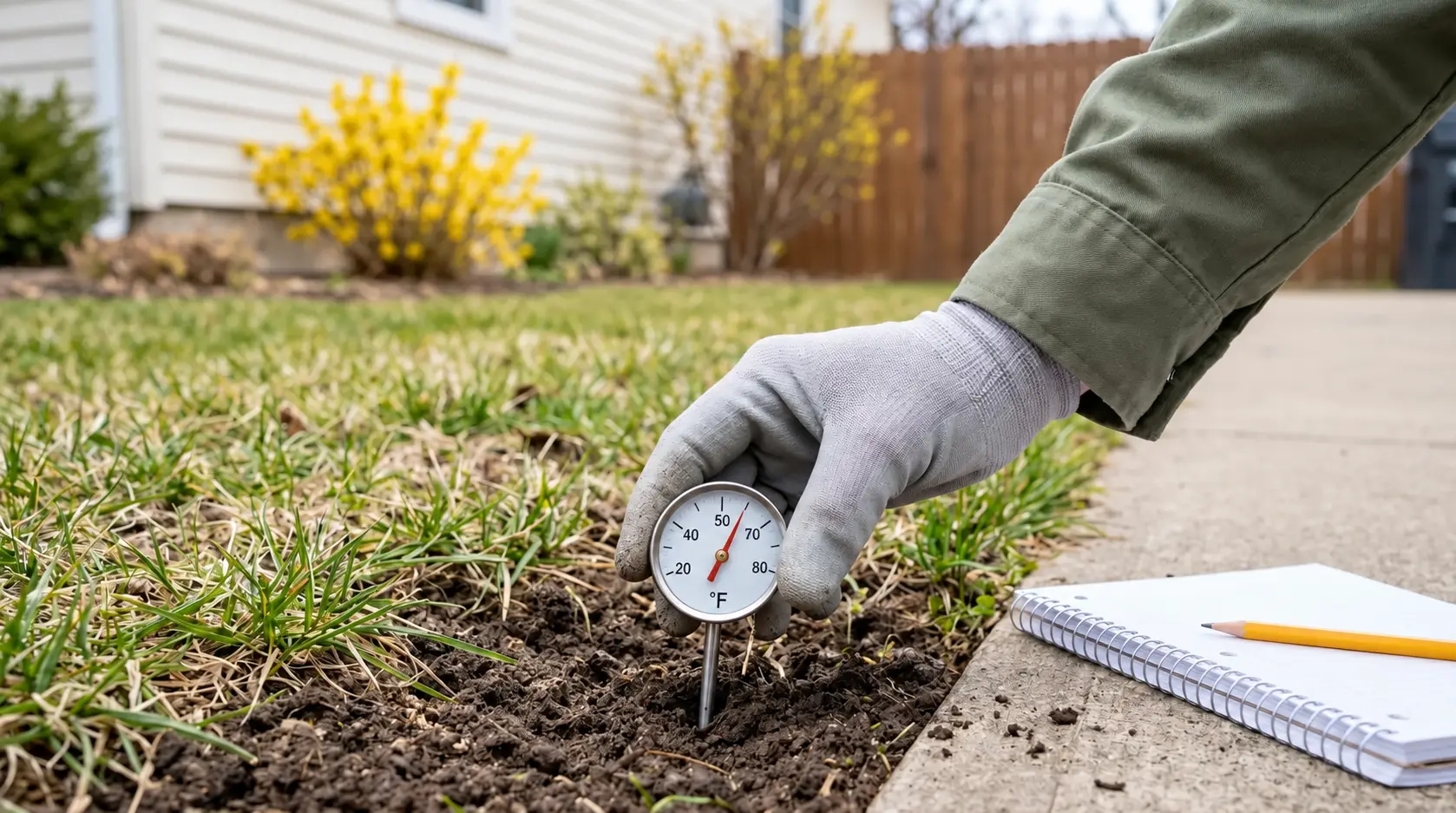
Crabgrass often begins germinating once soil temperatures hold near 55–60°F for several days, per Penn State Extension’s research on crabgrass timing. Check readings near the top 1–2 inches of soil with a thermometer or a local soil-temperature tracking service, since timing varies by region.
Forsythia bloom is a useful clue, but soil temperature is more reliable; applying too early or too late leaves gaps in protection.
If crabgrass appears after a pre-emergent application, pull small plants or use a compatible selective post-emergent rather than applying more pre-emergent to established growth.
2. Apply the Treatment Evenly and Activate It
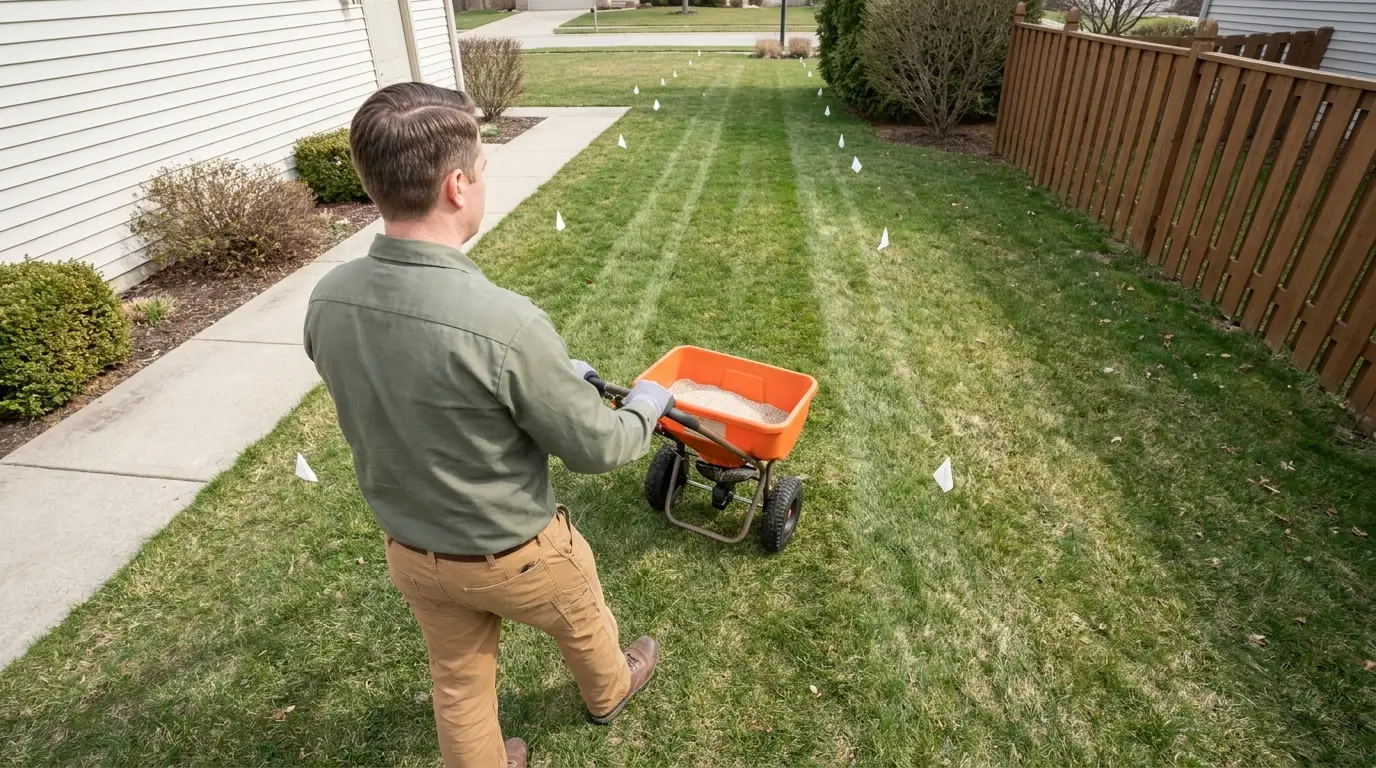
Measure the lawn first, then calibrate your spreader or sprayer so the labeled rate goes down evenly, avoiding skipped strips and heavy overlaps.
Water the product in when the label calls for it, and avoid disturbing the treated surface afterward. One application may not cover the full season, since some labels call for a split or second application, so follow all directions for rain, mowing, and repeat use.
3. Can You Seed Grass After Applying Crabgrass Preventer?

Most pre-emergents can also stop new grass seed from taking root, so plan both jobs before you apply anything. Check the label for seeding limits and waiting periods. Do not assume you can overseed right away.
Separate spring prevention from lawn seeding when needed, and choose a seeding time that fits your grass type and local growing season.
How Do You Restore Bare Lawn Areas After Crabgrass Removal?
Once you remove crabgrass, bare patches need attention before they become new weak spots. Repairing them promptly helps the lawn regain an even, full look for the seasons ahead.
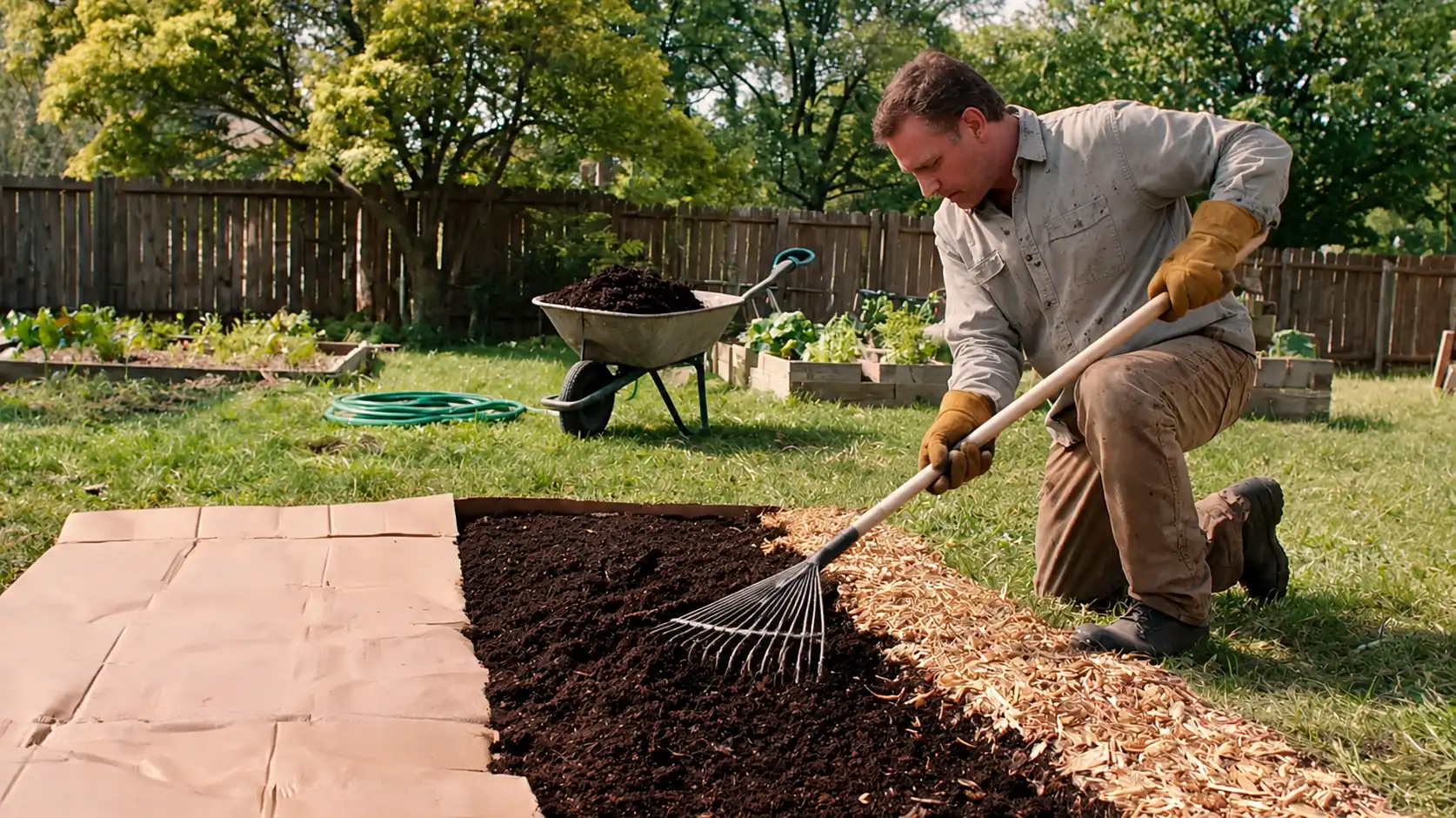
- Small openings: Clear dead material, loosen the top layer, and add a thin layer of clean compost or topsoil if needed. Sow seed suited to your lawn and climate, then keep the soil evenly moist after any herbicide waiting period has passed.
- Heavily damaged areas: Rake out dead growth and prepare a clean seedbed. Overseed or install sod, then follow the watering schedule for new grass.
Cool-season lawns are common in northern states and are usually repaired in late summer or early fall, once the weather cools. Warm-season grasses are common in southern states and recover fastest during the late spring and summer months, so match the repair window to your grass type and region.
How Can You Build a Lawn That Crowds Out Crabgrass?
A thick lawn helps keep crabgrass in check by shading the soil and reducing the open space seedlings need. Good mowing, watering, and soil care also help turf recover faster when heat, traffic, or drought thin it, supporting these broader ways to prevent weeds from taking over a yard in the first place.
1. Mow at the Right Height for Your Grass
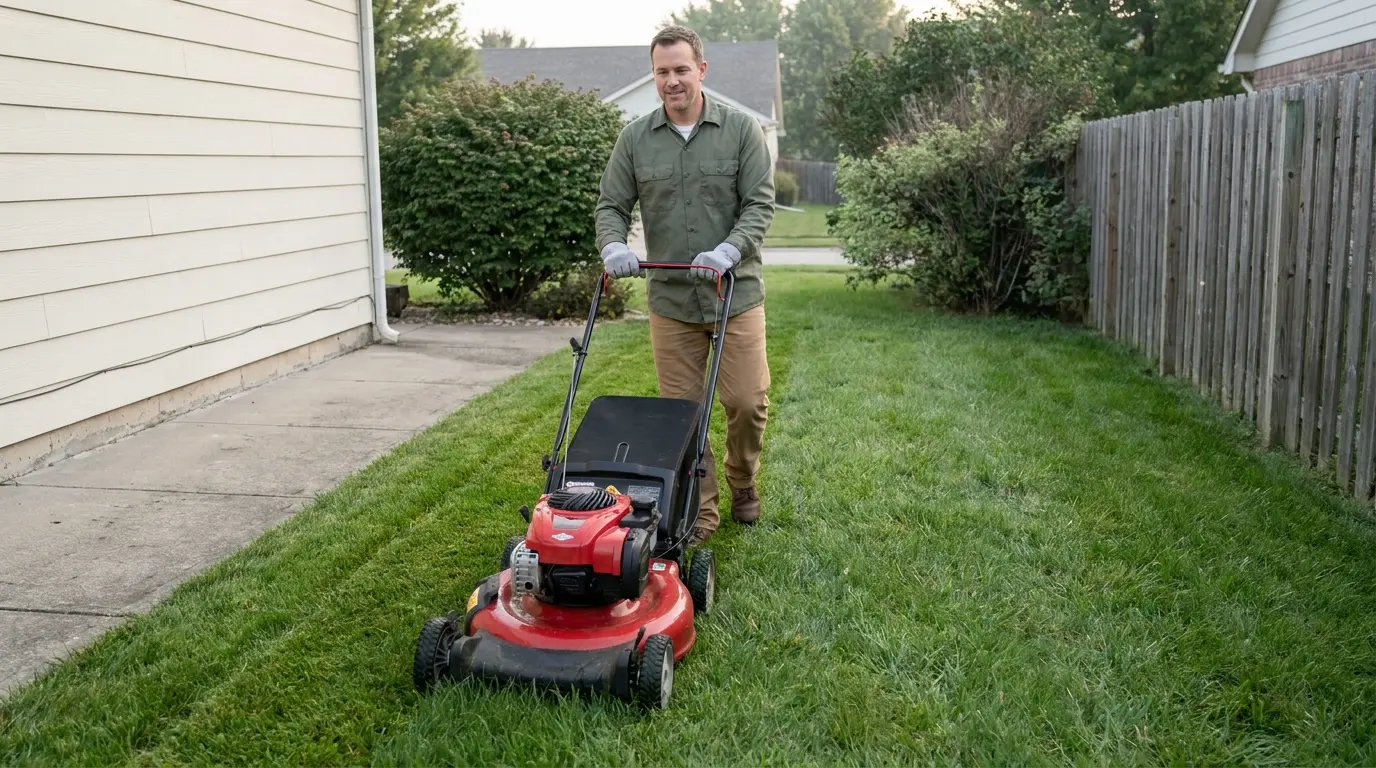
Set the mower for your grass type and avoid cutting too low. Many cool-season lawns grow better with a taller cut because the extra leaf cover shades the soil.
Keep mower blades sharp, remove no more than one-third of the blade at once, and adjust mowing frequency as the season changes. Slow the schedule when growth drops.
2. Water Deeply, Not Lightly Every Day
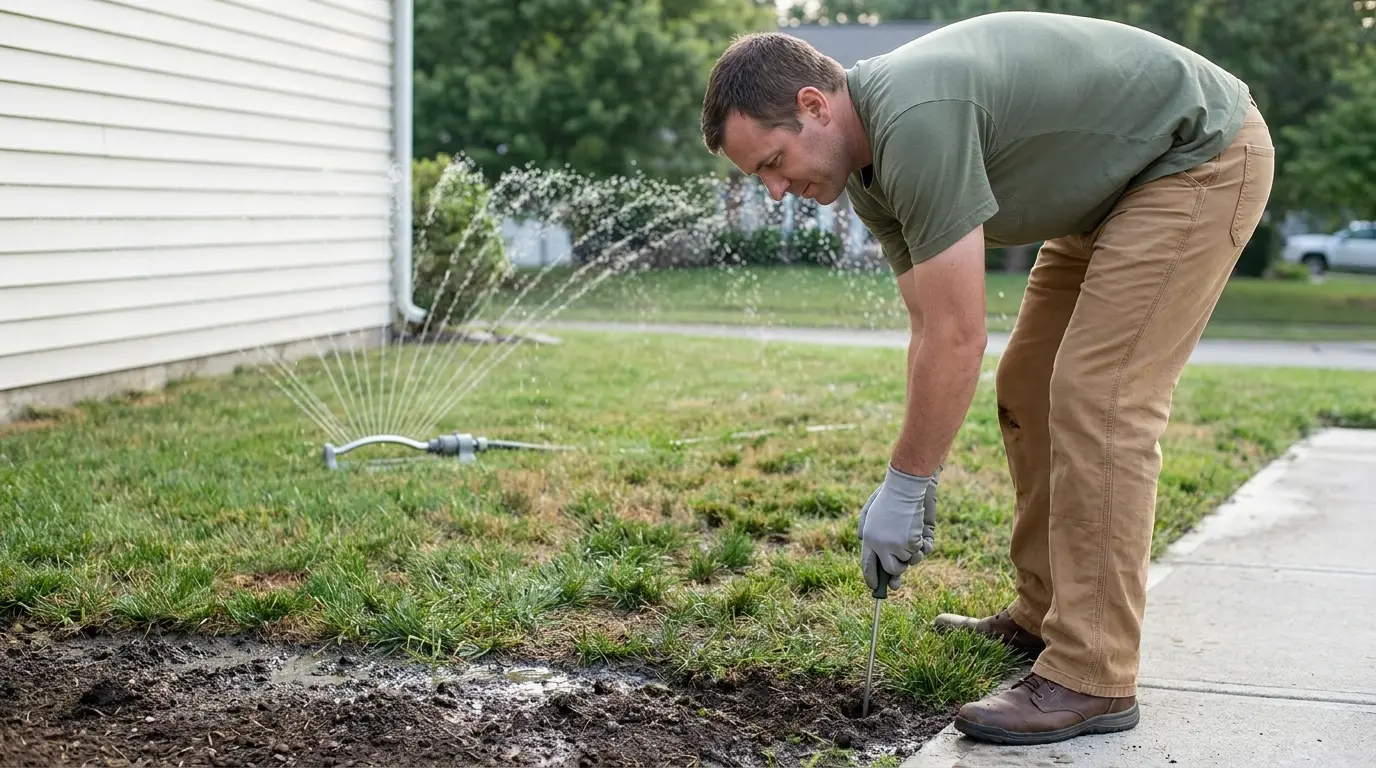
Established lawns usually need deep, less frequent watering. Water early in the day, soak the active root zone, and let the surface dry before watering again. Adjust the schedule for rainfall, heat, soil type, and grass type.
Light daily watering can create weak roots. Newly seeded areas are different and need lighter, more frequent watering until the grass takes hold.
3. Fix the Conditions That Keep the Lawn Thin
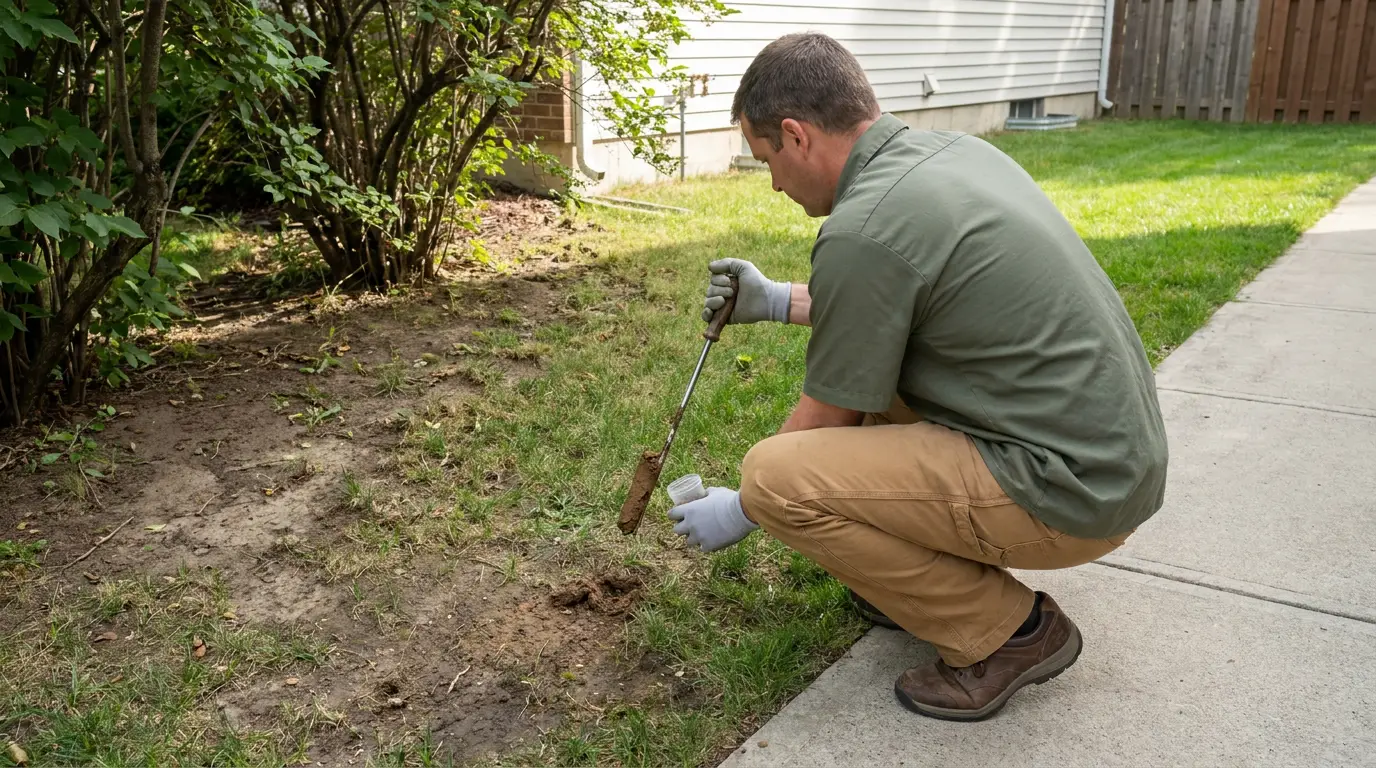
Thin turf often points to a deeper problem. Check for compacted soil, poor drainage, heavy foot traffic, too much shade, poor soil pH, improper fertilizer use, or grass that doesn’t suit the site.
Aerate compacted soil when appropriate to improve airflow, water movement, and root growth. Test the soil before adding nutrients so you can correct the real cause instead of guessing and making weak lawn areas even worse over time.
If spots stay thin, correct the cause before reseeding. Poor drainage, packed soil, or shade can stop new grass from lasting.
When Should You Get Professional Help With Crabgrass?
Consider professional lawn care when crabgrass becomes difficult to identify, control, or keep from returning. Local help can also make sense when lawn conditions or previous treatments make the next step unclear.
- Widespread infestation: Crabgrass covering large areas may require a more coordinated treatment and recovery plan than individual spot treatments can provide.
- Repeated outbreaks: If crabgrass keeps returning despite properly timed prevention, a professional can help identify gaps in timing, application, or lawn conditions.
- Uncertain identification: Similar grassy weeds can require different control methods, so confirming the weed and turfgrass type helps avoid unnecessary lawn damage.
- Sensitive areas nearby: Professional guidance may help when crabgrass grows near garden beds, ornamentals, drainage areas, or other places where avoiding off-target herbicide exposure is especially important.
Small, isolated patches are usually manageable with DIY methods. When infestations become widespread, persistent, or hard to diagnose, professional guidance can help you choose a safer, more practical long-term approach.
Frequently Asked Questions
What kills crabgrass but not grass?
Selective post-emergent herbicides labeled for your turf type can control crabgrass without harming compatible lawn grasses. Always check the label first because turf safety varies by active ingredient, grass species, rate, and application timing.
Does crabgrass come back every year?
Yes, as an annual, each plant dies off on its own, but seeds left in the soil can germinate again later. Preventing new seedlings, not just removing current plants, is what stops the cycle from repeating.
Does vinegar kill crabgrass?
Household vinegar can burn crabgrass leaves, but it may not kill the entire plant and can damage nearby turf. Pulling small patches or using a lawn-safe labeled herbicide is usually a more reliable option.
Can mowing spread crabgrass seeds?
Yes. Mowing after seedheads form can move loose seeds around the lawn through clippings or the mower deck. Bag seeded clippings when practical and clean the mower afterward to reduce seed spread.
Will crabgrass die on its own after frost?
A killing frost usually kills existing crabgrass in colder regions, but seeds can survive in the soil. In warmer areas, frost may be late or unreliable, so follow local timing and product-label guidance.
When is it too late to apply crabgrass preventer?
Pre-emergent is too late once crabgrass is already above ground, though some ingredients can suppress very young emerged plants depending on the label. For visible crabgrass, pull small patches or apply a compatible post-emergent instead.
Final Takeaway
Crabgrass can look like a much bigger problem when you first notice it than it really is. Once you know what you are looking at, the work becomes a lot easier to break into manageable pieces.
Deal with the plants that are there now, clean up the areas they leave behind, and give the lawn the care it needs going forward.
Take a slow walk around your yard this week and start with the spots that need the most attention.