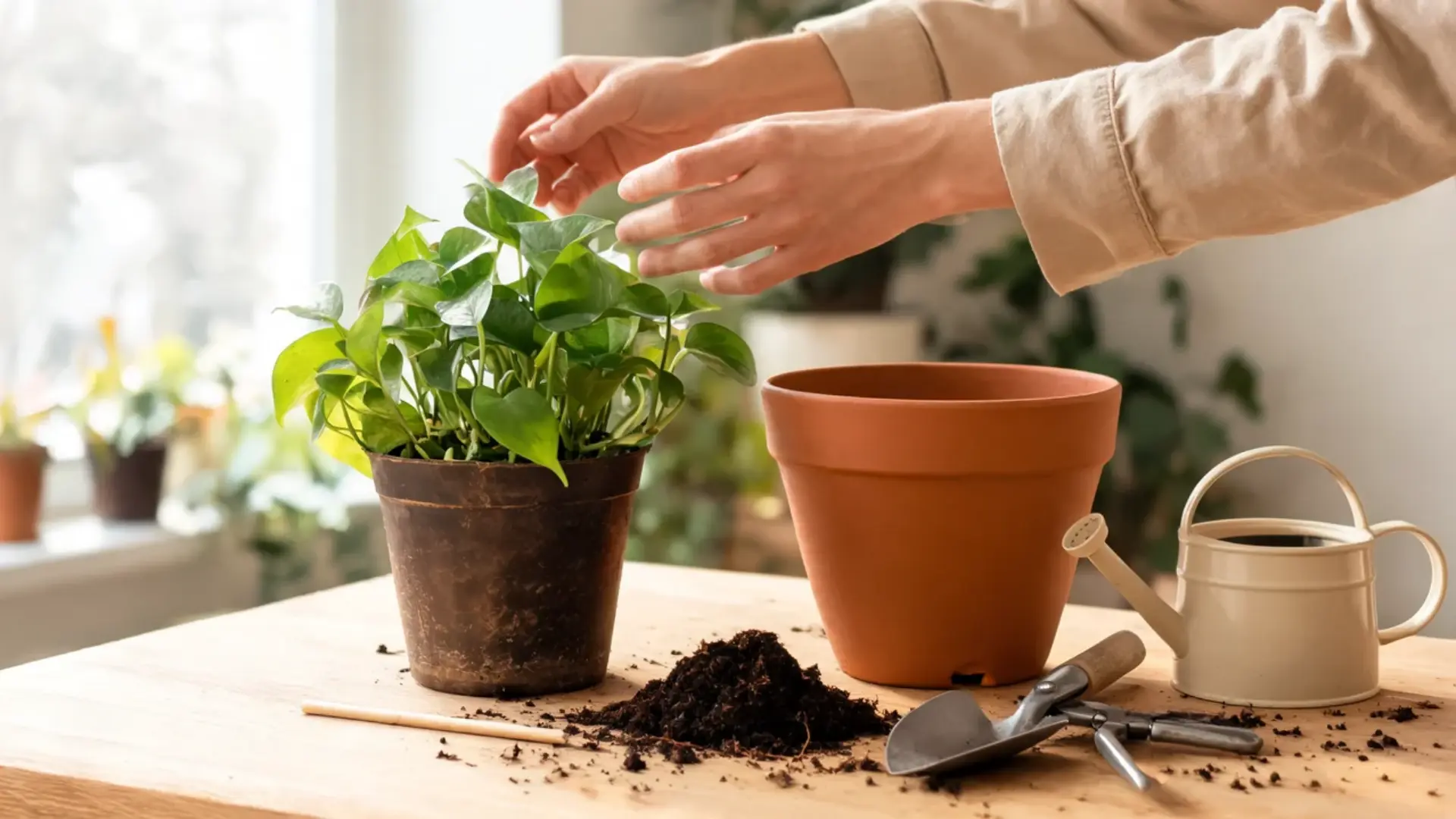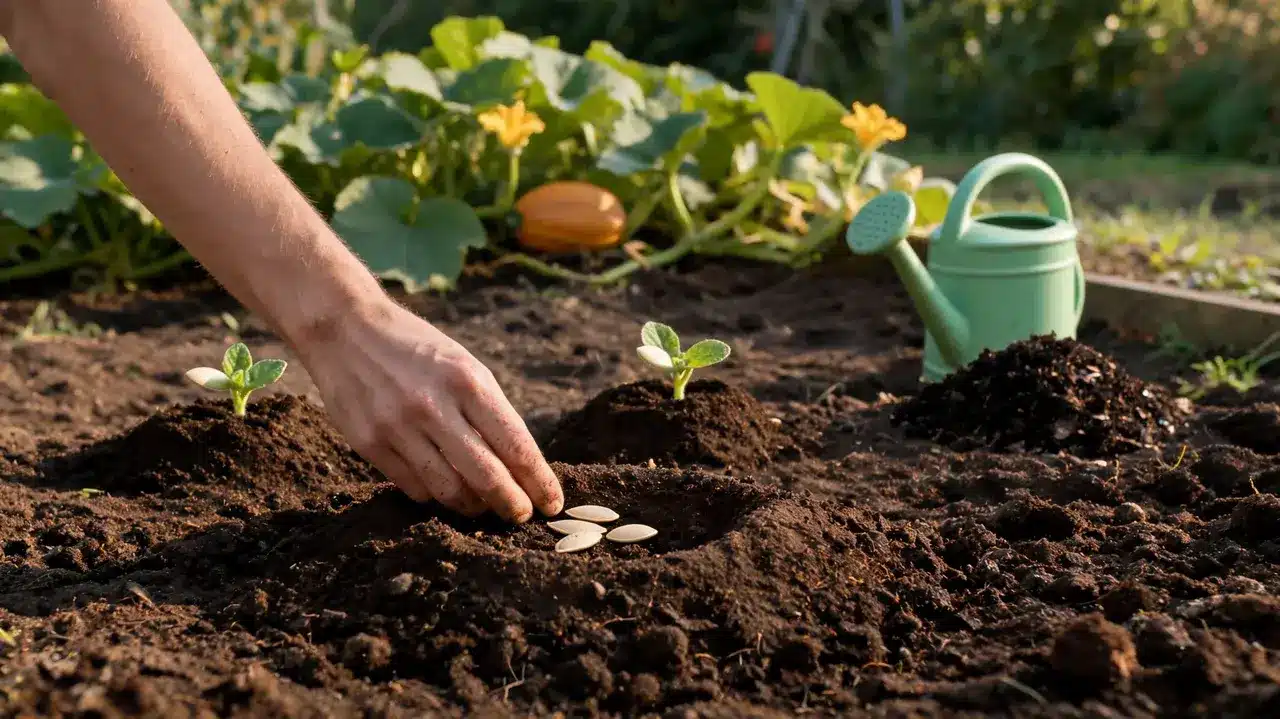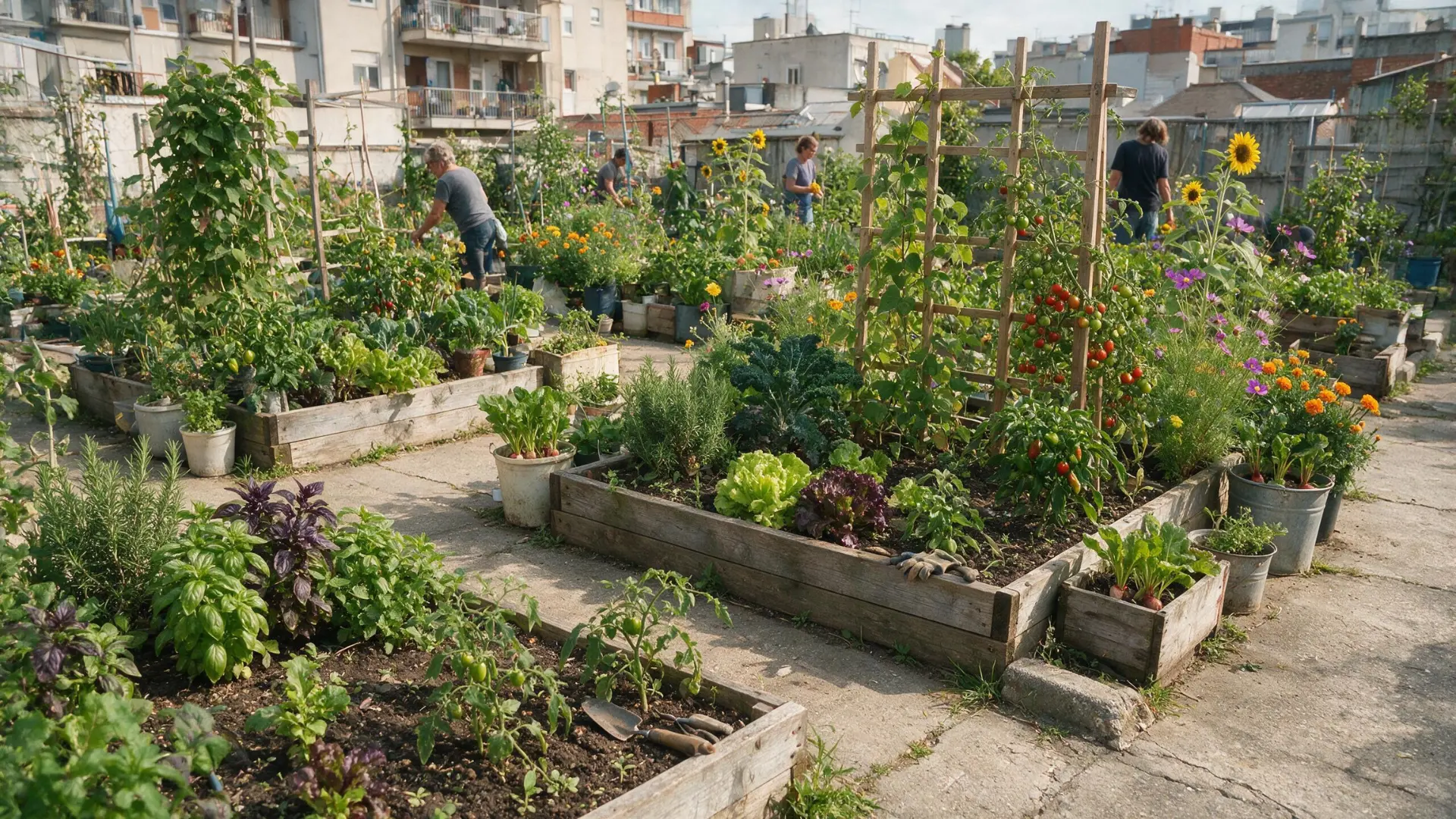
A city block does not look like a place built for growing anything. Still, a strip of balcony rail, a stretch of rooftop, or a corner of a shared lot can become surprisingly productive once someone puts in the work.
If you have ever eyed a sunny windowsill or an unused patch behind your building and wondered what it could hold, this is worth a closer look.
Maybe a few pots of herbs would do the job, or maybe you are thinking bigger, like a shared plot down the street. Either way, urban gardening covers a wider range of setups than most people expect, and it helps to know the basics before you start digging.
What Is Urban Gardening?
Urban gardening means growing plants, vegetables, herbs, or flowers in cities using small spaces such as balconies, rooftops, yards, windowsills, and community plots.
It overlaps closely with urban agriculture, the broader city-based system that also includes community plots, urban farms, rooftop growing, indoor production, and related food activities.
A single project can fit more than one category; for example, a shared vegetable plot counts as both urban gardening and urban agriculture.
You do not need a yard to start an urban garden. Containers, window boxes, vertical systems, indoor shelves, approved rooftops, and community plots can all provide growing space.
Why People Garden in Cities
Urban gardening helps people grow food in limited city spaces while improving access to fresh produce, creating small green areas, supporting pollinators, and building basic gardening skills.
According to University of Florida IFAS Extension research, these efforts also tend to strengthen social and community ties among participants, giving neighbors a shared project and a reason to spend time outdoors together.
For many households, it’s a practical way to put an otherwise unused corner of a building or lot to good use.
Urban Gardening in the US: Urban gardening is common in American cities, where residents turn balconies, small yards, and shared plots into growing space. Many cities support these efforts through local parks departments, nonprofits, and neighborhood garden programs.
Where Urban Gardens Take Place
You can create urban gardens on balconies, rooftops, patios, windowsills, small yards, school grounds, vacant lots, and shared community spaces.
The right spot depends mostly on how much direct sunlight it gets and if the surface can safely hold containers or raised beds.
A sunny windowsill might only support a few pots of herbs, while a flat, accessible rooftop or an unused lot down the street can handle a much larger setup.
Checking sunlight patterns and property rules first helps narrow down the best location for a given household.
Urban Gardening Vs Urban Farming
Urban gardening and urban farming can both involve producing plants in cities, but they usually differ in scale, purpose, and location.
|
Factor |
Urban Gardening |
Urban Farming |
|---|---|---|
|
Scale |
Usually small and household- or community-based |
Generally larger and more organized |
|
Main purpose |
Personal use, education, recreation, or sharing |
Food production, sales, or community distribution |
|
Common locations |
Balconies, yards, rooftops, schools, and community plots |
Larger rooftops, vacant lots, greenhouses, and indoor facilities |
These categories can overlap because no universal boundary separates them. Both fall under urban agriculture, which also includes food processing, distribution, and related city-based activities.
Benefits Of Urban Gardening
Urban gardening can influence city life beyond the food it produces. Its benefits include environmental improvements, stronger community participation, better access to fresh produce, and selected economic gains.
1. Environmental Benefits
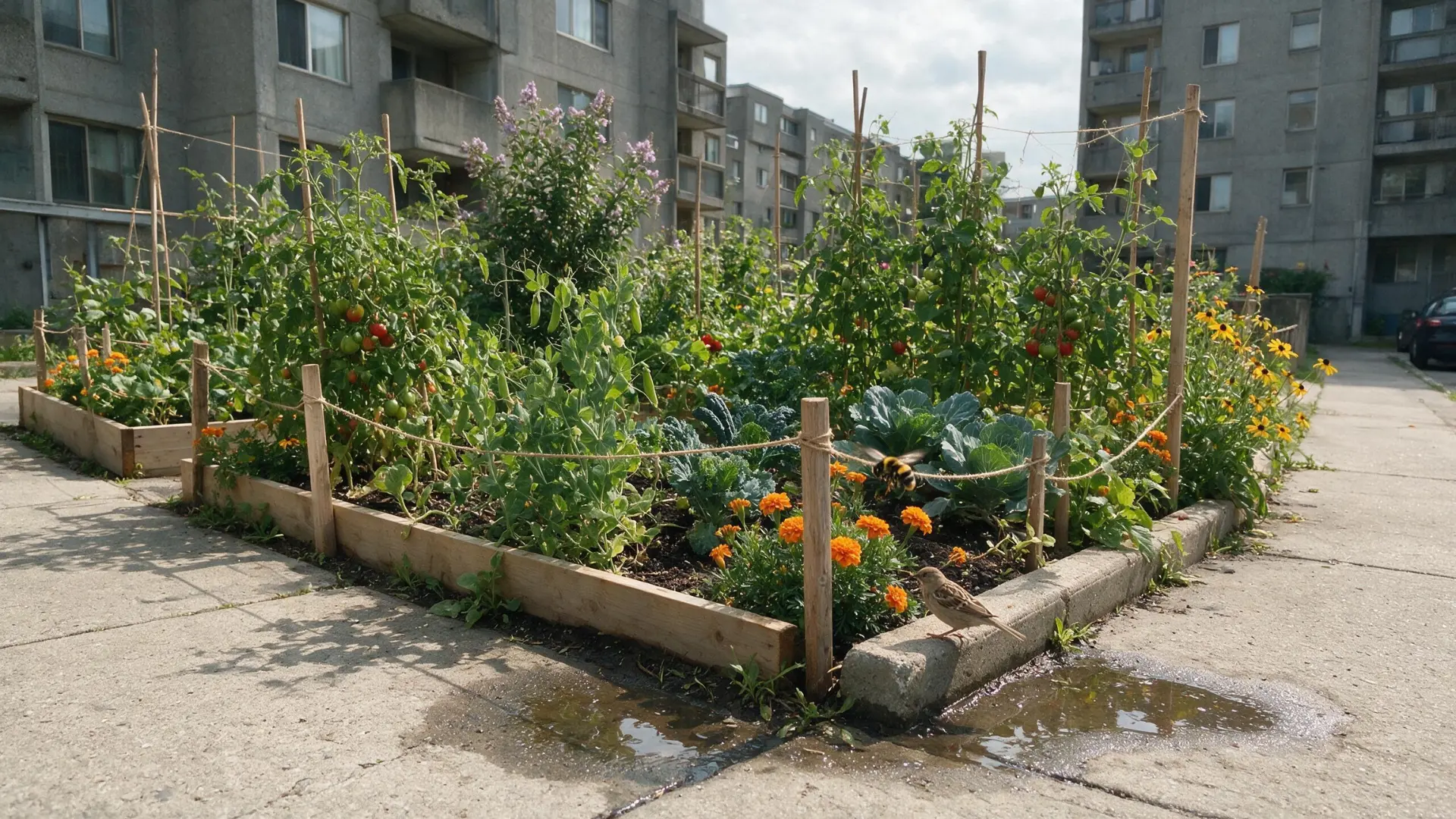
Vegetation can cool built-up areas through shade and the moisture it releases into the air. Soil and planted surfaces also slow some rainwater runoff before it reaches hard surfaces or drains.
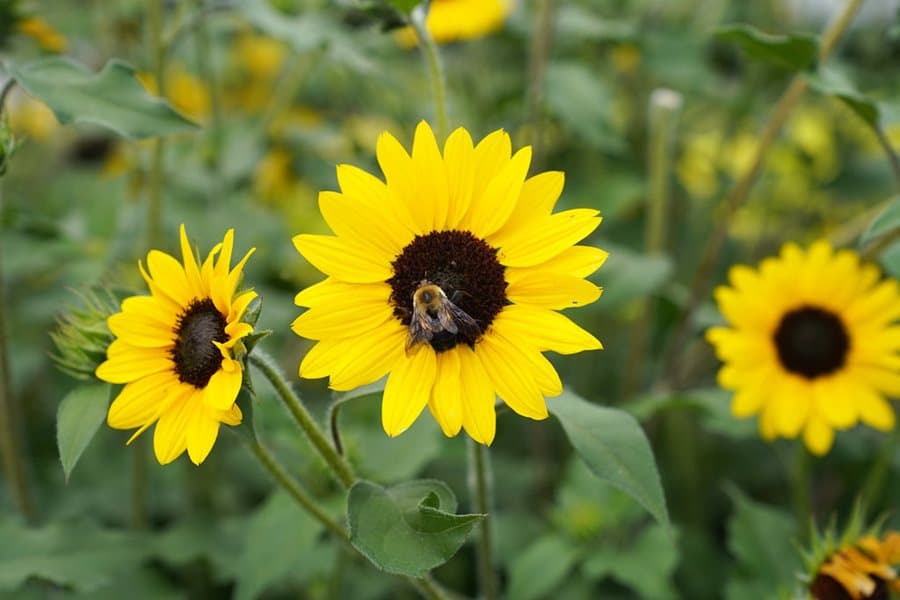
A mix of crops, flowers, and native plants gives pollinators, birds, and other urban wildlife small pockets of food and shelter where natural vegetation is otherwise scarce.
2. Community Benefits
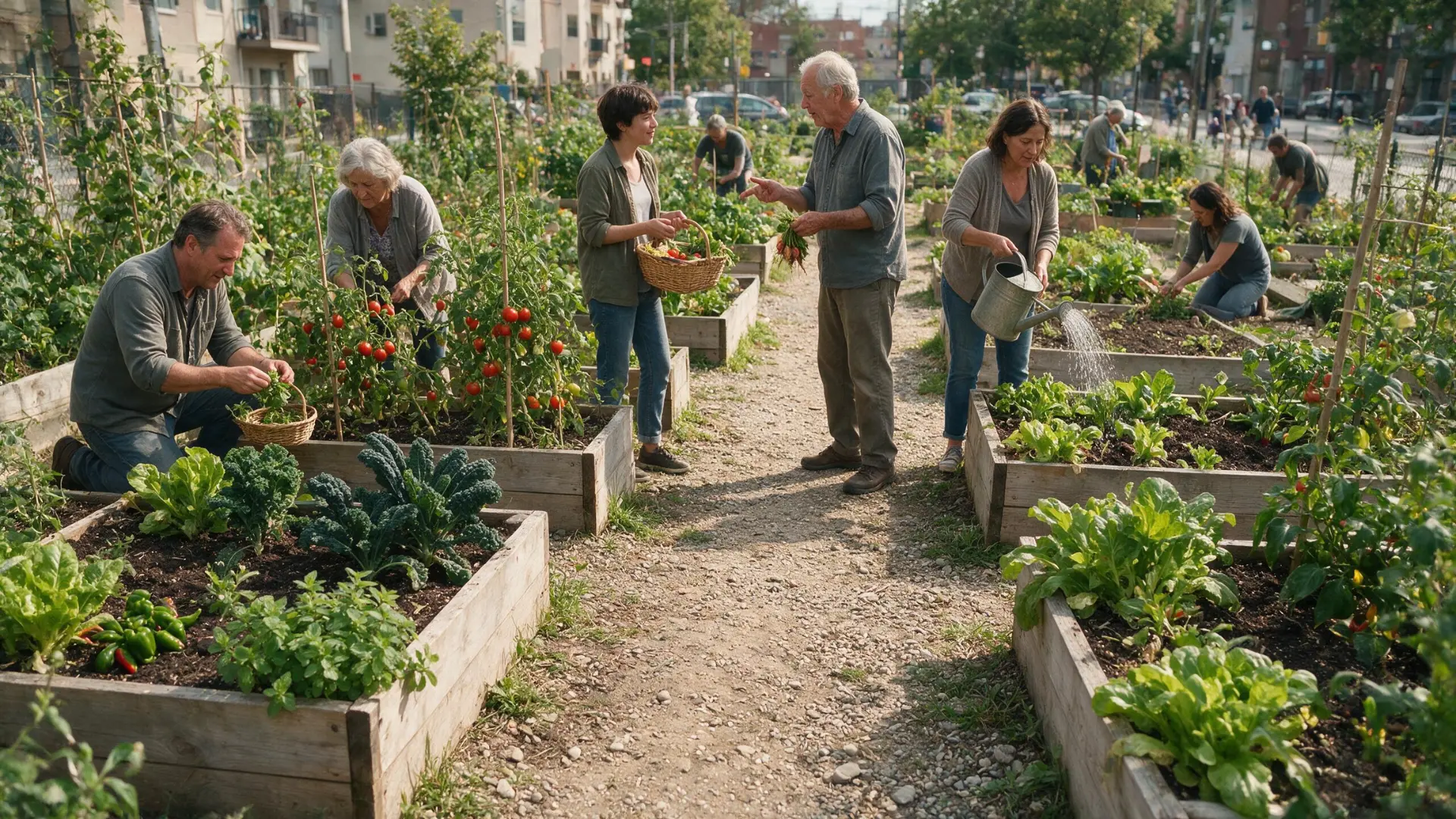
Urban gardens add fruits, vegetables, and herbs to local food options, which matters most where nearby access is limited. Shared growing spaces also give residents more regular contact with nature and with each other.
Community plots create a place to meet, trade planting knowledge, and take part in a shared activity, though their value depends on thoughtful placement and real access for nearby residents.
3. Economic Benefits

A productive garden can trim some household spending on herbs, leafy greens, and seasonal produce, though savings depend on yield, supply costs, and how much a household actually uses.
Larger community projects and urban farms can also support farmers’ markets, training programs, and small food businesses, creating paid work without replacing a normal grocery run.
How Urban Gardening Supports Sustainable Cities
Sustainable urban growing depends on thoughtful resource use, responsible site management, and realistic expectations about what each garden actually contributes to city life. A couple of core ideas explain most of its value.
- Existing land use: Rooftops, vacant plots, and other overlooked sites can support growing without new farmland.
- Resource care: Protecting soil health and managing water carefully keeps production sustainable over time.
Forms Of Urban Gardening
Urban gardening can use containers, rooftops, vertical supports, community plots, more advanced growing systems, or indoor setups. A single project may combine several forms depending on its location, purpose, equipment, and resources.
1. Container Gardening
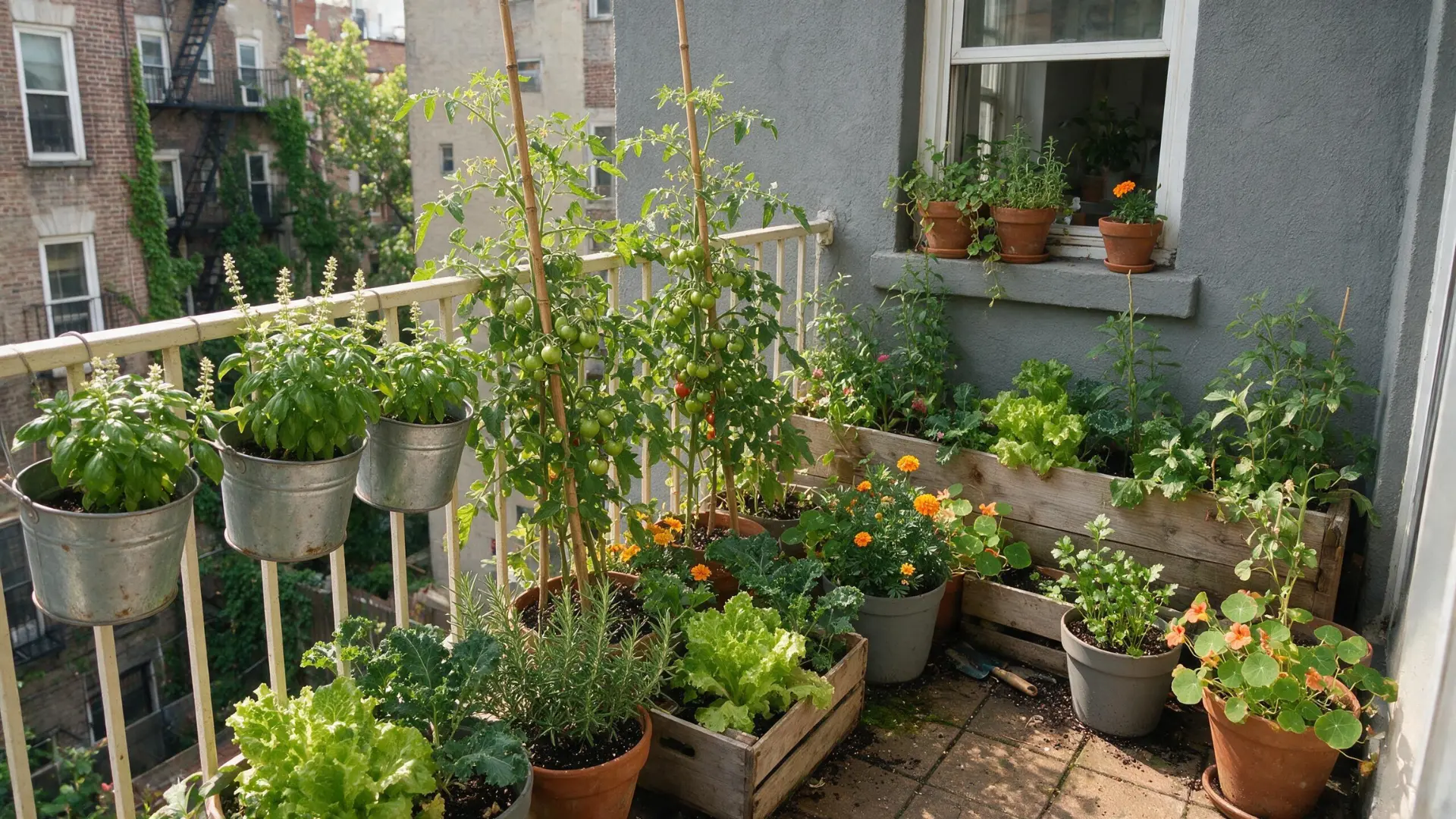
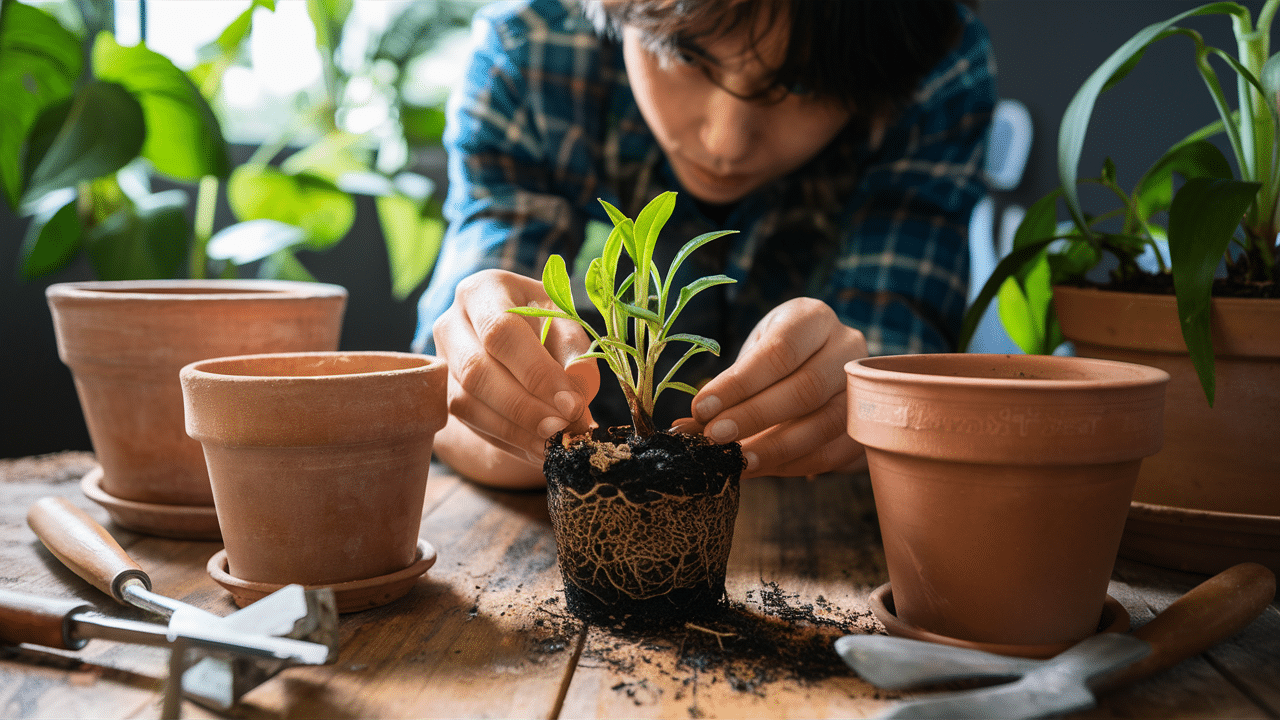
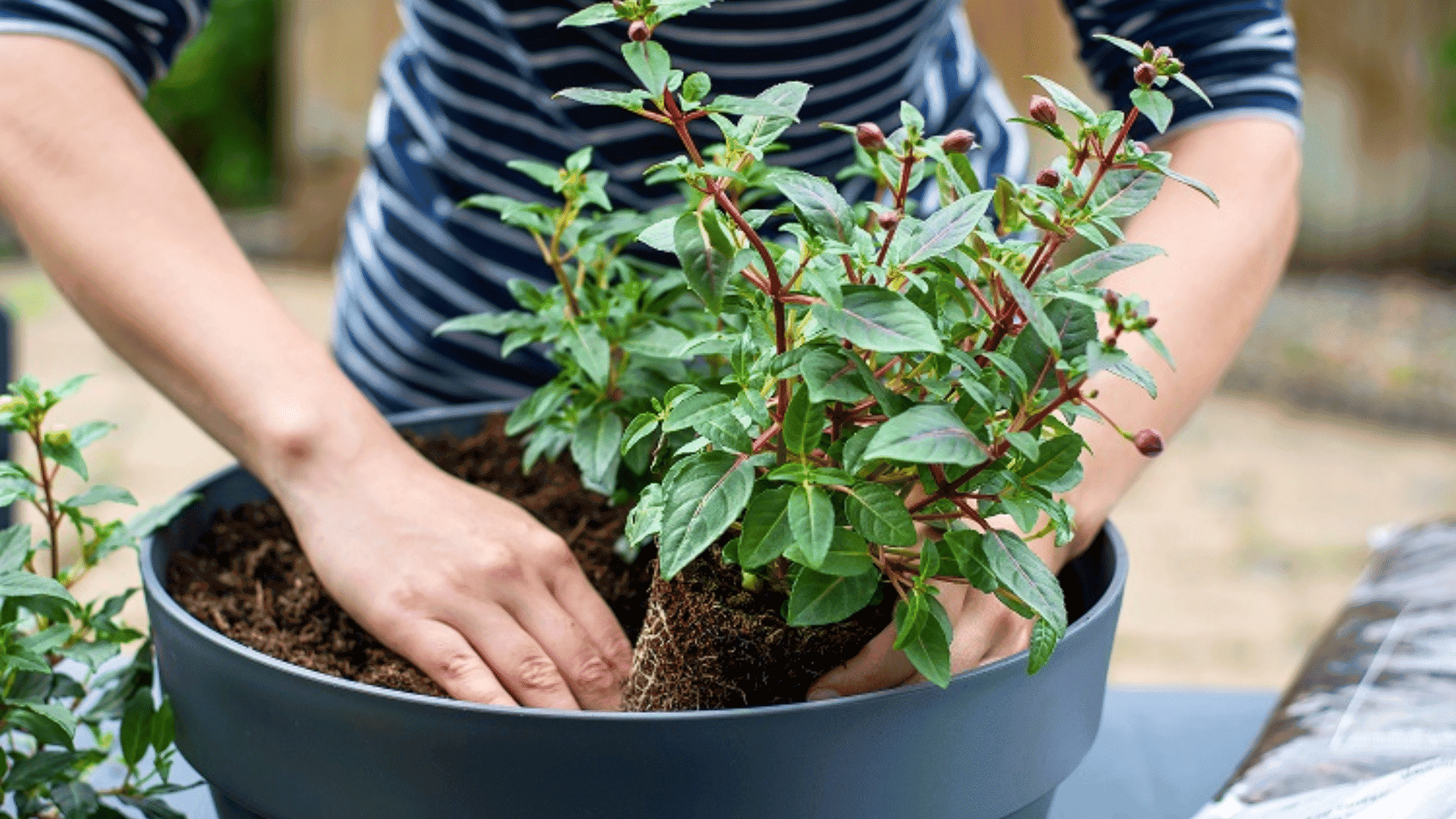
Container gardening uses pots, boxes, tubs, window planters, or raised containers instead of open ground, and it works well when soil beds aren’t available.
Place containers on balconies, patios, windowsills, or compact yards, and match each container’s depth, drainage, and position to the plant inside it. It pairs naturally with the ideas covered in this piece on edible landscaping.
2. Rooftop Gardening
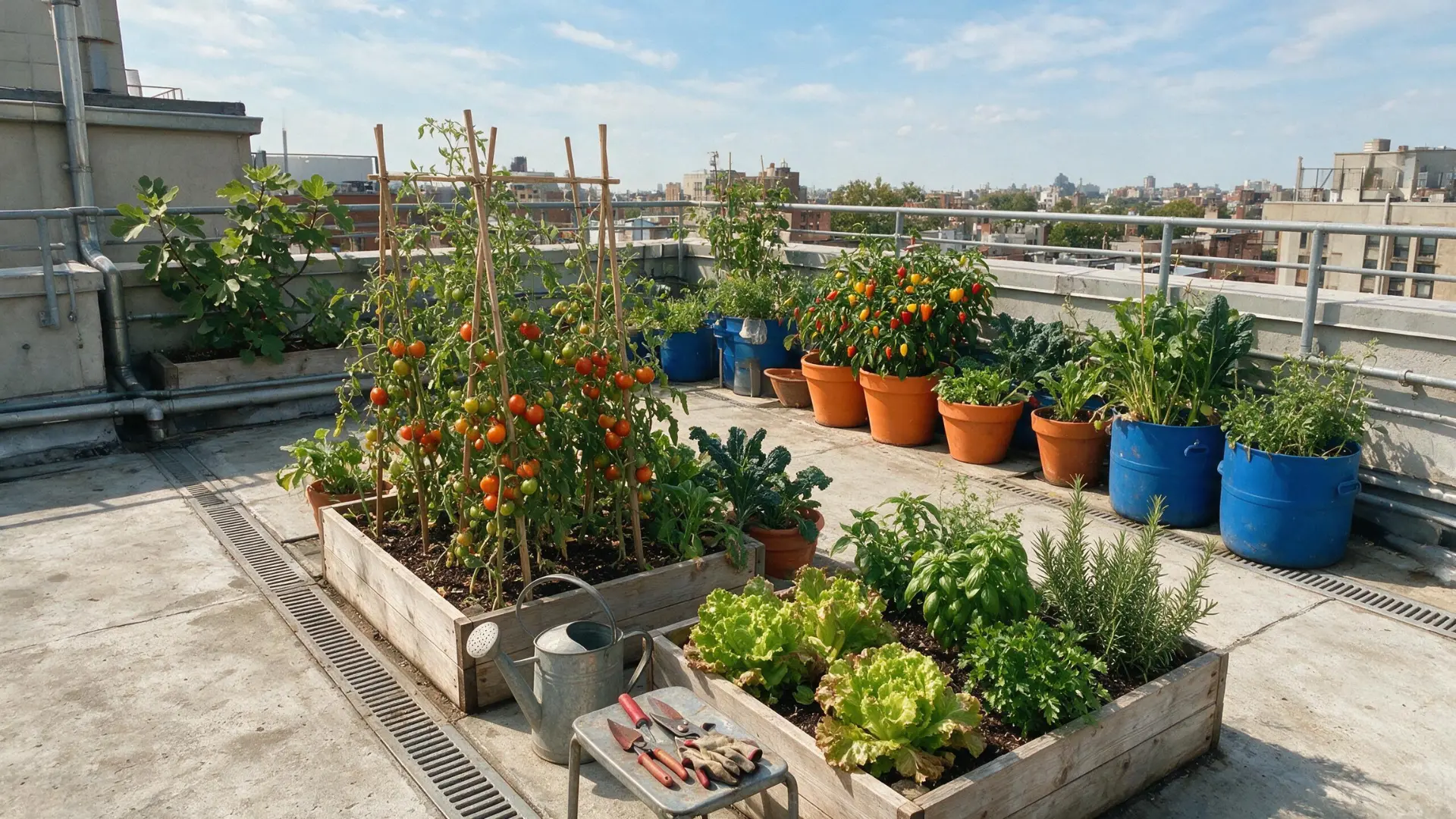
Rooftop gardening turns a suitable building roof into a planting area, using pots, raised beds, or systems designed for growing above street level, depending on the site.
A roof must suit the planned setup, including its load capacity and layout. Access, drainage, and how planting areas are positioned also shape how well the space performs.
3. Vertical Gardening
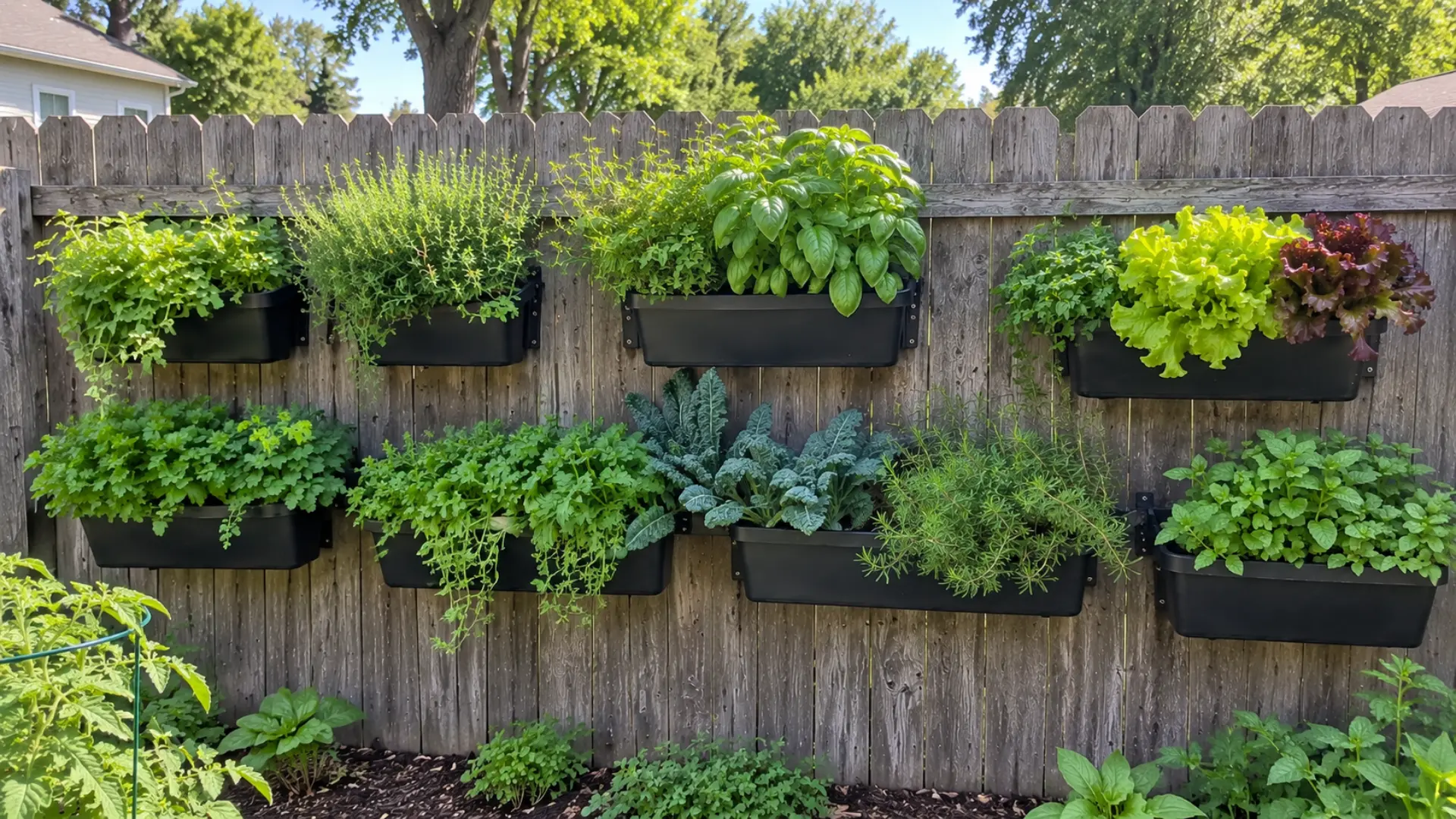
Vertical gardening trains plants upward using trellises, frames, shelves, walls, or other upright supports, which works well for climbing and trailing plants.
Smaller plants can sit in stacked or wall-mounted containers. Each structure should support the plants’ mature weight and allow room for watering, pruning, and harvesting.
4. Community Gardening
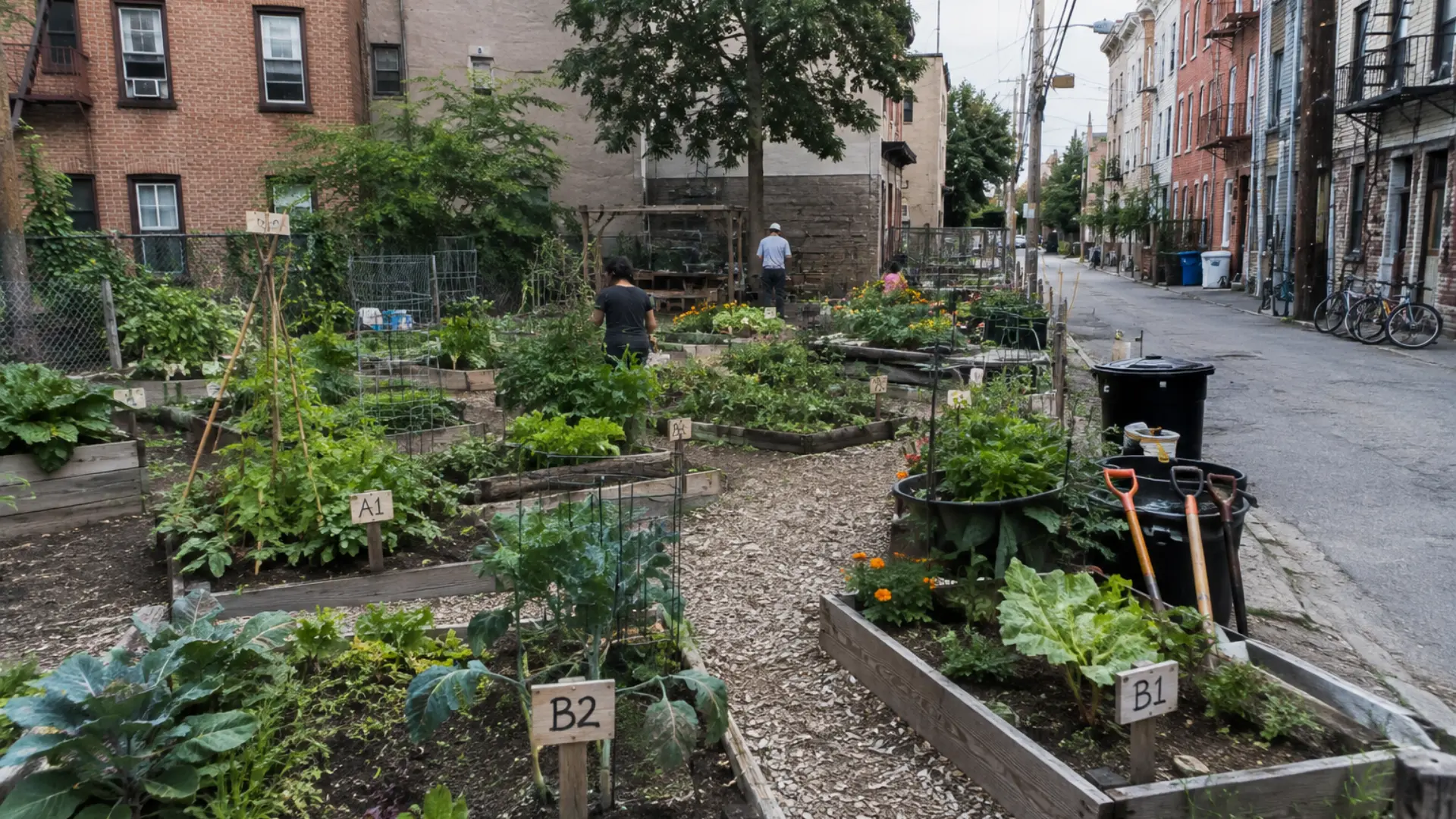
Community gardening takes place on land shared by several people rather than one household, often as separate plots, shared beds, or a mix of both.
These gardens can operate on neighborhood lots, school grounds, or other shared property, with participants tending individual sections or following common planting and maintenance arrangements.
5. Advanced Urban Growing Systems

Yes, an urban garden can grow without soil. Hydroponics grows plants without soil, feeding roots through nutrient-rich water in containers or channels, often indoors, in greenhouses, or on prepared rooftops.
Aquaponics combines fish culture with hydroponics. Beneficial nitrifying bacteria convert ammonia from fish waste into forms of nitrogen that plants can use.
Note: Do not assume a flat roof can support a garden. Large containers, wet soil, raised beds, and water-storage systems can add substantial weight, so confirm allowable loads and building rules before installing them.
6. Indoor Gardening
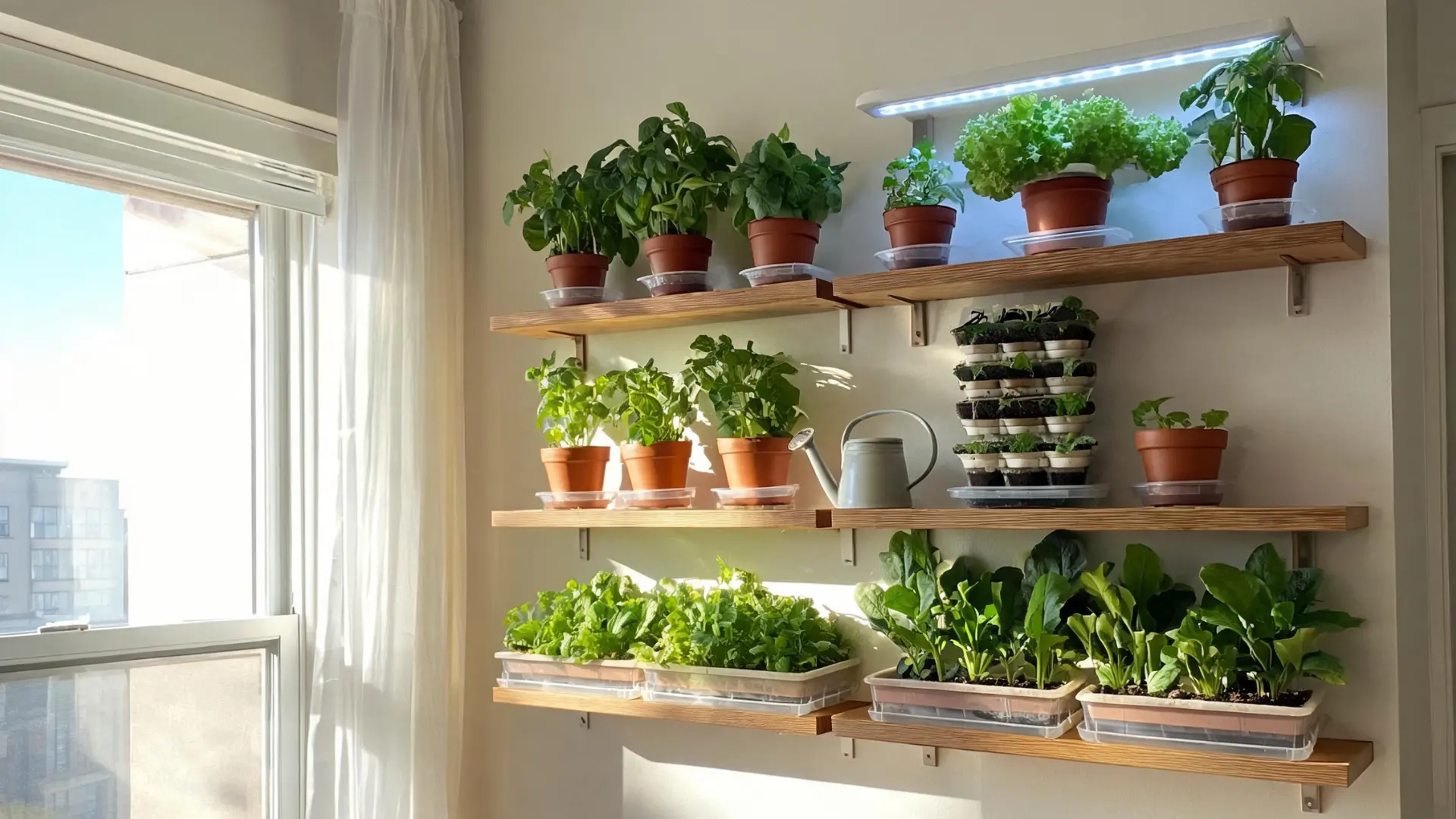
Indoor gardening grows plants inside homes, greenhouses, or other enclosed spaces, often using soil-filled containers, hydroponic setups, or shelving.
Window light suits certain herbs and leafy greens, while darker rooms typically need grow lights, and reliable drainage still matters indoors.
Raised-Bed Gardening: Raised beds are framed growing areas filled with soil above the surrounding ground. They can improve drainage and give gardeners more control over the growing medium, especially where native soil is compacted or unsuitable. On sites with possible contamination, use verified clean soil and follow local soil-safety guidance.
What Can You Grow In An Urban Garden?
The best plants depend on sunlight, container depth, climate, and available growing time. Compact, productive plants generally suit balconies, patios, rooftops, raised beds, and other urban settings.
- Herbs: basil, mint, and cilantro.
- Leafy greens: lettuce and spinach.
- Vegetables: tomatoes and peppers.
- Compact crops: microgreens and strawberries.
|
Plant group |
Suitable choices |
Basic consideration |
|---|---|---|
|
Herbs |
Basil, mint, and cilantro |
Mint spreads quickly and is easier to control in its own container |
|
Leafy vegetables |
Lettuce and spinach |
These crops can tolerate less sun than many fruiting vegetables |
|
Fruiting vegetables |
Tomatoes and peppers |
Most require strong sunlight and containers large enough for their roots |
|
Root vegetables |
Carrots |
Use loose soil and a container deep enough for the selected variety |
|
Compact crops |
Microgreens and strawberries |
Microgreens suit shallow trays, while strawberries need reliable drainage |
How To Start An Urban Garden
Start by studying the growing location before purchasing plants, soil, containers, or equipment. Sunlight, drainage, water access, local weather, and property rules will shape what the garden can support.
- Measure sunlight: Observe the location throughout the day and record how long it gets direct sunlight. Full sun generally means at least six hours of direct sunlight per day.
- Choose a method: Select containers, raised beds, vertical supports, or another suitable setup.
- Select suitable plants: Match plants to the available sunlight, season, local climate, and container depth. USDA hardiness zones mainly help you judge whether perennial plants can survive winter; for annual vegetables and herbs, local frost dates and Extension planting calendars are more useful.
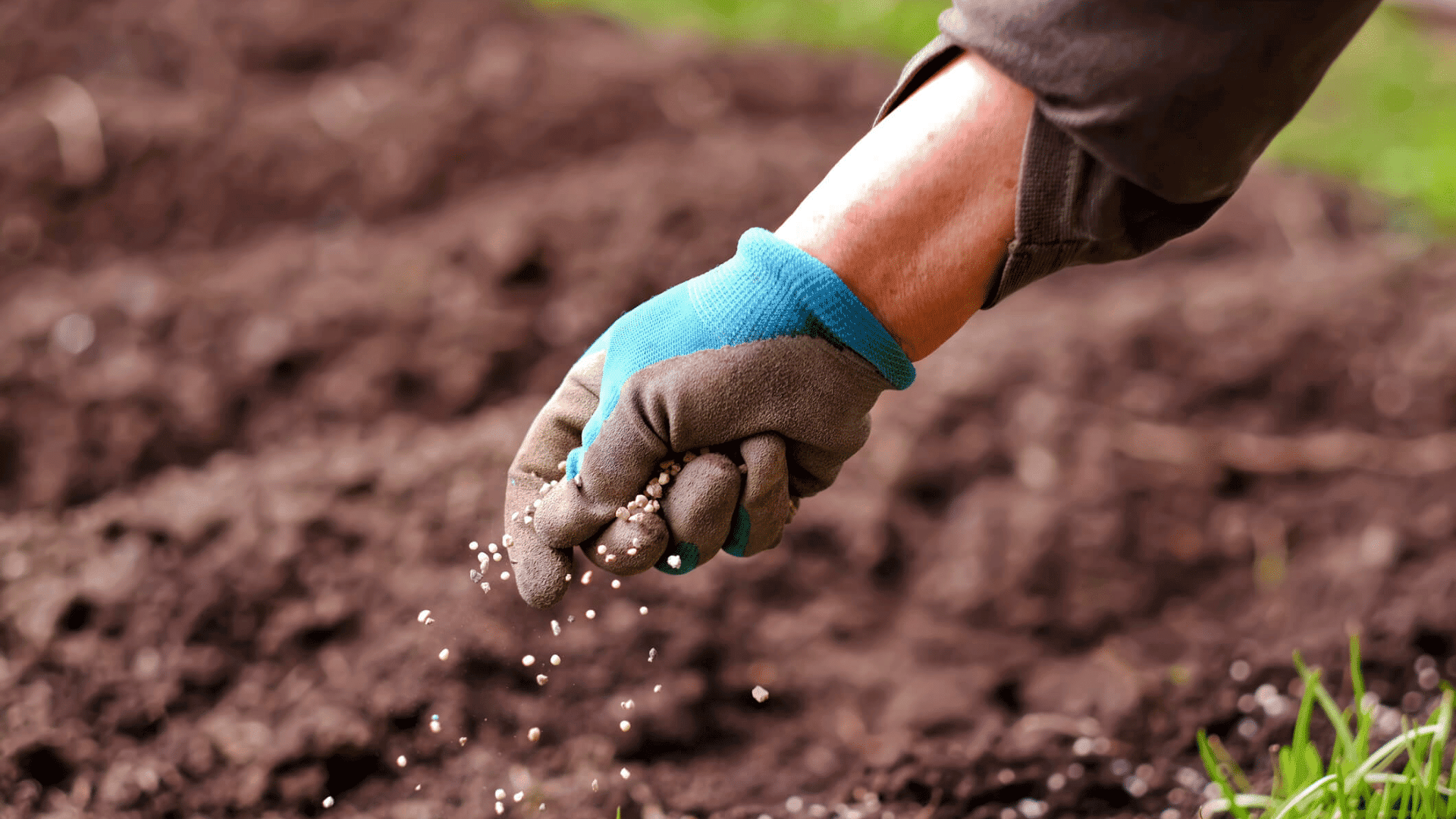
- Prepare the soil: For in-ground beds, test existing soil when the site’s history raises contamination concerns. For raised beds, use soil from a verified safe source. For containers, use potting mix rather than ordinary garden soil because it drains better and supports root aeration.
- Plan watering: Ensure good drainage and check soil moisture regularly, especially in hot or windy weather.
- Inspect plant health: Watch for pests, diseases, nutrient problems, and signs of heat stress.
Starting with a few manageable plants makes regular care easier and helps you learn how sunlight, temperature, and moisture shift within your own space.
Urban Gardening Tips For Beginners
Most people trying urban gardening for the first time do best by keeping things simple. A few solid habits early on make everything that follows far easier to manage.
- Start small with a few containers or one raised bed.
- Group plants with similar watering needs to simplify daily care.
- Use clean soil and containers with reliable drainage.
Food Safety In Urban Gardens
The EPA fact sheet on gardening in urban soils explains that older sites may contain contaminants from previous land use, building materials, traffic, or industrial activity.
Research the site’s history and test questionable soil before growing edible plants. Raised beds, planting areas built above ground level and filled with a fresh soil mix, or containers filled with clean growing material can reduce contact with unsafe ground soil.
Use clean, food-safe containers and place growing areas away from contaminated runoff, peeling exterior paint, or heavily polluted sites.
Wash harvested produce under clean running water and remove visible soil before eating or preparing it. Wash your hands after handling soil, too.
A standard fertility test may measure pH and nutrients without checking for contaminants such as lead. If the site’s history raises concerns, ask the laboratory or your local Extension office which contaminant tests are appropriate.
Challenges And Limitations
Urban gardening can involve plant-care difficulties and broader restrictions tied to soil, land access, production, and local rules.
- Inconsistent sunlight: Buildings, walls, and structures can block direct light at different times.
- Water and heat stress: Containers dry out fast, and pavement or reflective walls add extra heat.
- Pests and disease: Crowded plants and poor airflow invite pests and fungal problems.
- Growing medium issues: Compacted or nutrient-poor soil limits root growth and plant health.
- Ongoing upkeep: Watering, pruning, and inspections need steady attention through the season.
- Uncertain access: Gardens on rented or vacant land may close if ownership changes.
- Rules and scale limits: Local policies can restrict projects, and city plots cannot replace rural-scale farms.
Urban gardening can supplement larger food systems, but it cannot replace rural farming. Successful projects require safe conditions, suitable plants, regular care, secure access, and realistic production goals.
Frequently Asked Questions
Are urban gardens expensive to start?
No. A small setup with a few reused containers, basic soil, and a packet of seeds can start very affordably. Rooftop, hydroponic, or aquaponic systems cost more since they need extra equipment, installation, and ongoing maintenance to run well.
Can renters create an urban garden?
Yes. Renters can use movable containers, window boxes, shelving units, or freestanding vertical supports where property rules allow it. Confirm balcony weight limits, drainage expectations, and any attachment restrictions before installing anything larger or permanent.
What type of compost is safe for an urban garden?
Finished compost made from clean plant and food materials improves soil structure, though it is not a substitute for fertilizer. Avoid compost containing pet waste, diseased plants, treated wood, persistent herbicides, or material exposed to polluted soil.
What are some examples of urban gardening?
Common examples include container gardens on a balcony, rooftop plots, vertical setups on a wall or fence, shared community plots, indoor growing shelves, and small backyard food gardens tucked into an otherwise unused corner of a lot.
What are the disadvantages of urban gardening?
Common challenges include limited space, higher setup costs for advanced systems, zoning or property restrictions, inconsistent water access, and the ongoing difficulty of producing enough food to matter much at a citywide scale.
Final Thoughts
A shaded balcony, a sunny rooftop, and a shared community plot all support different plants and different routines, and there is no single right way to start.
What matters most is matching your setup to the light, space, and time you actually have, rather than copying whatever setup worked for someone else.
Urban gardening will not replace a grocery trip, but it can bring fresh food a little closer to where you already live.
If you are ready to begin, start small, watch how your own spot behaves through a full week, and build from there once you have a feel for it.