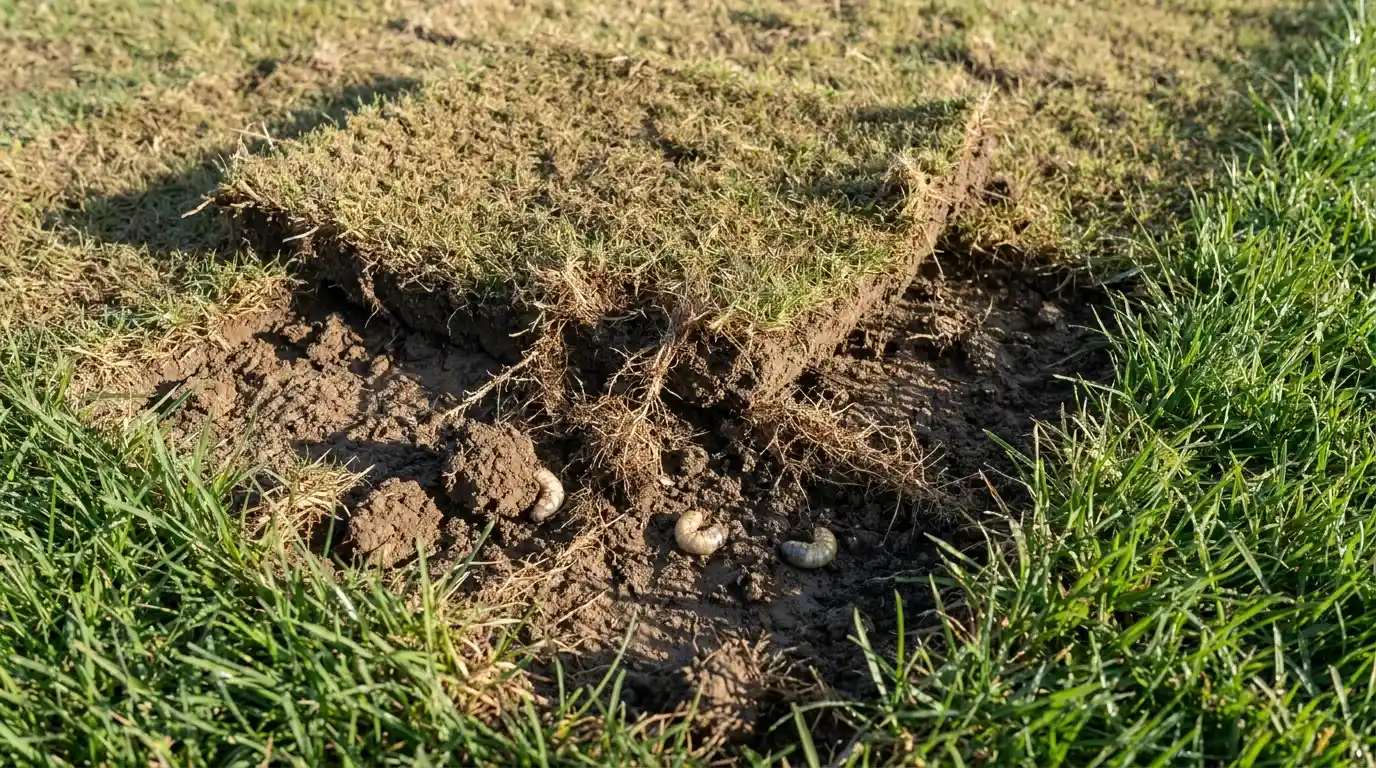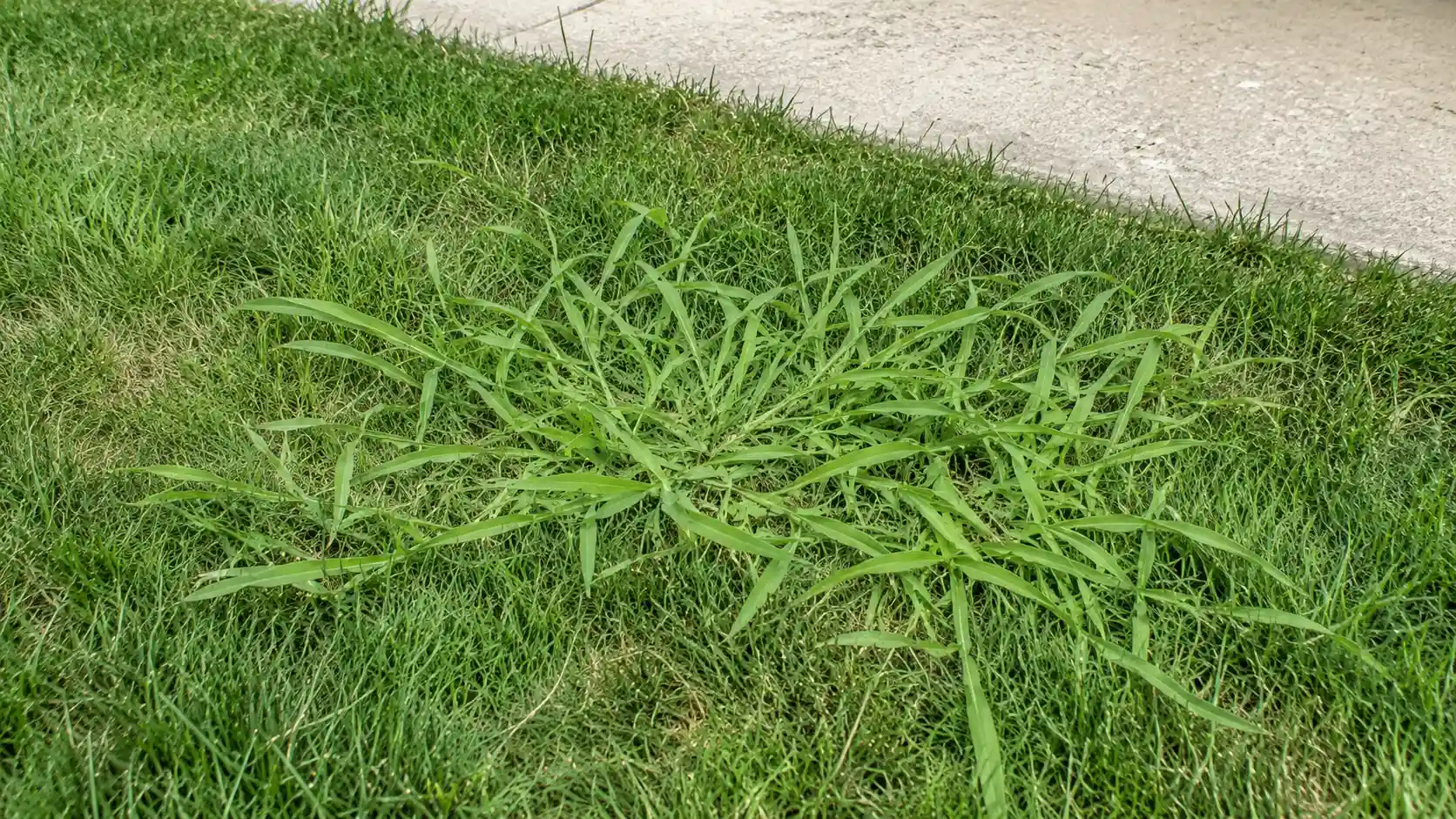
| Trait | Detail |
| Plant type | Warm-season annual grassy weed in the Digitaria genus. |
| Appearance | Light green to yellow-green with wide, flat blades. |
| Growth pattern | Spreads low in a star-shaped mat; forms finger-like seed heads. |
| Life cycle | Sprouts near 55°F, grows in summer, dies after frost, but leaves seeds behind. |
| Where it grows | Thin turf, bare soil, pavement edges, and stressed lawn areas. |
If you enjoy taking care of your yard, even in a small way, you start noticing little things. A patch that looks lighter than the rest of the lawn. A clump of grass is spreading near the driveway.
A rough spot that was not there last month. I know how easy it is to look at that and wonder, “Is this just grass, or is something taking over?”
Crabgrass is one of those lawn problems many homeowners hear about, but few people can spot with confidence at first. It does not always look dramatic. It often starts small, grows low, and blends in until warm weather helps it spread.
By the end of this read, you will know exactly what crabgrass is, how to spot it, why it keeps showing up in your yard, and what your next move should be.
What Is Crabgrass?
Crabgrass is a fast-growing, warm-season annual grassy weed that shows up in lawns, garden beds, and bare soil patches during warm weather. It belongs to the genus Digitaria and is not the same as your regular turfgrass, even though it can look similar at first glance.
The name comes from how the plant grows: outward from a central root, low to the ground, in a pattern that looks a bit like crab legs spreading across the soil. Two types are most common in U.S. lawns:
- Smooth crabgrass (Digitaria ischaemum): smaller, less hairy
- Large or hairy crabgrass (Digitaria sanguinalis): larger with noticeably hairy leaves and stems
Both types are annual weeds, meaning they grow from seed, spread through the summer, and die after the first frost. But before they die, they drop seeds, sometimes up to 150,000 per plant in a single summer. Those seeds stay in the soil and start the problem again next spring.
One more thing worth knowing early: crabgrass is not just an ugly weed. When it shows up in your lawn, it usually means there is open space where your desirable grass is not filling in well enough. It is a signal worth paying attention to.
What Does Crabgrass Look Like?
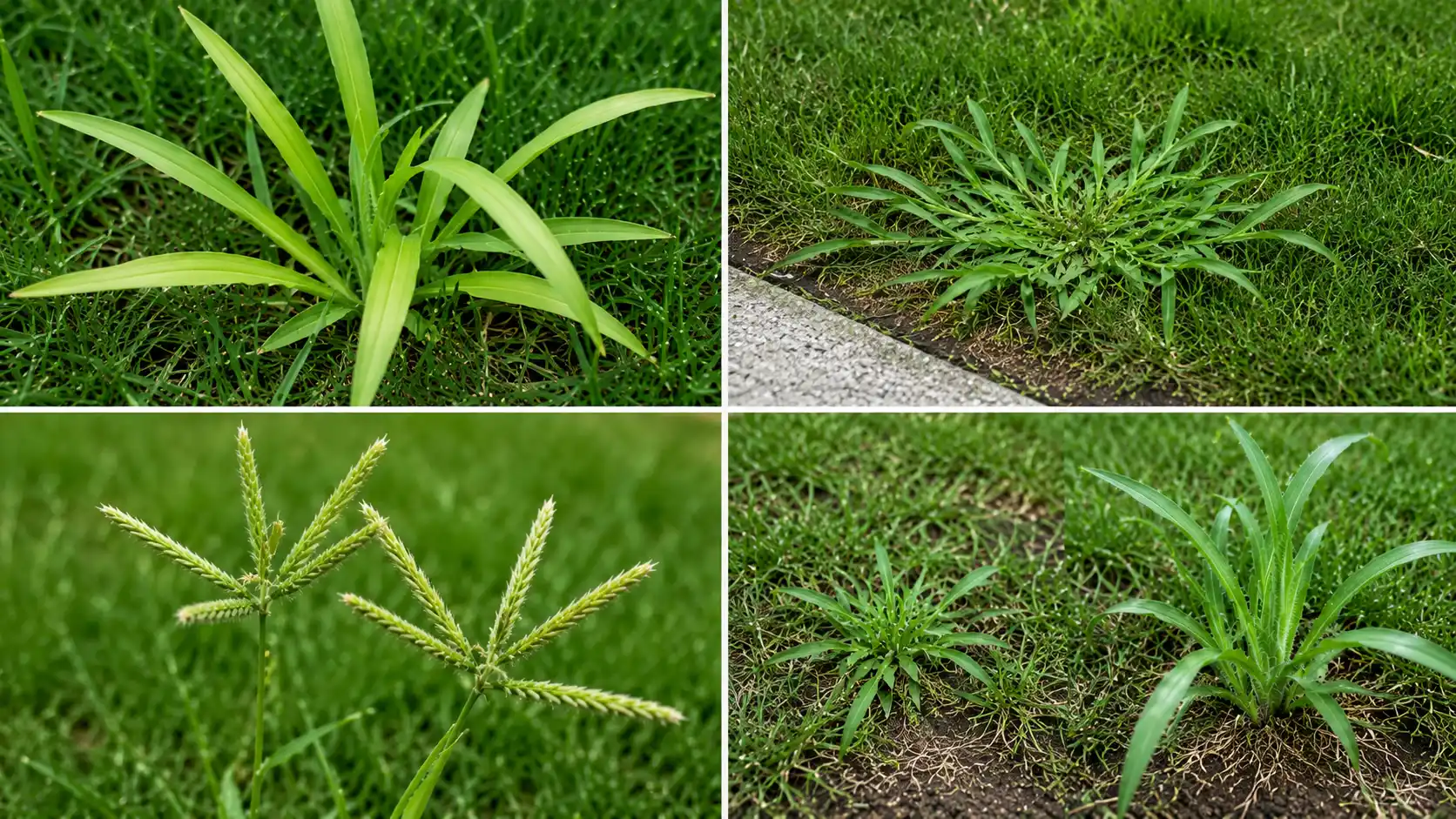
Crabgrass is easier to spot when you compare it with the surrounding grass. It usually looks lighter, wider, flatter, and more spread out than healthy turfgrass. The best clues are its color, leaf shape, low-growing habit, and seed heads.
Color and Leaf Shape
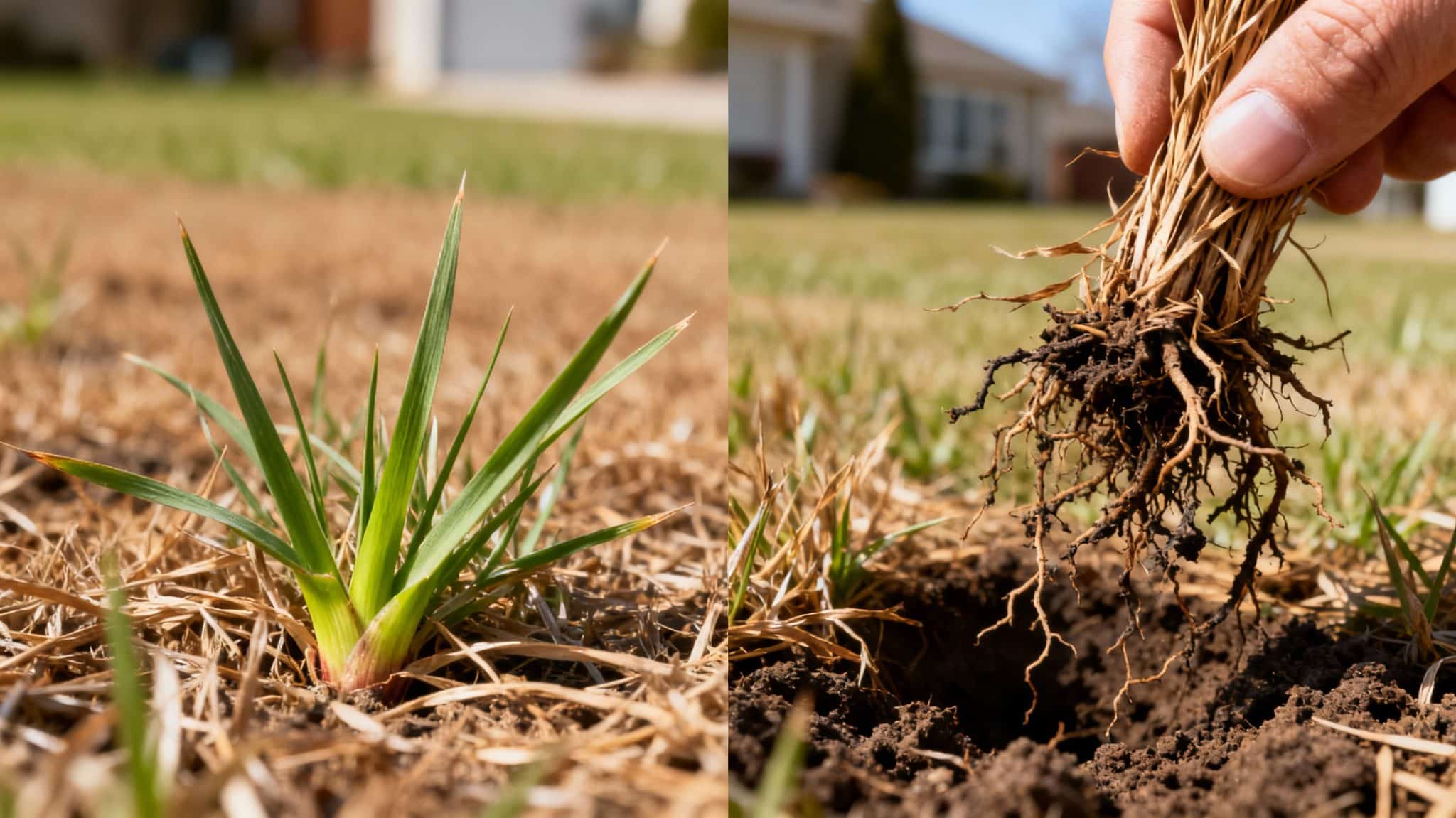
Young crabgrass is often light green or yellow-green, so it can stand out against darker lawn grass. Its blades are usually wide, flat, and slightly pointed at the tip.
The texture may look rougher than nearby turfgrass. In early growth, crabgrass can be easy to miss, but as it matures, the wider blades and lighter color make the patch more noticeable.
Growth Pattern
Crabgrass grows low to the ground and spreads outward from a central point. It often forms a star-shaped or mat-like patch rather than growing upright like many lawn grasses.
This spreading habit helps it cover bare soil quickly. You may see it around sidewalks, driveways, thin turf, or sunny lawn areas where healthy grass is not thick enough to compete.
Seed Heads
Mature crabgrass often develops finger-like seed heads on thin stems, usually in mid to late summer. These seed heads show that the plant is reaching the stage where it can drop seeds back into the soil.
If you see them, the crabgrass has likely been growing for a while. Removing it may still help, but some seeds may already be present.
Smooth Crabgrass vs. Large Crabgrass
Smooth crabgrass and large crabgrass look similar, but the main difference is in hair and size. Smooth crabgrass is usually smaller, lower-growing, and less hairy.
Large crabgrass, also called hairy crabgrass, often has visible hairs on the leaves and stems and may form bigger clumps. For most homeowners, exact species ID is less important than spotting the low, spreading growth.
If the plant is low, light green, wide-bladed, and spreading outward, crabgrass is a strong possibility. Once you can spot these signs, it becomes easier to understand how crabgrass grows, spreads, and keeps returning in the same weak areas of your lawn.
How Does Crabgrass Grow and Spread?
Crabgrass grows from seed each year. It spreads during warm months, produces new seeds, and dies after frost. The plant dies, but the seeds stay in the soil and can grow again next season.
Crabgrass Year Cycle: Seeds in soil → Warm soil triggers sprouting → Seedling grows → Summer clump spreads → Seed heads form → Frost kills plant → Seeds remain for next year |
- Spring germination: Crabgrass seeds do not sprout in cold soil. They usually start growing when the soil temperature stays around 55°F, and there is enough moisture. This often happens in mid to late spring, but southern lawns may see it earlier, while northern lawns may see it later.
- Summer growth: Once crabgrass sprouts, it grows fastest in hot, sunny weather. It spreads where lawn grass is thin, weak, or cut too short. You may notice it near bare spots, sidewalks, driveways, and other warm edges of lawns.
- Seed production: Mature crabgrass can produce many seeds before the season ends. These seeds fall into the soil and become part of the lawn’s seed bank. Even one mature plant can add to next year’s crabgrass problem.
- Fall dieback: Frost kills crabgrass plants, but the seeds they drop can stay in the soil for years. This is why crabgrass seems to “come back” every year. The old plant is gone, but new plants can grow from leftover seeds.
Knowing this cycle makes crabgrass easier to understand. It is not just a weed that appears out of nowhere. It usually returns because seeds are already waiting in the soil, and weak lawn spots give them space to grow.
Why Is Crabgrass a Problem for Lawns?
Crabgrass is not dangerous, but it can make your lawn look uneven and weak. It grows fast in warm weather and competes with the grass you want to keep.
| Crabgrass problem | What it means for your lawn |
| Competes with grass | Takes space, sunlight, water, and nutrients from turfgrass. |
| Looks patchy | Its wide, light-green blades stand out from darker lawn grass. |
| Drops seeds | Mature plants add seeds to the soil, which can grow next year. |
| Shows weak spots | Often appears where grass is thin, stressed, or bare. |
A small patch is not an emergency, but it is a warning sign. The better fix is to remove the weed and improve the weak spot that allowed it to grow.
Why Does Crabgrass Grow in Some Lawns?
Crabgrass usually grows where your lawn gives it the right opening. It needs warm soil, sunlight, and space, so it often appears in areas where grass is thin, stressed, or missing. When you see crabgrass in one spot, it often indicates a lawn condition that needs attention.
1. Thin or Bare Lawn Areas
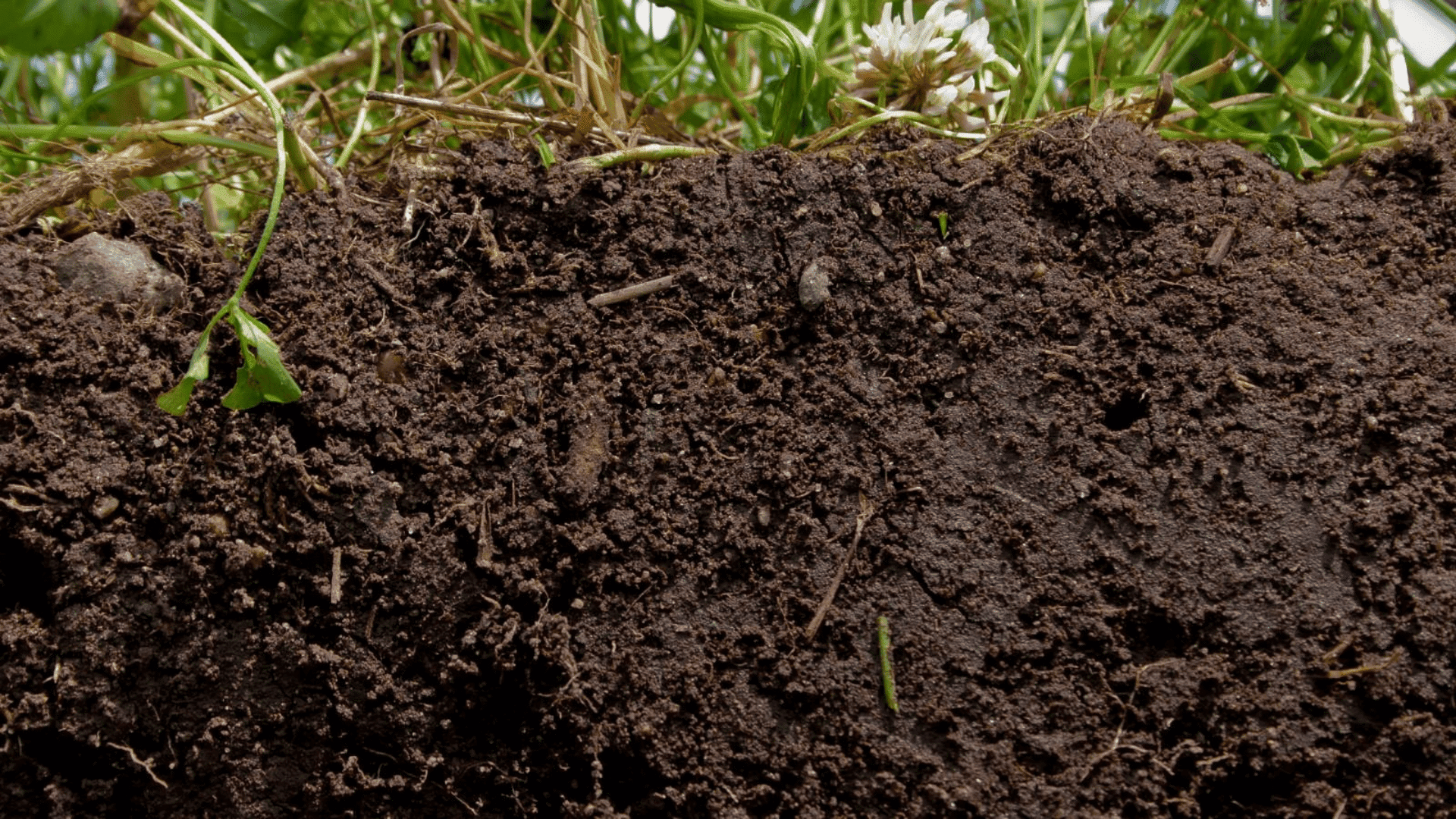
Healthy, dense turfgrass is the best natural defense against crabgrass. When grass thins because of drought, foot traffic, pet damage, disease, or poor growth, sunlight reaches the soil more easily. Crabgrass seeds need warmth and light to sprout, so bare or weak spots provide the perfect place for them to start growing.
2. Hot Edges Near Pavement
Crabgrass often appears near sidewalks, driveways, patios, and curb strips because these areas hold heat. The soil along the pavement warms faster in spring and may dry out more quickly. This gives crabgrass seeds an early chance to sprout, especially where the nearby grass is already thin or stressed.
3. Low Mowing and Stressed Grass
Mowing too short weakens turfgrass and lets more sunlight reach the soil. That makes it easier for crabgrass seeds to germinate. Drought, heat, and poor watering can worsen the problem. For many cool-season lawns, mowing around 3 inches or higher helps shade the soil and protect the grass.
4. Garden Beds and Disturbed Soil
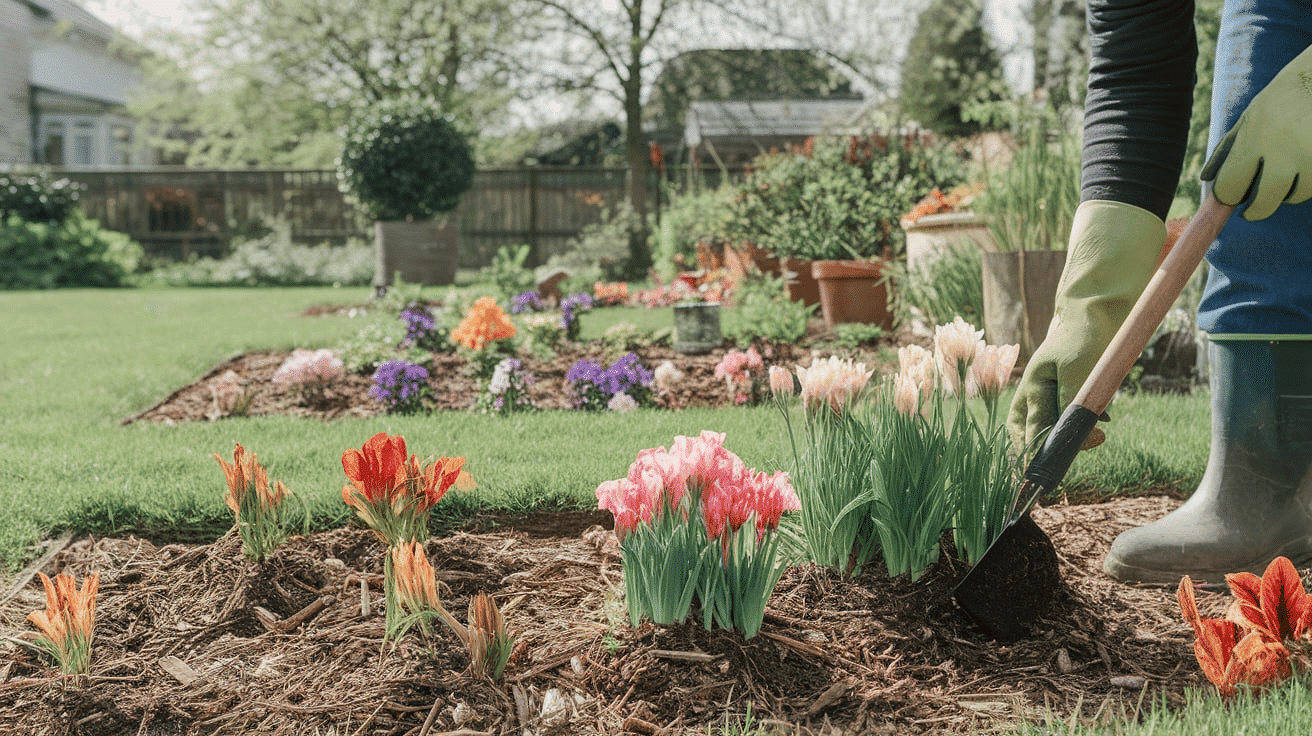
Crabgrass can also grow in garden beds, landscape edges, and freshly disturbed soil. It is a fast colonizer, which means it quickly fills open ground where other plants are not established. This is one reason it spreads so easily after digging, grading, clearing, or leaving soil uncovered.
Crabgrass is often a lawn signal, not just a weed. It shows you where grass is weak, soil is exposed, or heat stress is high. Once you know why it grows in those spots, you can better understand how crabgrass behaves beyond the lawn.
How to Manage and Control Crabgrass
Managing crabgrass works best when you act before it spreads and fix the lawn conditions that allowed it to grow. The goal is not just to remove crabgrass, but to make the lawn thick enough that there is less room for it to return.
- Confirm it is crabgrass first: Compare the plant with clear photos and common lookalikes like goosegrass, dallisgrass, tall fescue, and quackgrass before treating it.
- Pull small patches early: If you only see a few young plants, pull them before seed heads form. Try to remove the roots so the plant does not keep growing.
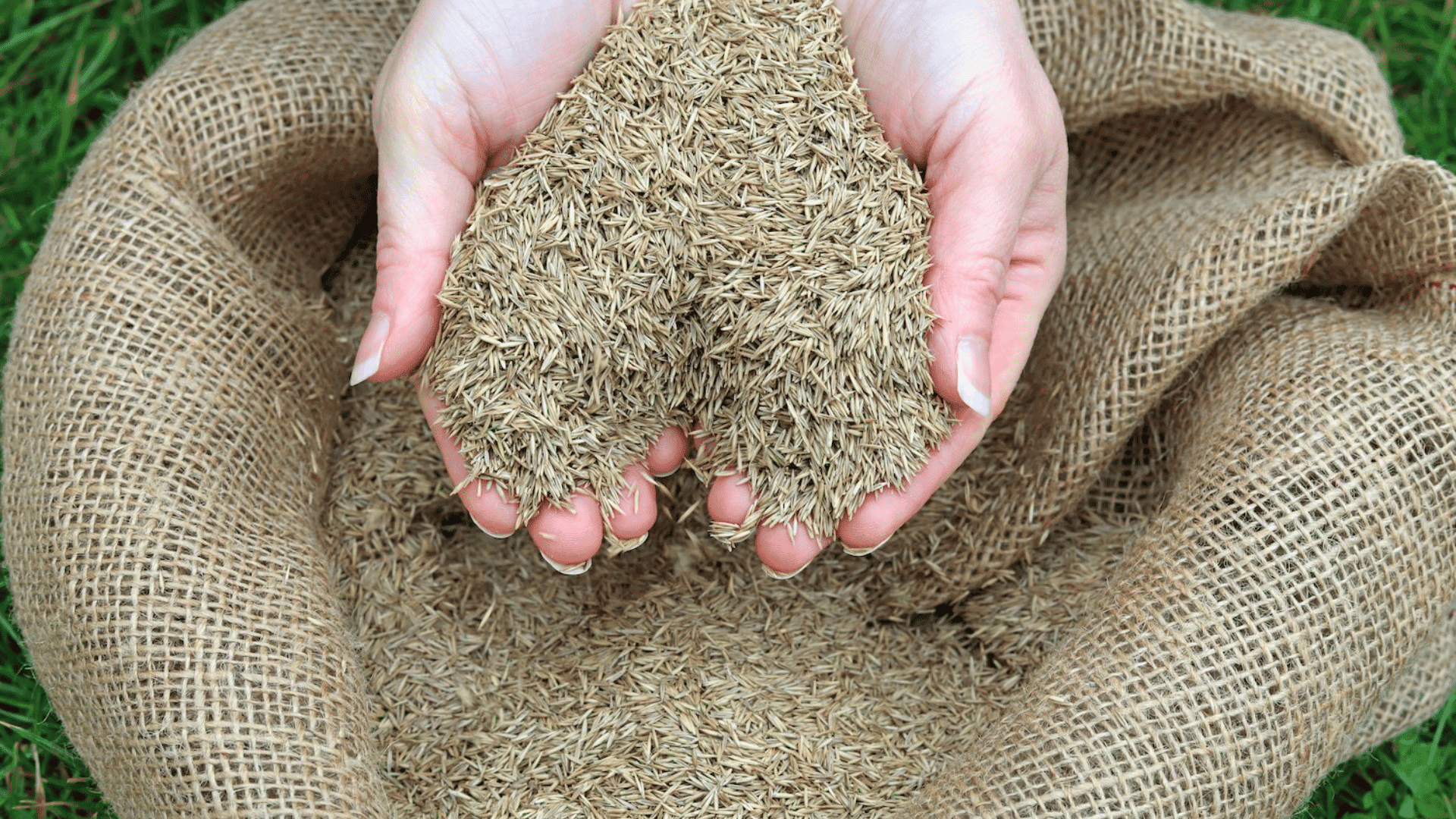
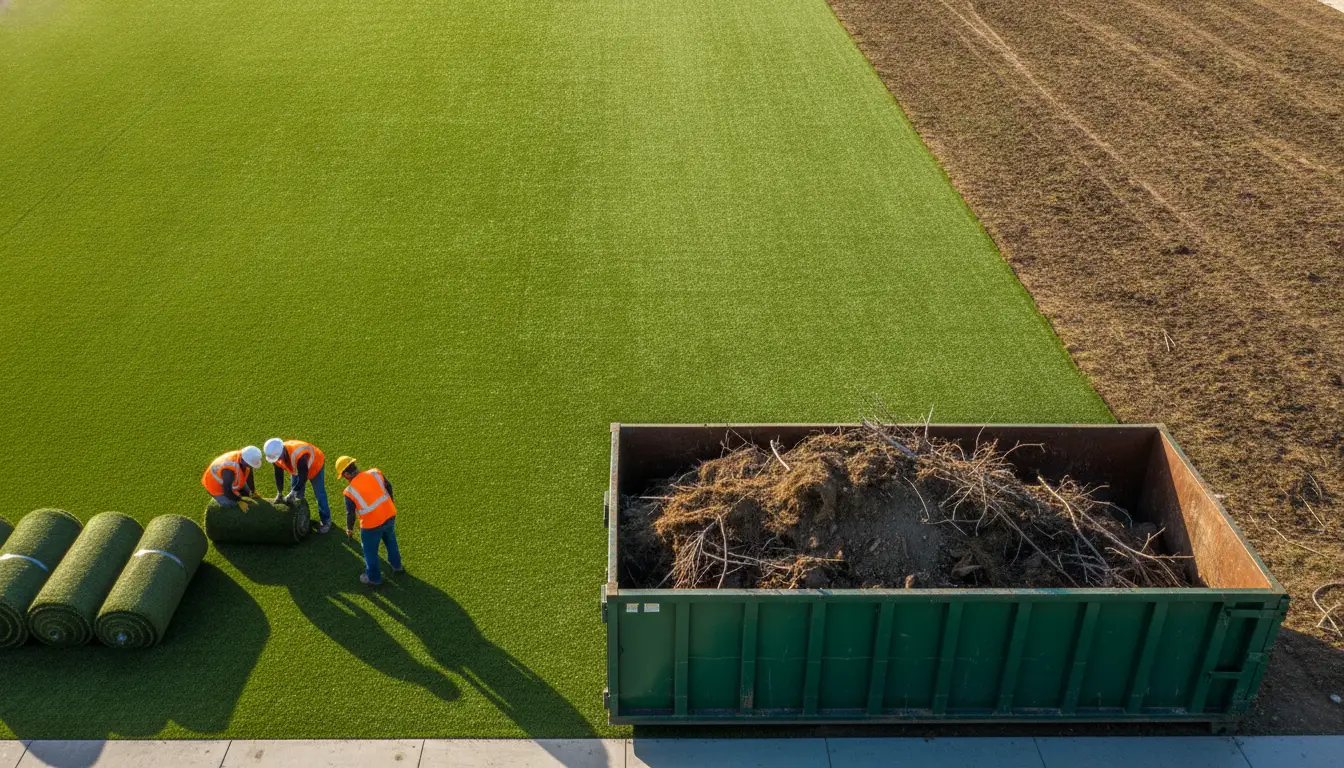
- Cover bare soil after removal: Do not leave open soil behind. Add grass seed, sod, or mulch, depending on the area, to prevent new weeds from moving in.
- Strengthen the lawn: Mow at the right height, water deeply, and repair thin spots. A dense lawn shades the soil and makes it harder for crabgrass seeds to sprout.
- Use pre-emergent herbicides in spring: Apply them before soil temperatures reach about 55°F to stop crabgrass seeds from germinating. Timing changes by region, so local guidance matters.
- Use post-emergent products on young crabgrass: If crabgrass is already growing, post-emergent herbicides work best while plants are still small. Choose a product that matches your grass type and follow the label.
Crabgrass control is easiest when you treat the plant and the weak spot together. Remove what you can, prevent new seeds from sprouting, and build stronger turf so crabgrass has less space next season.
What Is Often Mistaken for Crabgrass?
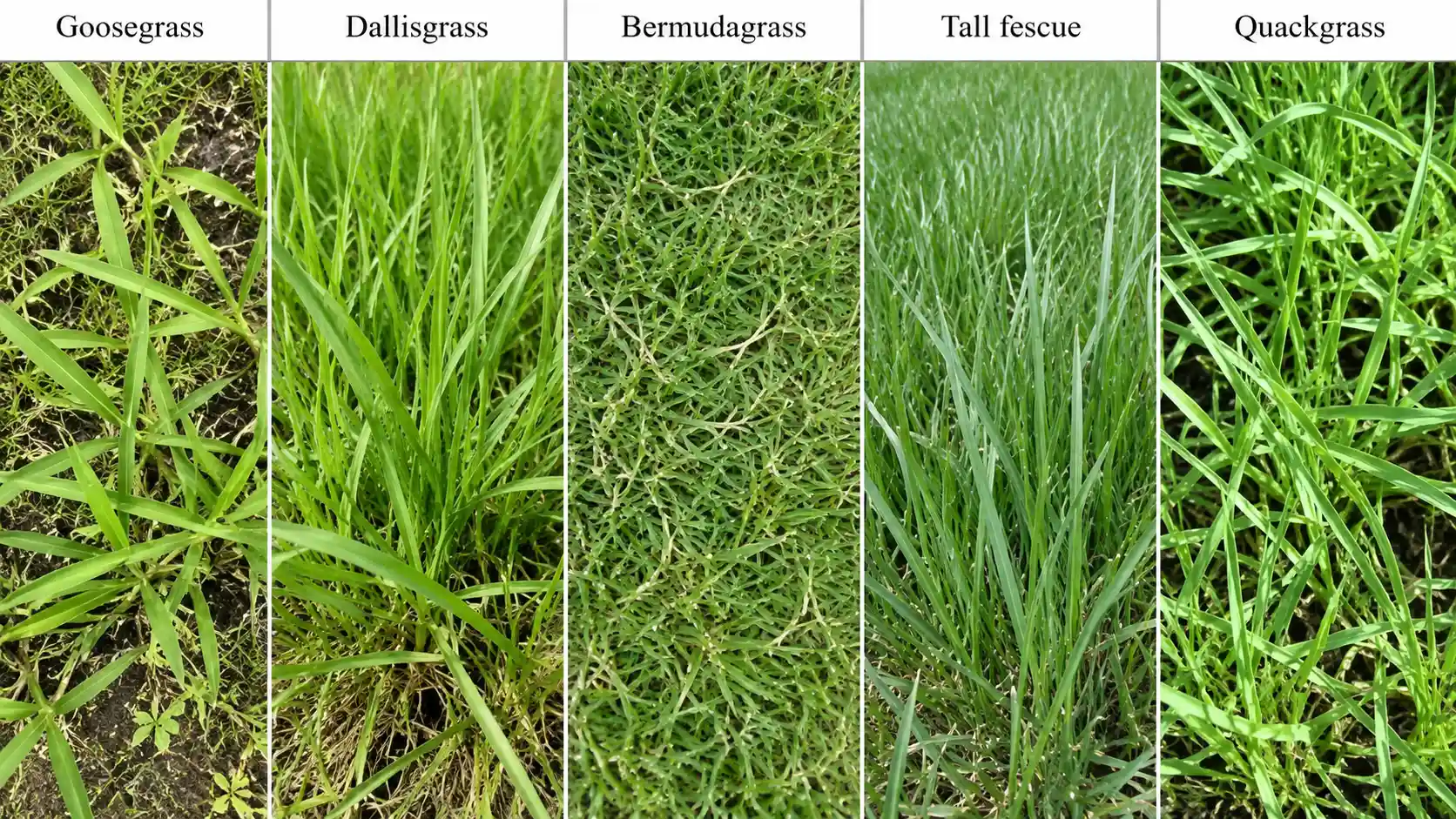
Many lawn weeds look alike at first glance. That is why crabgrass gets blamed for almost every rough, wide-bladed patch in the yard. Before you pull, spray, or reseed, compare the plant’s shape, color, growth pattern, and seed head.
| Plant | Main ID Clue | Common Mistake | What to Check |
| Goosegrass | Flattened silvery base with darker green leaves | Often called crabgrass | Base color and texture |
| Dallisgrass | Taller, large circular clumps with noticeable seed stalks | Confused with large crabgrass | Seed head size and root depth |
| Bermudagrass | Fine blades that spread by above-ground runners | May look like crabgrass in some regions | Blade width and runners |
| Tall fescue | Coarse, dark green blades with upright growth | Called crabgrass because of wide blades | Color and growth direction |
| Quackgrass | Upright growth with underground stems called rhizomes | Mistaken for large crabgrass | Pull it up and check for rhizomes |
If you are still unsure, take clear photos of the entire plant, the leaf blade, the seed head, and the area where it is growing. A local cooperative extension office can help confirm the ID before you treat anything.
Once you are fairly sure it is crabgrass, the next step is knowing what to do based on how much has already spread.
How Crabgrass Fits Into the Ecosystem?
To answer, what is crabgrass? Crabgrass has a bad reputation in lawns, but it still has a small role in nature. In bare, open, or disturbed soil, it grows fast and helps cover exposed ground. This can reduce soil erosion in places such as roadside ditches, vacant lots, and recently cleared areas.
Large crabgrass, also called Digitaria sanguinalis, has also been used as a grain crop and forage plant in some parts of the world. Its seeds are edible, and the plant can grow quickly in warm conditions.
Crabgrass can also support small seasonal cycles. Its seeds may feed some birds and wildlife, especially in open or unmanaged areas.
Still, most homeowners remove crabgrass from lawns. The same traits that make it useful in open ground, such as fast growth, heavy seed production, and spreading habit, make it a problem in turfgrass. If your goal is a dense, even lawn, crabgrass usually works against it.
Because crabgrass can look like several other plants, knowing what it is not can be just as helpful as knowing what it is.
Frequently Asked Questions
Can crabgrass grow in flower beds or vegetable gardens?
Yes, crabgrass can grow in flower beds, vegetable gardens, and any open soil that gets enough warmth, light, and moisture. It is not limited to lawns. Pull it early in garden beds so it does not compete with flowers, vegetables, or young plants.
Is crabgrass harmful to dogs or kids?
Crabgrass itself is not usually harmful to dogs or kids in a normal yard setting. The bigger concern is lawn products used to treat it. If you apply any herbicide, follow the label carefully and keep pets and children away until the area is safe.
Why does crabgrass grow near my driveway?
Crabgrass often grows near driveways because pavement retains heat and dries nearby soil more quickly. Grass in those areas can become thin or stressed. Once sunlight reaches the soil, crabgrass seeds have a better chance of sprouting and spreading.
Can mowing get rid of crabgrass?
Mowing alone will not remove crabgrass, but proper mowing can help reduce future problems. Cutting grass too short gives crabgrass more light and space. Mowing at the right height for your lawn type helps turf grow thicker and shade the soil.
Should I seed my lawn after removing crabgrass?
Yes, if removing crabgrass leaves bare soil, reseeding can help. Empty spots invite more weeds. Use grass seed that matches your lawn and plant it during the right season for your region. A filled-in lawn gives crabgrass less room to return.
Key Takeaway
Crabgrass is a warm-season annual grassy weed that grows from seed, spreads through summer, drops more seed before frost, and leaves behind a soil bank that repeats the cycle. It almost always shows up where thin turf, bare soil, or heat-stressed grass gives it room.
A single patch is manageable. Repeated patches every summer are a signal worth taking seriously, not because crabgrass is dangerous, but because it means the lawn has conditions that keep inviting it back. The fix is rarely just about removing the weed. It is about giving your grass the density and health to compete.
If you are still not certain whether the plant in your yard is crabgrass, compare it carefully with clear photos, or reach out to your local extension office before applying any product.
Have you spotted crabgrass in your lawn this season? Drop a comment below and share where it tends to show up: sidewalk edges, bare patches, or somewhere else entirely. Knowing your situation might help someone else figure out theirs.