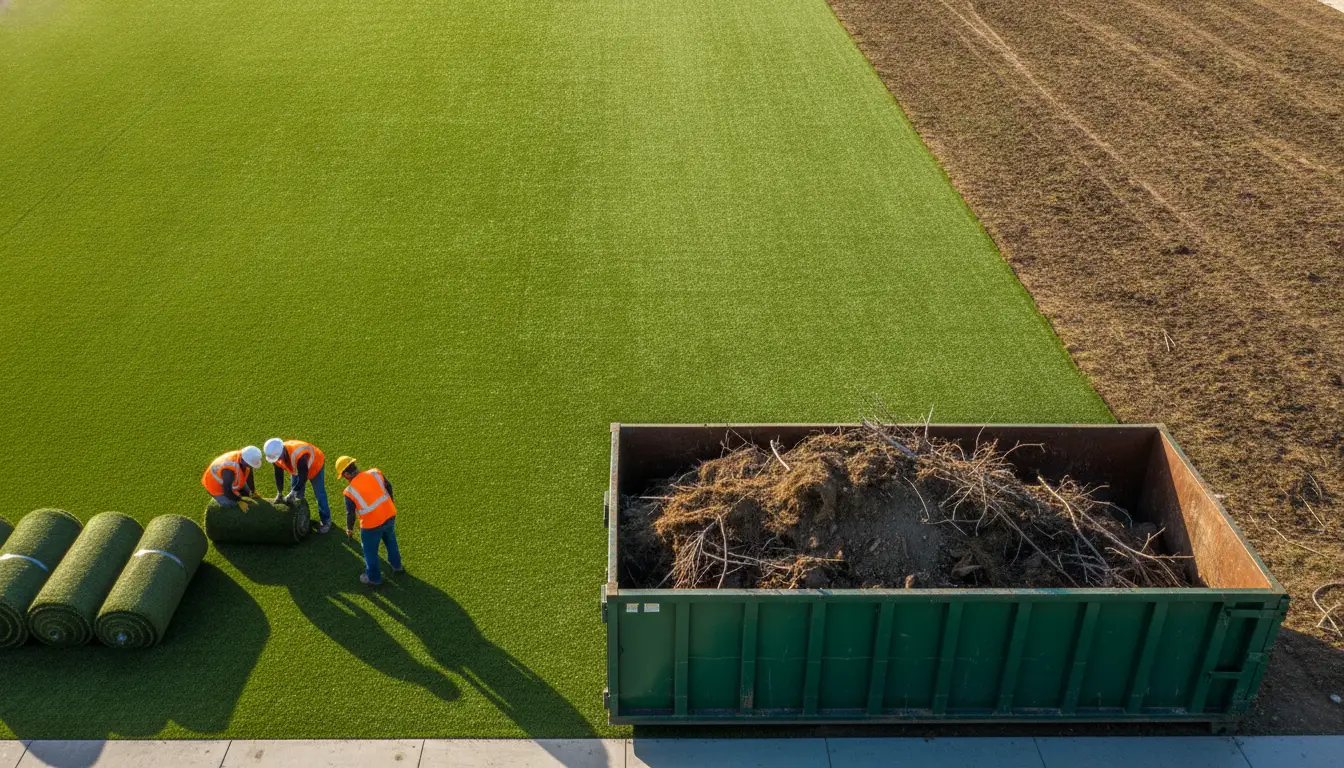
Commercial dumpster rental can make the difference between a well-organized artificial turf installation and a jobsite buried under torn sod, soil, packaging, and construction debris.
On a large fake grass Valencia project, waste starts accumulating long before the first roll of synthetic turf is secured, because removing an existing lawn, preparing the base, trimming materials, and completing landscaping work can generate a surprising amount of debris.
Planning for a commercial dumpster rental before crews arrive gives contractors a designated place for acceptable waste instead of allowing piles to spread across driveways, parking areas, walkways, or staging zones.
Why Large Artificial Turf Projects Create So Much Waste
Artificial grass may look like a relatively clean landscaping product, but installing it often requires substantial demolition and site preparation.
Imagine a Valencia apartment complex replacing 12,000 square feet of natural grass around common areas with synthetic turf.
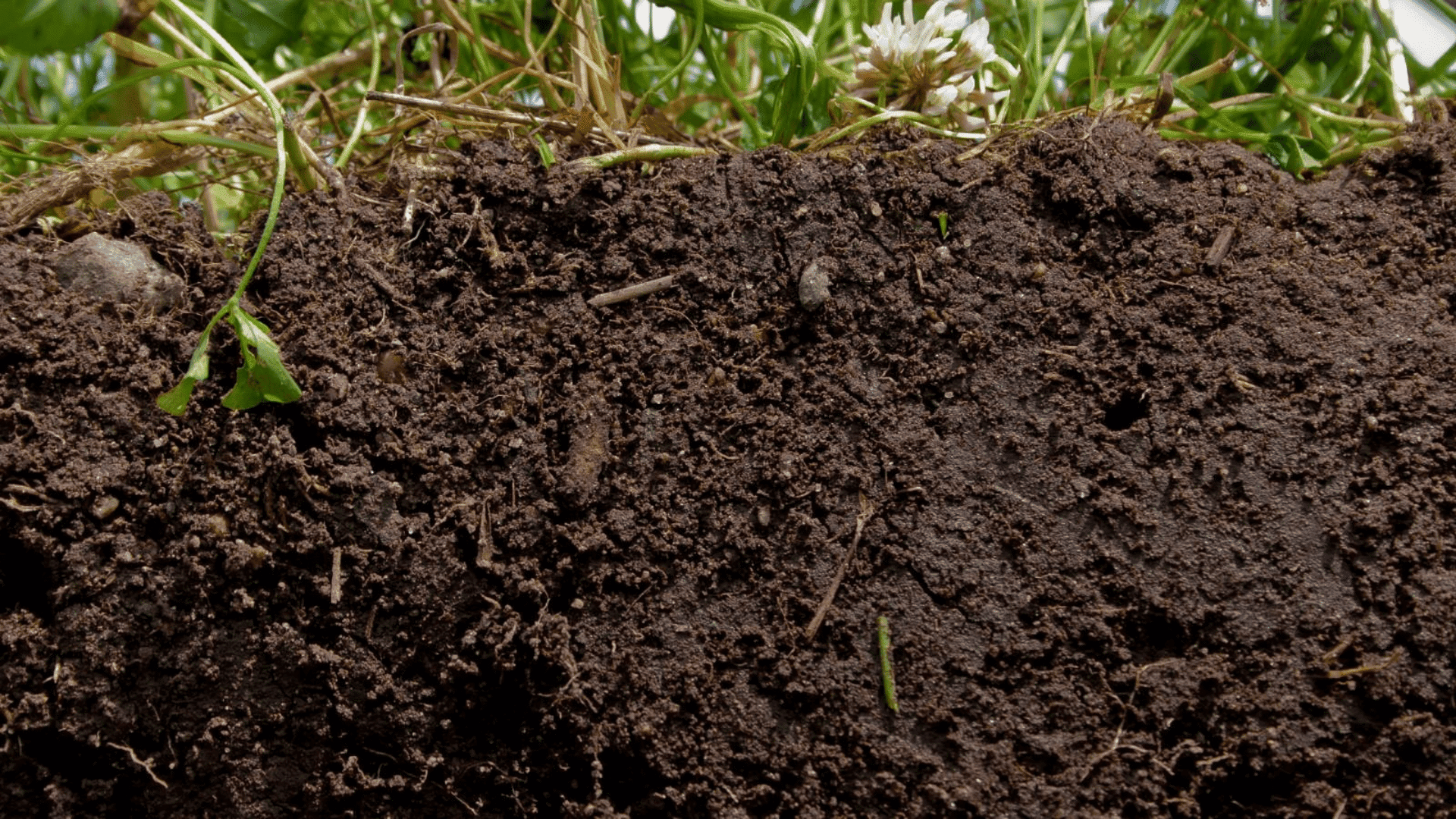
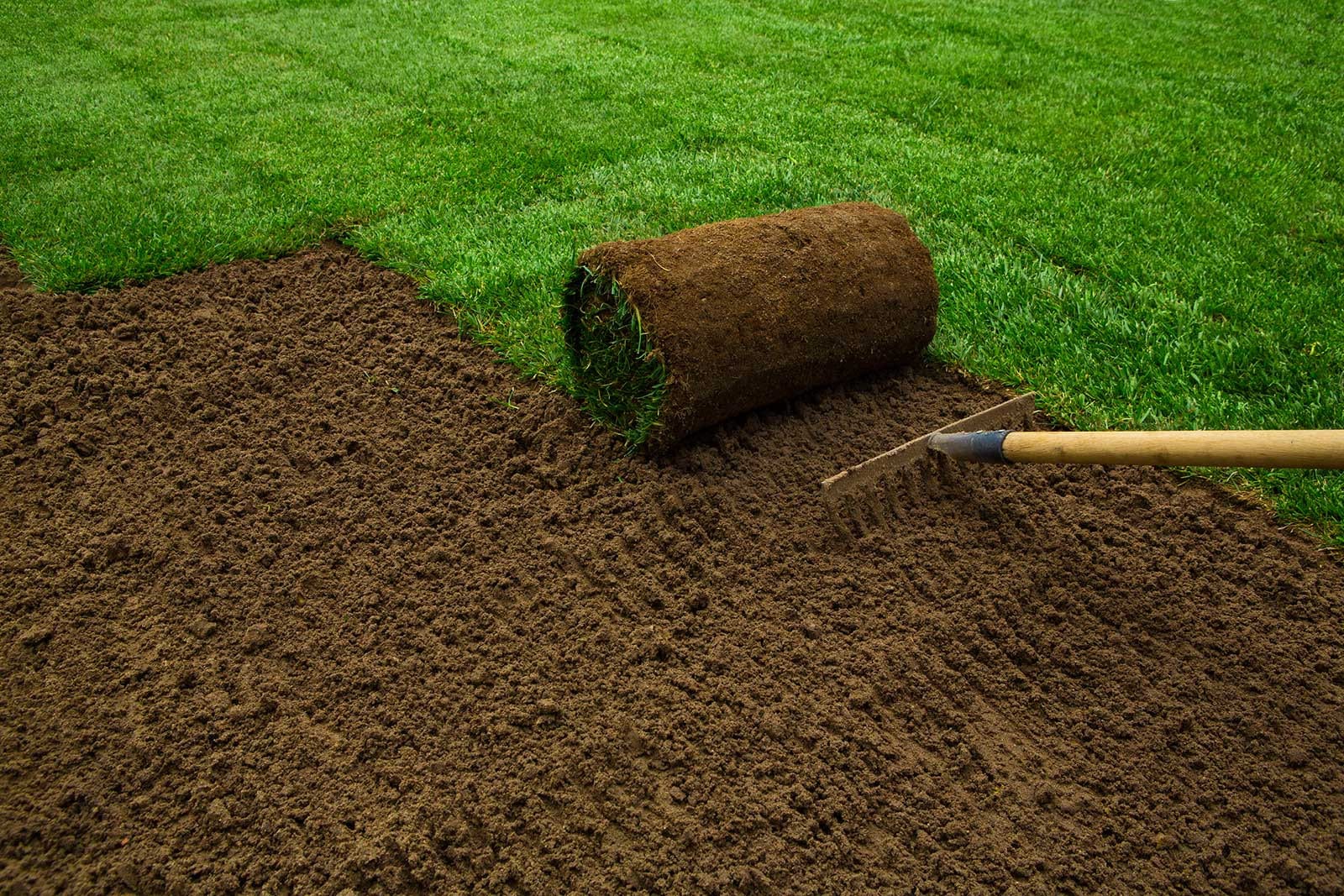
Before the new surface goes down, crews may need to remove sod, weeds, damaged edging, old irrigation components, landscape fabric, roots, and sections of an existing base.
Depending on site conditions, excavation may also produce considerable quantities of soil and other heavy material.
Then the installation itself introduces another category of waste, including turf offcuts, plastic wrapping, pallets, cardboard, adhesive containers, damaged materials, and miscellaneous packaging.
Without a defined waste-management plan, these materials tend to accumulate wherever workers find available space.
That creates clutter exactly where crews need room to move wheelbarrows, compactors, turf rolls, and other equipment during a fake grass Valencia installation.
Keeping the Jobsite Organized From Day One
A dumpster gives the project a central disposal point from the beginning rather than forcing workers to create temporary debris piles.
That seemingly simple change can improve the rhythm of the entire installation.
When workers remove an old section of lawn, for example, the debris can move toward its designated disposal area instead of being dumped in a corner with the intention of dealing with it later.
This matters because temporary piles rarely remain temporary during busy construction projects.
One pile becomes three, loose packaging gets mixed with landscape waste, and suddenly someone has to spend an hour reorganizing debris before another phase of work can begin.
For commercial properties, organization also affects tenants, customers, employees, and visitors who may continue using portions of the property while installation is underway.
Keeping debris contained helps preserve clearer pedestrian routes, parking spaces, loading areas, and entrances throughout the project.
Commercial Dumpster Rental Helps Crews Work More Efficiently
Waste handling may not seem like a major productivity issue until workers have to repeatedly stop installation work to deal with it.
Consider a crew removing several thousand square feet of existing landscaping.
If every load of debris has to be transferred into a pickup truck and hauled away separately, workers lose time loading, driving, unloading, and returning to the site.
A roll-off container located in an appropriate staging area can reduce those interruptions by allowing disposal to happen alongside the normal workflow.
Workers can remove material, transport it to the container, and return directly to site preparation.
That becomes especially valuable when several trades or crews are operating on the same property.
Landscape crews may be excavating one section while another team prepares the aggregate base and installers begin laying turf elsewhere.
A clear waste system prevents discarded materials from interfering with these overlapping activities.
Choosing the Right Dumpster Size for a Fake Grass Valencia Installation
Dumpster size should be based on the actual waste stream rather than simply the square footage of artificial grass being installed.
A straightforward installation over an already prepared surface may generate relatively little debris, while replacing a mature natural lawn can involve substantial amounts of sod, dirt, roots, concrete edging, and irrigation materials.
Weight matters as much as volume.
Soil, concrete, rock, and similar materials can become extremely heavy before a container appears visually full, which means contractors should discuss expected materials with the rental provider before choosing a container.
It is also important to confirm which materials are permitted and whether heavy debris requires a dedicated container or different disposal arrangement.
Estimating these details before installation reduces the chance of needing an unexpected additional haul in the middle of the project.
Dumpster Placement Can Affect the Entire Workflow
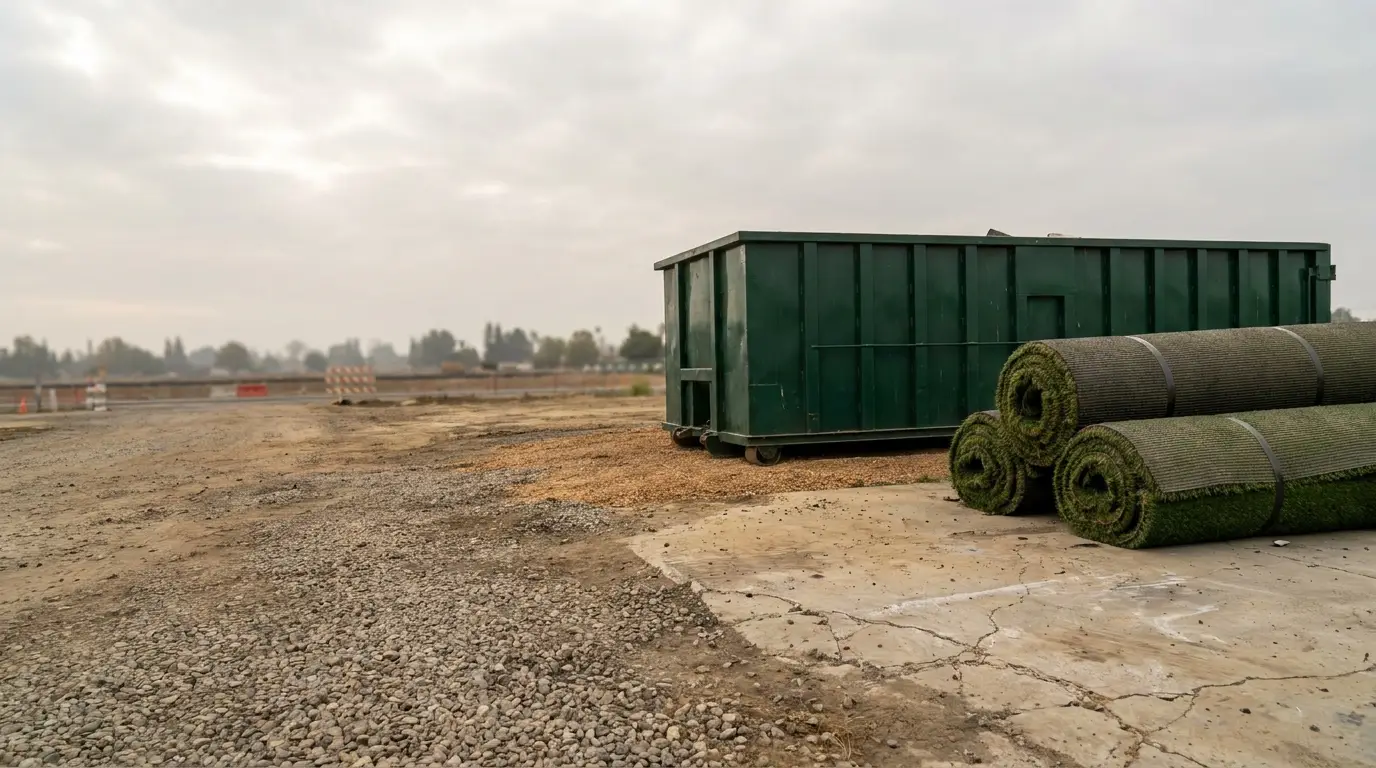
The best location for a waste container is not automatically the closest available parking space.
Placement should account for how workers, equipment, deliveries, property occupants, and hauling vehicles will move through the site.
For example, putting a container directly beside the main turf staging area might shorten the walk for debris disposal but create problems when a delivery truck arrives carrying several large rolls of artificial grass.
Likewise, positioning it too far from the active work zone can turn every disposal trip into unnecessary labor.
A useful approach is to map the site before work begins and identify separate zones for material delivery, equipment, active installation, waste, and pedestrian access.
Contractors should also make sure the hauling vehicle has enough room to deliver and retrieve the container safely.
If the container will occupy a street, shared parking area, or another controlled space, local rules and property requirements should be checked before delivery.
Cleaner Sites Can Also Reduce Avoidable Safety Problems
Artificial turf projects involve frequent movement of workers carrying tools, base materials, turf sections, and landscaping debris.
Loose waste makes that movement harder.
Torn plastic wrapping can become a trip hazard, turf scraps can obstruct pathways, and discarded edging or irrigation components can leave sharp or awkward objects around the work area.
A dedicated disposal system does not eliminate normal construction risks, but it removes unnecessary clutter from active work zones.
This is particularly important on commercial properties where members of the public may be relatively close to the project.
A hotel courtyard, retail property, office complex, or multifamily development cannot always shut down completely while landscaping improvements take place.
Keeping work areas controlled and debris contained therefore becomes part of maintaining a functional property, not merely making the site look tidy.
Coordinate Waste Removal With Project Phases
Large turf installations often become easier to manage when disposal is planned around major stages of construction.
The heaviest waste volume may occur during demolition and excavation, followed by a smaller stream of packaging and offcuts during turf installation.
Scheduling container delivery before demolition allows crews to begin disposing of material immediately.
If the container approaches its capacity after site preparation, arranging a haul or replacement before turf installation begins can prevent waste from overflowing into staging areas.
This phased approach also gives contractors a better understanding of what remains to be discarded.
Instead of treating cleanup as one large task at the end, waste leaves the site progressively as work advances.
Don’t Mix Everything Without Checking First
One common mistake is assuming that anything removed during landscaping can automatically go into the same dumpster.
Rental companies and disposal facilities may have different restrictions for soil, concrete, green waste, hazardous materials, liquids, batteries, chemicals, and other items.
Artificial turf projects can also uncover unexpected materials.
An excavation crew might discover old irrigation piping, buried concrete, landscape lighting components, or construction debris left from previous work.
Before tossing unfamiliar material into the container, contractors should confirm that it is accepted.
That quick check can help prevent additional fees, rejected loads, or delays when the container is collected.
Make Cleanup Part of the Installation Plan
The most efficient fake grass projects treat waste removal as part of site logistics rather than an afterthought.
Before work begins, contractors should estimate debris volume, identify heavy materials, choose an appropriate container, confirm disposal restrictions, select an accessible placement area, and coordinate hauling with the installation schedule.
Those decisions may take only a short planning conversation, but they can save hours of unnecessary material handling later.
For a large Valencia property, that means workers spend more of the day preparing the surface and installing turf instead of moving the same pile of debris from one temporary location to another.
A Cleaner Project Is Usually an Easier Project
Large artificial grass installations require careful coordination between demolition, excavation, base preparation, deliveries, installation, trimming, and final cleanup.
A well-planned waste system supports every one of those stages by keeping discarded material contained and active work areas easier to navigate.
For property managers and contractors handling a large fake grass Valencia project, arranging the right dumpster, placement, and hauling schedule early can help keep the jobsite cleaner without complicating the installation process.
When debris has somewhere to go from the first day onward, crews can focus on the work that actually moves the project toward completion.