Grubs in lawn soil are young beetle larvae that feed beneath the grass surface. You may first notice brown patches, loose turf, or animals digging nearby.
A few grubs rarely cause serious harm. Larger groups can damage roots and weaken grass already stressed by heat, drought, or poor soil.
Before using any treatment, check the turf and soil to confirm the cause. You’ll learn why grubs appear, how damage develops, and when treatment may help.
It also answers what grubs turn into and explains each stage of their life cycle. You will learn when they feed, how many cause concern, and which warning signs matter. You will also see how damaged grass can recover through practical lawn care.
What Are Grubs in Lawn Soil?
Lawn grubs are the early stage of several beetle species. They have soft white bodies, brown heads, six small legs, and curved C-shaped bodies. Most grubs in lawn soil live just below the turf, where they feed on tender grass roots.
This feeding can limit the lawn’s ability to absorb water and nutrients. A few grubs may cause no clear harm. Larger groups can weaken roots, loosen turf, and create yellow or brown patches.
Thin, dry, or stressed grass often shows damage first. Healthy turf may handle light feeding because stronger roots support recovery across the growing season.
People often ask, what do grubs turn into? After a pupal stage, they become adult beetles, including June beetles, Japanese beetles, and masked chafers.
Why Do Grubs in Lawn Soil Appear?
Grubs in lawn soil appear after adult beetles lay eggs during warm weather. Several conditions can help eggs hatch and larvae survive.
- Warm weather: Many beetles lay eggs during summer, though timing varies by species and region.
- Moist soil: Rain or steady irrigation can protect eggs and newly hatched larvae from drying.
- Shallow watering: Constant surface moisture during egg-laying may support some grub species.
- Local beetle activity: Adult beetles can fly into suitable lawns from nearby areas.
Poor lawn care is not always the cause. Healthy turf may still contain larvae, but strong roots can tolerate more feeding. Avoid keeping the surface constantly wet. Inspect past problem areas during the local egg-hatch period.
How to Identify Grubs in Your Lawn
Grub damage can resemble drought, disease, pet urine, or poor watering. That overlap makes a quick surface check unreliable. The four checks below help you compare grass color, root strength, animal activity, and visible larvae before choosing treatment.
1. Brown or Thinning Grass
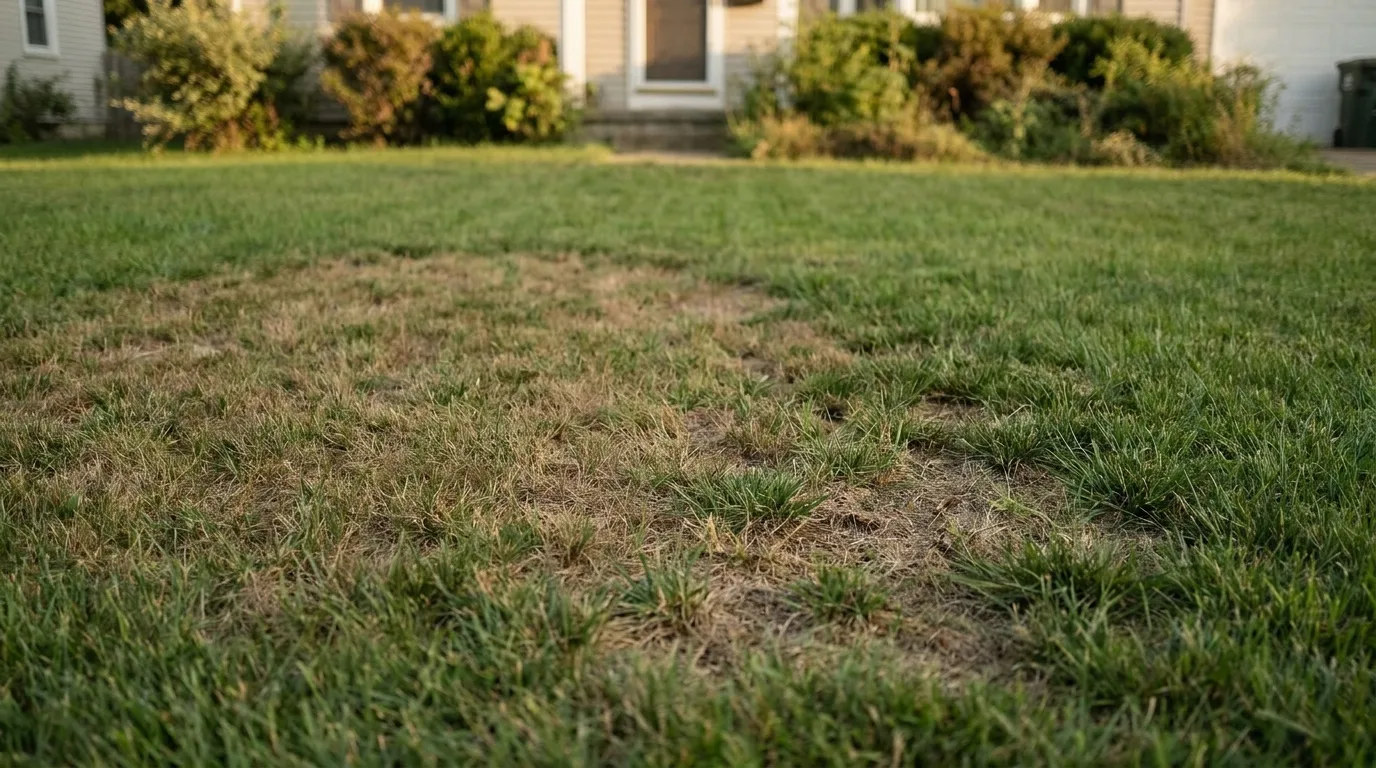
Grubs damage roots, so affected grass cannot absorb enough water or nutrients. You may notice yellow, brown, or thinning patches. These areas often spread during late summer or early fall. Dry weather can make the damage look worse.
Brown grass alone does not prove grubs are present. Heat, disease, pet urine, and watering problems can appear similar. Check root strength and inspect the soil before treating. Root loss gives stronger evidence than color alone.
2. Grass That Lifts Easily
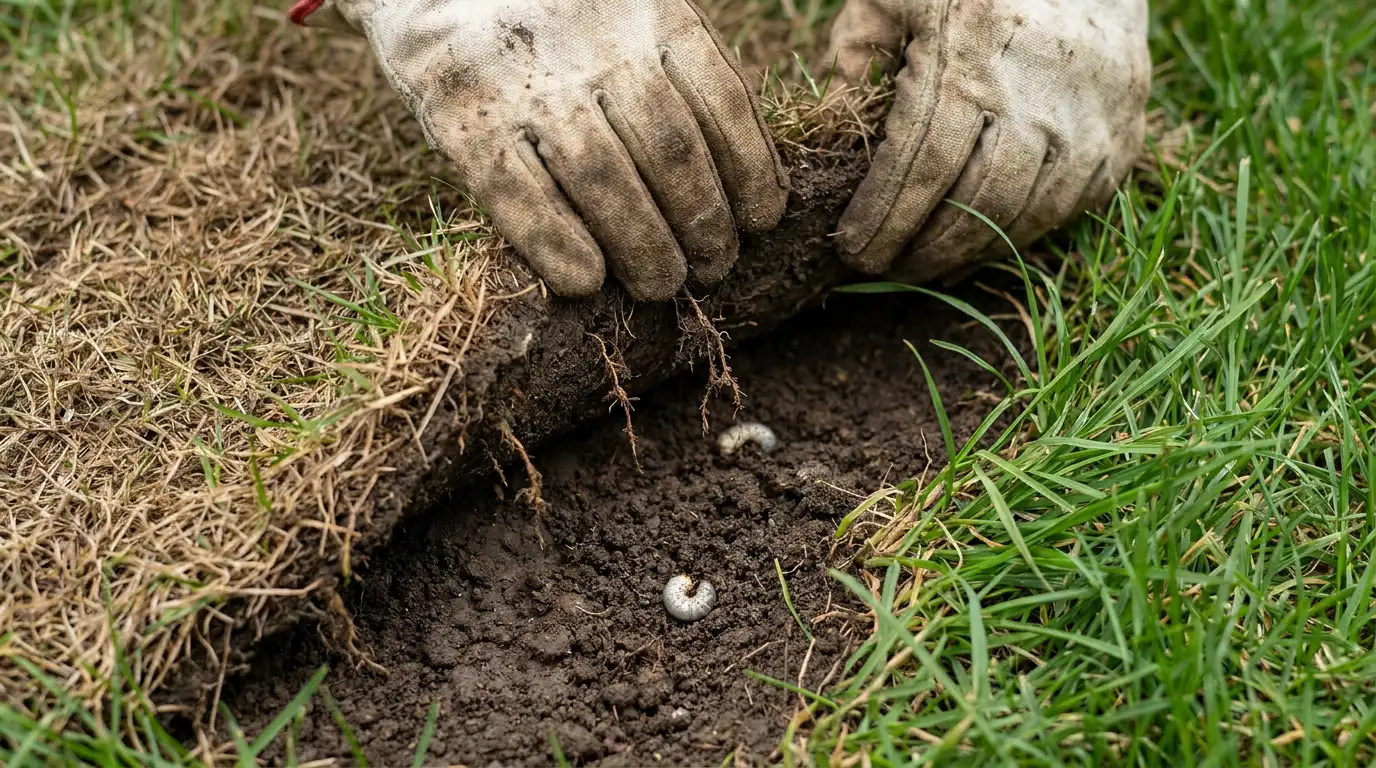
Turf that pulls up easily is one of the clearest signs of heavy grub feeding. Damaged grass has too few healthy roots. Gently tug the edge of a brown or weak patch. If it rolls back like carpet, inspect the soil underneath.
Healthy turf should resist your pull because its roots hold it firmly. Loose grass and visible larvae provide stronger evidence. Use this check before treating the lawn, especially when damaged patches continue spreading.
3. Birds and Animals Digging
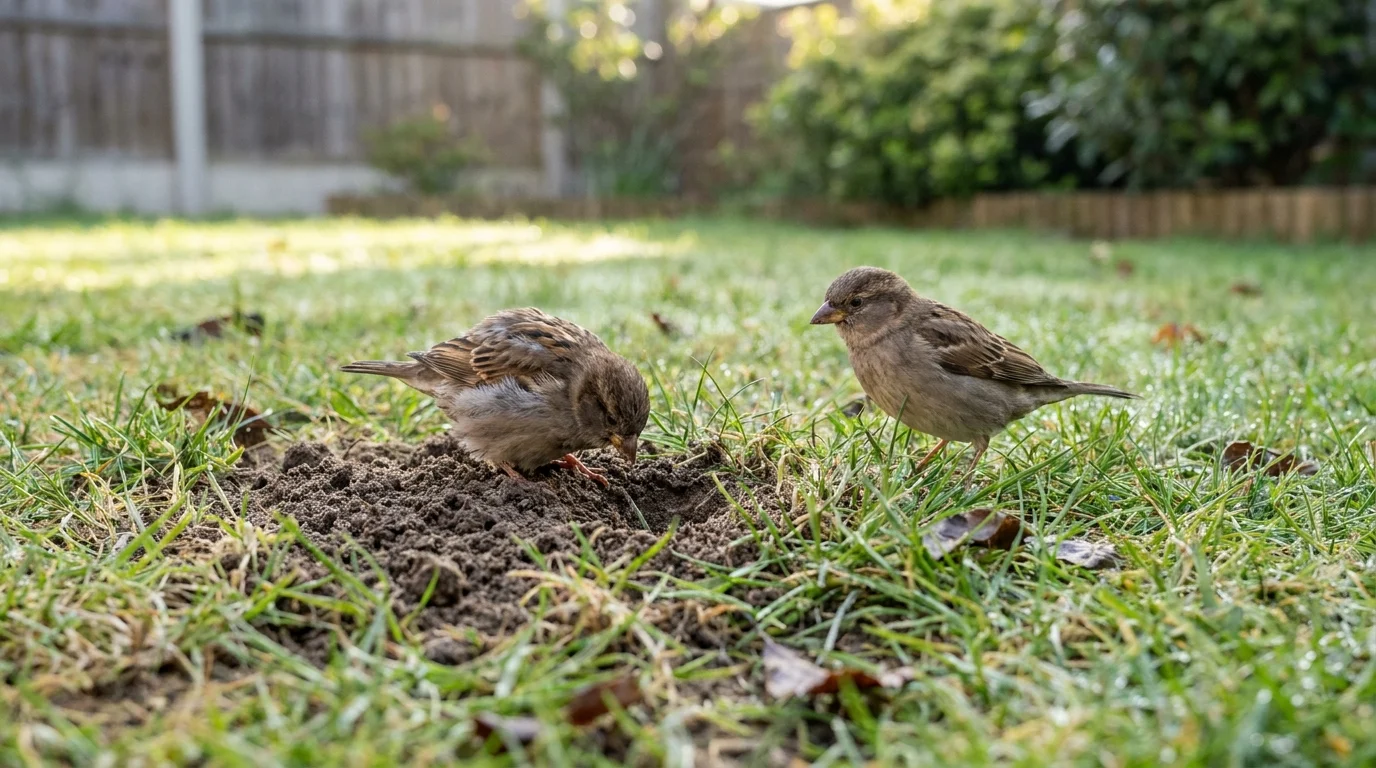
Birds, skunks, raccoons, and other animals may dig into turf while searching for grubs. Fresh holes can appear overnight. Animal activity does not always prove a serious problem. Earthworms and other soil insects can also attract hungry wildlife.
Repeated digging in one area deserves a closer look. Several matching signs give you a better answer than digging alone, so inspect the soil before treating.
4. White Grubs Under the Soil
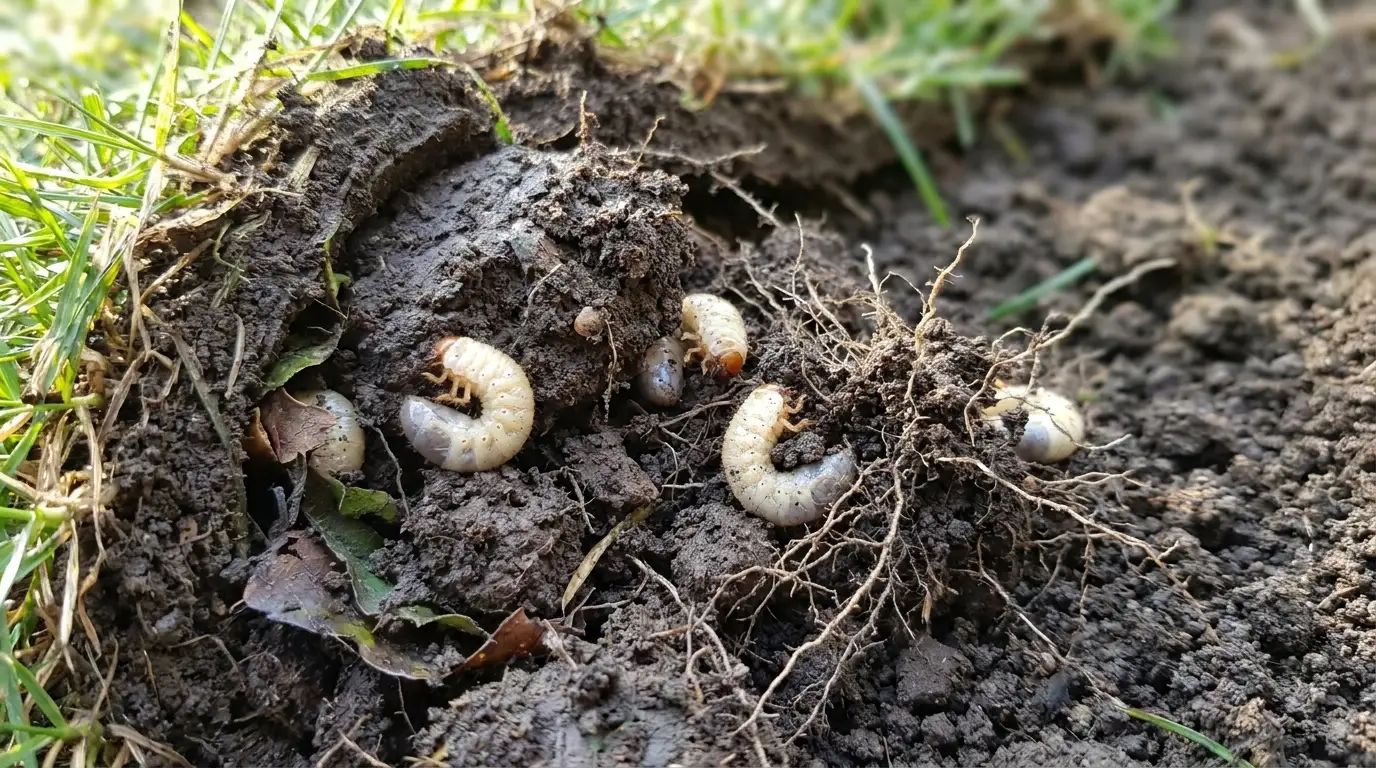
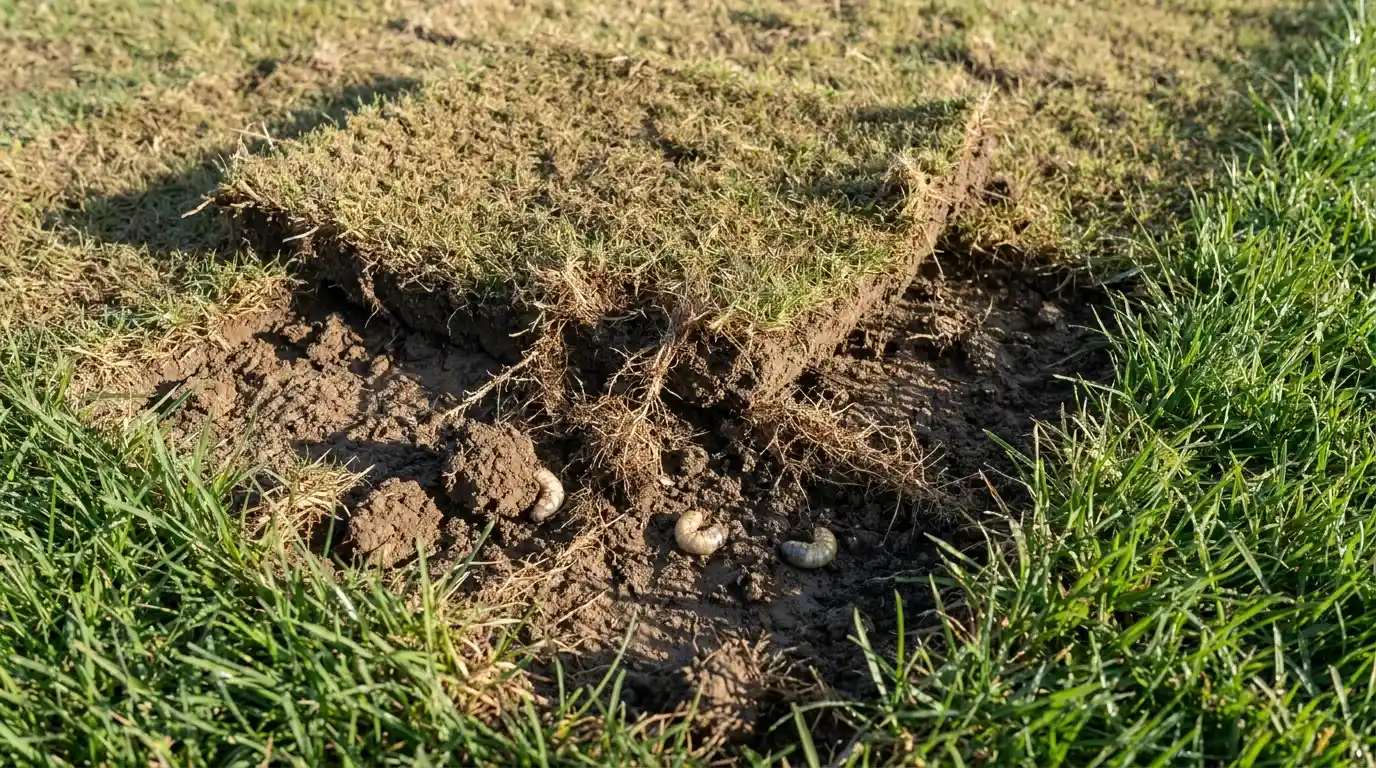
Cut a small square of turf near the edge of a damaged patch. Lift it and inspect the upper soil layer. Lawn grubs are usually creamy white with brown heads and six legs. Their bodies often curl into a C shape.
Count every grub you find, then replace the turf carefully. Water the area lightly so the roots can settle again. Check several locations because grub numbers may vary widely across one lawn.
How to Identify Whether Lawn Grubs Are Harmful
Finding a few grubs does not always mean your lawn faces serious harm. Compare their numbers with root strength and visible turf damage.
The table below separates mild activity from damage that may need treatment, using ranges consistent with the threshold Penn State Extension cites for most home lawns.
| What to Check | Low Concern | Moderate Concern | High Concern |
|---|---|---|---|
| Grub Count | Fewer than five per square foot | Five to ten per square foot | Ten or more per square foot |
| Root Strength | Turf stays firmly attached | Turf feels slightly loose | Turf lifts like loose carpet |
| Patch Growth | No spreading damage | Patches slowly become larger | Brown areas spread quickly |
| Grass Condition | Green and well rooted | Thin, dull, or yellow | Brown, dead, or badly weakened |
| Animal Digging | Little or none | Occasional digging | Repeated digging across damaged turf |
Numbers alone do not confirm serious harm. Consider species, soil moisture, root loss, and overall lawn health before treating.
What Do Grubs Turn Into?
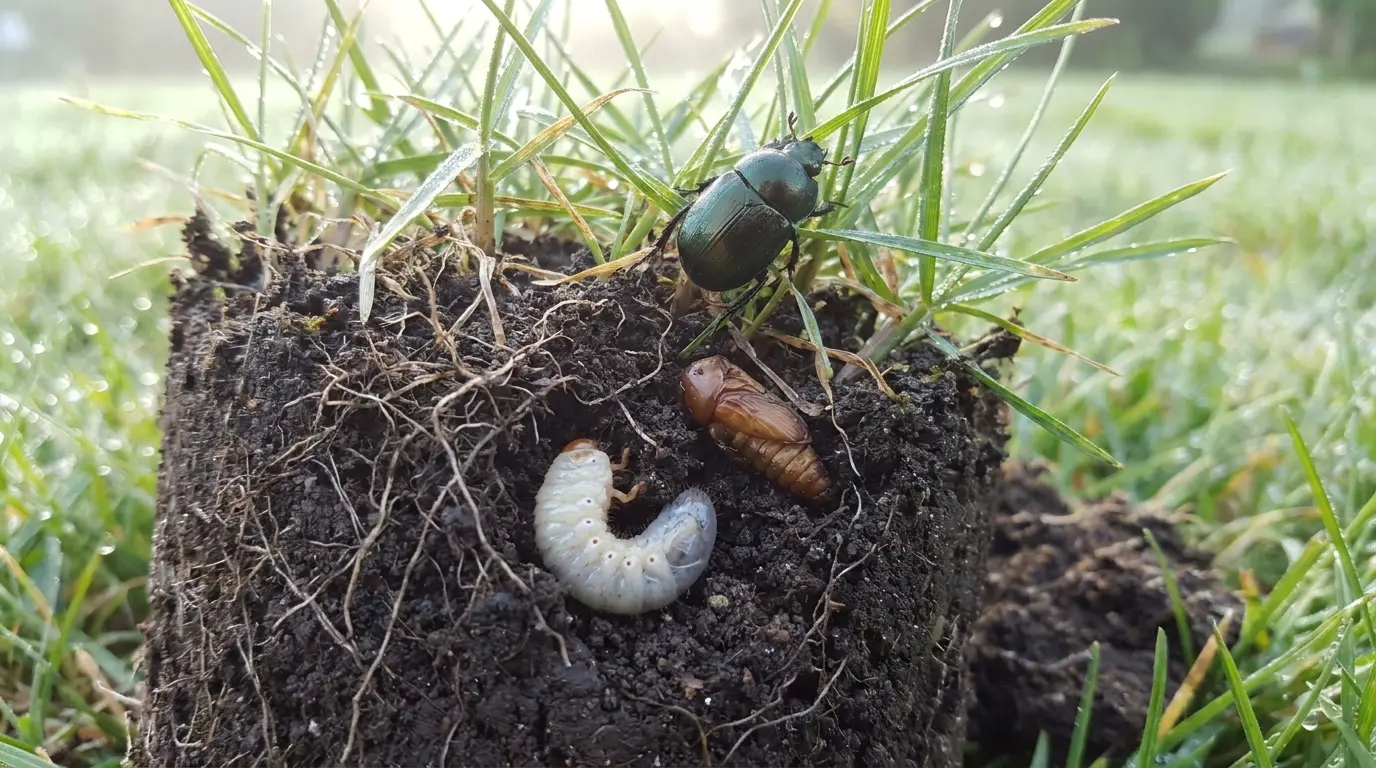
After feeding beneath the turf for several weeks, grubs enter a pupal stage before emerging as adult beetles. The exact adult form depends on the species involved.
Common examples include Japanese beetles, June beetles, masked chafers, and other scarab beetles. Their size, color, and habits can differ, even though the larval stage often looks similar underground.
Some adults, including Japanese beetles, feed on flowers, leaves, or fruit above the soil line. Others cause little noticeable plant damage after emerging and mostly focus on finding a mate.
Female beetles later lay eggs in suitable soil, usually in areas with steady moisture. Those eggs hatch into larvae that begin feeding on grass roots, which is when real turf damage tends to start.
Knowing the adult species can help with seasonal timing and treatment planning. However, seeing beetles nearby does not reliably predict future lawn damage on its own.
Understanding the Lawn Grub Life Cycle
The lawn grub life cycle has four stages. Each stage affects when feeding occurs and when control may work best.
- Egg stage: Adult beetles lay eggs in suitable soil during warm weather.
- Larval stage: The eggs hatch, and the larvae begin feeding on grass roots.
- Pupal stage: Mature larvae stop feeding and change into pupae beneath the soil.
- Adult stage: Beetles emerge, mate, and later lay another group of eggs.
Many larvae move deeper underground when temperatures fall. They may return toward the roots as spring soil warms. Early-stage larvae are usually easier to manage than older ones. Treatment timing should match the species, season, and product label.
When Are Lawn Grubs Most Active?
Early-stage larvae often feed near the soil surface from late summer into early fall. Brown patches and loose turf may become clearer during this window, especially in areas already stressed by heat or drought.
As temperatures fall, most feeding slows, and larvae settle deeper in the soil for the coldest months, then move back toward the root zone once spring arrives.
Spring larvae are larger and harder to control, though growing grass may recover from light feeding. Damage depends on turf health, root strength, and how much soil moisture is available.
Timing varies by species, climate, and soil temperature, so no single date works for every lawn. Preventive products work best near egg hatch, while curative products need feeding larvae close to the roots.
Check local recommendations and follow the product label closely. Even a suitable treatment may fail when applied during the wrong stage.
How to Get Rid of Grubs in a Lawn
The best treatment depends on grub species, size, season, and visible damage. Inspect several areas before applying a curative product.
Small larvae are usually easier to control than older ones. The table below matches each option with suitable timing.
| Control Method | Best Time to Use | How to Apply It | Important Detail |
|---|---|---|---|
| Beneficial Nematodes | When small larvae feed in warm, moist soil | Apply with water and keep the soil moist | Use a species labeled for white grub control |
| Preventive Product | Before or near egg hatch | Apply evenly and water it into the root zone | Best for areas with past damaging infestations |
| Curative Product | When inspection confirms feeding larvae and root damage | Apply as directed and water it into the soil | Older or deeper larvae are harder to control |
| Lawn Repair | After feeding activity is controlled | Reseed, replace sod, and water damaged areas | Repairs turf but does not kill larvae |
Follow all label directions. Confirm grub activity before curative treatment, and avoid automatic preventive use every year. University of Maryland Extension also notes that natural predators like skunks help keep grub numbers down and are worth tolerating rather than driving off, since they aerate the lawn while feeding.
What Homeowners Say About Lawn Grub Control
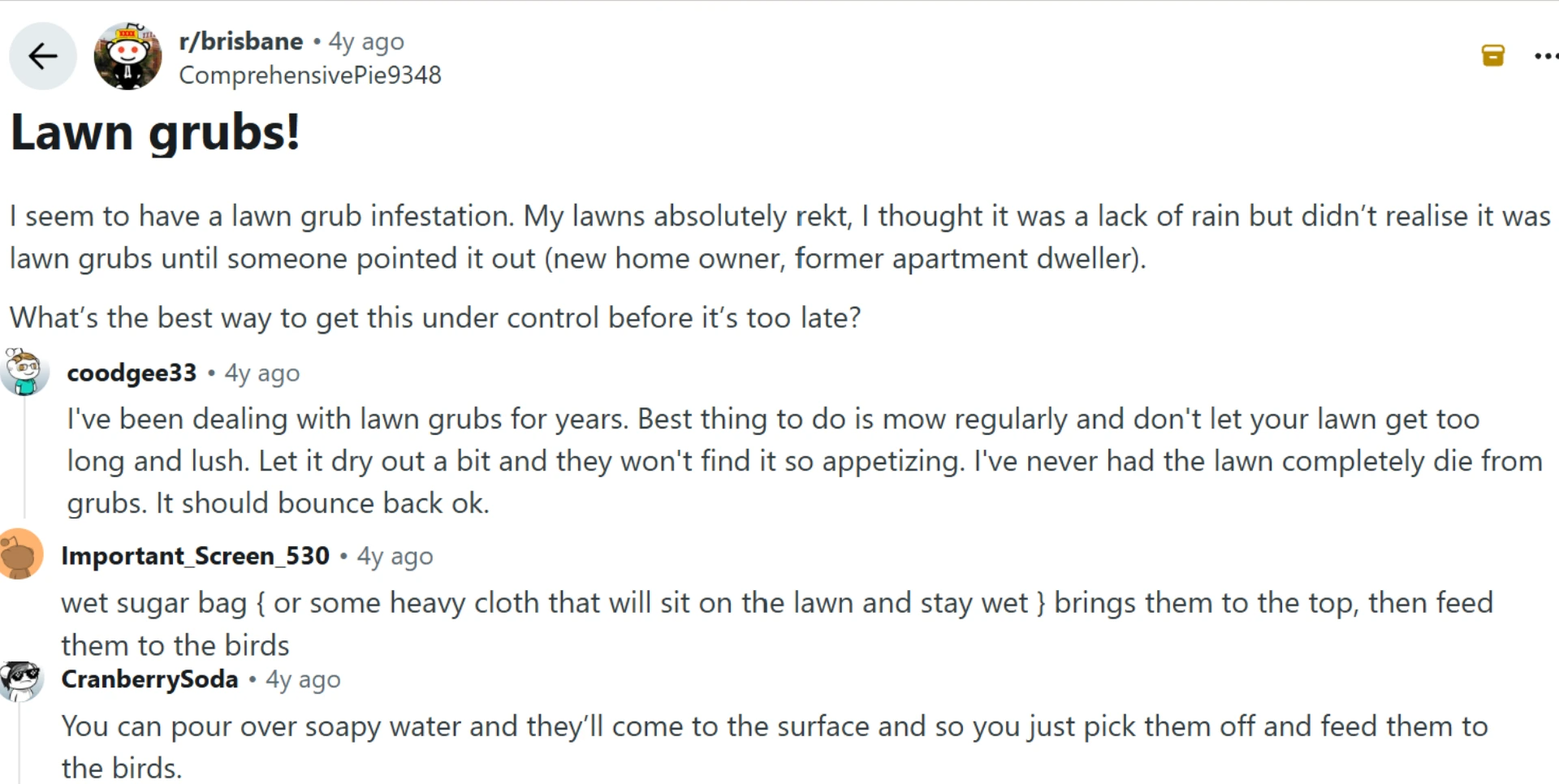
An online discussion on Reddit about lawn grubs shares several methods homeowners have tried after noticing damaged turf. One person says regular mowing and avoiding overly long, lush grass helped reduce ongoing problems.
That same reply suggests allowing the lawn surface to dry slightly, rather than keeping it constantly wet. The commenter also notes that their grass recovered instead of dying completely from grub damage.
Other users mention simple ways to bring grubs closer to the surface. One suggests placing a wet cloth or heavy bag over the lawn, while another recommends pouring soapy water over a small area.
These ideas come from personal experience, so results may differ between lawns. Soil type, grass health, grub numbers, and weather can all affect the outcome. The safest approach is still to inspect the soil first, then compare any home method with local lawn advice before treating a large area.
How to Prevent Future Grub Problems
Strong turf handles root feeding better than weak grass. Good care will not remove every grub, but it can reduce damage and support recovery.
- Mow correctly: Keep grass at a suitable height and use proper mowing techniques so it can build a larger root system.
- Water carefully: Water deeply when needed, but avoid keeping the surface constantly wet during egg-laying.
- Repair thin areas: Reseed or sod damaged spots to rebuild turf strength, not simply to block egg laying.
- Check hot spots: Inspect areas with past grub damage during the local egg-hatch period.
- Use prevention wisely: Apply preventive products only where past damage or local risk supports treatment.
Healthy roots remain the best defense. Combine proper care with soil checks instead of relying on automatic yearly treatment.
Can a Lawn Recover From Grub Damage?
A lawn can recover when enough healthy roots remain. Light damage may improve with proper watering, mowing, and less foot traffic. Badly damaged areas may need fresh seed, new sod, or soil repair.
Control feeding larvae before restoring the turf, and keep in mind that scattering seed on top of damaged turf rarely works as well as proper soil preparation first. Keep repaired areas evenly moist while new roots develop.
Avoid soaking the soil because constant moisture can create other problems. Choose seed or sod that matches your existing grass type. This helps repaired patches match the rest of the lawn.
Grass should resist gentle pulling once the roots become stronger. Recovery may take several weeks, depending on weather, soil, and damage.
Frequently Asked Questions
Can grubs bite pets?
No, lawn grubs do not bite or sting people or pets in any way. They feed only on plant roots and organic matter in the soil. Still, keep children and animals away from freshly treated soil for the period stated on the product label.
Can grubs enter homes?
Rarely. Grubs need soil, moisture, and plant roots to survive, so they cannot live indoors for long. If you find one inside, it was most likely carried in accidentally with a potted plant, a patch of sod, or a muddy shoe.
Do grubs harm gardens?
Some grub species may feed near flowers, vegetables, or young shrubs in addition to lawn grass. Check the soil around the roots when plants wilt despite getting enough water and show no clear signs of leaf disease or pest damage.
Are grubs actually worms?
No, grubs are beetle larvae, not worms at all. True worms belong to an entirely different group of animals. Their pale, soft bodies and curved C shape simply make grubs look somewhat wormlike at a quick glance underground.
How many grubs are too many in a lawn?
There is no single limit that applies to every lawn. Five to ten grubs per square foot is a common concern range, but species, turf health, moisture, and root damage all matter. Some healthy, well-maintained lawns tolerate higher numbers without visible injury.
Wrapping Up
Grubs in lawn soil are common, and a few usually cause little concern. Trouble begins when heavy feeding weakens roots and loosens turf. You can make better choices by checking brown patches, root strength, animal activity, and the soil itself.
Treat only after confirming feeding larvae. Timing matters because smaller larvae are easier to manage than larger spring grubs.
Proper mowing, careful watering, and early checks support stronger grass. You now know what grubs turn into and how their life cycle affects your lawn. Careful inspection can limit damage without unnecessary products.
A steady approach gives damaged grass the best chance to recover. Share your experience or questions in the comments.