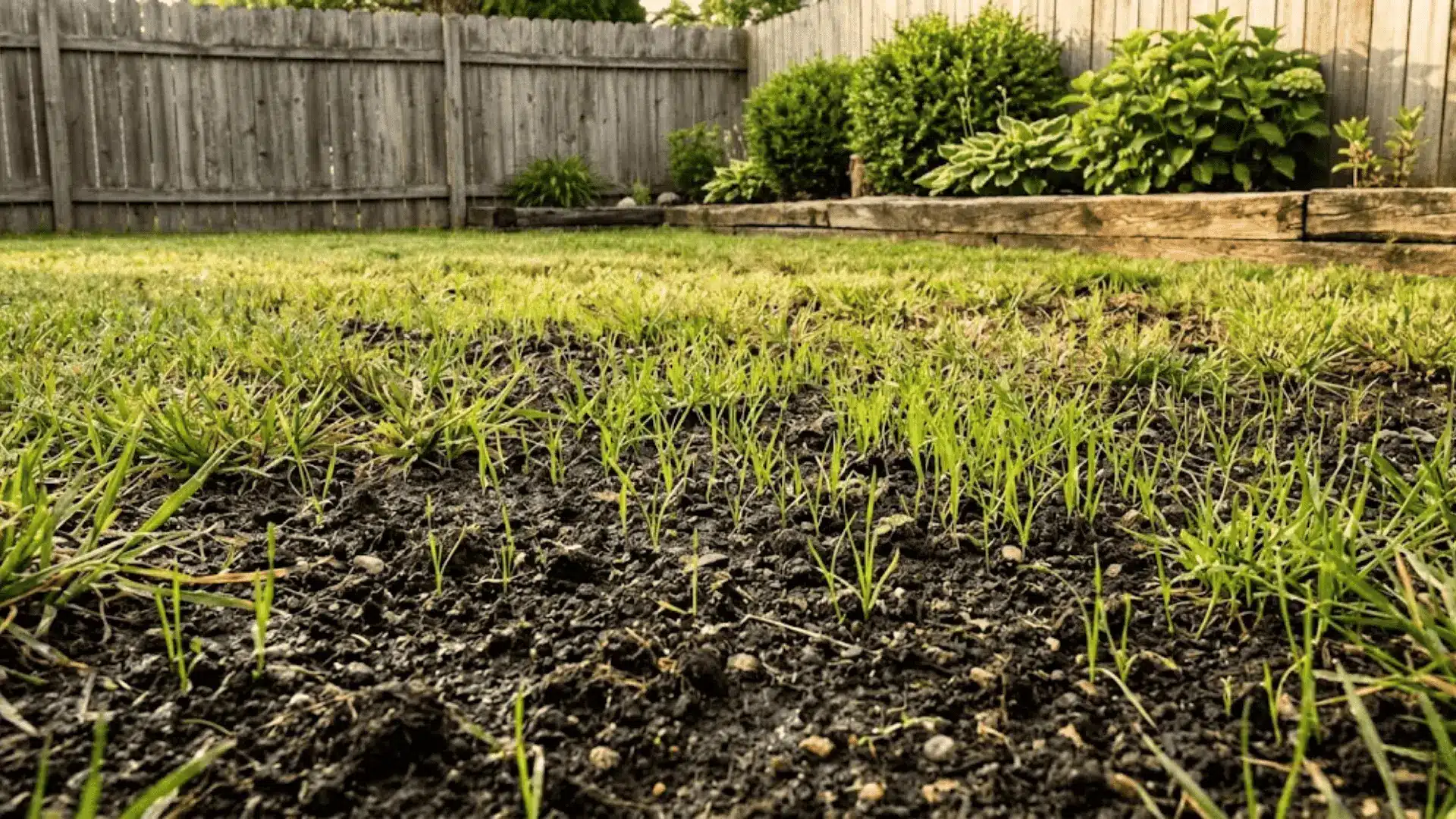
A tired, patchy lawn is honestly more fixable than most people realize, and it usually starts with something as simple as seed.
Filling in bare spots is called reseeding, and laying fresh seed over existing grass to thicken it up is overseeding.
The process is more approachable than it looks. A little effort at the right time means thicker, lusher grass, fewer weeds creeping in, and a yard that actually looks like you meant for it to look that way.
Let’s walk through everything, from timing and tools to aftercare.
Reseeding vs. Overseeding: What’s the Difference?
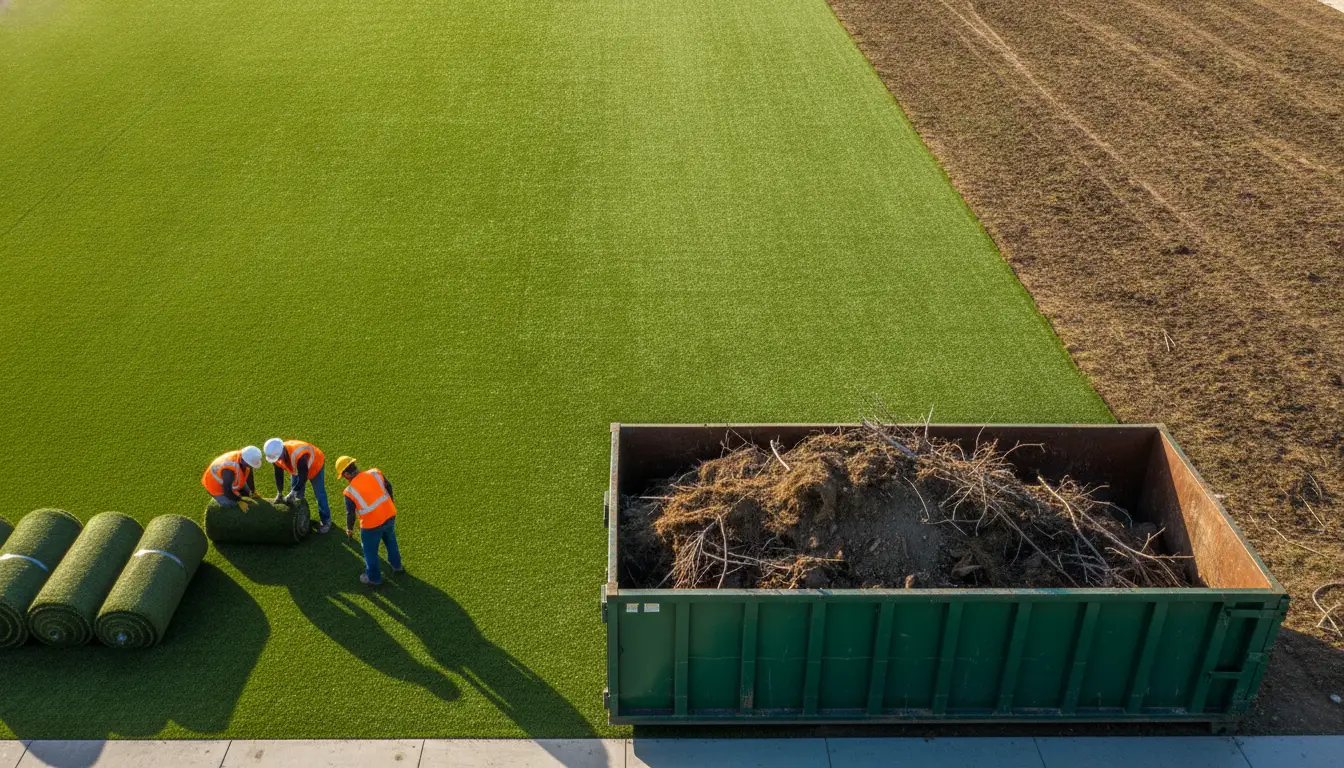
Reseeding means starting fresh, typically when large sections of your lawn are bare or too damaged to recover on their own.
Overseeding is gentler; you are spreading new seed over existing grass to thicken it up and fill in the thin spots.
Choosing between the two comes down to how much grass you are actually working with. If more than half your lawn is bare, reseeding is the move.
If your grass is just looking tired, thin, or a little patchy in places, overseeding will do the job beautifully without tearing everything up and starting over.
When is the Best Time to Reseed a Lawn?
Timing is everything with reseeding, and getting it right is honestly half the battle.
Grass type is what drives the decision here, so here is a clean breakdown:
| Grass Type | Best Time | Backup Window | What to Avoid |
|---|---|---|---|
| Cool-Season Grasses | Early fall | Spring (less ideal) | Summer heat, hard frost |
| Warm-Season Grasses | Late spring to early summer | Early fall in mild climates | Cold soil, winter frost |
Soil temperature and moisture are what actually make germination happen, so planting outside your grass’s ideal window usually means poor results, no matter how well everything else is done.
Tools and Materials You’ll Need
Before getting into the actual process, gathering everything upfront saves a lot of back and forth.
Here is what you will need:
- Grass seed matched to your climate and existing lawn type
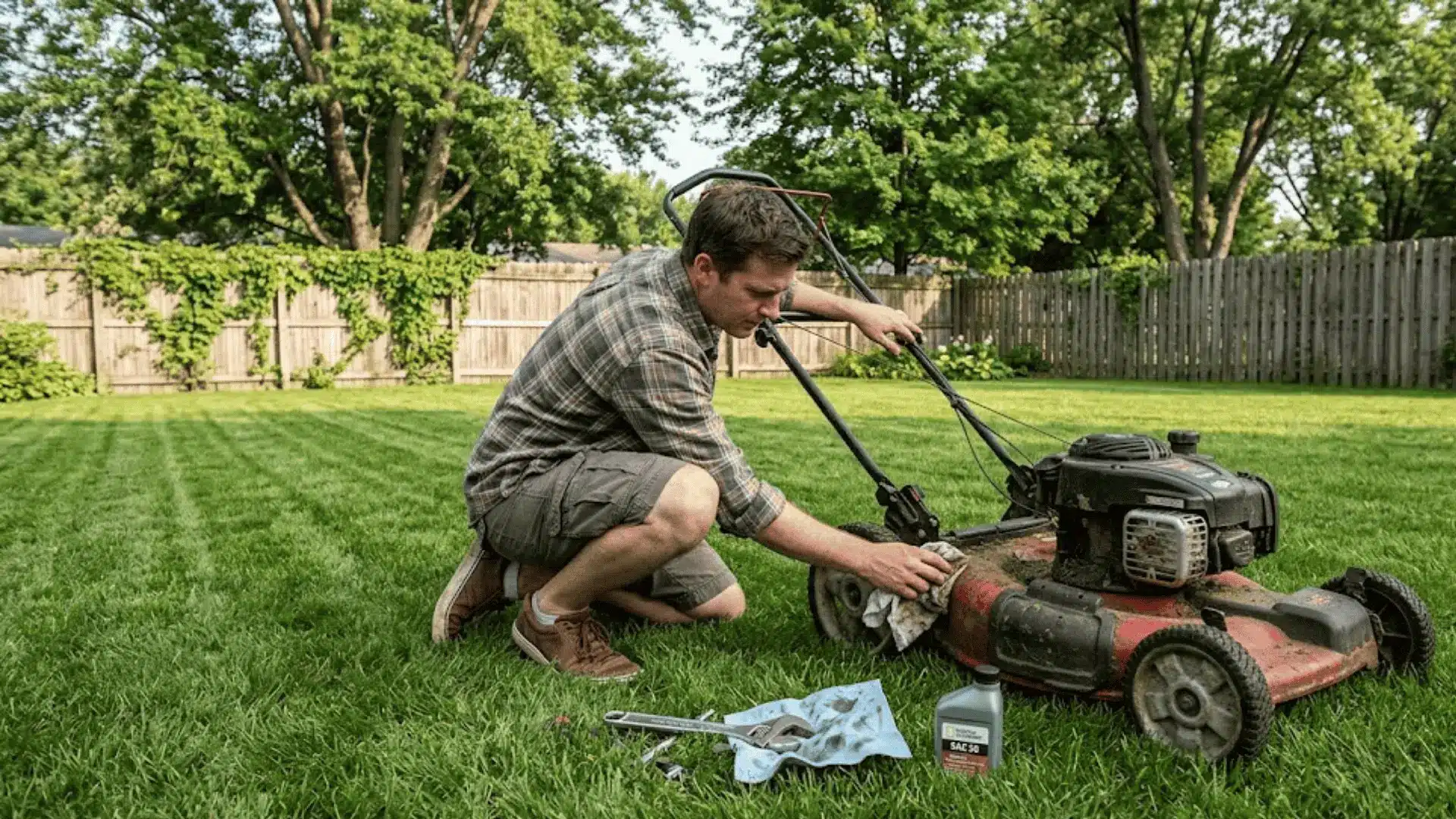
- Lawn mower to cut the grass down before seeding
- Rake or dethatcher to clear out dead material and loosen the surface
- Aerator to open up the soil and improve seed contact (optional but genuinely worth it)
- Seed spreader for even, consistent coverage
- Topsoil or compost to lightly cover the seed and retain moisture
- Starter fertilizer to give new seedlings the nutrients they need early on
Step-by-Step: How to Reseed a Lawn?
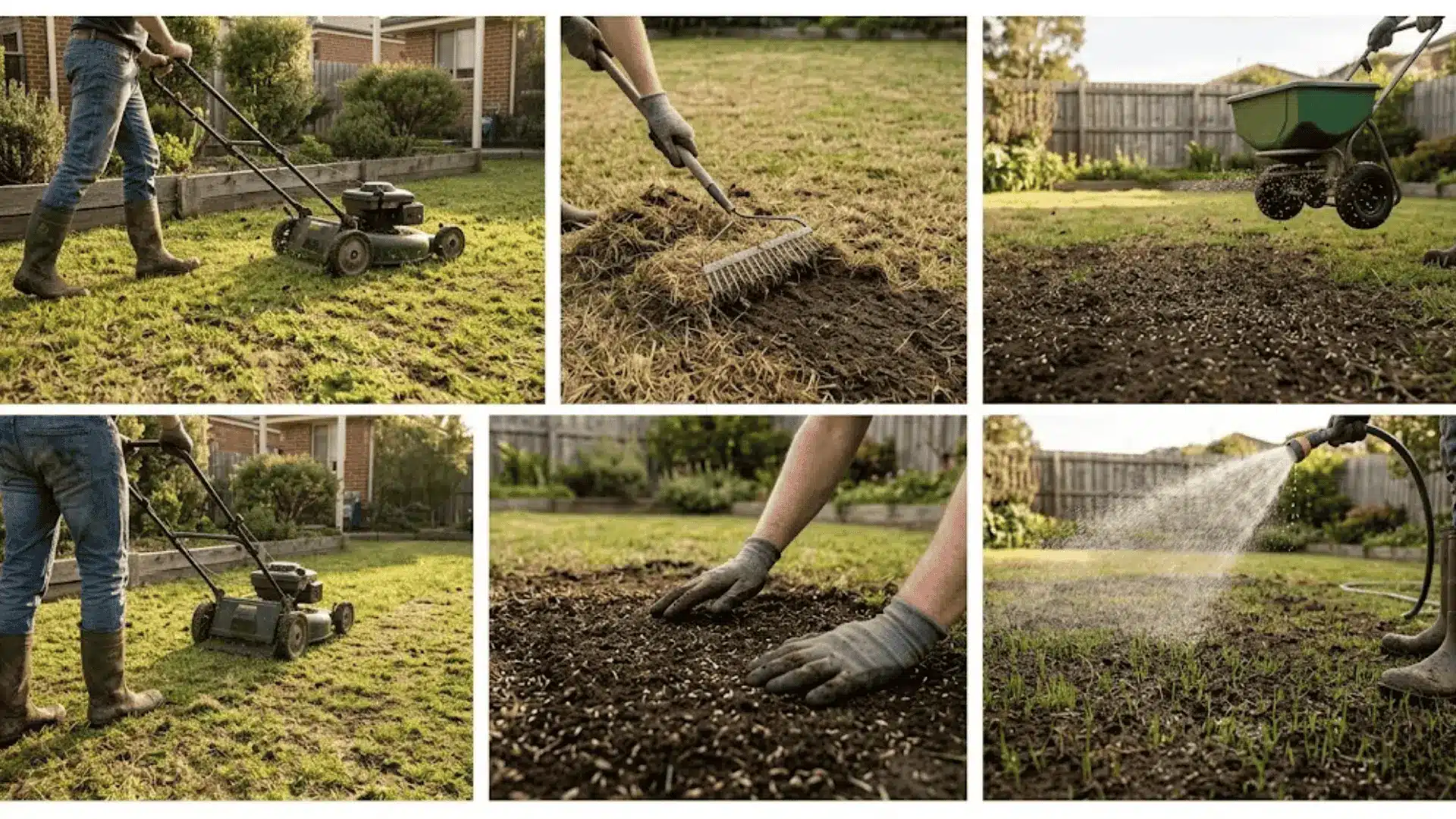
Reseeding a lawn is less about effort and more about doing the right things in the right order.
Follow these steps, and the results will speak for themselves.
Step 1: Mow Low and Clear the Surface
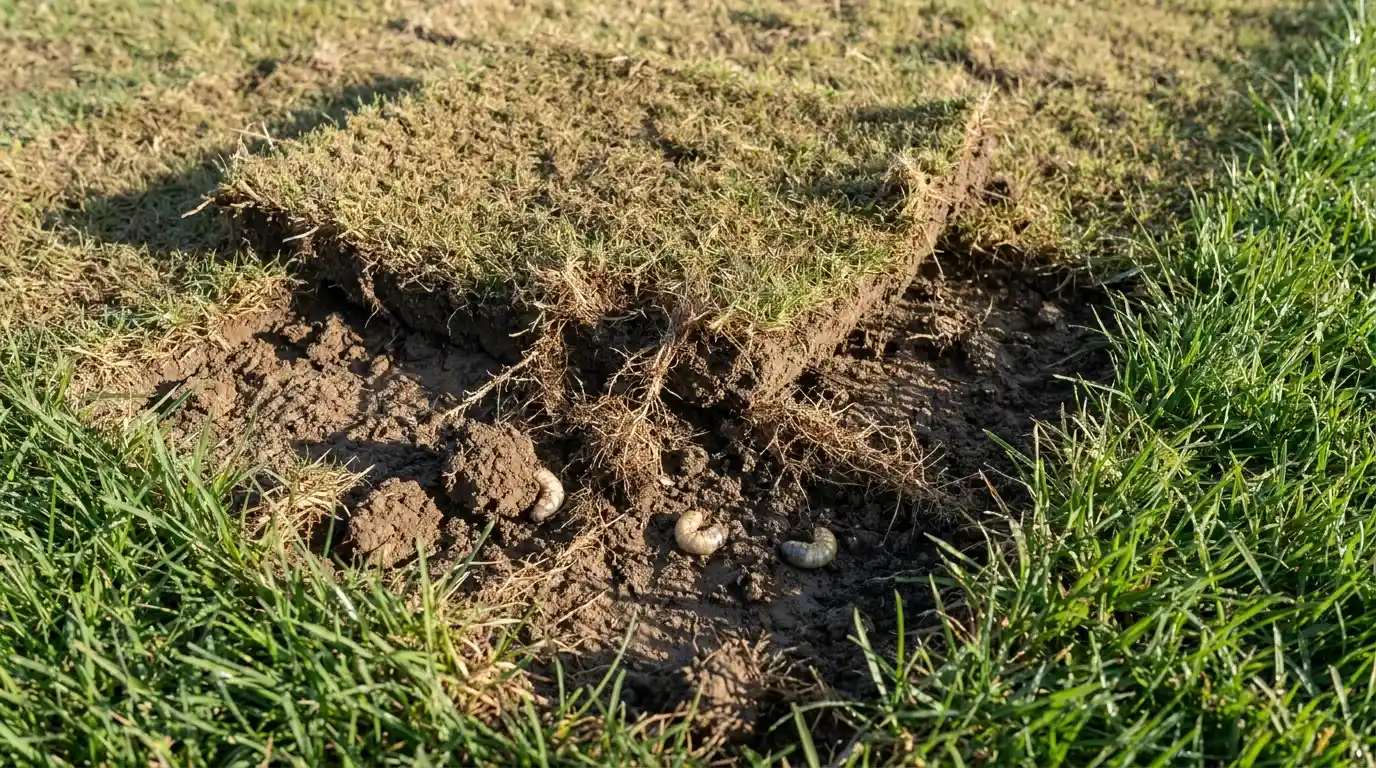
Start by mowing your lawn shorter than usual, without going so short that you scalp the soil. Once that is done, rake away any dead grass, leaves, and built-up thatch.
This clears the path for seeds to actually reach the soil instead of sitting on top of debris and never germinating. Clean surface contact is what separates results from wasted seed.
Step 2: Loosen and Prep the Soil
Compacted soil is one of the most common reasons reseeding fails quietly.
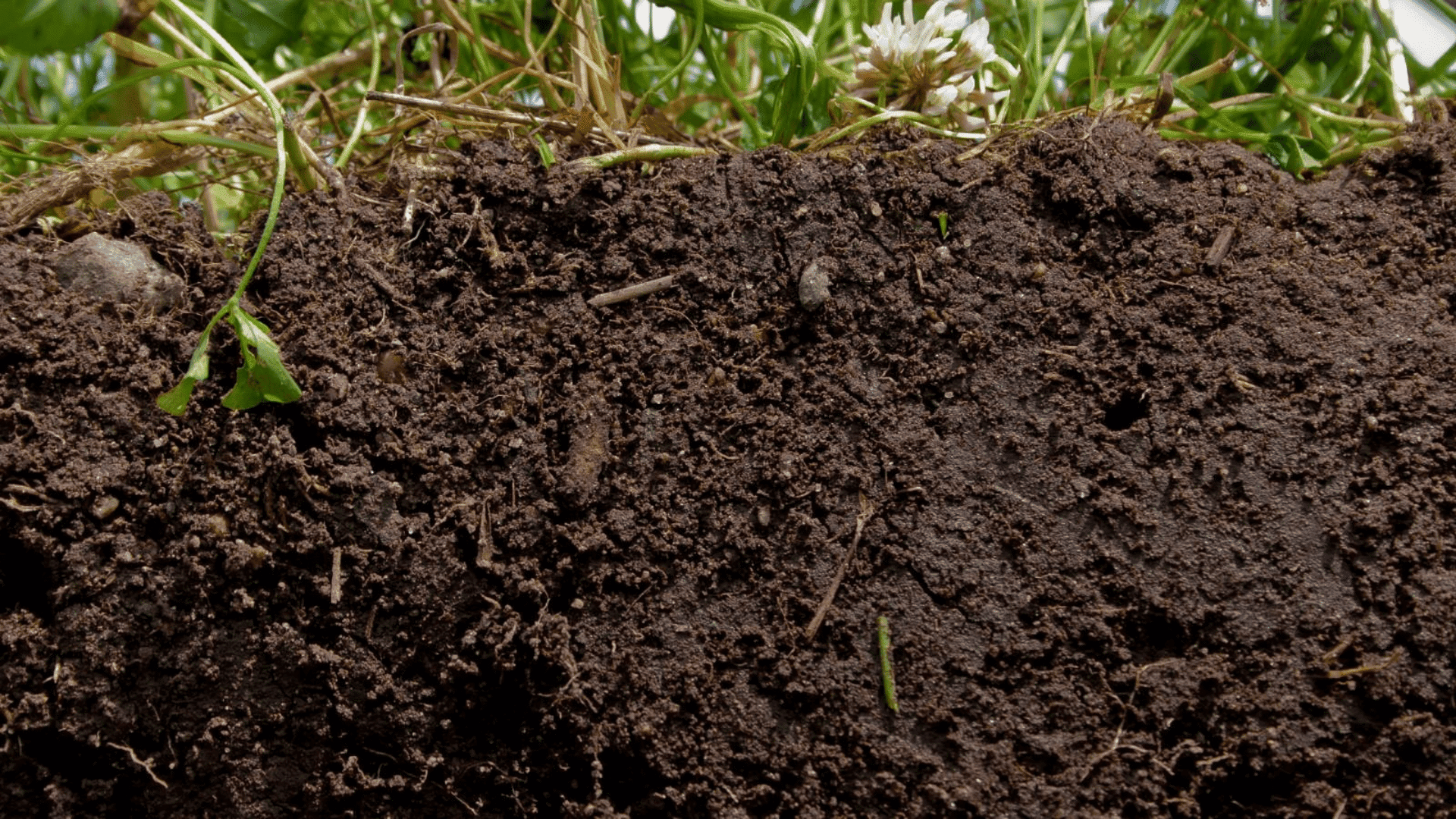
Aerating or loosening the topsoil gives roots somewhere to actually go, and following that up with a light layer of compost or topsoil adds nutrients while improving the conditions for germination.
This step is optional in theory, but makes a noticeable difference in practice.
Step 3: Spread the Seed Evenly
Load your seed spreader and work in two directions, once horizontally and once vertically, for the most uniform coverage.
Spreading in a single pass almost always leaves thin lines or uneven patches. Consistent, overlapping coverage is what gives you that full, even lawn rather than a hit-or-miss result.
Step 4: Cover and Protect the Seed
Once the seed is down, add a light layer of compost or soil over the top, just enough to tuck the seeds in without burying them too deep.
This protects them from birds, wind, and drying out too quickly. Moisture retention at this stage directly affects how many seeds actually germinate.
Step 5: Water Consistently and Patiently
Keep the soil consistently moist in the first few weeks, but soggy is not the goal. Light, frequent watering works far better than heavy drenching.
As the seedlings establish, you can gradually shift to deeper, less frequent watering to encourage the roots to grow downward and anchor properly.
Step-by-Step: How to Overseed a Lawn?
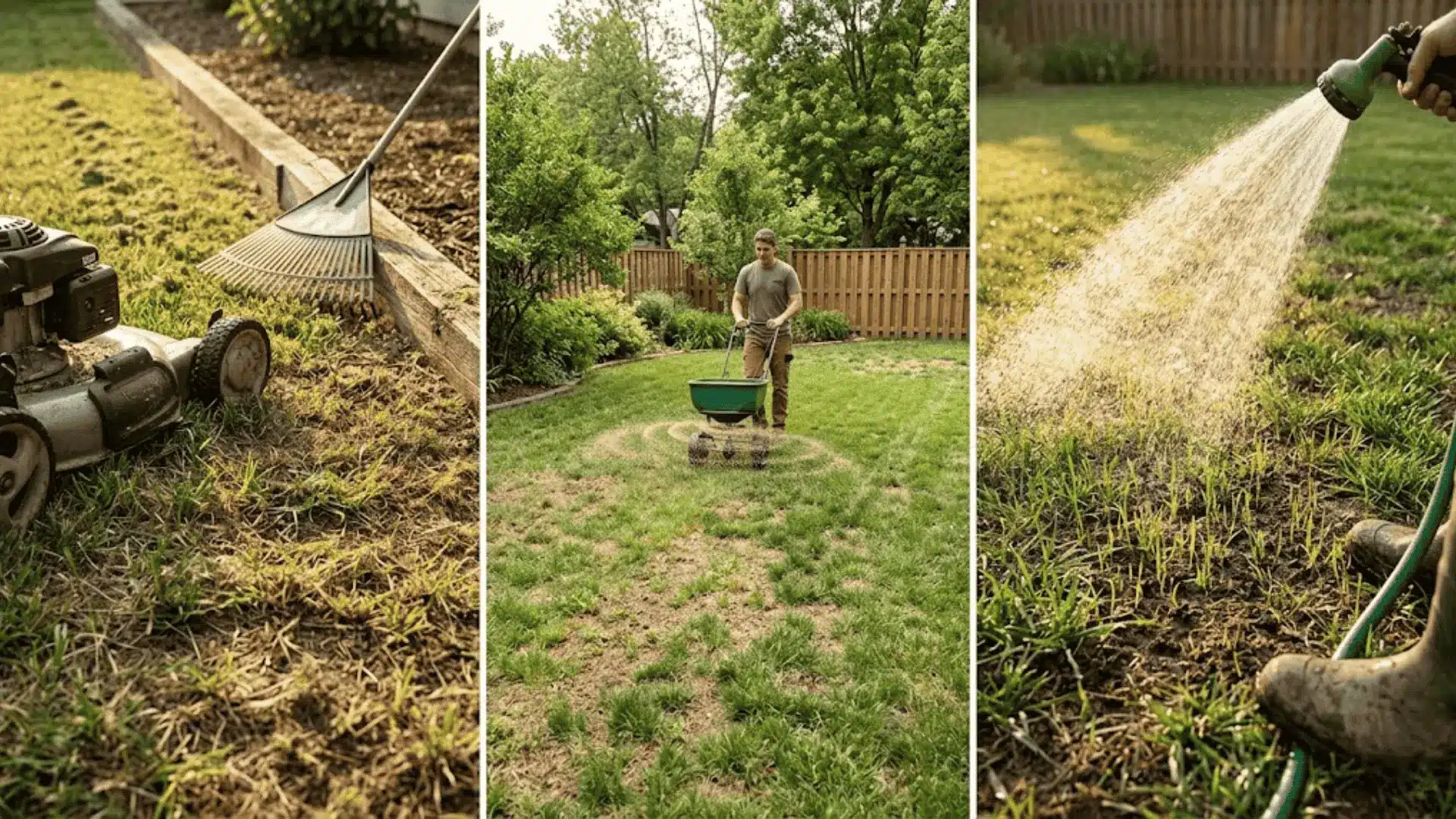
Overseeding is a lighter lift than reseeding, but the results are just as rewarding. If your lawn is thinning rather than gone, this is the smarter, less invasive route.
Step 1: Mow Short and Clear the Surface
Cut your grass lower than usual and rake away any loose debris or thatch sitting on top.
The closer the seed gets to actual soil, the better it will perform. This step takes maybe 20 minutes but sets the tone for everything that follows.
Step 2: Spread Seed Over the Existing Lawn
Focus your seed on the areas that look thin, patchy, or worn down, but do not skip the healthier sections either.
Overseeding the entire lawn is what gives you that uniform, dense look rather than a patchwork of thick and thin. A spreader makes this faster and far more even than spreading by hand.
Step 3: Water, Wait, and Stay Off the Grass
Keep the soil consistently moist in the first couple of weeks, and try to keep foot traffic off the lawn while the seeds are settling in.
New seedlings are fragile before they anchor. The payoff, though, is real: thicker grass that fills in naturally and gradually crowds out weeds without any extra intervention needed.
Aftercare: How to Help New Grass Grow?
Getting the seed down is only half the job. How you care for the lawn in the weeks after is what actually determines whether you end up with thick, healthy grass or a patchy redo.
1. Watering Schedule
Watering after reseeding is not about drenching the lawn; it is about consistency. The goal shifts as the grass grows, so here is how to adjust over time:
| Phase | Frequency | Goal |
|---|---|---|
| Germination Phase | Daily light watering | Keep soil consistently moist |
| Seedling Phase | Every other day | Encourage deeper root growth |
| Established Phase | Two to three times a week | Maintain without overwatering |
2. When to Mow
Hold off on mowing until the new grass reaches around three to four inches tall. Cutting too soon pulls up seedlings that have not anchored properly yet.
Waiting that little bit longer protects everything you have put in and gives the lawn its best chance at filling in evenly before any stress is added.
3. Fertilizing
Apply a starter fertilizer right after seeding to give new growth the nutrients it needs from the beginning.
Follow up with a second round a few weeks in, once the seedlings are visibly establishing. Avoid heavy fertilizers early on, as they can burn tender new grass before it has had a chance to settle in.
4. Limit Foot Traffic
Keeping people and pets off newly seeded areas is more important than most people think.
Here is what to keep in mind:
- Stay off the lawn until the grass is tall enough to mow.
- Use temporary barriers or signage if needed for high-traffic areas.
- Even light, repeated foot traffic can displace seeds or damage fragile new roots.
Pro Tips for Faster, Thicker Results
Small habits make a big difference when it comes to how quickly and evenly your lawn fills in.
Keep these in mind throughout the process:
- Press seed into the soil rather than just scattering it on top for better contact and germination rates.
- Always invest in a high-quality seed blend that is matched to your climate and grass type.
- Pair aeration with overseeding whenever possible, as the combination consistently delivers thicker, faster results.
- Keep watering light and frequent early on rather than heavy and sporadic.
- Stick to a schedule because consistency through the germination phase is what separates a lush lawn from a patchy one.
Reseeding or overseeding is genuinely one of the highest-return things you can do for your yard, and now you have everything you need to do it well.
Give it time, stay consistent with the aftercare, and the results will show up.
How Long Does it Take for Grass Seed to Grow?
Grass seed does not sprout on a fixed schedule, and that is completely normal.
Germination typically happens anywhere between 5 and 21 days, depending on the grass type, soil temperature, and how consistently the area stays moist.
Cool-season grasses tend to sprout faster while warm-season varieties take a little more patience.
Full establishment, meaning a lawn that looks and feels genuinely thick and healthy, takes several weeks to a few months beyond that.
Staying consistent with watering and avoiding foot traffic during this window is what keeps the process moving in the right direction.
Final Thoughts
Knowing how to reseed a lawn well is less about perfection and more about showing up consistently through the process.
A little prep, the right timing, and steady aftercare are genuinely all it takes to turn a tired yard into something you are proud to look at every morning.
Lawns are more resilient than they get credit for, and yours is no different.
If you have already started or are planning to this season, drop your questions or progress in the comments below, and let’s talk through it together.