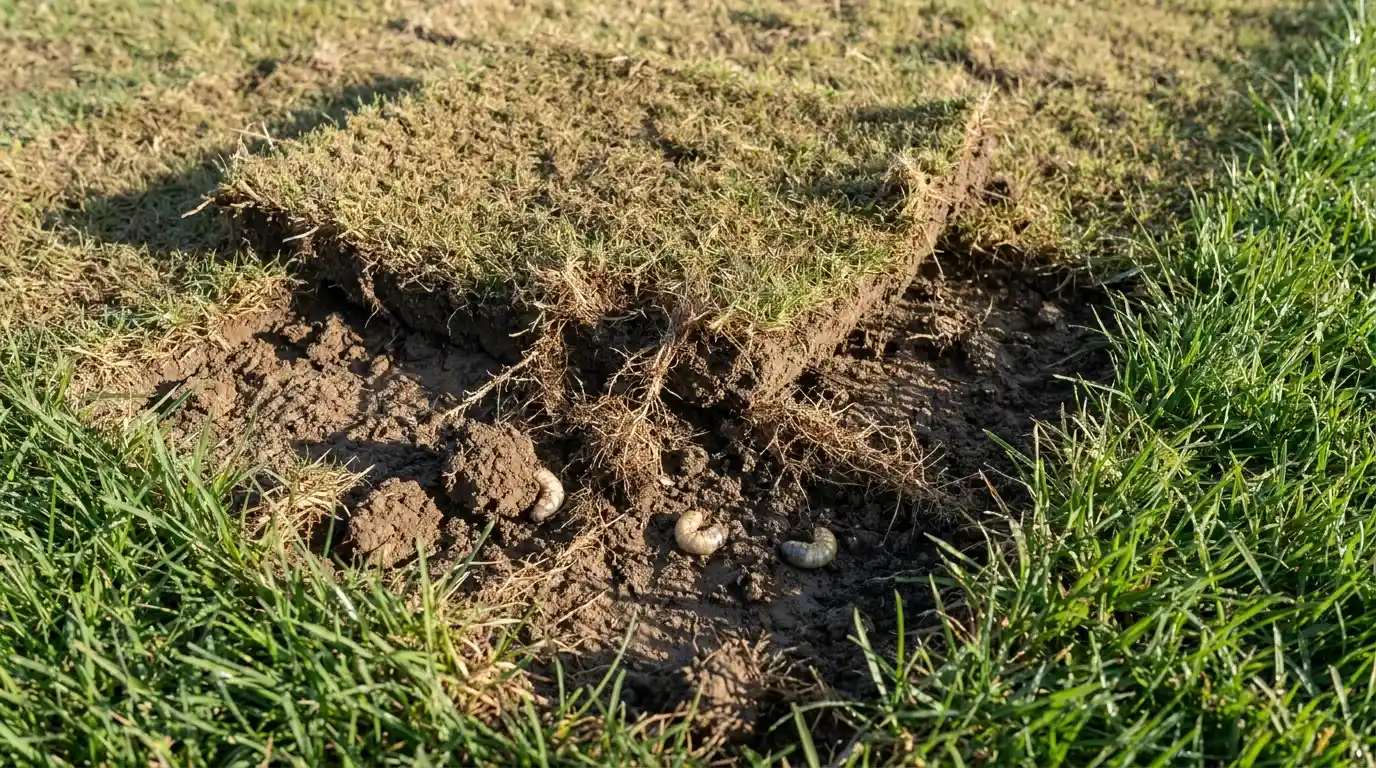
Your lawn can’t speak, but it shows signs when something’s wrong. Thin patches. Dry spots. Slow growth. These are clues.
I missed them for a while, thinking more water or fertilizer was the answer. But the real fix came when I figured out how often should you aerate your lawn.
That’s when everything started to turn around.
If your lawn feels spongy or hard, or the grass just won’t fill in, you might be dealing with compacted soil. Aeration gives your grass room to breathe and grow strong roots.
In this blog, I’ll walk you through how often you should aerate based on your lawn’s needs. You’ll also learn how to spot the signs and the easiest way to get started.
The Role Aeration Plays in a Healthy Lawn
Your lawn might look fine on the surface, but what’s happening underneath can make or break its health.
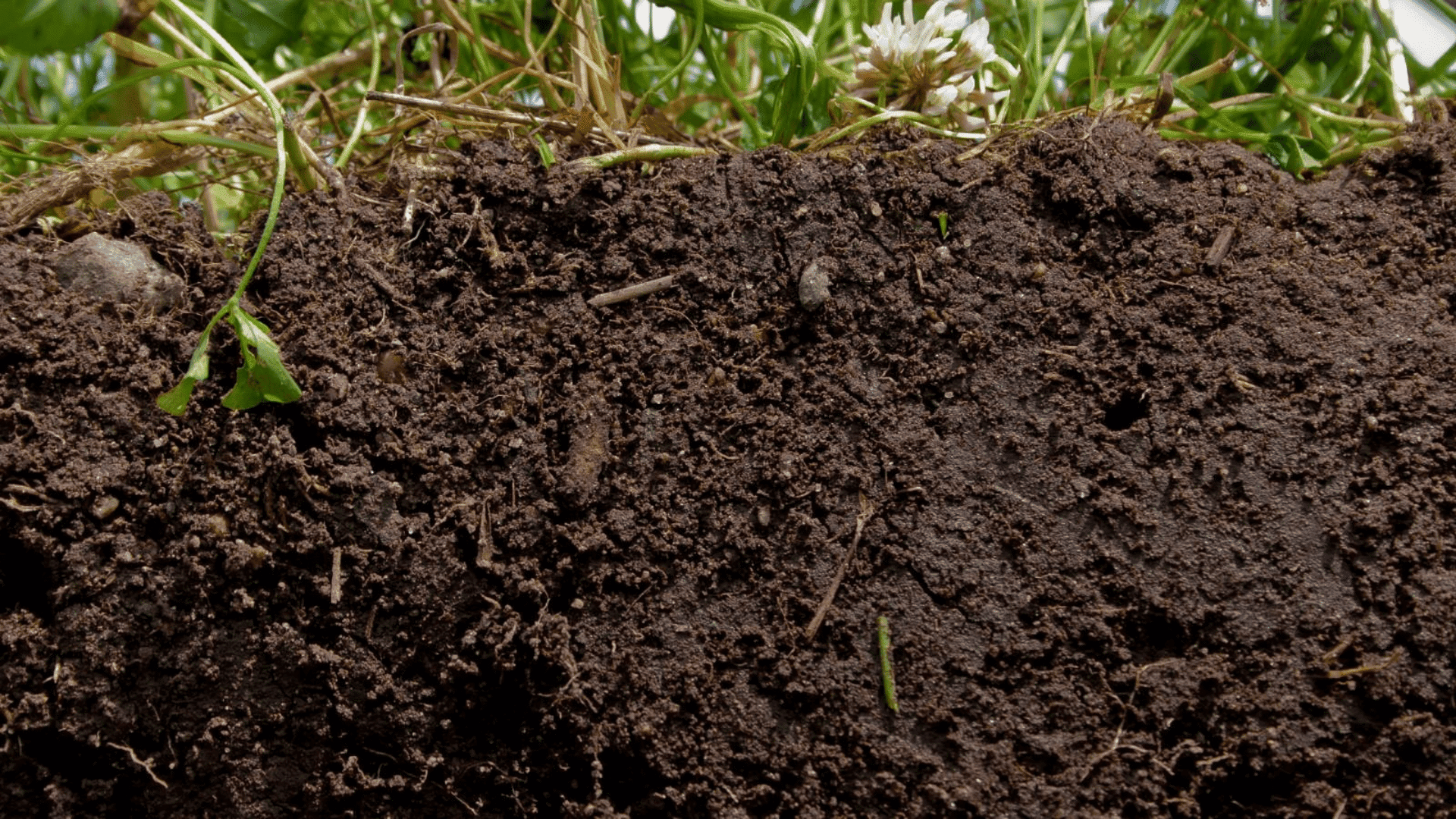
Lawn aeration is about creating small holes in the soil so air, water, and nutrients can reach the roots more easily. When soil gets packed down, roots have to fight harder for what they need and that weakens the whole lawn over time.
Aeration helps break up that tight soil, giving roots space to grow deeper and stronger. This makes grass more able to handle heat, drought, and foot traffic.
Without enough air and water getting to the roots, even the best-looking lawn can turn weak fast.
But here’s the key: it’s not just when you aerate; it’s also how often. Too little won’t make a difference. Too much can damage the grass.
Timing and frequency both matter if you want thick, healthy grass that actually lasts.
How Often Should You Aerate Your Lawn?
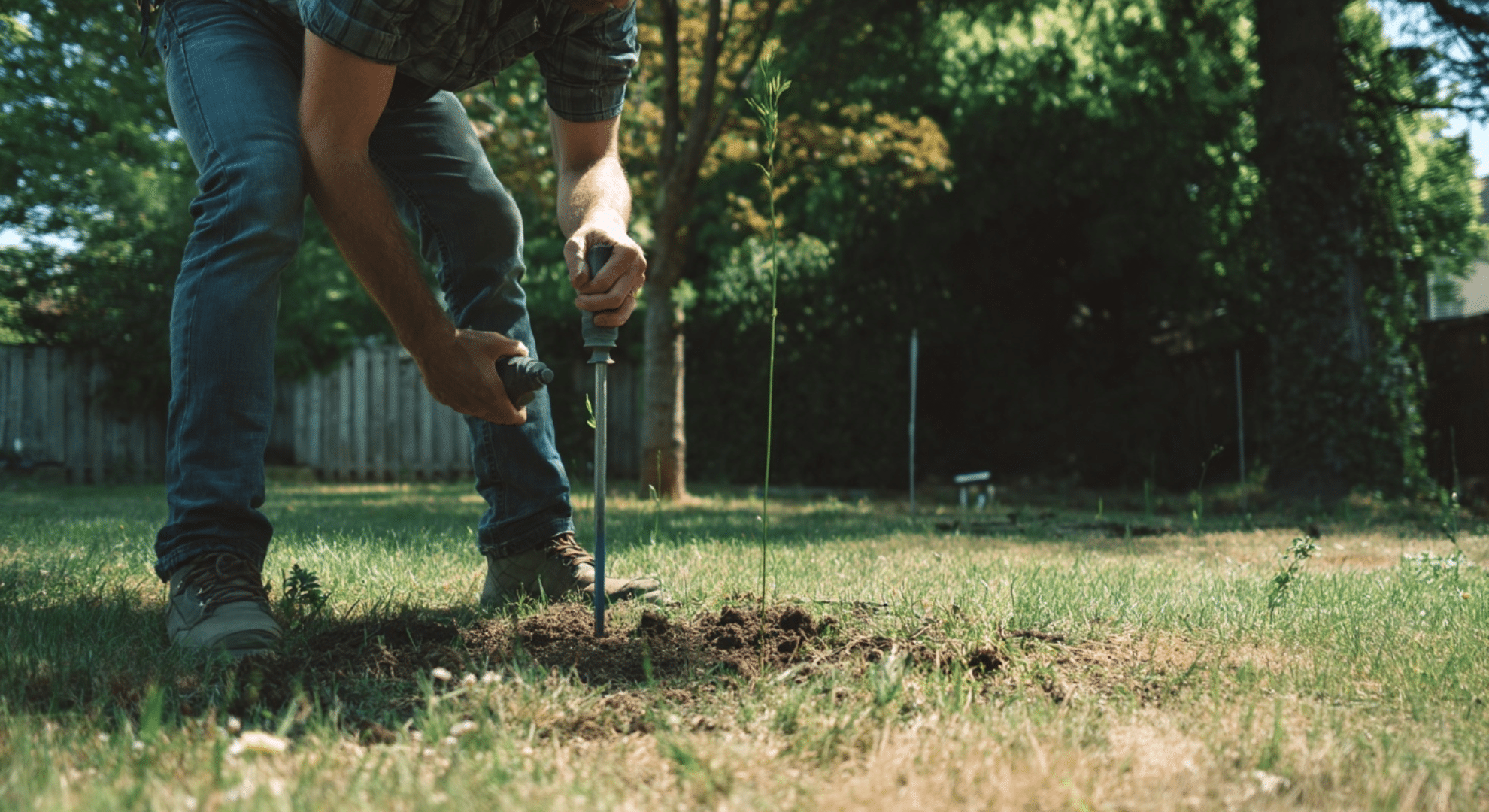
Most lawns should be aerated once a year. But not every yard is the same. Some lawns can go every two to three years, while others may need it more often if the soil is heavy, hard, or gets a lot of foot traffic.
The right frequency depends on real signs, not guesses. If water pools on the surface or if the grass looks thin and patchy, the soil is probably compacted.
That means it is time to aerate. Lawns with clay soil or regular use from kids or pets often need aeration every year. Lighter, sandier soils may only need it every few years.
So do not just follow a set schedule. Pay attention to how your lawn looks and feels. Let the condition of the soil guide you. That is the best way to keep your grass strong, healthy, and growing the way it should.
What Determines How Often Your Lawn Needs Aeration?
Most people guess when to aerate, but the truth is, your lawn gives clear clues. The key is knowing what to look for.
Three main things decide how often your lawn needs it: your soil type, how much traffic your lawn gets, and the current health of your grass. Let’s break it down into simple parts:
Soil Type and Compaction Level
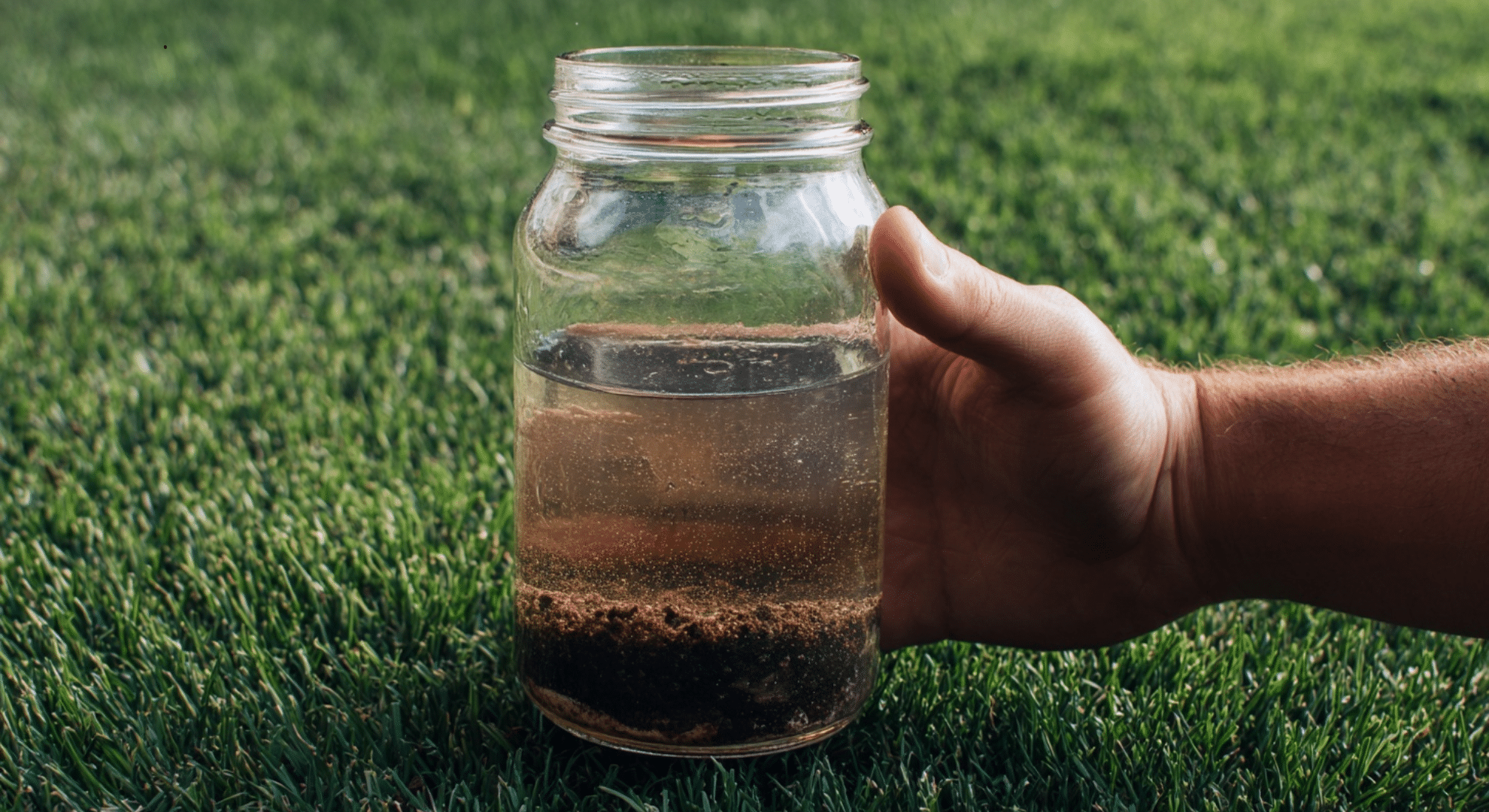
Different soils act in different ways. Clay soil holds water and packs down fast, so it usually needs yearly aeration. Loam is a mix that drains better, needing less frequent care.
Sandy soil drains quickly and compacts less, so it may only need aeration every few years. You can check your soil at home with a quick jar test or by squeezing wet soil in your hand.
Over time, even good soil can get packed tight, especially without regular care.
Foot Traffic and Lawn Use

If your lawn is used often by kids, pets, or for get-togethers, it’s more likely to get compacted. Lawnmowers and yard tools can also press the soil down over time.
Heavy use doesn’t just affect the surface. It slowly pushes the soil tight, which blocks roots from getting what they need. Some lawns with constant use may need aeration twice a year.
If your yard feels hard when you walk on it, that’s a clear sign to check the soil.
Current Lawn Health Signs
Your lawn can show you when it’s struggling. If water pools on the surface or runs off instead of soaking in, the soil may be too tight. Thin or weak grass that doesn’t grow well is another warning.
If you use fertilizer but don’t see much improvement, compacted soil may be the reason. A healthy lawn should bounce back quickly after you walk on it.
If it stays flat or slow to recover, it might be time to aerate.
A Simple Checklist to Know If You Should Aerate This Year
Not sure if your lawn really needs it? Use this quick list to check for the most common signs. The more boxes you check, the more likely it’s time to aerate.
- Water sits on top of the soil after rain or watering
- Grass looks thin, weak, or patchy in spots
- Soil feels hard when you press it with your foot or a screwdriver
- Lawn gets regular use from kids, pets, or outdoor gatherings
- You haven’t aerated in over a year
- Grass doesn’t respond well to fertilizer
- It takes longer for your lawn to bounce back after walking
- You live in an area with clay-heavy soil
If you checked even two or three of these, your lawn is probably ready for aeration. Paying attention to these small signs can keep your lawn healthier over time.
Aeration Frequency by Lawn Type
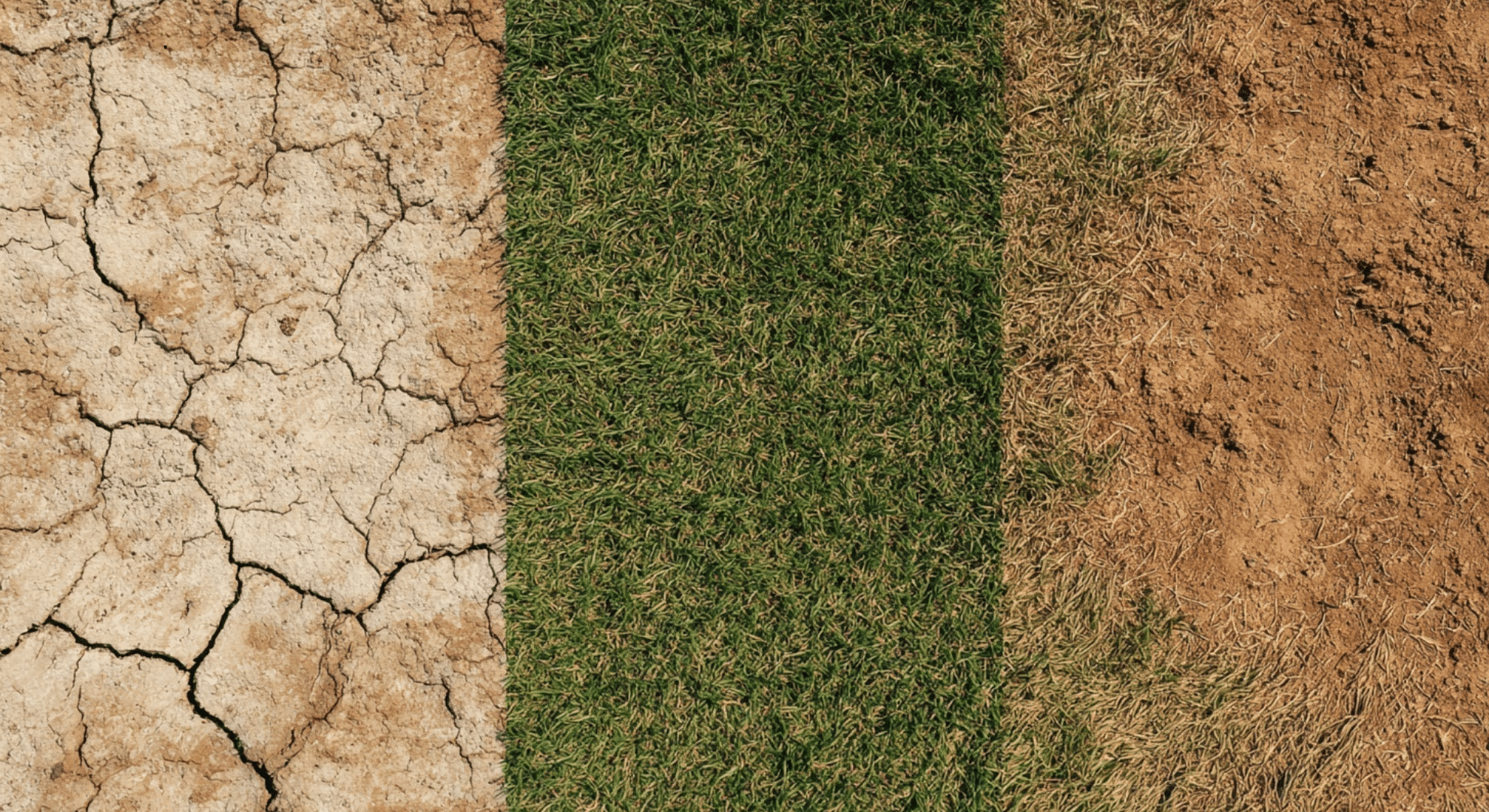
Not every lawn follows the same pattern. The type of soil you have, how often the lawn is used, and even local weather all play a role in how often aeration is needed.
This is why some people see good results with once-a-year aeration, while others need it more often.
If you’ve ever felt unsure about how often to aerate, I’ll break it down by lawn type to make things easier and clearer:
| Lawn Type | Aeration Frequency | Details |
|---|---|---|
| Clay soil or heavy foot traffic | Once or twice per year | These lawns compact faster, making it harder for air and water to reach roots. Aerating once in the fall and again in the spring can help keep the soil loose and healthy. |
| Average residential lawn | Once per year | Most homes fall into this group. Annual aeration, usually in the fall, is enough to keep the lawn in good shape unless major issues show up. |
| Sandy soil or low-use lawn | Every 2 to 3 years | Sandy soils drain better and compact less. If the lawn doesn’t get much use, you can go longer between aerations. Still, keep an eye out for early signs of compaction. |
Use this table as a general guide, not a strict rule.
If you start seeing signs like weak grass, water pooling, or hard soil, it’s smart to aerate, no matter how long it’s been. Let your lawn’s condition guide you more than the calendar.
When is the Best Time to Aerate Your Lawn?
The best time to aerate depends on the type of grass you have. It’s not just about the season but about when your grass is actively growing.
Aerating during the wrong time can lead to stress and poor recovery. Here is a breakdown based on grass type, along with what can go wrong if the timing is off:
Cool-Season Grass Timing
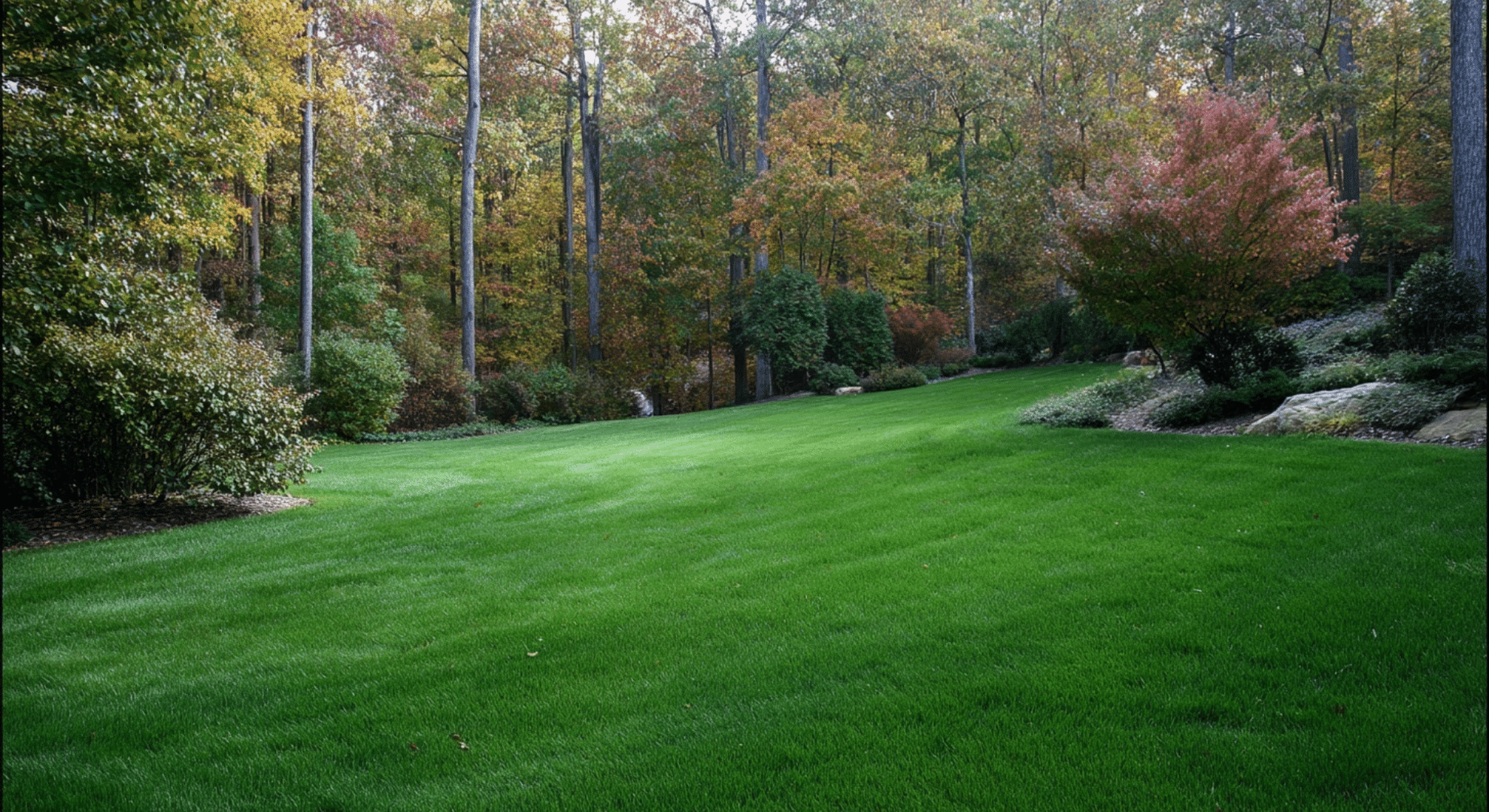
Cool-season grasses grow best during cooler months. This includes types like Kentucky bluegrass, tall fescue, and perennial ryegrass.
The best time to aerate these lawns is in late summer or early fall. The soil is still warm, which helps roots grow, and the air is cooler, which lowers stress on the grass.
This allows the lawn to recover quickly and fill in stronger.
- Best months: Late August through October
- Avoid: Winter and peak summer heat
Aerating during fall gives cool-season lawns time to grow deeper roots before winter. Spring is sometimes okay, but weeds may take advantage of the open soil. Fall remains the safest and most effective option.
Warm-Season Grass Timing
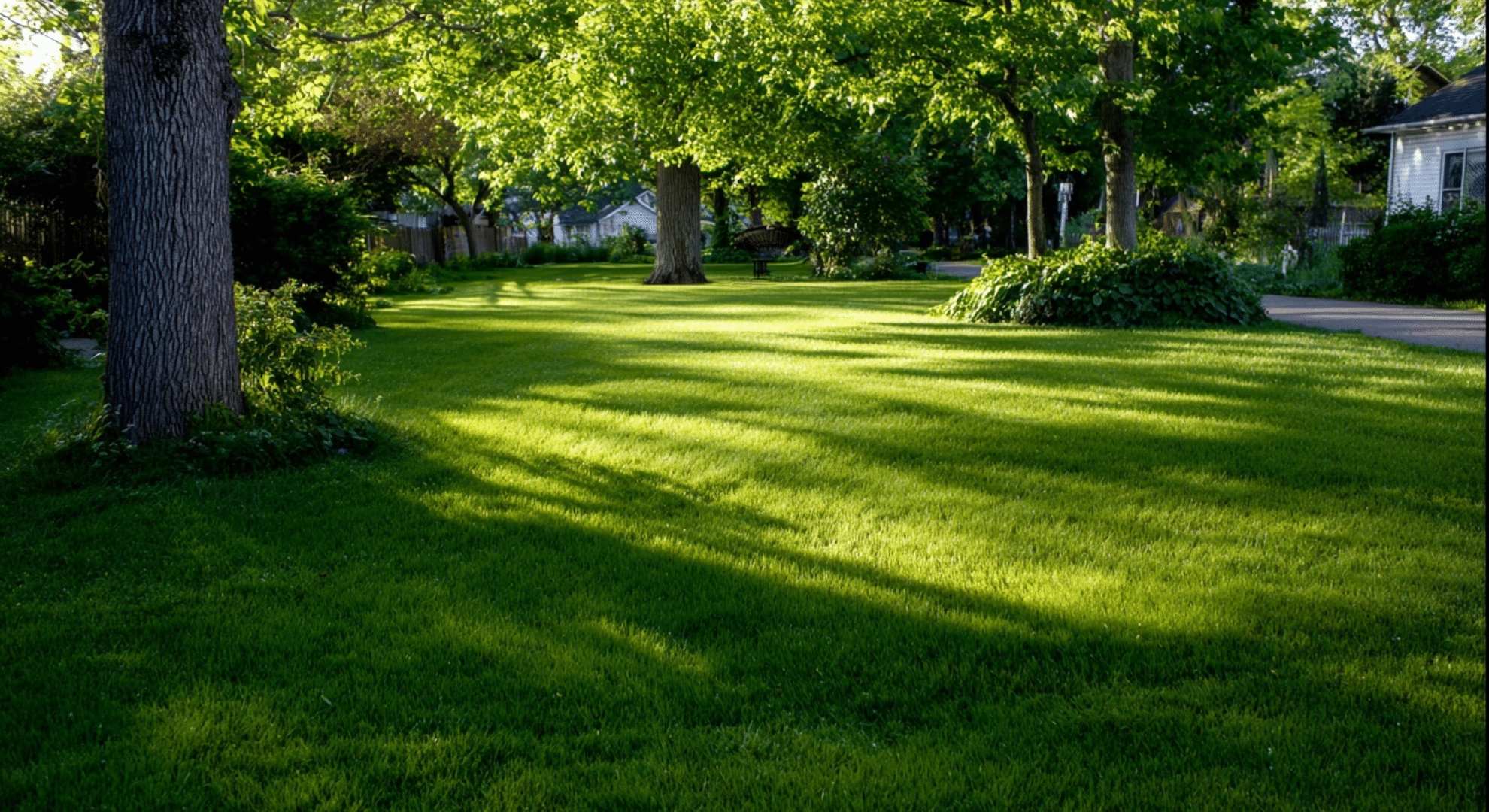
Warm-season grasses like Bermuda, zoysia, and St. Augustine need warmer weather to grow well. The best time to aerate these lawns is in late spring to early summer.
This is when the grass is entering its most active growth period, and it can heal quickly from the holes made during aeration.
- Best months: May through early July
- Avoid: Early spring and late fall
Aerating too early means the grass won’t grow fast enough to repair itself. Too late in the year, and the lawn begins to slow down, making recovery slower and less complete.
Aim for when the lawn is green and growing strong.
What Happens If You Aerate at the Wrong Time
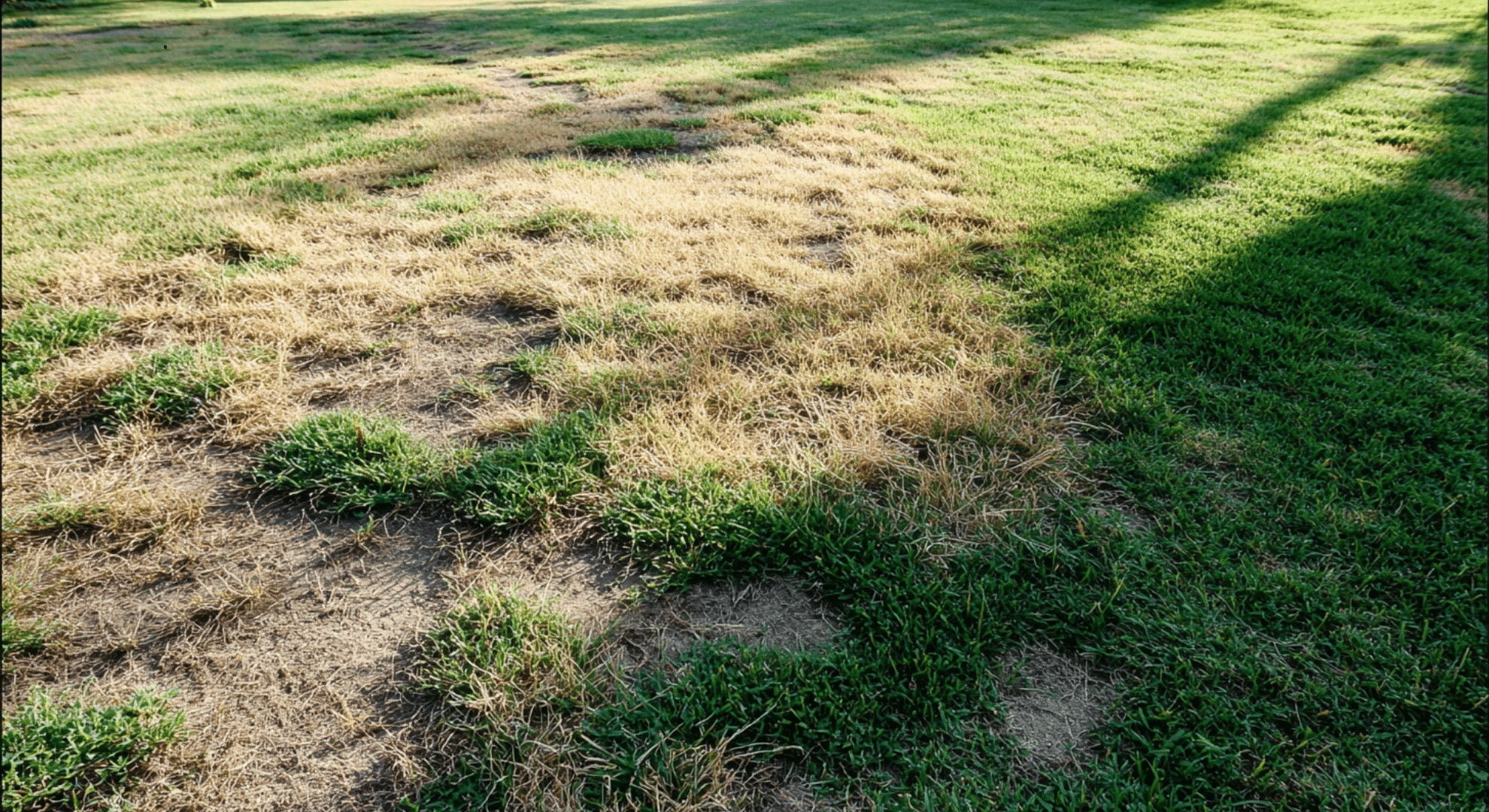
Aeration during the wrong season can do more harm than good. If the grass isn’t growing well, the holes left behind won’t fill in quickly.
This can lead to bare spots, poor root growth, and more stress on the lawn. In some cases, weeds may take over the open spaces before your grass can.
Always time your aeration to match your lawn’s active growth. This gives your grass the best chance to recover quickly, grow deeper roots, and become stronger overall. It’s not just about doing it, it’s about doing it right.
Can You Aerate Your Lawn Too Much?
Yes, you can aerate your lawn too much, and doing so can actually hurt it. While aeration helps loosen soil and improve root growth, overdoing it can lead to problems.
When lawns are aerated too often, the soil becomes disturbed more than needed. This can weaken the roots, dry out the soil, and leave too many open spots for weeds to move in.
Over-aeration may look like patchy or thin grass, slower growth, or dry spots that weren’t there before. Most lawns only need aeration once a year.
Even lawns with heavy foot traffic or clay soil should not be aerated more than twice a year unless there’s a serious issue.
Too much aeration keeps your lawn from recovering and growing strong. Instead of helping your grass, it leaves it stressed and struggling.
Always focus on timing and real signs, not just repeating the process out of habit.
How Aeration and Overseeding Work Together
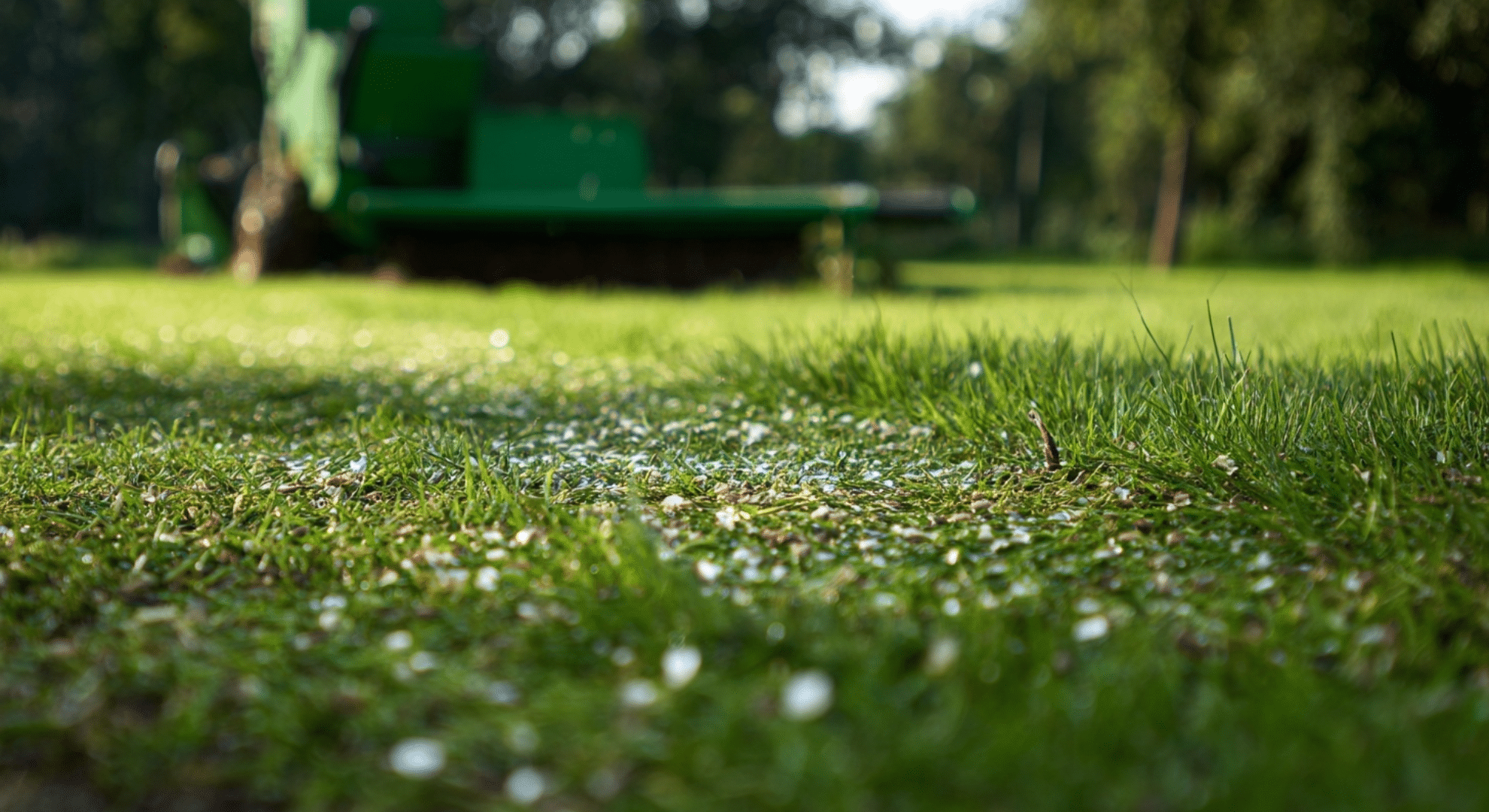
Aeration and overseeding are often done together because they support each other. Aeration opens up the soil, making it easier for seeds to settle in and grow strong roots.
If your lawn has bare spots, thinning grass, or looks worn out, doing both at the same time can bring fast improvement.
The best time to do both is when your grass is actively growing, early fall for cool-season lawns and late spring for warm-season lawns.
Aeration helps create pockets in the soil where seeds can land and grow without being washed away or eaten by birds.
However, overseeding isn’t always needed. If your lawn is already thick and healthy, skip the seed and just aerate.
If you overseed every year, you might need to aerate more often to give new seeds room to grow. But always watch your lawn. Healthy grass may not need reseeding as often as you think.
Common Aeration Mistakes That Hurt Lawn Growth
Aeration can do a lot of good, but only if it’s done the right way. Many people make simple mistakes that stop their lawn from getting the full benefit. Here are the most common errors to avoid:
- Aerating when the soil is too dry, making it hard to penetrate
- Skipping watering before aeration, which helps soften the ground
- Using spike aerators instead of core aerators on compacted lawns
- Aerating at the wrong time for your grass type
- Over-aerating and not giving the lawn time to recover
- Ignoring signs of compaction year after year
- Not mowing or clearing the lawn before aeration
Avoiding these mistakes can save your lawn from extra stress.
If you take a little time to prepare and know what to look for, aeration becomes a simple, helpful step, not a setback. Let your lawn’s condition guide your choices, not just the calendar.
Conclusion
Aerating my lawn used to feel like a guessing game. I’d pick a time and hope for the best.
But once I really learned how often should you aerate your lawn, everything changed. I stopped wasting time and started seeing better results.
Now it’s your turn. Look at your lawn, not the calendar. Think about your soil, how much it gets used, and what signs it’s showing. That will tell you when to act.
One thing to always remember: timing and frequency work best together.
Miss one, and the other won’t help much. If you want more no-nonsense lawn care tips like this, check out the other blogs. They’re written with you in mind!