Weeds often return after hours of pulling because the real issue lies below the surface. Dormant seeds, persistent roots, and bare soil continually create ideal conditions for fresh growth.
Effective weed control starts with consistent prevention, not just pulling individual plants. Simple habits like covering bare ground with mulch, removing weeds before they set seed, and maintaining thick, healthy plants naturally block unwanted growth.
If you want to learn how to prevent weeds from growing across your lawn, flower beds, and garden paths, focus on stopping them before they spread. Practical habits, proper soil care, and long-term maintenance will protect your outdoor spaces for seasons to come.
Why Do Weeds Keep Coming Back After Removal?
Pulling weeds may clear the surface, but it rarely solves the full problem. Seeds, roots, and new growth sources can remain hidden in the soil, which is why the same weeds often return after removal.
- Buried seeds: Soil holds thousands of dormant seeds. Tilling brings them to the surface, where they germinate.
- Leftover roots: Perennials like dandelion, bindweed, and nutsedge regrow from tiny root fragments or tubers.
- New seeds: Wind, birds, foot traffic, and contaminated mulch constantly bring in fresh seeds.
Because many weed problems begin below the surface, lasting control takes more than pulling visible growth.
Managing seeds, roots, bare soil, and new seed movement together helps reduce repeat growth and supports better long-term weed control.
How to Prevent Weeds From Growing?
Preventing weeds works best when several small habits work together. The goal is to prevent seeds from spreading, cover exposed soil, limit easy access to water and nutrients, and address perennial roots before they become established.
1. Remove Weeds Before They Produce Seeds

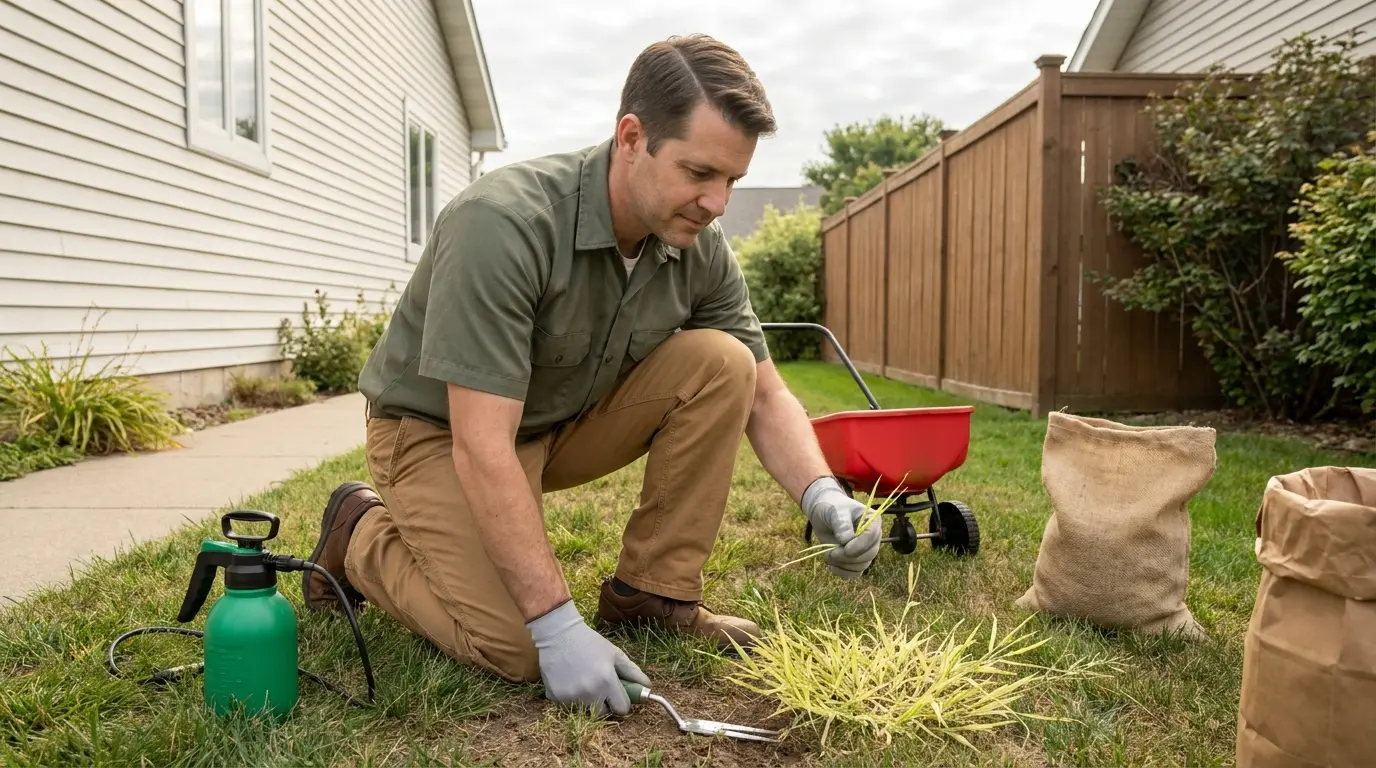
The easiest time to control weeds is before they flower and set seed. Pull or hoe young weeds while they are small, and check beds every 10 to 15 days during active growth.
Work on dry, sunny days when possible. Remove the whole plant, then place seeded weeds in the trash or a hot compost pile rather than a regular compost bin.
2. Cover Bare Soil With Mulch or Plants

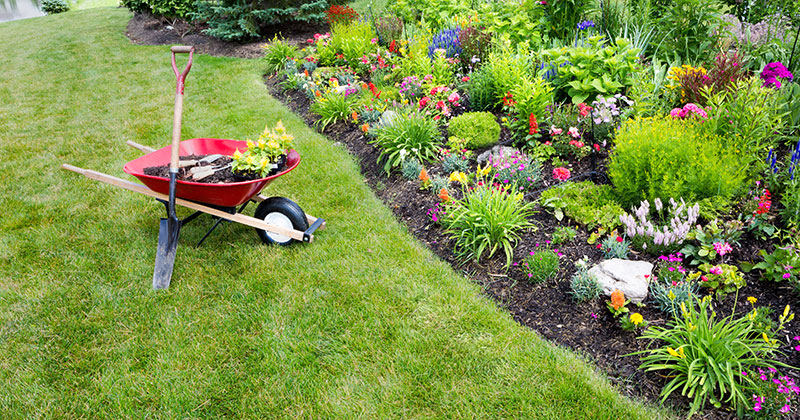
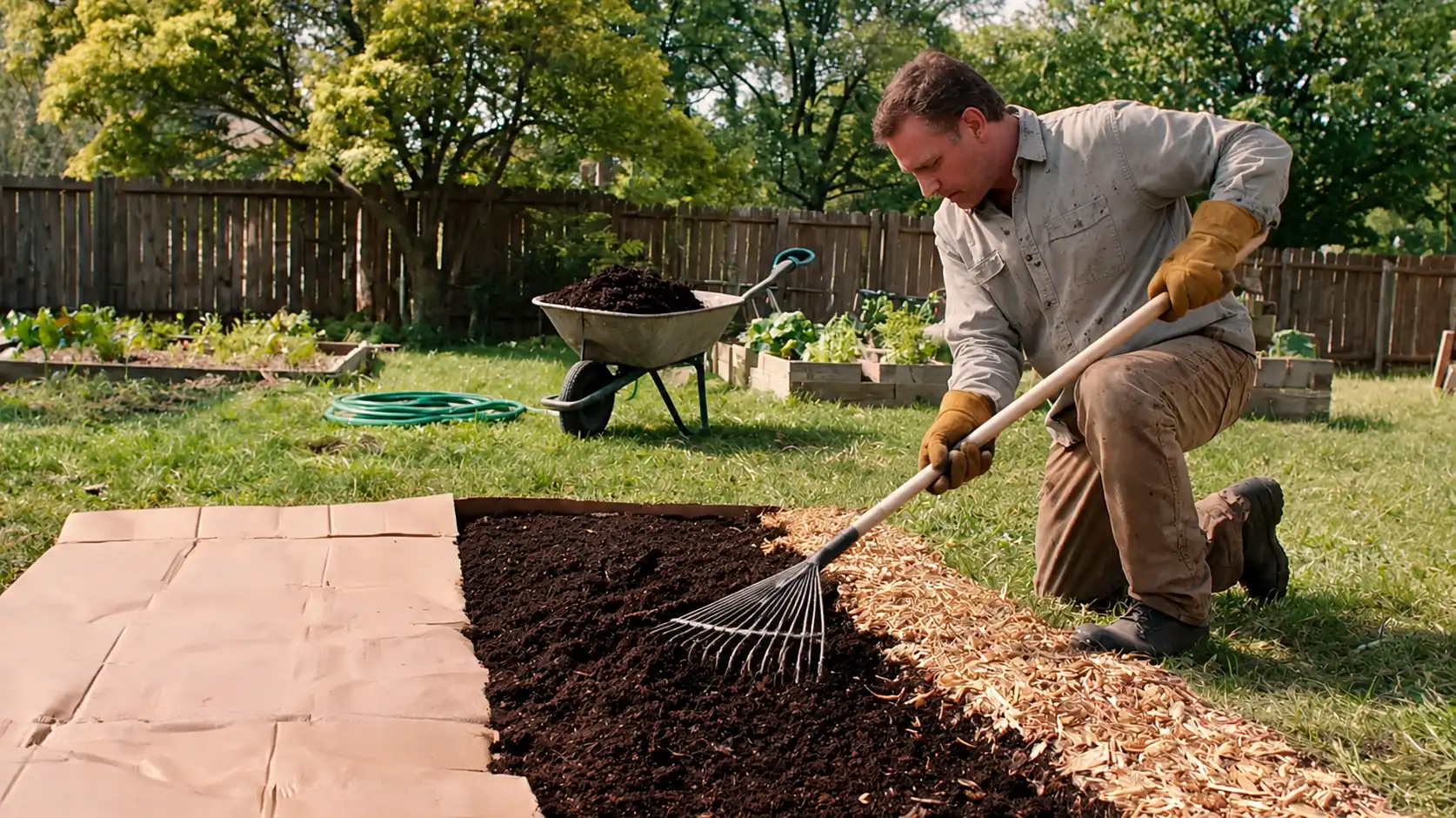
Bare soil gives weed seeds the light they need to sprout. Apply 2 to 4 inches of organic mulch, such as wood chips, bark, or straw, to reduce germination. Landscape fabric can help in beds that stay unchanged for long periods.
Ground covers and closely spaced plants also shade open soil. For new beds, solarization- that is, covering soil with clear plastic to heat and kill weed seeds can reduce heavy weed pressure before planting.
3. Control Water and Plant Food

Weeds grow quickly where water and nutrients are readily available. Use drip irrigation or a soaker hose to water plant roots rather than the open soil. Feed lawns and beds on a steady schedule so wanted plants stay dense.
Keep lawn grass at least 2.5 inches tall, avoid removing more than one-third at once, and leave clippings behind to return nutrients to the soil.
4. Stop Perennial Weeds From Growing Back

Perennial weeds can return from roots, rhizomes, or tubers left below the surface. Dig out as much of the root system as possible instead of removing only the stem. Avoid deep tilling, which can break roots into pieces that regrow.
For stubborn patches, repeatedly cut new growth at soil level. Spot-treat isolated plants when needed to reduce disturbance around nearby plants.
Weed Control Plan for Different Areas
Different parts of a yard need different prevention methods. A thick lawn needs fewer open spots, while flower and vegetable beds depend more on soil coverage and early removal.
Paths and cracks usually need direct treatment because mulch or close planting is not practical there. Before planting a new area, remove existing weeds and check soil, compost, and new plants for unwanted seeds or root pieces.
|
Area |
Best Starting Method |
Ongoing Maintenance |
|
Lawn |
Keep grass dense |
Repair bare spots; avoid cutting too short |
|
Flower beds |
Cover soil with mulch |
Remove seedlings before they mature |
|
Vegetable beds |
Apply mulch and shallow hoeing |
Check open soil between plants |
|
Shrub areas |
Use mulch or suitable fabric |
Clear growth around base openings |
|
Paths & cracks |
Hand removal or direct heat |
Treat new growth while small |
|
New planting areas |
Remove existing weeds first |
Inspect soil, compost, and plants before use |
Tailoring your approach to each zone saves time, protects your plants, and keeps your garden healthy.
By staying proactive with these targeted prevention methods, you will significantly reduce weed growth and enjoy a beautiful, low-maintenance yard all season long.
Which Weed Control Method Should You Use?

Choose a weed control method based on the weed type, growth stage, and location. Young weeds are often easier to remove by hand or with shallow hoeing, while established weeds may require barriers, heat, repeated treatments, or herbicides.
Mulch can limit weed seed germination by blocking light. Use thinner layers for fine mulch and deeper layers for coarse mulch, but avoid excessive depth that traps moisture. Landscape fabric works best around long-term shrubs and trees where planting changes are limited.
|
Method |
Best use |
|
Hand-pulling |
Scattered young weeds |
|
Shallow hoeing |
Small annual seedlings |
|
Mowing |
Limiting flowers and seeds |
|
Mulch |
Flower, shrub, and vegetable beds |
|
Landscape fabric |
Long-term shrub areas |
|
Sheet mulch |
Larger areas of exposed soil |
|
Solarization |
Empty soil before planting |
|
Hot water or steam |
Young weeds on hard surfaces |
|
Pre-emergent treatment |
Recurring seed problems |
|
Post-emergent treatment |
Existing unwanted growth |
No single method works for every weed problem. Match the treatment to the area and weed type, monitor the results, and use herbicides only when needed and in accordance with the product label.
Long-Term Weed Control Strategies
Stopping weeds once is only part of the job. Long-term control depends on regular checks, quick removal, healthy plant coverage, and soil conditions that make it harder for new weeds to take hold.
- Check lawns and beds regularly, and pull young weeds while they’re still small.
- Replace mulch once it thins out or breaks down, since how long mulch lasts varies a lot by material.
- Repair bare lawn patches, so weeds have less open ground to fill.
- Remove weeds before they flower and spread seed.
- Keep water focused on the desired plants rather than bare soil.
- Recheck areas with perennial weeds often, and remove new shoots as soon as they appear.
- Feed lawns and beds on a set schedule, and leave grass clippings on the lawn to help keep the turf thick.
- Use more than one control method together rather than relying on a single treatment.
A steady routine reduces new seedlings and limits regrowth from established roots. Regular maintenance also makes weed problems easier to manage before they spread across lawns, beds, or paths.
What Gardeners Say About Weed Control

This Reddit discussion shows that many home gardeners rely on prevention instead of constant pulling. Mulch and ground covers were among the most common suggestions because they shade the soil and make new weeds easier to manage.
Gardeners also stressed removing weeds before they set seed, since missed plants can create problems for future seasons. Some users prefer no-till or low-disturbance methods to avoid bringing buried seeds to the surface.
Others use cardboard, leaves, or dense planting to cover open ground. Experiences with landscape fabric were mixed, with several gardeners warning that it can become difficult to remove over time.
Common Weed Control Mistakes to Avoid
Avoiding common weeding mistakes is crucial for maintaining a healthy garden. Understanding how simple errors can inadvertently spread weeds or harm your plants will save you significant time, energy, and frustration throughout the growing season.
- Weeding wet soil: Roots slip out cleanly, but any left behind will re-root fast in moist ground.
- Piling on too much mulch: More than 4 inches can trap excess moisture and starve roots of oxygen.
- Letting weeds flower before pulling them: Even one flowering weed can reseed an entire bed.
- Deep tilling perennial weed patches: This spreads root fragments instead of removing them.
- Skipping the root on perennial weeds: Pulling only the top growth leaves the plant able to regrow within days.
- Using contaminated compost or soil: Unfinished compost can carry live weed seeds into a clean bed.
By avoiding these common pitfalls, you protect your garden’s root systems and prevent future outbreaks. Smarter weeding techniques ultimately lead to a healthier, beautiful landscape with far less effort overall.
Frequently Asked Questions
What type of mulch works best for weed prevention?
Wood chips, bark, and straw help prevent weeds because they block sunlight from reaching the soil. Choose mulch for the planting area, and maintain sufficient coverage as the material settles or breaks down.
When should you call a professional for weed control?
Consider professional help when weeds cover large areas, return despite repeated treatment, or are difficult to identify. Expert support can also help when aggressive perennial weeds spread rapidly or herbicide use requires more careful handling.
How long does landscape fabric help control weeds?
The lifespan of landscape fabric depends on its quality, installation, soil conditions, and exposure. It can remain useful for several years when covered with mulch, but weeds may eventually grow through openings or establish above it.
Why do weeds grow quickly after rain?
Rain provides the moisture weed seeds need to germinate and softens the soil, making root growth easier. Warm temperatures combined with moist ground can cause seedlings to appear quickly, especially in bare or recently disturbed areas.
Final Takeaway
Knowing how to prevent weeds from growing comes down to consistent, proactive care. Remove young plants before they seed, keep bare soil covered with mulch, maintain thick turf grass, and dig out stubborn perennial roots before they spread.
Staying ahead requires regularly checking lawns, flower beds, vegetable plots, and paths. Small outbreaks are far easier to manage before they become established, and combining prevention techniques yields better long-term results than relying on a single treatment.
Start with one problem area today, apply the right weed-control method, and maintain it regularly to reduce future weed growth.