Amid the excitement and stress of moving, many homeowners overlook one important aspect of their property: the garden. Whether you’ve spent years cultivating flower beds, growing vegetables, or maintaining a lush landscape, leaving your garden behind can be an emotional experience.
Here are some essential tips to help you ensure your outdoor space remains healthy and attractive even after you’ve moved.
Assess What Can Stay and What Can Go
The first step is evaluating your garden and deciding what should remain with the property and what you may want to take with you. Permanent features such as mature trees, shrubs, and built-in landscaping elements are typically left behind.
However, potted plants, decorative containers, garden tools, and certain portable features can often be transported to your new home.
Before making any decisions, review any agreements related to the sale of your property. In many cases, fixtures and permanently planted items are considered part of the home and are expected to remain. Clarifying these details early can prevent misunderstandings later in the process.
Prepare Your Garden for New Owners
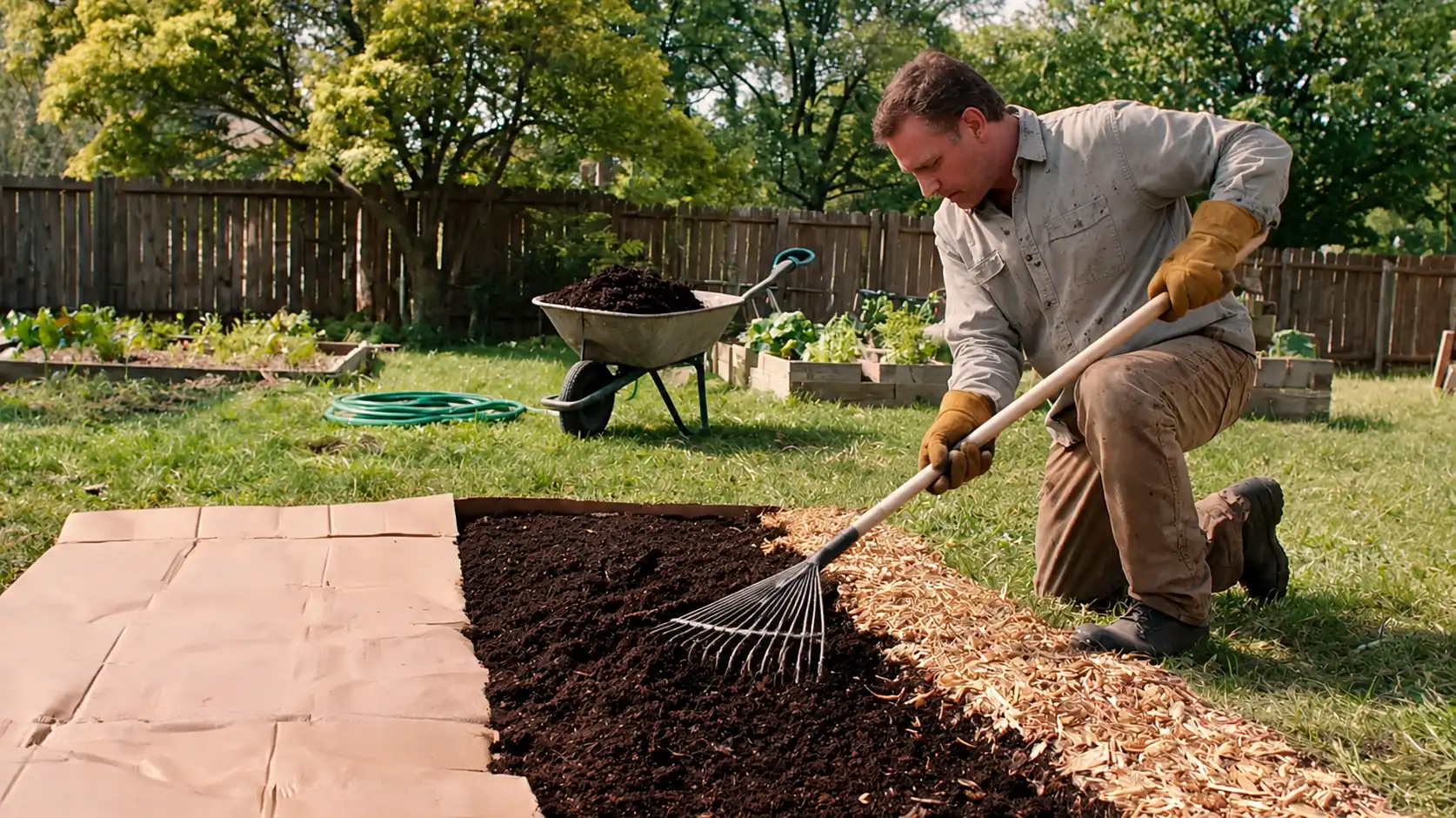
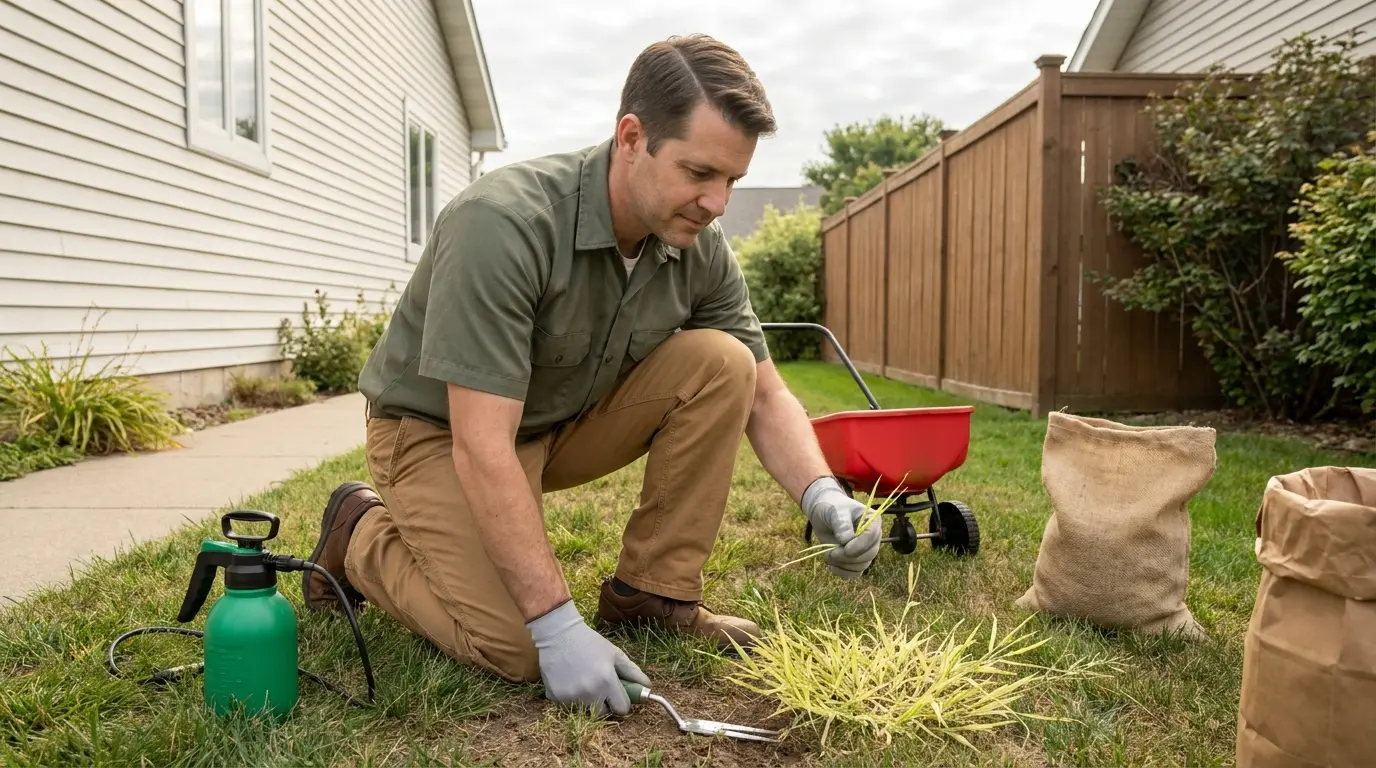
A well-maintained garden can enhance curb appeal and leave a positive impression on prospective buyers or new occupants. As your moving date approaches, focus on basic gardening maintenance tasks.
Remove dead plants, trim overgrown branches, and tidy garden beds to create a clean, inviting appearance. If you’ve cultivated specialty plants or established a productive vegetable garden, consider leaving behind a simple guide that explains care requirements.
New homeowners often appreciate information about watering schedules, seasonal maintenance, and plant varieties. Taking these extra steps can help preserve the value of your landscaping and make the transition easier for everyone involved.
Transplant Special Gardens Carefully
Many gardeners have favorite plants that hold sentimental value. If local regulations and transportation conditions allow, you may be able to take select plants with you.
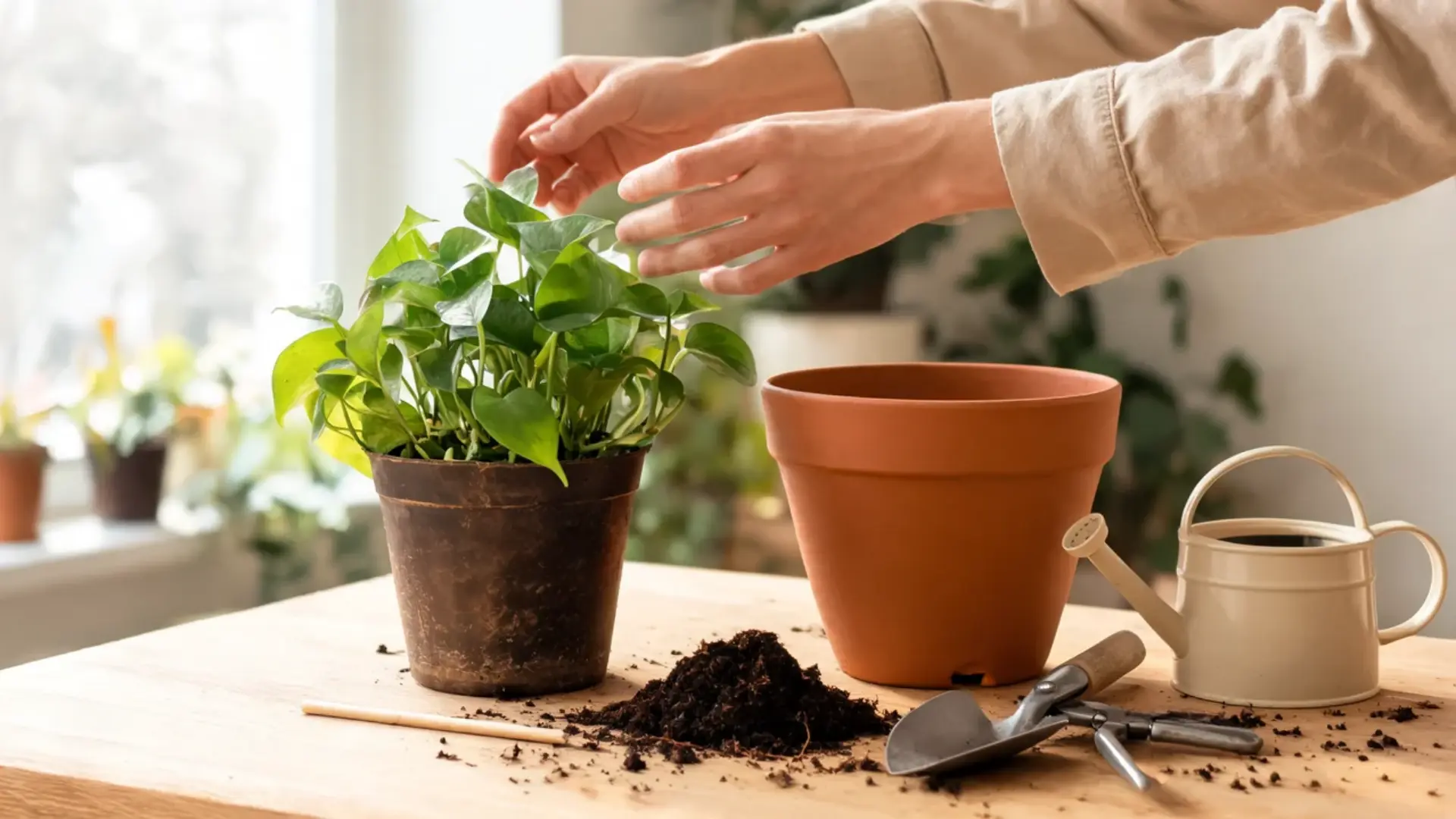
Begin the transplanting process several weeks before the move. Prune plants appropriately, prepare containers, and gradually acclimate them to their new environment. Healthy root systems are essential for a successful relocation, so avoid digging up plants at the last minute.
When transporting plants, keep them protected from extreme temperatures and prolonged exposure to direct sunlight. Proper planning increases the likelihood that your treasured plants will thrive in their new home.
Plan Ahead If You’re Moving Long Distances
Garden relocation becomes more complex when you’re moving cross country. Different climates, soil conditions, and growing zones can significantly impact plant survival. A plant that thrives in one region may struggle in another without proper adaptation.
Research the environmental conditions at your destination before deciding which plants to bring. Some species may require special permits, while others may not tolerate the journey. In certain cases, taking cuttings, seeds, or bulbs can be a more practical option than transporting mature plants.
If you’re unsure whether specific plants can make the trip, consider consulting a local nursery or horticulture expert. Their guidance can help you avoid unnecessary stress and increase the chances of successful reestablishment in your new location.
Save Seeds and Propagate Favorites
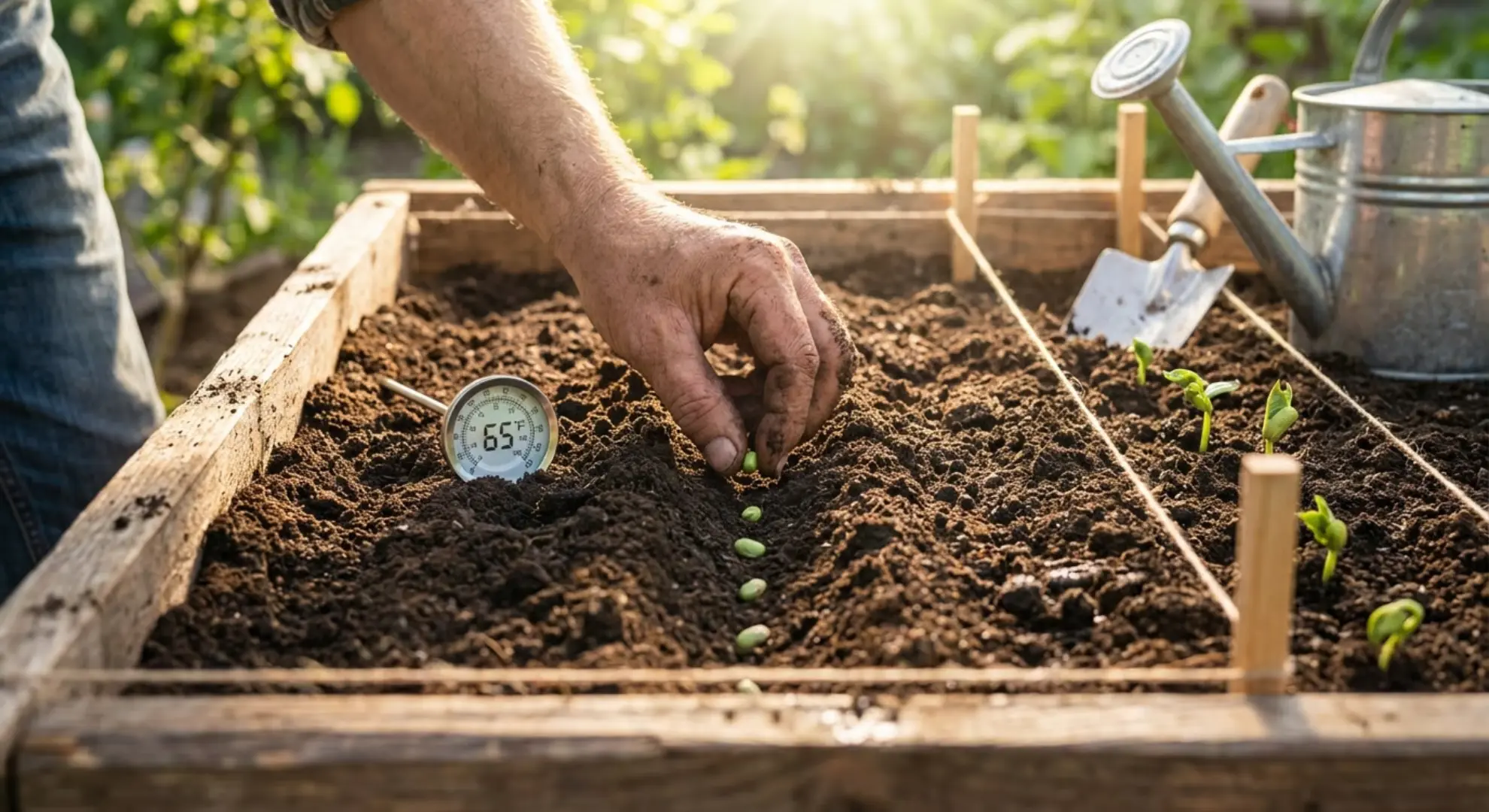
If transporting mature plants isn’t feasible, consider preserving your garden through seeds and propagation. Many flowers, herbs, and vegetables produce seeds that can be collected and stored for future planting.
Similarly, cuttings from certain shrubs and perennials can be rooted and grown after the move. This approach allows you to bring a piece of your current garden with you without the challenges associated with transporting large plants.
Label seeds carefully and store them in cool, dry conditions until you’re ready to plant them. Not only is this method practical, but it also provides a meaningful connection to your previous home.
Document Your Garden’s Progress
Before leaving, take photographs of your garden throughout the property. Capture your favorite flower beds, seasonal blooms, mature trees, and landscaping projects you’ve completed over the years.
These images serve multiple purposes. They provide memories of your hard work, offer inspiration for future gardening projects, and can even help you recreate certain design elements at your new home residence.
Documenting your garden also allows you to share maintenance information with future owners, ensuring the landscape continues to flourish.
Start Fresh at Your New Home
While it can be difficult to leave behind a beloved garden, relocation also presents an exciting opportunity. Every new property offers unique possibilities for landscaping, gardening, and outdoor living.
Take time to observe your new environment before making major plant decisions. Learn about local growing conditions, sunlight patterns, and native plant options. Building a garden suited to its surroundings often leads to healthier plants and a more rewarding gardening experience.
Endnote
Relocating involves more than packing boxes and arranging transportation; it also means saying goodbye to the outdoor spaces you’ve nurtured over time.
With careful planning, proper maintenance, and strategic plant preservation, you can leave your garden in excellent condition while carrying its legacy forward.