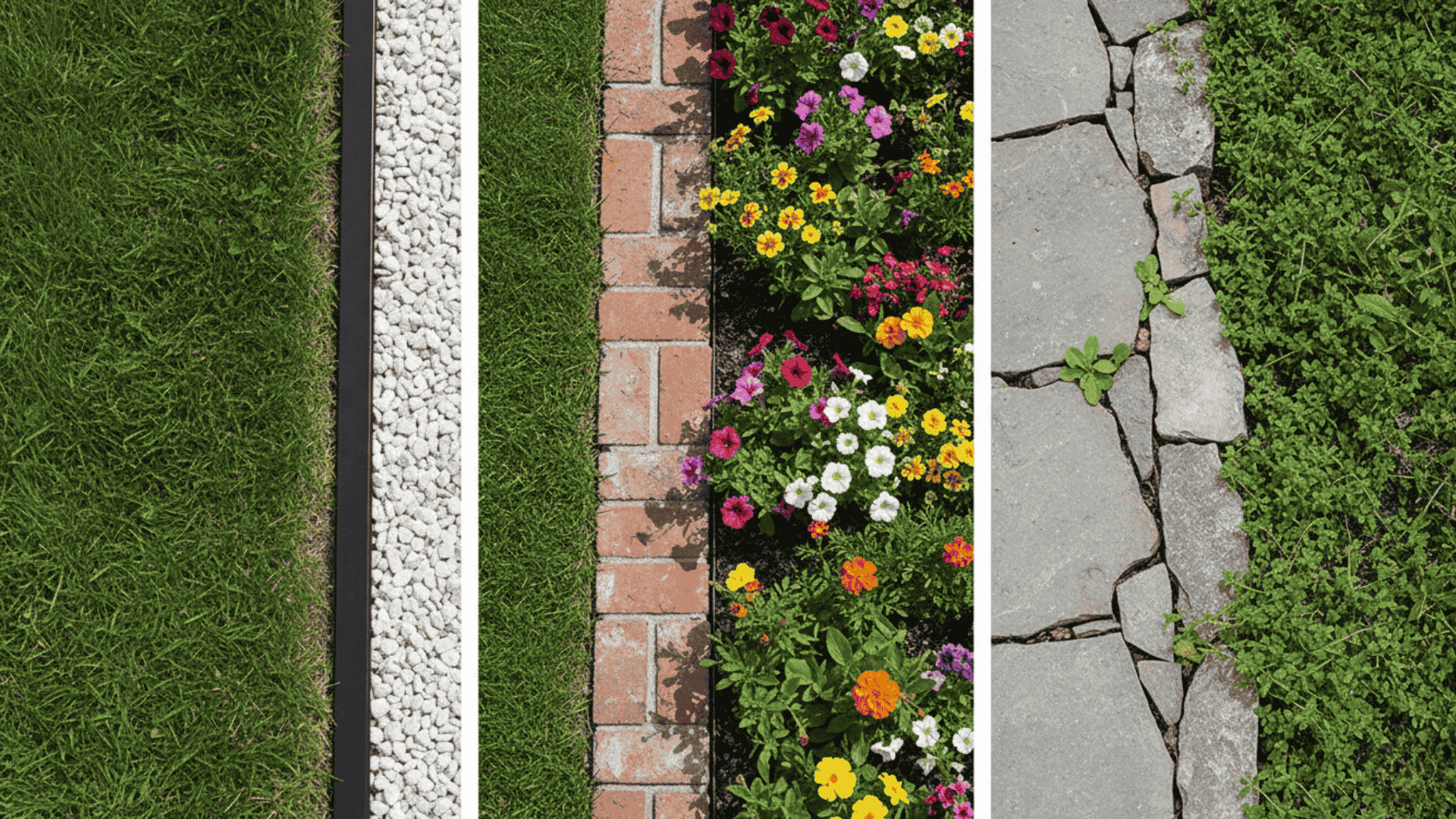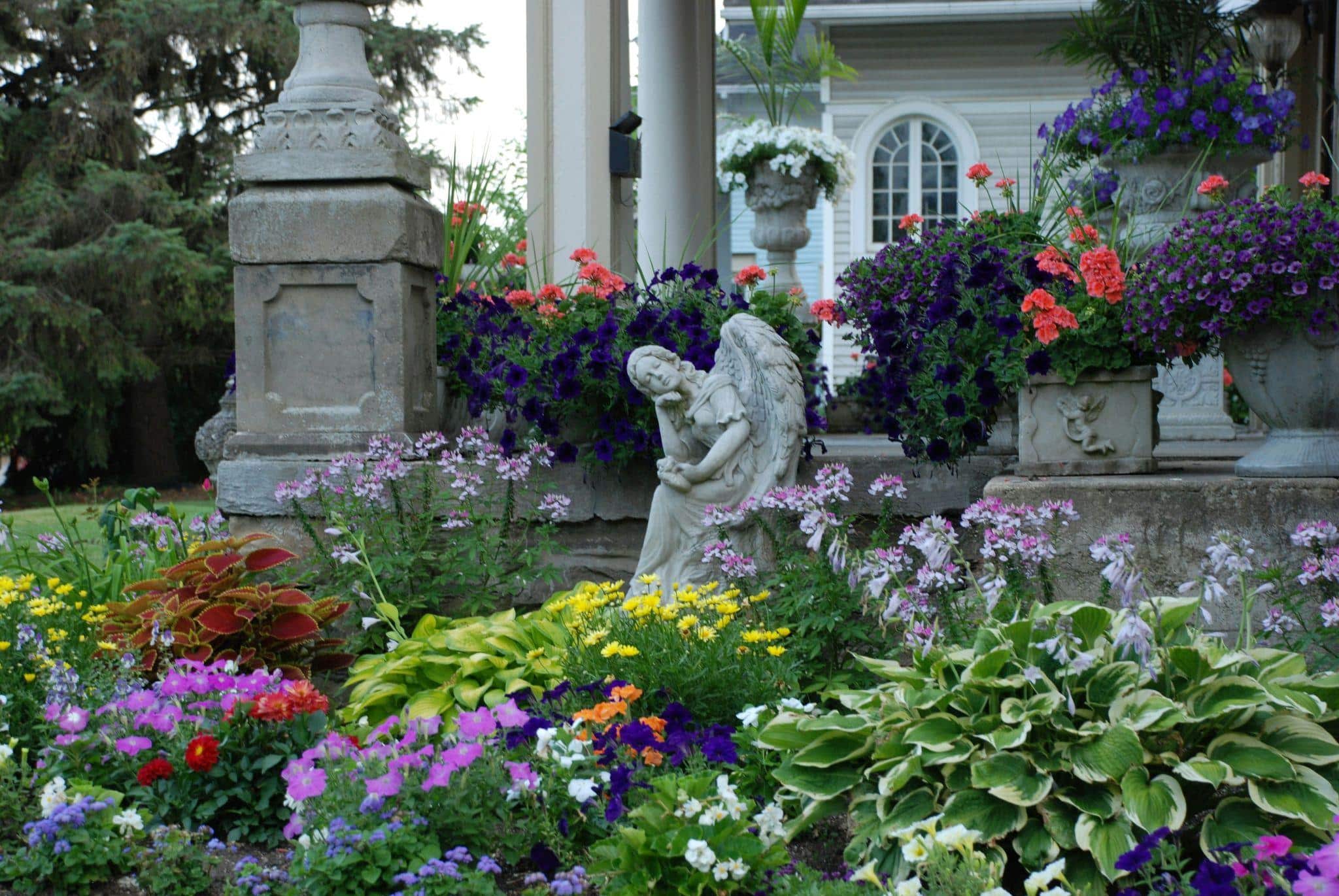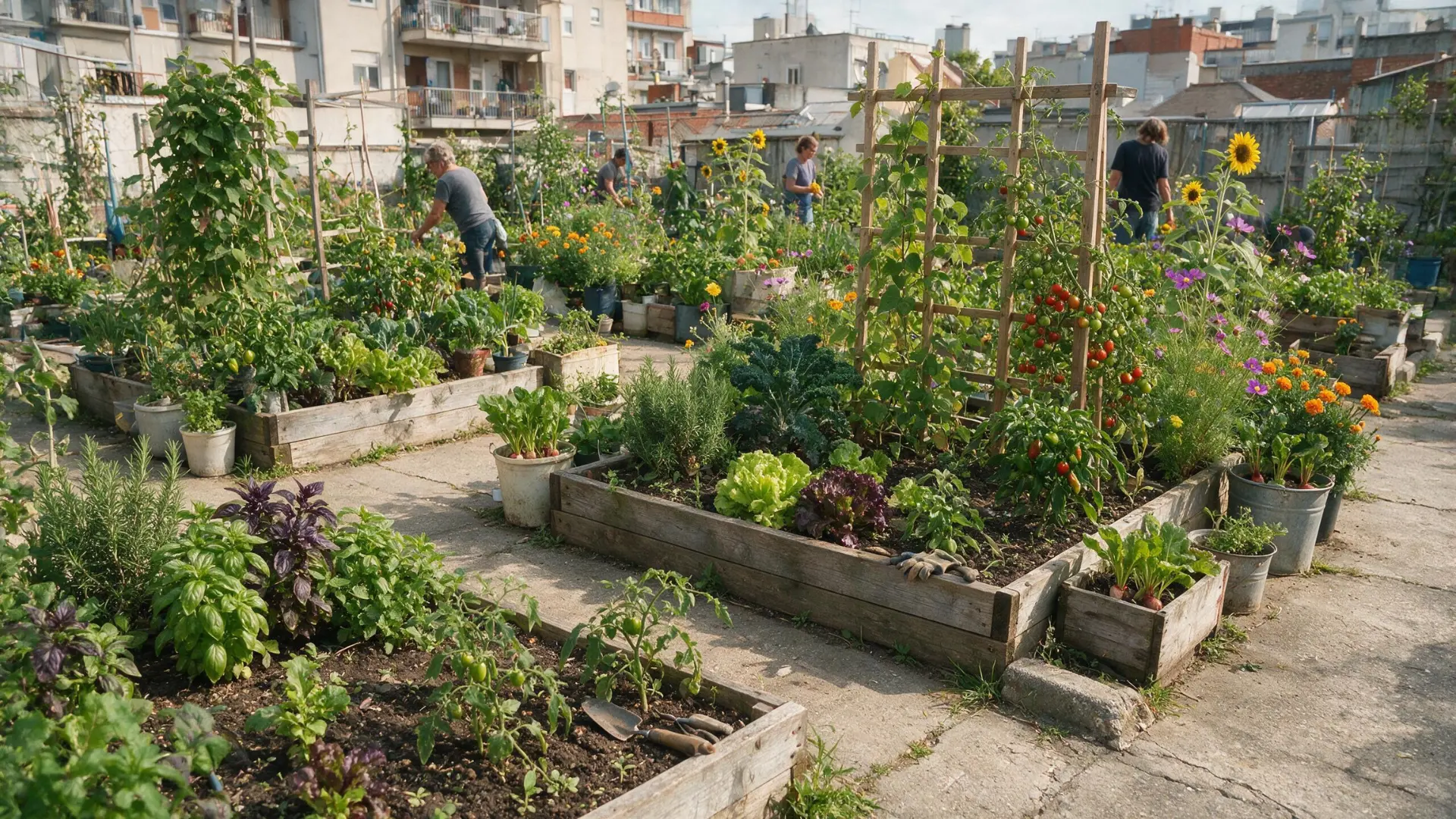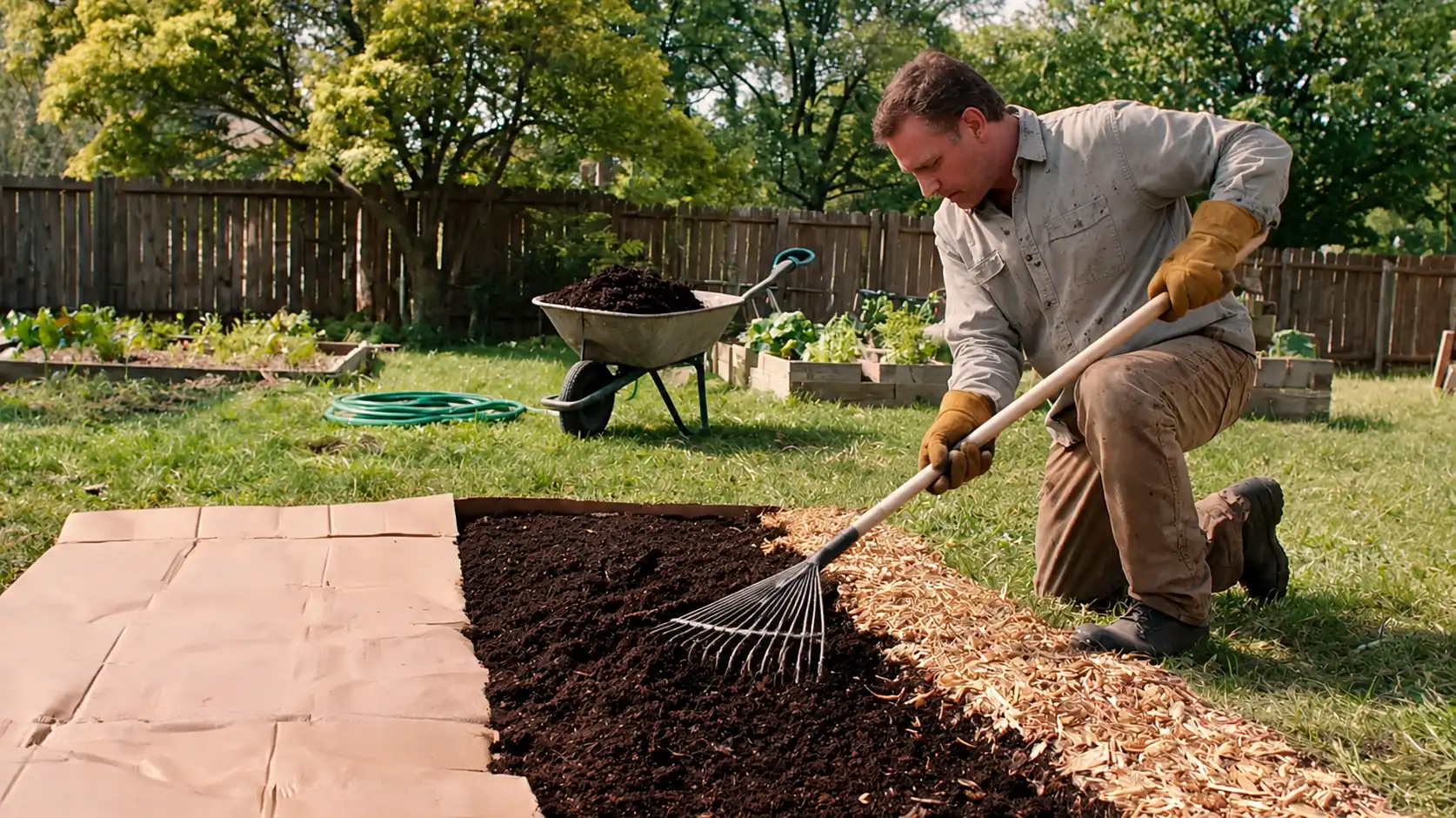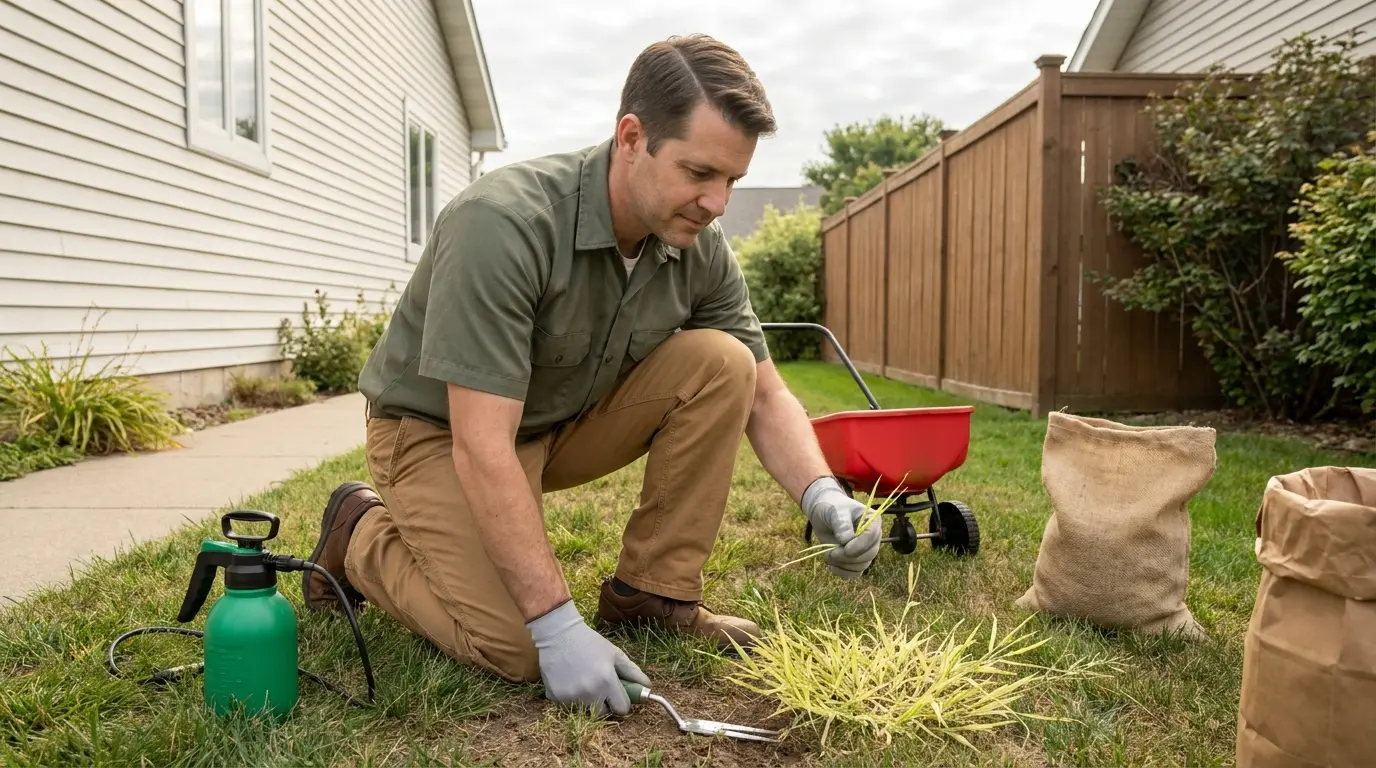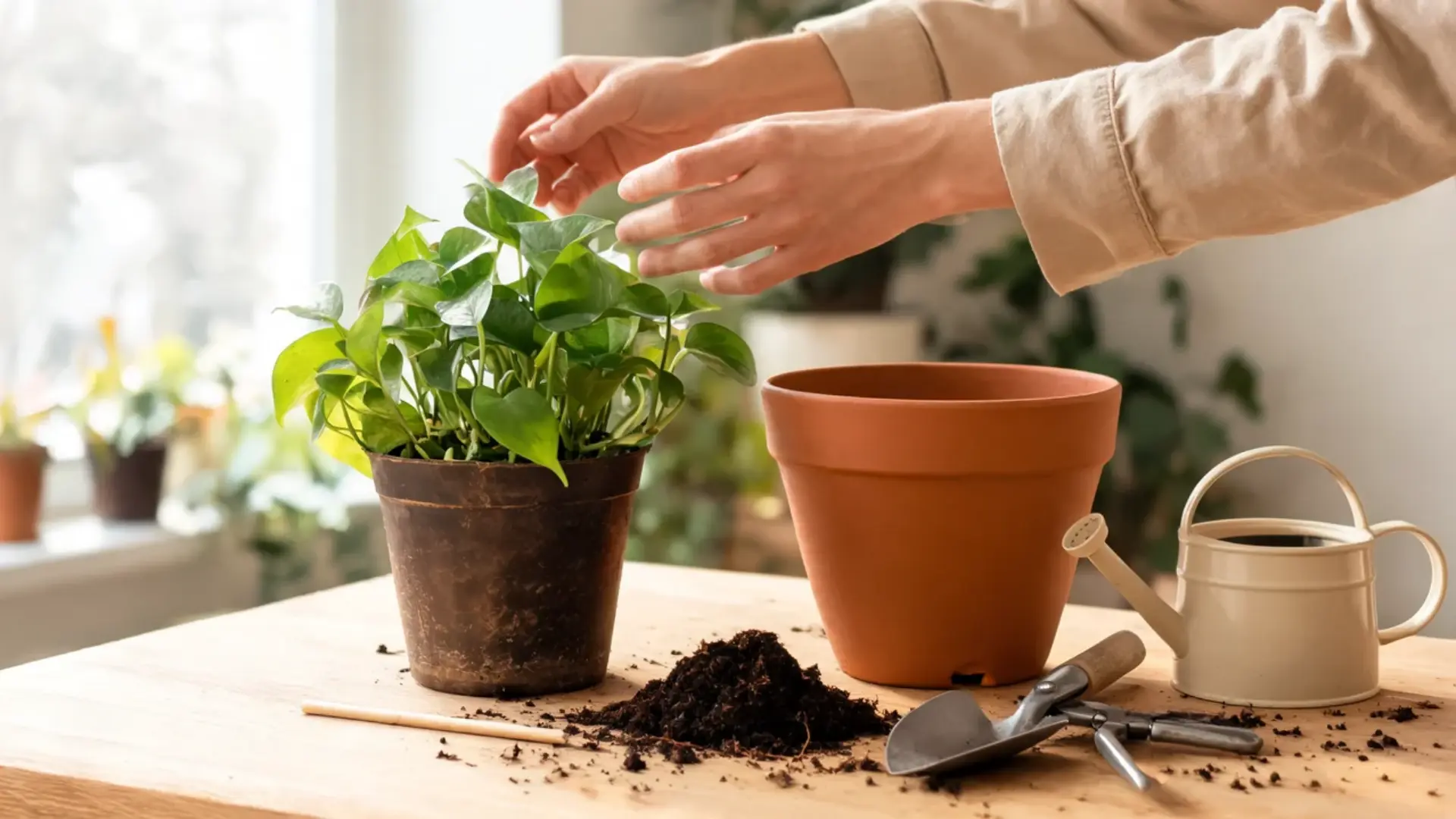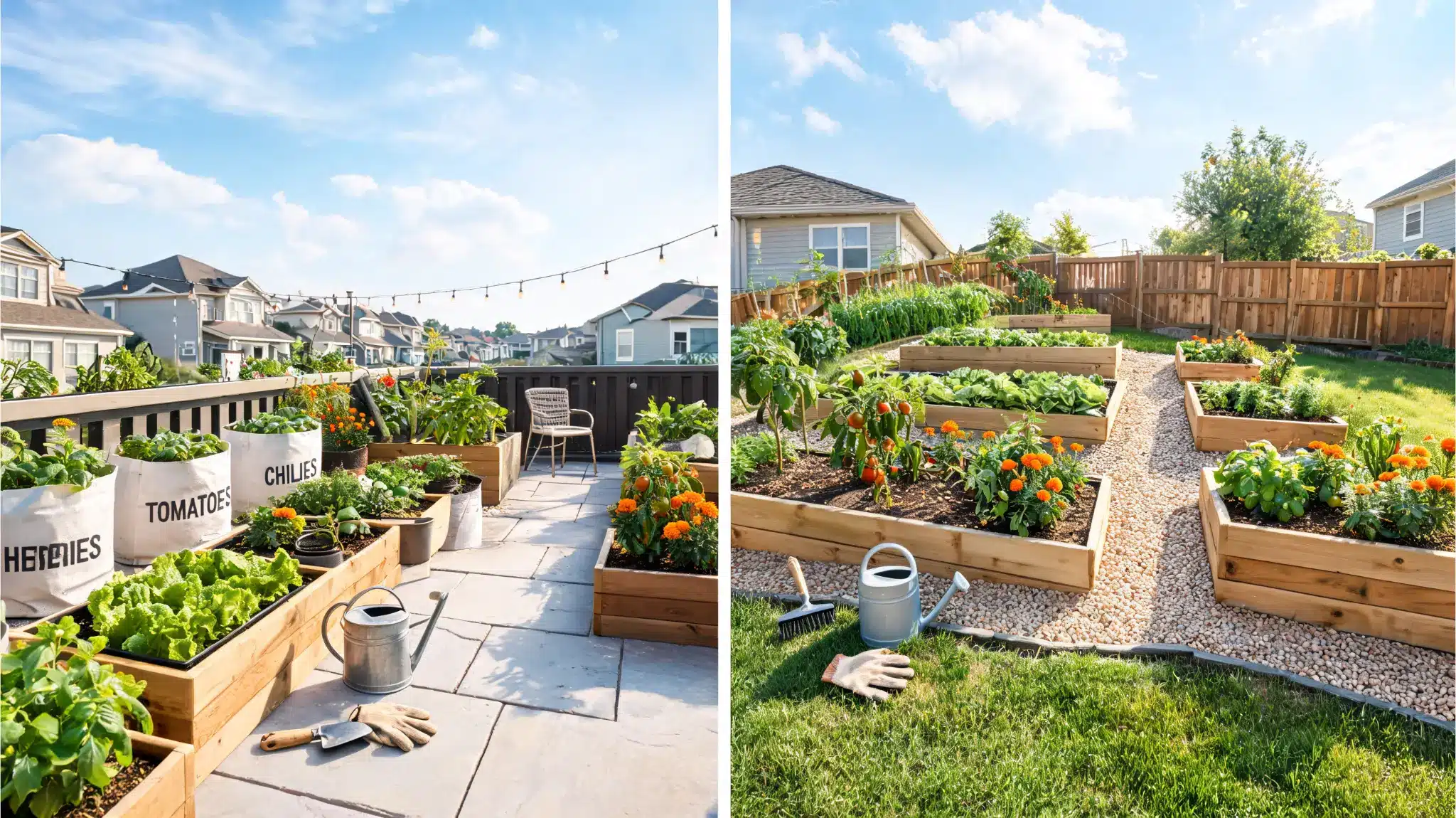
An empty rooftop, balcony, patio, or sloped yard can become a useful growing space with the right plan. A terrace garden works well when you have flat outdoor space but limited ground area. Terraced garden beds work better when a slope makes regular planting hard.
I like starting with the parts that decide the whole project: setup, space, materials, drainage, and soil. Once those are clear, planting feels much easier. You do not need to build everything at once.
Start with a small area, test what grows well, then add more pots, beds, or levels later. The steps below show how to plan, build, plant, and care for the garden without making the project harder than it needs to be.
Choose the Right Setup Before You Buy Anything
Most people start with plants because they are the exciting part. I would start with the setup. The setup decides your materials, drainage, soil depth, and care routine.
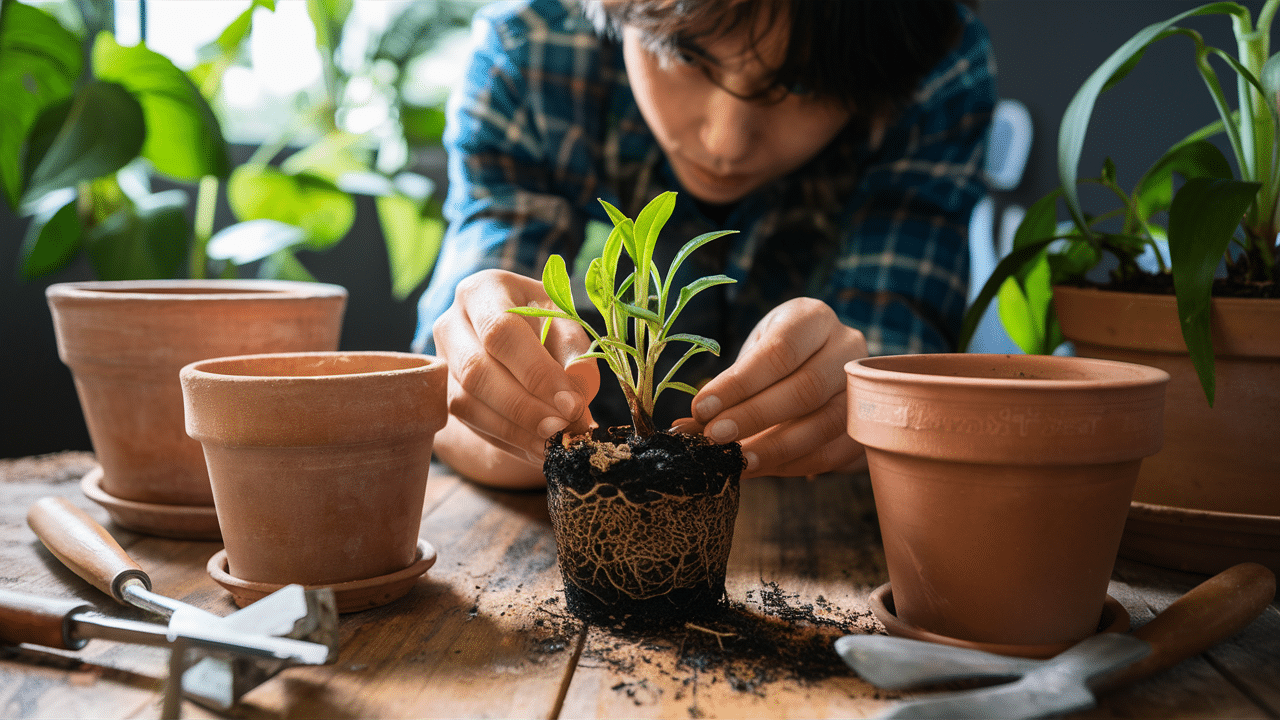
A terrace garden is best for a rooftop, balcony, patio, or flat outdoor space. You can use pots, grow bags, raised planters, wall shelves, railing planters, or vertical stands. This is the easiest starting point for beginners because you can move things around if the layout does not work.
Terraced garden beds are best for sloped yards or hillsides. They create flat growing levels so soil stays in place and water moves more safely. This setup takes more planning because every bed needs to sit level.
| Setup | Best For | Skill Level | Best Use |
|---|---|---|---|
| Pots | Rooftops, balconies, patios | Beginner | Herbs, flowers, and small vegetables |
| Grow bags | Rooftops and budget-friendly setups | Beginner | Leafy greens, herbs, chilies, and compact vegetables |
| Raised planters | Patios, rooftops, and larger balconies | Beginner to Intermediate | Mixed vegetables, flowers, and herbs |
| Permanent beds | Long-term patio or rooftop layouts | Intermediate | Larger planting zones with a fixed design |
| Terraced beds | Sloped yards and hillsides | Intermediate | Level planting areas on uneven ground |
Choose pots or grow bags for a simple start. Choose raised planters for more soil depth. Choose terraced garden beds when the main issue is uneven ground.
Plan Your Growing Space Before You Build
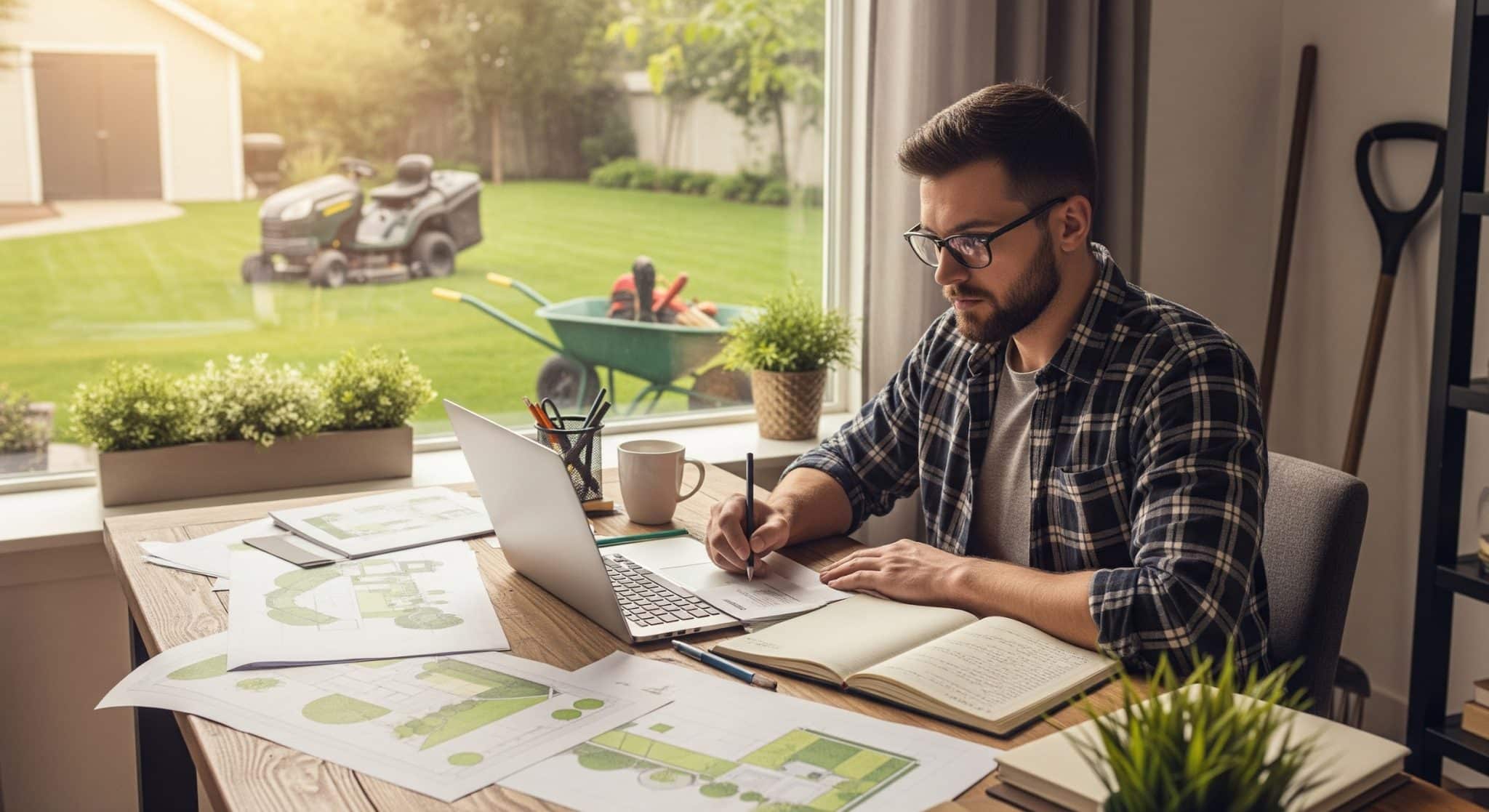
Good planning keeps the project simple. Before buying containers, soil, plants, or blocks, decide how the space will work day to day.
- Check sunlight: Watch the area for one full day so you know which plants will fit the space.
- Check water access: Make sure watering will be easy before you add pots or beds.
- Plan drainage: Know where extra water will go after watering or rain.
- Leave walking space: Keep enough room to reach plants without stepping into beds.
- Think about weight: Use lighter containers and soil on rooftops or balconies.
- Study the slope: If the yard is uneven, plan level beds instead of loose pots.
Once these basics are clear, the build steps become easier.
Materials and Bed Options: What You Actually Need
The materials depend on the setup you choose. A rooftop terrace garden usually needs light containers and soil. Terraced garden beds need stronger edges, drainage, and level support.
| Setup | Materials You Need | Best Use |
|---|---|---|
| Pots | Pots with drainage holes, potting mix, compost, mulch, plant supports, watering can | Herbs, flowers, and small vegetables |
| Grow bags | Fabric grow bags, light soil mix, compost, mulch, plant labels, drip line if needed | Budget terrace gardens and rooftops |
| Raised planters | Planter boxes, soil mix, compost, mulch, stakes, cages, or trellises | Vegetables and mixed planting |
| Permanent beds | Bed frames, drainage layer, soil mix, compost, mulch, and waterproofing check | Long-term patios or rooftops |
| Terraced garden beds | Wood, stone, brick, concrete blocks, metal, or composite beds, gravel, soil, compost, level, stakes, string | Sloped yards and hillsides |
No material can fix poor drainage or an uneven base. Level the bed first, then make sure extra water has a clear way to move out.
Tools You May Need
You do not need many tools for a small terrace garden, but having the basics ready makes the setup easier.
| Tool | Use |
|---|---|
| Measuring tape | Measuring space, beds, and walking paths |
| Gloves | Protecting hands while handling soil and plants |
| Trowel | Planting seedlings and mixing compost |
| Watering can or hose | Watering pots, grow bags, and beds |
| Pruners | Cutting dry leaves and trimming plants |
| Level | Checking raised beds or terraced garden beds |
| Drill | Building planter boxes or fixing supports |
| Stakes and string | Marking layout for sloped beds |
For a small rooftop or balcony setup, you may only need gloves, a trowel, pots, soil, and a watering can. For terraced garden beds, a level, stakes, string, and stronger edging materials are more important.
How to Create a Terrace Garden
The basic process is simple: choose the right spot, plan the layout, set up drainage, add good soil, pick easy plants, and care for them regularly.
Step 1: Choose the Right Location
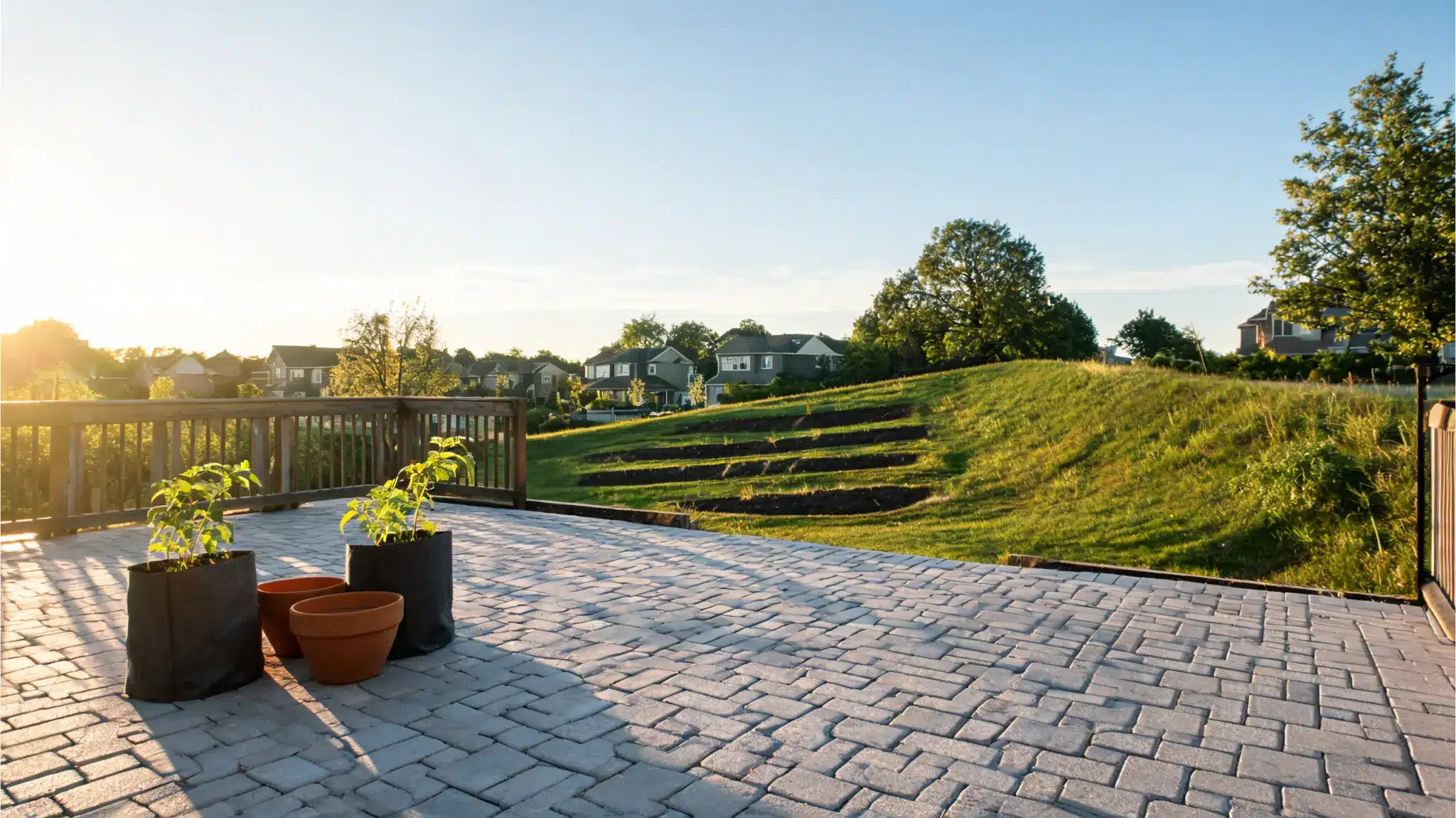
Pick the spot that gives your plants the best growing conditions.
- Mark the sunniest part of the space.
- Keep shade-loving plants for areas with less light.
- Choose a spot close to water if possible.
- Avoid areas where water collects after rain.
- Check wind exposure before placing tall plants.
For rooftops and balconies:
Keep heavy pots near stronger support points and away from blocked drains.
For sloped yards:
Choose the safest area to stand and work before planning terraced garden beds.
Step 2: Plan the Layout Before Buying
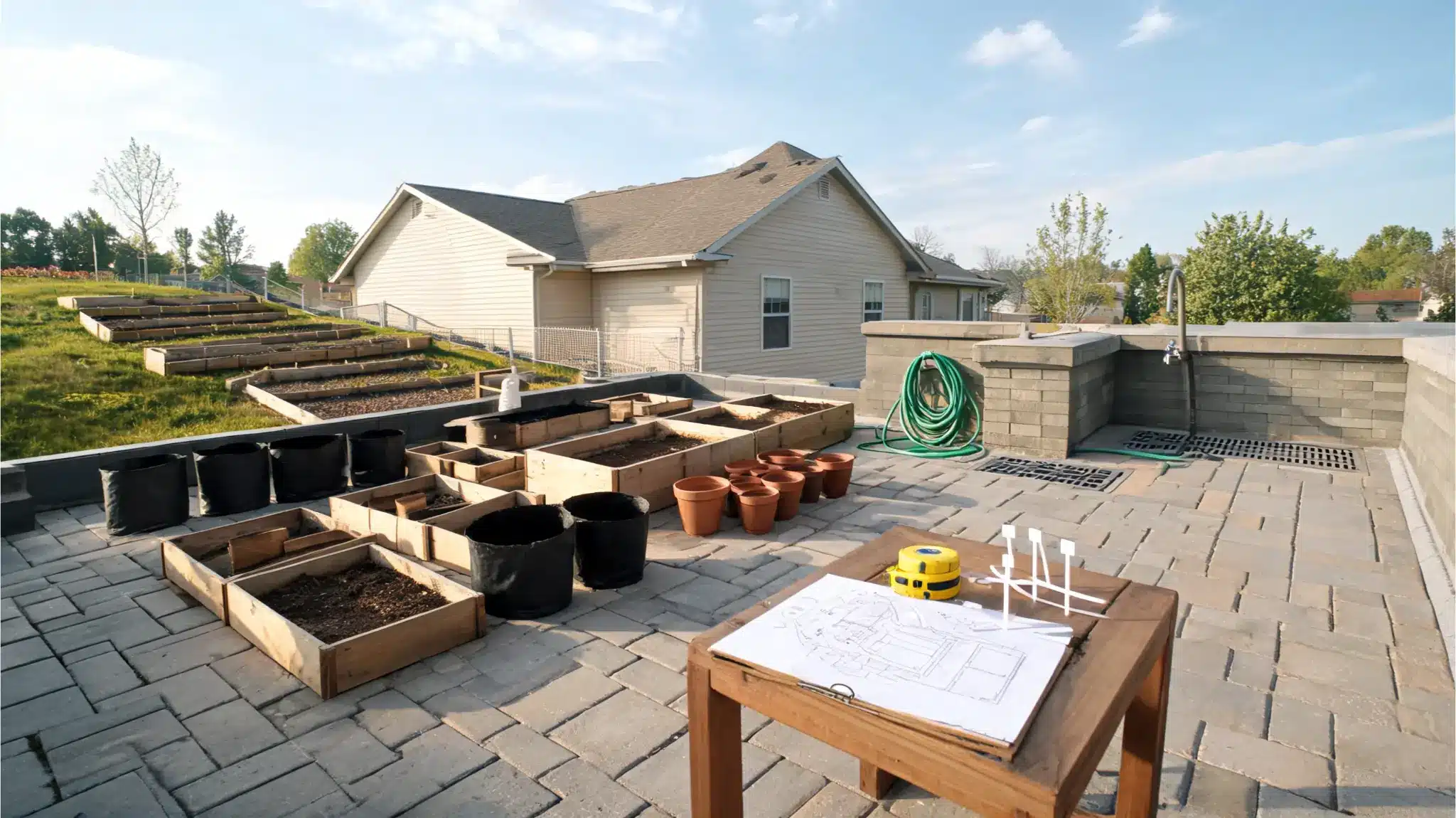
Plan the space before you buy pots, soil, or plants.
- Sketch the area on paper.
- Mark where the sun hits.
- Leave a clear path for walking, watering, and pruning.
- Place tall plants where they will not block smaller plants.
- Group plants with similar water needs together.
- Keep tools, compost, and water easy to reach.
- Leave enough room for plants to grow wider.
For rooftops and balconies: Use railing planters, hanging pots, wall shelves, and narrow stands to save floor space. Keep the walking area open so the garden stays easy to care for.
For sloped yards: Plan each level like a flat planting bed. Add a safe path beside or between the beds so you can reach each section without stepping into the soil.
Step 3: Choose Pots, Grow Bags, or Beds
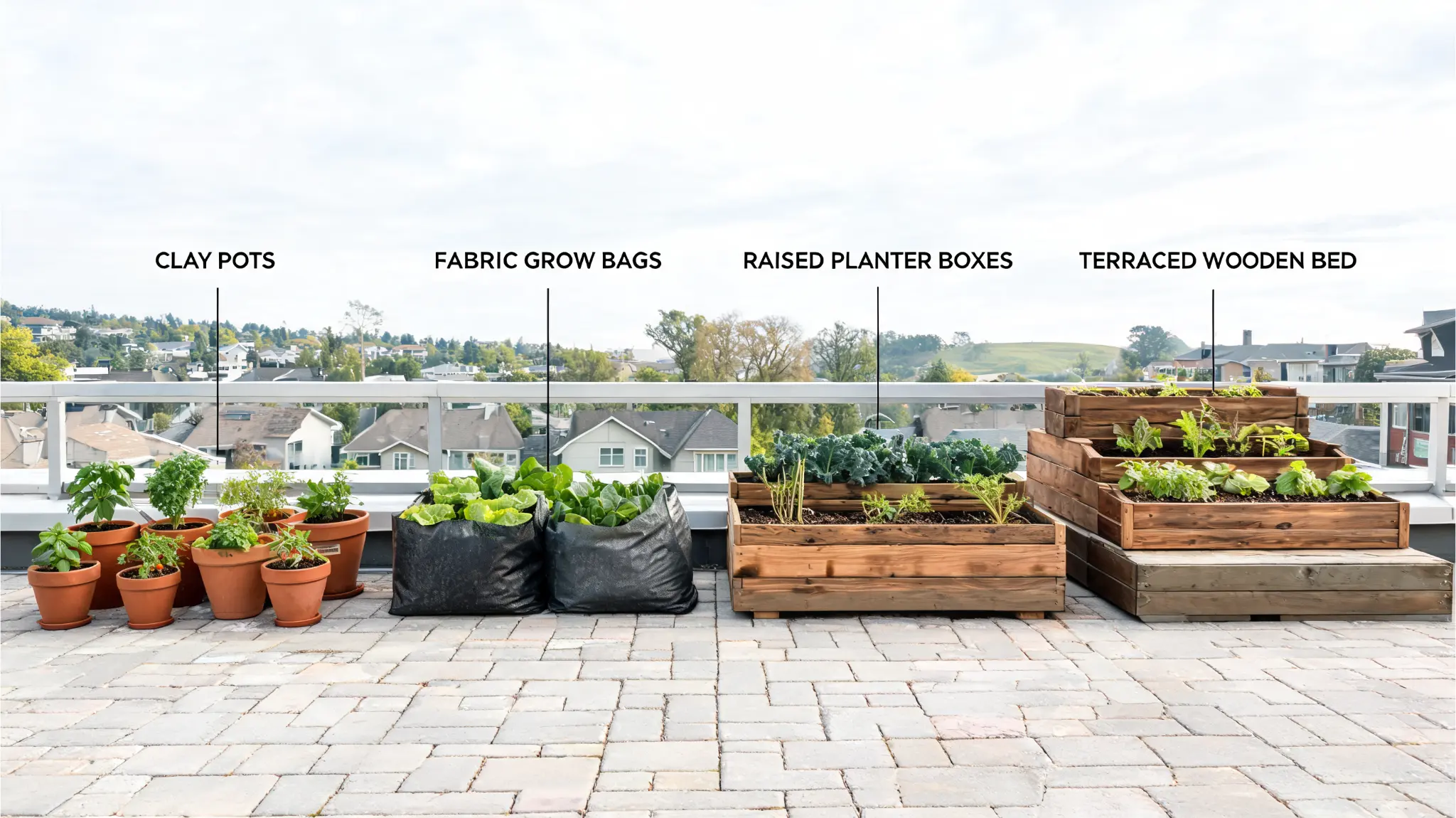
Pick a growing setup that fits your space, budget, and comfort level.
- Use pots for herbs, flowers, and small vegetables.
- Use grow bags if you want a light and budget-friendly setup.
- Use raised planters for vegetables and mixed planting.
- Use permanent beds if you want a long-term setup.
- Use stepped beds if your yard has a slope.
- Start with movable containers if you are new to gardening.
For rooftops and balconies: Pots and grow bags are usually the easiest starting point. They are lighter, easier to move, and simpler to replace if your layout changes.
For sloped yards: Use raised or stepped beds that can sit level. Avoid loose pots on uneven ground because they can tip, dry unevenly, or wash out during rain.
Step 4: Set Up Drainage and Soil
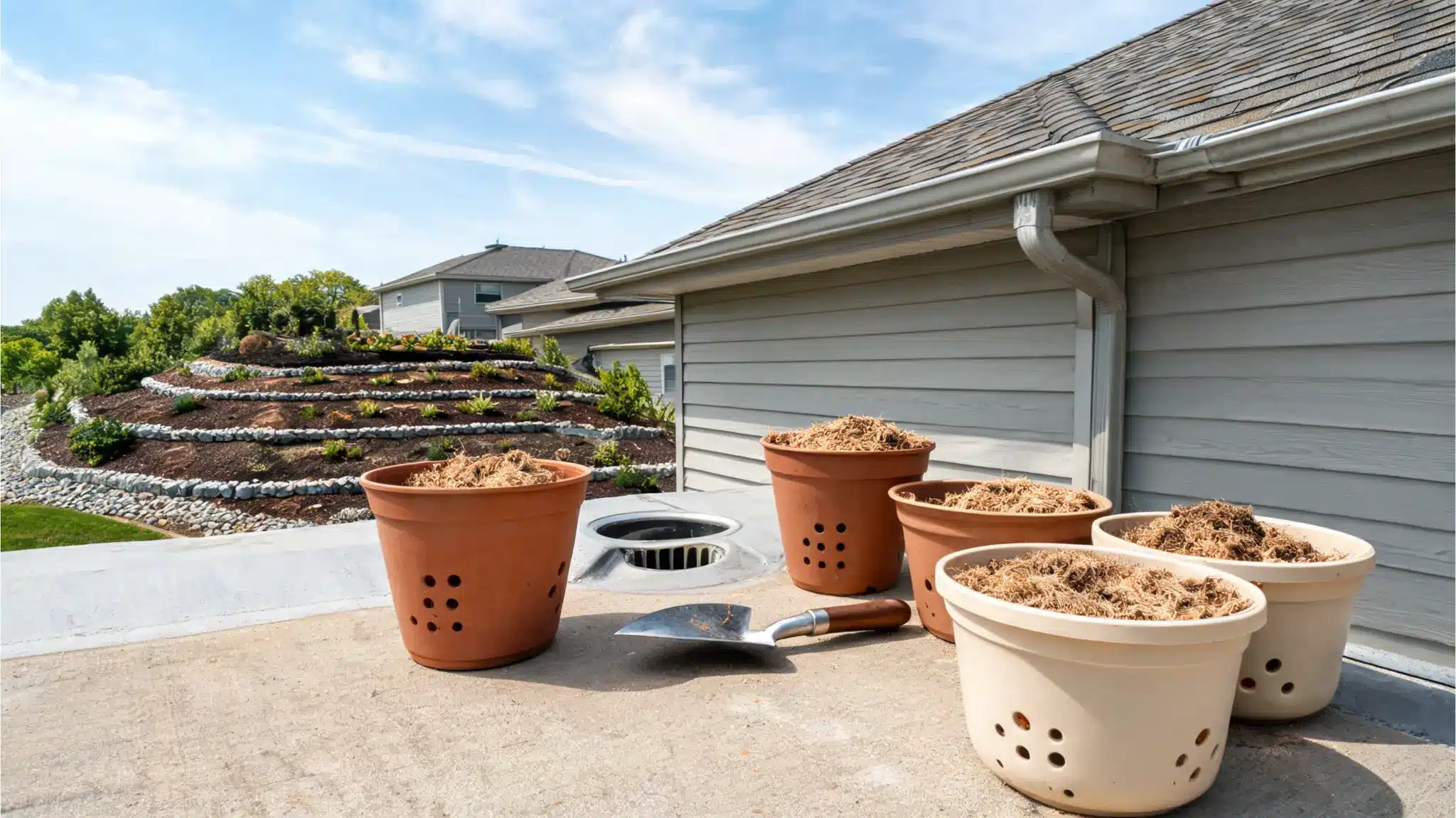
Prepare drainage first, then add soil that supports healthy roots.
- Use containers with drainage holes.
- Raise pots slightly so extra water can flow out.
- Avoid blocking roof drains or water outlets.
- Use a light potting mix with compost.
- Avoid heavy ground soil in pots and grow bags.
- Add mulch on top to reduce drying.
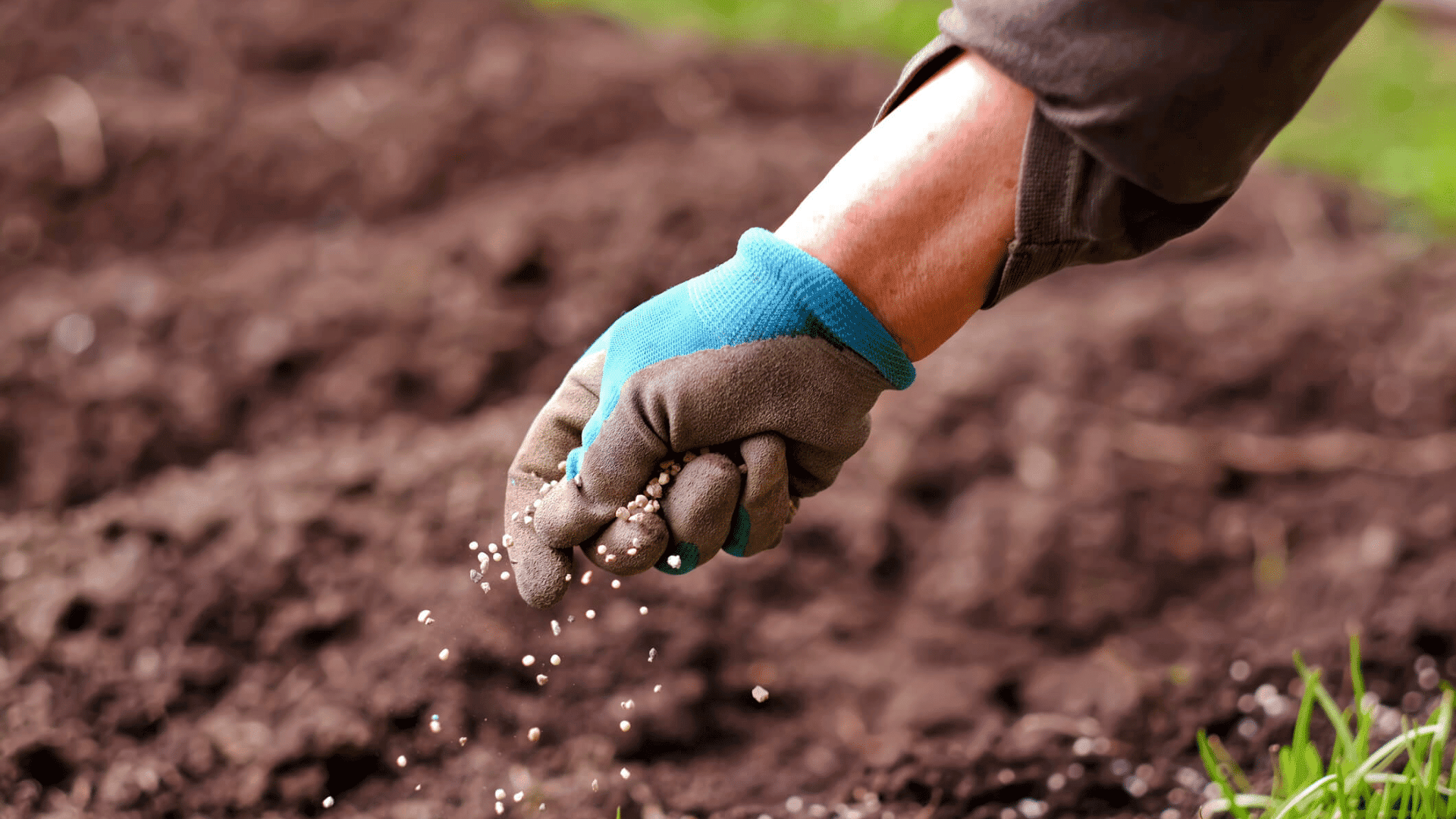
- Mix compost into raised beds before planting.
For rooftops and balconies: Check waterproofing before adding large beds or heavy containers. Use a lightweight soil mix so containers do not become too heavy.
For sloped yards: Add drainage behind retaining edges. Build each level so extra water moves away safely instead of pushing soil downhill.
Step 5: Pick Beginner-Friendly Plants
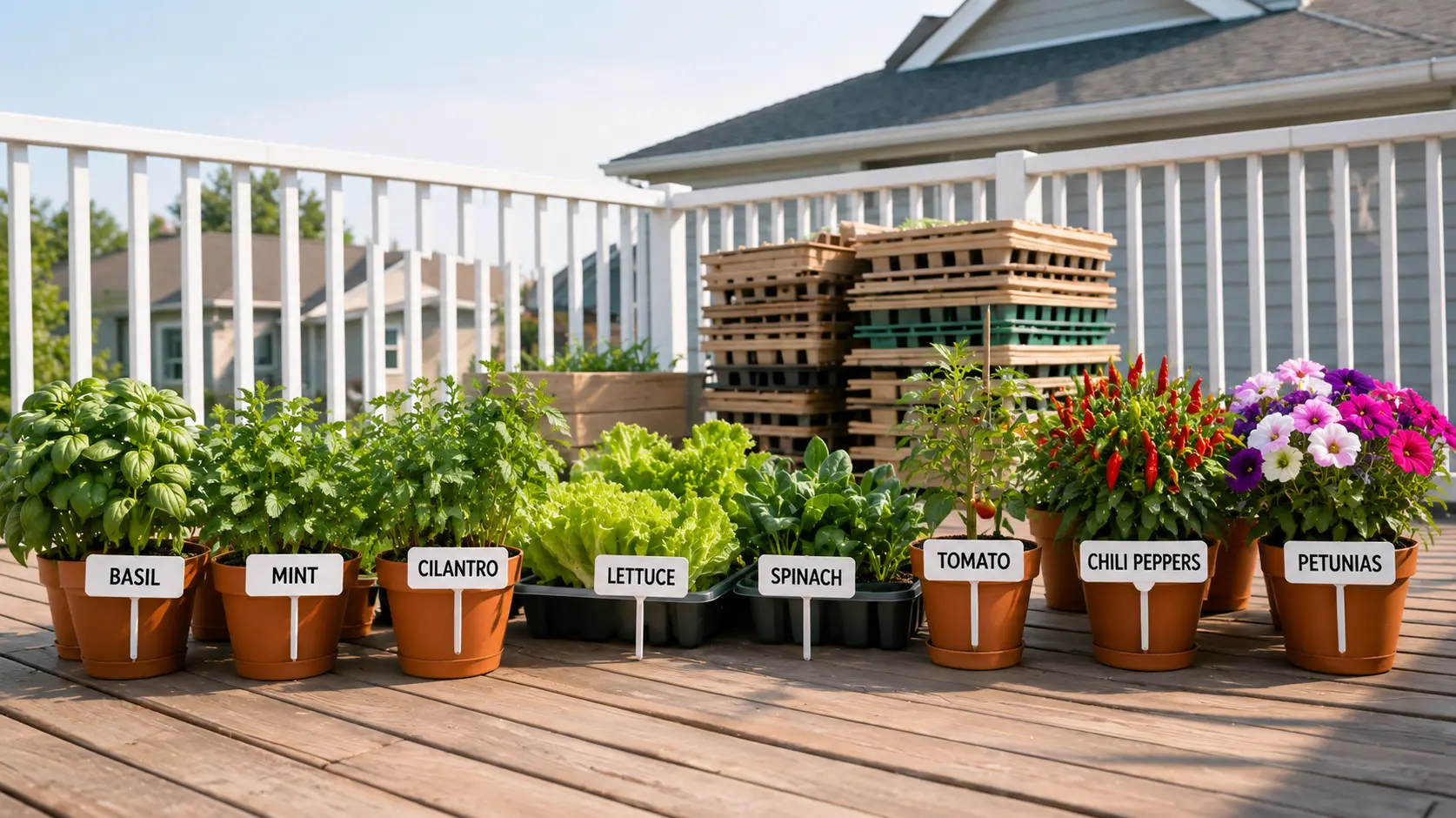
Start with plants that are easy to grow and useful.
- Choose basil, mint, coriander, parsley, thyme, or oregano for herbs.
- Choose lettuce, spinach, radish, tomato, chili, beans, or cucumber for vegetables.
- Choose marigold, zinnia, petunia, geranium, or cosmos for flowers.
- Match plants to the sunlight in your space.
- Start with fewer plants, so care stays simple.
- Add more plants once the first batch grows well.
For rooftops and balconies:
Choose compact plants that grow well in containers. Herbs, leafy greens, chilies, compact tomatoes, and flowers are good beginner choices.
For sloped yards:
Use a mix of vegetables, herbs, flowers, and small shrubs. Add flowers near vegetables to bring in pollinators and make the beds look fuller.
Before buying plants, check your USDA zone and local Extension planting calendar because planting times vary by state and season.
Step 6: Plant, Space, and Support Properly
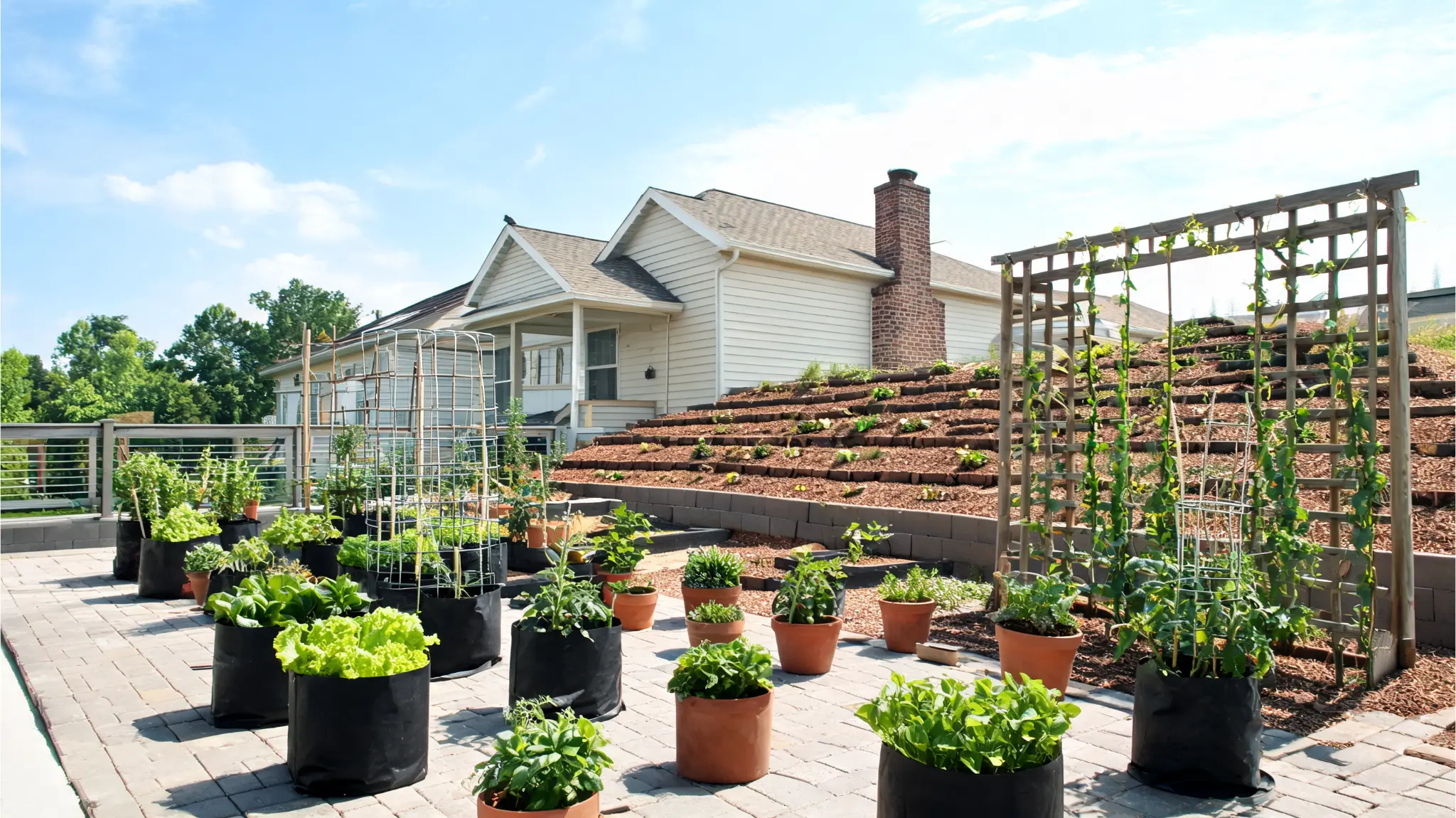
Plant with enough space so roots and leaves can grow well.
- Follow the spacing on seed packets or plant tags.
- Keep leafy greens at least a hand-width apart.
- Give tomatoes, peppers, cucumbers, and beans more space.
- Plant seedlings at the same depth as their nursery pots.
- Water gently after planting.
- Add stakes, cages, or trellises for climbing plants.
- Place mulch on top of the soil.
For rooftops and balconies: Do not crowd containers just to fill the space quickly. Crowded pots dry faster and can lead to weak growth.
For sloped yards: Plant across each level instead of down the slope. This helps slow water and keeps soil from washing away.
Step 7: Maintain the Garden Regularly
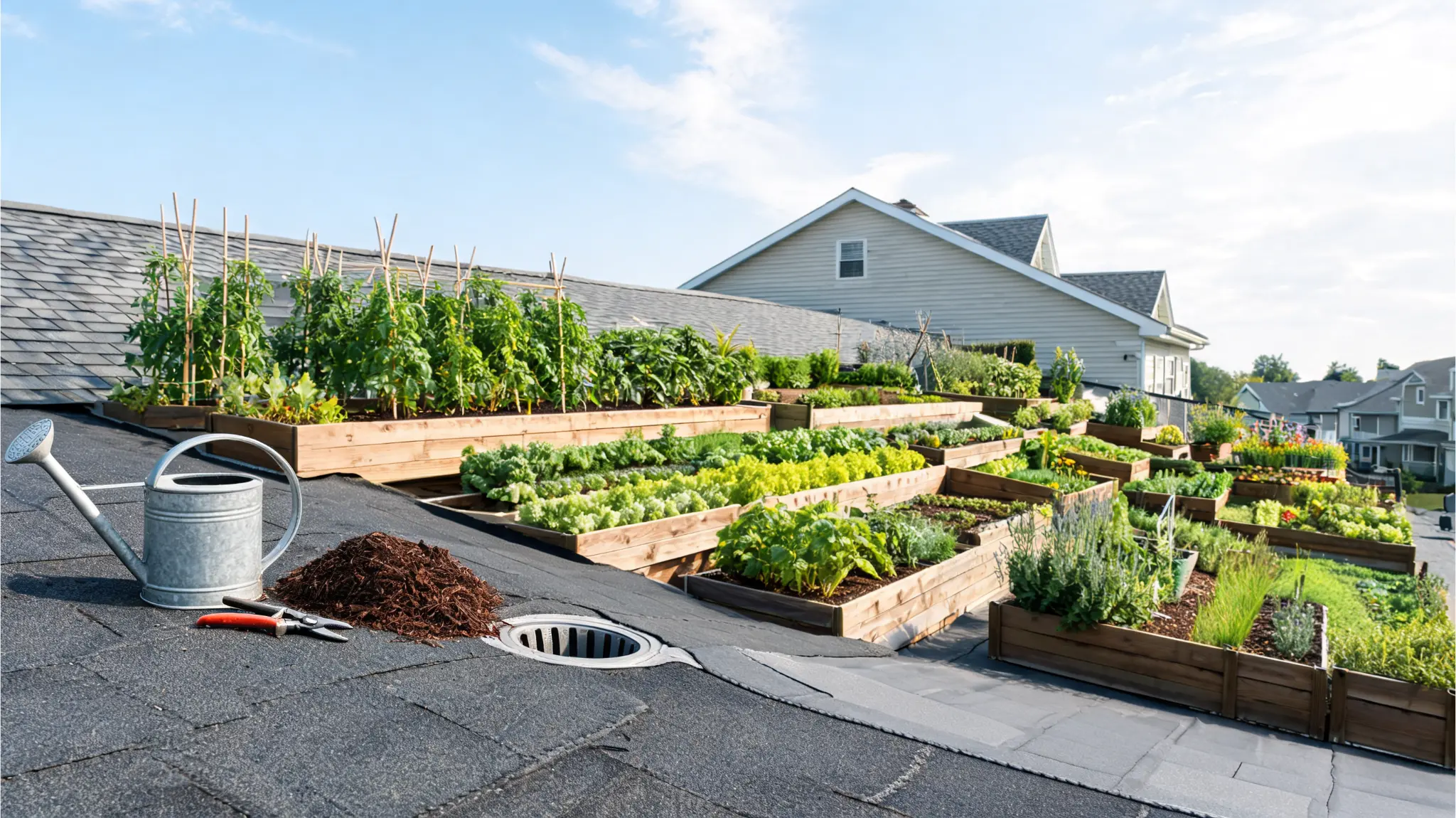
Create a care routine before the garden gets hard to manage. A few small checks each week will keep plants healthier and make problems easier to fix.
- Decide how often you will check soil moisture.
- Keep pruners, labels, and plant food nearby.
- Set a weekly time for light cleanup.
- Watch new plants closely for the first two weeks.
- Check drains and bed edges after heavy rain.
For rooftops and balconies:
Check containers more often because they dry faster. This matters most during hot, windy, or sunny days.
For sloped yards:
Watch for soil movement after rain and fix small washouts early. Small repairs are much easier than rebuilding a damaged bed later.
What Each Setup Actually Costs
These figures can shift based on size, soil volume, plant choice, and labor. A small container setup can stay affordable. A large slope project can cost much more.
| Setup Type | Estimated Cost | Main Cost Drivers |
| Small pot setup | $50 to $150 | Pots, herbs, soil, compost, hand tools |
| Grow bag garden | $75 to $250 | Grow bags, soil mix, vegetables, mulch |
| Raised planter setup | $150 to $600 | Planters, soil volume, compost, plants |
| Rooftop container garden | $200 to $1,000+ | Lightweight containers, soil, drainage, watering setup |
| Small terraced beds | $300 to $1,500+ | Wood or blocks, soil, compost, gravel, tools |
| Large slope project | $1,500+ | Retaining materials, drainage, labor, soil movement |
The biggest cost variable is structure. Pots and grow bags keep the price lower. Permanent beds, retaining edges, and labor raise the total.
If I were starting on a tight budget, I would begin with herbs, leafy greens, grow bags, and a few flowers. You can add stronger beds later once you know the space is worth the bigger spend.
These are rough U.S. DIY estimates. Your final cost can change based on local material prices, labor, permits, slope size, and tools you already own.
After-Planting Care for Your Garden
A planted garden still needs regular checks. A simple care routine helps your setup handle heat, rain, wind, and seasonal changes without turning maintenance into a big job.
Weekly Care:
Do these quick checks once or twice a week:
- Check soil moisture.
- Remove dry or yellow leaves.
- Look under leaves for pests.
- Train climbing plants as they grow.
- Harvest herbs and greens when ready.
- Clear fallen leaves from drains.
This keeps plants healthy, catches small issues early, and helps water drain properly.
Monthly Care:
Set aside a little time each month for deeper care:
- Add compost or plant food.
- Prune overgrown plants.
- Check stakes, ties, and trellises.
- Refill mulch where it has thinned.
- Wash trays if they hold dirt.
This supports steady growth and keeps the setup clean, stable, and easy to manage.
Seasonal Care:
Check the full setup when the season changes:
- Replace tired plants.
- Refresh old potting mix.
- Check rooftop waterproofing.
- Repair loose bed edges.
- Move containers if sunlight changes.
- Watch slopes after heavy rain.
This helps the garden adjust to weather changes and prevents bigger problems later.
The easiest routine is the one you can repeat. A few minutes several times a week can keep the garden healthier than one long cleanup after plants are already struggling.
Common Mistakes to Avoid
Small mistakes during setup can make the garden harder to care for. Watch for these before you plant too much.
- Check sunlight first: Make sure your plants match the light in your space before buying them.
- Use lightweight soil: Choose a light potting mix for rooftops so containers do not get too heavy.
- Add drainage holes: Let extra water flow out so roots do not sit in wet soil.
- Leave walking space: Keep enough room to water, prune, harvest, and clean.
- Water by soil feel: Check moisture before watering instead of following only a fixed schedule.
- Level sloped beds: Build terraced garden beds evenly so the soil does not wash away after rain.
- Keep beds reachable: Make each bed narrow enough to care for without stepping into the soil.
- Clear drains often: Remove leaves, soil, and mulch from drains so water can move freely.
- Protect from wind: Use supports, heavier pots, or a screen if your rooftop gets strong wind.
Avoiding these mistakes keeps the project safer and easier. It also helps you spend money on the parts that matter most: drainage, soil, support, and plants that suit the space.
Frequently Asked Questions
How much sunlight do I need?
Most herbs, vegetables, and flowering plants need about 5 to 8 hours of sunlight, depending on the plant. Fruiting vegetables usually need more sun, while leafy greens can handle part shade.
What does the 70/30 rule mean?
The 70/30 rule keeps about 70 percent of the area for plants and 30 percent for paths, seating, and care. It helps small areas stay useful, less crowded, and easier to clean.
Can I grow vegetables in containers?
Yes, many vegetables grow well in containers when they have enough depth, sunlight, drainage, and feeding. Start with lettuce, spinach, radish, chili, beans, herbs, and compact tomatoes before trying larger plants.
How often should I water?
Check the soil before watering instead of following a fixed calendar. Containers dry faster in sun and wind. Water when the top inch feels dry, and soak gently until extra water drains out.
What should I avoid planting together?
Avoid mixing plants with very different water needs in one pot. Mint spreads fast, so keep it separate. Large tomatoes, cucumbers, and beans can shade small herbs if planted too close.
Do I need professional help for a slope?
Small low beds on a gentle slope can be a DIY job. Steep slopes, tall retaining edges, drainage trouble, or soil that shifts after rain need expert help for safety.
Final Thoughts
A terrace garden works best when you treat it like a small build, not a random set of pots. Start with light, drainage, soil, and a layout you can reach without trouble.
For flat spaces, pots, grow bags, and compact plants are the safest first step. For sloped yards, terraced garden beds give you level growing areas that hold soil better.
I would begin with one small section, grow a few herbs or greens, and watch how the space handles water and sun. Once that feels easy, add more plants or another bed.
Ready to start? Sketch your space today, choose five beginner plants, and build from there.