Lavender looks simple. Plant it, water it, and enjoy the purple blooms. That is what most people think, and that is exactly where it goes wrong. Then the leaves go yellow. The plant gets woody.
The flowers stop showing up. Suddenly, a plant known for being low maintenance feels like a full-time job.
Growing lavender is quite easy once you know what it actually needs. It is not a fan of rich soil, frequent watering, or too much shade. Give it the right conditions, and it will reward you for years to come.
This guide covers everything, from picking the right lavender variety for your space to planting, pruning, and harvesting lavender flowers at home.
What Is Lavender?
Lavender (Lavandula) is a flowering perennial shrub native to the Mediterranean, belonging to the mint family, with over 47 known species.
It is best known for its purple flower spikes, strong calming scent, and its ability to attract bees and butterflies.
It is drought-tolerant, works well in borders and pots, and can live up to 15 to 20 years with proper care.
Beyond the garden, it has real uses in cooking, skincare, and aromatherapy, making it one of the most useful herbs you can grow.
Types of Lavender: Which One Should You Grow?
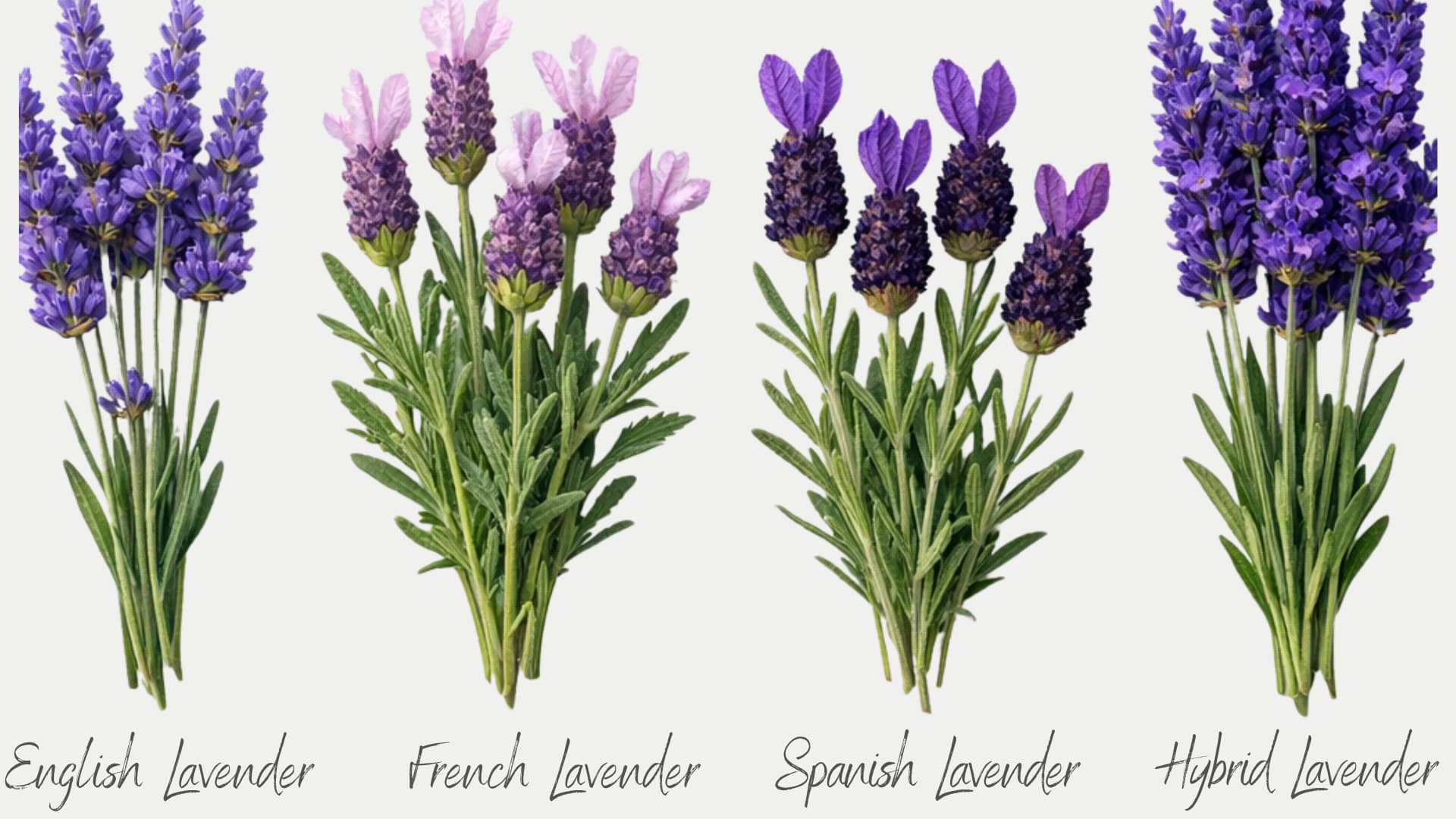
Not all lavender plants are the same. The variety you choose will affect how long it blooms, how much cold it can handle, and what you can use the flowers for.
| Type | Botanical Name | USDA Zones | Bloom Time | Best For |
|---|---|---|---|---|
| English Lavender | Lavandula angustifolia | 5 to 8 | June to August | Cooking, cold climates |
| French Lavender | Lavandula dentata | 8 to 11 | Early summer to fall | Warm climates, garden borders |
| Spanish Lavender | Lavandula stoechas | 8 to 11 | Mid-spring to early summer | Ornamental and container use |
Pro Tip: Beginners in colder climates (Zones 5-7) should start with English lavender. It is the hardiest variety and the most forgiving.
What Does Lavender Need to Grow Well?
Lavender is low maintenance, but it is not forgiving of the wrong conditions. Getting these basics right before you plant will save you a lot of trouble later.
- Sunlight: Lavender needs at least 6 to 8 hours of direct sunlight daily to bloom well and stay fragrant.
- Soil: Use well-draining, lean soil with a pH of 6.5-7.5. Rich or heavy clay soil causes root rot.
- Watering: New plants need water once a week. Established lavender only needs watering every two to three weeks.
- Climate: Lavender grows across USDA Zones 5-11, depending on the variety. In colder areas, grow it in pots that can come indoors during winter.
- Air Circulation: Keep 2 to 3 feet between each plant. Good spacing helps keep fungal diseases at bay, especially in humid climates.
How to Grow Lavender: Step-by-Step Planting Guide
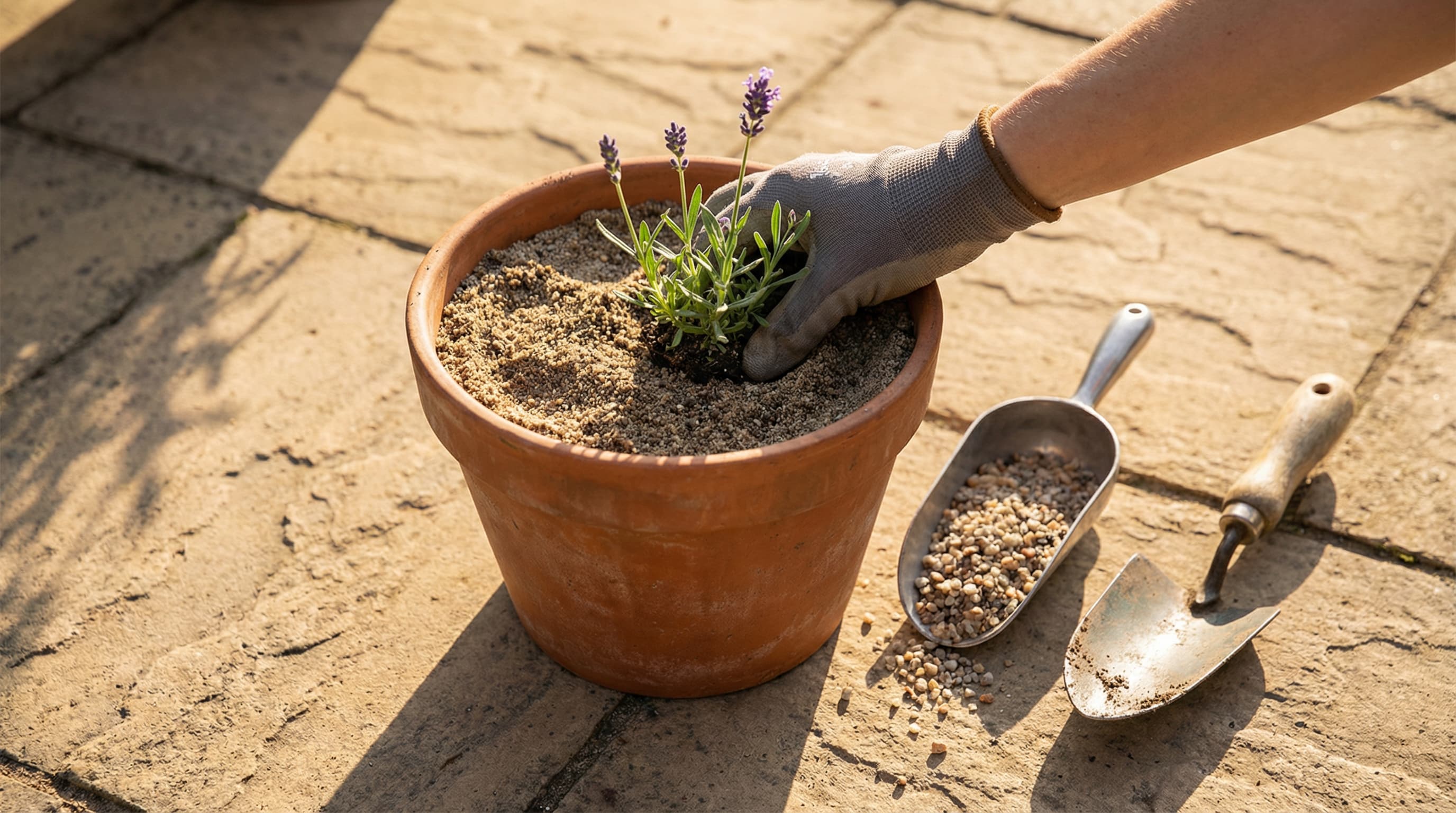
There are a few ways to start growing lavender at home. Each method works, but some are better suited to beginners than others.
1. Growing from Seed
Lavender seeds are slow to germinate and can take up to three months to sprout. For best results, cold stratify the seeds for four to eight weeks before sowing and start them indoors ten to twelve weeks before the last frost date in your area.
2. Growing from Cuttings
Take semi-ripe cuttings about 10 cm long in late summer from non-flowering shoots. Strip the lower leaves, dip the cut end in rooting hormone, and push it into a well-draining compost mix. Cover with a plastic bag and keep in a bright, airy spot until roots form.
3. Planting Starter Plants (Best for Beginners)
Buy young lavender plants from a garden center in spring or early summer. Dig a hole twice as wide and as deep as the root ball, set the plant so the top of the root ball sits level with the soil, firm the soil around it, and water well right after planting.
4. Growing Lavender in Pots
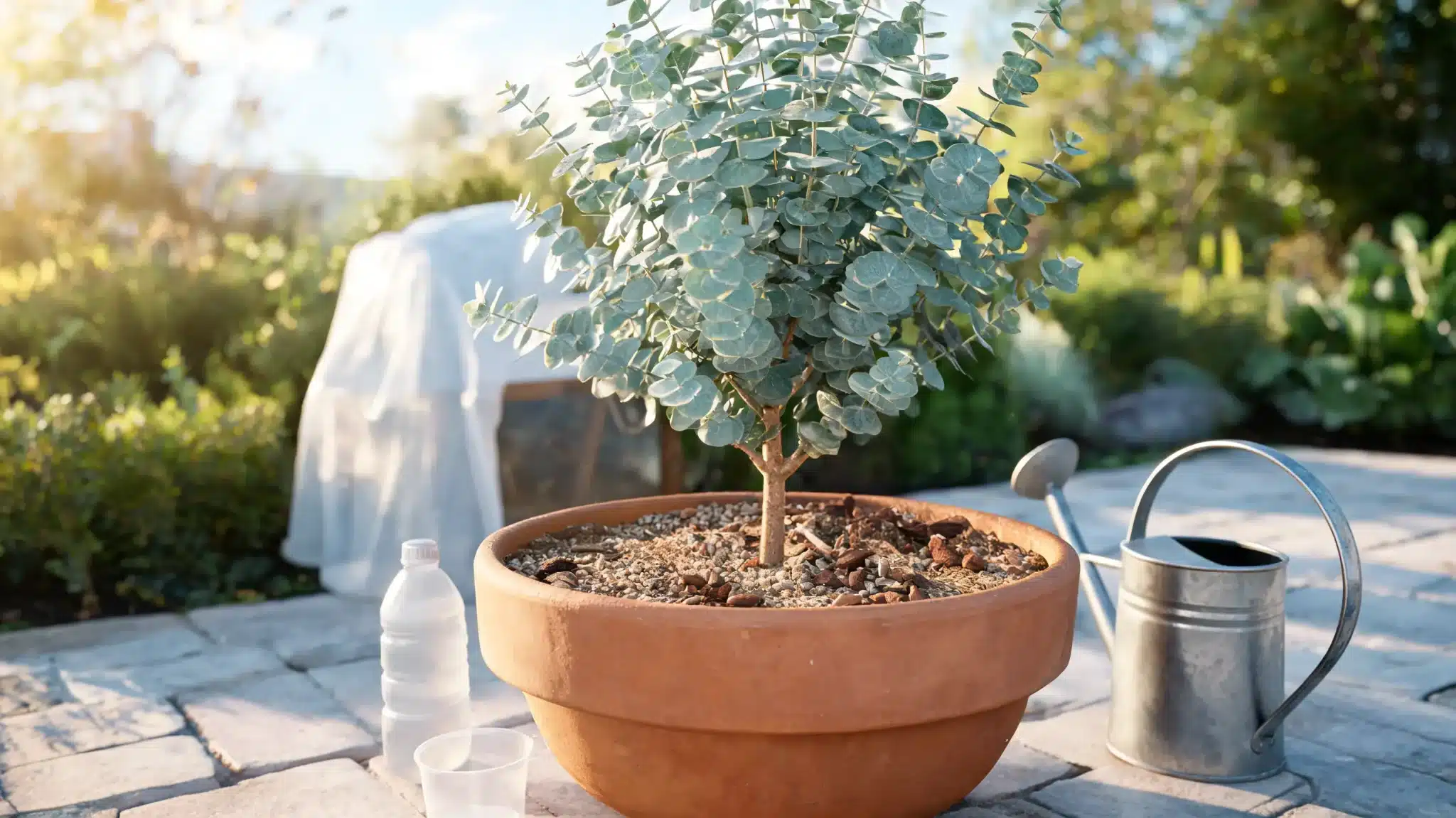
Choose a large pot with good drainage holes, then fill it with a lean potting mix combined with sand or perlite. Place the pot in a full-sun spot and bring it indoors near a bright, south-facing window when winter temperatures drop.
5. Best Time to Plant
Spring, after the last frost, is the best time. In warmer regions (Zones 8 and above), early fall also works. Never plant in winter since young lavender plants rot quickly in cold, wet soil.
6. Spacing
Plant lavender 2 to 3 feet apart. Good spacing allows air to move freely around each plant, significantly reducing the risk of fungal disease.
How to Care for Your Lavender Plant?
Once your lavender plant is in the ground, care is straightforward. A few simple habits will keep it healthy and blooming for years.
- Watering: Let the soil dry out fully between each watering. Established lavender only needs water every two to three weeks.
- Fertilizing: Skip heavy feeds. Lavender grows best in poor soil, and too much nitrogen causes leafy growth with very few flowers.
- Mulching: Use gravel, pea stone, or grit around the plant. Avoid wood chips or bark, which hold too much moisture near the roots.
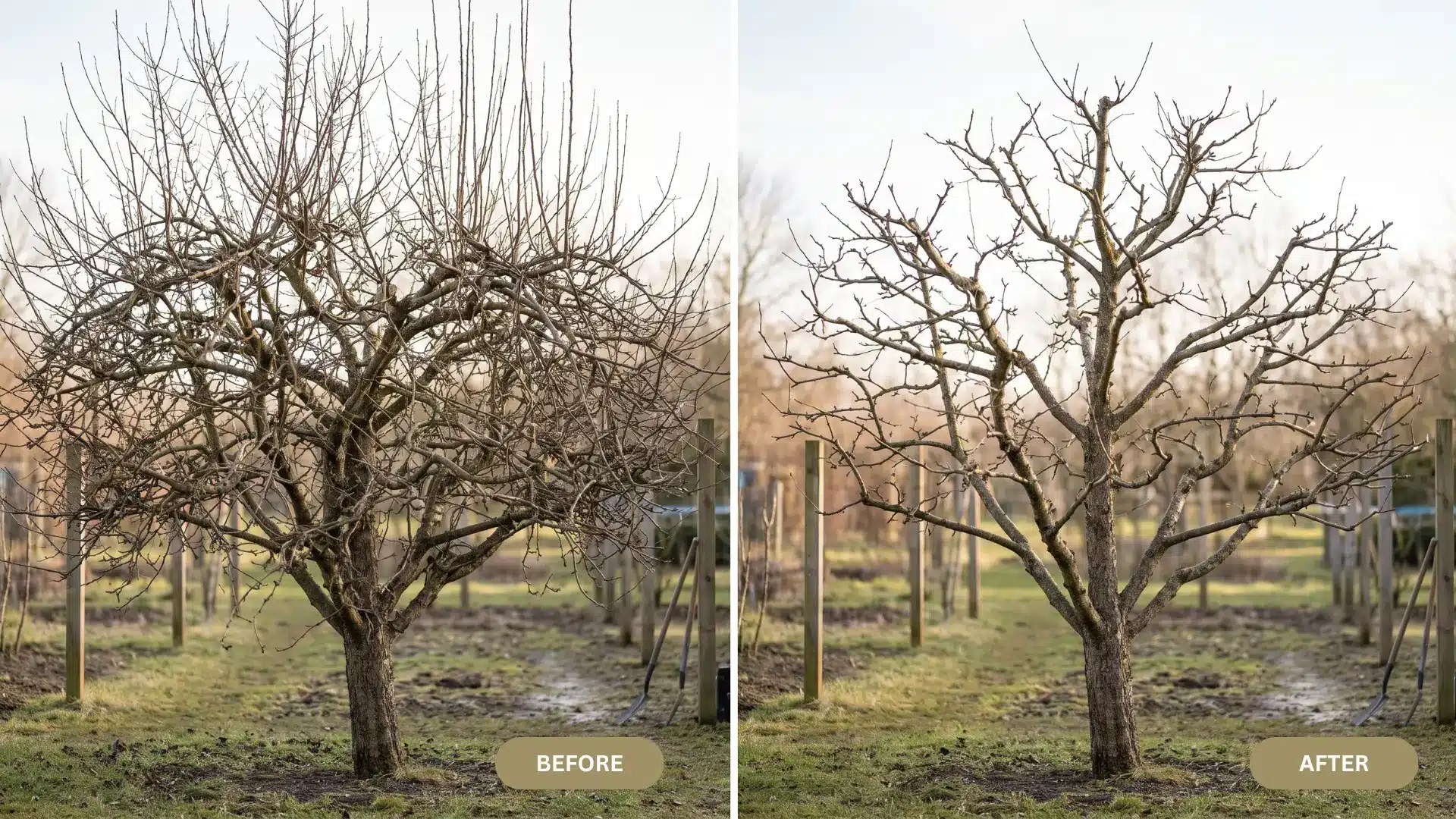
- Pruning: Cut back one-third of the top growth each year in spring. Never cut into the old, grey, woody stems, as they will not regrow.
- Winter Care: In cold climates, cover plants with straw or evergreen branches after the first hard freeze. Remove the cover again in early spring.
Best Companion Plants for Lavender
Lavender does not do well in an isolated patch. Pair it with the right plants, and both will grow better, attract more pollinators, and make your garden look far more interesting.
| Companion Plant | Why It Works |
|---|---|
| Roses | A classic pairing. Lavender repels aphids, which often attack rose plants. |
| Rosemary | Same sun and soil needs. Both grow side by side without competing. |
| Thyme | Low-growing and drought-tolerant. Fills gaps around lavender plants naturally. |
| Sage | Shares similar growing conditions and is a strong draw for bees. |
| Echinacea (Coneflower) | Blooms at different times, extending the pollinator season in your garden. |
| Ornamental Grasses | Adds texture contrast and thrives in the same well-drained soil. |
Lavender Pests and Diseases to Watch For
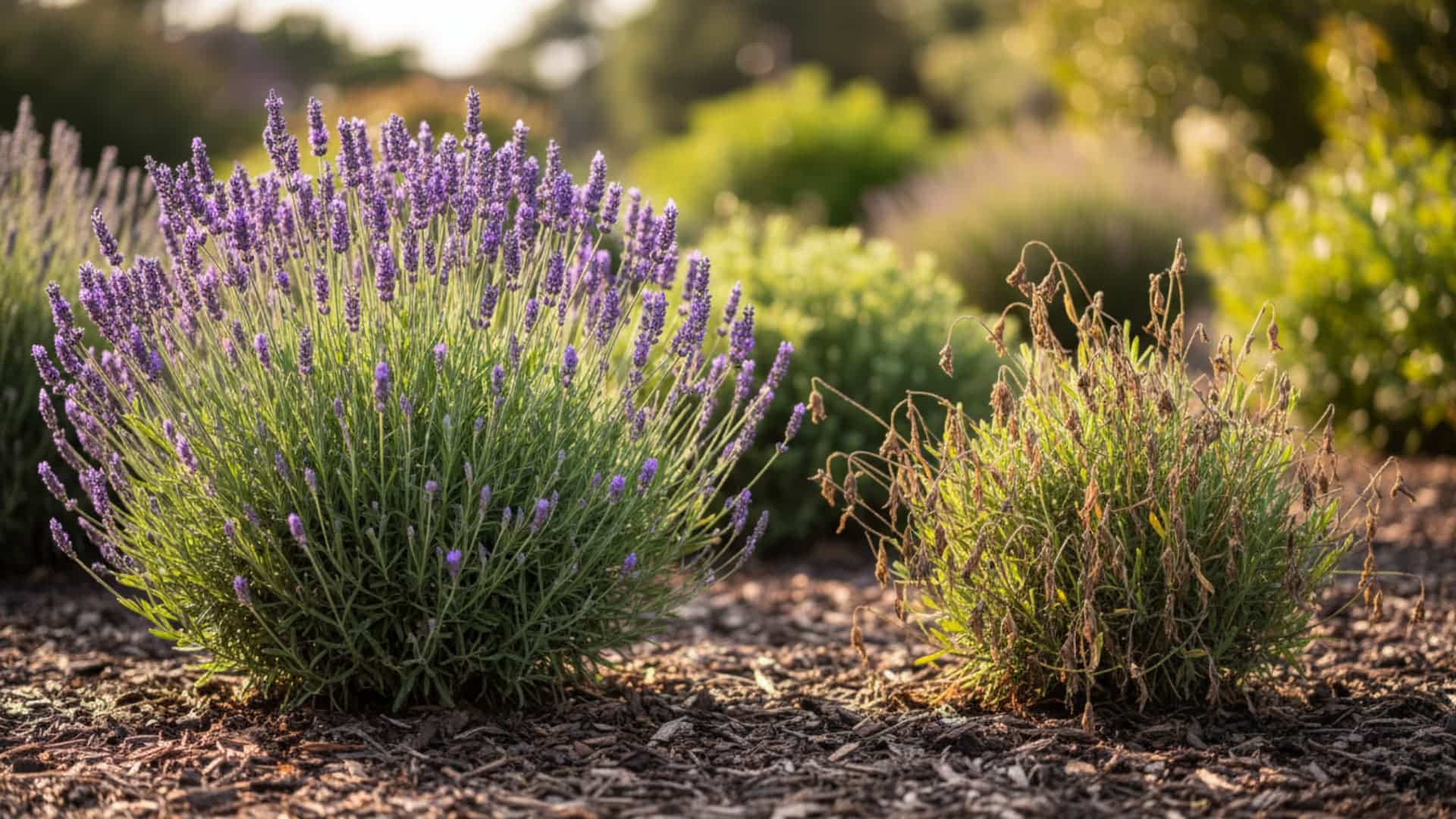
Lavender is one of the toughest plants in any garden. Still, a few pests and diseases can cause trouble, especially when plants sit in wet soil or get too little sun.
Common Pests
- Aphids: Small, soft insects that cluster on new growth. Knock them off with a strong water spray or treat with insecticidal soap.
- Whiteflies: Tiny white insects found under the leaves. Treat with insecticidal soap early, before their numbers build up.
- Spittlebugs: Leave a frothy, white residue on stems. Remove by hand or rinse off with water.
- Rosemary Beetles (more common in Europe): Metallic green and purple beetles that feed on leaves. Hand-pick them or apply neem oil.
Common Diseases
- Root Rot: The most common lavender problem, caused by overwatering or poor drainage. Remove damaged roots and improve drainage immediately.
- Powdery Mildew: A white, dusty coating on leaves triggered by high humidity and poor airflow. Improve spacing and air circulation around plants.
- Botrytis (Gray Mold): Gray or brown wilting foliage in wet, cool conditions. Remove the affected parts and move the plant to a drier location.
Prevention Note: Well-draining soil, full sun, and proper spacing prevent most pest and disease problems before they start.
When and How to Harvest Lavender Flowers?
Harvesting at the right time makes a real difference in scent and quality. Cut too early or too late, and you will get less fragrance and shorter-lasting dried flowers.
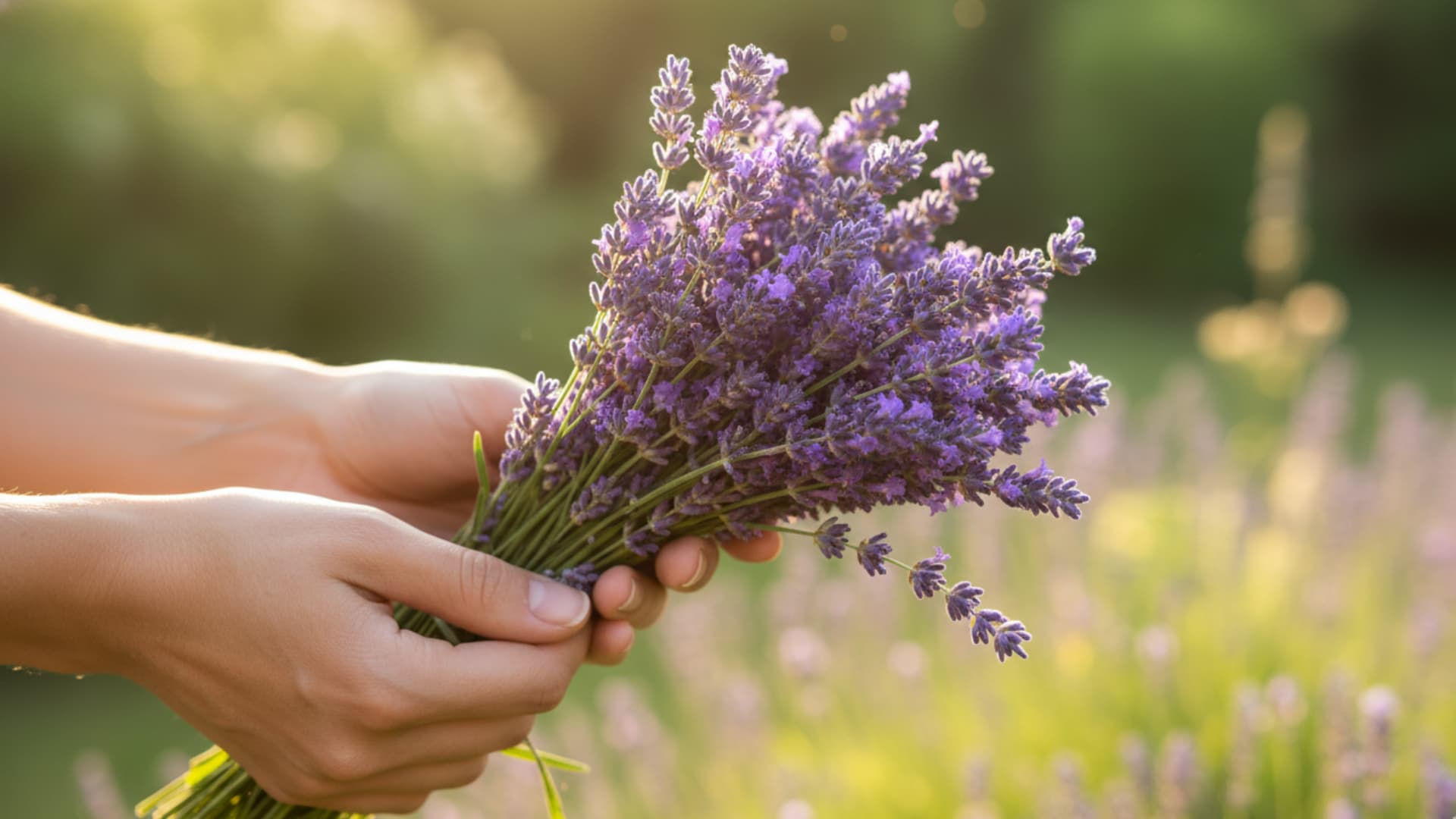
- Best stage to cut: Harvest when one-third to one-half of the florets on each spike have opened. This is when essential oil content is at its highest.
- Best season: June to September. Always pick on a dry, sunny day for the strongest scent.
- How to cut: Use clean, sharp shears and cut the flowering stem just above the leaf node, not into bare wood.
- For drying: Tie cut stems into small bunches and hang them upside down in a dry, well-ventilated space away from direct sunlight.
- For fresh use: Place the cut stems in water like a fresh bouquet and use them within a day or two.
What Can You Do With Lavender?
Fresh or dried, lavender is one of the most useful herbs you can grow at home. In the kitchen, the flowers (especially English lavender) go well in baked goods, teas, syrups, and sauces.
Around the house, dried bunches act as natural moth repellents in closets and make fragrant sachets for drawers and pillows.
The essential oil extracted from the flowers is widely used in soaps, lotions, and calming aromatherapy blends.
And if you leave a few flower spikes unpruned at the end of the season, the blooms will bring bees and butterflies to your garden right through summer.
Key Takeaways
Lavender is one of those plants that asks for very little but gives back a lot. Sun, dry soil, and a light trim once a year.
That is all it really takes. Get those three things right, and the lavender flowers will keep coming back season after season.
The most common reason lavender fails is not cold or pests. There is too much water and too little sun. Keep that in mind from the start, and you are already ahead.
Now it is your turn. Have you grown lavender before? Did it succeed, or did you run into trouble? Drop your experience in the comments below. We would love to hear from you.