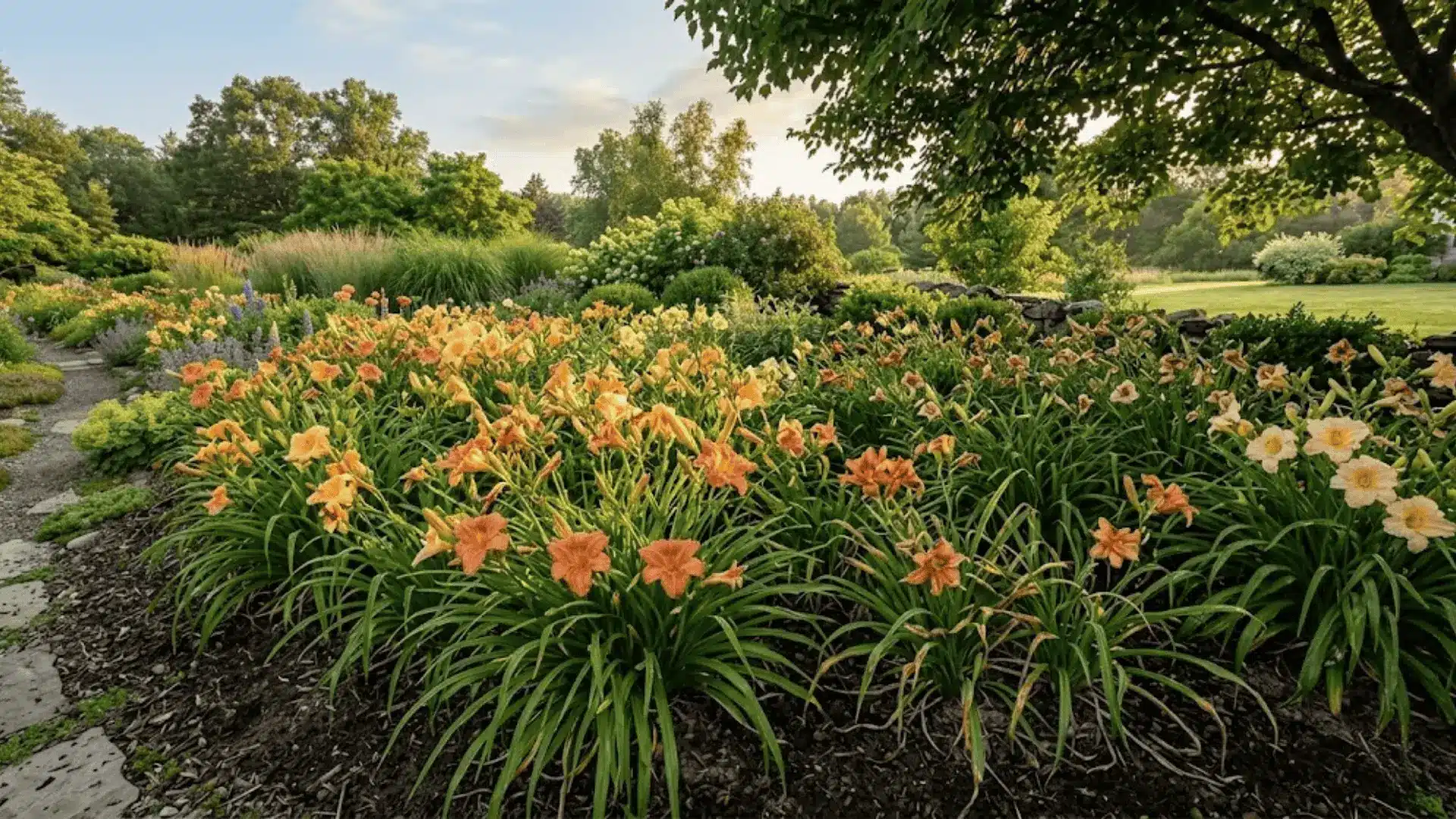
If you’ve ever watched a daylily open up on a slow summer morning, you already know why gardeners keep coming back to them.
They’re forgiving, quietly stunning, and honestly one of the easiest perennials you can grow.
But one question always comes up: when exactly do they bloom, and will they keep going all summer? The answer depends on a few sweet little factors like your region, the variety you chose, and how much love you give them.
Let’s get into all of it.
Plan Around the Bloom, Not After It
Knowing when your daylilies bloom lets you plan smarter, not harder.
It shapes which plants you pair them with, how you layer seasonal color across your beds, and when to step in with fertilizing, dividing, or deadheading.
Miss the timing, and you might miss the bloom altogether.
Nail it, and you can have color flowing through your garden from late spring well into fall, without it ever feeling like a guessing game.
When Do Daylilies Bloom?
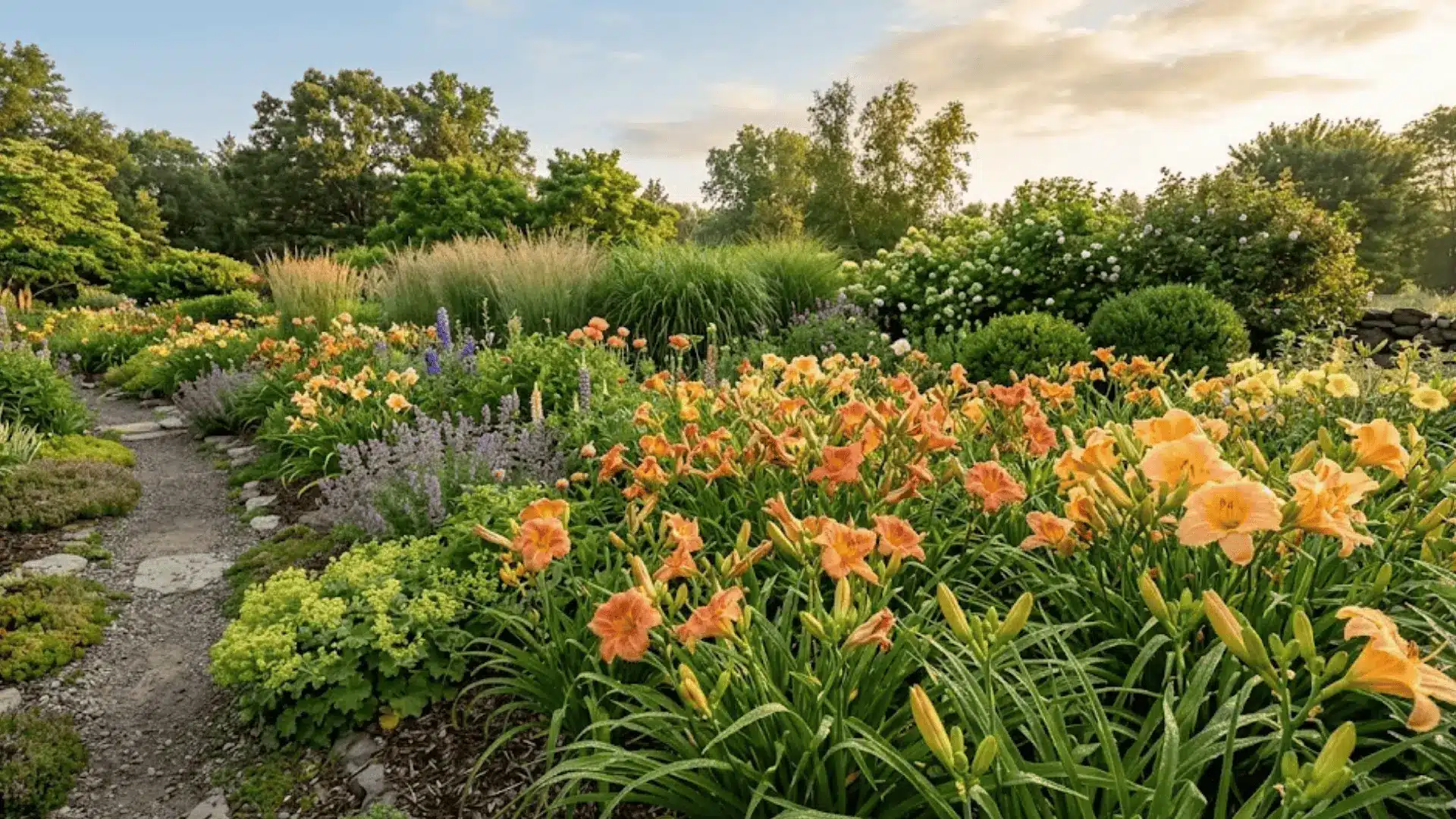
Daylily bloom season isn’t a fixed date on the calendar; it shifts with your climate, your variety, and how your garden settles into the season.
Here’s a closer look at what to expect and when.
Typical Bloom Season in the U.S.
For most gardeners across the country, daylilies start showing color somewhere in mid to late spring and ride that momentum through June, which tends to be peak bloom time in the majority of regions.
Depending on the variety, that window can stretch comfortably into late summer or even graze early fall, giving you a longer run of color than most perennials offer.
Bloom Time by Climate Zone
Where you garden shapes everything about when your daylilies open up. A quick regional breakdown:
- Southern States: Blooms often kick off as early as March and carry through May.
- Northern States: Expect peak color between May and July.
- Cooler Zones: The slower warm-up actually works in your favor, stretching blooms into early fall.
Reader’s Ref: Not sure which zone you’re gardening in? The USDA Plant Hardiness Zone Map is the most reliable place to check. Find yours at planthardiness.ars.usda.gov
Early, Midseason & Late Varieties
Choosing varieties across bloom categories is the easiest way to keep color in your garden all season long.
| Bloom Code | Category | When They Bloom | Best For | Popular Example |
|---|---|---|---|---|
| EE | Extra Early | First to open, late spring | Jumpstarting seasonal color | Stella de Oro |
| E | Early | Spring to early summer | Pairing with spring perennials | Happy Returns |
| M | Midseason | Peak summer, June into July | Maximum visual impact | Pardon Me |
| L | Late | Late summer stretch | Extending garden color | Prairie Blue Eyes |
| VL | Very Late | Last bloomers, edging into fall | Bridging into the fall garden | Autumn Minaret |
Reader’s Ref: Bloom codes and variety classifications are maintained by the American Hemerocallis Society, the official authority on daylily registration in the U.S. Explore their database at daylilies.org
Do Daylilies Bloom All Summer?
Not quite, but they’re clever about it. Each flower only lasts a single day, but a well-established plant carries hundreds of buds that open in succession, stretching the show across several weeks.
Most plants hold their bloom period for 3 to 6 weeks, which already feels generous.
And if you choose reblooming varieties, you get a second flush in late summer or fall after the first wave winds down.
So while no single daylily blooms all summer, the right mix of varieties keeps your garden looking like it does.
Factors That Affect Daylily Bloom Time
Daylilies are adaptable, but they’re not indifferent to their surroundings. A few key conditions quietly shape when and how generously they bloom.
1. Sunlight Requirements
Full sun is where daylilies genuinely thrive. Aim for at least 6 hours of direct light daily, and you’ll see fuller, more frequent blooms.
Partial shade won’t kill them, but it does dial back flowering noticeably. If your garden leans shady, expect fewer buds and a slightly shorter bloom window overall.
2. Soil & Water Conditions
Good soil and steady watering are the two things daylilies quietly ask for in return for a generous bloom season.
- Well-drained, loamy soil gives roots the breathing room they need to support strong, consistent flowering.
- Consistent moisture leading into and during bloom season makes a visible difference in how many buds actually open.
- Waterlogged soil is one of the quickest ways to stress the plant and cut the bloom season short.
3. Plant Variety & Genetics
With thousands of cultivars registered, bloom timing is genuinely built into the plant’s DNA. The variety you choose, and whether it’s evergreen or dormant, shapes your season more than most people realize.
| Variety Type | Behavior | Bloom Timing Impact |
|---|---|---|
| Evergreen | Foliage persists year-round | Earlier blooms; suits warmer climates |
| Semi-Evergreen | Partial dieback in winter | Flexible, adapts to most regions |
| Dormant | Full rest cycle in winter | Slightly later bloom, cooler climate friendly |
| Reblooming | Flowers multiple times | Extends color well into fall |
4. Climate & Weather Patterns
Where you live sets the backdrop, but day-to-day weather often has the final say on when blooms actually appear.
- Warmer climates trigger earlier soil warmth, pushing blooms ahead by several weeks compared to northern gardens.
- Cooler climates delay the start but often reward you with a longer-lasting display since moderate temperatures keep flowers fresher.
- Late frosts or heat spells can compress or shift the bloom window in ways no variety label can fully predict.
How to Get Daylilies to Bloom Longer?
A little intentional care goes a long way with daylilies. These small habits, worked into your routine, can meaningfully stretch the bloom season without overcomplicating your garden care.
- Choose reblooming varieties to naturally extend flowering from summer well into fall.
- Deadhead spent blooms regularly to keep the plant focused on producing new buds.
- Apply a balanced fertilizer in early spring to fuel the season ahead, but hold back on overdoing it, or you’ll get more leaves than flowers.
- Water deeply and infrequently rather than giving shallow, frequent drinks to encourage stronger root development and better blooms.
- Divide overcrowded clumps every few years to restore vigor and bring back fuller, more generous flowering.
The goal is a plant that feels supported, not fussed over. Give it the right conditions, and it will do most of the work on its own.
When and How to Divide Daylilies for Better Blooms?
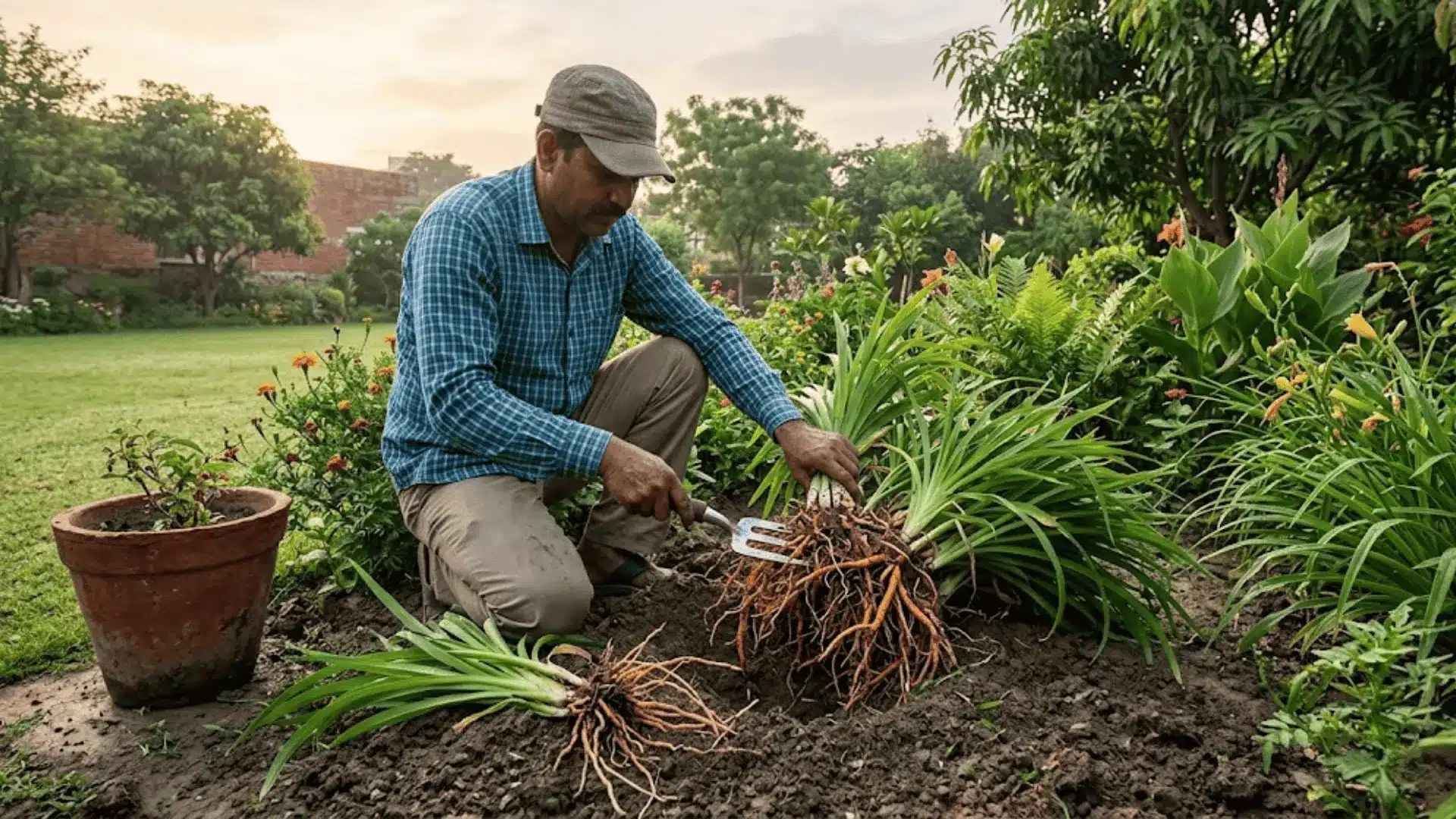
Daylilies are generous growers, and over time, that growth can actually work against them. Division is the simple reset that keeps them blooming at their best.
Signs it’s Time to Divide
Your plants will tell you when they’re ready. Watch for these:
- Noticeably fewer blooms than previous seasons
- Smaller flowers that lack the fullness they once had
- Visibly dense, congested clumps with little room left to spread
- A general sense that the plant is working hard but delivering less
When and How to Do It?
Every 3 to 5 years is the general sweet spot for most daylilies. Early spring, before new growth takes off, or shortly after the bloom season wraps up, are both reliable windows.
Here’s the process:
- Dig up the entire clump, working outward from the edges to keep roots intact.
- Separate the fans by gently pulling or cutting through the root mass, keeping healthy roots attached to each division.
- Replant promptly with enough spacing between divisions to give each one real room to establish and eventually spread.
Best Daylily Varieties for Long Bloom Seasons
If continuous color is the goal, variety selection is where it all starts.
Here’s a mix of reliable performers across bloom seasons to help you build a garden that stays alive with color from spring through fall.
| Variety | Bloom Season | Bloom Color | Rebloom? |
|---|---|---|---|
| Stella de Oro | Early to midseason | Golden yellow | Yes |
| Happy Returns | Early | Soft yellow | Yes |
| Pardon Me | Midseason | Deep red | Yes |
| Black-eyed Stella | Early to midseason | Yellow with red eye | Yes |
| Prairie Blue Eyes | Late midseason | Lavender blue | No |
| Autumn Minaret | Very late | Pale yellow | No |
| Chicago Apache | Midseason | Bright scarlet | No |
| Rosy Returns | Early to midseason | Rose pink | Yes |
| Mary Todd | Early | Buff yellow | No |
| Frans Hals | Midseason | Bicolor orange and yellow | No |
Common Reasons Daylilies aren’t Blooming
Daylilies are forgiving, but when the blooms stop showing up, something in their environment is usually asking to be fixed.
These are the most common culprits worth checking first.
- Too much shade quietly reduces bud production, sometimes before you even notice the decline.
- Overcrowded clumps competing for the same resources will prioritize survival over flowering.
- Poor or compacted soil limits root health, and roots that struggle rarely support generous blooms.
- Nutrient deficiency, particularly a lack of phosphorus, can stall flowering even in otherwise healthy plants.
- Newly planted or immature plants are still settling in and may simply need a full season or two before they bloom reliably.
Most of these are easy fixes once you know what to look for. A little troubleshooting in the right direction usually brings the blooms back within a season.
Daylily Care Calendar
Daylilies don’t demand much, but a loose seasonal rhythm keeps them healthier and blooming more generously year after year.
Here’s what to focus on and when.
| Month | Season | Task | Notes |
|---|---|---|---|
| March | Early Spring | Remove mulch, fertilize | Watch for new growth |
| April | Spring | Plant new divisions | Begin regular watering |
| May | Late Spring | Fertilize, water consistently | Buds beginning to form |
| June | Early Summer | Deadhead daily | Peak bloom season |
| July | Midsummer | Water deeply, deadhead | Reblooming varieties active |
| August | Late Summer | Reduce fertilizer | Second flush for reblooms |
| September | Early Fall | Divide and replant clumps | Add light compost |
| October | Fall | Cut back foliage | After the first frost |
| November | Late Fall | Apply mulch | Protects roots in colder zones |
| December | Winter | No active care needed | Full dormancy period |
| January | Winter | Plan and order varieties | Rest period continues |
| February | Late Winter | Loosen mulch slightly | Watch for early growth signals |
The Closing Note
Daylilies have a quiet reliability to them that most garden plants simply don’t.
Once you understand when daylilies bloom and what nudges them toward their best season, the rest falls into place pretty naturally.
Choose your varieties thoughtfully, follow the rhythm of the seasons, and don’t overthink the care. Your garden will reward you for it.
If you’ve grown daylilies before or you’re just getting started, drop your experience in the comments below. I would love to know which varieties are thriving in your space.