If you’ve ever wanted to grow your own food but weren’t sure where to start, cucumbers are honestly the most satisfying place to begin.
They’re fast, they’re generous, and they make even first-time gardeners feel like they actually know what they’re doing.
Growing cucumbers doesn’t require a big space or a green thumb, just a little guidance and some sunshine.
Stick around, because we’re walking through everything about how to grow cucumbers, from soil prep to harvest, so you can skip the guesswork and go straight to the good part.
What You Need to Know Before Growing Cucumbers?
Before you get your hands dirty, a little prep goes a long way.
Here’s a quick look at what to expect when growing cucumbers:
- Cucumbers come in two main types: vining (needs support) and bush (great for small spaces).
- They thrive in warm weather, so wait until the soil has fully warmed before planting cucumbers.
- Full sun is non-negotiable; aim for at least 6 to 8 hours daily.
- Well-draining, nutrient-rich soil with a slightly acidic pH keeps them happiest.
- From seed to harvest, most varieties are ready to pick in around 50 to 70 days.
Once you know what cucumbers need to grow well, the whole process starts to feel a lot more doable.
When to Plant Cucumbers?
Timing is everything with cucumbers. They’re warm-weather lovers, so planting cucumbers too early in cold soil will only slow them down.
Wait until soil temperatures hit at least 60°F, which usually falls somewhere in spring to early summer, depending on where you live.
If you want a head start, sow seeds indoors 3 to 4 weeks before the last frost date, then transplant once the weather settles. For direct outdoor sowing, wait until all frost risk has passed and the days are consistently warm.
Get the timing right, and cucumbers will reward you quickly.
Where to Grow Cucumbers?
Cucumbers are sun-chasers, and they’re not shy about it. Give them at least 6 to 8 hours of direct sunlight daily, and they’ll genuinely thrive.
Garden beds are ideal if you have the space, since roots can spread freely and yields tend to be higher.
Short on space? Containers work beautifully for bush varieties and still produce a generous harvest.
One thing most people overlook is airflow; poor circulation is quietly one of the biggest reasons cucumbers struggle.
Spacing plants 12 to 18 inches apart gives them room to breathe and just makes the whole growing experience smoother.
Soil Requirements for Growing Cucumbers
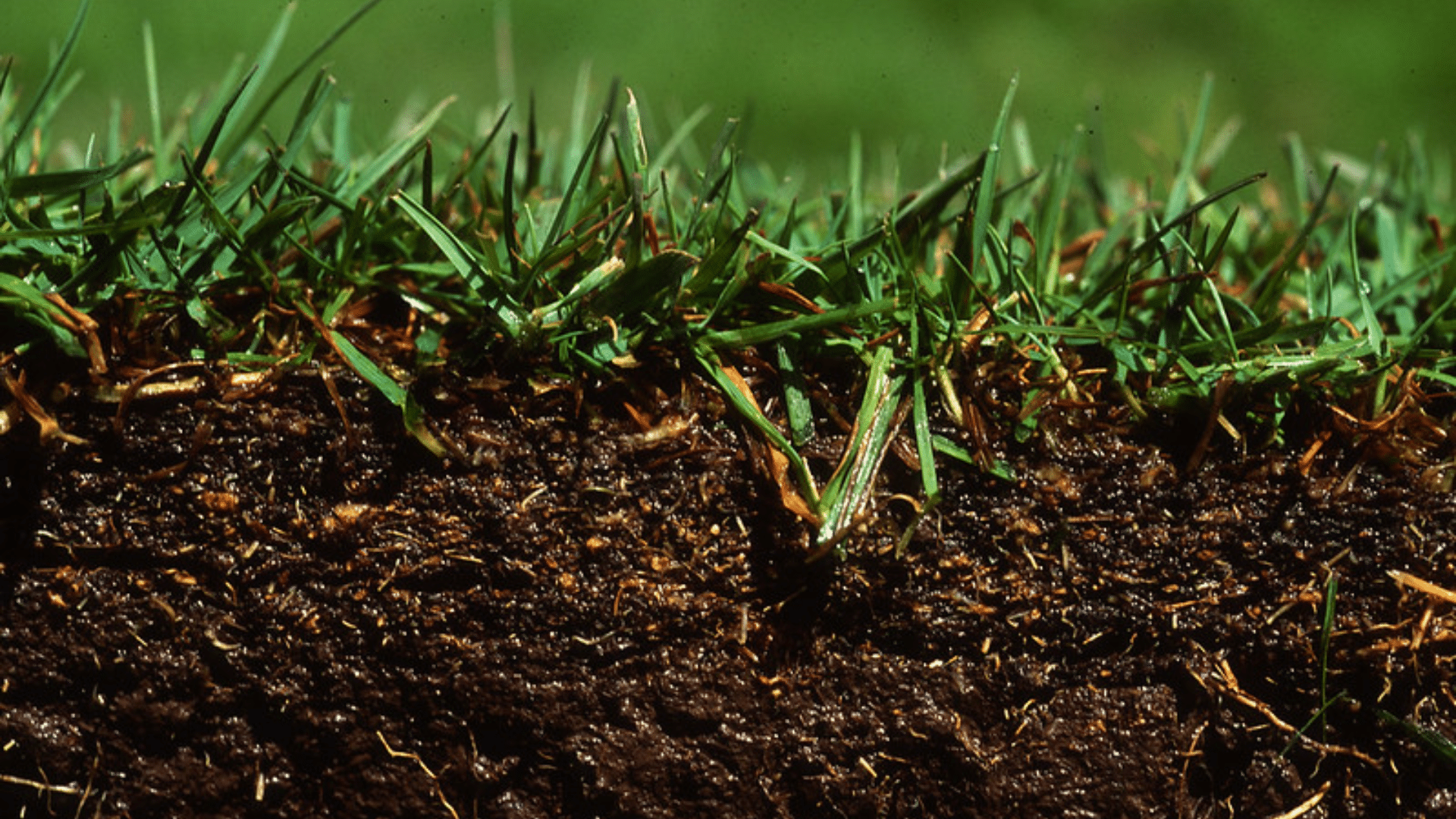
Cucumbers aren’t too fussy, but they do have opinions about soil. Getting this part right early saves a lot of troubleshooting later.
| Soil Factor | Ideal Condition | Quick Tip |
|---|---|---|
| Drainage | Well-draining | Avoid compacted or heavy soil |
| Nutrients | Rich & fertile | Mix in compost or aged manure |
| pH Level | 6.0 to 7.0 | Slightly acidic to neutral |
| Texture | Loose & crumbly | Ensures healthy root development |
Step-by-Step: How to Grow Cucumbers?
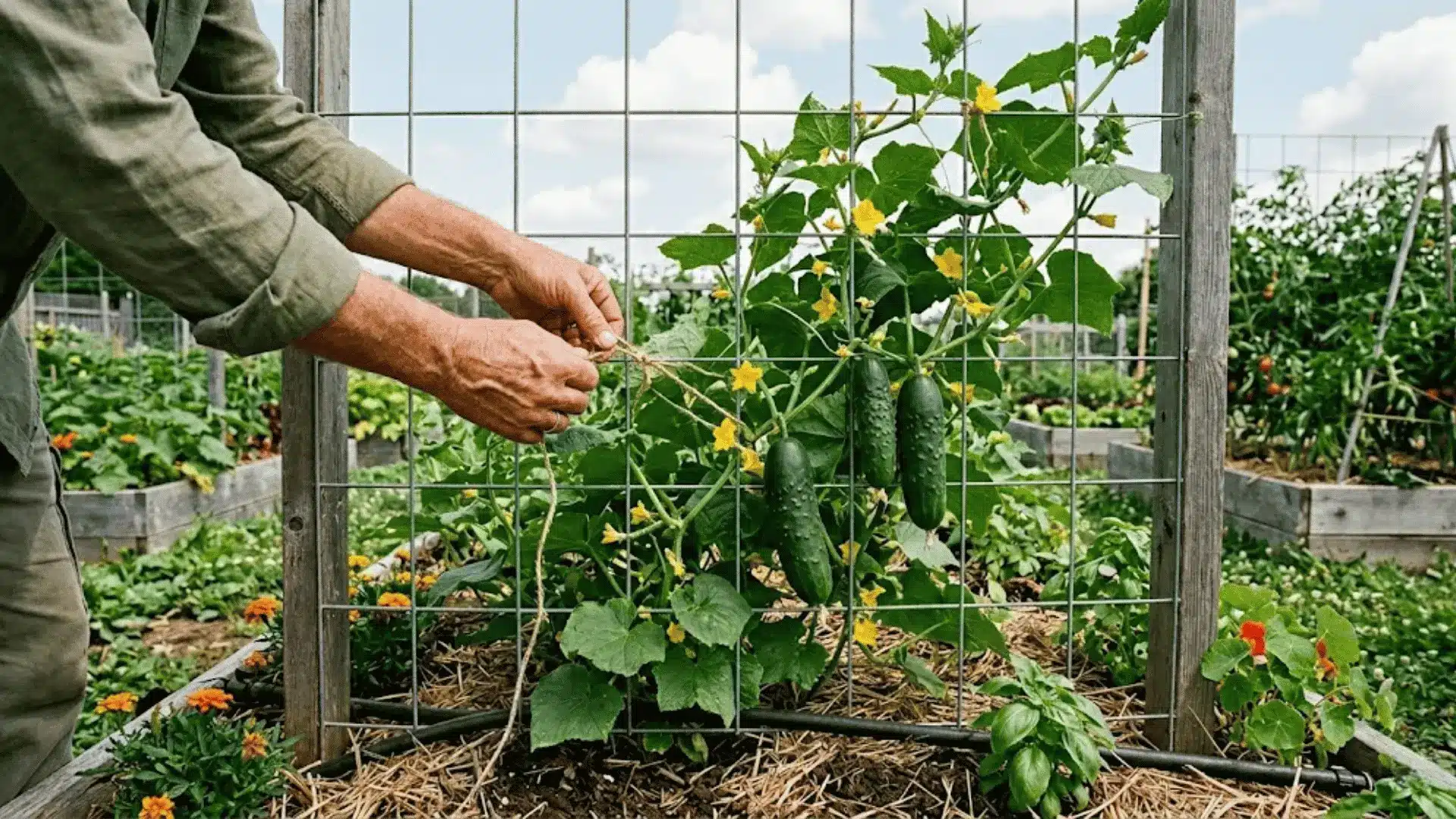
Growing cucumbers is genuinely one of the more rewarding things you can do in a garden. Follow these steps, and you’ll have a healthy, productive plant from the ground up.
Step 1: Prepare the Soil
This is where everything starts. Loosen the soil at least 8 to 10 inches deep to give roots room to move, then work in a generous amount of compost or aged manure.
This improves drainage, adds nutrients, and creates that loose, crumbly texture cucumbers love. If your soil feels dense or compacted, this step alone can completely change how your plants perform.
Step 2: Planting Cucumbers
You can either sow seeds directly into the ground or start indoors and transplant. For direct sowing, plant seeds 1 inch deep and space them 12 to 18 inches apart.
Transplants should go in once the weather is consistently warm, and handle the roots gently during the move. Either way, warm soil is non-negotiable before planting cucumbers.
Step 3: Watering Properly
Cucumbers are mostly water, so it’s no surprise they need consistent moisture to grow well. Aim for deep watering 1 to 2 times a week rather than light, frequent watering.
The goal is evenly moist soil, not soggy. Overwatering is one of the most common mistakes; it suffocates roots and invites rot fast.
Step 4: Provide Support (Trellising)
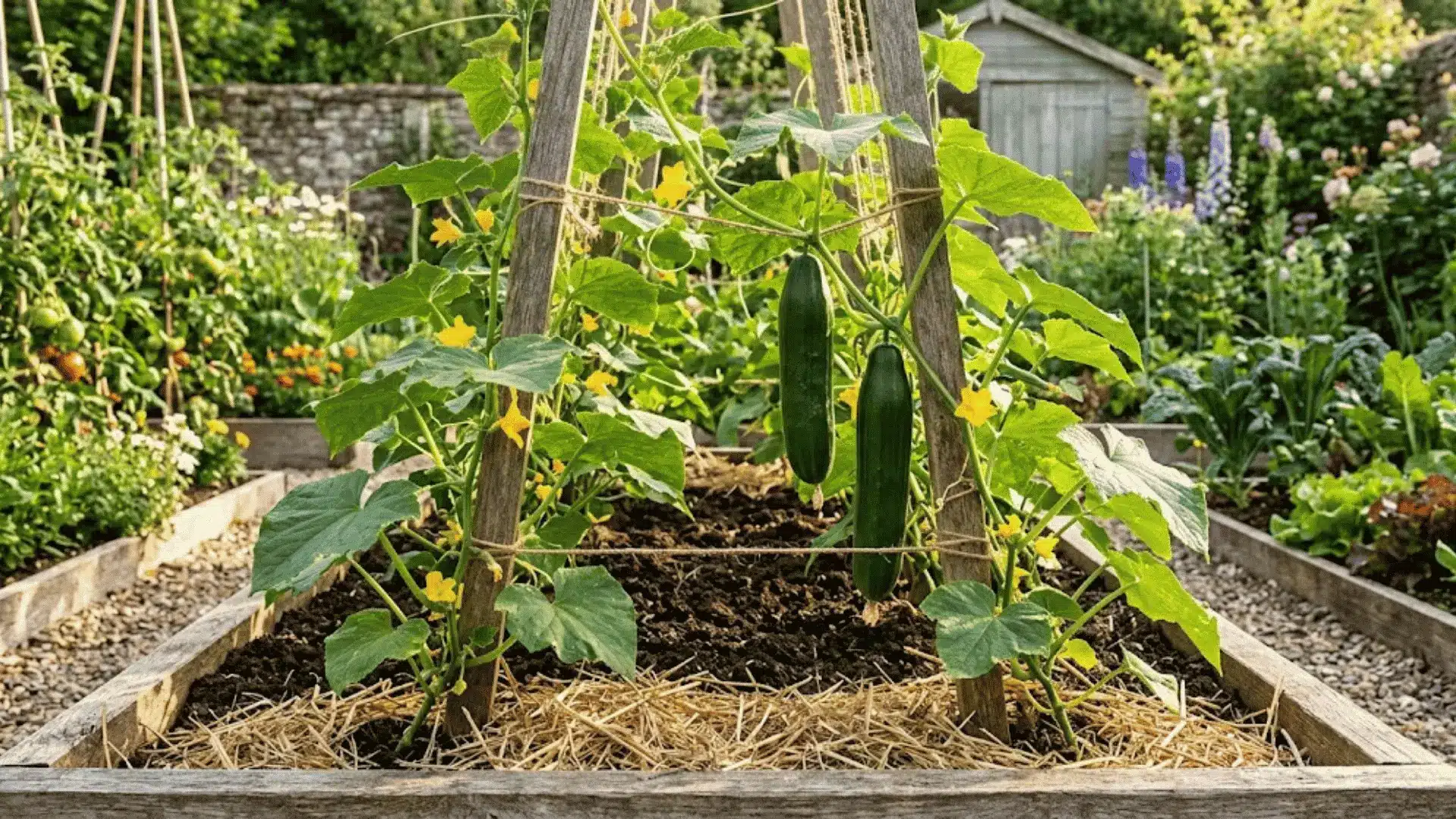
Vining cucumbers especially benefit from growing vertically on a trellis. It saves space, improves airflow, and makes harvesting so much easier.
A simple wooden or wire trellis, or even a tomato cage, works well. Train the vines upward early, and they’ll naturally take to it. Bush varieties don’t need support, but vining ones will thank you for it.
Step 5: Fertilizing
Feed cucumbers with a balanced fertilizer (10-10-10) at planting time, then switch to a low-nitrogen, higher-potassium feed once flowering begins. This shift encourages fruit production over leafy growth.
Fertilize every 3 to 4 weeks through the growing season and avoid overdoing nitrogen; too much leads to lush leaves but very little fruit.
Step 6: Mulching
Mulching is one of those small steps that quietly does a lot. A 2 to 3-inch layer of straw or wood chips around the base of your plants helps retain moisture, regulate soil temperature, and keep weeds from taking over.
It also reduces how often you need to water, which is always a win. Apply it after planting and refresh as needed through the season.
Growing Cucumbers in Containers
No garden bed? No problem. Cucumbers actually do surprisingly well in containers as long as you set things up right from the start.
- Step 1: Choose a container that’s at least 12 to 16 inches deep to give roots enough room to grow.
- Step 2: Fill it with a lightweight, well-draining potting mix blended with compost for added nutrients.
- Step 3: Pick a bush variety since they’re naturally compact and won’t outgrow your container.
- Step 4: Place the container in a spot that gets 6 to 8 hours of direct sunlight daily.
- Step 5: Add a small trellis or bamboo stakes to support upward growth and keep things tidy.
Container growing does need slightly more attention to watering and feeding, but the harvest is just as rewarding.
Common Problems When Growing Cucumbers
Even the most well-tended cucumber plants run into trouble sometimes. Here’s what to watch for and how to fix it without losing your harvest.
Problem 1: My Cucumber Leaves Have Tiny Clusters of Soft Bugs on Them
Solution: That’s aphids, and they spread fast. Spray the affected areas with neem oil or insecticidal soap, and check the undersides of leaves where they love to hide.
Problem 2: There’s a White Powdery Coating Showing up on My Leaves
Solution: That’s powdery mildew, usually triggered by poor airflow. Increase spacing between plants and treat with a diluted neem oil spray to slow the spread.
Problem 3: My Cucumber Leaves Are Turning Yellow for No Obvious Reason
Solution: This usually points to overwatering or a nitrogen deficiency. Let the soil dry out slightly between waterings, and consider a balanced fertilizer to restore nutrients.
Problem 4: My Cucumbers Taste Really Bitter Even After a Full Harvest
Solution: Bitterness is typically caused by heat stress or inconsistent watering. Keep moisture levels steady and harvest cucumbers while they’re still young for the mildest flavor.
Tips for Growing Cucumbers Successfully
Growing cucumbers well comes down to a few consistent habits that make a bigger difference than you’d expect.
- Water deeply and regularly, since uneven moisture is the fastest way to stress your plants.
- Harvest frequently once cucumbers start coming in; leaving overripe ones on the vine slows down new growth.
- Give plants enough space to breathe since overcrowding invites disease and reduces yield.
- Rotate your crops each season to prevent soil-borne diseases from building up in the same spot.
- Check plants a few times a week so pests and early warning signs don’t sneak up on you.
Small, consistent habits through the season are honestly what make cucumber growing feel effortless by the end of it.
How Long Do Cucumbers Take to Grow?
Cucumbers are pretty quick movers compared to a lot of other vegetables. Seeds typically germinate within 7 to 10 days in warm soil, sometimes faster if conditions are just right.
From there, most varieties are ready to harvest anywhere between 50 and 70 days after planting, depending on the type.
Pickling cucumbers tend to mature a little earlier, while larger slicing varieties take slightly longer.
Keep an eye on them as they get closer to maturity because cucumbers can go from perfect to overripe faster than you’d expect.
Harvesting Cucumbers
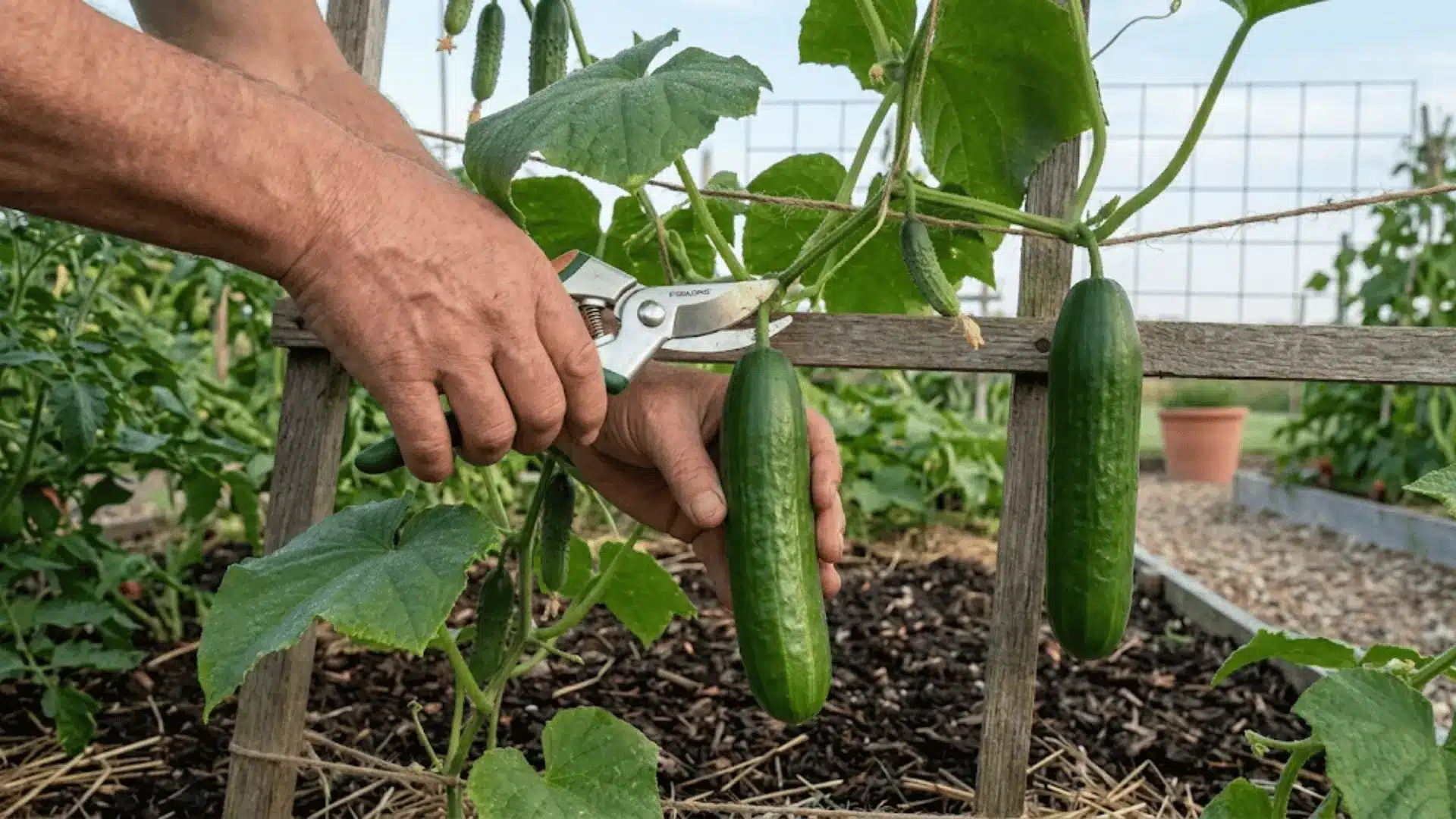
Knowing when and how to pick makes a real difference, both for the quality of what you eat and the health of the plant going forward.
- Step 1: Check for firm, evenly colored cucumbers as the first sign they’re ready to pick.
- Step 2: Harvest slicing varieties at 6 to 8 inches and pickling varieties at 3 to 4 inches for the best flavor.
- Step 3: Pick in the early morning when cucumbers are at their crispest and coolest.
- Step 4: Use clean garden shears or a sharp knife to cut the stem; never pull or twist.
- Step 5:Harvest every 2 to 3 days once the plant peaks to keep new cucumbers coming in.
The more regularly you harvest, the more the plant produces, so don’t let them sit on the vine too long.
Storing and Using Cucumbers
Fresh cucumbers are best enjoyed quickly, but they store well for up to 7 to 10 days in the refrigerator when wrapped in a paper towel and kept in an airtight container.
Avoid storing them near ethylene-producing fruits like bananas or tomatoes since it speeds up ripening.
On the using side, cucumbers are genuinely versatile. Slice them into fresh salads, infuse them into water, or pack them into snack boxes for the week.
Got a bigger harvest? Pickling is a great way to preserve them and enjoy that crunch long after the season ends.
Wrapping Up
Growing cucumbers really is one of those things that gets more enjoyable every season.
Once you understand what they need, from the right soil and timing to consistent watering and timely harvesting, the whole process starts to feel natural. They’re generous plants that reward a little attention with a lot of produce.
A full garden bed or a single container on a balcony, how to grow cucumbers successfully comes down to showing up for your plants regularly.
Give it a go this season and let us know in the comments how your cucumber garden turns out!
Frequently Asked Questions (FAQs)
Do Cucumbers Need Full Sun?
Cucumbers need at least 6 to 8 hours of direct sunlight daily to grow well. Anything less and you’ll likely see slower growth and a noticeably smaller harvest.
How Often Should I Water Cucumbers?
The goal is consistently moist soil, especially once the plant starts fruiting. Deep watering a couple of times a week works better than light, frequent watering.
Why Are My Cucumbers Bitter?
Bitterness usually comes down to heat stress or uneven watering through the growing season. Keeping moisture levels steady and harvesting cucumbers young goes a long way in fixing this.