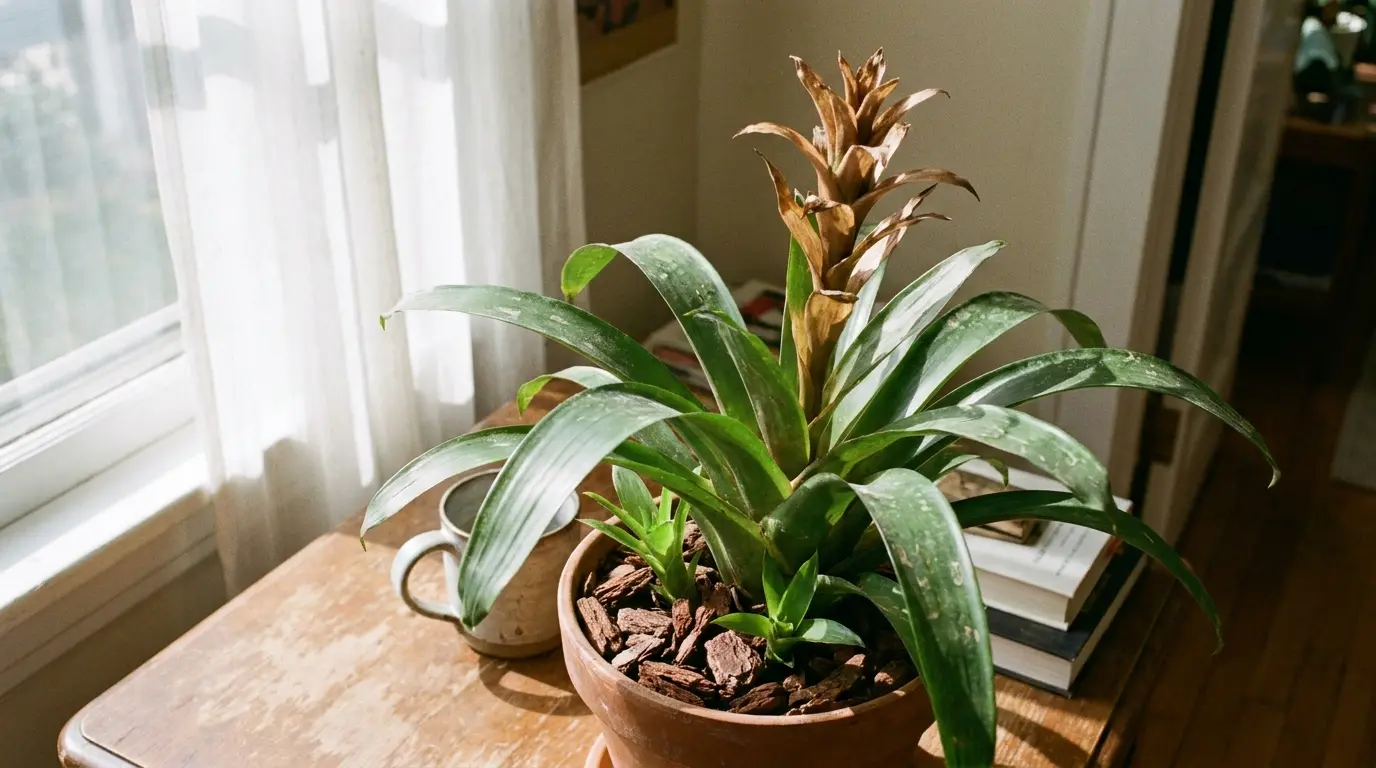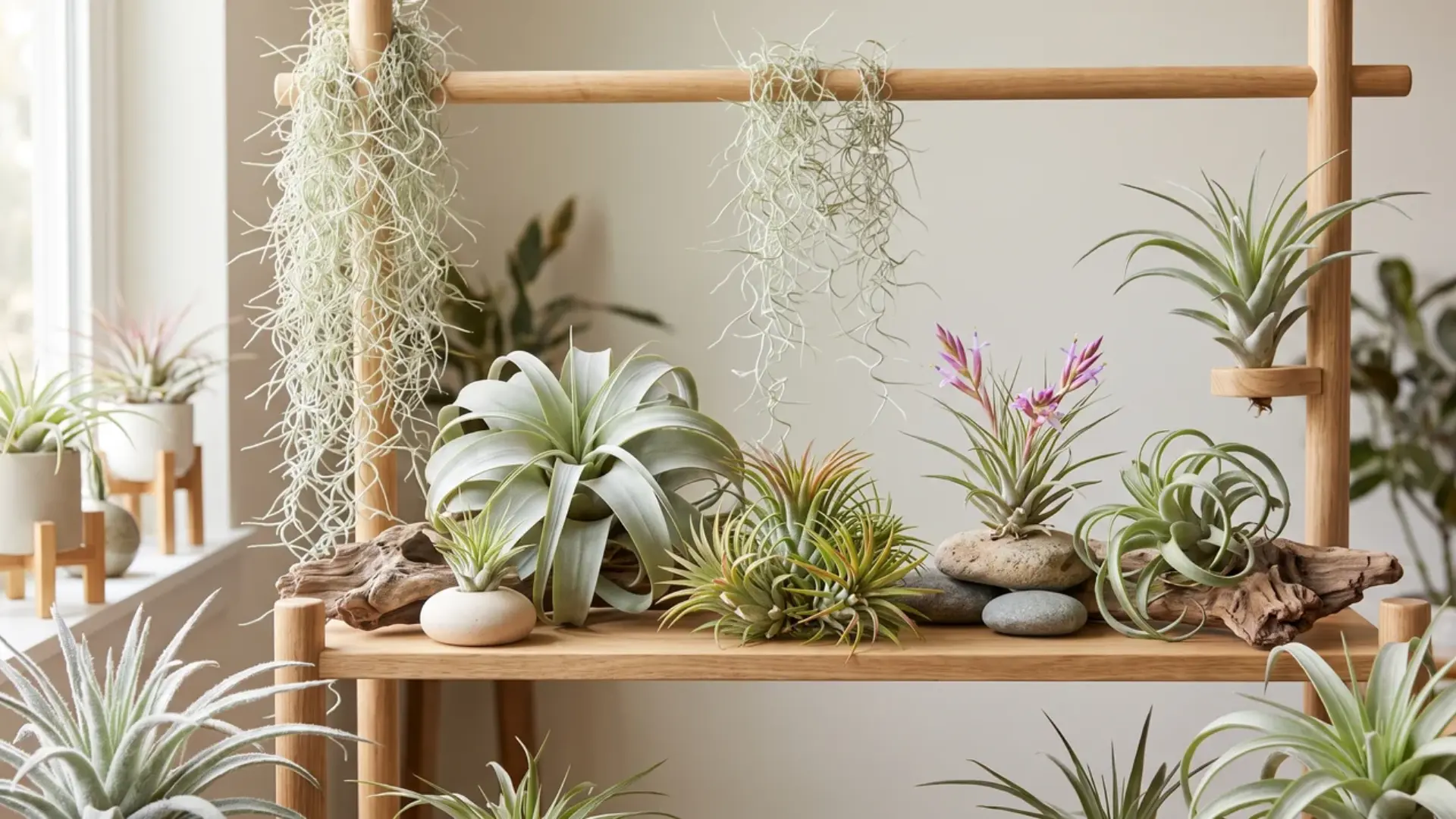
What if you could grow a plant without a pot, soil, or a traditional garden setup? Air plants make this possible with their unique growing style and simple care needs.
These plants belong to the Tillandsia group and absorb moisture through their leaves instead of relying on soil.
With their unusual shapes, colors, and sizes, air plants can fit into many indoor spaces. But with so many types of air plants available, choosing the right one can feel confusing.
Ahead, you will learn what air plants are, how they are classified, the different varieties available, and how to choose the right plant for your home. You will also find simple care tips to help your air plant stay healthy.
What Are Air Plants?
Air plants belong to the Tillandsia group and grow without needing traditional soil at all. Instead of pulling nutrients through roots buried in dirt, they take in moisture and nutrients through tiny structures on their leaves, which is what lets them thrive in so many unexpected places.
This is why they’re called epiphytes, plants that naturally attach themselves to trees, rocks, or other surfaces without causing any damage to what they’re growing on.
Because they skip the need for soil entirely, air plants have become a favorite for indoor spaces, hanging displays, terrariums, and small plant groupings where a pot just isn’t practical.
They also come in a wide range of shapes, sizes, and colors, so there’s a good chance you’ll find one that fits whatever style your home already has going on. Snake plants, pothos, and other easy houseplants tend to share the same low-maintenance appeal that makes air plants popular.
Understanding the Two Main Groups of Air Plants
Air plants are mainly grouped into two categories based on where they naturally grow and how they handle moisture. Knowing these groups makes it easier to choose a variety that fits your home and care routine.
Xeric Air Plants
Xeric air plants come from drier regions where moisture is limited. Their leaves often have a silver or grey appearance because they contain more trichomes, which help them collect and hold moisture from the air.
These varieties usually need less frequent watering and can handle brighter light compared with many other air plants. They are a good choice if you prefer plants that need a little less attention.
Popular xeric air plants include:
- Tillandsia xerographica: Known for its large, curled silver leaves and low watering needs.
- Tillandsia tectorum: Has fuzzy leaves covered with trichomes that give it a soft, silver look.
- Tillandsia harrisii: Features narrow silver-grey leaves and adapts well to indoor conditions.
- Tillandsia ionantha: A small variety that changes color before producing flowers.
Mesic Air Plants
Mesic air plants naturally grow in humid forest areas where they receive more moisture. They usually have greener leaves and need more regular watering to stay healthy.
These varieties prefer higher humidity and less intense sunlight. They work well in homes where you can provide a slightly more humid environment.
Popular mesic air plants include:
- Tillandsia bulbosa: Recognized by its bulb-shaped base and curved leaves.
- Tillandsia cyanea: Known for its pink flower spike and colorful blooms.
- Tillandsia aeranthos: Has spiky leaves and produces bright flowers.
- Tillandsia streptophylla: Features curly leaves and enjoys more moisture than many xeric types.
Types of Air Plants
Now that you understand the main air plant groups, explore popular Tillandsia varieties and their unique features. Each type has its own shape, size, and growing style.
1. Tillandsia Ionantha (Sky Plant)
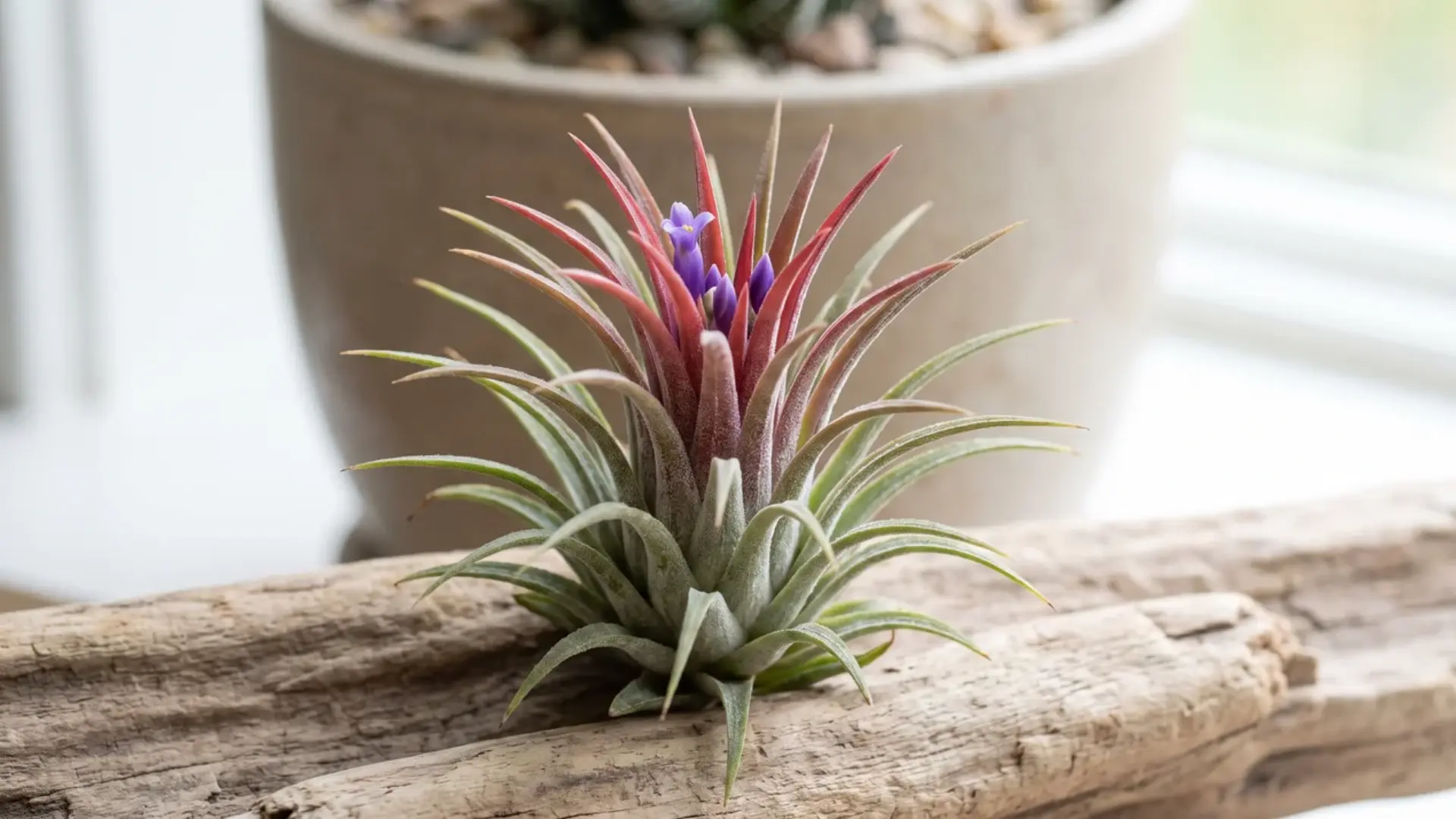
Tillandsia ionantha is one of the most popular air plants because of its small size and colorful blooms. Its leaves can change from green to red or pink when it begins flowering.
This xeric air plant grows in a compact shape and works well for small displays, terrariums, and beginner plant owners. The USDA PLANTS database entry lists this species as native to Mexico and Central America.
| Botanical Name | Classification | Size | Leaf Color | Bloom Color | Care Level |
|---|---|---|---|---|---|
| Tillandsia ionantha | Xeric | Small | Green to red/pink | Purple flowers | Easy |
2. Tillandsia Fuego
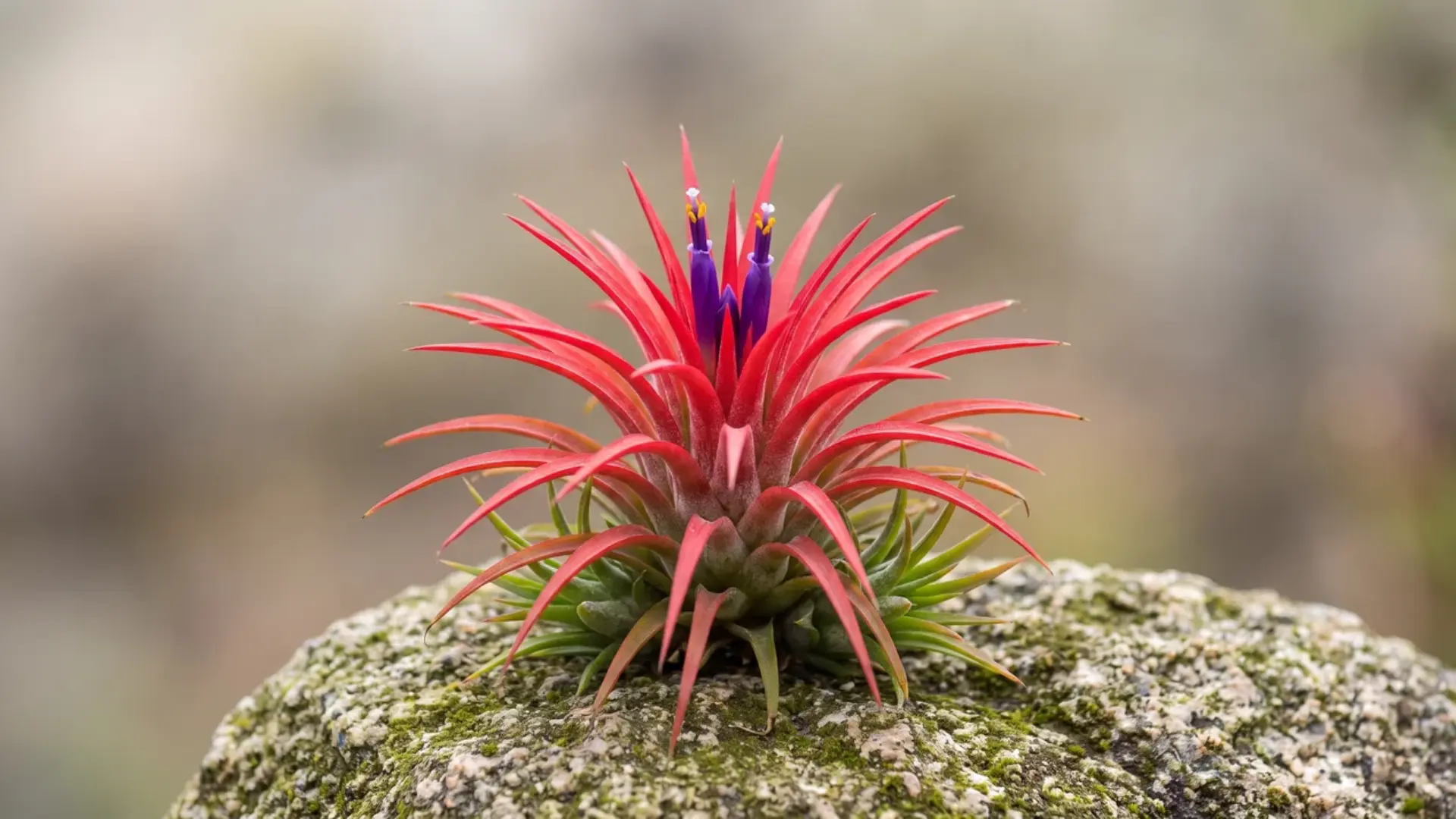
Tillandsia fuego is a small air plant known for its bright red color before blooming. Its name comes from its fiery appearance, which makes it stand out among other Tillandsia varieties.
This xeric air plant grows in a compact cluster and is a good choice for small indoor displays. Its colorful leaves add interest even before the flowers appear.
| Botanical Name | Classification | Size | Leaf Color | Bloom Color | Care Level |
|---|---|---|---|---|---|
| Tillandsia ionantha ‘Fuego’ | Xeric | Small | Green with red blush | Purple flowers | Easy |
3. Tillandsia Caput-Medusae
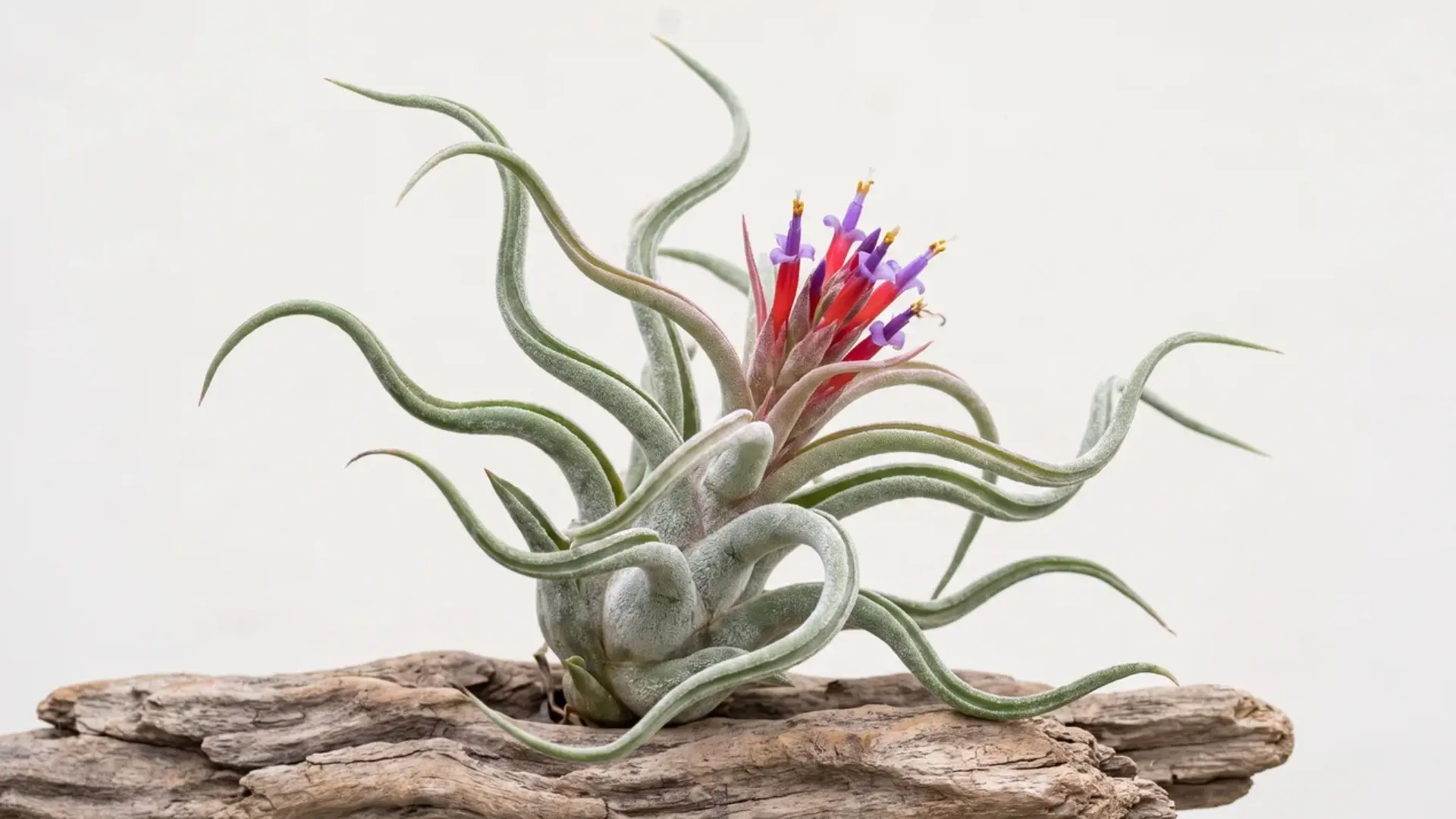
Tillandsia caput-medusae is known for its twisted leaves that spread outward like the hair of Medusa from Greek mythology. Its unusual shape makes it easy to recognize.
This xeric air plant is hardy and works well for beginners. Its curved leaves give it a unique look in indoor plant collections.
| Botanical Name | Classification | Size | Leaf Color | Bloom Color | Care Level |
|---|---|---|---|---|---|
| Tillandsia caput-medusae | Xeric | Medium | Grey-green | Red and purple flowers | Easy |
4. Tillandsia Xerographica
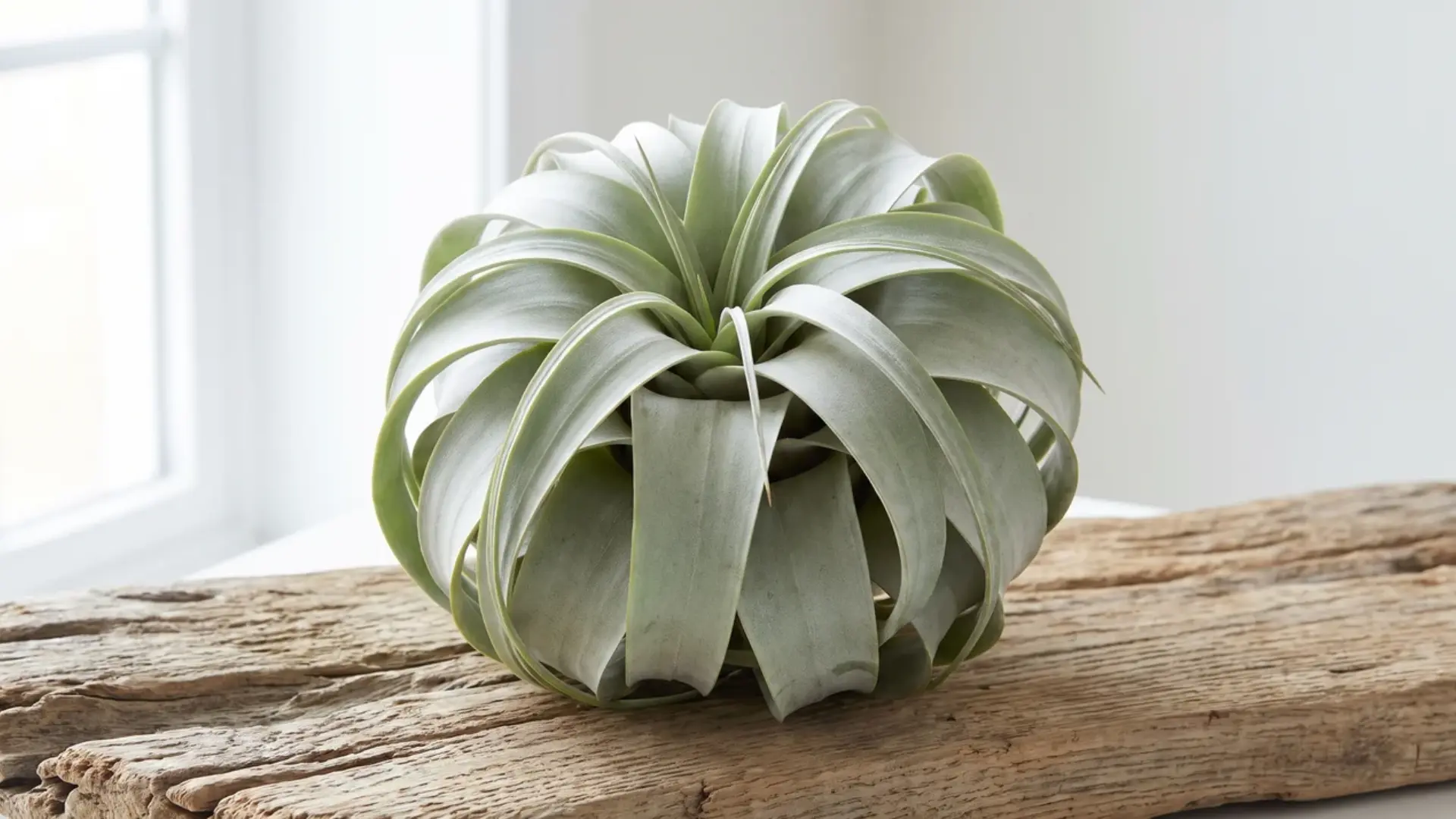
Tillandsia xerographica is one of the largest and most popular air plants. It has wide, curled leaves that form a round shape with a soft silver-green appearance.
This xeric variety grows slowly and is often used as a decorative centerpiece. Its bold shape makes it a favorite for indoor plant displays.
| Botanical Name | Classification | Size | Leaf Color | Bloom Color | Care Level |
|---|---|---|---|---|---|
| Tillandsia xerographica | Xeric | Large | Silver-green | Red or yellow flower spike | Easy |
5. Tillandsia Usneoides (Spanish Moss)
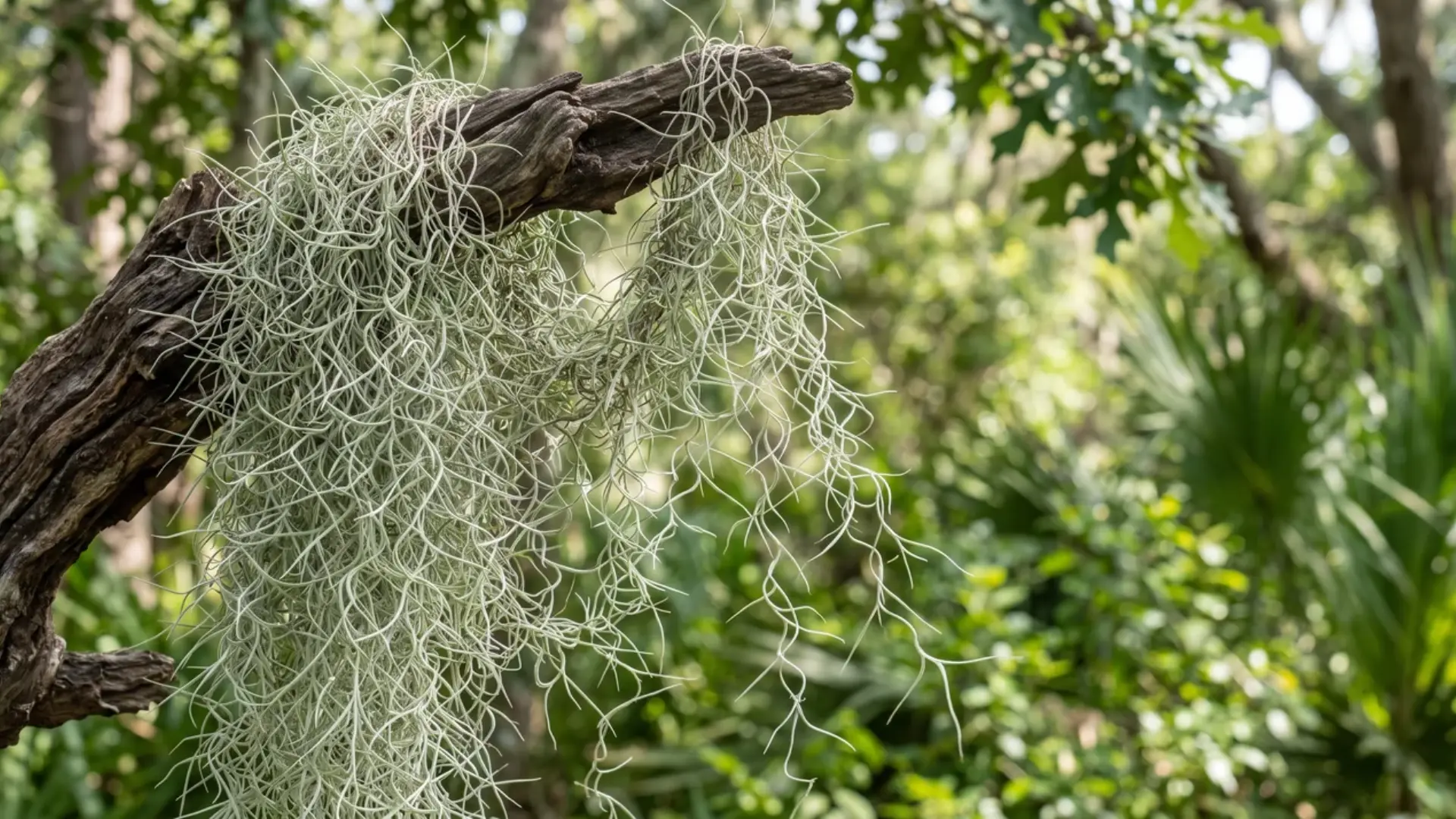
Tillandsia usneoides, also called Spanish moss, has a different growth style compared with most air plants. Instead of growing upright, it forms long hanging strands that create a flowing appearance.
This xeric air plant naturally grows attached to trees and is often used in hanging displays. Its trailing growth makes it a unique indoor decoration. A National Park Service page notes that despite its name, the plant is neither Spanish nor a true moss.
| Botanical Name | Classification | Size | Leaf Color | Bloom Color | Care Level |
|---|---|---|---|---|---|
| Tillandsia usneoides | Xeric | Long trailing growth | Silver-green | Small pale flowers | Easy |
6. Tillandsia Bulbosa
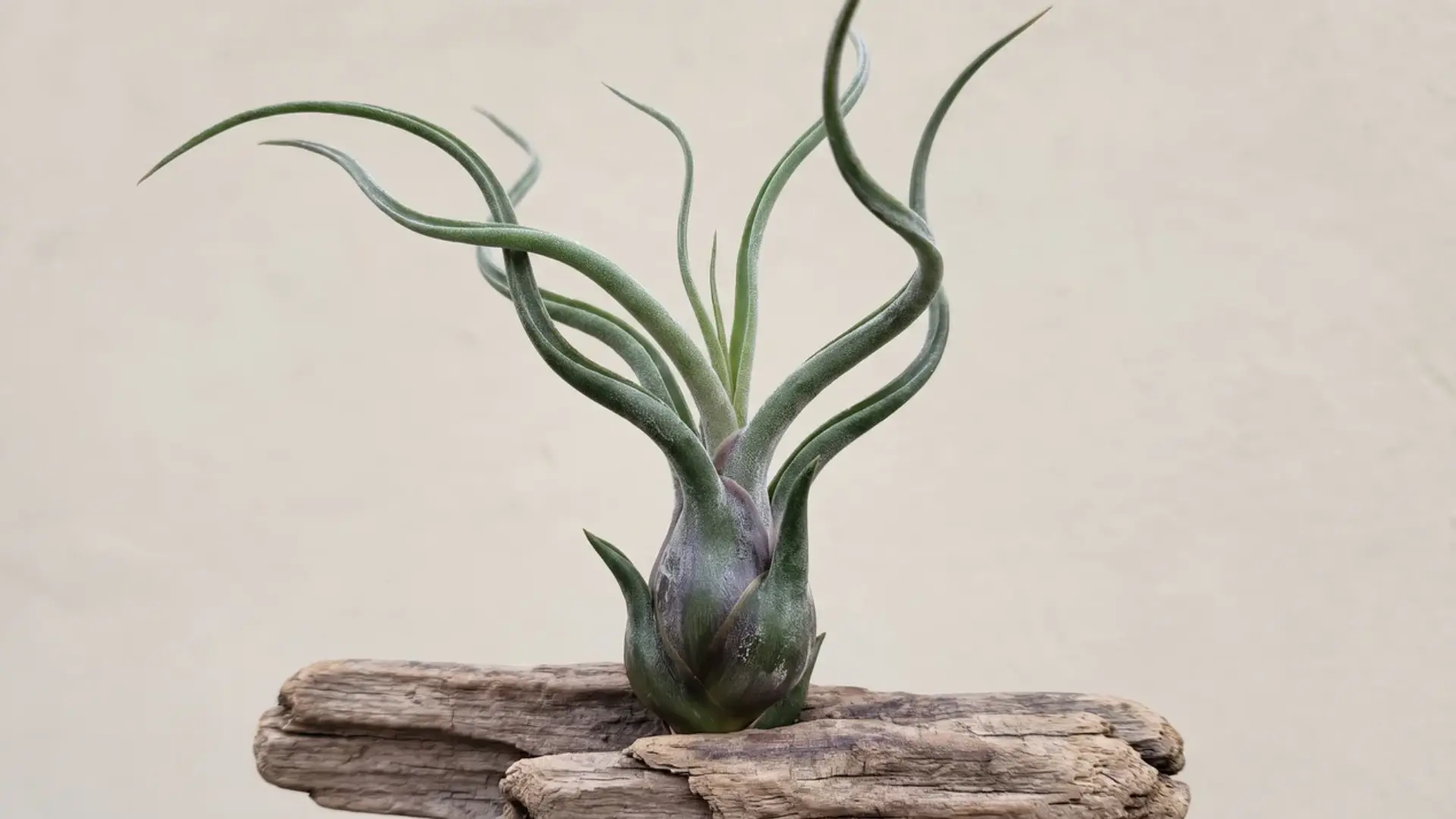
Tillandsia bulbosa is recognized by its bulb-shaped base and thin, curved leaves. Its unusual form gives it a different look from many compact air plants.
This mesic air plant prefers humid conditions and works well in indoor spaces with higher moisture levels. Its curly leaves create a natural, wild appearance.
| Botanical Name | Classification | Size | Leaf Color | Bloom Color | Care Level |
|---|---|---|---|---|---|
| Tillandsia bulbosa | Mesic | Medium | Green | Red, purple, or violet flowers | Moderate |
7. Tillandsia Cyanea (Pink Quill Plant)
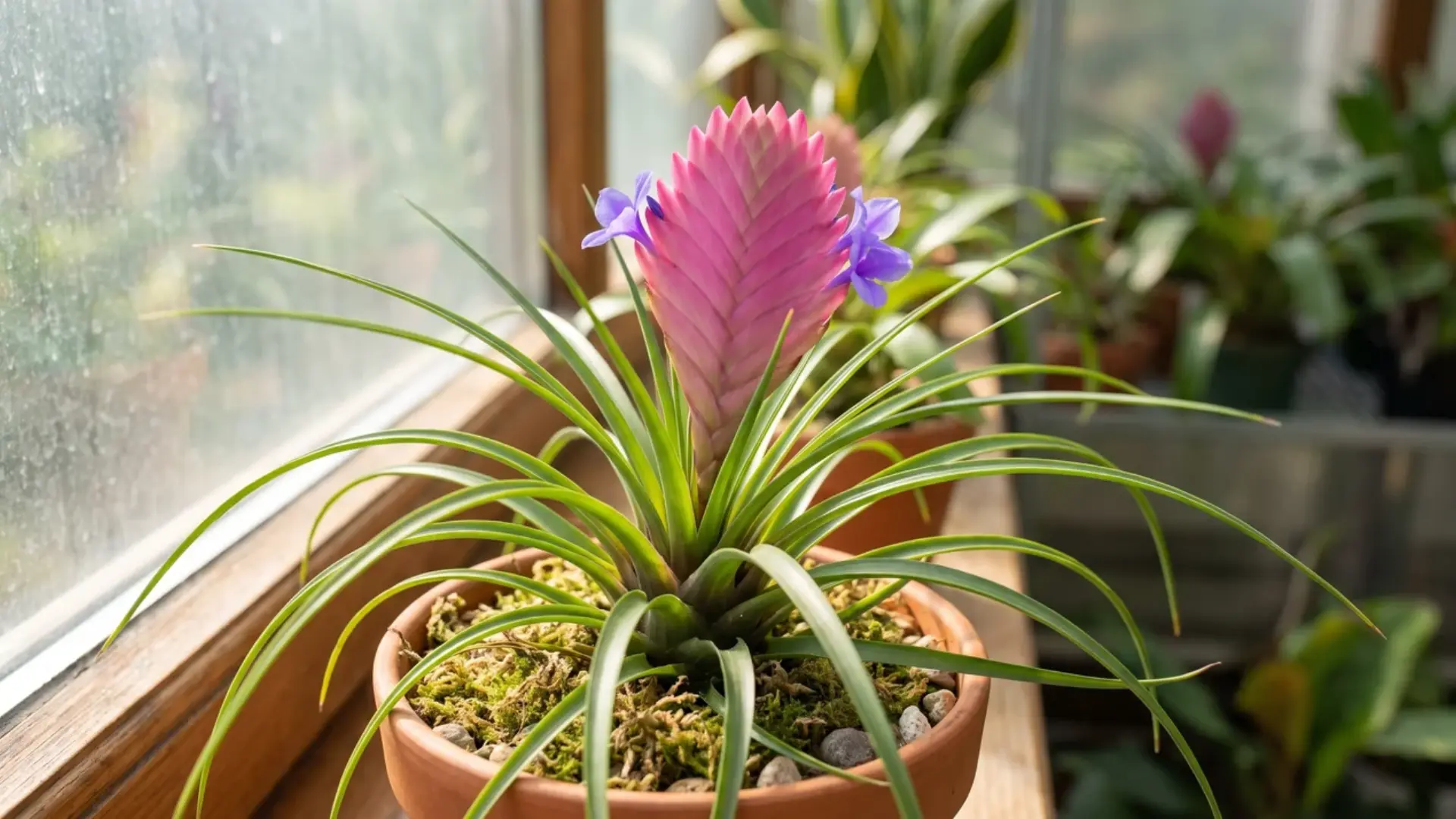
Tillandsia cyanea is popular because of its bright pink flower spike and purple-blue flowers. Unlike many air plants, it can also grow in soil under the right conditions.
This mesic variety has a fuller shape and works well as an indoor flowering plant. Its colorful blooms make it a favorite among plant lovers.
| Botanical Name | Classification | Size | Leaf Color | Bloom Color | Care Level |
|---|---|---|---|---|---|
| Tillandsia cyanea | Mesic | Medium | Green | Pink and purple-blue | Moderate |
8. Tillandsia Aeranthos
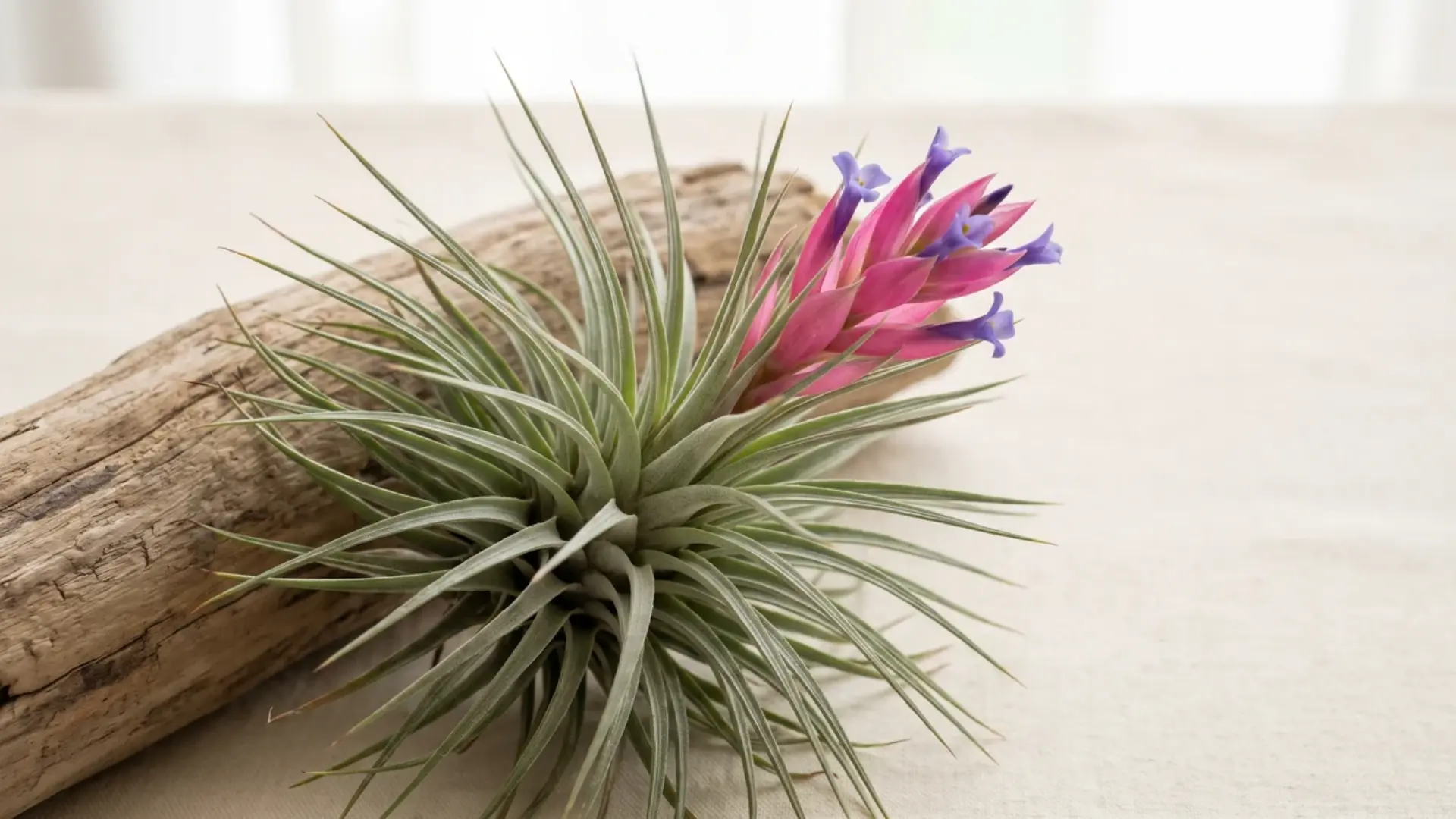
Tillandsia aeranthos has long, pointed leaves that form a spiky shape. It is known for producing colorful flowers that grow from the center of the plant.
This variety can adapt to different indoor conditions and is a good option for beginners who want a flowering air plant.
| Botanical Name | Classification | Size | Leaf Color | Bloom Color | Care Level |
|---|---|---|---|---|---|
| Tillandsia aeranthos | Xeric | Medium | Grey-green | Pink and blue flowers | Easy |
9. Tillandsia Maxima
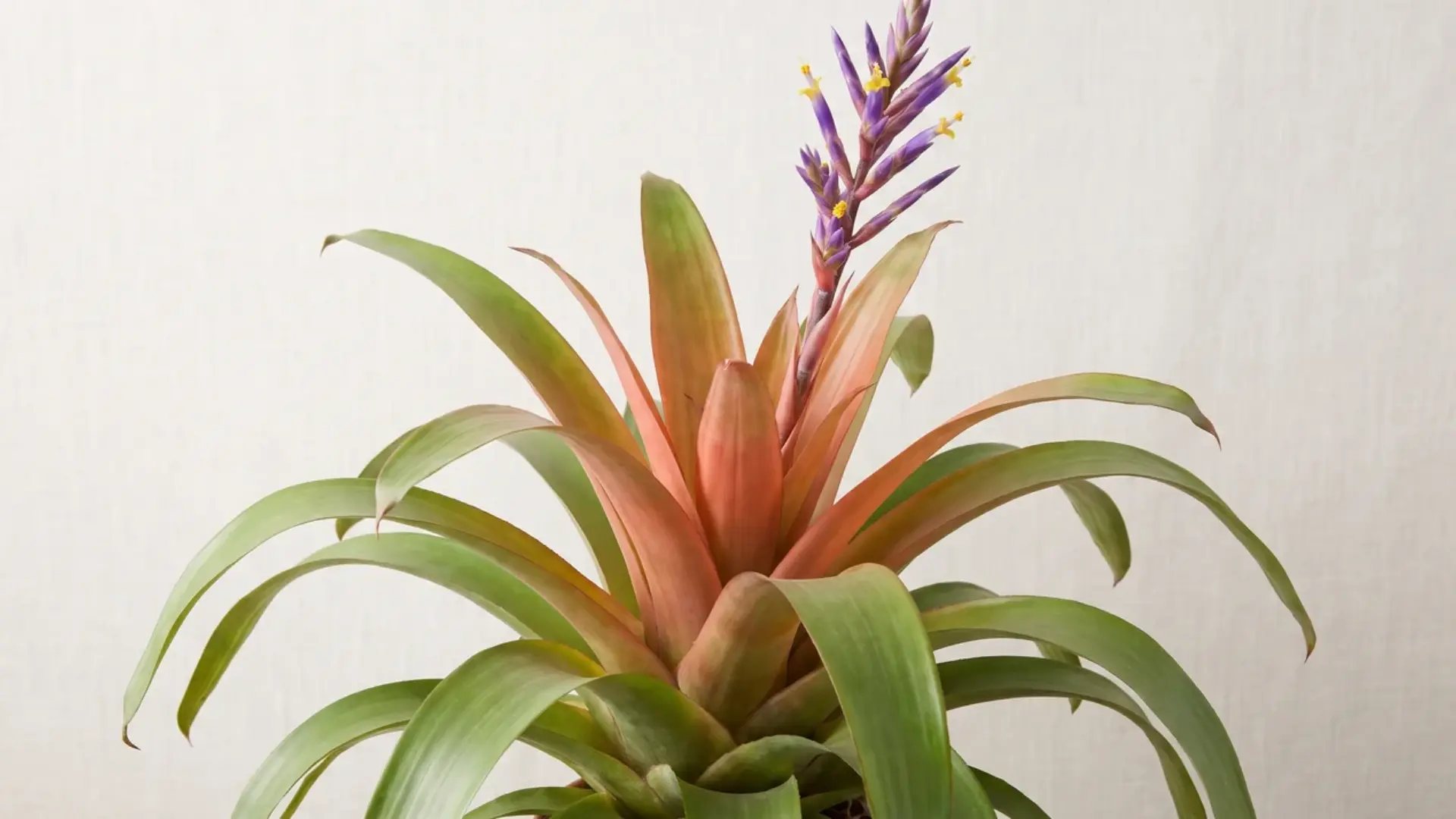
Tillandsia maxima is a larger air plant known for its changing colors before blooming. Its green leaves can develop coral or reddish tones, adding more interest to its appearance.
This mesic variety grows well in humid conditions and can produce bright purple flowers. Its larger size makes it a good choice for plant displays where you want more visible greenery.
| Botanical Name | Classification | Size | Leaf Color | Bloom Color | Care Level |
|---|---|---|---|---|---|
| Tillandsia maxima | Mesic | Large | Green to coral/red | Purple flowers | Moderate |
10. Tillandsia Streptophylla
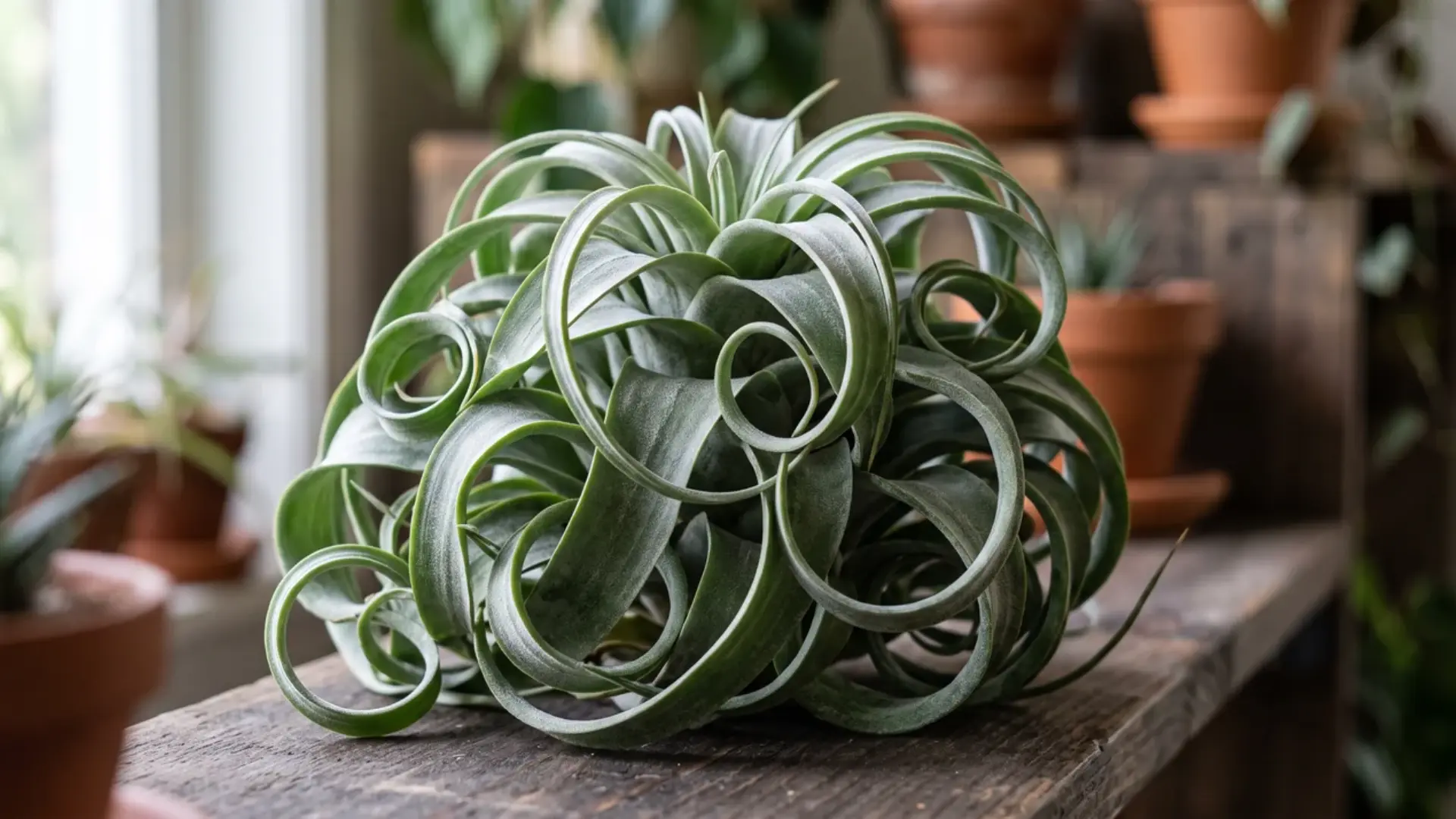
Tillandsia streptophylla is known for its curly leaves that twist and curl as the plant grows. Its unusual shape gives it a soft, textured appearance compared with other air plants.
This mesic variety is sometimes called the curly air plant because of its spiral leaves. It works well for indoor collections and adds a different shape to plant displays.
| Botanical Name | Classification | Size | Leaf Color | Bloom Color | Care Level |
|---|---|---|---|---|---|
| Tillandsia streptophylla | Mesic | Medium | Green to silver-green | Pink flowers | Moderate |
11. Tillandsia Tectorum
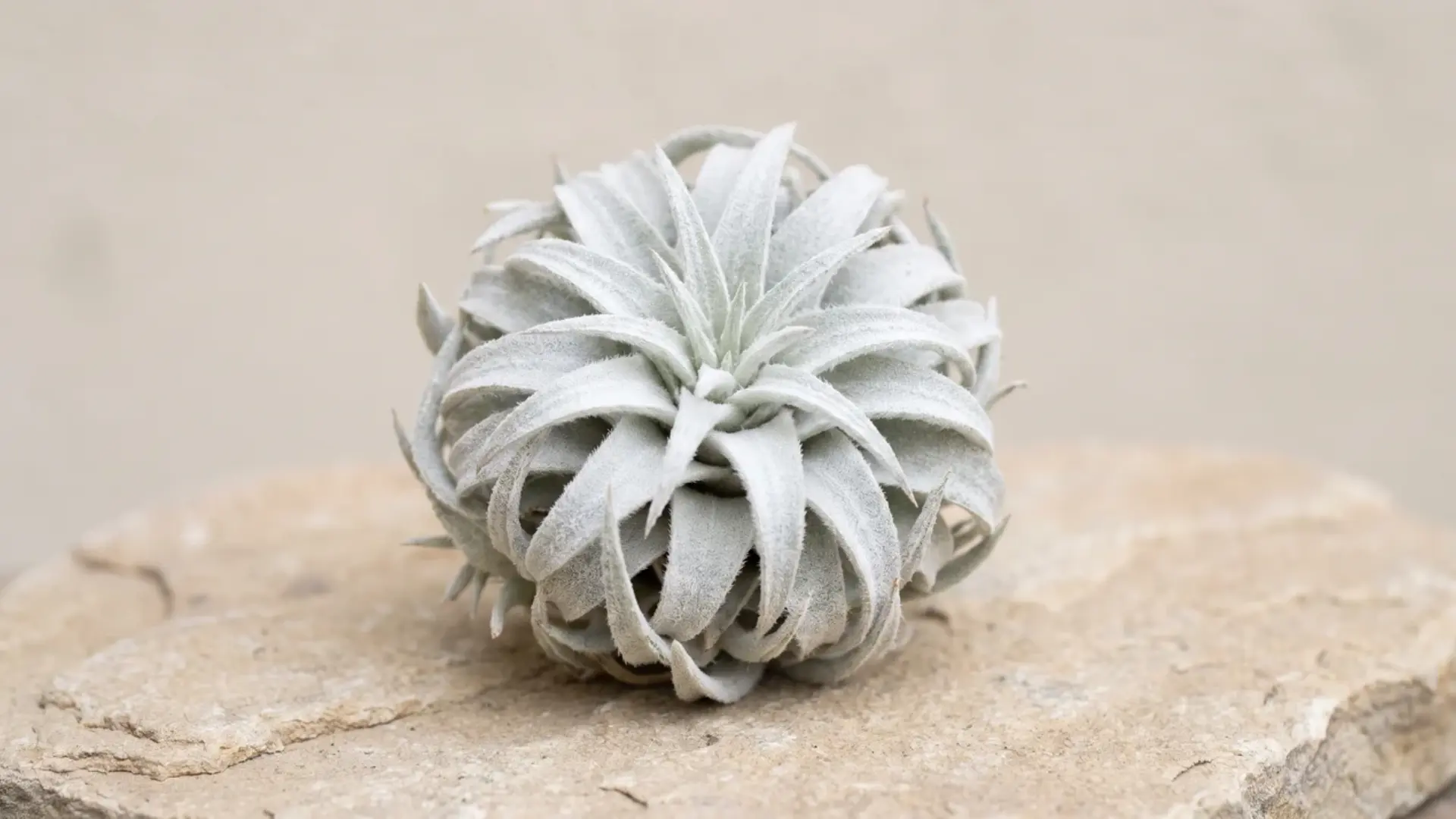
Tillandsia tectorum stands out because of its fuzzy silver leaves covered with fine trichomes. These tiny structures give the plant a soft appearance and help it collect moisture.
This xeric air plant comes from dry regions and has a compact growth style. Its unique texture makes it a popular choice for decorative plant collections.
| Botanical Name | Classification | Size | Leaf Color | Bloom Color | Care Level |
|---|---|---|---|---|---|
| Tillandsia tectorum | Xeric | Small to medium | Silver-grey | Blue or pale green flowers | Easy |
12. Tillandsia Stricta
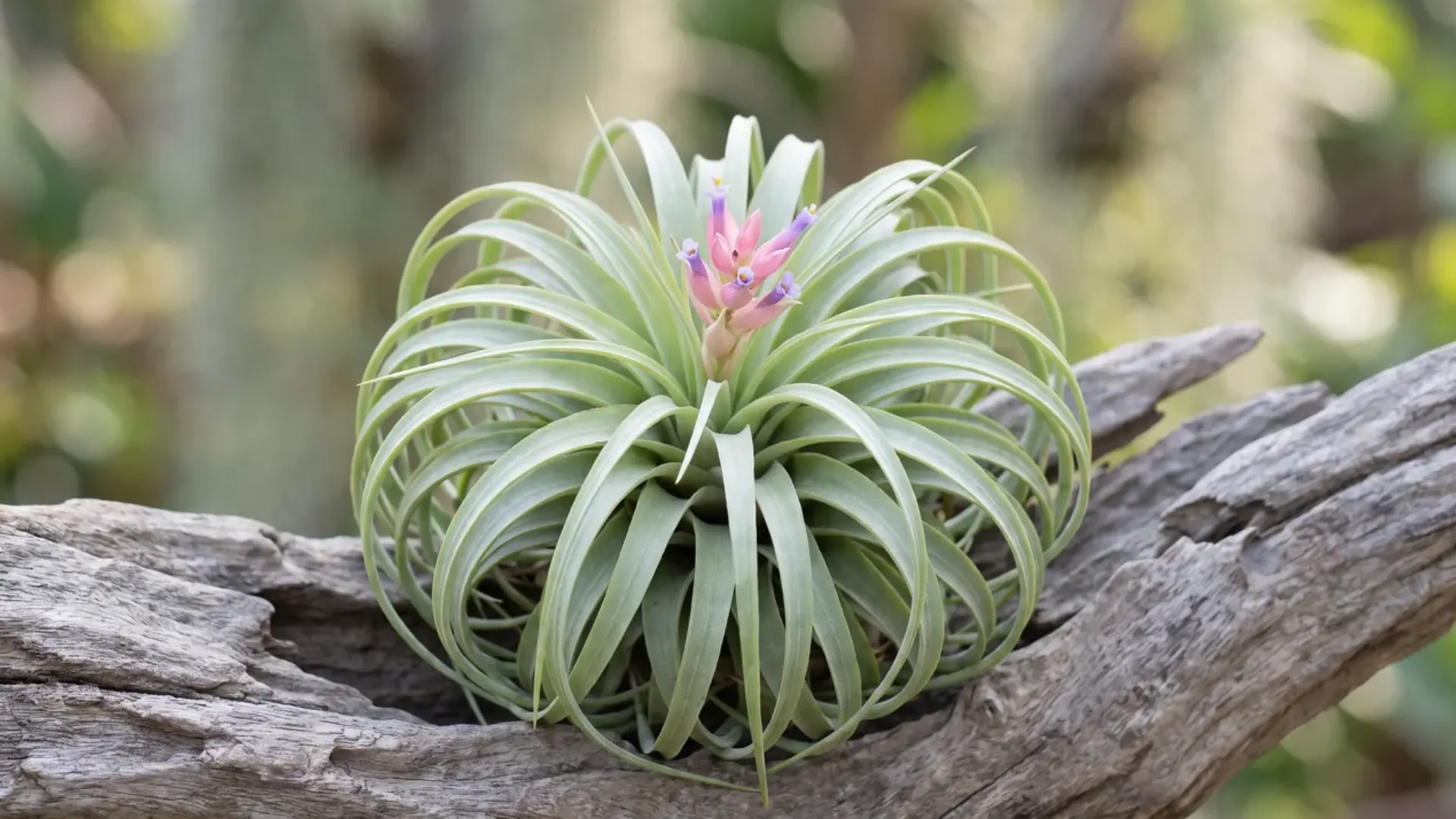
Tillandsia stricta is a flexible air plant variety that can grow in different environments. It forms a compact shape with narrow leaves and is available in several forms.
This xeric variety is popular with beginners because of its adaptable nature. It can also produce colorful flowers that add more interest during blooming.
| Botanical Name | Classification | Size | Leaf Color | Bloom Color | Care Level |
|---|---|---|---|---|---|
| Tillandsia stricta | Xeric | Medium | Green to silver-green | Pink and purple flowers | Easy |
13. Tillandsia Harrisii
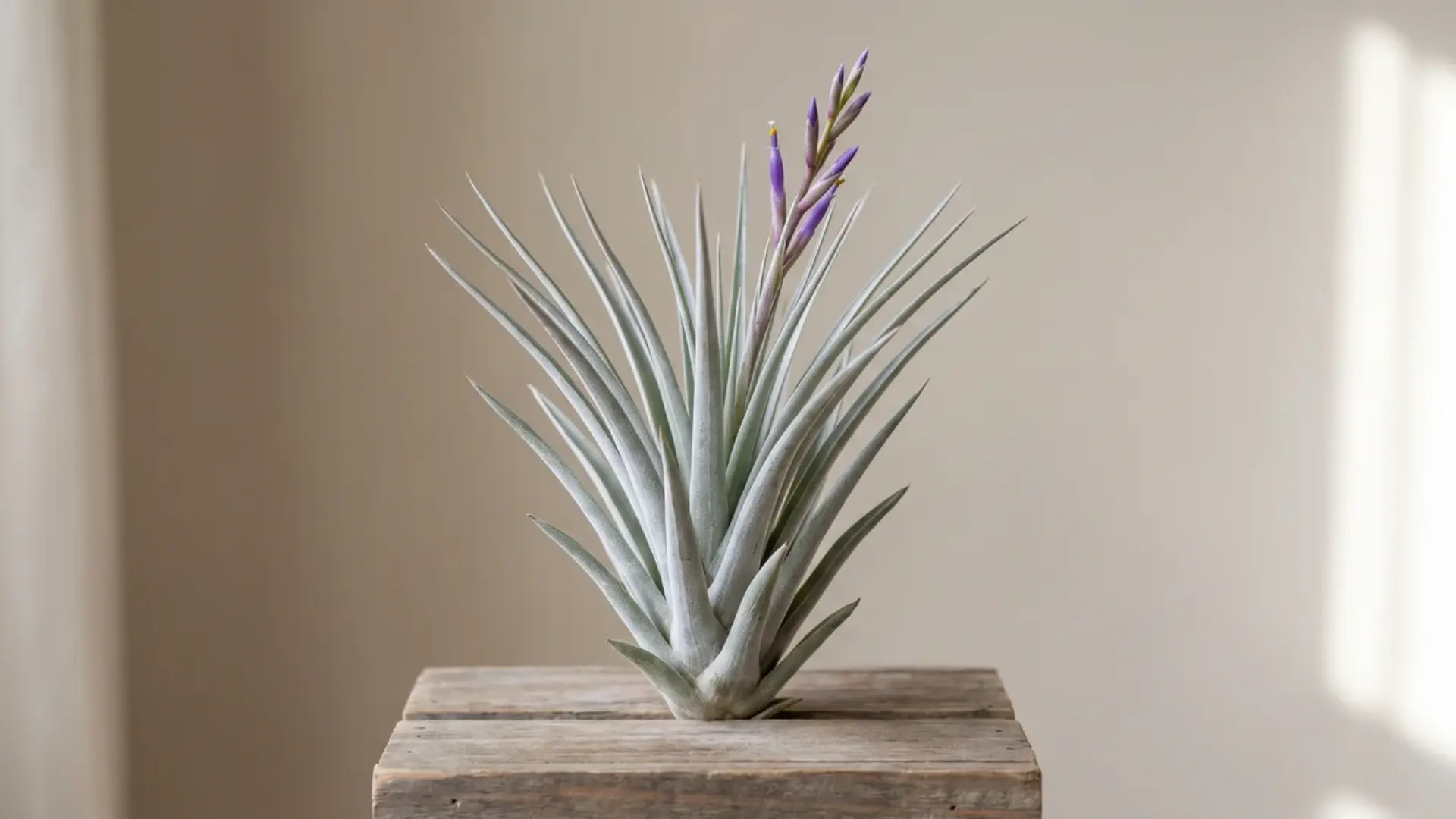
Tillandsia harrisii has long, silver-grey leaves that give it a clean and structured appearance. Its soft foliage makes it easy to identify among other Tillandsia varieties.
This xeric air plant is a good option for indoor displays because it stays manageable in size. It also produces bright flowers that contrast with its pale leaves.
| Botanical Name | Classification | Size | Leaf Color | Bloom Color | Care Level |
|---|---|---|---|---|---|
| Tillandsia harrisii | Xeric | Medium | Silver-grey | Purple flowers | Easy |
14. Tillandsia Juncea
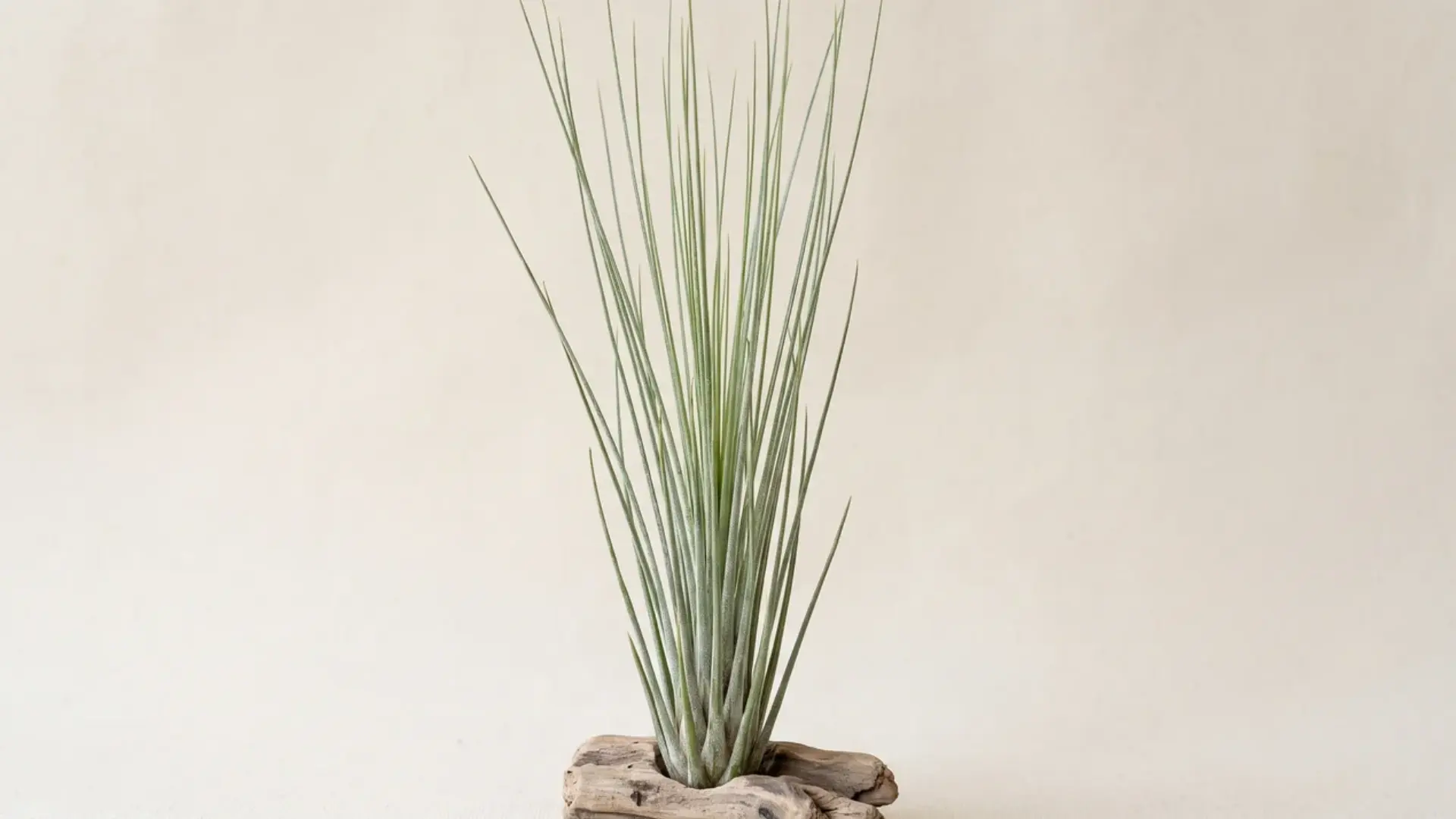
Tillandsia juncea has tall, thin leaves that look similar to grass. Its upright growth style gives it a different appearance from rounded or curly air plant varieties.
This xeric variety works well in vertical displays and narrow spaces. Its simple shape makes it a good choice for modern indoor plant arrangements.
| Botanical Name | Classification | Size | Leaf Color | Bloom Color | Care Level |
|---|---|---|---|---|---|
| Tillandsia juncea | Xeric | Medium | Green-grey | Purple flowers | Easy |
15. Tillandsia Brachycaulos
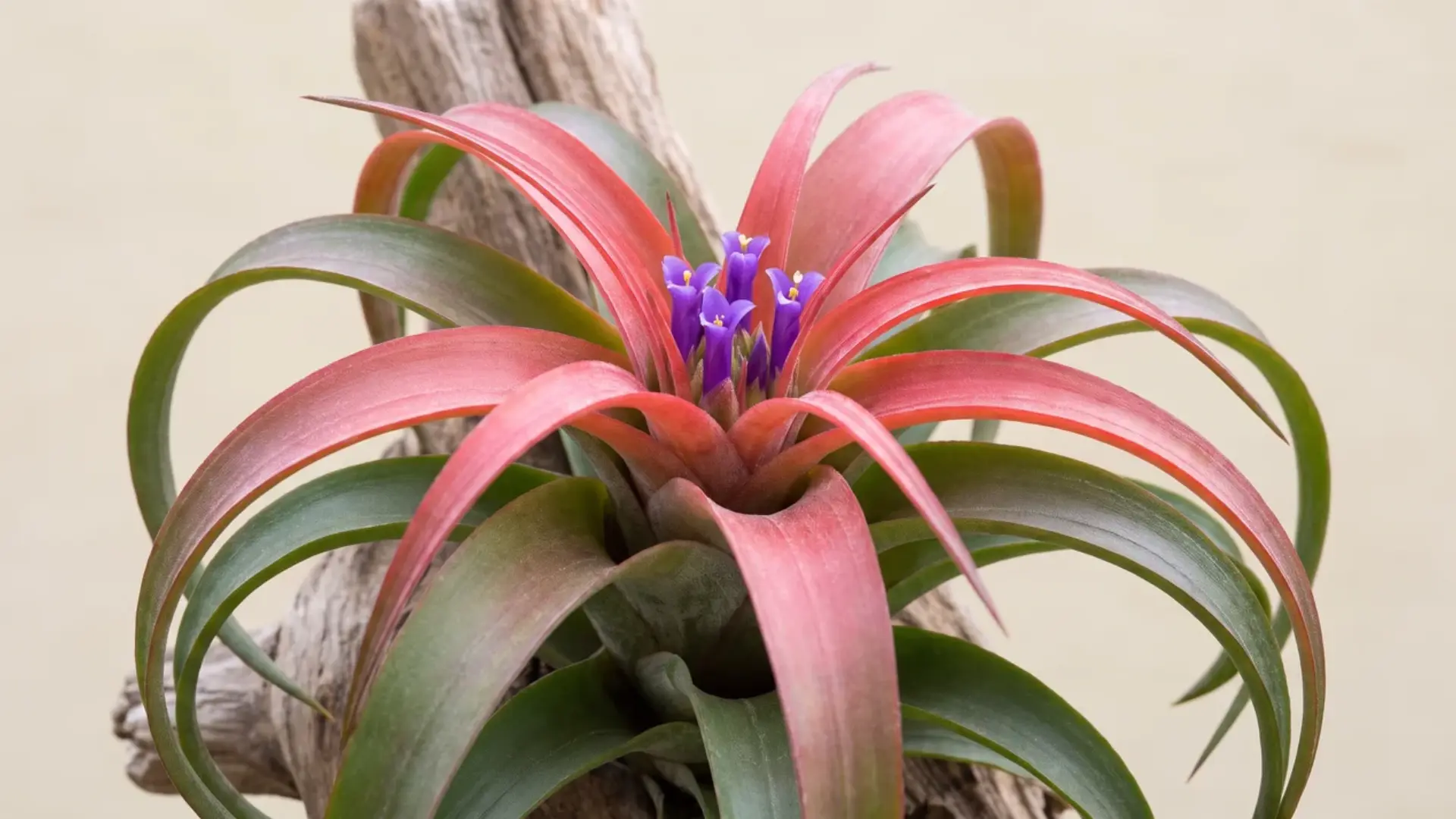
Tillandsia brachycaulos is known for its bright green leaves that can turn red during the blooming stage. This color change makes it one of the more eye-catching air plants.
This mesic variety grows in a compact shape and works well indoors. Its colorful appearance makes it a popular choice for plant displays.
| Botanical Name | Classification | Size | Leaf Color | Bloom Color | Care Level |
|---|---|---|---|---|---|
| Tillandsia brachycaulos | Mesic | Medium | Green to red | Purple flowers | Easy |
16. Tillandsia Duratii
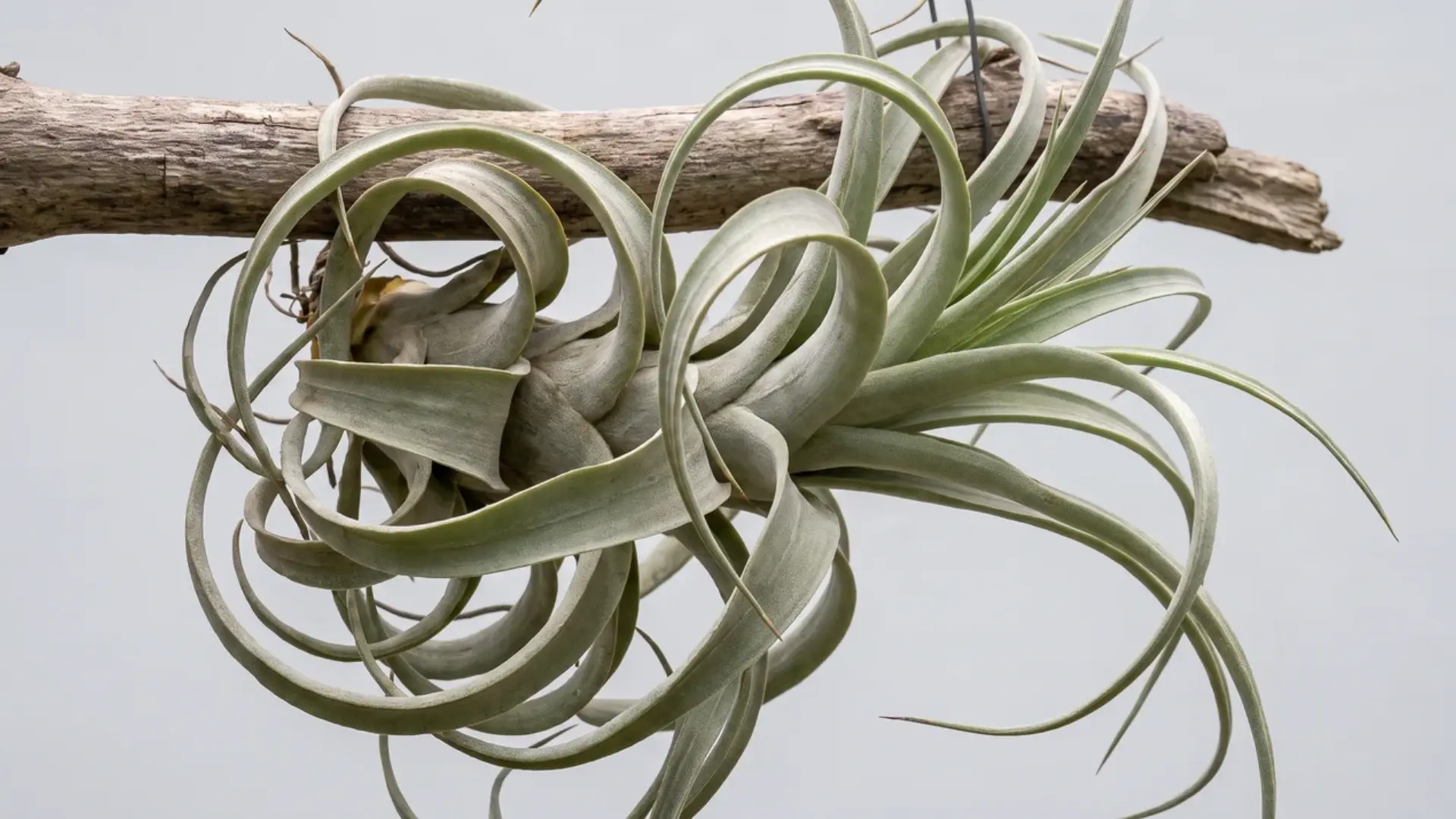
Tillandsia duratii is recognized by its long, curved leaves that often curl around nearby objects. This growth habit helps it create a unique hanging appearance.
This xeric variety can become larger than many air plants and is valued for its unusual shape. It also produces fragrant flowers during blooming.
| Botanical Name | Classification | Size | Leaf Color | Bloom Color | Care Level |
|---|---|---|---|---|---|
| Tillandsia duratii | Xeric | Large | Silver-green | Purple flowers | Easy |
17. Tillandsia Velutina
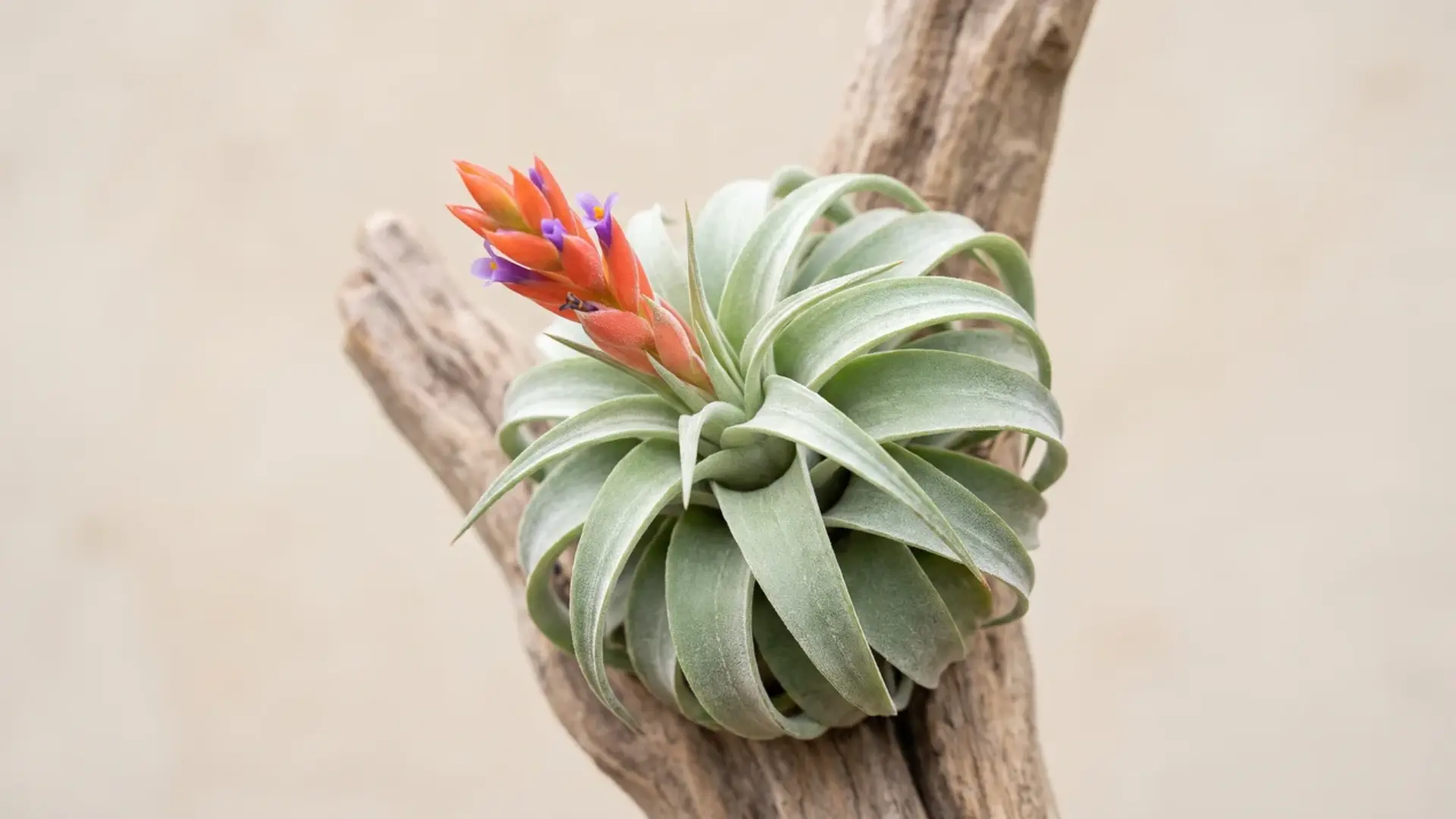
Tillandsia velutina is a colorful variety with soft green leaves and bright blooms. Its compact shape makes it suitable for small indoor spaces.
This mesic air plant has a fuller appearance than wide, narrow-leaf varieties. It is often chosen for its attractive foliage and flowers.
| Botanical Name | Classification | Size | Leaf Color | Bloom Color | Care Level |
|---|---|---|---|---|---|
| Tillandsia velutina | Mesic | Small to medium | Green | Orange-red flowers | Moderate |
18. Tillandsia Andreana
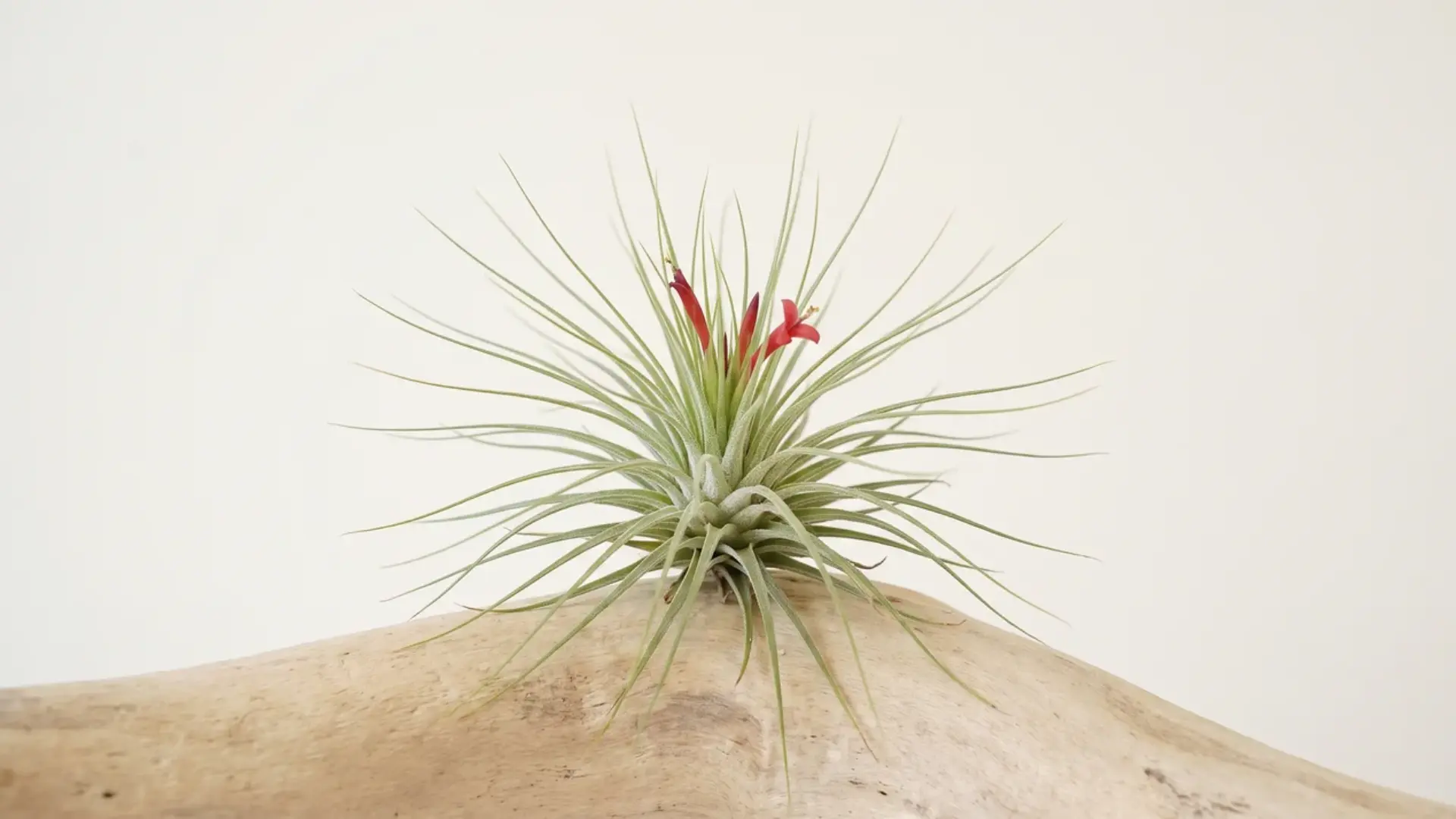
Tillandsia andreana has thin leaves that grow outward from the center, creating a star-like shape. It is a small variety with a simple but attractive appearance.
This xeric air plant is native to Colombia and produces tubular flowers from the center of the plant. Its compact size makes it suitable for small displays.
| Botanical Name | Classification | Size | Leaf Color | Bloom Color | Care Level |
|---|---|---|---|---|---|
| Tillandsia andreana | Xeric | Small | Green | Red tubular flowers | Easy |
19. Tillandsia Didisticha
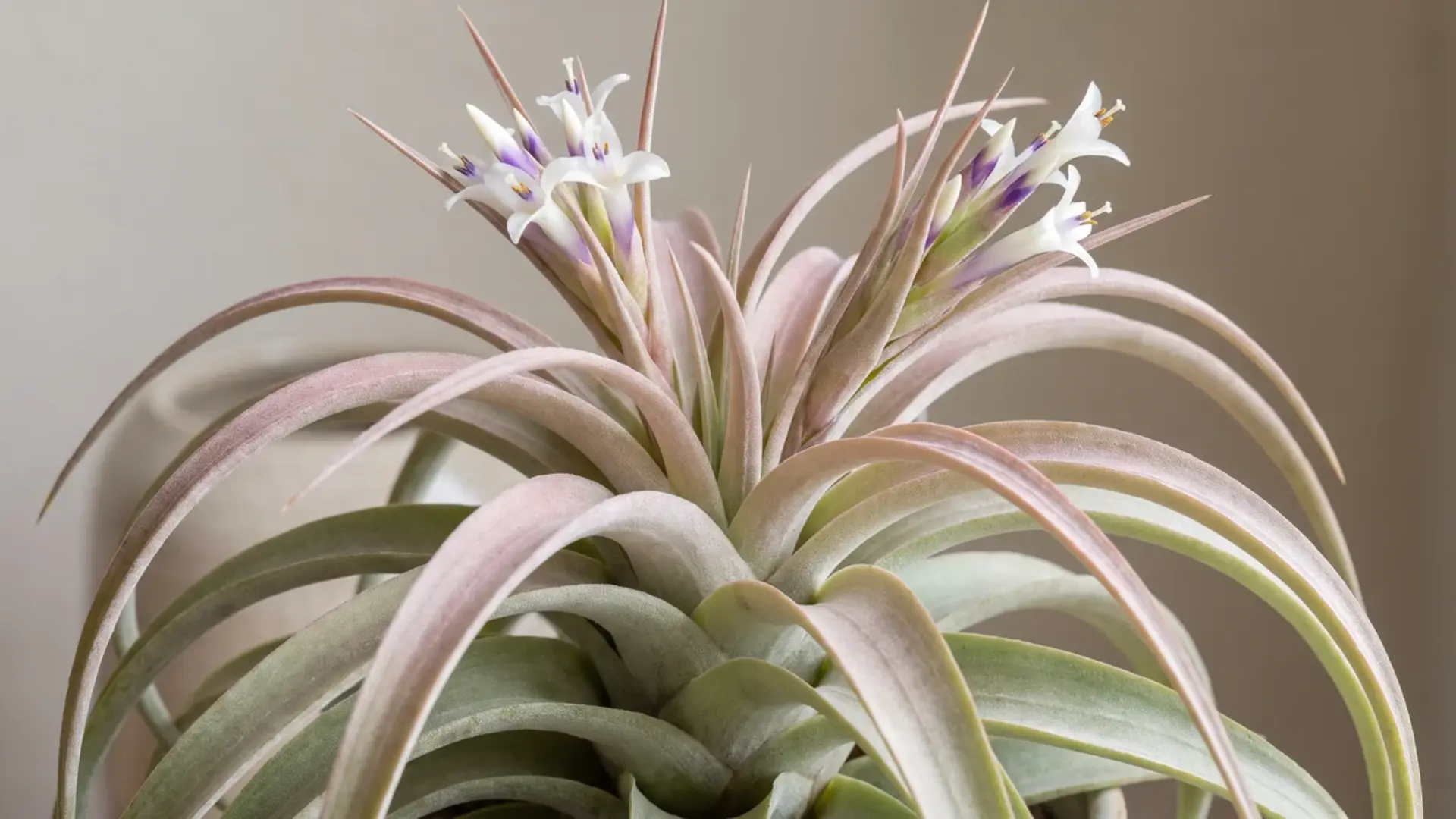
Tillandsia didisticha is a larger air plant with long leaves and a more open growth pattern. Its green and pink tones give it a soft, natural appearance.
This mesic variety can grow bigger than many common air plants. It produces white flowers and works well as a larger indoor display plant.
| Botanical Name | Classification | Size | Leaf Color | Bloom Color | Care Level |
|---|---|---|---|---|---|
| Tillandsia didisticha | Mesic | Large | Green and pink | White flowers | Moderate |
20. Tillandsia Funckiana
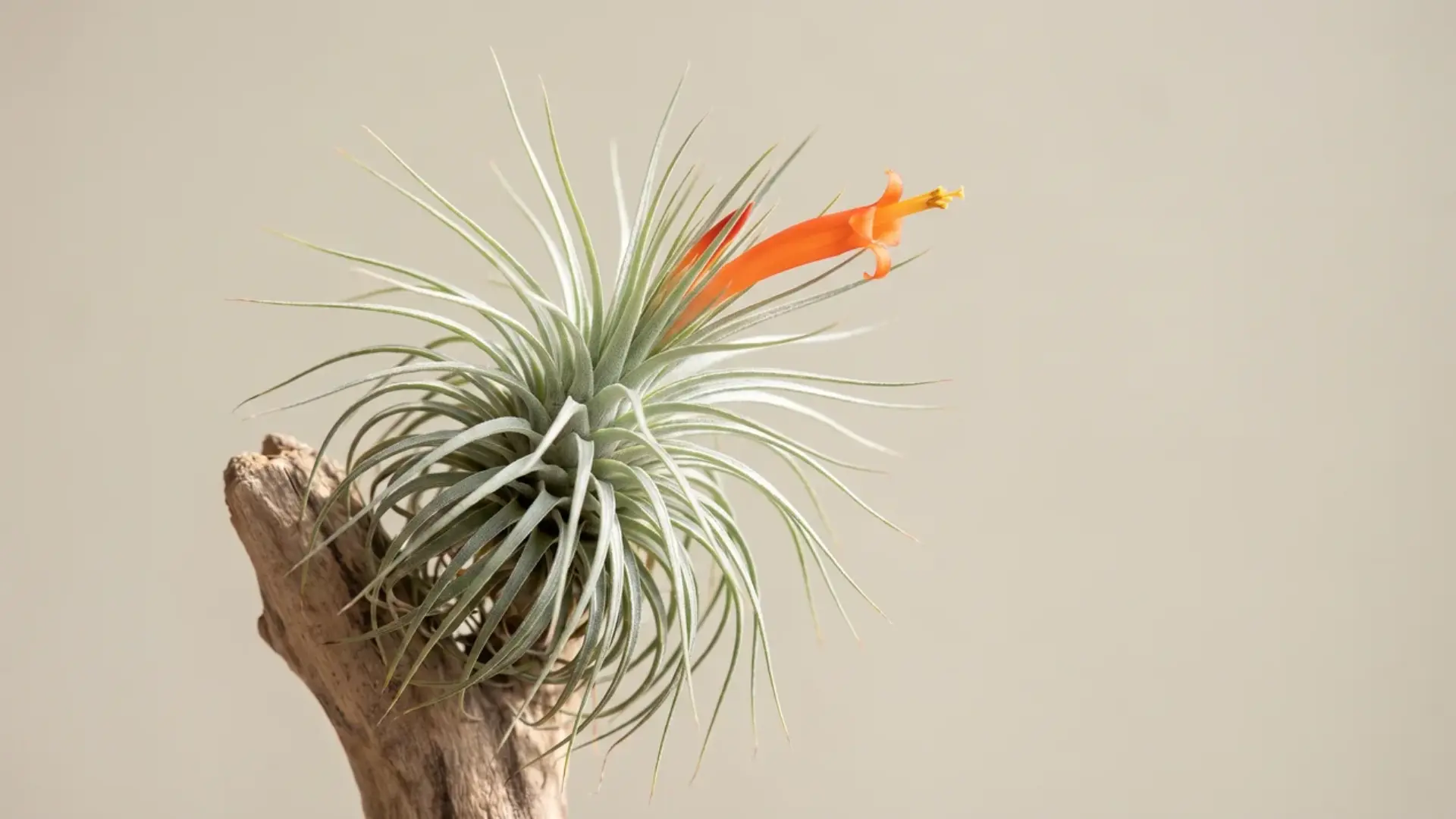
Tillandsia funckiana has needle-like leaves that grow in one direction, giving it a unique spiky appearance. Its leaves can also curl slightly as the plant matures.
This xeric variety stays relatively small and produces bright orange flowers. Its unusual shape makes it a favorite among air plant collectors.
| Botanical Name | Classification | Size | Leaf Color | Bloom Color | Care Level |
|---|---|---|---|---|---|
| Tillandsia funckiana | Xeric | Small | Green-grey | Orange flowers | Easy |
21. Tillandsia Gardneri
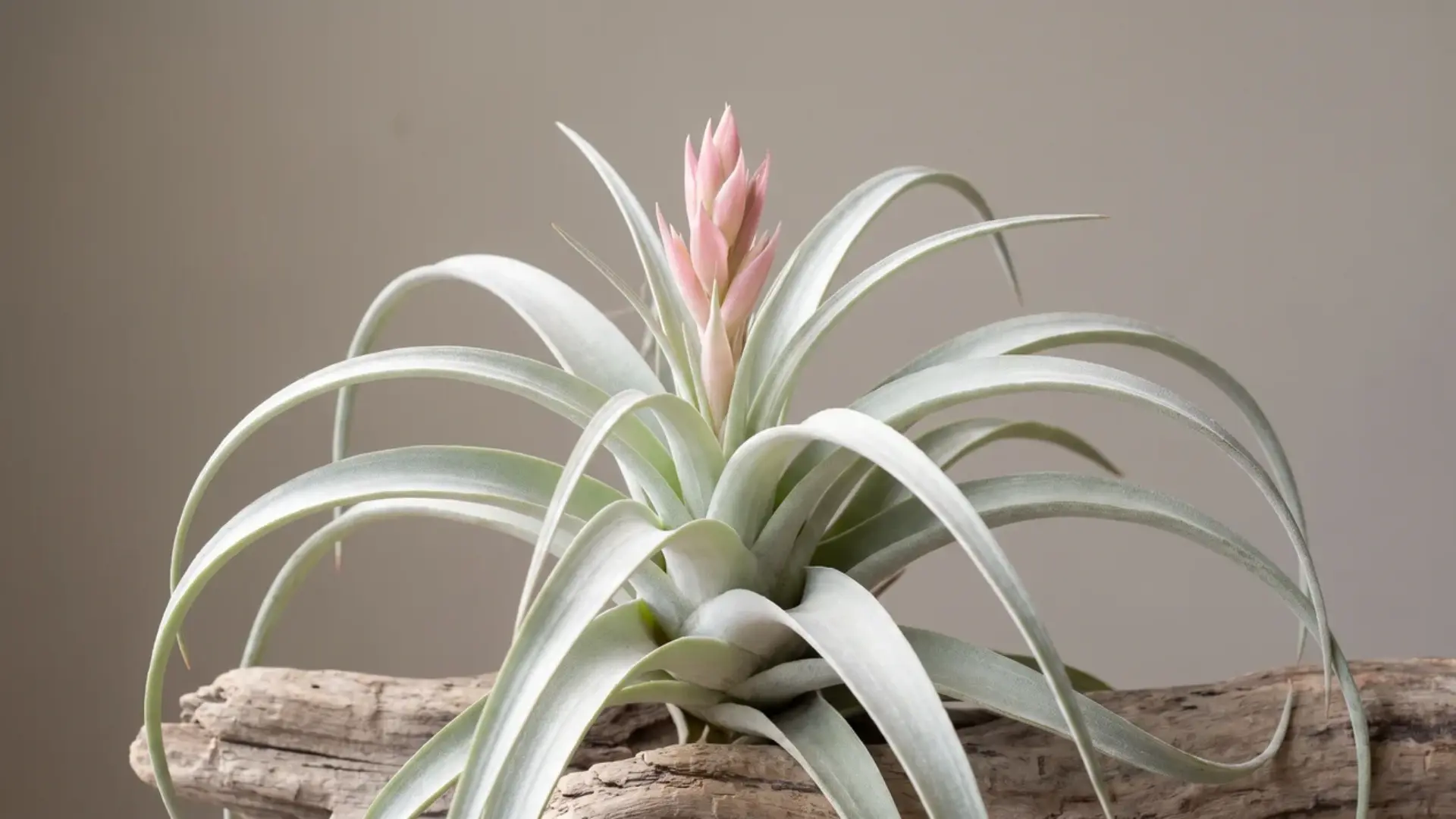
Tillandsia gardneri is a soft-looking air plant with long, curved leaves and a gentle green appearance. It is known for its graceful shape and pink flowers that appear during blooming.
This mesic variety naturally grows in humid regions and prefers conditions similar to its native environment. Its flowing leaves make it a good option for indoor displays.
| Botanical Name | Classification | Size | Leaf Color | Bloom Color | Care Level |
|---|---|---|---|---|---|
| Tillandsia gardneri | Mesic | Medium | Light green | Pink flowers | Moderate |
22. Tillandsia Chiapensis
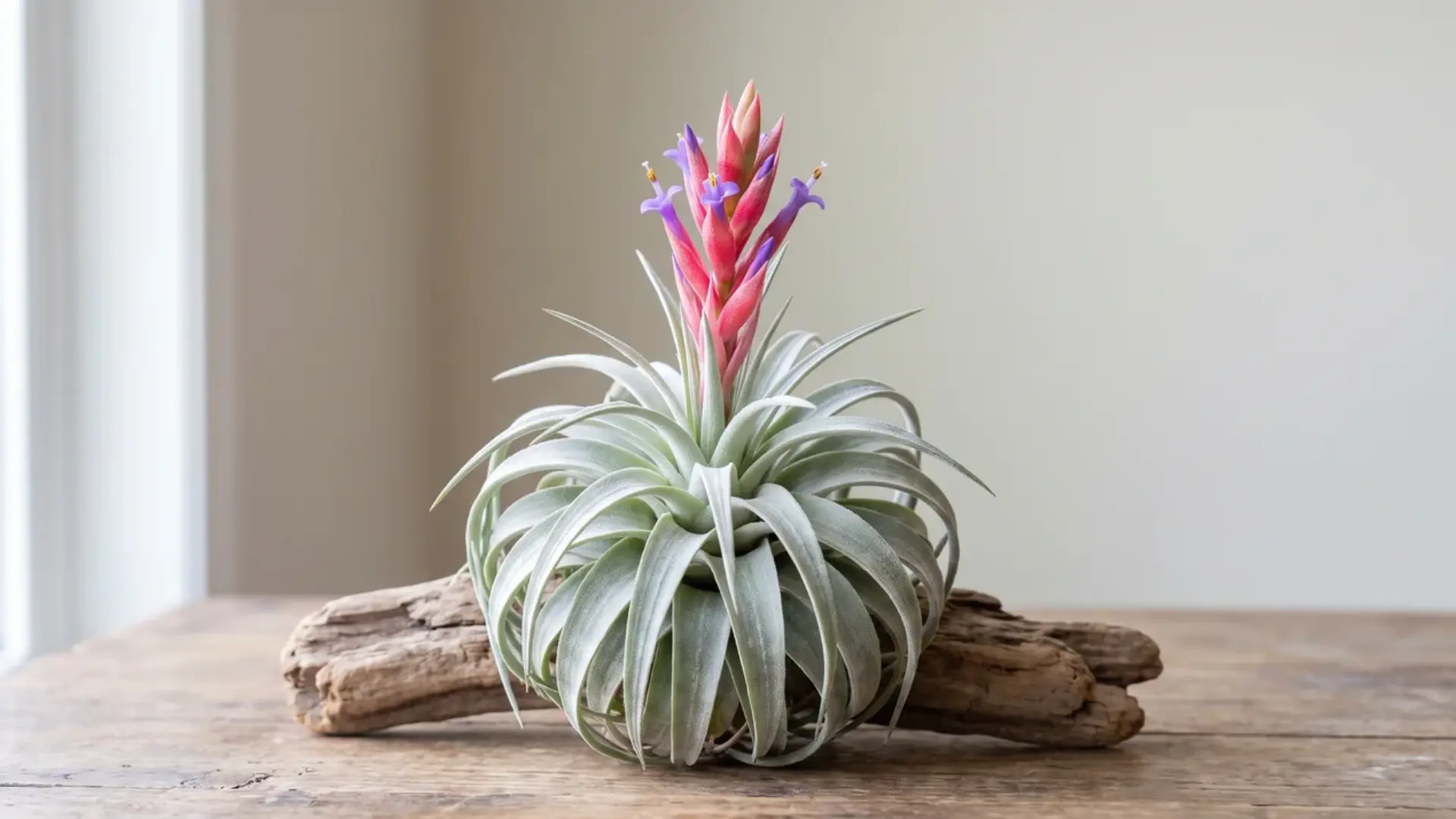
Tillandsia chiapensis is a compact air plant with soft, silver-green leaves and colorful blooms. It is named after Chiapas, Mexico, where it naturally grows.
This xeric variety can adapt to different growing conditions and produces pink or red flower spikes. Its neat shape makes it suitable for both beginners and collectors.
| Botanical Name | Classification | Size | Leaf Color | Bloom Color | Care Level |
|---|---|---|---|---|---|
| Tillandsia chiapensis | Xeric | Medium | Silver-green | Pink and red flowers | Easy |
23. Tillandsia Cotton Candy
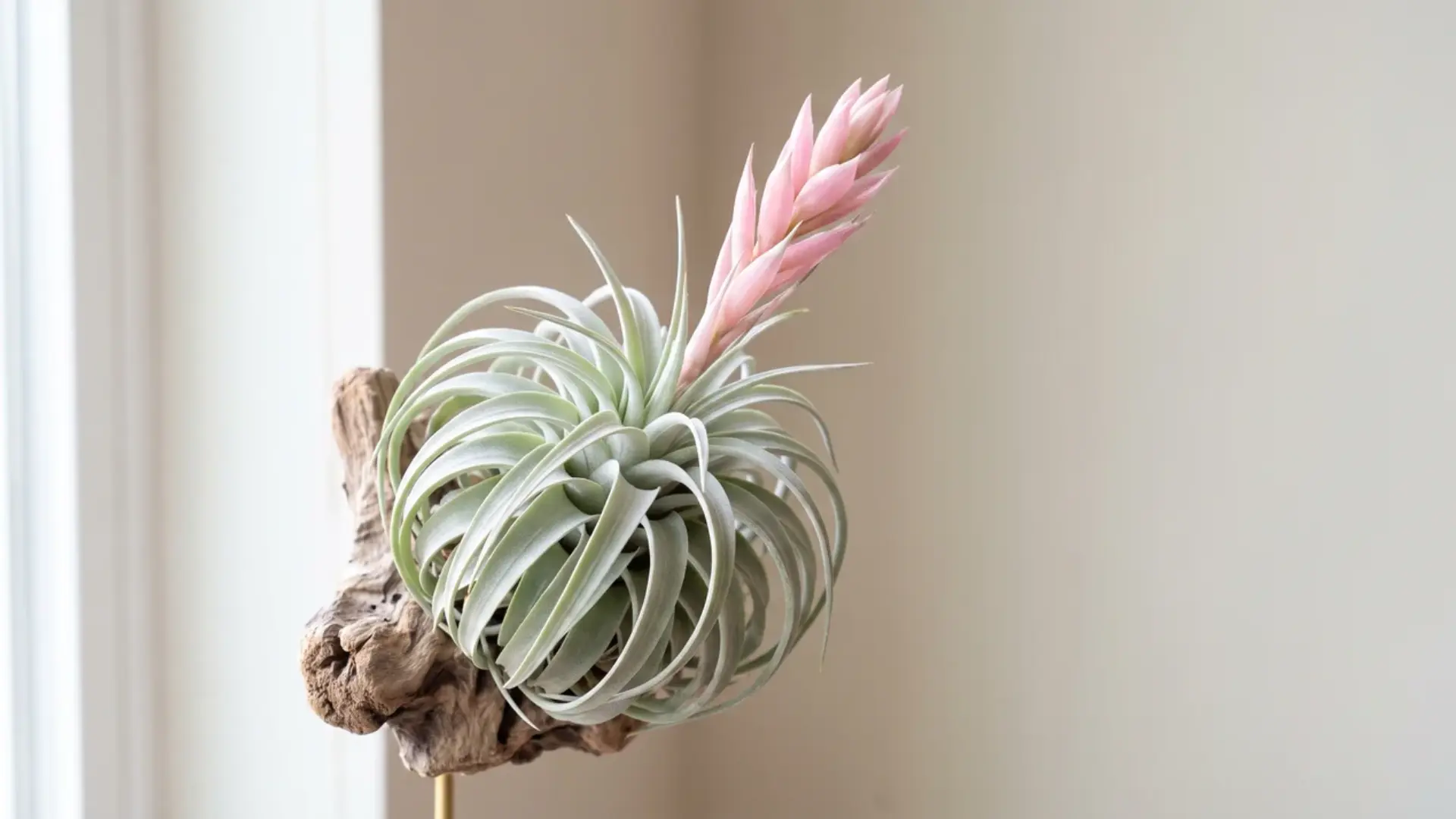
Tillandsia cotton candy is a hybrid air plant created from Tillandsia stricta and Tillandsia recurvifolia. It is known for its soft appearance and pink blooms.
This variety has a rounded shape with green leaves and a colorful flower spike. Its attractive look makes it a popular choice for indoor plant displays.
| Botanical Name | Classification | Size | Leaf Color | Bloom Color | Care Level |
|---|---|---|---|---|---|
| Tillandsia ‘Cotton Candy’ | Hybrid air plant | Medium | Green | Pink flowers | Easy |
24. Tillandsia Fuchsii Var. Gracilis
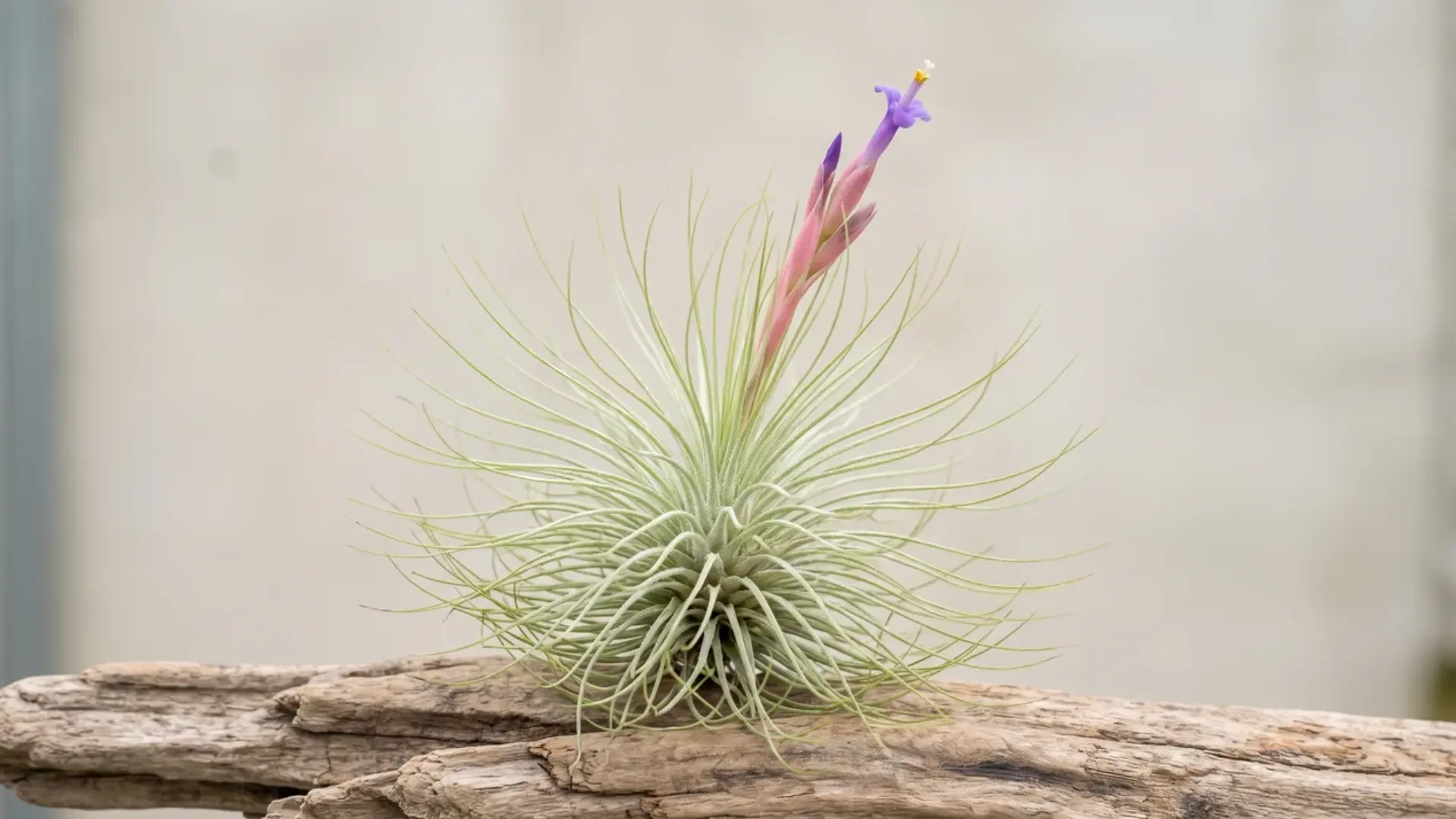
Tillandsia fuchsii var. gracilis is a small air plant with thin, delicate leaves that grow in a rounded shape. It produces a tall pink flower stem that adds contrast to its simple foliage.
This xeric variety often grows in clusters and works well in small displays. Its narrow leaves give it a lighter appearance compared with fuller air plant types.
| Botanical Name | Classification | Size | Leaf Color | Bloom Color | Care Level |
|---|---|---|---|---|---|
| Tillandsia fuchsii var. gracilis | Xeric | Small | Light green | Purple flowers with pink stem | Easy |
25. Tillandsia Capitata Peach
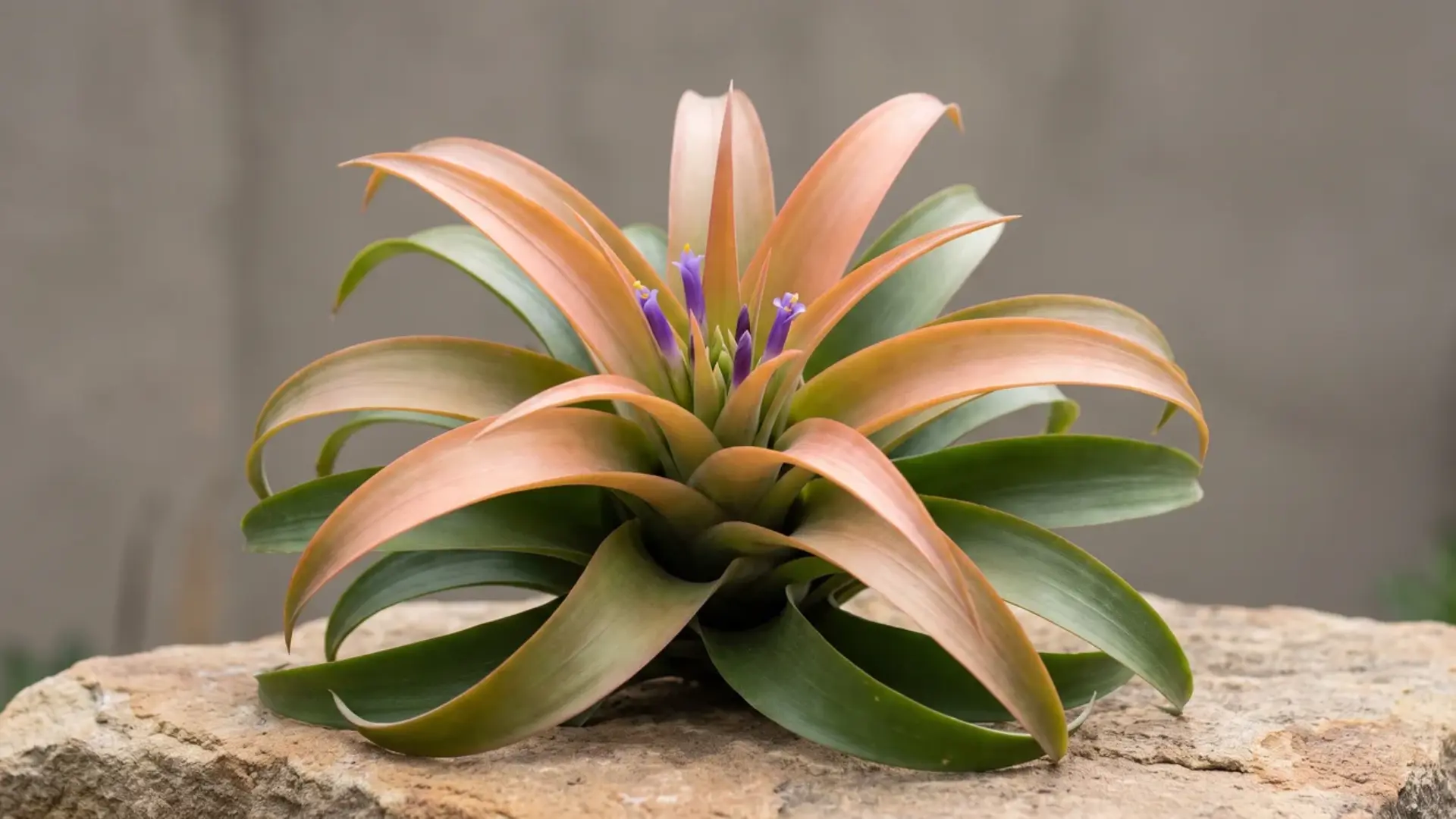
Tillandsia capitata Peach is known for its soft peach-colored leaves that appear before blooming. This color change makes it one of the more colorful air plant varieties.
This xeric variety grows well in bright conditions and can handle more sunlight than some other air plants. Its warm tones make it a good choice for decorative displays.
| Botanical Name | Classification | Size | Leaf Color | Bloom Color | Care Level |
|---|---|---|---|---|---|
| Tillandsia capitata ‘Peach’ | Xeric | Medium | Green to peach | Purple flowers | Easy |
How to Care for Air Plants
Once you choose a variety, simple care habits help air plants stay healthy. Most types need the right balance of water, light, humidity, and airflow.
- Watering: Air plants absorb moisture through their leaves, so regular watering matters. Mist or soak them when needed, and always let them dry completely afterward.
- Curled leaves: A sign the plant may be dehydrated and needs water soon.
- Dry, brittle leaves: A sign it needs more moisture than it’s currently getting.
- Light: Bright, indirect light works best. Keep plants away from harsh direct sunlight that can scorch the leaves.
- Airflow: Place plants where fresh air can move around them freely, since still air can trap excess moisture.
- Humidity: Mesic varieties prefer more humidity, while xeric types handle drier conditions with ease.
Floating shelves, macramé hangers, and other cozy plant corner ideas give air plants a natural spot alongside other greenery in a room.
With just a bit of attention to these basics, air plants can thrive for years with very little fuss. Pay attention to how your plant responds, and adjust watering or placement as needed to keep it looking full and healthy.
Common Air Plant Problems
Air plants are fairly low maintenance, but a few issues do pop up now and then. Most problems trace back to too much water, too little water, or poor airflow around the leaves.
| Problem | Possible Cause |
|---|---|
| Brown, crispy leaf tips | Air is too dry, or sunlight is too direct |
| Soft, mushy base or stem | Water is sitting trapped inside the leaves too long |
| Leaves curling tightly inward | Plant is being watered too rarely or too lightly |
| Dull grey color, slow growth | Not receiving enough natural or filtered light |
| Rotting center, foul smell | Leftover water pooled in the base after soaking |
Once you know what’s causing the issue, fixing it is usually simple. A small change in watering habits, light exposure, or airflow is often all it takes to bring an air plant back to full health.
How to Choose the Right Air Plant for Your Home
Choosing the right air plant really comes down to your experience, your available space, and the kind of look you’re going for.
If you’re just starting out, varieties like Tillandsia ionantha, Tillandsia stricta, and Tillandsia caput-medusae are easy to grow and far more forgiving of small mistakes.
For a low-maintenance option, Tillandsia xerographica, Tillandsia tectorum, and Tillandsia harrisii handle drier conditions well and need less frequent attention.
If you want something with visual impact, Tillandsia usneoides, Tillandsia duratii, and Tillandsia cyanea bring unique shapes and colorful features to any display.
For tight spaces, Tillandsia ionantha, Tillandsia fuego, and Tillandsia andreana stay compact enough for shelves and desks, while Tillandsia bulbosa, Tillandsia cyanea, and Tillandsia streptophylla thrive in humid areas.
Start with a beginner-friendly type, then branch out once you get a feel for what works.
Frequently Asked Questions
Do air plants produce new plants?
Yes, air plants can produce new plants through small offsets that grow from the base of the parent plant. These pups can be separated once they become large enough or left attached to form a cluster.
How often do air plants bloom?
Air plants usually bloom once during their lifetime when they reach maturity. The timing depends on the variety, but healthy plants often produce colorful flowers before starting the grow new offsets.
Can air plants grow in bathrooms?
Yes, many air plants can grow well in bathrooms because these spaces often have higher humidity. However, the room should still receive enough natural light and airflow to prevent excess moisture from causing problems.
Do air plants need fertilizer?
Air plants do not need frequent fertilizer, but occasional feeding can support healthy growth and blooming. Use a fertilizer made for air plants or bromeliads and follow the recommended amount to avoid damaging the leaves.
Can air plants survive in artificial light?
Yes, air plants can grow under artificial light if they receive enough brightness. Full-spectrum grow lights can help support healthy growth, especially in rooms with limited natural sunlight.
Final Thoughts
Choosing an air plant becomes much easier when you understand what makes each variety different. From silver-leaved xeric types to greener mesic varieties, each plant has its own shape, style, and growing needs.
The best types of air plants are not always the rarest ones; they are the ones that fit your space and care routine.
If you want a small desk plant, a hanging display, or a colorful flowering variety, there is an air plant that can match your home.
Start with a variety that suits your experience level, then enjoy watching it grow and change over time. Drop a comment below and tell me which one you want in your home.