From the moment a tiny seed meets the soil, something quietly wonderful begins.
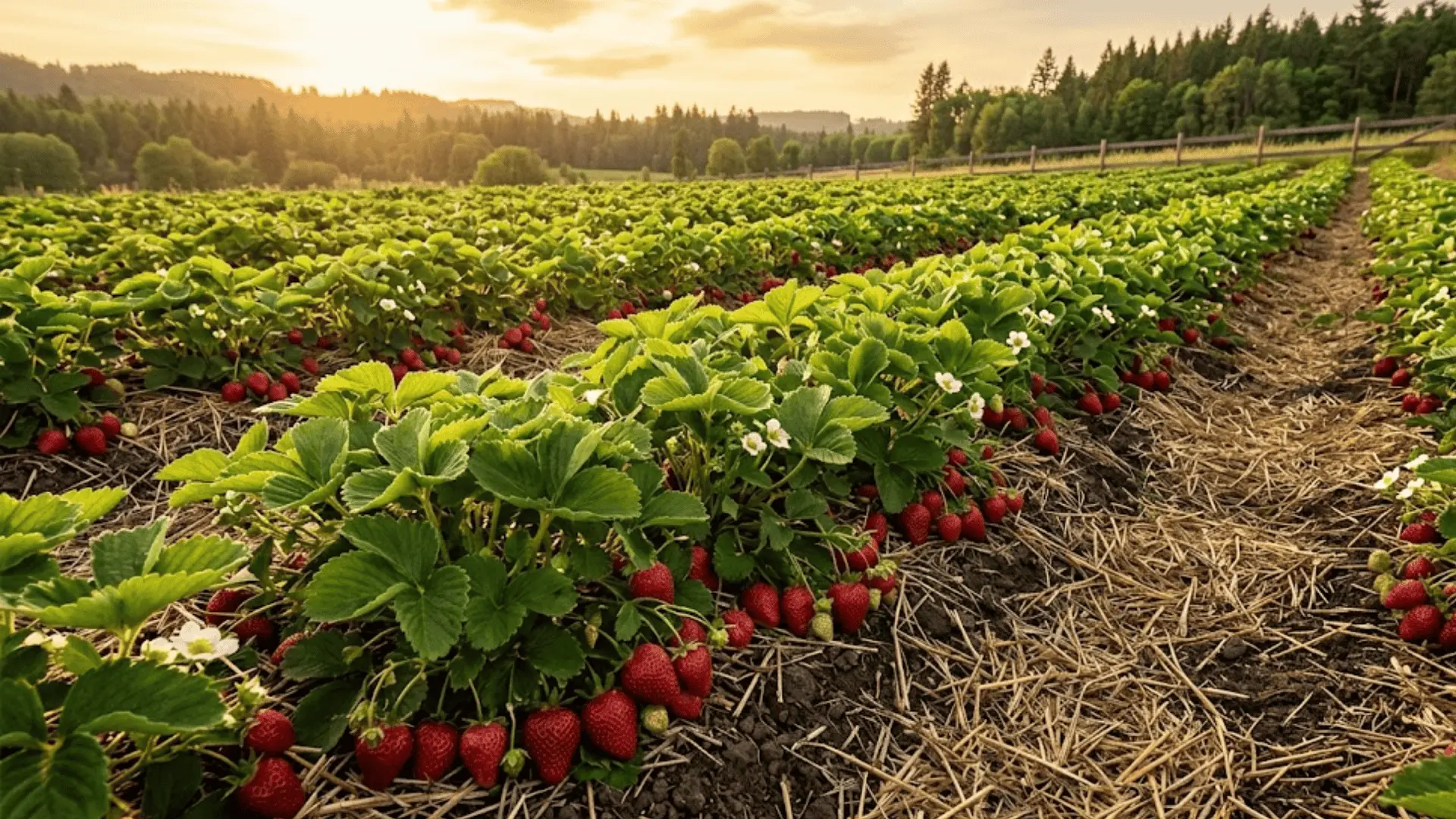
Strawberries have this beautiful way of moving through life, budding, blooming, fruiting, and resting, almost like they’re breathing in rhythm with the seasons.
Growing them in your backyard or teaching little ones about nature, knowing how a strawberry plant grows changes the way you see every leaf and blossom.
Follow along, because once you know this cycle, you’ll never look at a strawberry the same way again.
This is Why Your Strawberries Keep Surprising You
Your strawberry plant has been trying to tell you something all along.
Every leaf, every runner, every little blossom is part of a rhythm it follows naturally, and once you tap into that rhythm, knowing when to water, feed, and harvest stops feeling like guesswork.
Strawberries also have this quietly genius way of multiplying, dropping runners that root themselves and start brand new plants without any help from you.
Get familiar with the cycle, and suddenly your garden starts making a lot more sense.
Strawberry Plant Growth Stages
Every strawberry you’ve ever eaten made quite the trip to get to you.
Here’s a look at each stage that shapes a strawberry plant from its very first roots to its sweetest moment.
Stage 1: Seed or Runner Planting
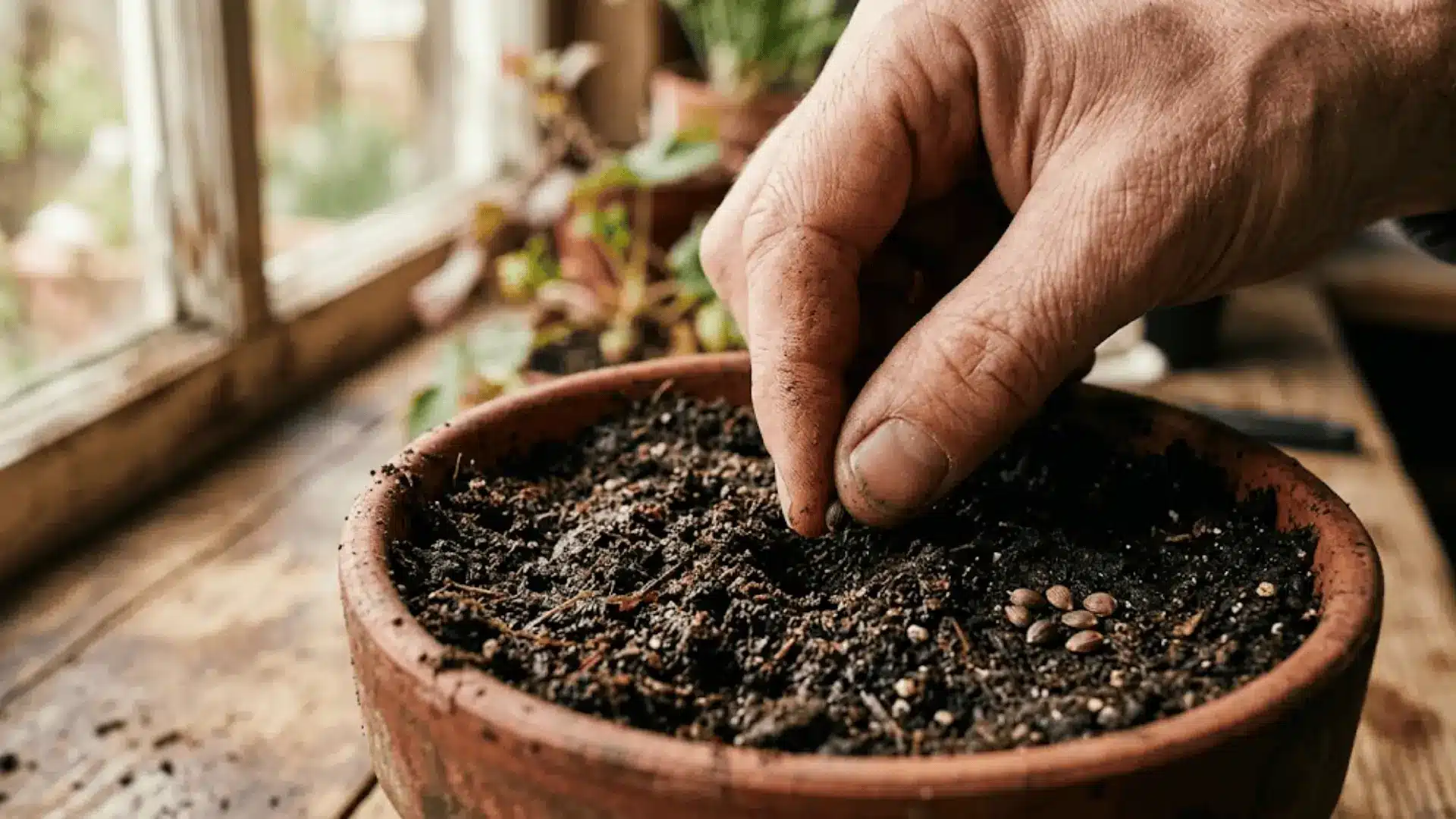
It all starts here, quietly and without much fanfare. A strawberry plant kicks off its life either from a tiny seed or a runner, which is a daughter plant that the mother plant sends out on its own.
Seeds often need a cold stratification period before they’re ready to sprout, making patience the very first thing this plant asks of you.
Stage 2: Germination
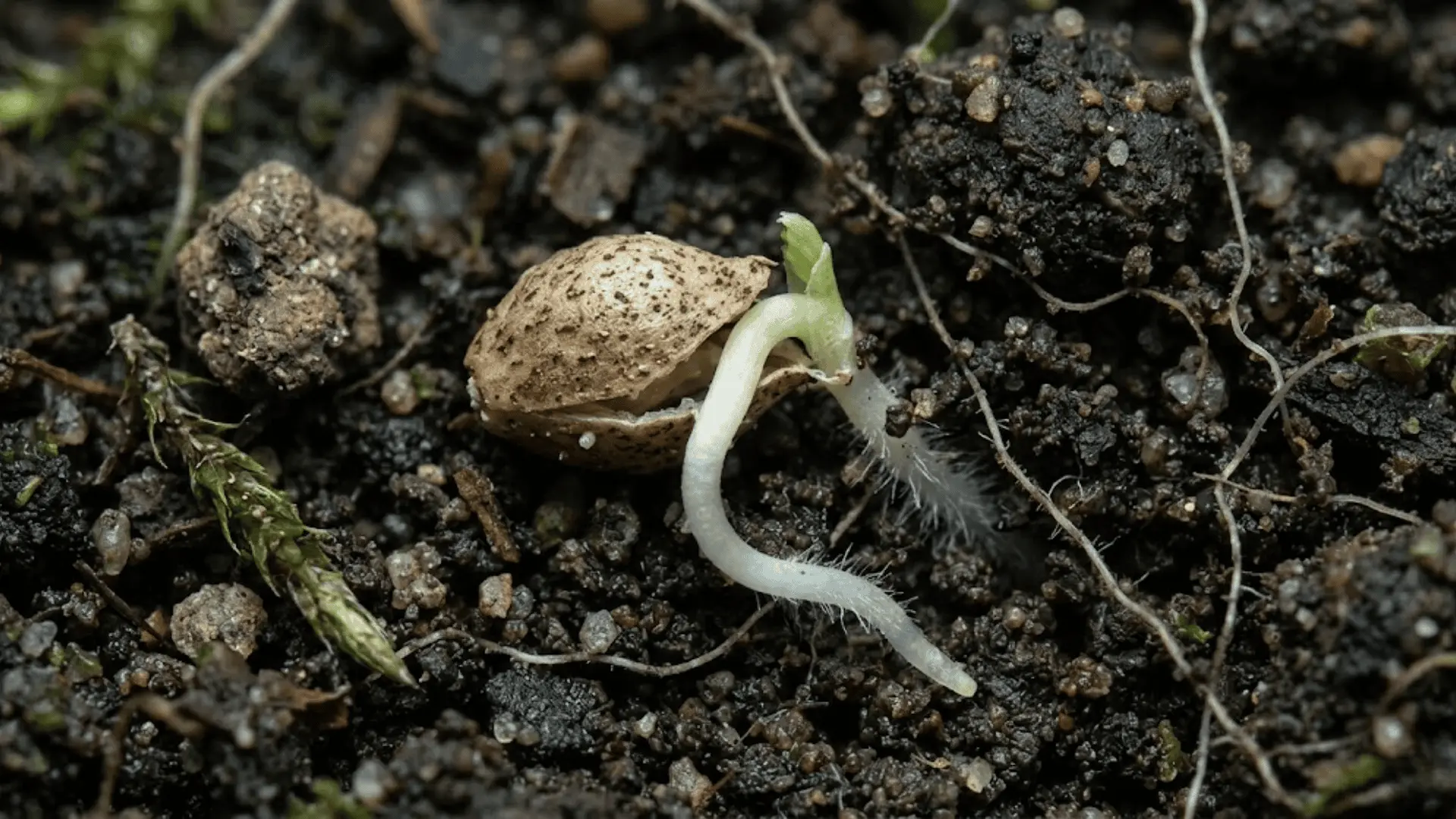
Given the right warmth, moisture, and light, the seed cracks open and a small root pushes its way into the soil. A shoot follows shortly after, reaching upward before you’ve even had a chance to notice.
This awakening typically unfolds within one to two weeks under ideal conditions, and it’s one of the most quietly satisfying things to watch up close.
Stage 3: Seedling Stage
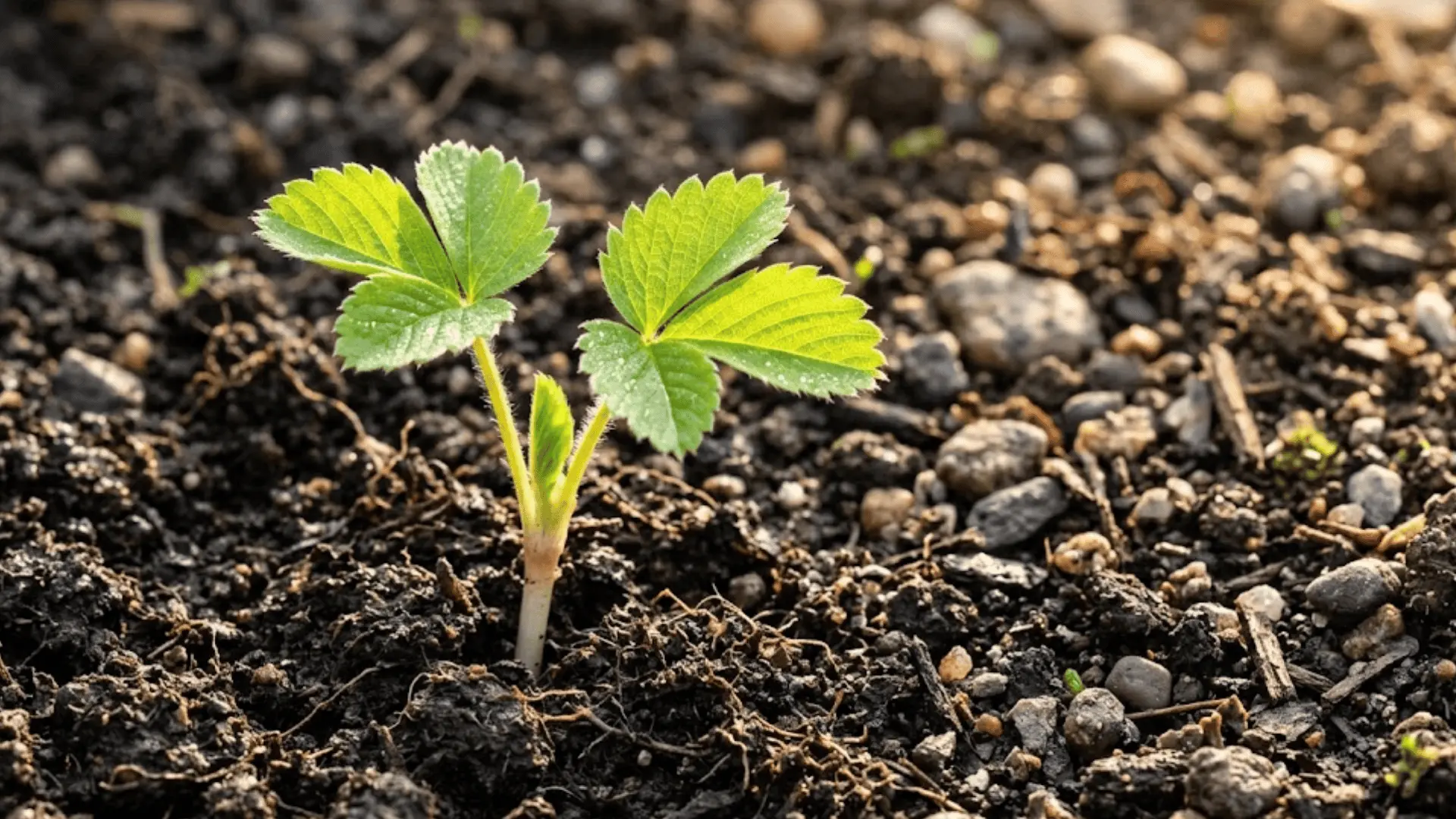
The plant is small but already purposeful at this stage. The first true leaves appear, delicate and bright, while the root system begins quietly spreading beneath the surface.
Everything the plant does right now is about anchoring itself, soaking up nutrients, and building the foundation it’ll lean on through every stage that follows.
Stage 4: Vegetative Growth
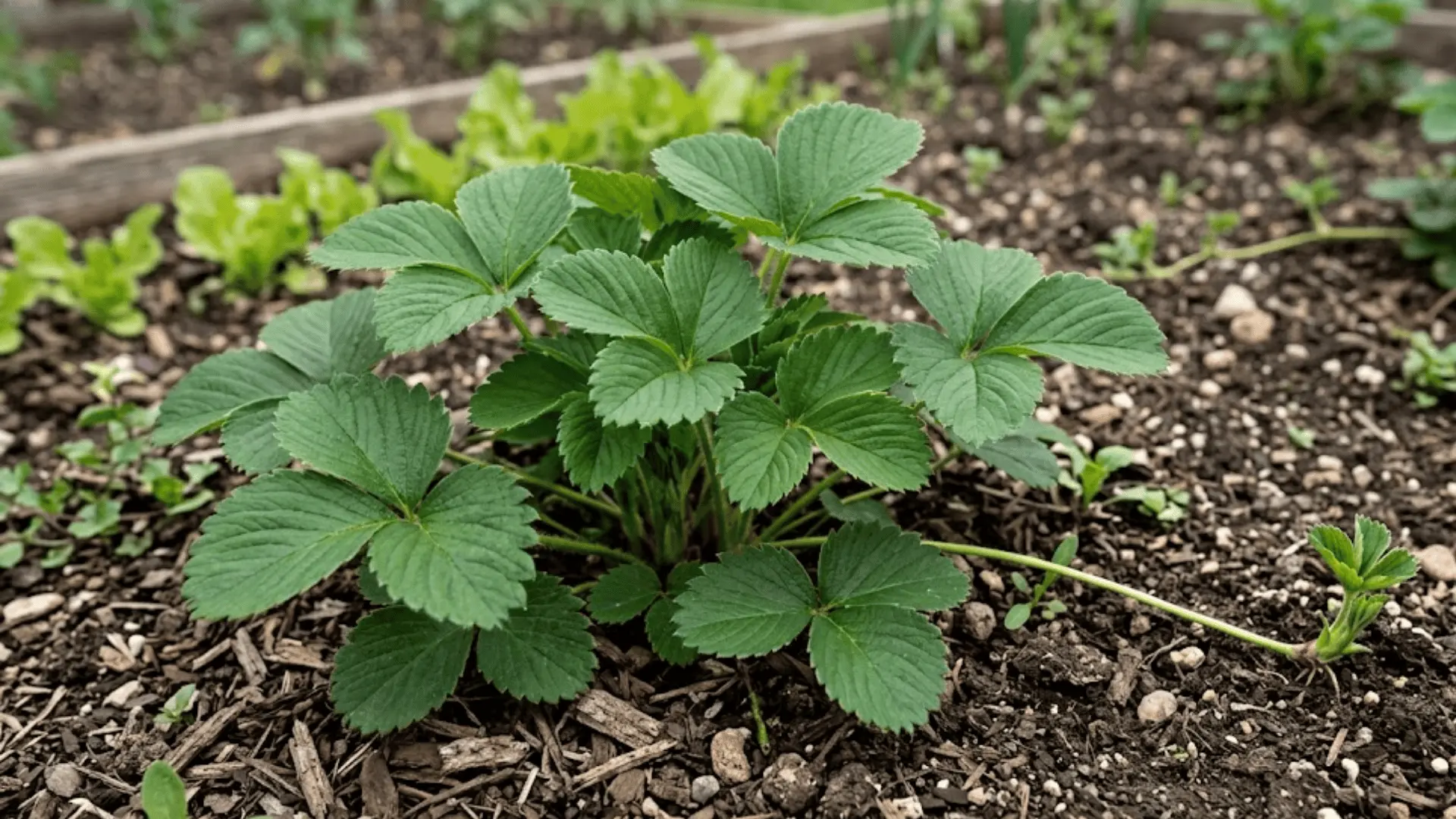
This is where the plant really comes into its own. Leaves multiply, the crown fills out, and the plant is essentially storing up all the energy it’ll need for flowering and fruiting.
Runners begin to creep outward during this stage, too, each one carrying the potential to become a whole new plant if given the chance to root.
Stage 5: Flowering Stage
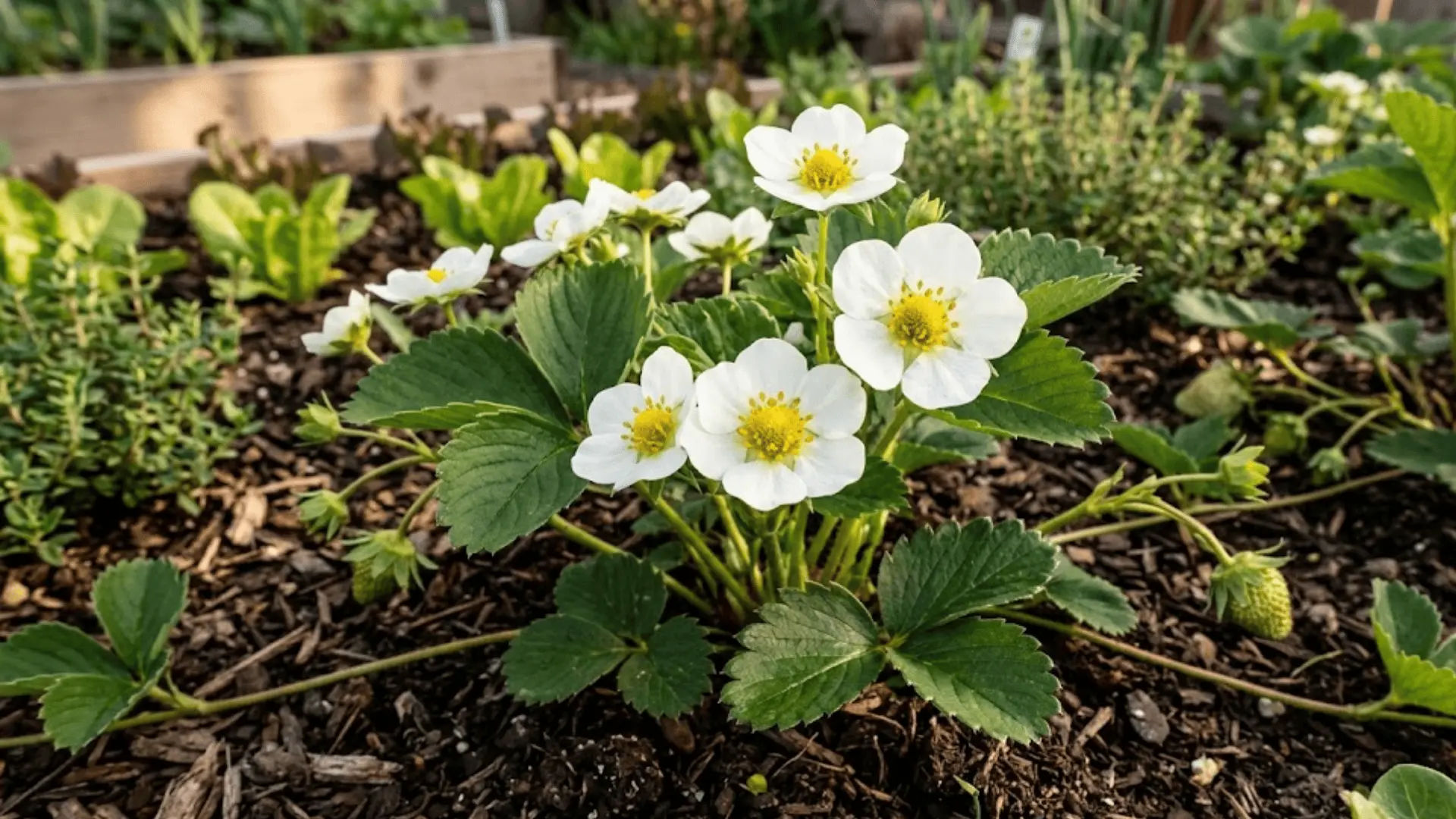
Warm weather coaxes out the blooms, and the plant suddenly looks like something worth photographing. Small white flowers appear, each one perfectly designed with both male and female parts.
It’s a quiet but significant moment because without these blossoms, there would be no fruit, no harvest, and no reason to have waited this long.
Stage 6: Pollination
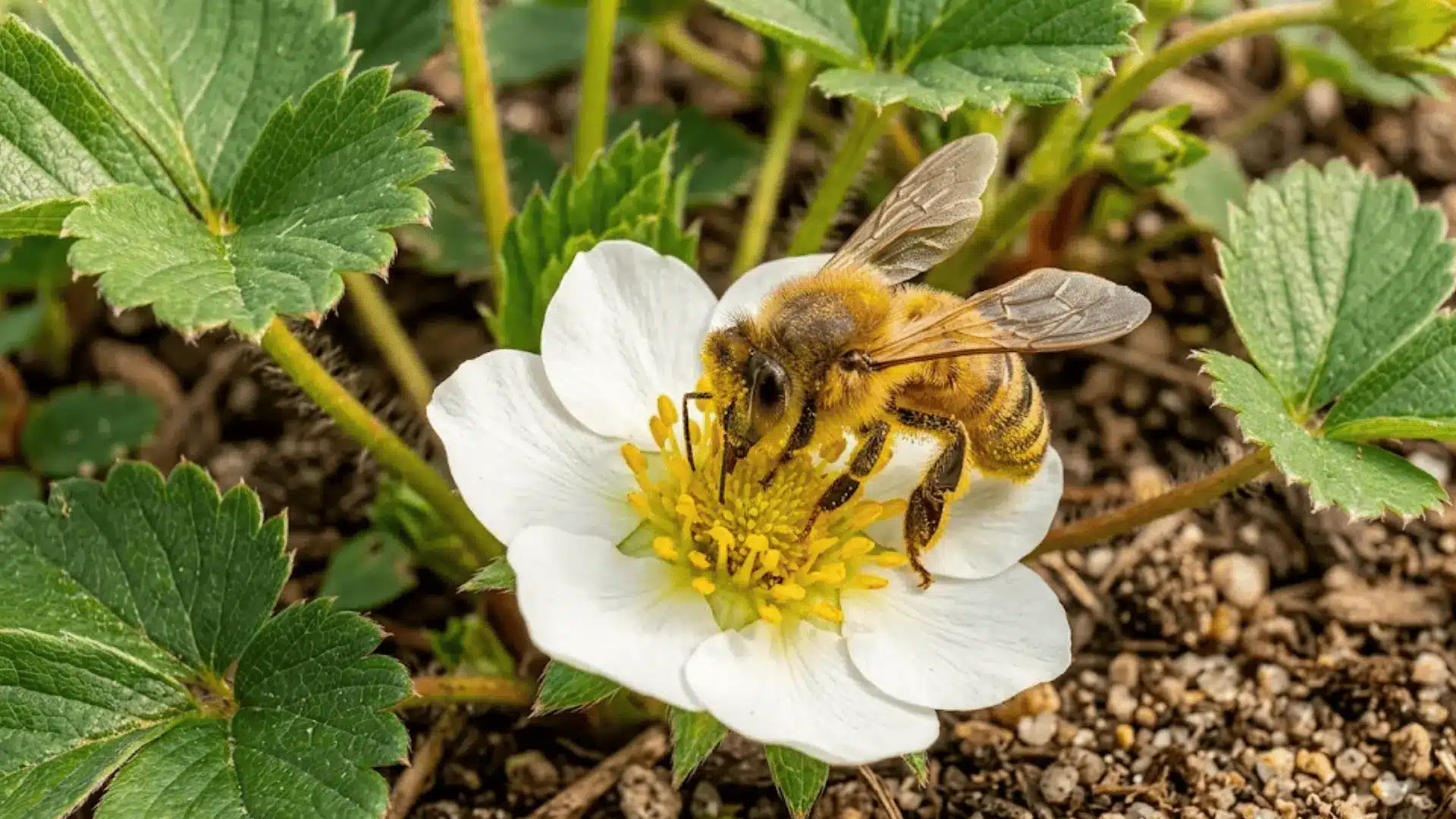
Bees and insects do the work here, moving from flower to flower and transferring pollen in a way no gardener could replicate by hand quite as effectively. This stage is everything.
A poorly pollinated flower leads to misshapen or underdeveloped fruit, which is exactly why a garden full of pollinators is always a good sign for your strawberry patch.
Stage 7: Fruit Development
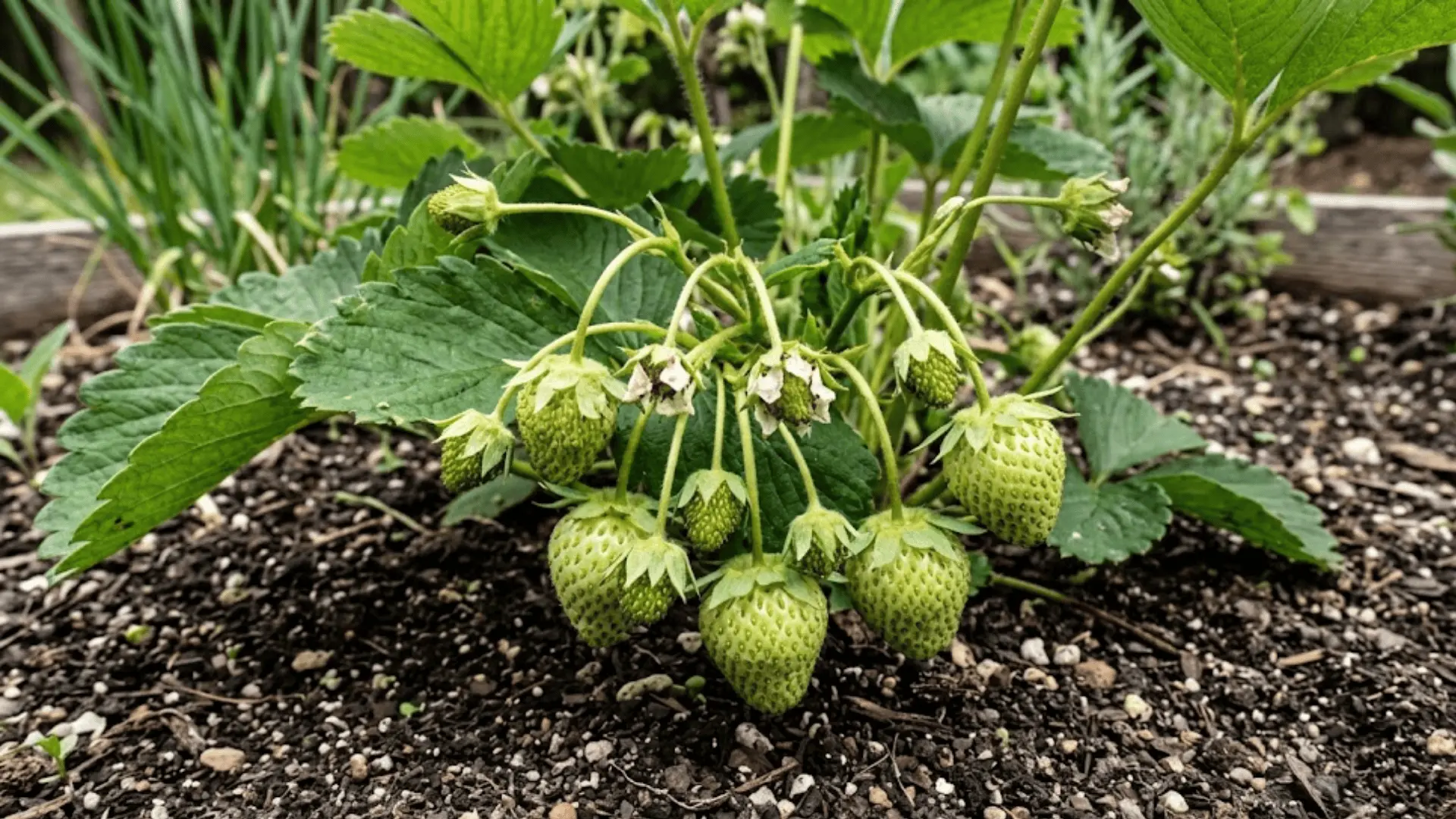
Once pollination wraps up, the petals fall away, and small green berries begin forming in their place. They’re firm, sour, and nowhere near ready, but they’re growing steadily every day.
Over the next several weeks, each berry quietly swells in size, filling out as the plant continues pouring its energy into what it’s been working toward all along.
Stage 8: Ripening Stage
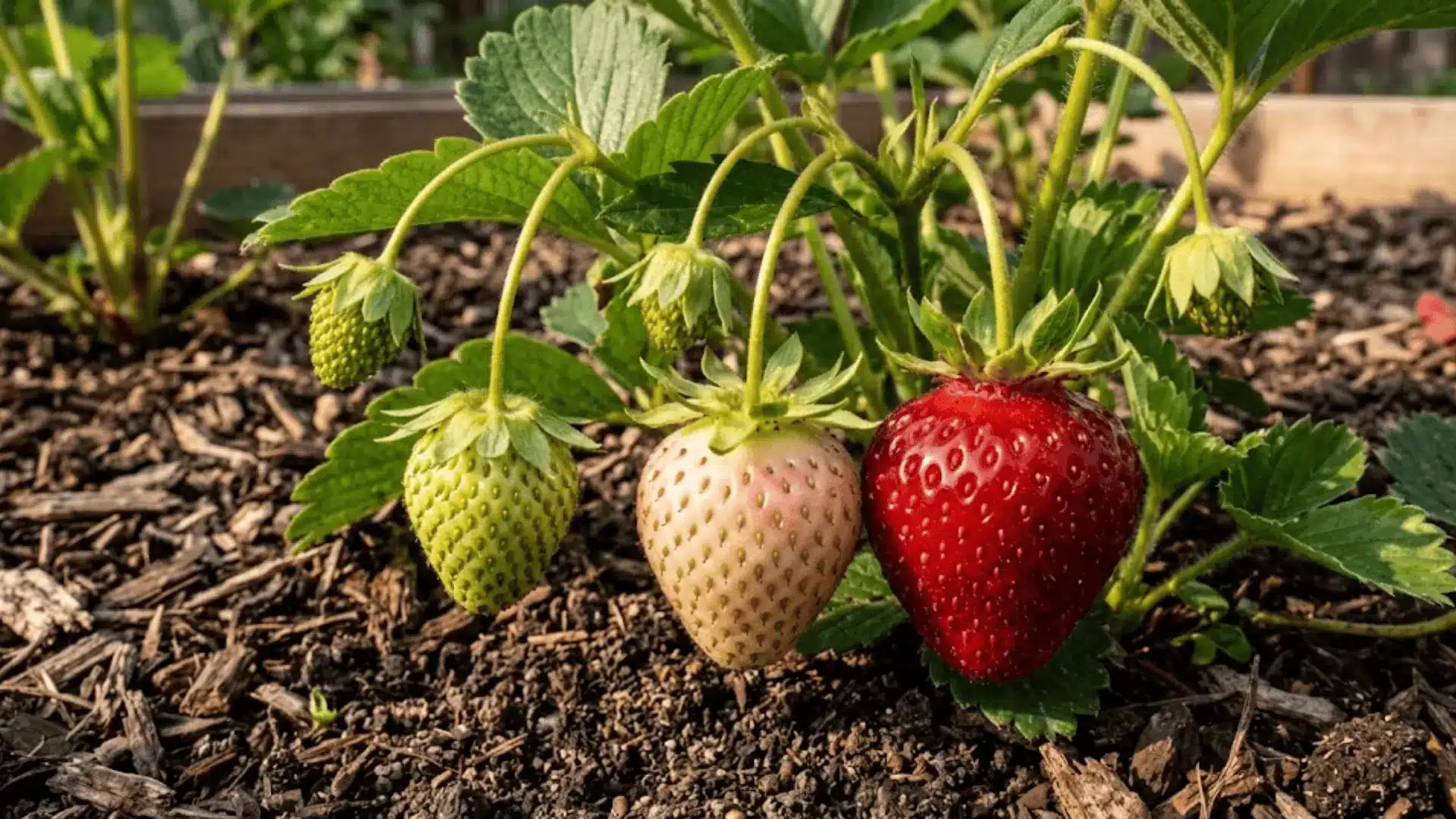
This is the stage everyone waits for. The berry moves through a slow, beautiful transformation, shifting from green to white to that deep, familiar red as natural sugars develop and flavor builds from the inside out.
The full ripening process generally takes a few weeks post-flowering, and rushing it means missing out on the sweetness the plant worked so hard to create.
Stage 9: Harvesting
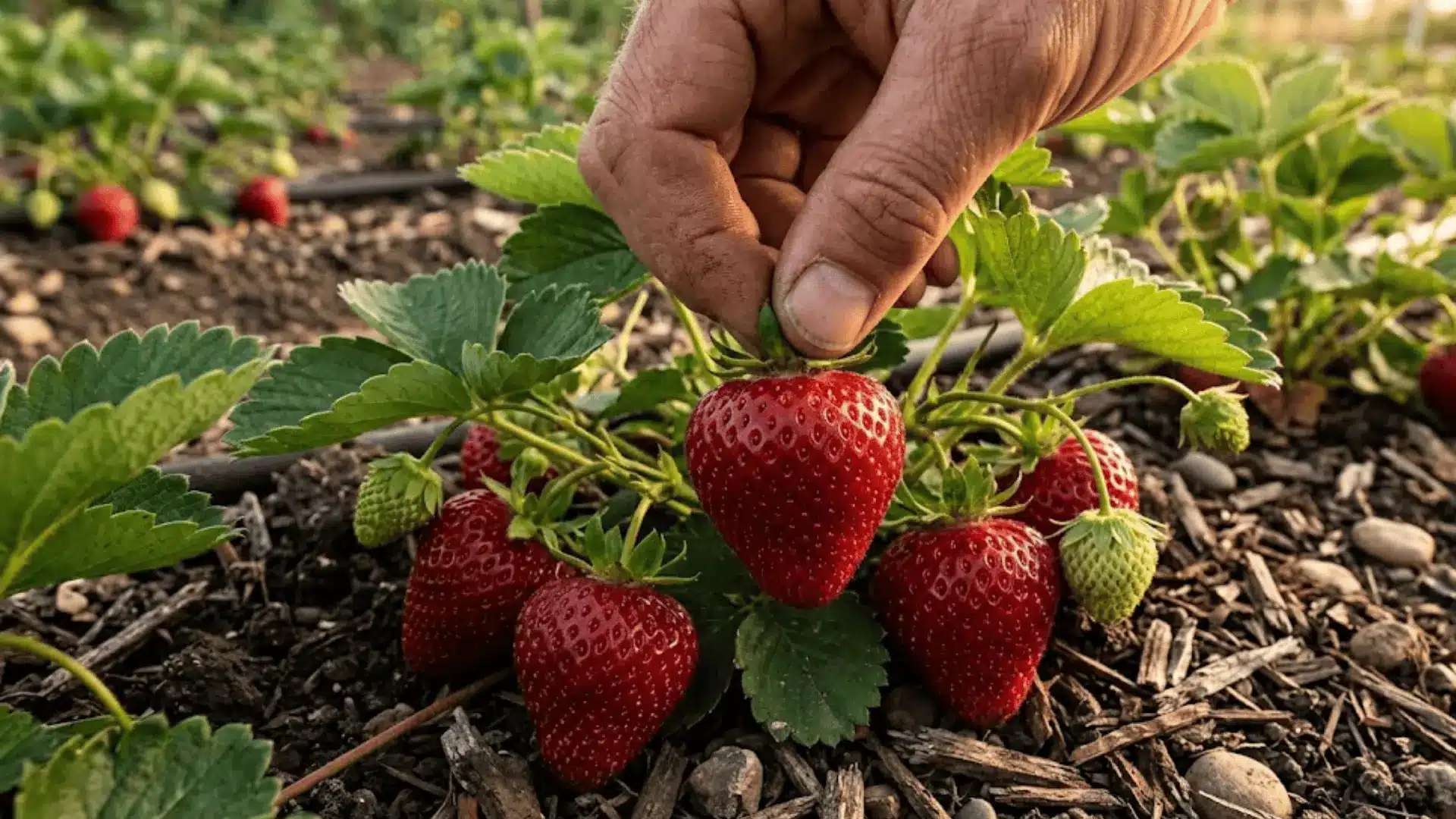
A fully red berry with a natural shine to it is the plant’s way of saying it’s ready. Picking at the right moment makes all the difference between a strawberry that tastes like summer and one that falls flat.
Leaving ripe berries on the plant too long can actually signal it to slow down production, so regular harvesting keeps things moving.
Stage 10: Dormancy
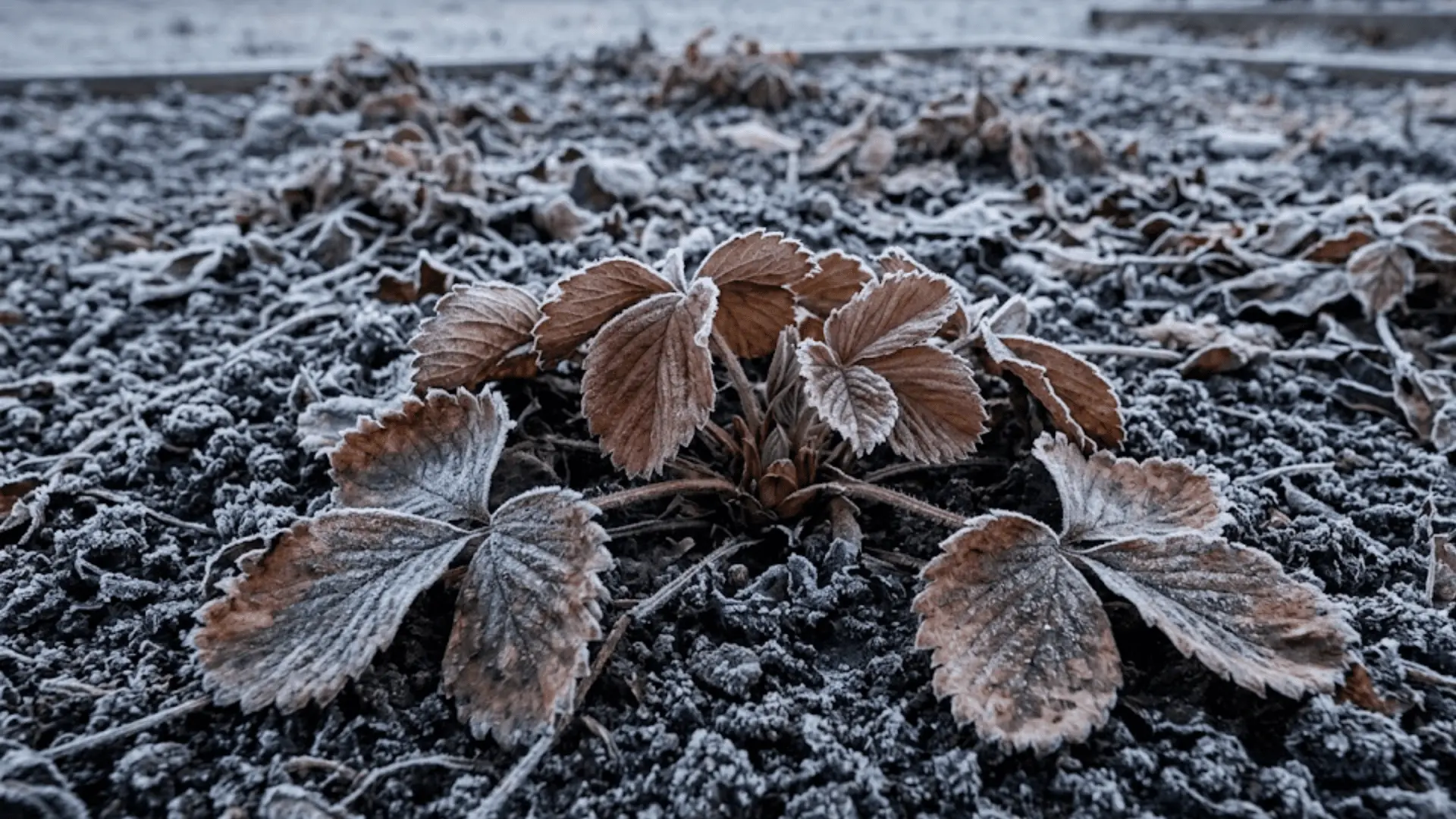
As temperatures drop, the plant eases into rest. Growth slows, leaves may die back, and things go quiet for a while, but the plant is far from finished.
This dormancy period is how the strawberry plant conserves and rebuilds its energy, setting itself up to come back stronger when the warmth returns and the whole beautiful cycle begins again.
Key Parts of a Strawberry Plant
Before you can truly read what your strawberry plant is telling you, it helps to know the parts doing all the talking.
Here’s a quick look at what each component brings to the table.
| Plant Part | Primary Role | Why It Matters |
|---|---|---|
| Roots | Absorb water and nutrients | Keeps the plant fed and anchored |
| Crown | Central growing point | Every leaf, flower, and runner starts here |
| Leaves | Photosynthesis | Converts sunlight into energy for growth |
| Runners (Stolons) | Vegetative reproduction | Roots nearby to create new daughter plants |
| Flowers | Reproduction | Converts into fruit after pollination |
| Fruit | Seed dispersal | Carries seeds that restart the entire cycle |
Factors That Affect the Strawberry Life Cycle
A strawberry plant is more responsive to its environment than most people realize. Get these basics right, and the plant practically does the rest.
- Cooler winters naturally push the plant into dormancy, while warm weather is what wakes the flowering stage up.
- Full sun exposure is non-negotiable for healthy fruit production and consistent yields.
- Well-drained soil keeps root issues at bay, while steady watering directly influences fruit size and quality.
- Strong pollinator activity means better, more evenly shaped fruit across the board.
- Each of these factors compounds on the other, so when one is off, the whole cycle feels it.
Even small adjustments to these conditions can make a noticeable difference in how your plant performs from one season to the next.
How Long Does Each Stage Take?
Strawberry plants move at their own pace, and knowing roughly how long each stage lasts helps you stay one step ahead in the garden.
| Stage | Duration | Key Condition |
|---|---|---|
| Germination | One to two weeks | Warm, moist soil |
| Seedling to Vegetative Growth | Several weeks | Consistent sunlight and care |
| Flowering | Few months after active growth | Warm weather |
| Fruit Development | Four to six weeks | Post-pollination |
| Ripening | Two to three weeks | Warmth and sunlight |
| Dormancy | Through the winter months | Cold temperatures |
Teaching the Strawberry Life Cycle
Few plants make biology as easy to explain as the strawberry. It grows quickly, looks beautiful at every stage, and gives you something delicious at the end of the lesson.
Breaking It Down for Kids
The strawberry life cycle is one of those topics that clicks instantly when it’s explained the right way. Start with the big picture and let the details follow naturally.
- A seed goes into the soil and germinates with the right warmth and moisture.
- It grows into a seedling, pushing out its first leaves and spreading its roots.
- The plant matures, builds energy, and eventually blooms into small white flowers.
- Bees pollinate the flowers, which then slowly convert into green, then red, fruit.
- Once the fruit is harvested, the plant rests through winter and starts the whole cycle fresh come spring.
Classroom Activity Ideas
Hands-on activities are where the real learning happens. Here are a few that work really well for bringing the strawberry life cycle to life in a classroom setting.
| Activity | What It Involves | Best For |
|---|---|---|
| Draw and Label | Illustrate each stage and label the plant parts | Visual learners and early grades |
| Grow from Runners | Plant daughter plants and observe growth firsthand | All age groups |
| Life Cycle Diagram | Map out the full cycle using charts or printouts | Group projects and presentations |
| Observation Journal | Track and document plant changes over time | Building scientific thinking |
Final Thoughts
The strawberry life cycle is honestly one of nature’s more satisfying stories, a seed that becomes a fruit, a plant that rests and comes back, season after season.
Once you understand what’s happening at each stage, growing strawberries starts feeling less like a chore and more like a conversation with your garden.
Tending a backyard patch or introducing it to a classroom, this cycle has a way of making you appreciate the process as much as the harvest.
Tried growing strawberries yourself? Drop your experience in the comments below!