Bananas sit on many kitchen counters for a reason. They are easy, filling, and sweet enough to feel like a treat.
But if you are planning meals to improve iron intake, you may wonder: do bananas have iron? I would answer this with a little balance.
I will help you understand how much iron bananas contain, how they compare with other iron-rich foods, and how to pair them in smarter meals.
You will also learn which foods support iron intake, who may need more iron, and when signs of low iron should be taken seriously.
Do Bananas Have Iron?
Yes, bananas do contain iron, but they provide only a small amount. One medium banana contains about 0.33 mg of iron, which is low compared with daily iron needs.
This means bananas should not be seen as a high-iron food. They are better known for potassium, fiber, vitamin B6, and vitamin C.
Still, bananas can be useful in an iron-rich diet when paired with stronger iron sources like spinach, lentils, beans, nuts, seeds, or iron-fortified cereal.
People with low iron, anemia symptoms, heavy periods, pregnancy needs, or plant-based diets should focus on foods with more iron. Bananas can support a healthy diet, but they should not be your primary source of iron.
Banana Nutrition Health Facts
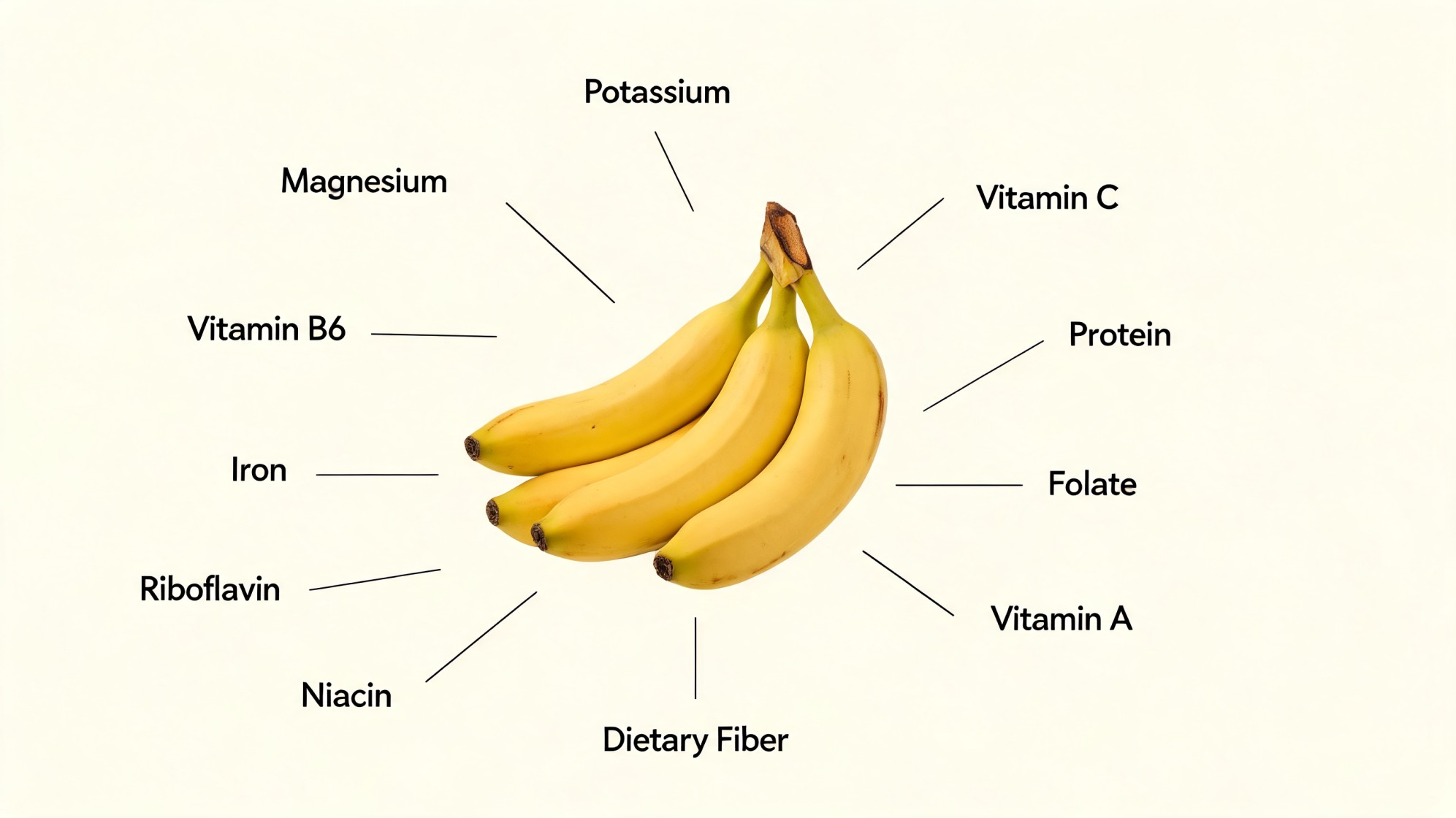
Bananas are not rich in iron, but they do offer several nutrients that make them a healthy everyday fruit. They are best known for potassium, fiber, vitamin B6, and vitamin C.
These nutrients support energy, digestion, heart health, and general wellness. When writing about bananas and iron, it helps to show the full nutrition picture so readers understand what bananas can and cannot do for iron intake.
1. Iron Content in Bananas
Bananas contain iron, but the amount is small. One medium banana has about 0.33 mg of iron, which is only a small part of what most people need each day. This is why bananas are not considered high-iron foods.
They can still be part of an iron-friendly meal, especially when paired with iron-rich foods such as lentils, beans, spinach, seeds, or iron-fortified cereal. For someone asking, “do bananas have iron?” the clear answer is yes, but not enough to rely on as a main iron source.
2. Potassium, Fiber, Vitamin B6, and Vitamin C
Bananas are more useful for other nutrients than for iron. A medium banana provides potassium, which helps support normal muscle and heart function. It also gives you fiber, which supports digestion and helps you feel full. Vitamin B6 helps the body use protein and supports normal red blood cell function.
Bananas also contain vitamin C, which can help the body absorb plant-based iron from other foods. This makes bananas a smart add-on to meals, even if they are not high in iron themselves.
3. Bananas Compare With Daily Iron Needs
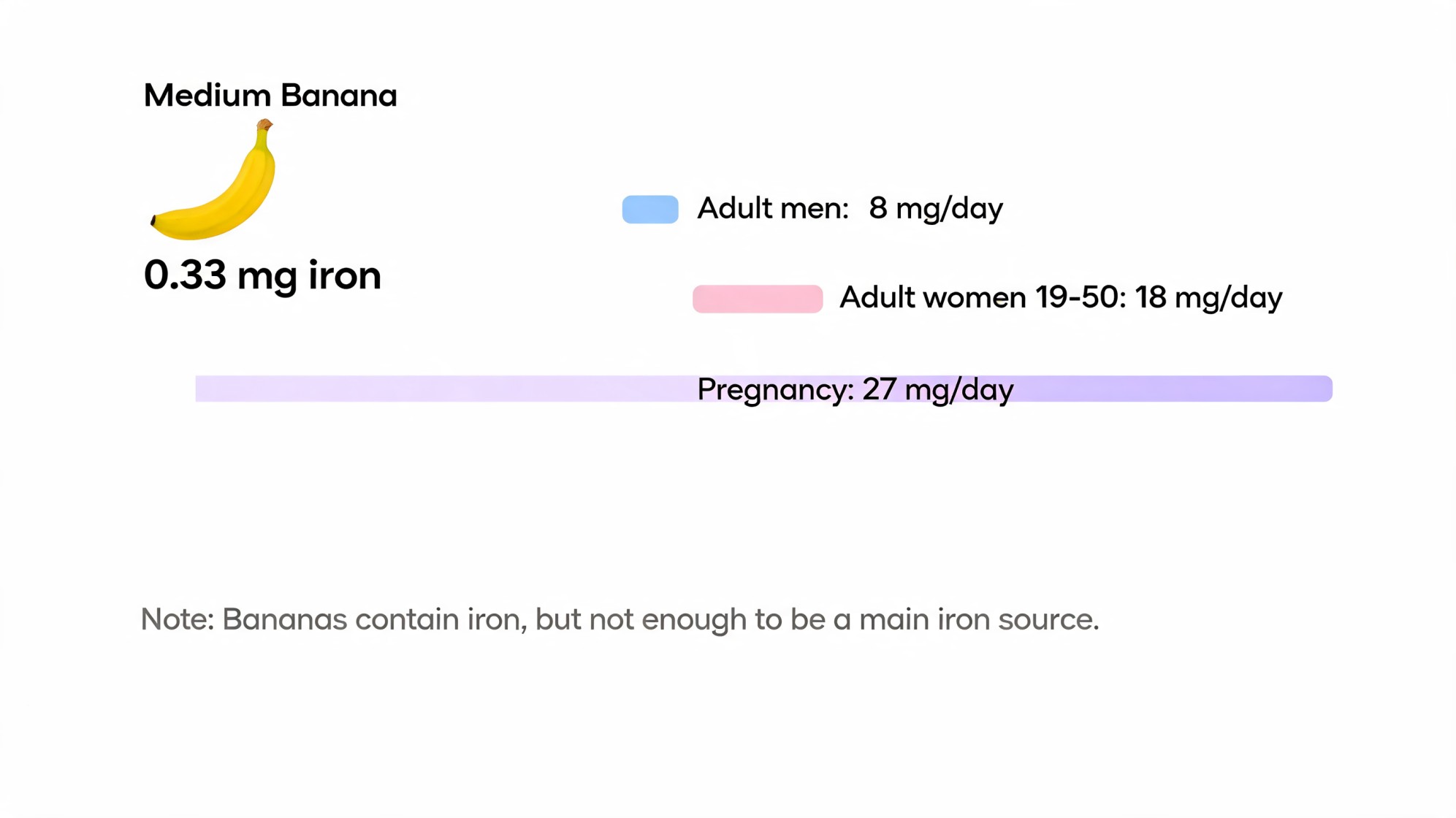
The iron in bananas is low compared with daily needs. Adult men usually need about 8 mg of iron per day, while many adult women need about 18 mg per day. A medium banana, with about 0.33 mg of iron, provides only a small share of that amount. Pregnant people often need even more iron, so bananas alone will not be enough.
To meet iron needs, it is better to eat stronger sources like meat, seafood, lentils, beans, tofu, spinach, pumpkin seeds, or fortified grains. Bananas can support the meal, but they should not carry it.
Bananas are a healthy fruit, but they are not the answer if your main goal is more iron. They work best as part of a balanced diet with higher-iron foods. This keeps the section honest, helpful, and clear for readers planning their meals.
Are Bananas Good for Iron Deficiency?
Bananas do contain a little iron, but they cannot treat iron deficiency by themselves. They work best as part of a balanced diet with stronger iron-rich foods.
- Small Iron Amount: Bananas have only a low amount of iron, so eating more bananas will not quickly raise iron levels.
- Better With Iron-Rich Foods: Pair bananas with foods like lentils, beans, spinach, tofu, meat, seafood, seeds, or iron-fortified cereal.
- Helpful Nutrients: Bananas contain vitamin C and vitamin B6, which support general blood health.
- Anemia Needs Care: Fatigue, weakness, dizziness, or pale skin may need blood tests, diet changes, or iron supplements from a doctor.
Bananas vs. Foods High in Iron
When I compare bananas with other iron-rich foods, I do not consider bananas the primary iron source. I see them as a helpful fruit you can pair with stronger foods. This makes it easier for you to build a better iron-rich meal without expecting one banana to do all the work.
| Food | Serving | Approximate Iron | Iron Tier |
|---|---|---|---|
| Cooked spinach | 1 cup | 6.4 mg | High |
| Lentils | 1 cup cooked | 6.6 mg | High |
| White beans | 1 cup cooked | 6.6 mg | High |
| Beef | 3 oz cooked | 2.1 mg | Moderate |
| Sardines | 3 oz | 2.5 mg | Moderate |
| Eggs | 1 large | 0.9 mg | Low-Moderate |
| Dried apricots | 1/2 cup | 1.7 mg | Moderate |
| Prunes | 1/2 cup | 0.8 mg | Low-Moderate |
| Raisins | 1/4 cup | 0.8 mg | Low-Moderate |
| Banana | 1 medium | 0.33 mg | Low |
Bananas sit near the low end in terms of iron. That does not make them a bad food. It just means you should pair them with lentils, beans, spinach, seeds, meat, fish, or fortified cereal if your goal is to raise iron intake.
How Much Iron Do You Actually Need Per Day?
Daily iron needs are different for everyone and can change with age, sex, diet, pregnancy, and health needs. Bananas add a little iron, but stronger iron-rich foods matter more for meeting daily targets.
- Adult Men: Most adult men need about 8 mg of iron per day.
- Adult Women: Women ages 19 to 50 usually need about 18 mg per day due to monthly blood loss.
- Pregnancy Needs: During pregnancy, iron needs rise to about 27 mg daily to support the baby and extra blood production.
- Children and Teens: Kids and teens may need more iron during growth stages.
- Vegetarian or Vegan Diets: Plant-based iron is harder to absorb, so these diets may need extra planning.
- Banana Iron Content: One banana has about 0.33 mg of iron, so it helps a little but is not a strong source.
Best Foods High in Iron to Add to Your Diet
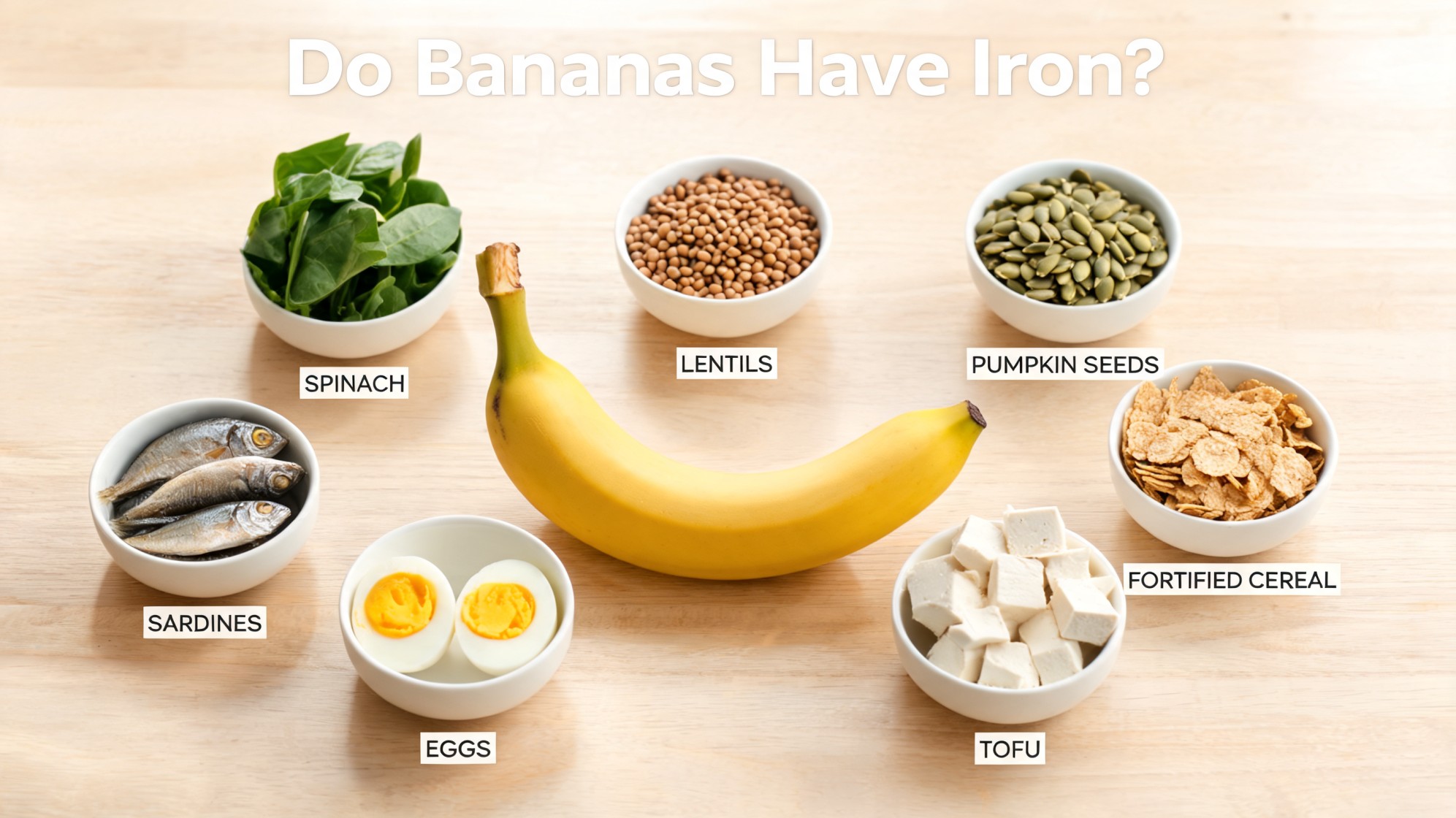
If you want more iron, bananas can be part of your meals, but they should not be the main source. I would treat bananas as a supporting food and build the meal around stronger iron choices. The best iron-rich diet includes both animal-based and plant-based foods, plus vitamin C-rich foods that help your body use iron better.
1. Animal-Based Iron Sources
Animal-based foods are some of the best sources of iron because they contain heme iron. This type is easier for the body to absorb than plant-based iron. Good options include beef, lamb, chicken, turkey, tuna, sardines, salmon, eggs, and organ meats like liver. You do not need to eat large portions to get benefits.
A small serving of meat or fish can add more iron than a banana. These foods may be useful for people with low iron, but balance still matters. Choose lean cuts when possible and pair them with vegetables, whole grains, or fruit for a more complete meal.
2. Plant-Based Iron Sources
Plant-based foods can also help you raise iron intake, especially if you eat them often. Lentils, chickpeas, beans, tofu, tempeh, edamame, pumpkin seeds, sesame seeds, hemp seeds, cashews, almonds, and quinoa all provide non-heme iron. This type of iron is not absorbed as easily as heme iron, but smart pairings can help.
Add vitamin C-rich foods like oranges, strawberries, bell peppers, tomatoes, or lemon juice to the same meal. For example, you can eat lentils with tomato salad or oatmeal with seeds and fruit. These simple pairings make plant-based iron more useful for your body.
3. Iron-Rich Fruits
Most fruits are not very high in iron, but some contain more than bananas. Dried apricots, raisins, prunes, mulberries, dates, and figs are better fruit choices for iron. Dried fruits are more concentrated, so they often provide more iron per serving than fresh fruits. Still, they can be high in natural sugar, so a small portion is enough.
You can add them to oatmeal, trail mix, yogurt bowls, or smoothies. Bananas still fit well here because they add sweetness and texture. Pairing bananas with dried fruit, seeds, or fortified cereal can make a more iron-friendly snack.
4. Iron-Rich Vegetables
Some vegetables offer more iron than bananas, especially leafy greens. Spinach, Swiss chard, beet greens, collard greens, kale, peas, broccoli, and mushrooms can all support iron intake. Cooked greens usually provide more iron per cup than raw greens because the leaves shrink during cooking. However, plant-based iron requires vitamin C for better absorption.
A good meal could include cooked spinach with lemon juice, beans with bell peppers, or broccoli with tofu. Vegetables also provide fiber, folate, and other nutrients that support overall health. They are a smart part of any iron-focused eating plan.
5. Iron-Fortified Foods
Iron-fortified foods can be helpful when it is hard to meet iron needs from whole foods alone. Many breakfast cereals, oatmeal packets, breads, pasta, and plant-based milk products may have added iron. The amount can vary a lot by brand, so it helps to check the nutrition label. Fortified cereal with banana slices is one of the easiest ways to incorporate bananas into a higher-iron breakfast.
You can also add seeds or berries for more nutrients. Fortified foods should not replace a balanced diet, but they can fill gaps, especially for children, vegetarians, vegans, or people with higher iron needs.
The best plan is to pair bananas with stronger iron sources rather than relying on them alone. A banana with fortified cereal, seeds, spinach, lentils, beans, tofu, fish, or lean meat makes for a much better iron-rich meal.
How to Improve Iron Absorption
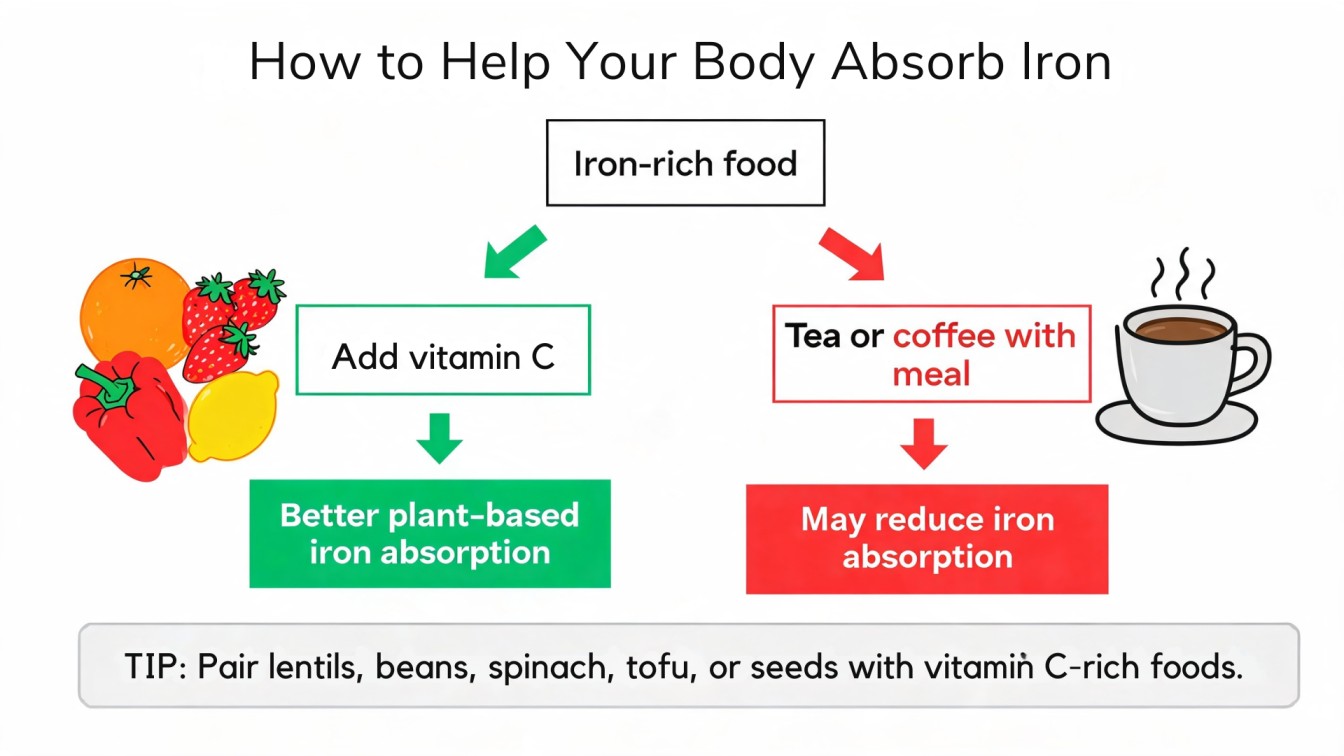
Getting enough iron is not only about how much iron you eat. It also depends on how well your body absorbs it. This matters even more with plant-based iron from foods like lentils, beans, spinach, tofu, seeds, and fortified cereal.
- Pair Iron-Rich Foods With Vitamin C: Add oranges, strawberries, tomatoes, bell peppers, kiwis, or lemon juice to iron-rich meals to help your body absorb plant-based iron more effectively.
- Eat Iron-Rich Foods Away From Tea and Coffee: Tea and coffee can reduce iron absorption, so try drinking them at least an hour before or after iron-rich meals.
- Balance Plant-Based Iron With Better Food Pairings: Combine plant-based iron foods with protein, whole grains, and vitamin C-rich fruits or vegetables for a stronger, more balanced meal.
Bananas can fit into this plan, but they work best as a supporting food. Pair them with stronger iron sources rather than relying on them alone.
Best Ways to Eat Bananas for More Iron
Bananas alone add only a small amount of iron. The better move is to pair them with foods that bring more iron to the meal. This way, you still enjoy bananas, but the full snack or breakfast becomes more useful for your iron intake.
| Pairing | Approximate Added Iron | Why It Works |
|---|---|---|
| Banana + iron-fortified cereal | Varies by brand | Fortified cereals can add much more iron than the banana itself, making this one of the easiest iron-focused breakfasts. |
| Banana + oatmeal + pumpkin seeds | +2.5 mg from 1 oz pumpkin seeds | Oats add some iron, while pumpkin seeds give the meal a stronger iron base. |
| Banana + spinach + strawberries smoothie | +0.8 mg from 1 cup raw spinach | Spinach adds plant-based iron, and strawberries add vitamin C to help support iron absorption. |
| Banana + peanut butter | +0.3 mg from 1 tbsp peanut butter | Peanut butter adds a little iron, plus protein and fat to make the snack more filling. |
| Banana + chia pudding | +1 mg from 1 tbsp chia seeds | Chia seeds add iron, fiber, and texture, making this a better snack than a banana alone. |
| Banana smoothie bowl + flaxseed | +0.4 mg from 1 tbsp ground flaxseed | Flaxseed adds small amounts of iron and healthy fats without changing the flavor much. |
| Banana energy bites with oats and seeds | Varies by recipe | Oats, sesame seeds, chia seeds, or pumpkin seeds can raise the iron level of homemade snacks. |
| Banana eaten after lentils, beans, tofu, or meat | Varies by meal | The main meal gives the iron, while the banana adds nutrients and makes the meal more balanced. |
Nutrition Tip: If you want more iron, do not rely on bananas alone. Add pumpkin seeds, chia seeds, fortified cereal, lentils, beans, tofu, spinach, meat, or fish to the same meal.
Who May Need More Iron?
Some people need more iron because their bodies use it faster, lose it more often, or absorb less from food. If you fall into one of these groups, bananas can still fit into your meals, but you may need additional iron sources as well.
- Women of Childbearing Age: Monthly blood loss can raise iron needs, so foods like lentils, beans, meat, seafood, seeds, and fortified grains may be important.
- Pregnant People: Iron needs rise during pregnancy because the body makes more blood to support both the parent and the baby.
- Children and Teens: Growth can increase iron needs, especially during puberty, when the body is changing quickly.
- Vegetarians and Vegans: Plant-based iron is harder to absorb, so it helps to pair beans, tofu, spinach, and seeds with vitamin C-rich foods.
- People With Heavy Periods or Low Iron Symptoms: Heavy bleeding, tiredness, weakness, dizziness, or pale skin may signal low iron and should be checked by a doctor.
If you think your iron is low, it is better to check with a healthcare provider instead of guessing. Food can help, but some people may need testing or supplements.
Signs You May Not Be Getting Enough Iron
Low iron can show up slowly, and the signs may feel easy to blame on stress, poor sleep, or a busy routine. If you notice several symptoms together, it may be worth checking your iron levels with a doctor.
- Tiredness, Weakness, and Pale Skin: Low iron can reduce healthy red blood cell support, which may leave you feeling drained, weak, or looking paler than usual.
- Dizziness, Shortness of Breath, or Fast Heartbeat: When your body is not getting enough oxygen, you may feel lightheaded or short of breath, or notice your heart beating faster.
- Cold Hands and Feet: Poor oxygen delivery may make your hands and feet feel colder than normal, even when the weather is not very cold.
- Headaches or Trouble Focusing: Low iron may affect oxygen flow to the brain, which can lead to headaches, brain fog, or poor focus.
- Brittle Nails or Hair Shedding: Some people notice weak nails, more hair fall, or changes in hair texture when iron levels are low.
- Restless Legs: Low iron may be linked with an uncomfortable urge to move the legs, especially at night.
- Unusual Cravings: Craving ice, clay, dirt, or other non-food items can sometimes be a sign of iron deficiency.
These symptoms do not always mean low iron, but they should not be ignored. A simple blood test can help you know what is really going on.
When to Speak With a Doctor
You should speak with a doctor if you think your iron levels may be low, especially if symptoms persist or affect your daily life.
Food changes can help, but they may not be enough if you have anemia, heavy bleeding, pregnancy needs, or trouble absorbing nutrients. A doctor can check your iron levels with a blood test and tell you whether diet changes or supplements are needed.
Warning signs to watch for:
- Extreme tiredness that does not improve
- Shortness of breath during simple tasks
- Fast or irregular heartbeat
- Chest pain
- Fainting or severe dizziness
- Very pale skin
- Heavy or long periods
- Blood in stool or vomit
- Craving ice, clay, or dirt
Frequently Asked Questions
Is a banana a berry?
Yes, a banana is technically a berry based on how it grows from a single flower with seeds inside. In everyday use, most people simply call it a fruit. From a nutritional view, bananas provide fiber, potassium, and small amounts of iron, along with other helpful nutrients.
Is it good to eat a banana every day?
For most people, eating a banana every day is completely fine. Bananas provide potassium, fiber, vitamin B6, and natural carbohydrates that support energy and digestion. The key is balance. Pair bananas with protein, healthy fats, or iron-rich foods instead of relying on them as a complete meal.
What foods raise iron quickly?
Foods that contain heme iron usually help the fastest because the body absorbs them more easily. Good choices include red meat, liver, seafood, eggs, and poultry. Plant-based options like lentils, beans, spinach, tofu, pumpkin seeds, and fortified cereal also help when paired with vitamin C-rich foods.
Can GLP-1 cause low iron?
GLP-1 medicines do not directly cause low iron levels, but they may reduce appetite and food intake in some people. Over time, this can make it harder to meet daily nutrient needs, including iron. If fatigue, dizziness, or weakness appear, it is smart to discuss testing with a doctor.
Why do some doctors say not to eat bananas?
Doctors usually do not tell healthy people to avoid bananas completely. In some cases, people with kidney disease, certain digestive issues, or blood sugar concerns may need to limit portions. Bananas are still considered a healthy food for most people when eaten as part of a balanced diet.
Final Takeaway
So, do bananas have iron? Yes, they do, but only in a small amount.
From my view, bananas are better seen as a support food, not a main source of iron. They bring potassium, fiber, vitamin B6, and vitamin C to your plate, which makes them useful in a balanced diet.
If your goal is to increase iron intake, pair bananas with stronger sources of iron, such as lentils, beans, spinach, seeds, meat, fish, tofu, or iron-fortified cereal.
That is where the meal becomes more helpful. The goal is not to remove bananas from your diet. It is to place them wisely.
A banana alone will not fix low iron, but a smart meal built around iron-rich foods can move you in the right direction.