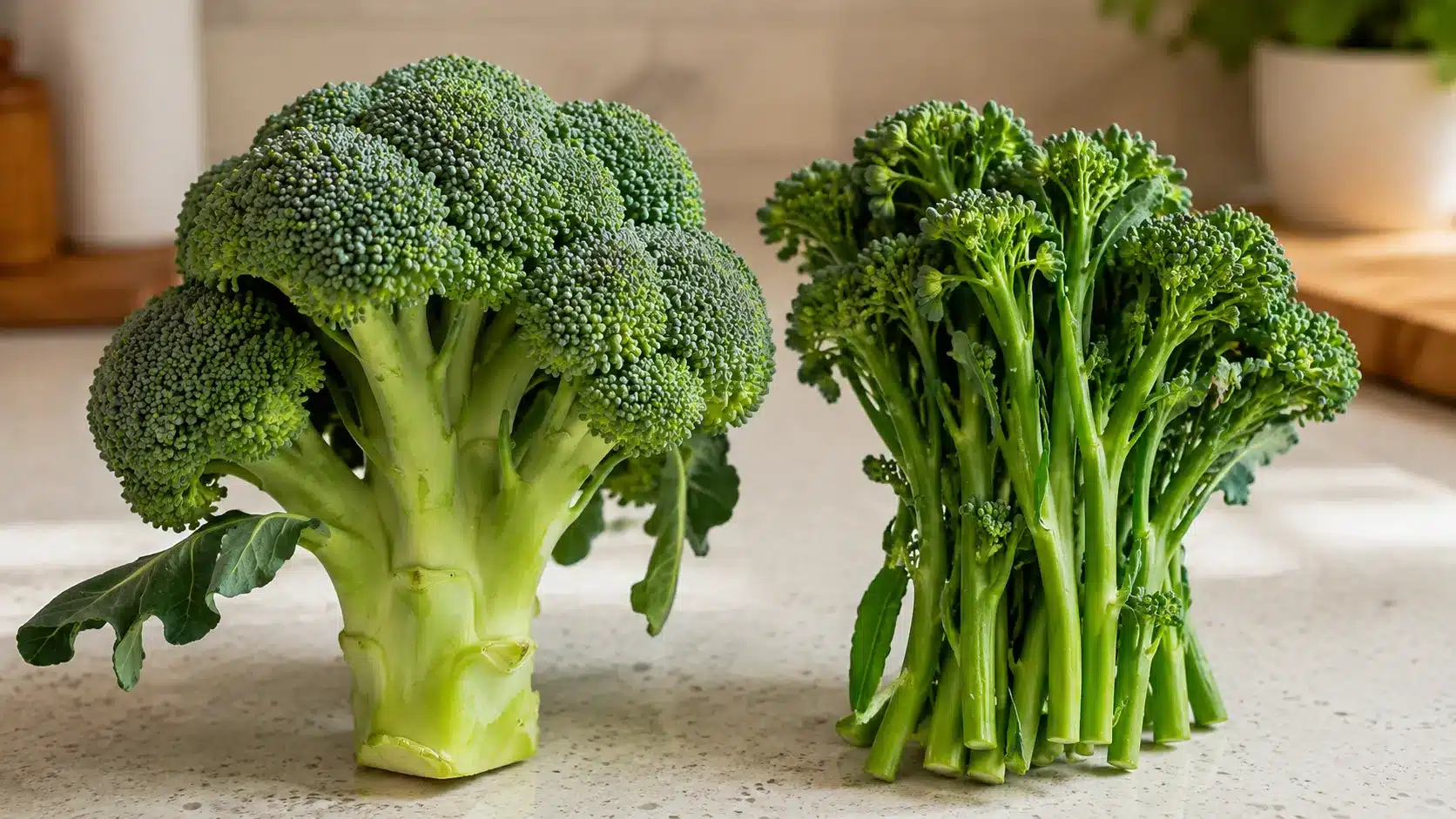
| Feature | Broccoli | Broccolini |
| Origin | Common Brassica vegetable | A hybrid of broccoli and Chinese broccoli |
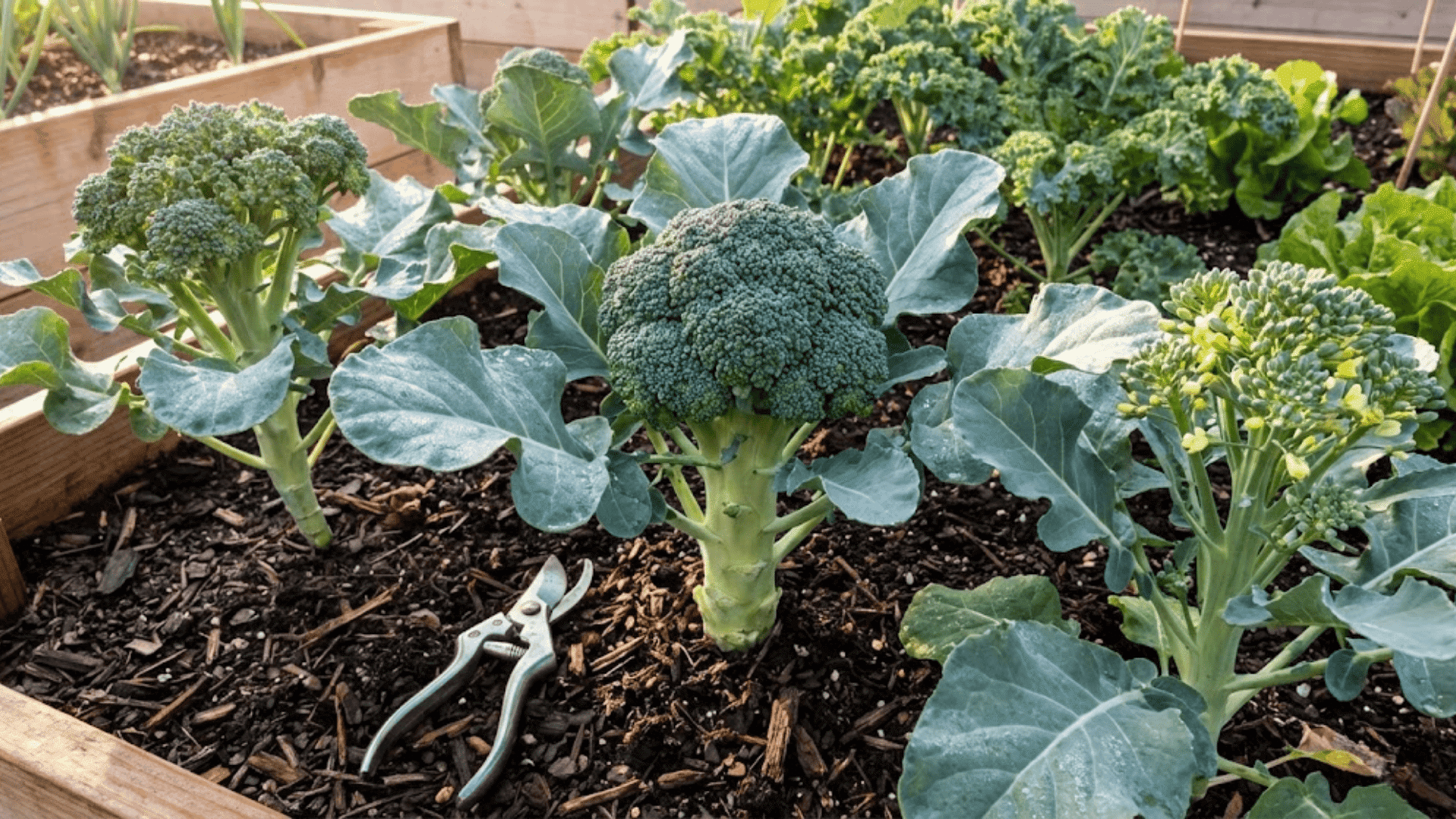
| Shape | Thick stalk, large crown, dense florets | Long thin stems, small florets, small leaves |
| Taste | Earthy, stronger, sometimes slightly bitter | Mild, sweeter, lightly peppery |
| Texture | Firm, especially in the stalk | Tender from stem to floret |
| Prep | More chopping, sometimes peeling | Quick trim and rinse |
| Best cooking methods | Steaming, stir-frying, soups, casseroles | Roasting, grilling, sautéing |
| Best for | Filling meals and meal prep | Fast sides and lighter plates |
| Cost | Usually cheaper | Often pricier |
I have stood in the produce aisle looking at broccoli and broccolini like they were cousins who refused to explain the family tree. One has a thick stalk and a big green crown. The other looks slimmer, softer, and a little more “weeknight dinner with effort” without needing much effort at all.
The good news is that the broccoli vs broccolini difference is easy once you know what to look for. Broccoli is the familiar, sturdy vegetable most of us grew up seeing on dinner plates.
Broccolini is a hybrid of broccoli and Chinese broccoli, also called gai lan, with long stems and smaller florets.
It is often sweeter, milder, and faster to cook. This matters because picking the right one can change your meal. Broccoli can handle soups, casseroles, and stir-fries. Broccolini shines when roasted, sautéed, or grilled. Let’s make the choice simple.
What Is Broccoli?
Broccoli is a green cruciferous vegetable with a thick stalk, branching stems, and a dense crown of florets. It belongs to the Brassica family, the same group that includes cabbage, cauliflower, Brussels sprouts, kale, and Chinese broccoli.
The part most people cook is the crown, but the stalk is edible too. The stalk can be firm and a little woody near the outside, so peeling it helps. Once peeled and sliced, it becomes sweet, crisp, and useful in stir-fries, soups, slaws, and roasted vegetable trays.
Broccoli has an earthy taste. Some people notice a mild bitterness, especially when it is raw or overcooked. That strong “broccoli smell” usually comes from cooking it too long. A shorter cook time keeps the color brighter and the flavor cleaner.
Nutritionally, broccoli is known for fiber, vitamin C, vitamin K, folate, and potassium. USDA FoodData Central is a reliable source for verifying broccoli’s nutrient profile because it manages food data through the Agricultural Research Service and the National Agricultural Library.
Think of broccoli as the reliable one. It is easy to find, usually costs less, and works in many dishes. Now, let’s look at broccolini because that is where much of the grocery store confusion starts.
What Is Broccolini?
Broccolini is a green vegetable with long, thin stems, small florets, and a mild, sweet taste. It is a hybrid of broccoli and Chinese broccoli, also called gai lan or Chinese kale. It is not simply young broccoli, even though some stores label it as baby broccoli.
Broccolini was developed by crossing broccoli with gai lan, which gives it a different shape and eating experience than regular broccoli. The stems are thinner and more tender, so you can eat nearly the whole piece from stem to floret. FreshPlaza notes that Broccolini baby broccoli is a natural hybrid of broccoli and Chinese kale, with a sweeter and milder flavor than regular broccoli.
This is why broccolini feels easier on busy nights. It usually needs a rinse, a trim at the ends, and a few minutes in a hot pan. It cooks quickly, looks nice on a plate, and needs little beyond oil, salt, pepper, garlic, lemon, or chili flakes.
The main thing to remember is simple: broccolini is related to broccoli, but it is not the same vegetable. That difference affects taste, prep, cook time, and the dishes where each one works best.
Is Baby Broccoli the Same as Broccolini?
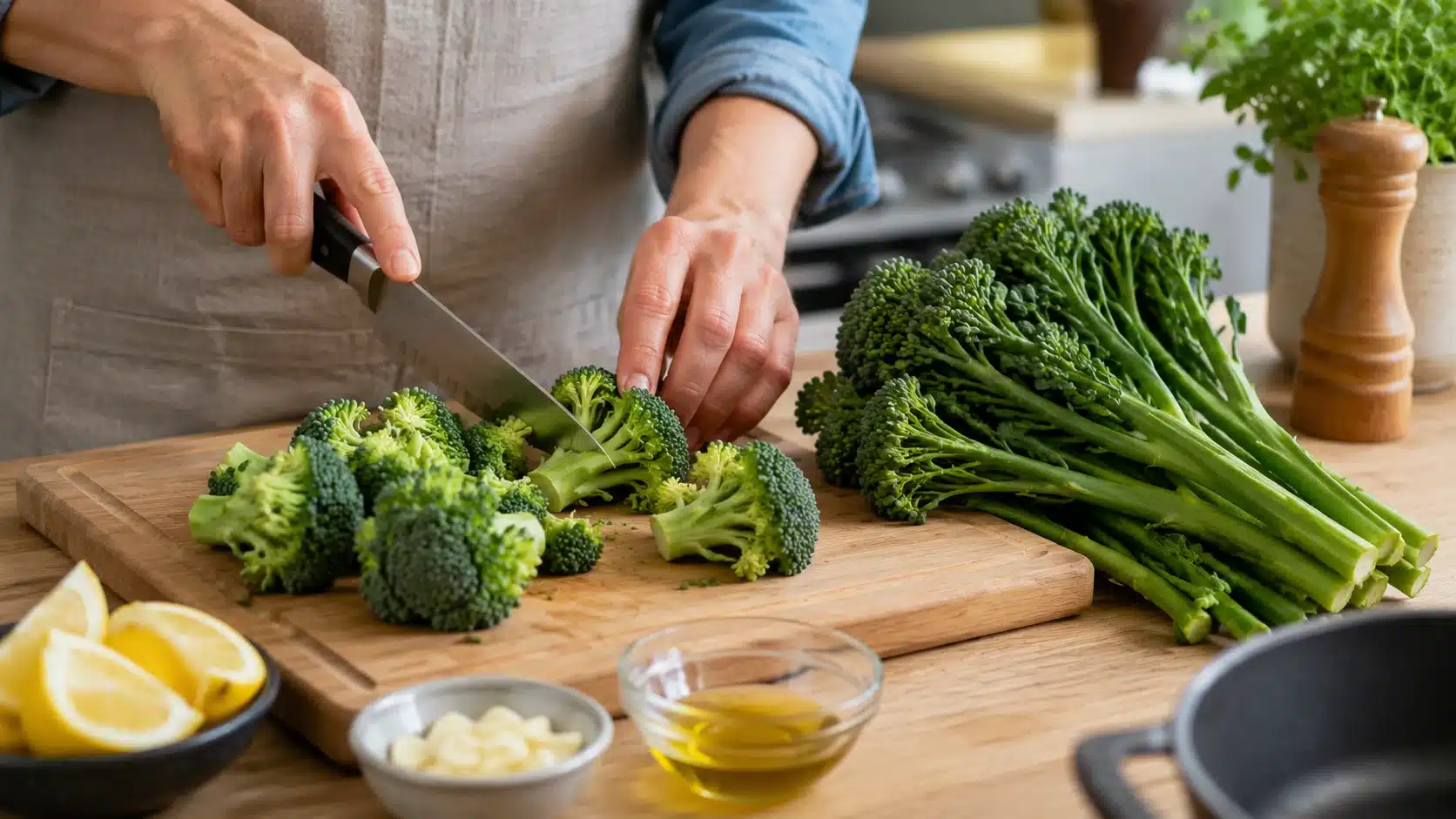
Broccolini is often sold as baby broccoli, but the names do not always mean the same thing. Broccolini is a hybrid of broccoli and Chinese broccoli, while baby broccoli can sometimes mean regular broccoli harvested young. The easiest way to tell is by checking the shape.
| Feature | Broccolini | Baby Broccoli |
| Origin | A hybrid of broccoli and Chinese broccoli, also called gai lan. | Can mean young broccoli harvested early, depending on the grower or label. |
| Store label | Sometimes sold as baby broccoli. | May be used as a general label for tender young broccoli. |
| Stem shape | Long, thin stems that are tender from top to bottom. | Usually has thicker stems than broccolini. |
| Florets | Small, loose florets with a lighter, softer look. | More broccoli-like crowns with tighter florets. |
| Leaves | Often has small leaves along the stems. | May have fewer visible leaves. |
| Taste | Mild, slightly sweet, and lightly peppery. | More like regular broccoli, with a firmer bite. |
| The best way to identify | Look for long, thin stems and small florets. | Look for thicker stems and more broccoli-like crowns. |
So, is baby broccoli the same as broccolini? Sometimes in-store language, yes. In plant origin, not always. If the label is unclear, check the stems first. Long, thin stems usually indicate broccolini, while thicker stems usually indicate young broccoli.
Broccoli vs Broccolini: Key Differences
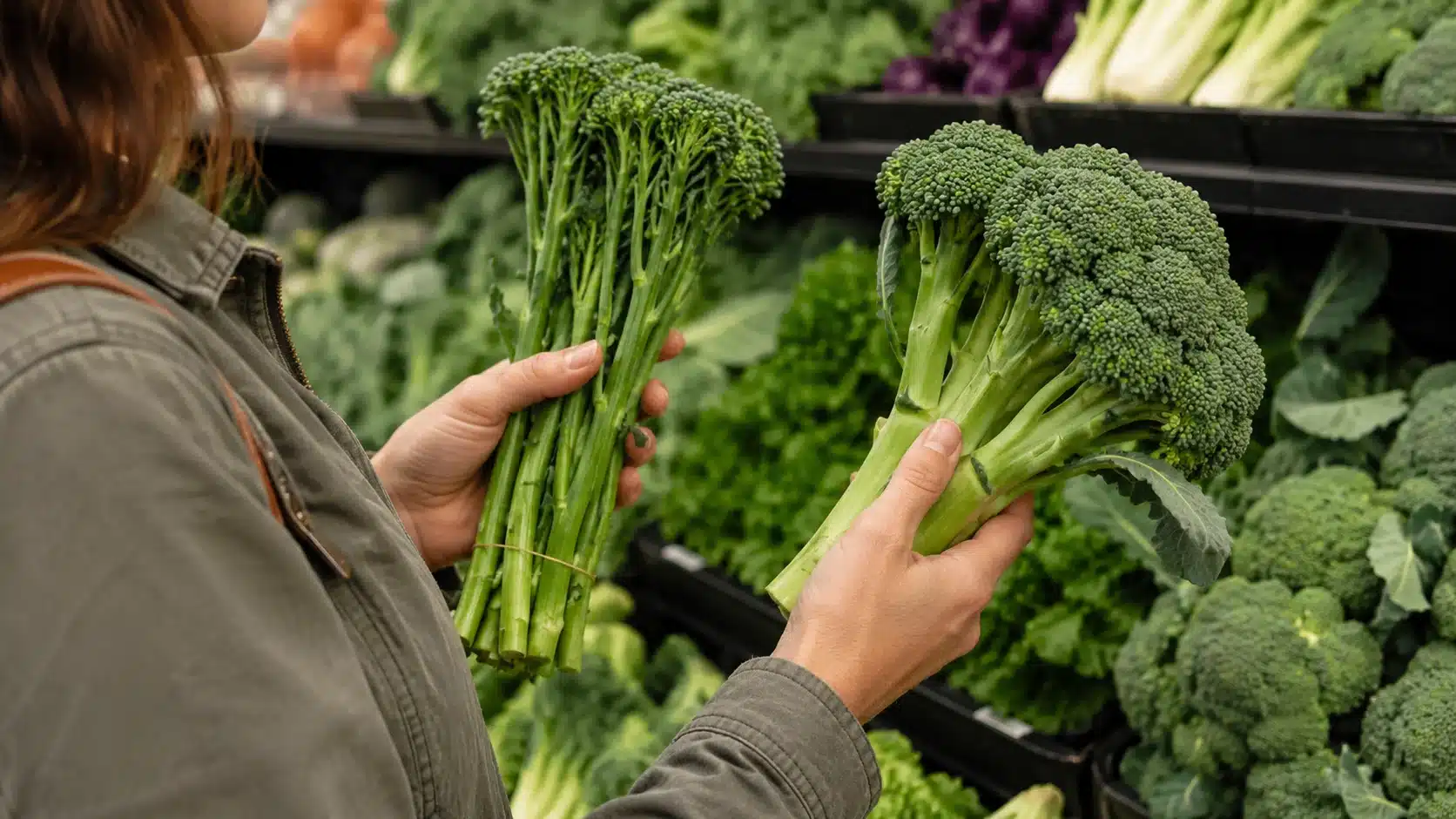
Broccoli and broccolini differ most in shape, flavor, texture, prep, cook time, and best use. Broccoli is thicker, earthier, and better for hearty dishes. Broccolini is slimmer, sweeter, and better for quick cooking.
1. Appearance
Broccoli has a thick main stalk with a large green crown. The florets are tight and clustered, which makes broccoli feel more solid and chunky.
When you cut it, you usually separate the crown into smaller florets and decide what to do with the stalk. That thick shape is why broccoli works well in dishes that need bite, structure, and a vegetable that will not fall apart right away.
2. Taste and Texture
Broccoli tastes earthy, green, and a little stronger than broccolini. Raw broccoli can feel crisp and firm, while cooked broccoli can turn soft if left too long.
Broccolini has a milder taste, a sweeter edge, and a light peppery note. Its stems are thinner, so they turn tender faster. If broccoli is the bold one at the table, broccolini is the calmer one with better manners.
3. Cooking Prep
Broccoli needs more prep because of its size and thicker stalk. You usually cut the crown into florets, trim the stalk, and peel the outer layer if it feels tough.
Broccolini is easier. Trim the dry ends, rinse it well, and cook it whole or halved lengthwise. That prep gap matters on busy nights, especially when five fewer minutes at the cutting board feels like a small win.
4. Nutrition
Both broccoli and broccolini are strong choices. Broccoli provides fiber, vitamin C, vitamin K, folate, and minerals. Broccolini also provides fiber and key nutrients, including vitamin A, calcium, potassium, and iron.
Healthline describes broccolini as a cruciferous vegetable related to broccoli and Chinese kale, with fiber, protein, potassium, and iron.
Do not think of this as a winner-takes-all contest. The better choice is the one you will cook and eat often. A vegetable sitting untouched in the fridge has a nutrition score of zero in real life.
Culinary Uses of Broccoli and Broccolini
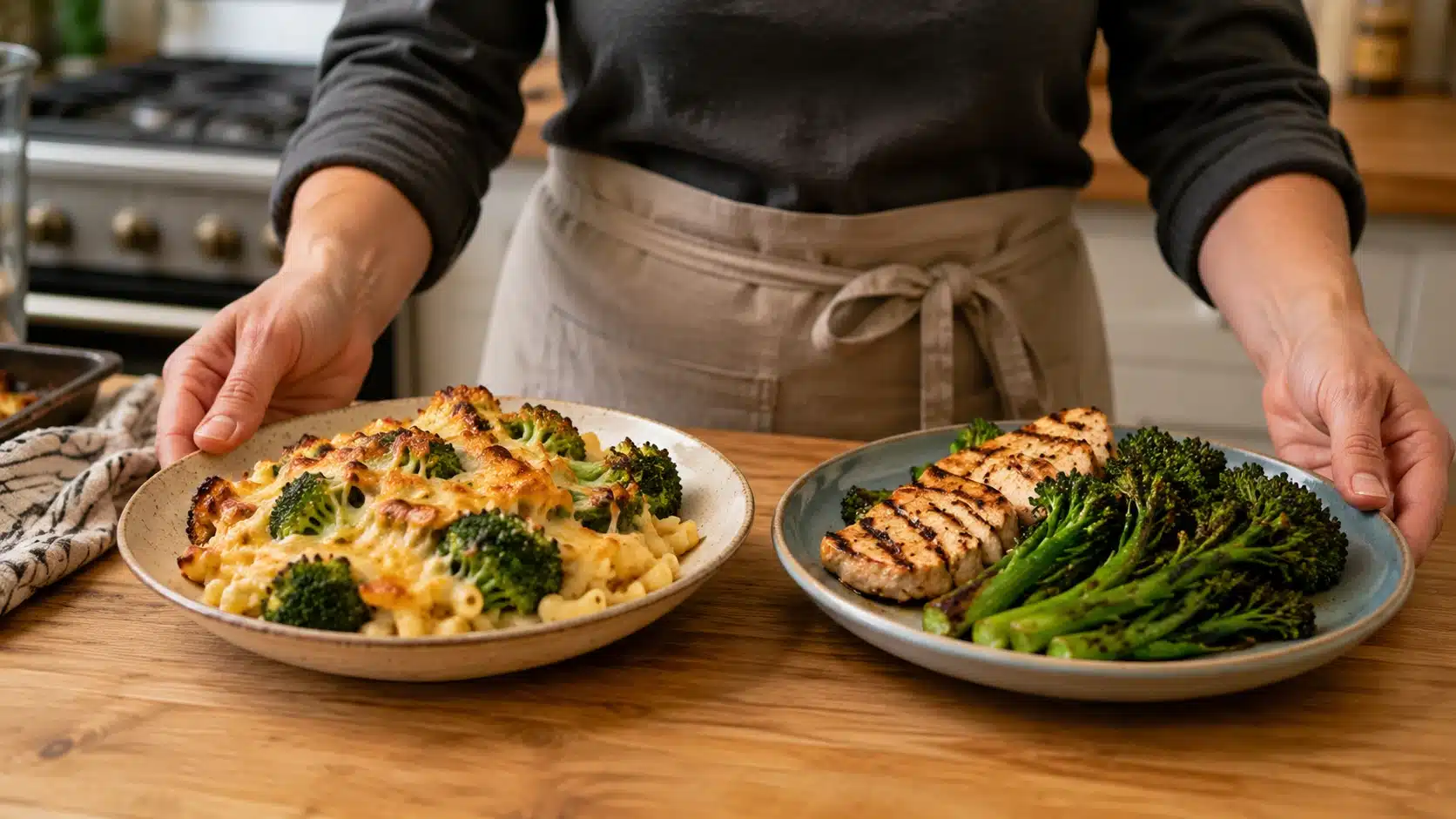
Broccoli and broccolini can both work in everyday meals, but they fit different cooking styles. Broccoli is better for hearty recipes that need structure, while broccolini works best in quick dishes where tenderness, mild sweetness, and a neat plate matter.
| Use | Broccoli | Broccolini |
| Soups and casseroles | Holds shape well in creamy soups, baked casseroles, and pasta dishes. | Not ideal for long cooking because the thin stems can turn too soft. |
| Stir-fries | Works well when cut into small florets. Thinly sliced stalks add crunch. | Cooks fast and works best when added near the end. |
| Steamed sides | Makes a simple side for rice, chicken, fish, and pasta. | Can be steamed lightly, but needs less time to stay tender. |
| Roasting | Gets a deeper flavor and crisp edges, especially when cut evenly. | Roasts quickly with crisp tips and tender stems. |
| Grilling | Works if cut into larger pieces or wedges. | Long stems char nicely and make an easy grilled side. |
| Pasta and noodles | Adds bulk and texture to pasta bakes, noodles, and grain bowls. | Mixes well into lighter pasta and noodle dishes without feeling heavy. |
| Meal prep | Stays firm longer, making it useful for packed lunches and bowls. | Better eaten fresh because the thin stems soften faster. |
| Best overall use | Hearty meals, family dinners, soups, casseroles, and meal prep. | Quick sides, roasted plates, grilled dishes, and simple skillet meals. |
Broccoli is the stronger choice when a recipe needs bulk and longer cooking. Broccolini is better when you want something quick, tender, and slightly sweeter with less prep.
How to Cook Each One Without Ruining It
Broccoli and broccolini cook best when you treat their stems differently. Broccoli needs even cuts and enough time for the stalks to soften. Broccolini needs to cook more quickly so the thin stems stay tender rather than turning limp.
Broccoli: Step by Step
- Cut evenly: Slice florets so they’re about the same size.
- Prep stalks: Peel thick or tough stalks and slice them thin.
- Choose cooking method:
- Steaming: Steam florets and stalks for 5–7 minutes until bright green and slightly tender.
- Roasting: Toss with a little oil, spread on a baking sheet, and roast at 425°F (220°C) for 15–20 minutes. Make sure pieces aren’t crowded.
- Check doneness: Bite the stalk—should be tender with a little snap.
- Serve: Pair with pasta, rice, chicken, or fish.
Broccolini: Step by Step
- Trim ends: Cut off dry ends of the stems. Leave the thin stems whole.
- Choose cooking method:
- Sautéing: Heat oil and garlic, cook broccolini 4–6 minutes until stems are tender but still snap.
- Roasting: Roast at 425°F (220°C) for 8–12 minutes until tips brown and stems stay crisp.
- Add flavor: Squeeze fresh lemon over the broccolini.
- Serve: Great as a side or on top of grains or proteins.
The main mistake is cooking both the same way. Broccoli needs more time because it is thicker. Broccolini cooks fast because its stems are slim. Bite the stem to check. It should feel tender with a little snap, not floppy.
Broccoli vs Broccolini: Which One Tastes Better?
Broccolini usually tastes sweeter and milder than broccoli, while broccoli has a stronger earthy flavor. If you dislike broccoli because it tastes too bitter, broccolini may be easier to enjoy.
Broccoli’s flavor depends a lot on cooking. Steamed broccoli can taste clean and grassy when cooked well. Overcooked broccoli can turn mushy and sulfur-like. Roasted broccoli tastes deeper because the edges brown and the natural sugars come forward.
Broccolini has a softer flavor from the start. Its thin stems cook quickly, and the florets brown nicely in a hot oven or skillet. A little lemon juice or grated Parmesan works well because broccolini does not need a heavy sauce to taste good.
Use this simple guide:
- Choose broccoli: When you want a stronger vegetable taste and a firmer bite.
- Choose broccolini: When you want something sweeter, quicker, and less bitter.
- Choose broccoli for kids: If they like small trees with cheese sauce. No judgment.
- Choose broccolini for guests: If you want a side that looks polished with little effort.
Taste is personal, but broccolini is often the easier first choice for people unsure about green vegetables. Next, let’s clear up the label that causes the most confusion.
Frequently Asked Questions
Can you eat broccolini raw?
Yes, you can eat broccolini raw, but most people prefer it cooked. Raw broccolini has a firmer bite and a sharper green taste. Quick sautéing, roasting, or steaming softens the stems and brings out its sweeter flavor without needing much seasoning.
Why is broccolini more expensive than broccoli?
Broccolini often costs more because it is usually sold in smaller bunches, has thinner stems, and can be more perishable. It may also involve specific costs for growing, packing, or branding. Broccoli is more common, widely grown, and usually cheaper by weight.
Is broccoli rabe the same as broccolini?
No, broccoli rabe is not the same as broccolini. Broccoli rabe is more closely linked to turnips and has a stronger bitter taste. Broccolini is a hybrid of broccoli and Chinese broccoli, with a sweeter flavor and tender stems.
Can dogs eat broccoli or broccolini?
Dogs can eat small amounts of plain cooked broccoli or broccolini, but it should not include garlic, onion, butter, or heavy seasoning. Too much may cause stomach upset. If your dog has health issues, ask your vet before adding new foods.
Final Verdict: Broccoli or Broccolini?
Pick broccoli when you want a sturdy, budget-friendly vegetable for soups, casseroles, stir-fries, steaming, and meal prep. Pick broccolini when you want a sweeter, milder green that cooks quickly and makes a great side dish.
Once you know the real broccoli vs broccolini difference, the choice gets simple. Thick stalks and big florets mean broccoli. Long, slim stems and small florets mean broccolini.
If you cook often, it makes sense to use both. Keep broccoli for everyday meals and broccolini for nights when you want something fast but still a bit special. That way, the produce aisle stops feeling like a test and starts feeling like dinner planning.