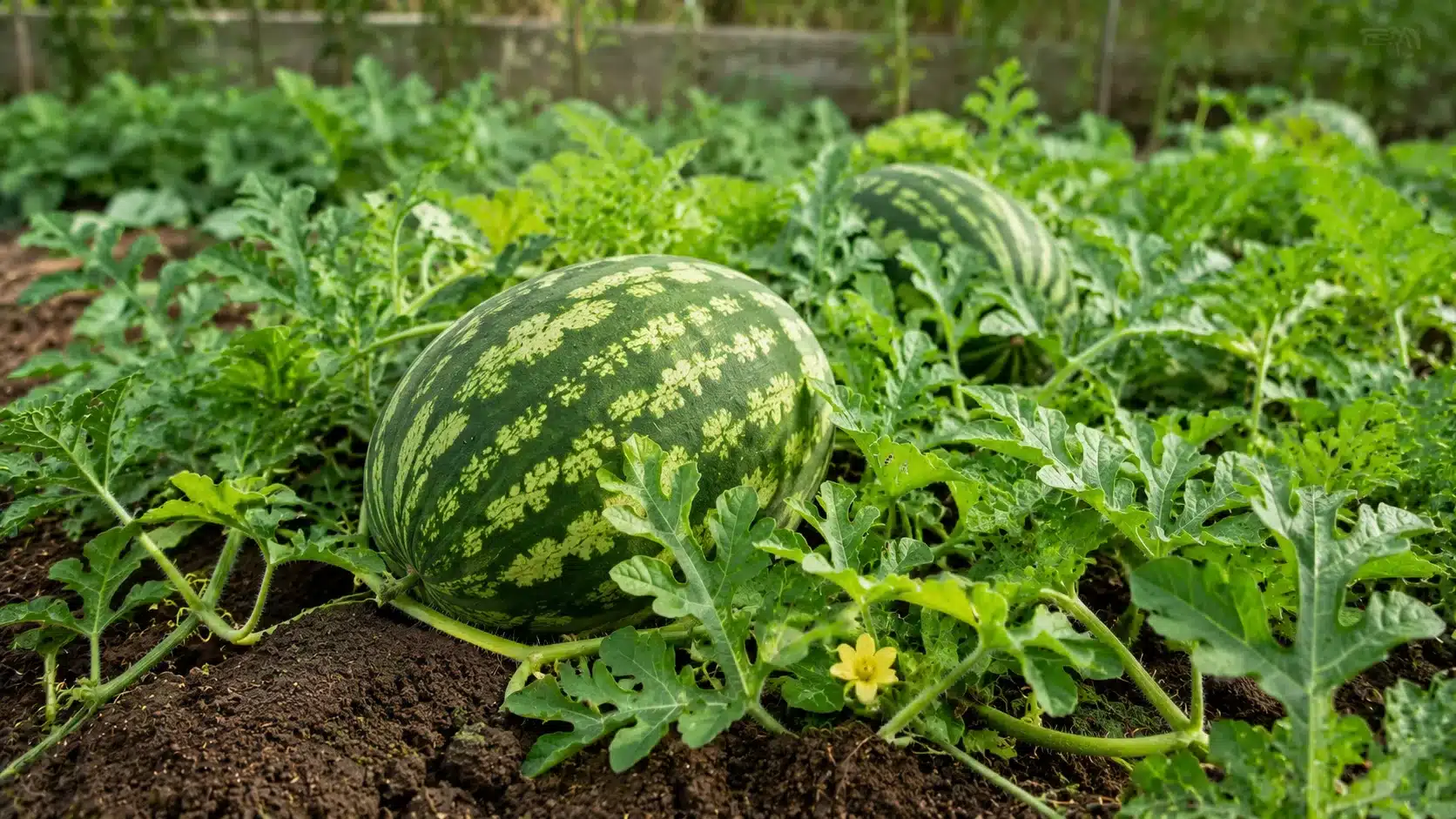
Ever torn open a packet of watermelon seeds and then just stood there, unsure what to do next? That uncertain feeling is common the first time you try growing this fruit at home.
Maybe you imagine a tangle of vines taking over the whole yard, or seeds that never sprout at all.
Learning how to plant watermelon seeds does not have to feel like a guessing game.
Once you get a feel for the rhythm of it- warm soil, a little patience, steady water- the process starts to feel almost easy. Grab your seed packet, and get ready to start.
Watermelon Seed Planting Requirements
Before you break ground, here are the core numbers you need to know for planting watermelon seeds. Use this as a fast reference, then read each section below for the full explanation.
- Planting depth: about 1 inch deep.
- Soil temperature: at least 65°F, ideally 70°F to 90°F.
- Sunlight: 8 to 10 hours of direct sun daily.
- Seeds per hole: 3 to 5 seeds, thinned later.
- Spacing: 2 to 3 feet between hills, 6 to 8 feet between rows.
- Germination time: roughly 4 to 10 days in warm soil.
- Indoor start: 3 to 5 weeks before your last frost date.
When to Plant Watermelon Seeds
Wait until the danger of frost has passed and the soil has actually warmed before sowing outdoors. A soil thermometer pushed a couple of inches down gives you a real answer instead of a guess based on air temperature alone.
The University of Minnesota Extension notes that watermelon seed needs soil of at least 65°F to germinate, with the fastest sprouting happening between 70°F and 90°F.
Cooler soil slows everything down and raises the odds of seed rot before a seedling ever shows up.
Most varieties need roughly 70 to 100 warm days from planting to harvest, so check the days-to-maturity on your seed packet before you settle on a planting date.
Choosing the Right Spot for Watermelon
Pick the sunniest spot you have, since watermelon grows best with 8 to 10 hours of direct sun each day.
Fertile, well-drained soil with a pH around 5.5 to 7.0 gives roots the room they need to spread. Vines can travel a long way, so leave open ground rather than tucking them beside a fence they will quickly outgrow.
If space is tight, a compact or small-fruited variety is the easier path, and smaller melons can even be trained onto a sturdy support once you understand growing melons on a trellis, though the fruit will need a sling as it gets heavier.
How to Plant Watermelon Seeds Outdoors
Once your soil and timing check out, planting itself is short work. The steps below cover soil prep, hills, depth and spacing, watering, and thinning, in the order you will actually do them.
1. Prepare the Soil
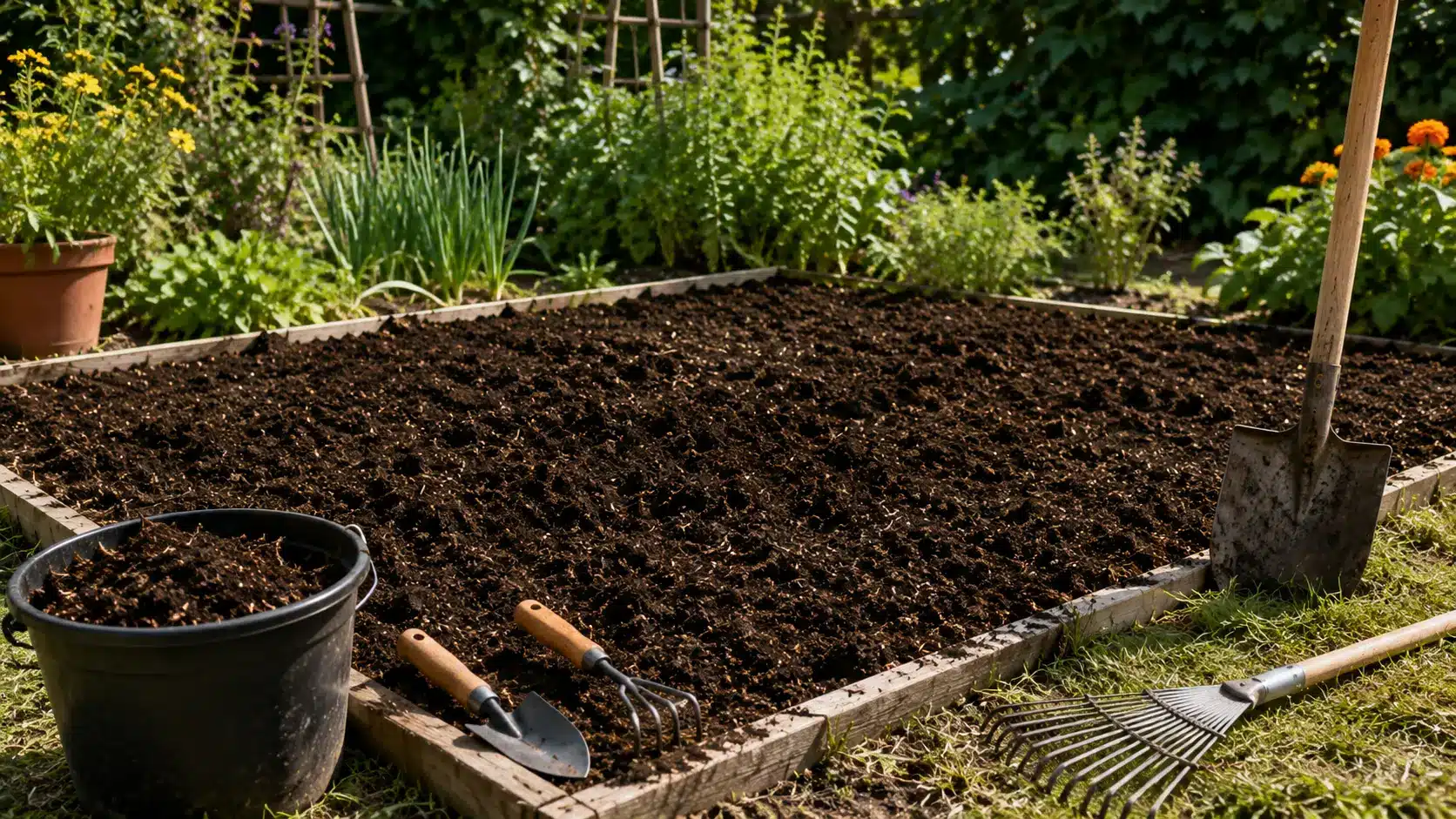
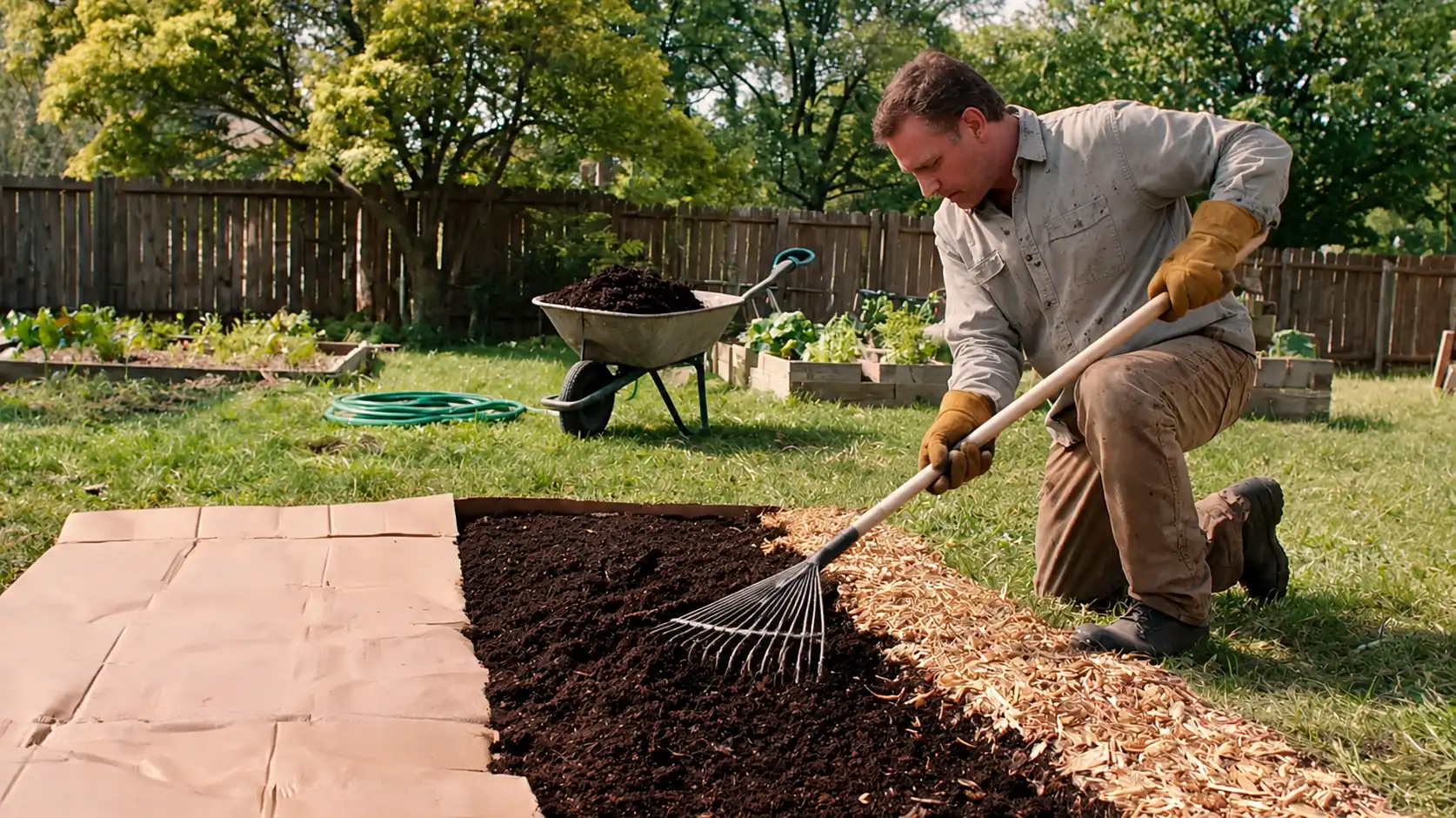
Loosen the planting area so roots can spread freely, then work compost or well-rotted manure into poor or heavy ground. About 2 to 3 inches of organic matter improves both fertility and drainage. Break up large clumps and avoid pressing the bed down firmly once you are finished.
2. Build the Hills
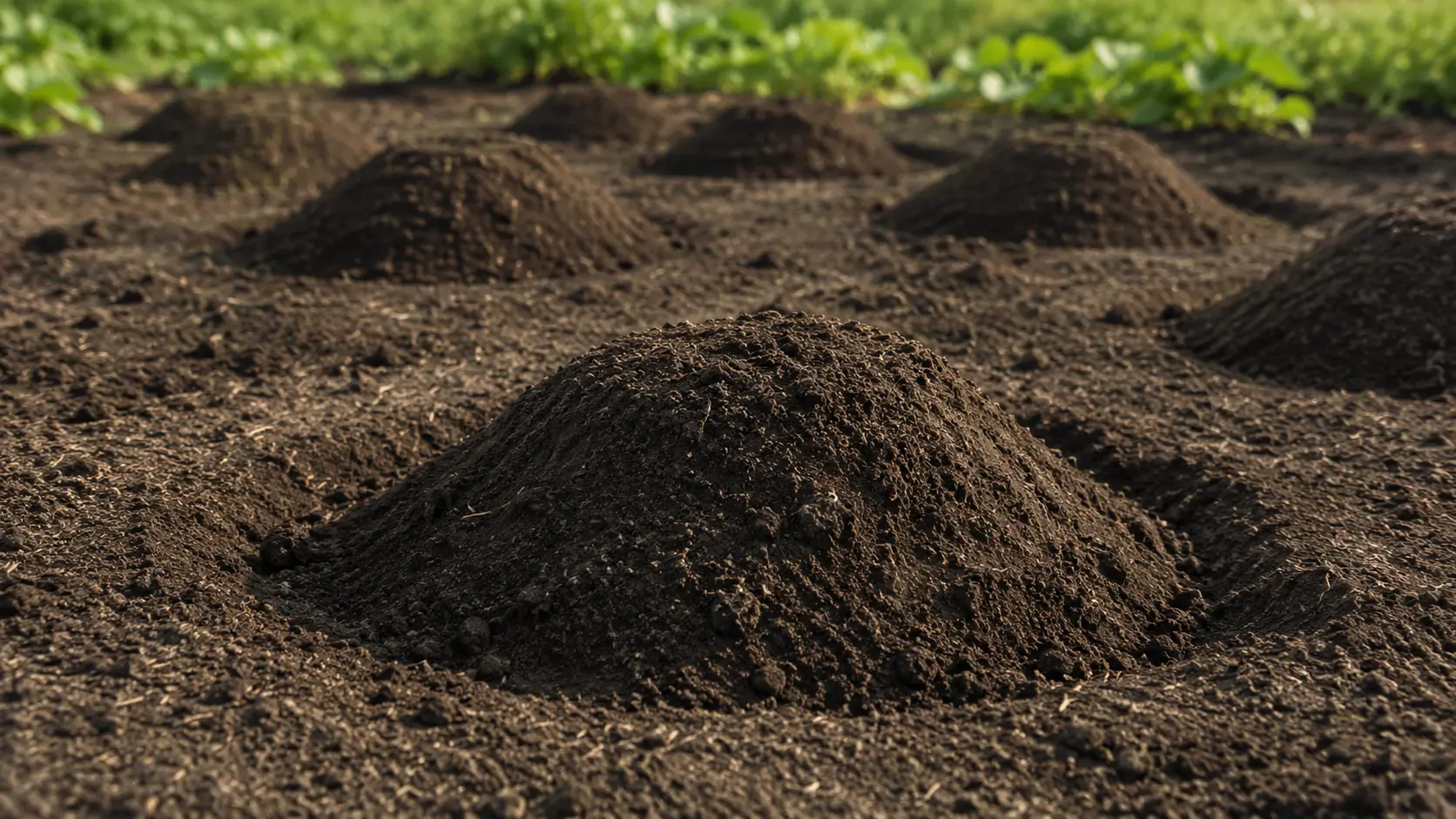
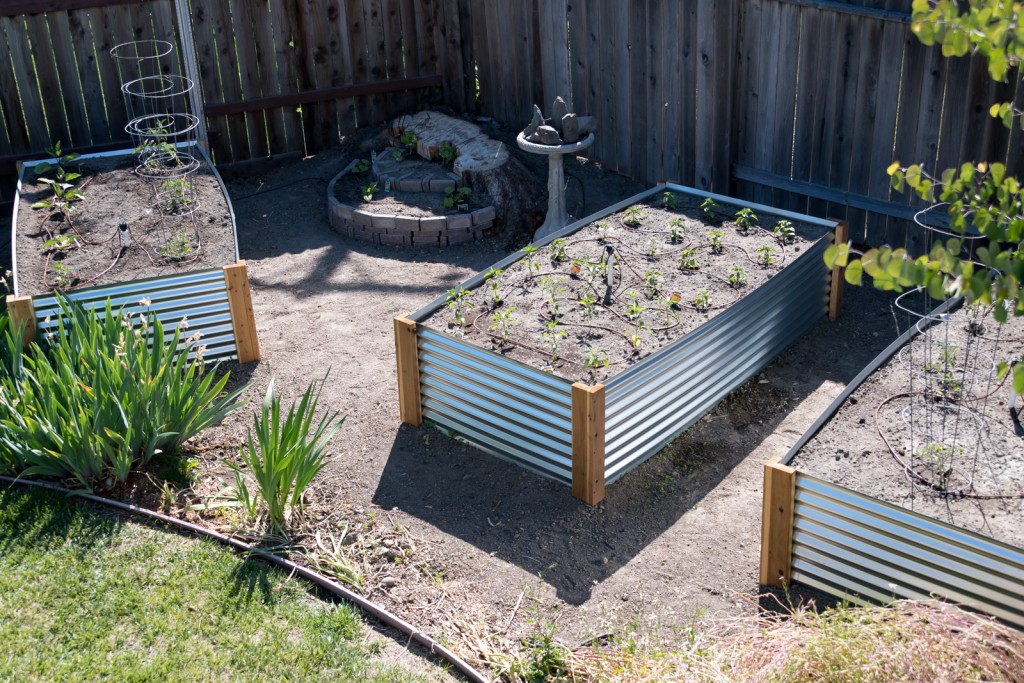
A watermelon “hill” is simply a planting station holding several seeds, not necessarily a tall pile of dirt. A gentle rise can help the soil drain and warm faster, but a flat, loosened spot works too. Keep each hill wide enough to hold a few seeds with room to spare once they sprout.
3. Sow the Seeds at the Right Depth and Spacing
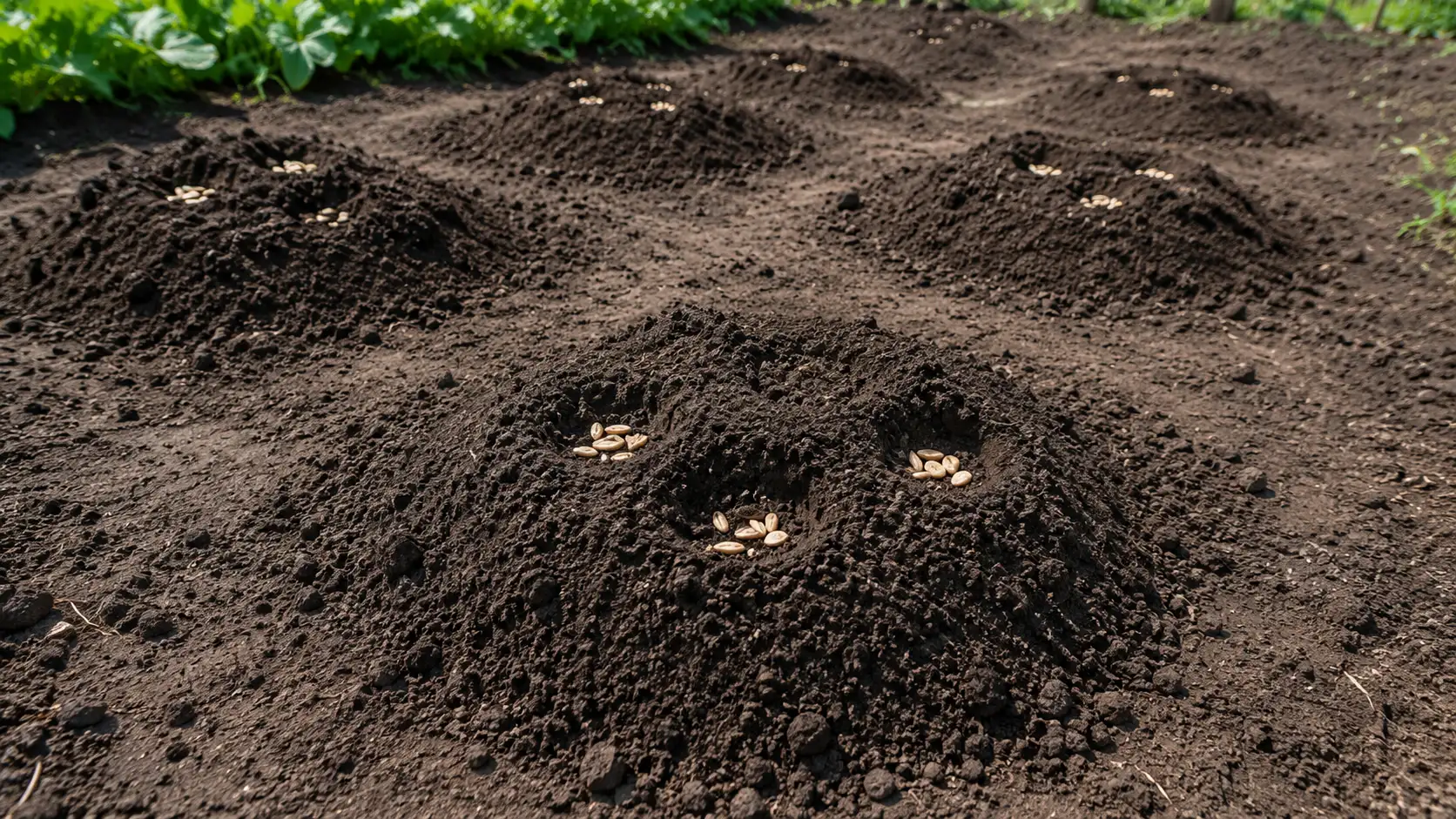
Plant seeds about 1 inch deep, 3 to 5 per hill, then thin to the strongest one or two once true leaves appear. Iowa State University Extension recommends spacing hills 2 to 3 feet apart in rows 6 to 8 feet apart, though standard vining types need the wider end of that range while compact varieties can sit closer. Always defer to your seed packet if it lists different numbers.
4. Water Gently After Sowing
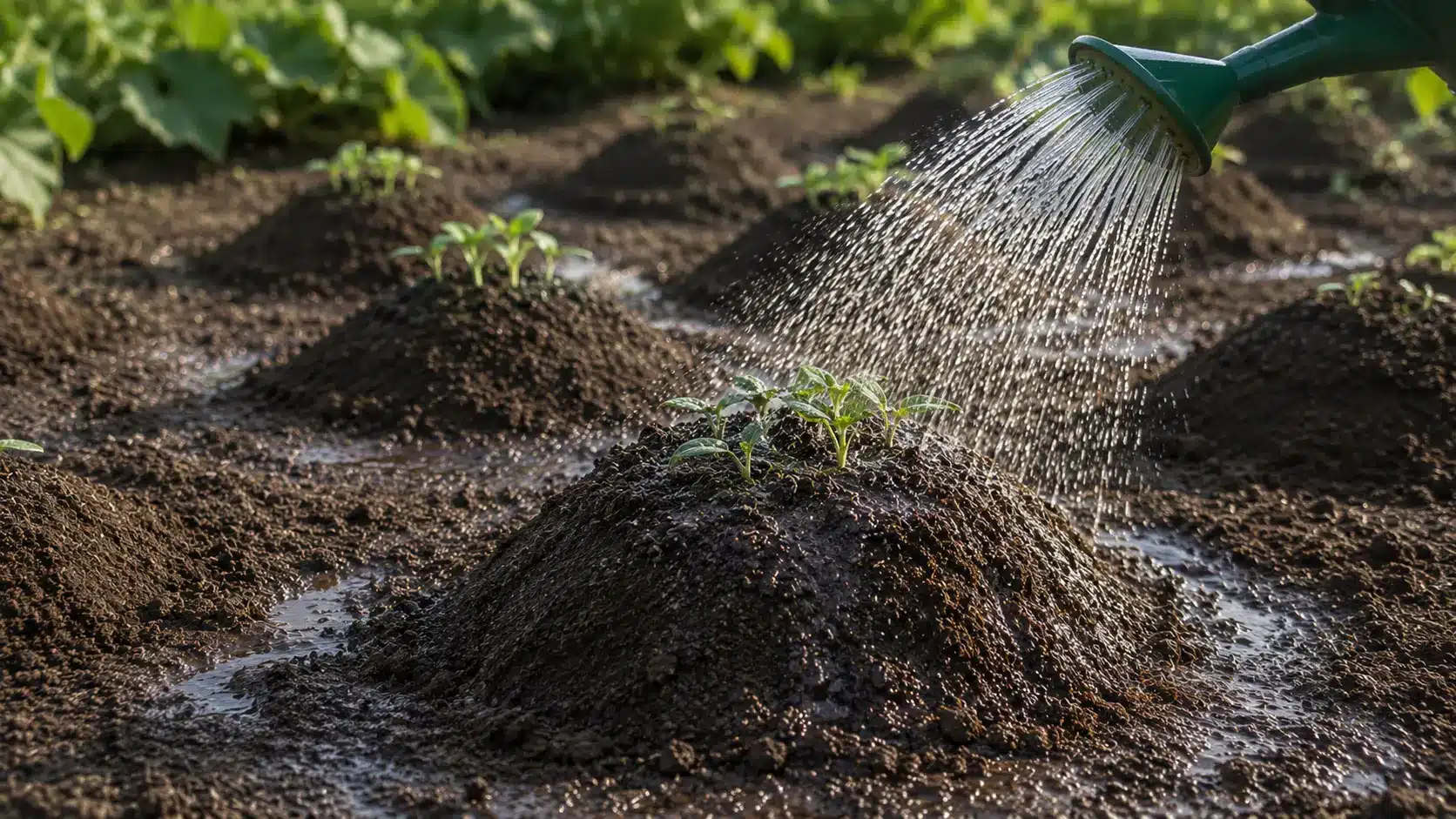
Water each hill with a gentle flow right after planting, enough to moisten the soil without uncovering the seeds or leaving standing puddles. Keep the bed evenly damp through germination, checking more often in hot or windy weather since raised hills dry out faster than flat ground nearby.
5. Thin the Seedlings
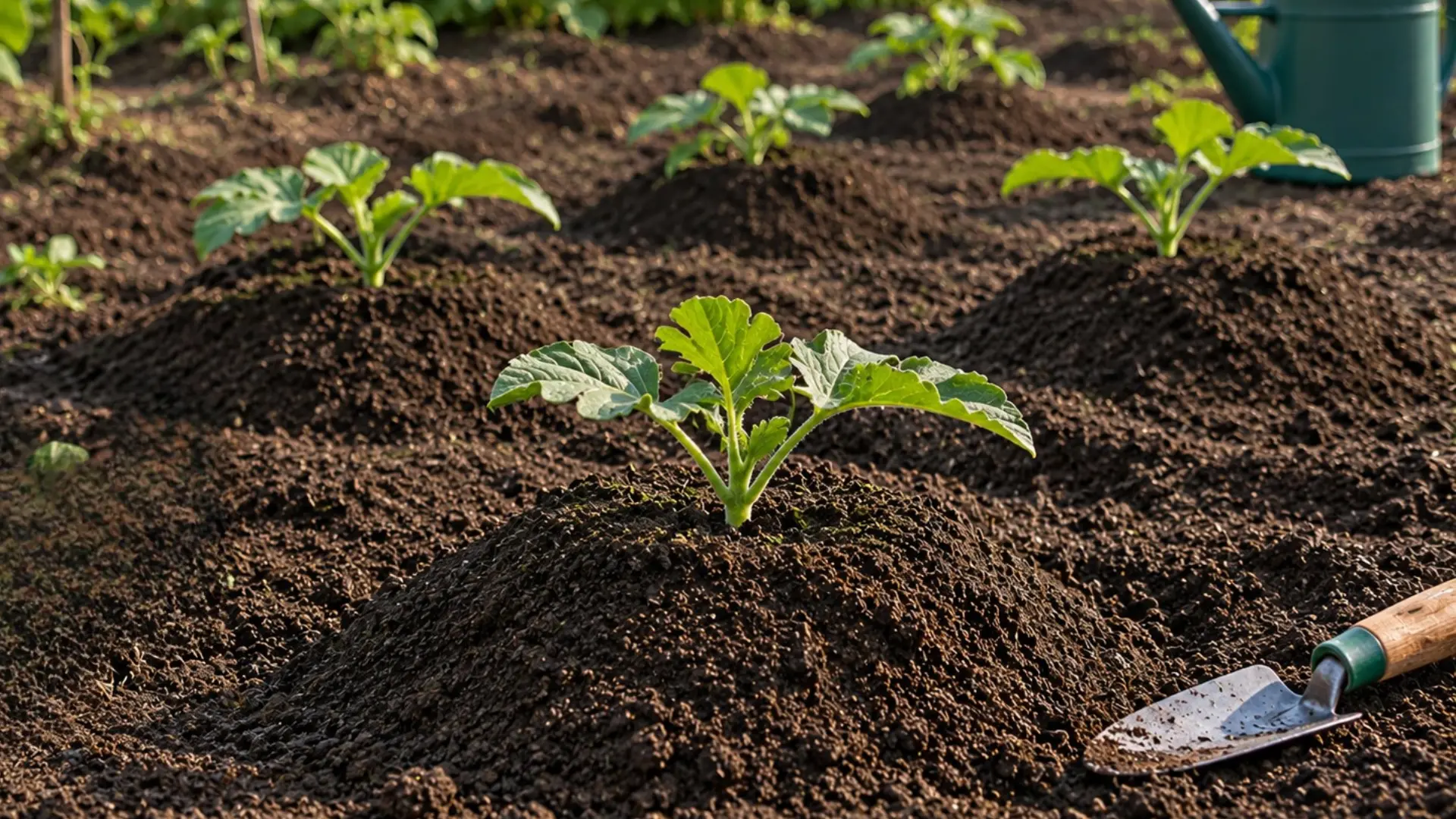
Once seedlings show true leaves, snip the weaker ones at soil level and keep the healthiest one or two per hill. This gives the remaining plant better access to light, water, and root space. Add mulch around the base once seedlings are established to help hold moisture.
How to Start Watermelon Seeds Indoors
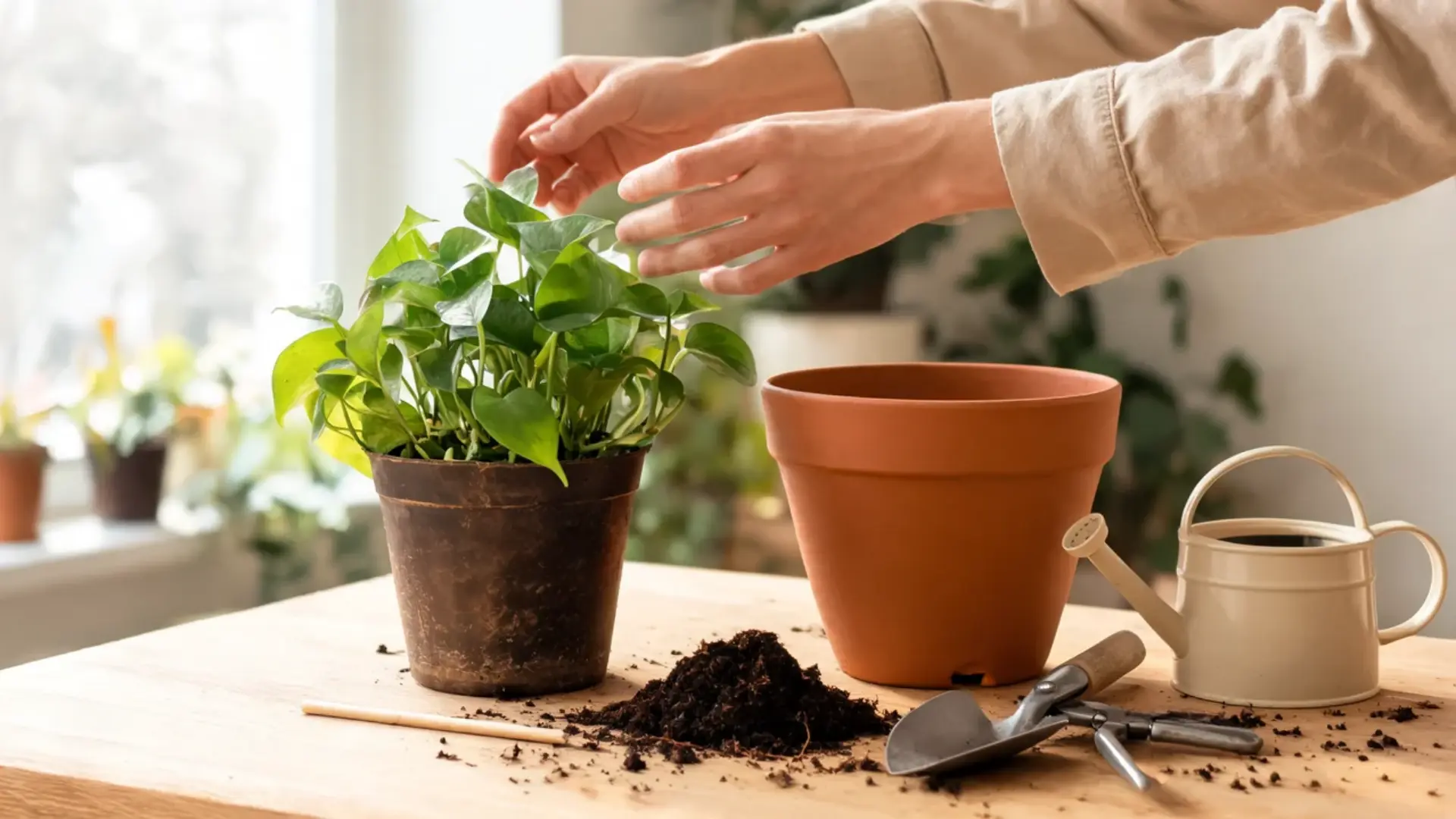
Starting indoors gives short-season gardeners a real head start on the calendar. Sow seeds 3 to 5 weeks before your last expected frost date, using individual pots so you don’t disturb the roots later. The University of Georgia Extension recommends one or two seeds per pot, kept warm and in good light so seedlings don’t stretch out and become weak.
- Keep indoor soil around 80°F to 90°F until seeds sprout.
- Use small peat or biodegradable pots to avoid root disturbance.
- Provide bright light for about 14 hours a day.
- Harden off over 3 to 4 days before transplanting outside.
- Transplant once outdoor soil reaches roughly 65°F to 70°F.
Hardening off means easing indoor seedlings into outdoor conditions gradually rather than moving them straight into full sun and wind. A few short outdoor stretches followed by a longer one prevents the shock that can stall young plants right after transplanting.
Caring for Watermelon Seedlings After Planting
Once seedlings settle in, watering, feeding, and pollination support carry the plant the rest of the way.
Keep the soil evenly moist, aiming for roughly 1 to 2 inches of water per week during dry stretches, tapering off slightly as fruit nears maturity to protect sweetness.
Remove any row covers once flowers open so bees can reach them, since pollination problems are a common reason plants flower without setting fruit.
If germination or early growth ever seems uneven, this rundown of getting seeds to sprout reliably indoors covers fixes that apply to watermelon as well.
Common Planting Problems and Quick Fixes
Most planting-stage issues trace back to timing, moisture, or spacing rather than anything more complicated. Here is what to check first when something looks off.
| Problem | Likely Fix |
|---|---|
| Poor germination | Wait for soil above 65°F and keep it evenly moist, not soggy. |
| Seeds rotting in the ground | Cold, wet soil is the usual cause; delay planting until it warms. |
| Seedlings collapsing | Improve drainage and avoid overwatering right after sprouting. |
| Overcrowded hills | Thin earlier, leaving only the strongest one or two seedlings. |
| Transplant shock | Harden off longer and avoid disturbing roots during the move. |
Most of these issues surface within the first two weeks after planting, so checking hills often early in the season pays off. Catching a problem then is far easier than fixing it once the vines take off and fill the bed.
Frequently Asked Questions
How long do watermelon seeds take to germinate?
In warm soil, watermelon seeds typically sprout within 4 to 10 days, with quicker results in the warmer part of that range. Cooler soil can stretch that window or stop germination altogether. Checking soil temperature before planting predicts sprouting time more reliably than a calendar date.
Do watermelon seeds need to be soaked before planting?
No. Watermelon seeds germinate reliably without soaking as long as the soil is warm and evenly moist. Some gardeners soak seeds briefly to speed things along, but skipping this step will not hurt germination, and over-soaking can invite rot.
Do watermelon seeds have to be planted in hills?
Not strictly. A hill just means a planting spot with several seeds grouped together, and a slight rise can help with drainage and warmth. A flat, well-prepared bed works fine too, as long as spacing and depth are still correct.
Can I plant seeds from a store-bought watermelon?
Sometimes. Seeds from an open-pollinated fruit usually grow a similar plant, but hybrid seeds often produce fruit that looks or tastes different from the parent. Seedless watermelons are a separate case, since they rarely produce viable seeds at all.
Do seedless watermelons need a pollinator plant nearby?
Yes. Seedless varieties produce little usable pollen on their own, so a seeded variety planted nearby is needed to pollinate the flowers. Some seed packets already include a seeded pollinator, which makes this easier to manage at home.
Final Thoughts
That’s really all there is to it. Watermelon rewards a bit of patience more than anything else, and there’s something fun about checking on a quiet little hill every morning and watching it slowly turn into a sprawling vine.
If this is your first try, don’t stress over getting every detail perfect. Every gardener has a season where something goes sideways, and that’s part of the fun.
Give it a go this year, and drop a comment below if you have questions or want to share how your patch turns out.