Picture a trauma survivor facing a panic attack in the middle of a crowded grocery store. Their heart pounds, hands tremble, and a sense of unreality takes over. Despite knowing breathing exercises or grounding techniques, the person feels powerless to use them. This disconnect frustrates many trauma survivors who have learned, practiced, and even mastered different coping methods in calm moments, only to find those skills inaccessible when panic actually strikes.
The gap between knowing what to do and being able to do it during overwhelming anxiety leaves survivors questioning their progress and can intensify feelings of shame or defeat. Understanding why this struggle happens is the first step toward a more compassionate, effective path to healing.
The Neurobiology of Panic and Survival Mode
During a panic attack, the body’s threat response system takes over. This process, known as “fight, flight, or freeze,” is driven by the amygdala—a small part of the brain responsible for detecting danger. For trauma survivors, this system can become hypersensitive, reacting even to non-threatening cues that resemble past trauma. In this state, the brain prioritizes immediate survival over logical thinking or learned skills.
When the nervous system is overwhelmed, blood flow is directed away from areas of the brain responsible for reasoning and toward those necessary for rapid reaction. That’s why, during a panic attack, even well-practiced strategies like deep breathing or counting objects may seem impossible to recall or apply. The body’s neurobiology is not designed to pause for coping techniques when it perceives a threat, as outlined in the science behind the stress response.
Recognizing this automatic process helps explain why survivors may freeze or dissociate, despite their best intentions. The experience is not a failure of willpower or effort, but a reflection of how the body protects itself during moments of perceived danger.
Why Rational Coping Strategies Fail During Severe Triggers
Many trauma survivors learn rational coping skills, such as cognitive reframing or self-talk, in therapy or support groups. These tools work well when anxiety is moderate and the brain’s logical thinking is accessible. However, during a severe panic attack, thoughts can become fragmented, racing, or even absent altogether. This makes it difficult to use strategies that require clear thinking.
For example, someone who has practiced telling themselves, “I am safe right now,” may find those words meaningless when their body feels like it’s under attack. The disconnect between thought and emotion becomes pronounced as panic intensifies, making it nearly impossible to implement logical steps. This is why many find that Coping Skills to Heal From Trauma for panic attacks require adaptation and flexibility. These tools can be helpful, but only when paired with self-acceptance and realistic expectations.
Understanding this limitation can relieve self-blame and pave the way for developing skills designed for moments of intense distress, rather than relying solely on rational thinking.
The Disconnect Between Somatic Regulation and High Anxiety
Somatic regulation techniques, such as progressive muscle relaxation or mindful breathing, focus on calming the body’s physical stress response. These methods can reduce baseline anxiety over time and are widely recommended for trauma recovery. Yet, in the middle of a panic attack, survivors often report feeling physically “frozen” or disconnected from their bodies.
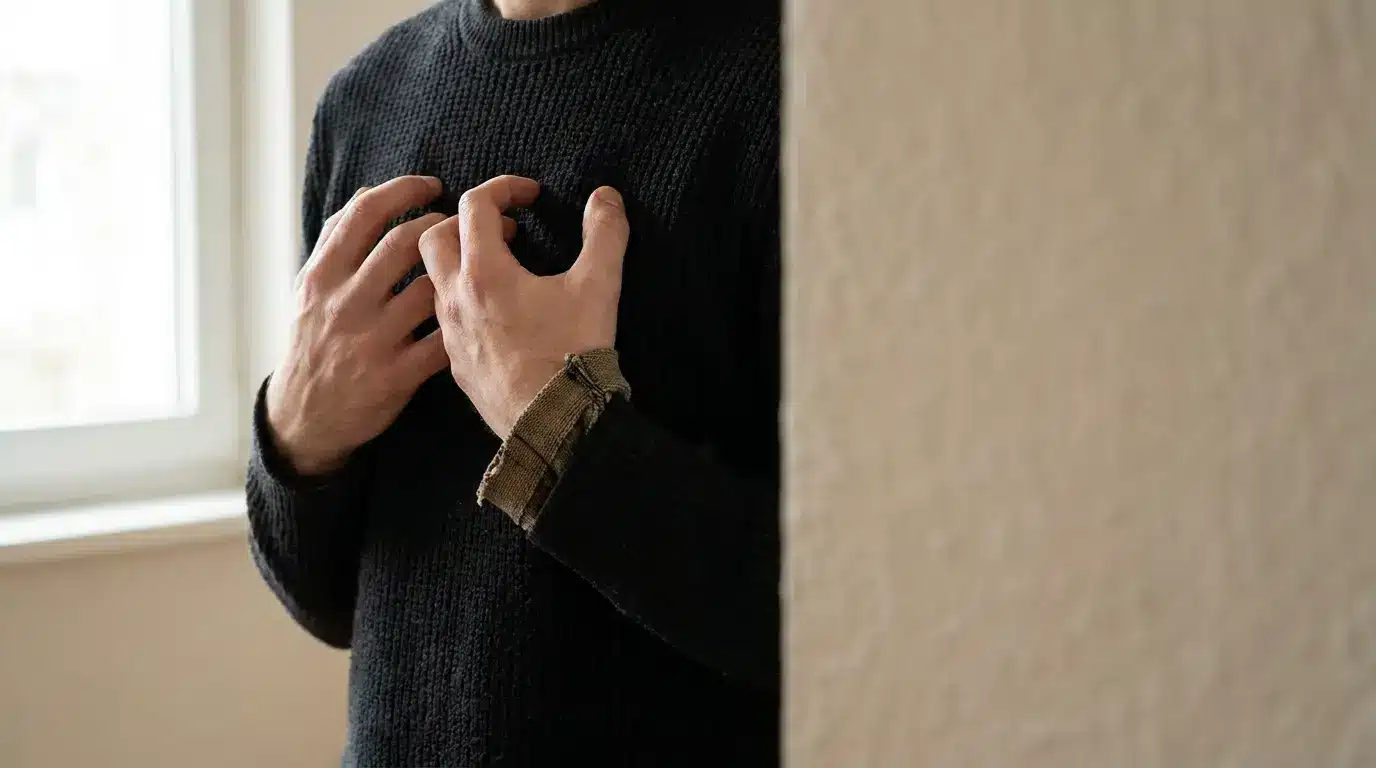
This happens because panic can create a sense of physical unreality, also called dissociation, where survivors feel cut off from bodily sensations. In this state, instructions to “focus on your breath” or “relax your muscles” may not register or even feel possible. The physical symptoms of panic—tight chest, rapid heart rate, numbness—can make somatic regulation feel inaccessible, as described in how dissociation impacts trauma recovery.
Recognizing this gap is key. It explains why survivors might know somatic techniques but struggle to initiate them in the very moments they need them most. Adapting these strategies to fit real-world panic can make them more effective over time.
Building a Compassionate Approach Beyond Traditional Coping Mechanisms
Traditional coping skills are valuable, but trauma survivors often benefit from approaches that go beyond standard techniques. For instance, preparing a “panic plan” ahead of time lets survivors identify small, actionable steps they can remember and follow even if panic makes thinking difficult. Examples might include carrying a soothing object, having a short mantra, or texting a trusted friend.
Cultivating self-compassion—acknowledging that panic responses are automatic and not a personal failure—can reduce shame and increase resilience. Many survivors also find it helpful to slowly practice coping skills in safe, low-stress settings before attempting them during panic. This process builds “muscle memory,” making skills more accessible in stressful times.
Combining Coping Skills to Heal From Trauma for panic attacks with acceptance, support, and realistic goals can create a more forgiving and sustainable path to recovery, reducing the pressure to perform perfectly during every panic episode.
Conclusion
For trauma survivors, accepting that panic can temporarily block access to coping skills is an act of self-care in itself. The next step is to prepare gentle, simple reminders and seek support from mental health professionals who understand trauma’s effects. Progress comes not from using every skill perfectly, but from honoring your experience and practicing self-kindness as you heal.