You’ve probably walked past a persimmon tree without noticing it. In summer it blends into the surrounding woods, but by fall everything changes, and bright orange fruit hangs from bare branches long after the leaves drop.
A wild persimmon tree is identified by checking several signs together: dark bark divided into thick, square blocks; alternate oval leaves with glossy upper surfaces; and round fruit topped with a broad, leafy cap.
These trees grow across much of the eastern United States, commonly along roadsides, in abandoned fields, and near woodland edges. Below, you’ll find the traits, leaves, bark, and fruit that make this native tree easy to spot outdoors.
What Is a Persimmon Tree?
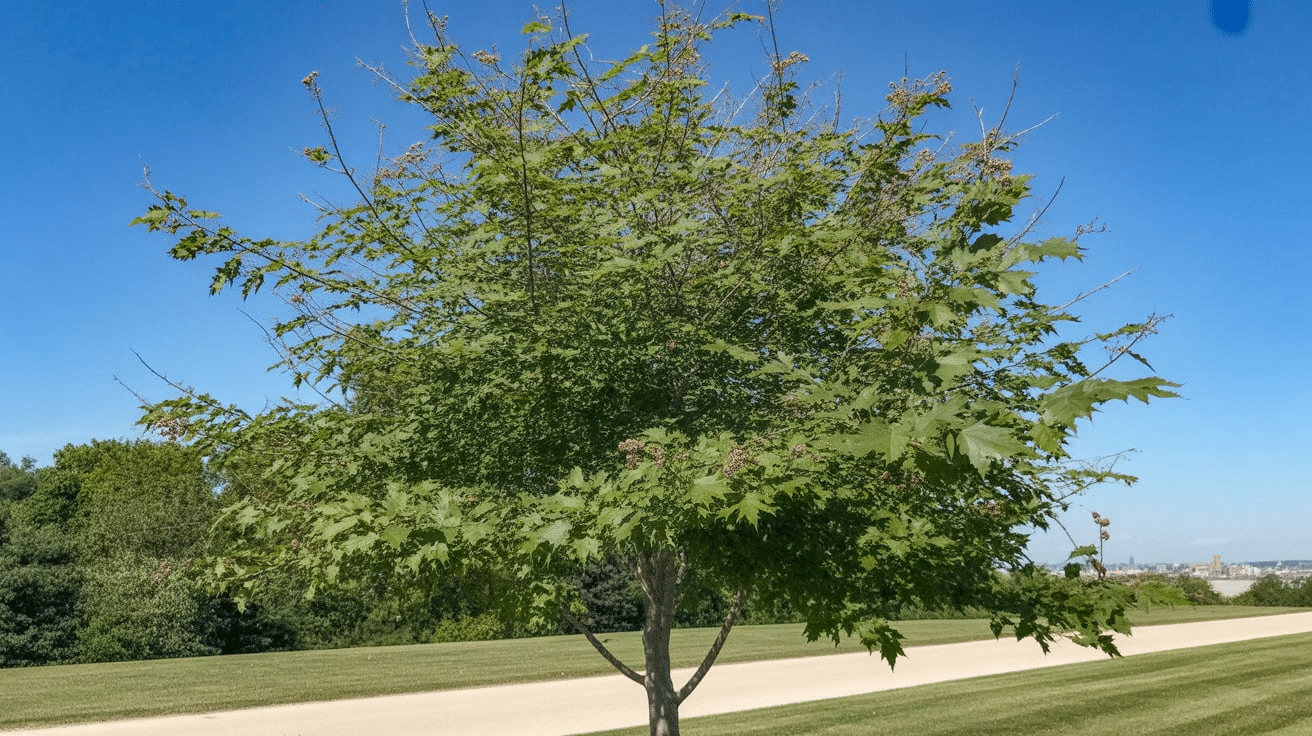
A wild American persimmon is usually a medium-sized deciduous tree, reaching 35 to 60 feet under good growing conditions. Trees on poor or exposed sites often stay shorter, developing a narrower or scrubby form instead.
The crown is commonly rounded, and older branches may droop slightly near their tips as the tree matures. Age changes the tree’s appearance in clear ways.
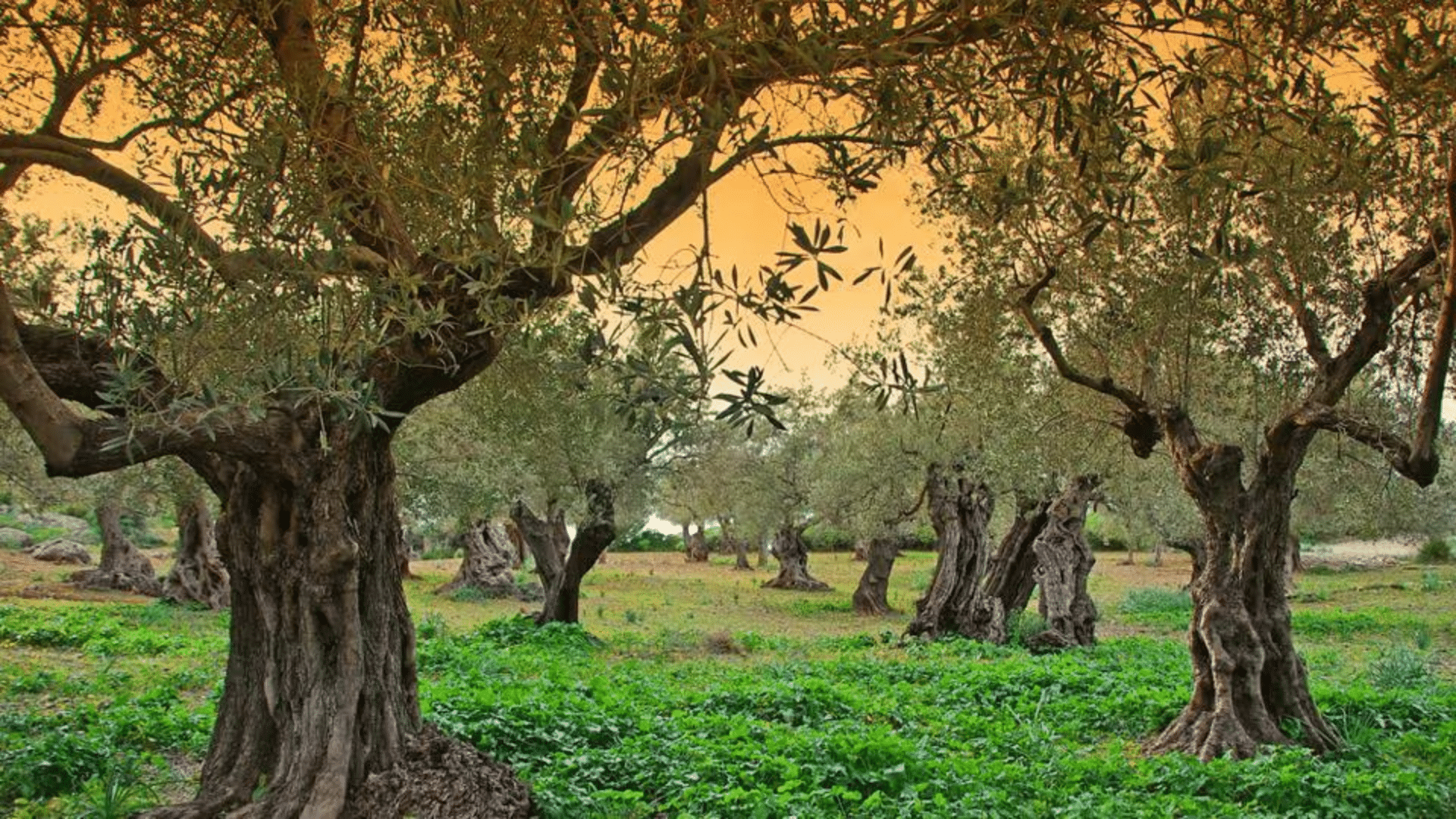
Young trunks stay smoother and lighter in color, while mature trees grow thicker, darker bark divided into deep blocks.
Tree sex matters just as much: male trees flower but rarely bear fruit, while female trees may hold ripe fruit from fall into winter, sometimes lasting into February in milder climates.
Checking size, form, bark age, sex, season, and growing site together, rather than relying on just one clue, gives a far more accurate reading before settling on a final identification call.
How to Identify a Wild Persimmon Tree
American persimmon trees show dark, blocky bark and glossy oval leaves. In fall, round orange fruit sweetens after frost. Trees keep a rounded shape, growing in sunny fields, pastures, and on roadsides.
1. Identifying Persimmon by Bark

Bark is one of the most reliable ways to spot a persimmon, even in winter when leaves and fruit are gone. NC State Extension notes that mature trunks split into thick, checkerboard-like blocks, one of the clearest year-round markers available.
- Color: Dark gray to nearly black
- Pattern: Broken into thick, square or rectangular blocks
- Look: Often called “alligator bark” for its rough, scaly texture
- Detail: Orange sometimes shows through the cracks between blocks
- Age: Young trees have smoother, grayer bark; the blocky pattern develops as the tree matures
Once you know this pattern, spotting a persimmon trunk in a crowded forest becomes much easier.
2. Identifying Persimmon by Leaves

Persimmon leaves have a look you’ll start recognizing fast once you know what to check.
- Shape: Oval to oblong, tapering to a pointed tip
- Size: Usually 2 to 6 inches long
- Arrangement: Grow one at a time along the stem, not in pairs
- Edges: Mostly smooth, sometimes lightly toothed
- Color: Glossy dark green on top, paler and softer underneath
- Fall color: Turns yellow to orange before dropping
These leaf traits alone won’t confirm a persimmon, but paired with the bark or fruit, they make identification much easier.
3. Identifying Persimmon by Fruit

Fruit is the most obvious sign of a persimmon, especially once fall arrives.
- Size: Round, about 1 to 2 inches across
- Color: Starts yellow-green, ripens to orange, sometimes with a red blush
- Texture: Firm and shiny when unripe; soft and wrinkled once ripe
- Taste: Firm fruit is strongly astringent, while fully soft fruit becomes sweet. Ripening often occurs near the first frost, but frost is not required.
- Cap: A dried leafy cap stays attached at the base, even after the fruit falls
- Timing: Ripens from September through November
Only female trees produce fruit, so a persimmon without any fruit isn’t necessarily the wrong tree.
4. Identifying Persimmon by Habitat

Where a tree grows can be just as telling as its leaves or bark.
- Range: Native from Connecticut down to Florida and west to Kansas and Texas
- Common spots: Old fields, forest edges, and roadsides
- Soil: Grows in poor, dry soil as well as moist, fertile ground
- Light: Grows in full sun or light shade, though sunnier trees often produce more fruit
- Spread: Often colonizes open or disturbed land quickly
If you’re near an abandoned field or a sunny forest edge in the eastern US, chances are good a persimmon isn’t far off.
5. Other Confirming Signs (Twigs, Buds, Flowers)

When leaves and fruit aren’t around to help, a few smaller details can still confirm a persimmon.
- Twigs: Slender, slightly zigzagged, gray-brown to reddish-brown
- Pith test: Cut a twig open: persimmon pith is chambered, split into small segments like a ladder rather than solid
- Buds: Small, dark red-brown, with two visible scales
- Flowers: Small, bell-shaped, pale yellow to cream, appearing in May and June, easy to miss since they aren’t showy
Check these signs alongside the bark and leaves, and you’ll have a solid, well-rounded identification.
How Wild American Persimmon Fruit Can Vary
Wild American persimmons all belong to Diospyros virginiana, yet fruit size and color shift from tree to tree. Small fruit measures close to 1 inch wide, while larger fruit can reach nearly 2 inches.
Ripe color ranges from yellow-orange to deep pinkish orange or reddish orange, and seed count also varies, with some trees producing several large seeds and others far fewer.
Named cultivars such as Prok, Meader, Yates, and Elmo come from this same species rather than separate wild types; breeders selected them for larger fruit or earlier ripening dates. Because of this range, fruit size alone gives an unreliable clue.
Checking bark texture and leaf gloss alongside fruit traits gives a fuller, more accurate picture overall. Bark pattern, leaf shape, and overall growth habit remain more dependable markers than fruit dimensions when confirming a wild persimmon tree.
Seasonal Signs of a Wild Persimmon Tree
A persimmon tree changes appearance across every season, and noticing these shifts builds confidence in identification. From pale spring flowers to bare winter bark, each stage offers its own clues worth checking before settling on a final call each year.
- Spring brings small, bell-shaped, pale yellow flowers in May and June, quite easy to miss.
- Summer leaves stay glossy dark green, smooth-edged and oval, holding their shape through warm months.
- Fall turns leaves yellow to orange as round orange fruit ripens and sweetens after frost.
- Winter strips the tree bare, leaving dark, blocky, alligator-like bark as the clearest marker.
Checking a persimmon tree across all four seasons, rather than relying on a single moment, gives far more accurate identification results and helps confirm the species with greater certainty before assuming any other tree entirely.
Trees Often Confused With Wild Persimmon

Several trees, including flowering dogwood trees, share one or two persimmon traits, so compare the bark, leaves, fruit, and growing site before deciding.
| Tree | Shared Traits | Key Difference |
|---|---|---|
| Japanese persimmon | Orange fruit and oval leaves | Fruit is usually 2 to 4 inches wide, while its bark has lighter, softer grooves. It is often planted near homes, farms, or orchards. |
| Black gum, or tupelo | Alternate oval leaves and dark, grooved bark | Wild persimmon has clearer square bark plates, glossier leaves, orange fruit with a broad cap, and chambered twig pith, while black gum pith stays solid and its fruit is a small dark drupe. |
| Flowering dogwood | Blocky, alligator-style bark | Dogwood stays much smaller with an understory habit, opposite leaves, and small red berries in fall instead of round orange fruit. |
| Sugarberry, or hackberry | Similar habitat along field edges and fence rows | Hackberry bark is smooth gray with corky warts and ridges rather than square blocks, and its leaves have an uneven, toothed base. |
| Osage orange | Grows in open fields and fence rows, with a rounded crown | Fruit stays green and bumpy, not orange; the branches carry thorns, and cut twigs release a milky sap not found in wild persimmon. |
A match is stronger when several signs agree. University of Illinois Extension points out that on smaller trees, twig and leaf checks matter most, since bark and fruit differences only become obvious with age. One shared trait is not enough for a firm field identification.
Growing and Caring for a Wild Persimmon Tree
Choose a sunny site with well-drained soil and enough room for the tree to spread. Set the root ball level with the surrounding ground, keep the graft above the soil, and water slowly after planting to remove air pockets.
Young trees need steady moisture while their roots establish. Established persimmons handle short dry periods much like other drought-tolerant landscape trees, but regular watering supports better fruit growth. Avoid overwatering heavy clay soil.
Prune lightly during the early years to build a strong central structure. Remove broken, crowded, or damaged branches, but avoid heavy cutting because fruit forms near branch tips. A yearly layer of compost and mulch can support growth once the tree is settled.
Common Persimmon Tree Identification Mistakes
A tree’s age, the season, or even its sex can throw off what you’re seeing in the field, and a single missed detail is often enough to lead to the wrong call.
- Missing fruit: Male trees don’t fruit, and young trees may not be old enough yet.
- Young bark: Smooth gray-brown bark can appear before the blocky, cracked pattern forms.
- Fall color: Yellow, orange, or red leaves show up on plenty of other trees too.
- Fruit color: Orange fruit can still be firm and unripe.
- One-trait checks: Bark, leaves, fruit, habitat, and season should all agree with each other.
Weigh these details together instead of settling on the first clue that seems convincing.
Frequently Asked Questions
Is possumwood another name for American persimmon?
Yes, possumwood, common persimmon, and simmon all refer to Diospyros virginiana. Regional names shift by state and community, so cross-check the scientific name in a trusted plant database or regional extension resource before relying on a common name alone.
Can American persimmon grow beyond its native range?
Yes, gardeners plant American persimmon well beyond its native eastern range, including parts of the West and Pacific Northwest. Location alone cannot confirm a tree’s identity, so check the bark pattern, leaf shape, and fruit before making a final call.
Do wild persimmon trees have thorns?
No, American persimmon does not grow true thorns. Broken twig tips or damaged branch stubs can look sharp from a distance, so inspect several branches up close, and rely on bark and fruit rather than thorns for a confident identification.
Can fallen fruit identify a wild persimmon tree?
Fallen fruit can support an identification when it is round, roughly one to two inches wide, orange, and topped with a broad leafy cap. Still, check the nearby trunk’s blocky bark and the tree’s oval leaves before confirming the species.
Final Check
Identifying a wild persimmon takes more than spotting orange fruit hanging from a bare branch. Match the dark, blocky bark with alternate oval leaves and small, capped fruit before you feel confident in the call.
Twigs, buds, habitat, and season can strengthen that identification whenever leaves or fruit are missing, and these same checks help separate persimmon from black gum and Japanese persimmon.
Knowing how to identify a wild persimmon tree matters most before you collect anything, so return once the fruit turns fully soft and every major trait lines up together.
Compare the tree once more with a trusted regional extension resource, then drop a comment below and tell me what you found.