Managing deer populations in Southwest Virginia requires innovative approaches that balance ecological needs with community interests. One such method involves the strategic harvesting of native trees, which plays a critical role in maintaining deer habitats and influencing their foraging behavior.
This article explores how sustainable tree harvesting can be integral to Deer Control Southwest Virginia. We will delve into the ecological benefits of this practice, its impact on deer foraging, and how community engagement can enhance these efforts.
Enhancing Deer Habitat Through Native Tree Harvesting
Native tree harvesting is a vital component in creating diverse and resilient habitats. In Southwest Virginia, selective harvesting of trees like oak and hickory can lead to the growth of understory vegetation, which provides essential cover and food resources for deer.
By promoting a mosaic of habitats, land managers can support a balanced deer population. Recent studies have shown that maintaining diverse plant species through native tree harvesting can benefit wildlife management efforts (Source: Virginia Department of Forestry, 2022).
The process of selective harvesting involves removing specific tree species to encourage the growth of others, which can enhance the habitat’s overall health.
This method not only supports deer populations but also helps maintain an ecological balance by preventing overbrowsing and promoting biodiversity. By understanding the intricate relationships between tree species and wildlife, conservationists can effectively manage deer habitats in the region.
Native Trees and Their Role in Deer Foraging
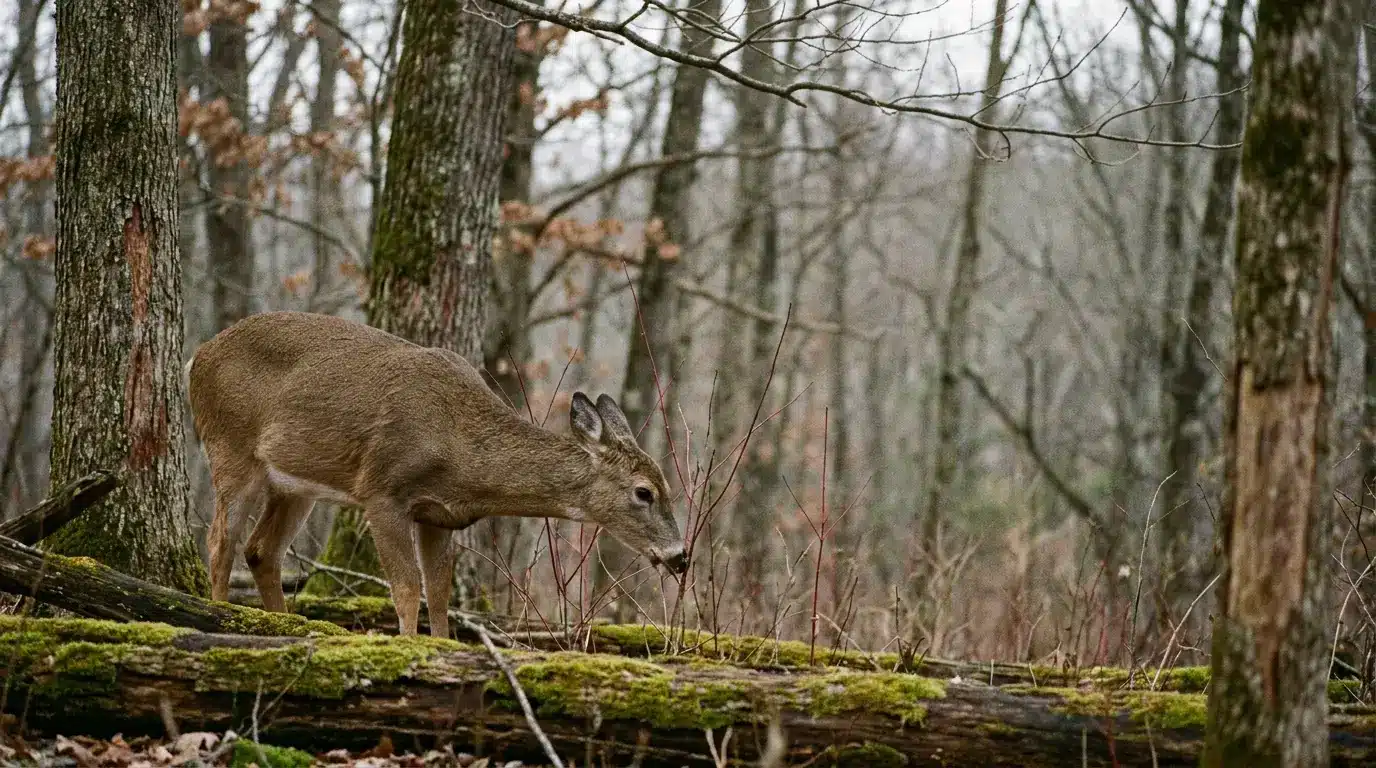
Deer foraging habits are significantly influenced by the availability of native tree species. Trees such as red maple and white oak provide crucial nutrients and energy sources for deer, especially during the colder months when food is scarce.
By managing the composition of native tree species through sustainable harvesting, land managers can direct deer to specific areas, reducing their presence in more populated regions and mitigating human-deer conflicts.
Incorporating native tree harvesting into deer management plans can also benefit other wildlife species, providing a more comprehensive approach to ecosystem management.
For example, when deer are directed to designated foraging areas, the risk of spreading diseases such as Feline Leukemia Virus (FeLV) among other wildlife is minimized. This holistic approach not only supports deer populations but also enhances the overall health of the local ecosystem.
Ecological Impact of Sustainable Harvesting Practices
Sustainable harvesting practices are essential for maintaining the ecological integrity of Southwest Virginia’s forests. By following guidelines set forth by the Virginia Department of Forestry, land managers can ensure that tree harvesting minimizes environmental impact while supporting wildlife management goals. These practices include selective cutting and replanting strategies that promote forest regeneration and long-term ecological health.
Implementing such practices can also aid in achieving compliance with regulations such as the Animal Welfare Act (AWA), ensuring that wildlife management efforts are conducted ethically and sustainably.
Sustainable harvesting not only aligns with conservation goals but also enhances the effectiveness of deer control measures. By fostering a healthy forest environment, we can mitigate the negative impacts of deer overpopulation, such as habitat degradation and loss of biodiversity.
Community Engagement in Deer Control Strategies
Community involvement is crucial in the success of any deer management program. Engaging local residents and stakeholders in the process of native tree harvesting can foster a sense of ownership and responsibility towards wildlife management. Programs that educate the public about the benefits of sustainable tree harvesting and its role in deer control can lead to more widespread support and participation.
Collaborative efforts with organizations such as the Virginia Animal Control Association (VACA) can enhance community engagement by providing resources and expertise in implementing effective deer control strategies. Additionally, involving local volunteers in tree planting and habitat restoration projects can strengthen community ties and promote a shared commitment to environmental stewardship.
Conclusion
Strategic harvesting of native trees plays a pivotal role in enhancing deer control efforts in Southwest Virginia. By promoting diverse habitats and influencing deer foraging behavior, sustainable tree harvesting supports both ecological balance and community interests. For those invested in wildlife management, adopting these practices can lead to healthier ecosystems and more effective deer population control.