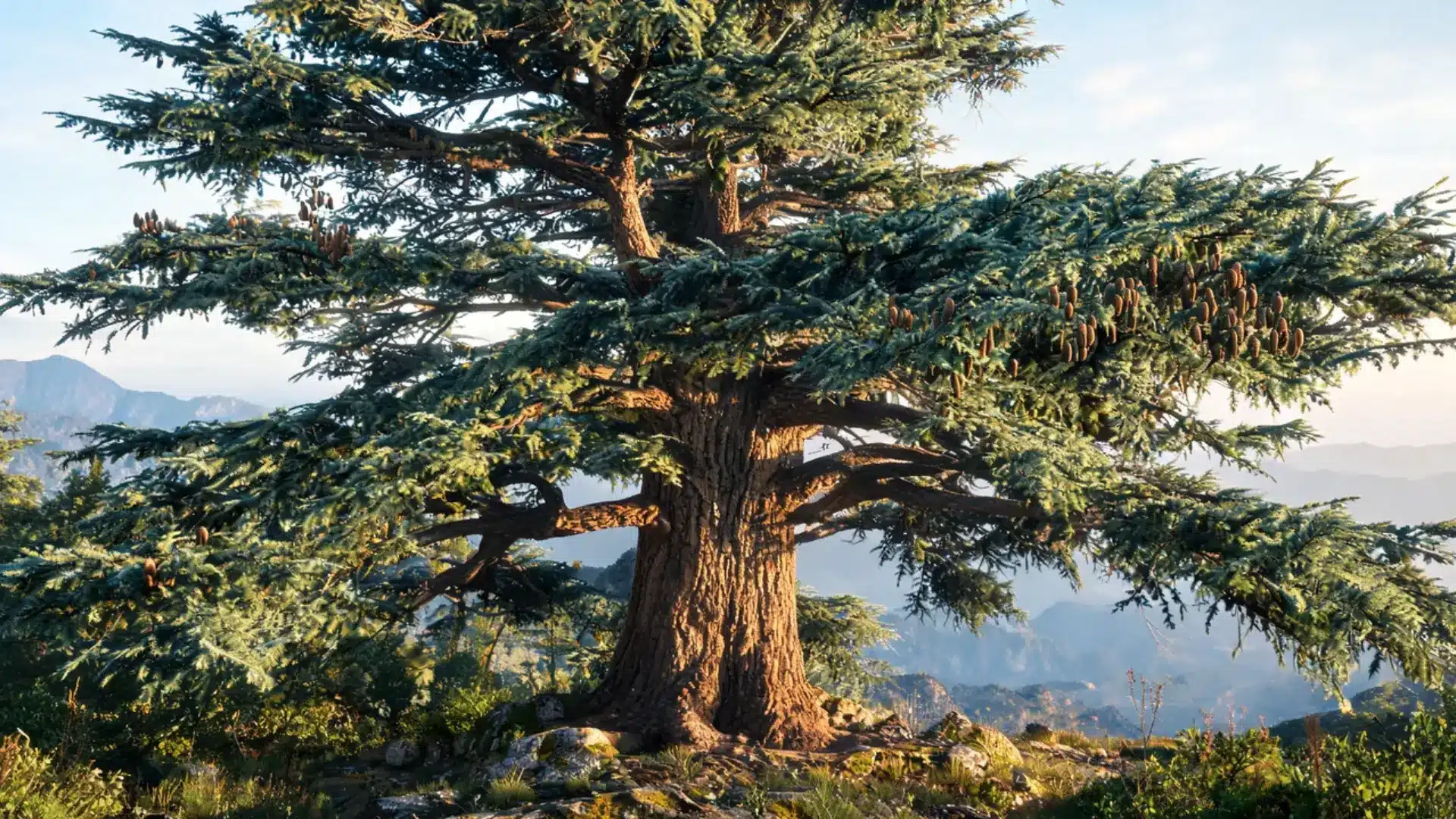
Ever squinted at a nursery tag wondering if that “cedar” in front of you is the real thing or just borrowing the name? You’re not the only one standing in the aisle second-guessing a plant label.
A cedar tree carries a reputation bigger than any single species, and plenty of look-alikes have borrowed that name along the way. It’s easy to walk out of a garden center more confused than when you walked in.
Here’s how to tell a true cedar from its many look-alikes, what each type actually looks like, and why the name carries so much weight across so many different cultures.
Cedar Tree At A Glance
| Fact | Answer |
|---|---|
| Genus | Cedrus |
| Family | Pinaceae |
| Plant Type | Evergreen conifer |
| True Species | Four currently recognized |
| Native Range | Northwest Africa, the eastern Mediterranean, and the western Himalaya |
| Native To North America | No |
| Key Identifiers | Needle clusters on short shoots and upright, barrel-shaped cones |
USDA Forest Service records currently recognize four species of Cedrus, though older or alternative classifications sometimes treat Atlas cedar or Cyprus cedar as varieties of Lebanon cedar rather than separate species.
What Is A Cedar Tree?
The name “cedar” can refer to true cedars and several unrelated conifers.
True cedars belong to the genus Cedrus, while trees such as eastern red cedar, western red cedar, arborvitae, and some false cypresses belong to other genera.
These cedar-named trees can differ from true cedars in their foliage, cones, growth form, native range, and wood characteristics.
Knowing the botanical name is the easiest way to tell whether a tree is a true cedar or simply carries “cedar” in its common name.
Common True Cedars And Cedar-Named Conifers
It isn’t a complete inventory of every plant called cedar worldwide, and it leaves out some lesser-known regional species, such as Atlantic white-cedar (Chamaecyparis thyoides), a wetland conifer of the eastern United States.
1. Cedar of Lebanon (Cedrus libani)
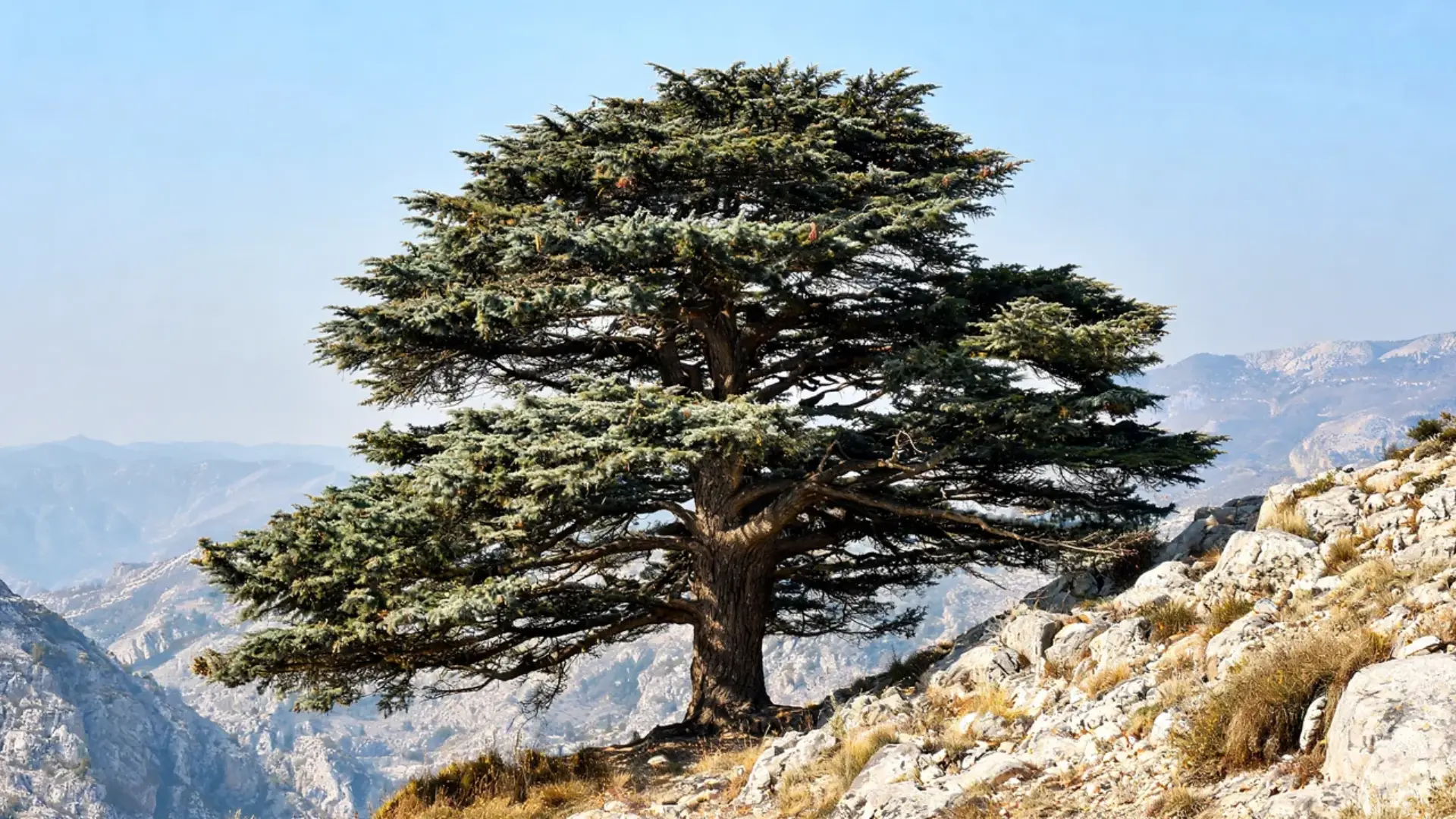
Native to the eastern Mediterranean, the Cedar of Lebanon can live for many centuries, with some specimens passing the 1,000-year mark, and it remains a national symbol of Lebanon.
Mature trees develop a broad, flat-topped crown with clustered needles and upright cones, and their aromatic wood has long been prized for construction.
2. Deodar Cedar (Cedrus deodara)
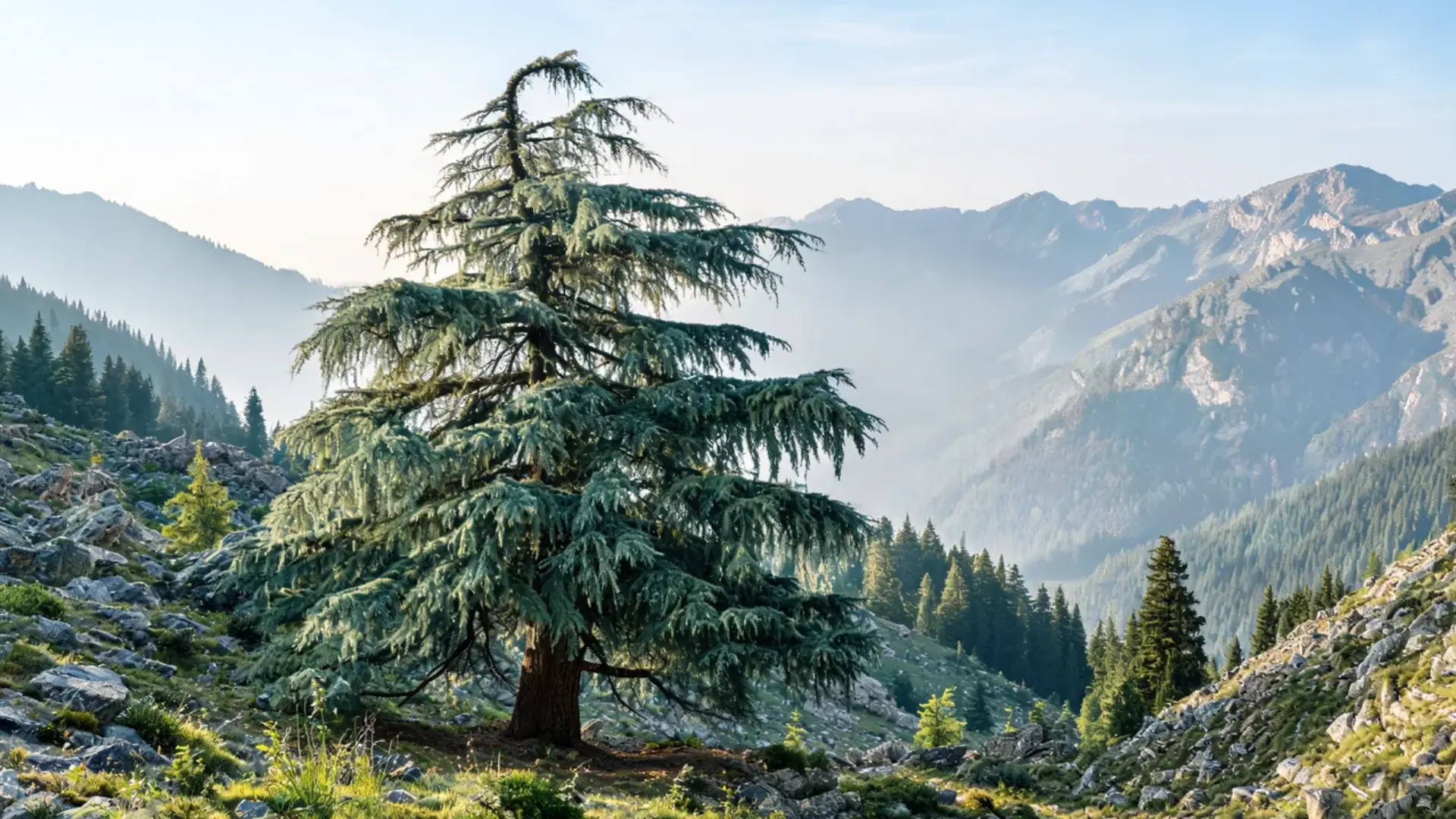
Native to the western Himalaya, deodar cedar is known for its soft blue-green needles and gently drooping branch tips.
Its Sanskrit name, devadaru, means “wood of the gods,” and it still holds a sacred place in Hindu tradition. It adapts well to warmer garden climates as a graceful specimen tree.
3. Atlas Cedar (Cedrus atlantica)
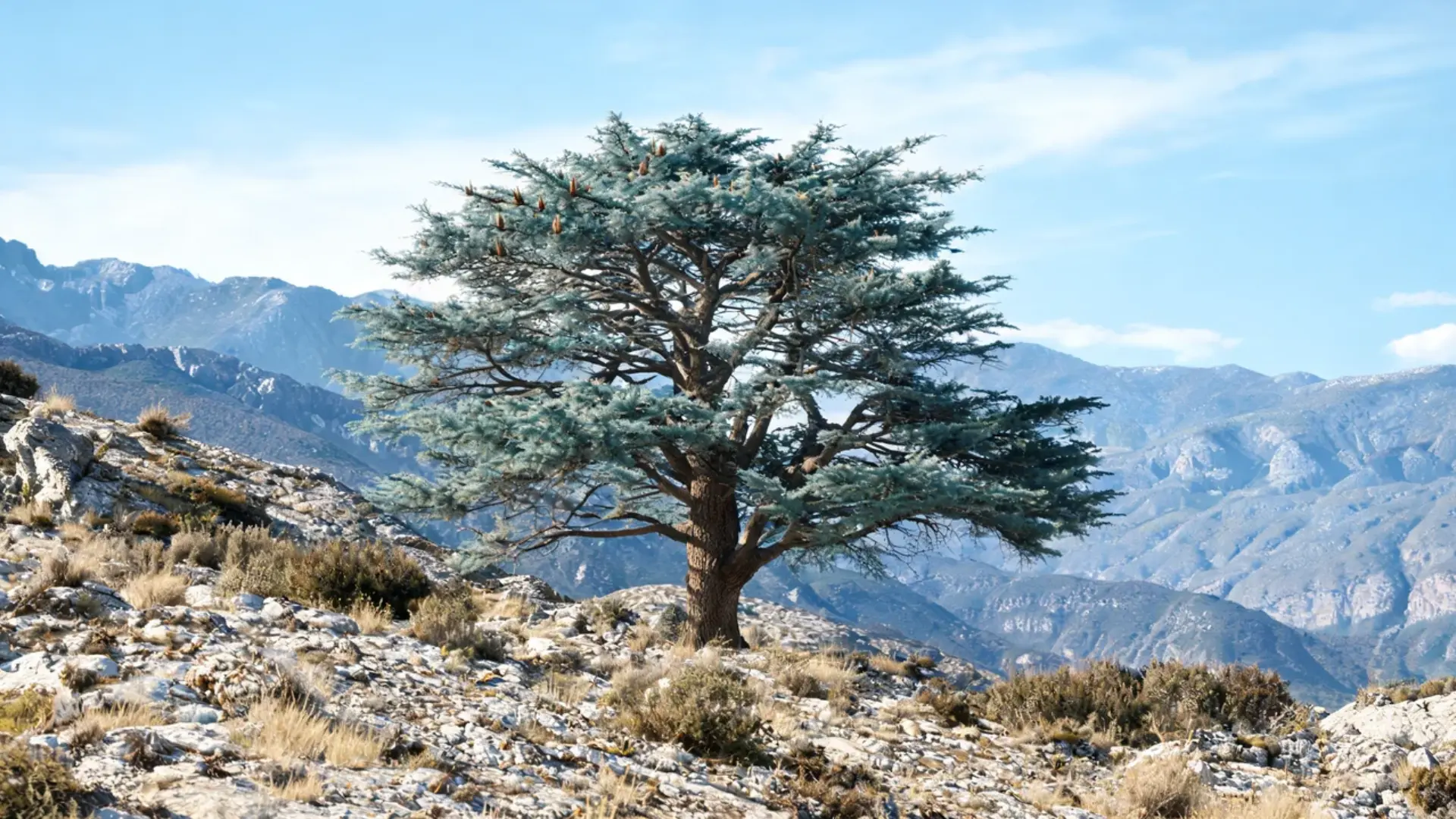
Native to the mountains of Morocco and Algeria, Atlas cedar is prized for its sturdy form, and Blue Atlas varieties are especially popular in gardens for their silvery blue needles.
It remains an important part of North Africa’s high-elevation forests and tolerates urban conditions better than most other true cedars.
4. Cyprus Cedar (Cedrus brevifolia)
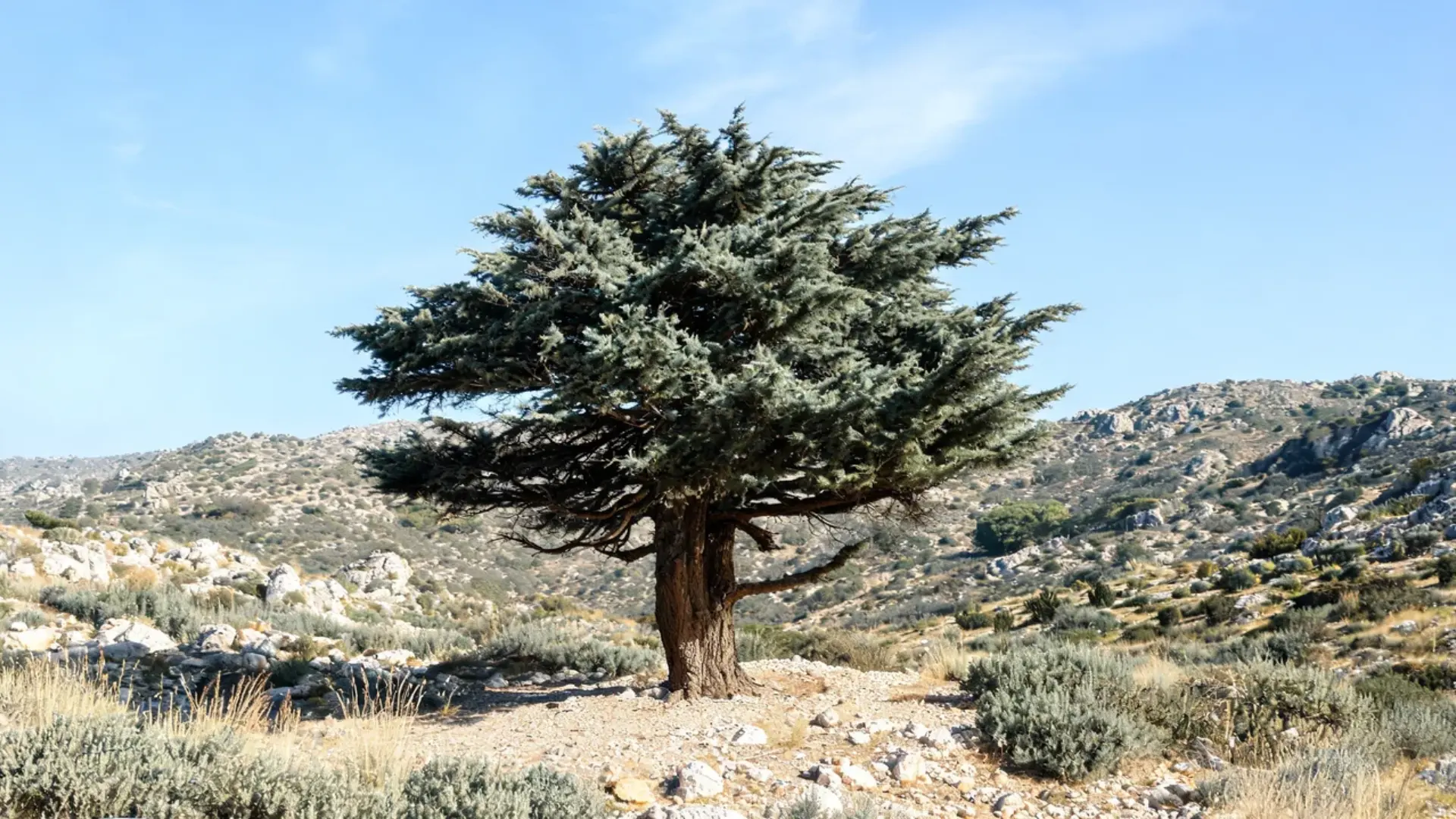
Native only to the Troodos Mountains of Cyprus, this is the most limited in range of the four true cedars.
Short evergreen needles and upright cones mark it as a genuine Cedrus despite its narrow range, and its smaller, denser crown suits gardens too small for its larger Mediterranean relatives.
5. Eastern Red Cedar (Juniperus virginiana)
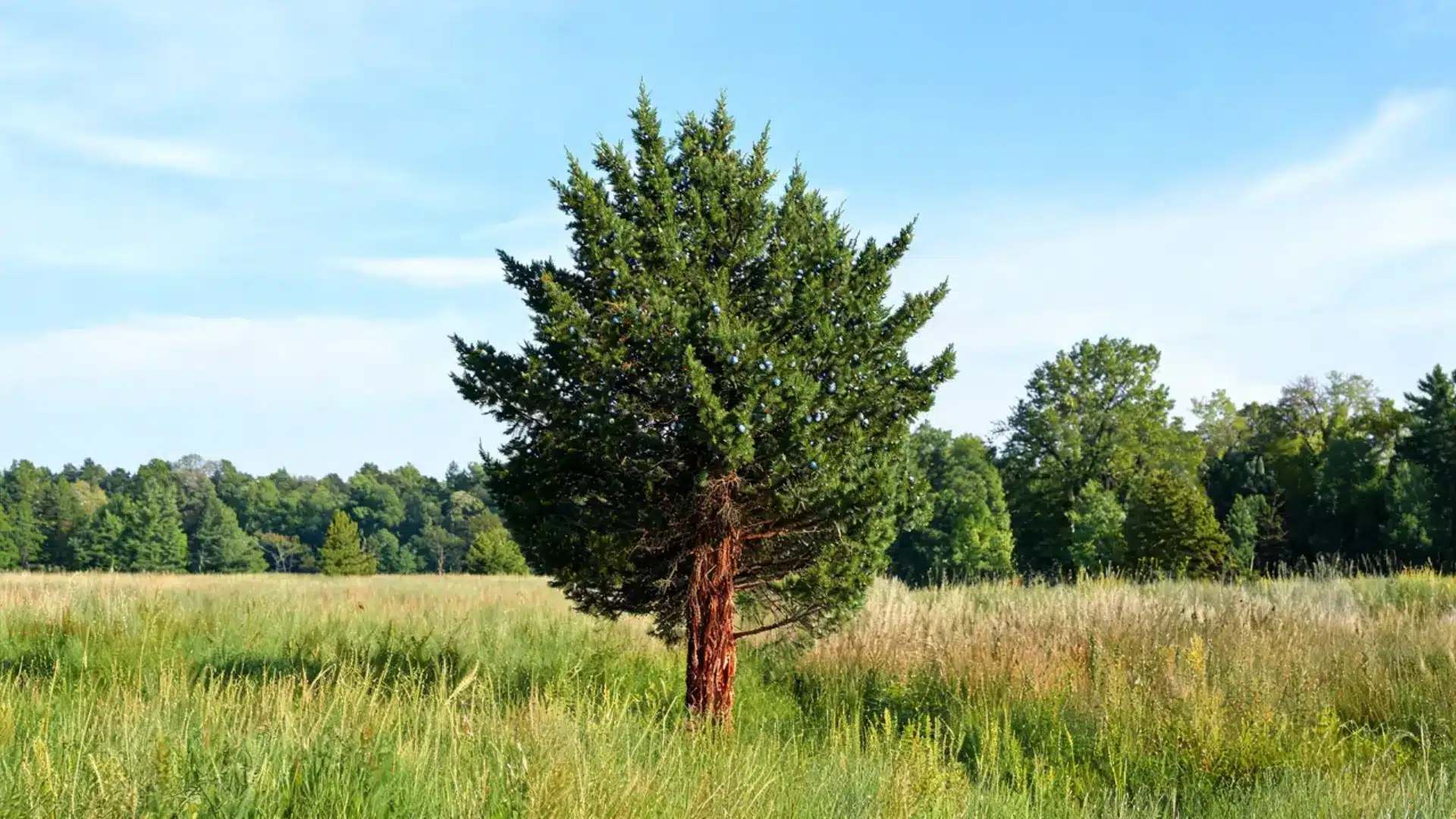
Native across much of North America, eastern red cedar is a juniper valued for wildlife habitat and aromatic reddish wood traditionally used in furniture and storage products.
The USDA Forest Service notes it also helps protect fragile soils from erosion and tolerates poor, dry soil better than most native conifers.
6. Western Red Cedar (Thuja plicata)
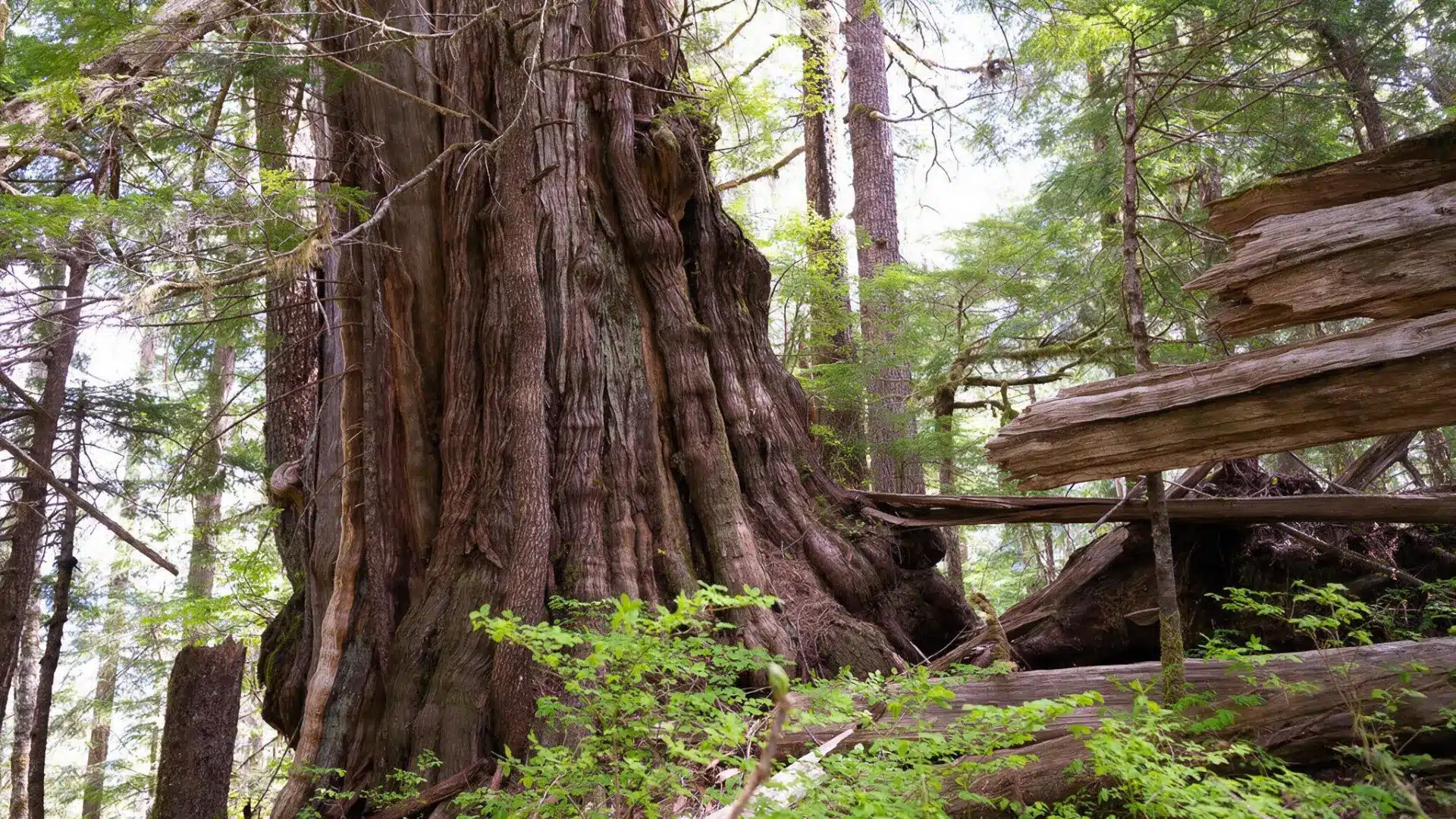
Native to western North America, western red cedar is a Thuja species long called the tree of life by Indigenous peoples of the Pacific Northwest for its durable wood.
The USDA Forest Service reports old-growth specimens reaching 800 to 1,000 years old, and its timber is prized for shingles.
7. Northern White Cedar (Thuja occidentalis)
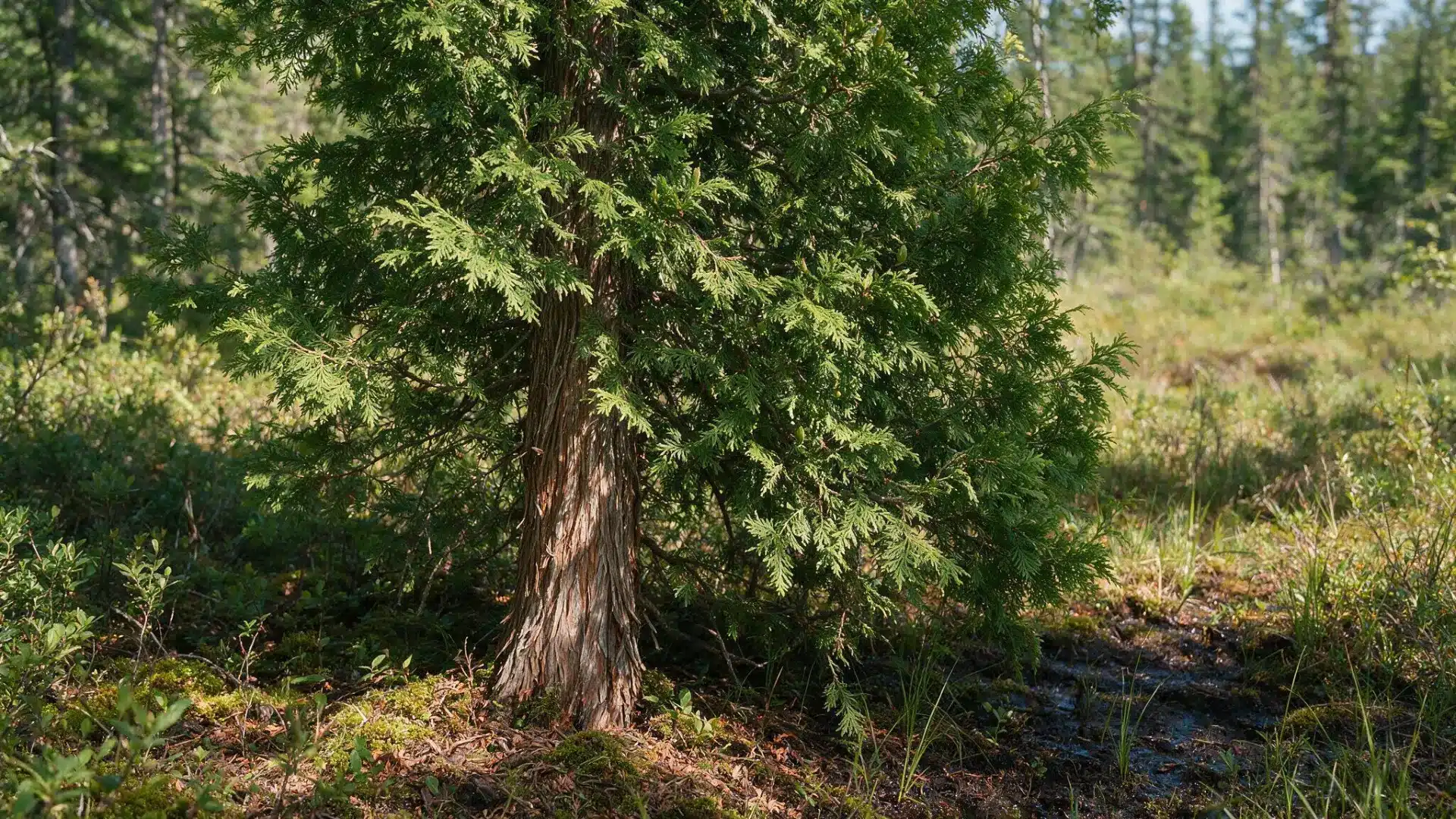
Native to cool climates across northeastern North America, this Thuja species is commonly planted for hedges, screens, and windbreaks because of its dense, slow growth.
Its fan-shaped, scale-like foliage holds its shape for decades once established, and it also provides valuable winter shelter and browse for wild deer herds.
8. Incense Cedar (Calocedrus decurrens)
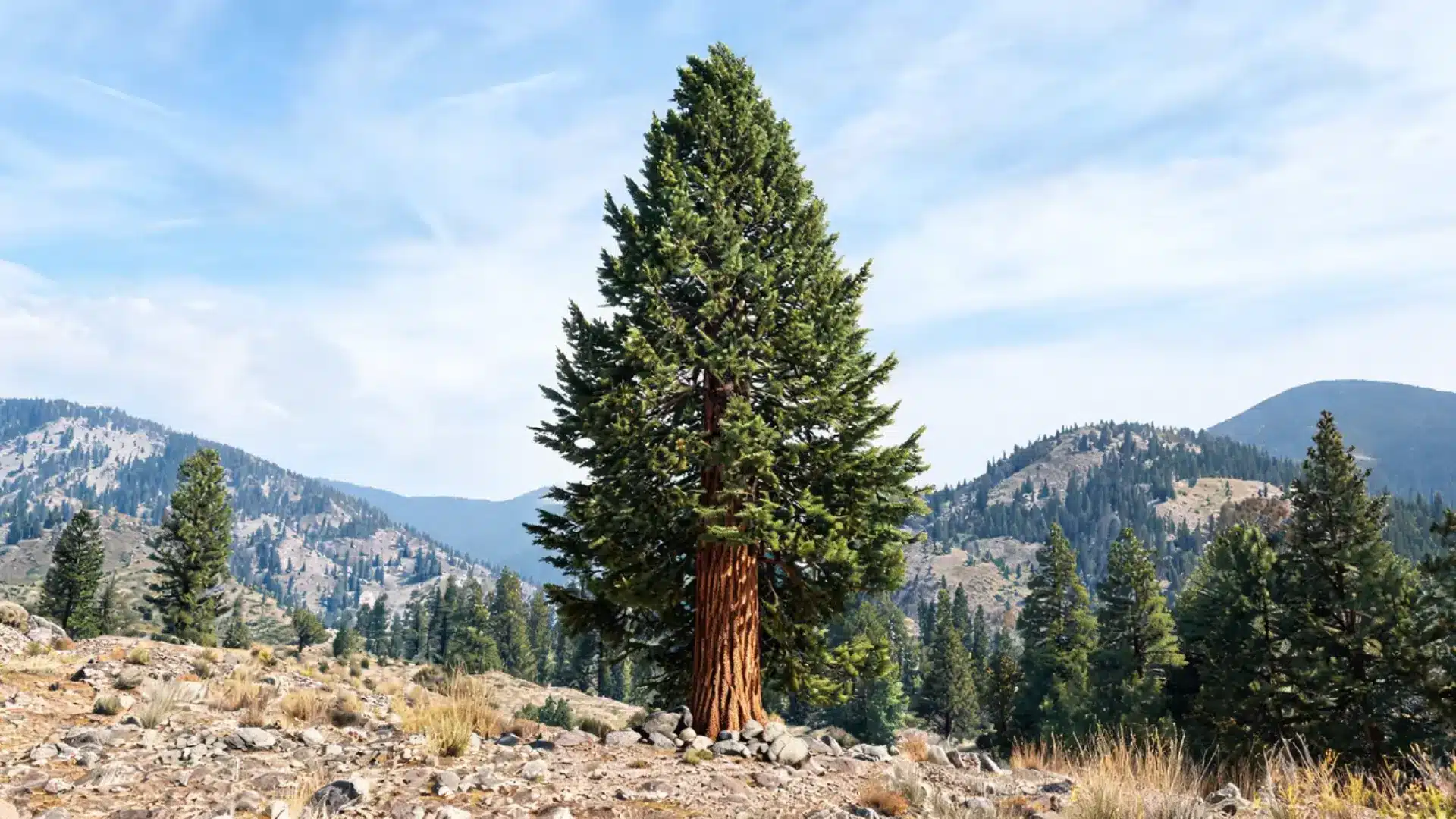
Native to western North America, incense cedar belongs to Calocedrus rather than Cedrus and is valued for fragrant, decay-resistant wood used in pencils and fencing.
Its narrow, columnar form is a familiar sight along mountain roads in California and Oregon, and it tolerates both full sun and partial shade well.
9. Alaska Cedar (Callitropsis nootkatensis)
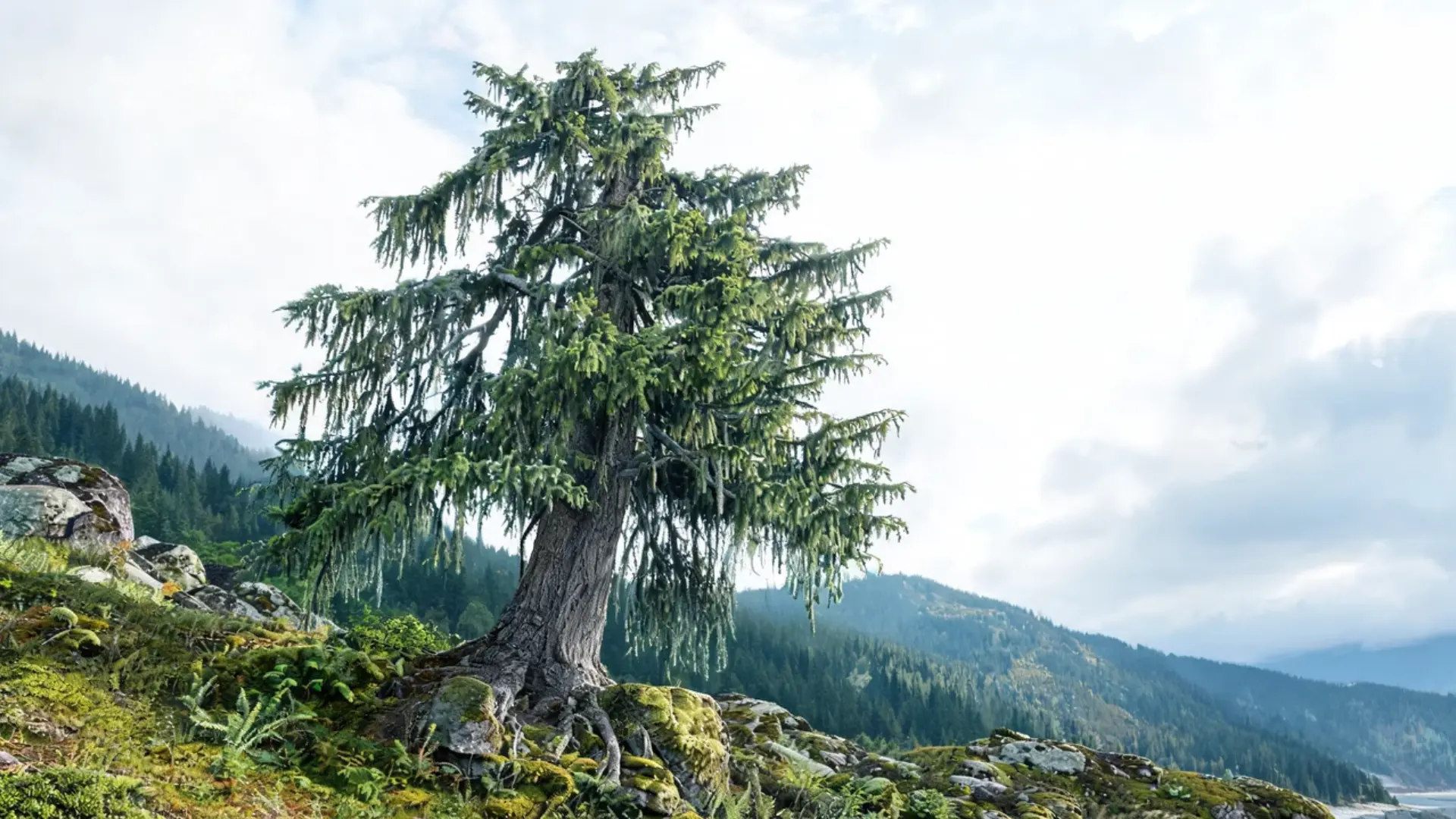
Native to the cool coastal forests of the Pacific Northwest, Alaska cedar is a Callitropsis species with drooping foliage suited to harsh, wet conditions.
Its pale, durable wood has long been used for boatbuilding, and individual trees can live well over a thousand years in favorable mountain growing conditions today.
10. Port Orford Cedar (Chamaecyparis lawsoniana)
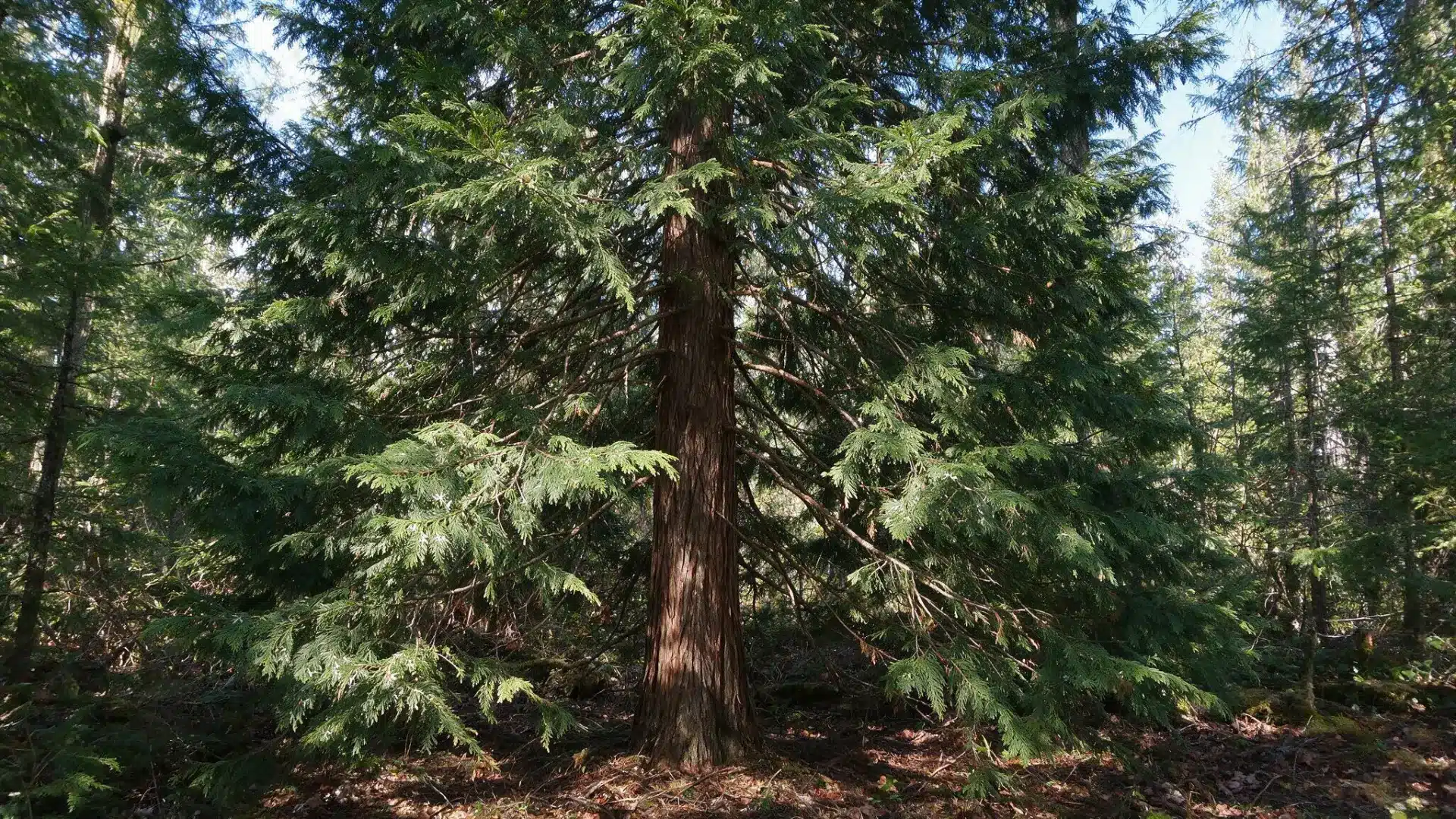
Native to a limited area of southwestern Oregon and northwestern California, this Chamaecyparis species is valued for fine, straight-grained wood used in specialized woodworking.
Much of its harvested timber is exported to Japan for temple construction, and wild populations now face real pressure from an introduced root disease that foresters monitor.
11. Bermuda Cedar (Juniperus bermudiana)
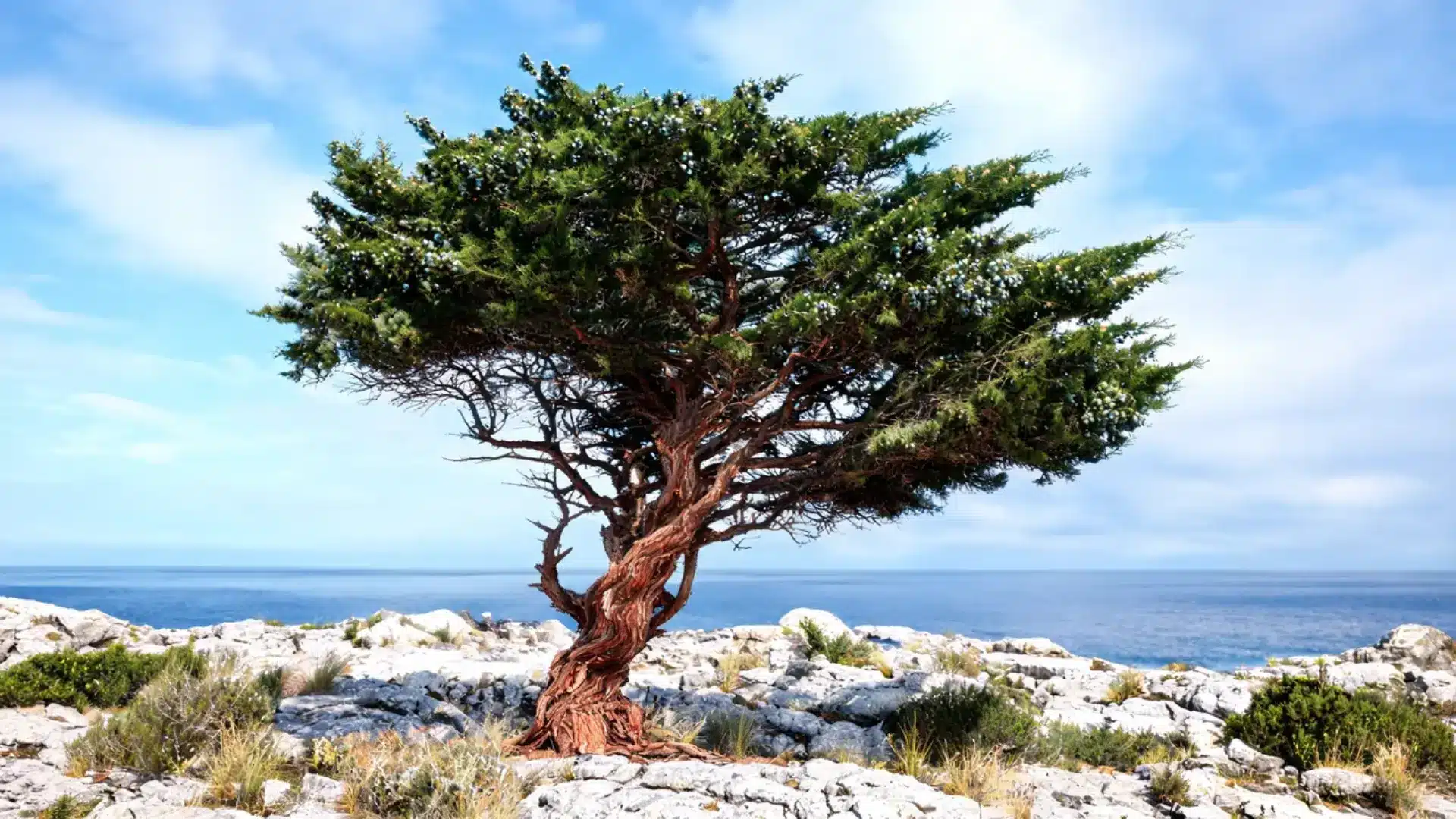
Native to Bermuda, this juniper once covered most of the island before an introduced scale insect wiped out well over 90 percent of the population during the 1940s.
Since it’s easily confused with other reddish junipers, learning to identify juniper tree leaves up close helps separate it from look-alikes.
Cedar Tree Symbolism And Meaning
Cedar does not carry one universal meaning. Different cultures built their own symbolism around different cedar species and cedar-named trees, so the associations below trace back to specific traditions rather than a single shared belief.
- Strength and resilience: Large trunks, durable wood, and centuries-long lifespans tie certain cedars to strength in cultures near their native range.
- Longevity: Evergreen foliage and long lifespans made species like the Cedar of Lebanon symbols of continuity and permanence.
- Protection: The fragrance and decay resistance of species such as eastern red cedar connected that particular tree with protection and preservation.
- Cultural identity: The Cedar of Lebanon is tied closely to Lebanese identity, while Bermuda cedar represents part of Bermuda’s natural heritage.
How To Identify A True Cedar Tree
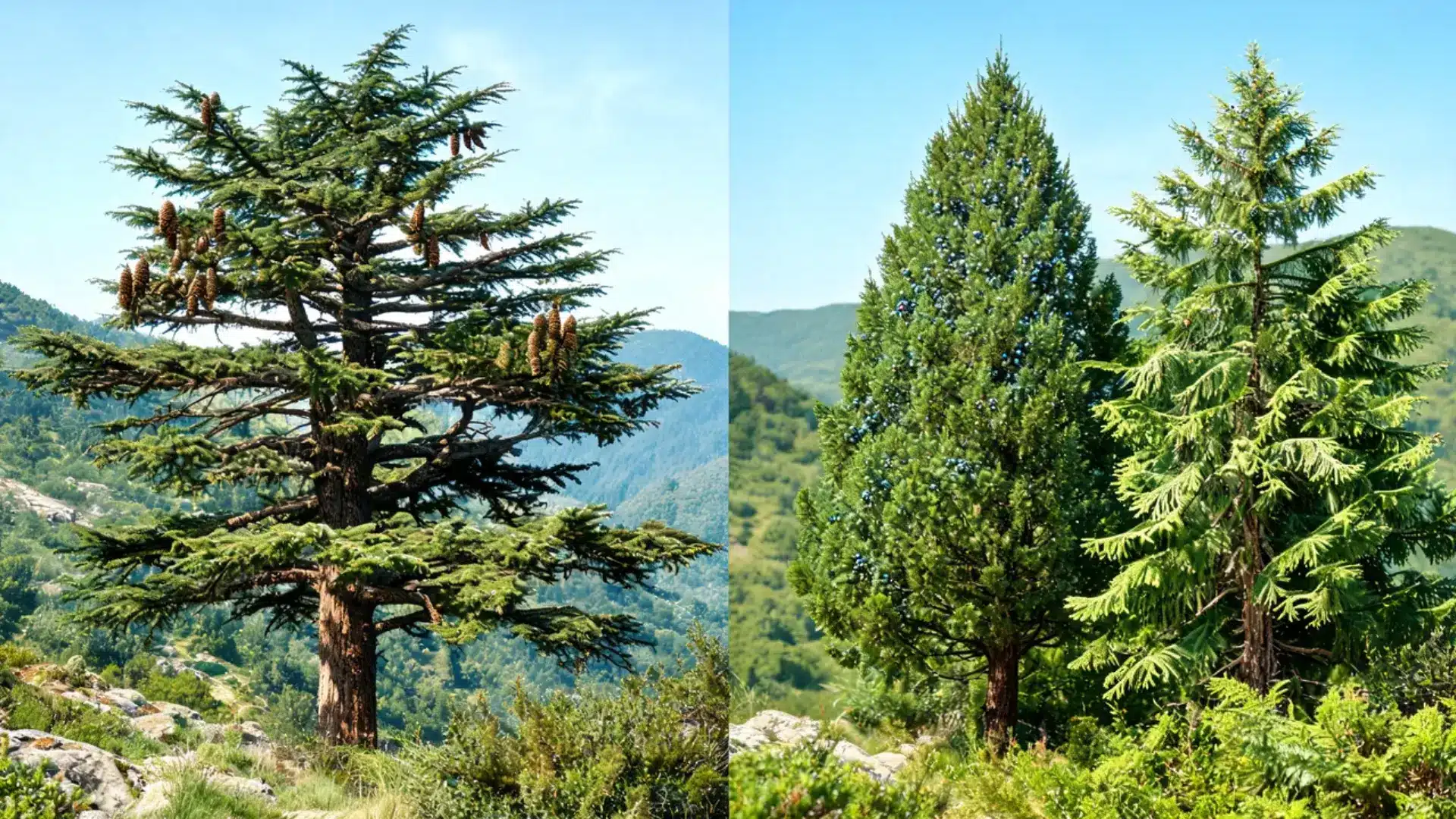
Needles, cones, bark, and overall shape each offer a separate clue, and checking them together gives a far more reliable result than relying on just one feature.
| Feature | True Cedar (Cedrus) | Common Cedar-Named Trees |
|---|---|---|
| Needles | Clustered on short shoots, single on new growth | Scale-like or flattened sprays |
| Cones | Large, upright, barrel-shaped | Small, woody, or berry-like |
| Family | Pinaceae | Often Cupressaceae |
| Examples | Lebanon, Atlas, deodar, Cyprus | Eastern red cedar, western red cedar, northern white cedar |
Needles on true cedars form dense clusters on short shoots, but new growth on longer shoots can carry needles singly rather than in a cluster, so check a few branches before ruling a tree out.
Common Uses Of Cedar Trees
Cedar earns its place in gardens and workshops through more than good looks, though which properties apply depends heavily on the species involved.
| Use | Species-Specific Explanation |
|---|---|
| Ornamental planting | True Cedrus species are grown as specimen trees for their form and needle color |
| Construction and outdoor wood | Western red cedar and several cedar-named species are valued for durable, rot-resistant timber |
| Closets and chests | Eastern red cedar is best known for aromatic heartwood used in moth-deterrent products |
| Pencils | Incense cedar has long been a preferred pencil wood |
| Cultural uses | Vary by specific species and culture rather than by “cedar” as a whole |
Mulch made from cedar or cypress bark is another common landscaping product, and gardeners comparing cedar vs cypress mulch options often want to know which one holds its color and repels pests longer in local beds.
Frequently Asked Questions
What does a true cedar tree look like?
True cedars have stiff, evergreen needles clustered on short shoots, blue-green to green foliage, and cones that stand upright rather than hang down. Mature trees often develop a broad, flat-topped crown after starting out pyramidal.
How many true cedar species exist?
Four species of Cedrus are currently recognized, according to USDA Forest Service records, though older or alternative classifications sometimes treat Atlas cedar or Cyprus cedar as varieties of Lebanon cedar rather than fully separate species.
Are true cedar trees native to North America?
No, true cedar species are native to the Mediterranean region and the western Himalaya, not North America. Trees commonly called cedar in the United States, such as eastern red cedar, belong to entirely different genera.
What is the difference between cedar and juniper?
True cedars belong to the genus Cedrus and carry clustered needles with upright, barrel-shaped cones. Junipers belong to Juniperus, have scale-like or needle-like foliage, and produce small, soft, berry-like cones instead of upright woody ones.
How fast do cedar trees grow?
Growth varies widely since cedar refers to several unrelated tree groups. Even among true Cedrus species, growth speed depends on the species, its age, local climate, and site conditions, so no single number fits every cedar.
Final Thoughts
Cedar trees can be a little confusing because the name covers both true Cedrus species and several unrelated conifers. Once you know the main clues, telling them apart gets easier.
Look at the needles, cones, and overall shape, then check the botanical name if you are still unsure.
Knowing the exact species also helps when you are choosing a tree for your yard, comparing wood, or learning about its history and uses.
A little attention goes a long way, and the next time you see a cedar, you will have a much better idea of what you are looking at. Drop a comment below and let me know if you have any further questions.