Many beginners struggle with growing eggplant because the plant needs warm weather and regular care. But with the right setup, eggplant can be one of the easiest vegetables to grow at home.
This blog covers everything from planting and care to the successful harvesting of healthy eggplants.
You’ll also learn how to choose the right variety, prevent common growing problems, and help your plants produce better fruits throughout the season.
Why Eggplant is Popular in Home Gardens
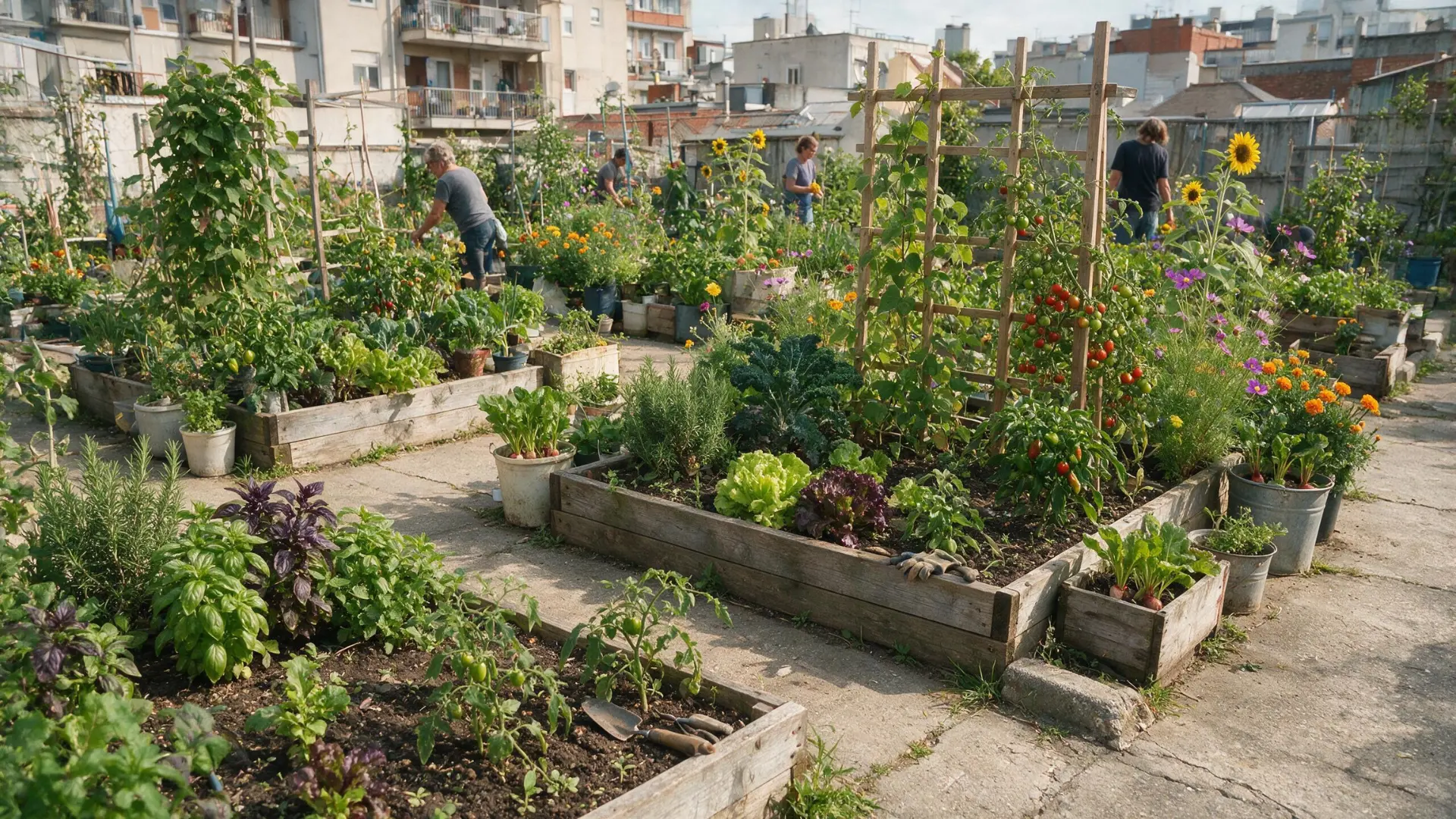
Eggplant is popular among home gardeners because it is productive, beginner-friendly, and adaptable to a variety of gardening spaces.
With warm weather, proper sunlight, and basic care, eggplant plants can continue producing healthy fruits for several weeks in containers, raised beds, and backyard gardens.
Its attractive purple fruits and flowers also make it a beautiful addition to home gardens.
Best Eggplant Varieties for Home Gardening
Choosing the right eggplant variety helps beginners grow healthier plants more easily. Some varieties work better in containers, while others grow best in larger gardens and warmer climates.
| Eggplant Varieties | Best Time to Grow | Temperature & Climate | Best Soil |
|---|---|---|---|
| Globe Eggplant | Late spring to summers | Warm climate with a temperature between 21°C and 32°C | Well-draining soil rich in compost |
| Japanese Eggplant | Spring after the last forest | Thrives in warm and humid weather | Loose, fertile soil with good drainage |
| Italian Eggplant | Warm growing seasons from spring to summers | Prefers consistent warm temperatures | Nutrient-rich soil with organic matter |
| White Eggplant | Late spring and early summers | Grows best in warm temperatures | Slightly acidic, well-draining soil |
| Container-Friendly Varieties | Spring and early summers | Warm climate with steady temperature | Light potting mix with compost and proper drainage |
How to Plant Eggplant: Step-by-Step
From choosing the right materials to transplanting healthy seedlings, every small step helps the plant grow stronger and produce better fruits later in the season.
Materials Needed
| Supply | Why You Need It |
|---|---|
| Eggplant Seeds or Seedlings | Start healthy plants for better growth and yield |
| Seed Trays or Pots | Useful for starting seeds indoors before transplanting |
| Nutrient-Rich Soil | Helps plants grow strong roots and healthy fruits |
| Compost | Adds extra nutrients and improves soil quality |
| Watering Can | Keeps the soil evenly moist without overwatering |
| Stakes or Cages | Supports plants later as they grow taller and heavier |
| Healthy Seeds or Seedlings | Reduces the risk of weak plants and poor harvests |
Step 2: Start Eggplant Seeds in Seed Trays or Small Pots
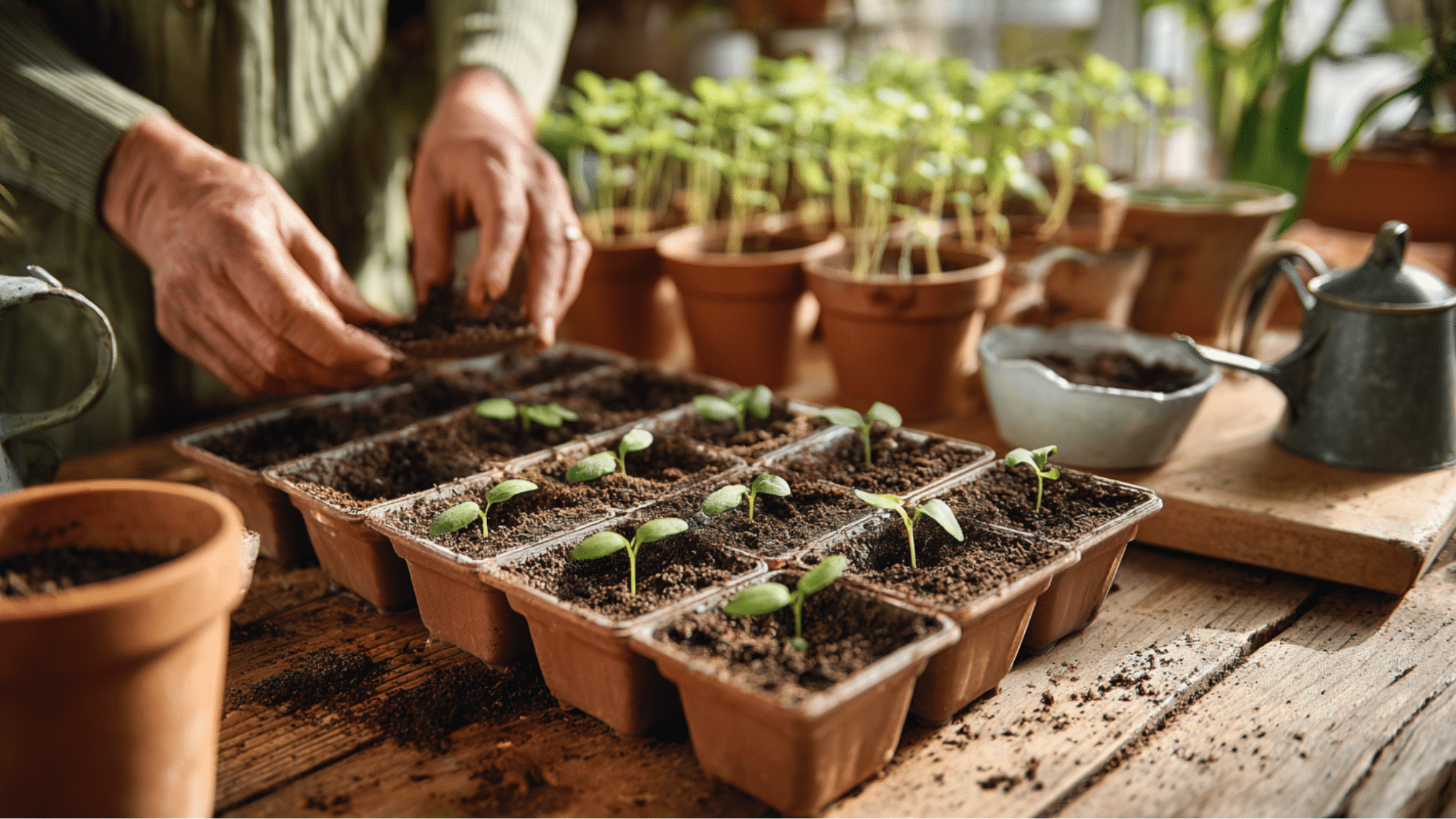
Plant seeds in small pots or seed trays, filling them with light, well-draining seed-starting mix.
Eggplant seeds grow best in warm temperatures between 24°C and 29°C, and the soil should stay lightly moist during germination. Most seeds begin sprouting within 1–2 weeks.
Step 3: Start Eggplant Seeds Indoors at the Right Time
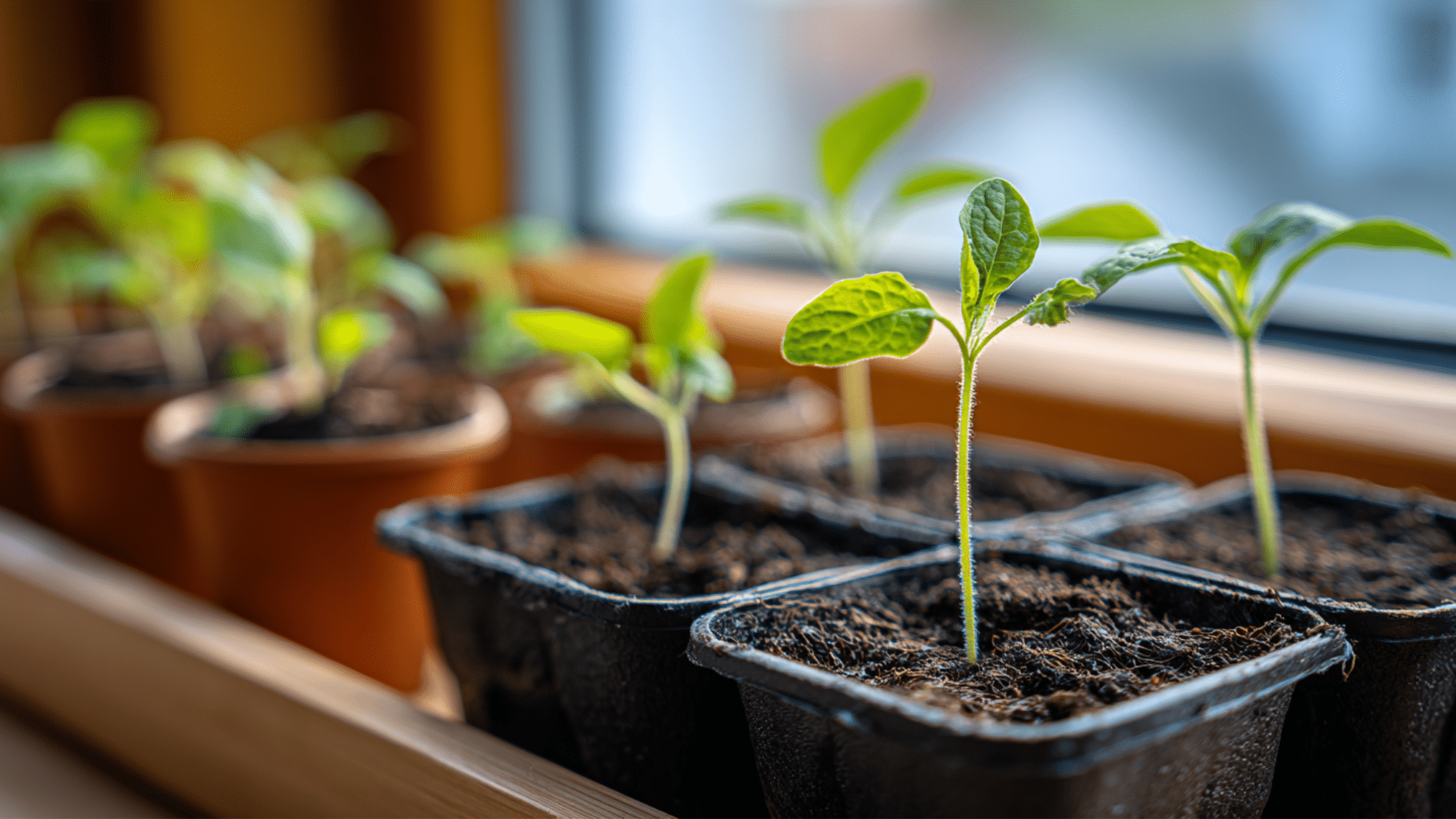
Start seeds indoors about 6–8 weeks before the last frost so seedlings become strong before moving outside.
Place them near a sunny window or under grow lights and keep the soil lightly moist. Healthy seedlings usually develop strong stems and several green leaves before transplanting.
Step 4: Transplant Healthy Eggplant Seedlings Outdoors
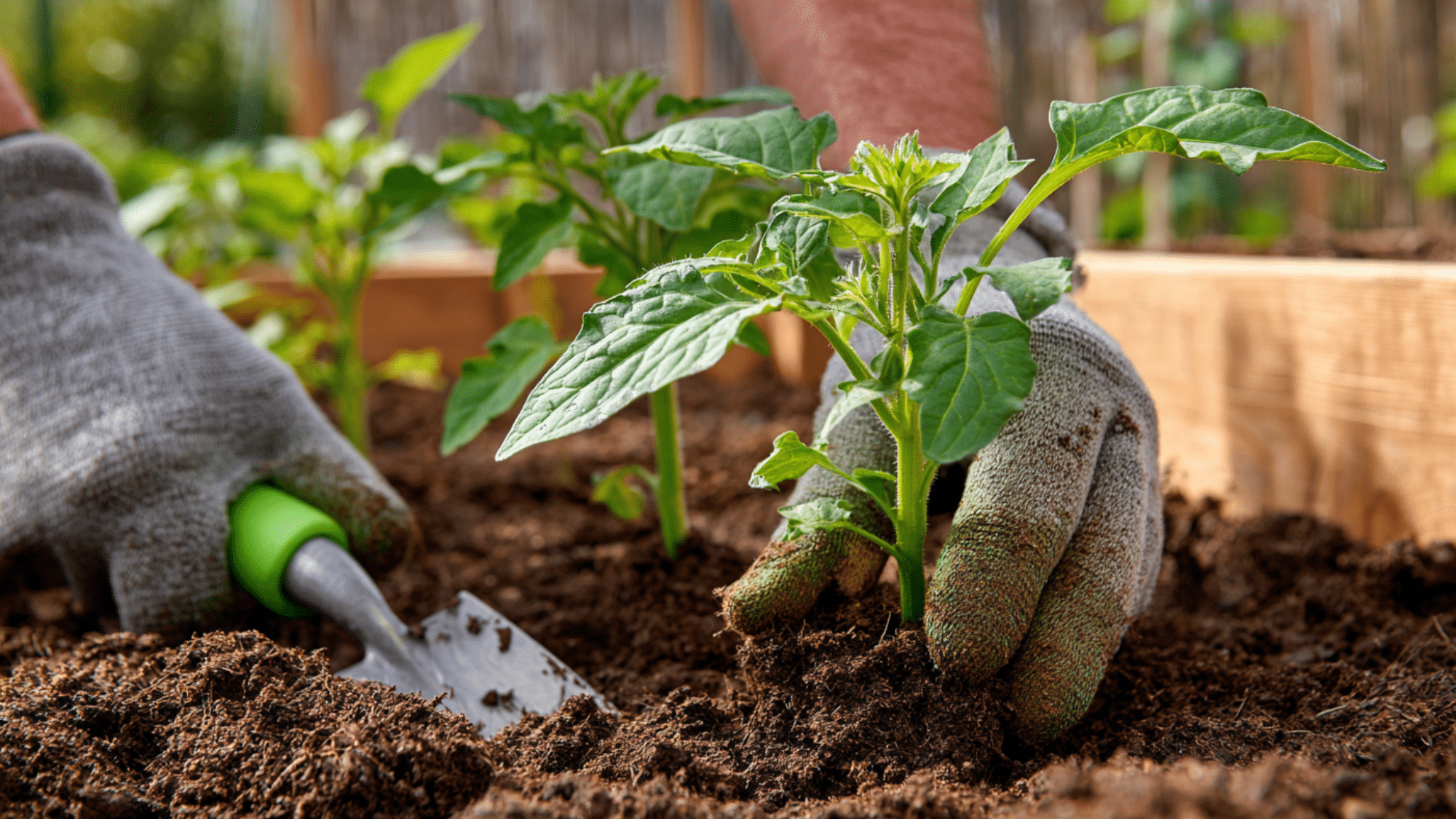
Move seedlings outdoors only after the weather is warm and frost danger has passed. Before transplanting, gradually expose the plants to outdoor conditions for about a week to reduce stress.
Water the seedlings immediately after transplanting to help the roots settle properly.
Step 5: Give the eggplant plant proper spacing
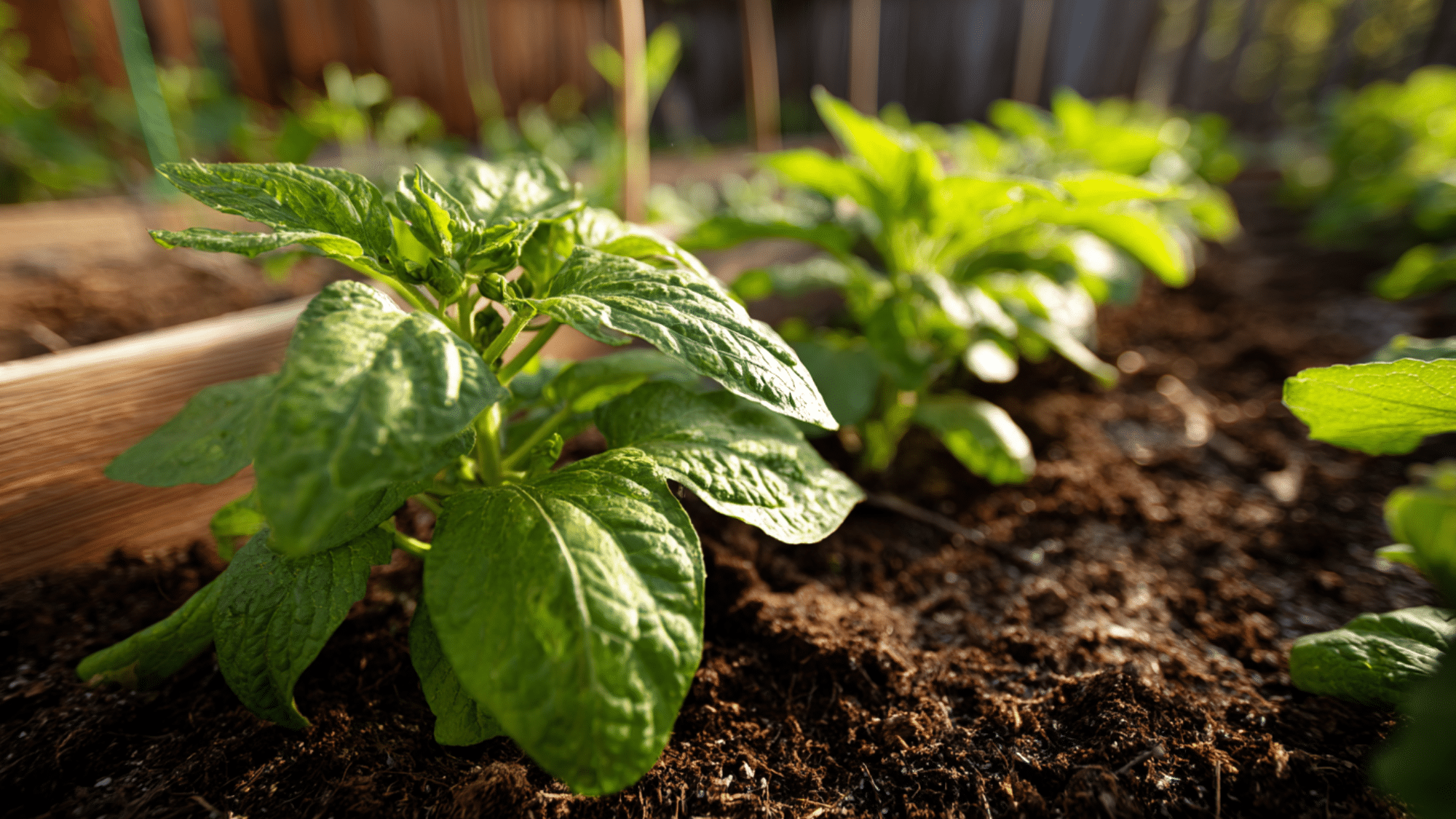
Eggplant plants need enough space to grow properly because crowded plants compete for sunlight, airflow, water, and nutrients.
Most varieties grow best when spaced about 18–24 inches apart, which also makes watering, pruning, and harvesting easier for beginners.
Step 6: Grow Eggplant Successfully in Containers
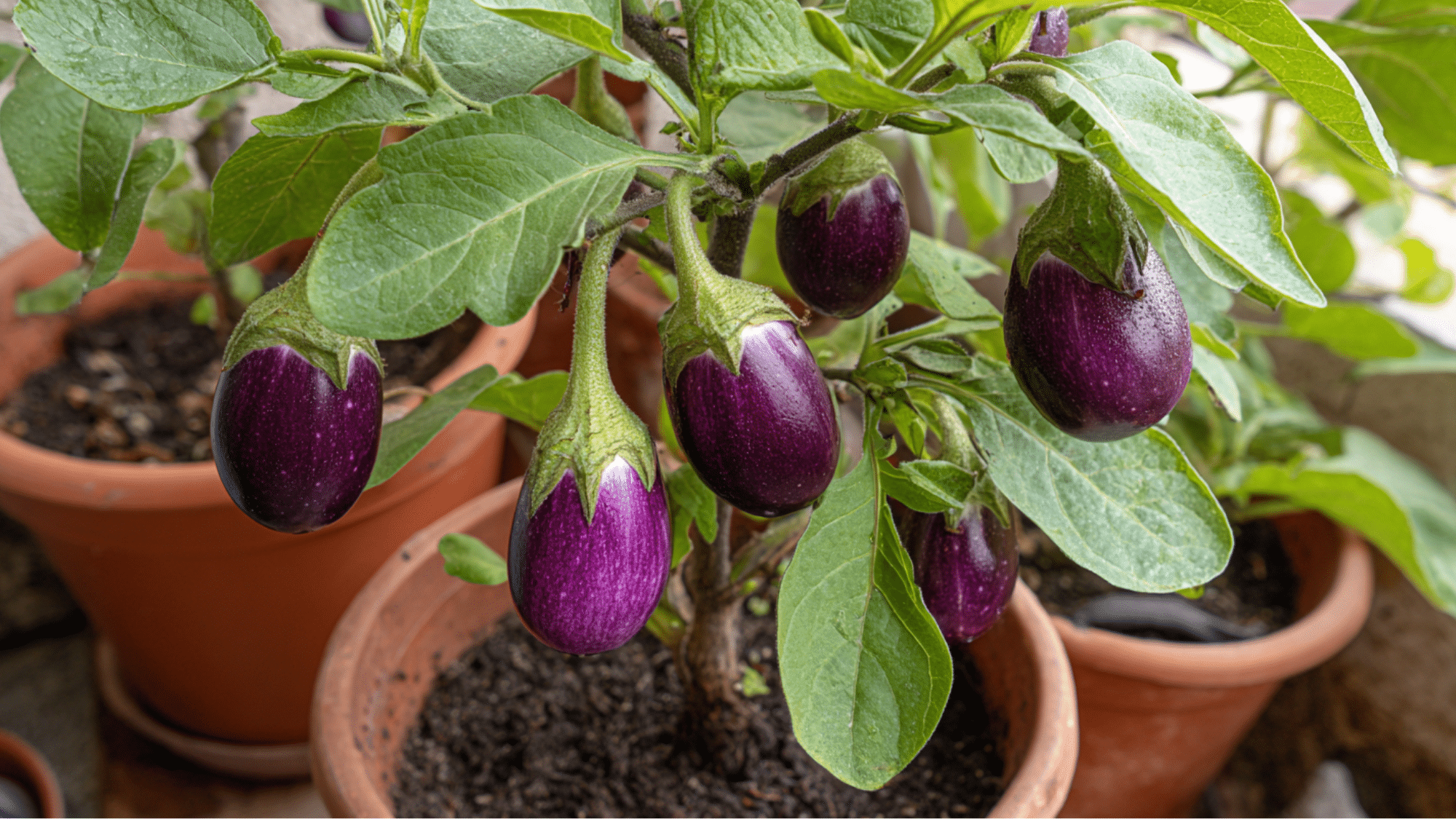
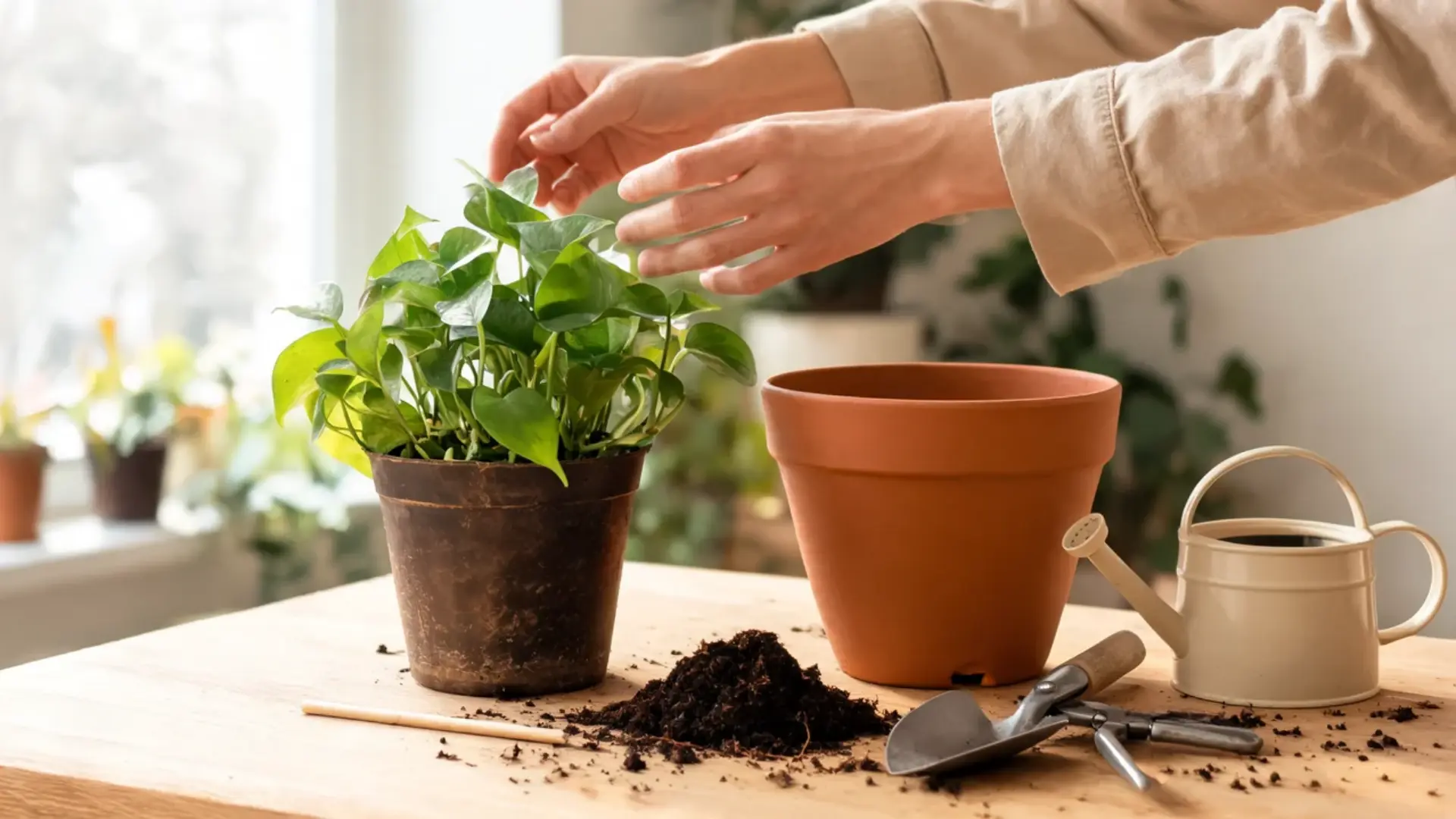
Eggplant grows well in containers, making it perfect for balconies, patios, and small gardens. Use a pot at least 12–14 inches deep with drainage holes and fill it with loose, nutrient-rich potting mix.
Place the container in full sunlight and water regularly, as pots dry out faster in hot weather.
Step 7: Choose the best Planting Methods for Eggplants
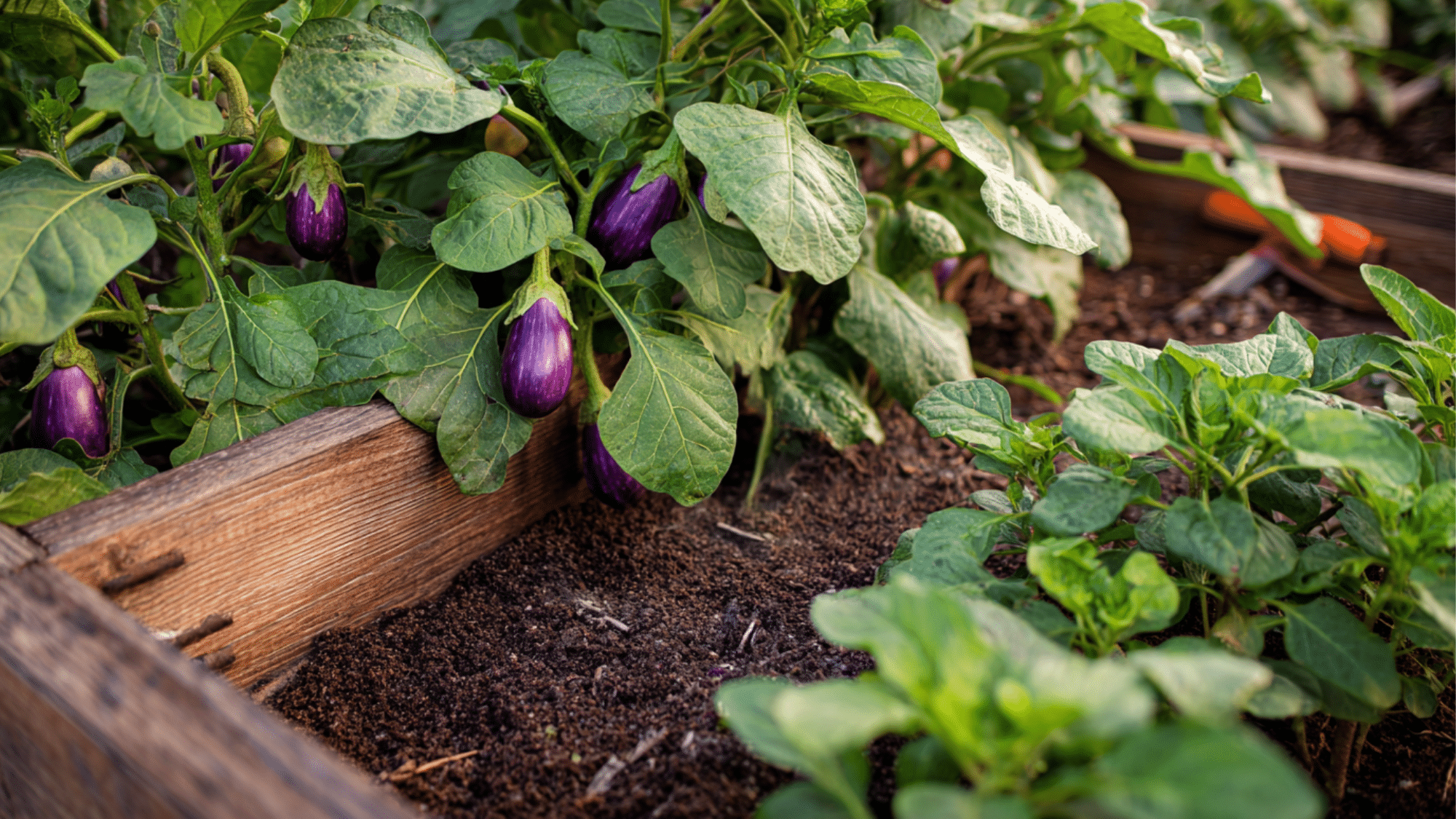
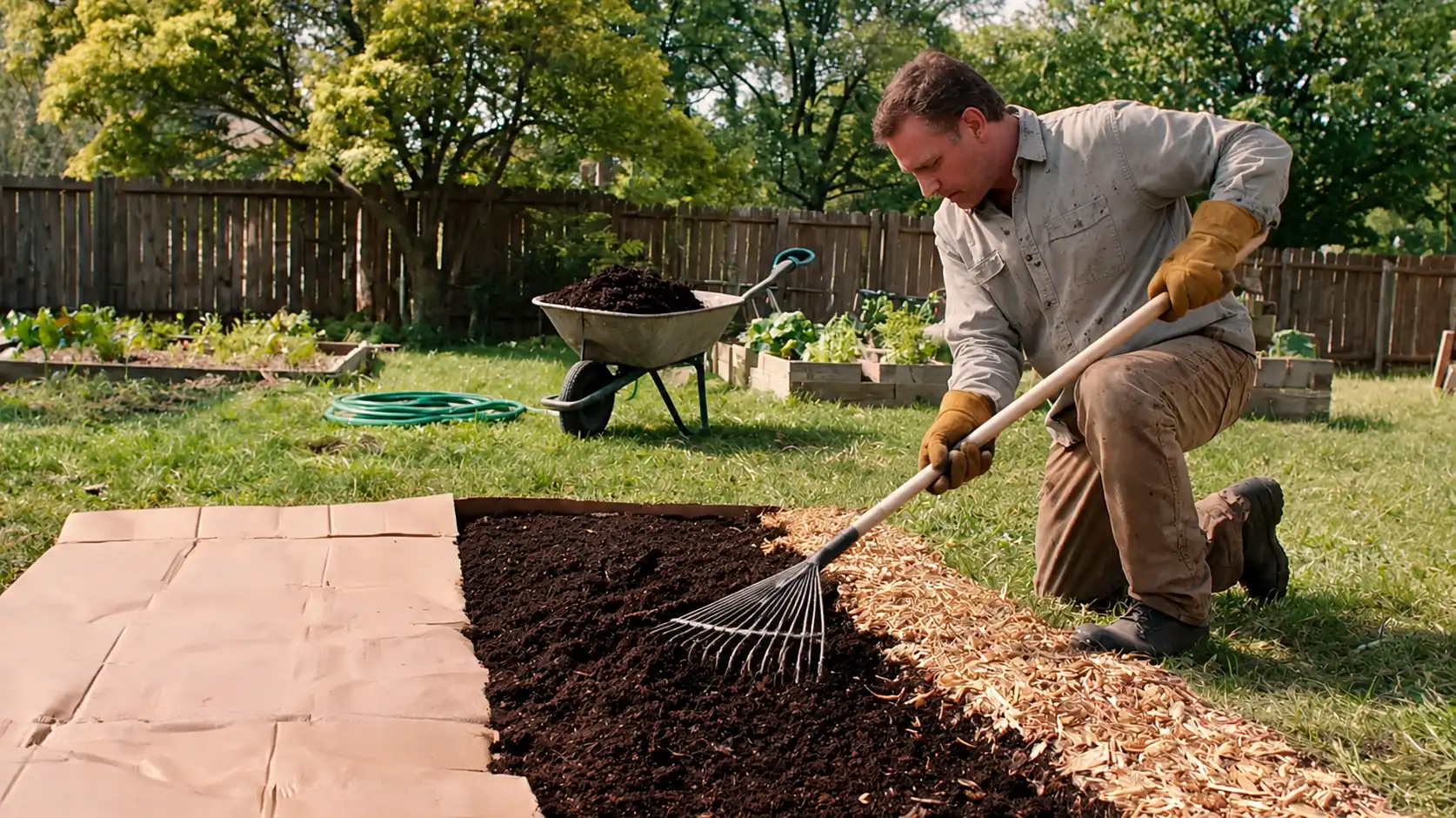
Both raised beds and ground planting work well for eggplant, but raised beds are often easier for beginners because they improve drainage and soil control.
Ground planting also works well if the soil is loose and fertile and receives enough sunlight. With warm soil and regular care, eggplant plants can grow successfully in either setup.
Care Tips for Growing Healthy Eggplant
Once your eggplant plants start growing, regular care becomes important for healthy growth and better fruit production.
Simple habits like proper watering, feeding, pruning, and plant support can help beginners grow stronger and healthier plants throughout the season.
- Water Deeply: Give eggplant plants a deep soak instead of light daily watering. This helps roots grow deeper and supports stronger plants with better fruit production.
- Keep Soil Evenly Moist: Make sure the soil stays moist but not overly wet. Soggy soil can cause yellow leaves and weak roots, while dry soil may lead to drooping and flower drop.
- Add Mulch Around Plants: Spread mulch around the base of the plant to help hold moisture, reduce weed growth, and protect roots during hot weather.
- Feed Plants Regularly: Use compost or organic vegetable fertilizer every few weeks to support healthy leaves, strong flowers, and steady fruit growth.
- Watch for Common Pests: Check plants often for pests like aphids, flea beetles, and spider mites so you can treat problems before they spread.
Harvesting and Storing Eggplant the Right Way
Harvesting eggplant at the right time improves flavor and texture and encourages the plant to produce more fruit. Proper storage also helps fresh eggplants stay firm and usable for longer.
How and When to Harvest?
Harvest eggplants when the skin is shiny, smooth, and firm, and the fruit has reached the expected size for its variety. Use garden scissors or pruning shears to cut the fruit instead of pulling it off by hand, leaving a small piece of stem attached after harvesting.
Regularly picking eggplants encourages the plant to continue producing flowers and fruit throughout the season. Avoid leaving fruits on the plant for too long, as overripe eggplants can become bitter, seedy, and tougher in texture.
Freshly harvested eggplants also taste better and usually have a softer texture for cooking.
How to Store Eggplant After Harvest
Proper storage after harvesting helps eggplant stay fresh, firm, and flavorful longer while reducing spoilage and texture loss.
- Store Properly: Keep eggplants in a cool, dry place for short-term use or refrigerate them for 5–7 days without washing or sealing tightly in plastic bags to maintain freshness.
- Check for Spoilage: Wrinkled skin, soft spots, brown discoloration, slimy texture, and a sour smell are common signs that eggplant has spoiled.
- Use Frozen Eggplant in Cooking: Frozen eggplant is best used in cooked dishes like curries, soups, casseroles, pasta, and roasted recipes.
Conclusion
Growing eggplant at home becomes much easier once you understand the plant’s basic needs.
With warm weather, sunlight, and regular care, healthy plants can produce fresh eggplants throughout the season.
Beginners can start small with one or two plants in containers, raised beds, or backyard gardens. Simple care and patience often lead to better growth and harvests over time.
Try growing eggplant at home this season and enjoy fresh, homegrown harvests straight from your own garden.
Frequently Asked Questions
How long does eggplant take to grow after planting?
Most eggplant plants start producing fruits within 70–90 days after planting.
Why are my eggplant flowers falling off without producing fruit?
This usually happens because of temperature stress, inconsistent watering, or poor pollination.
Do Eggplant plants need support while growing?
Yes, stakes or cages help support heavy fruits and prevent branches from bending or breaking.