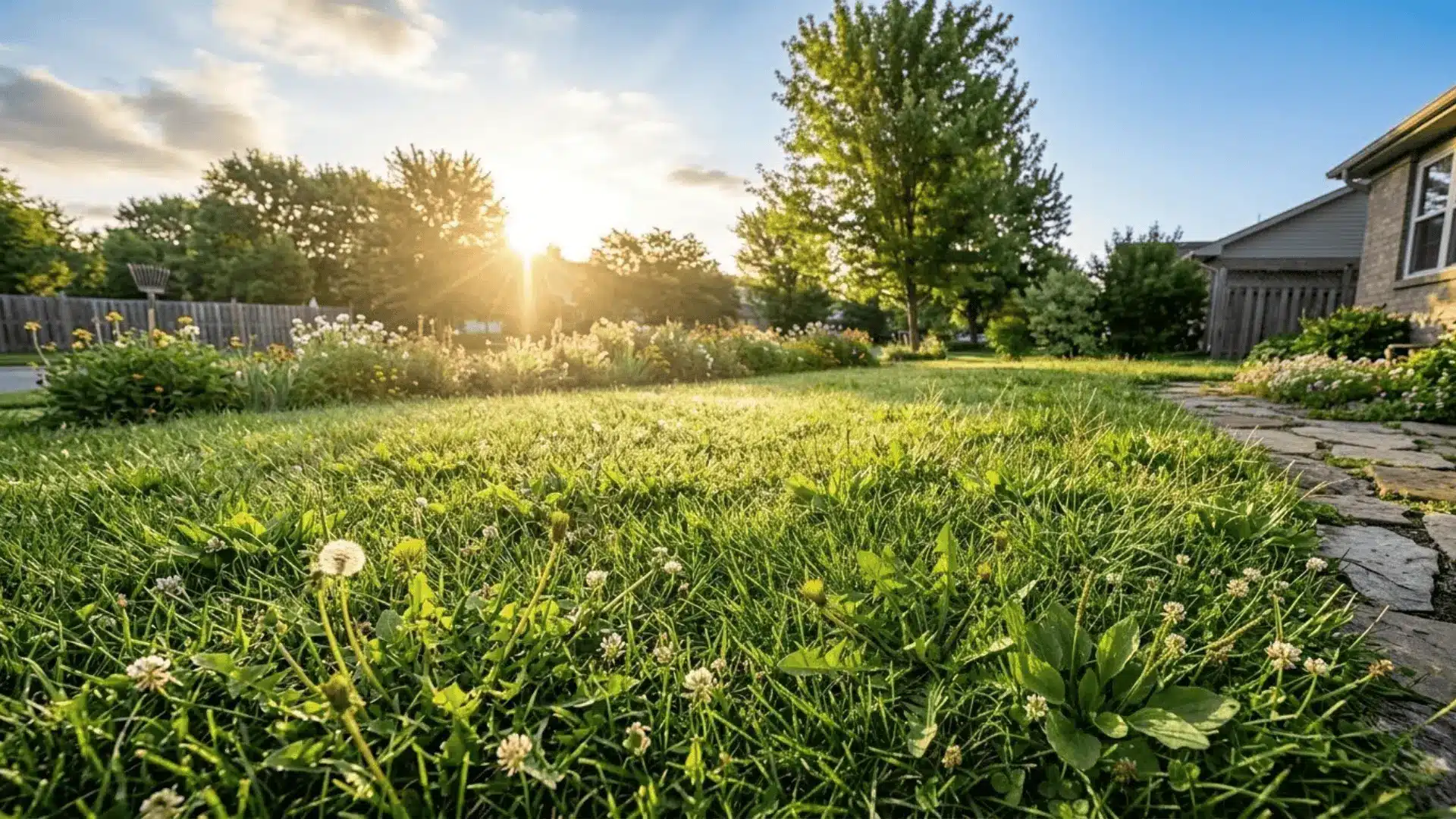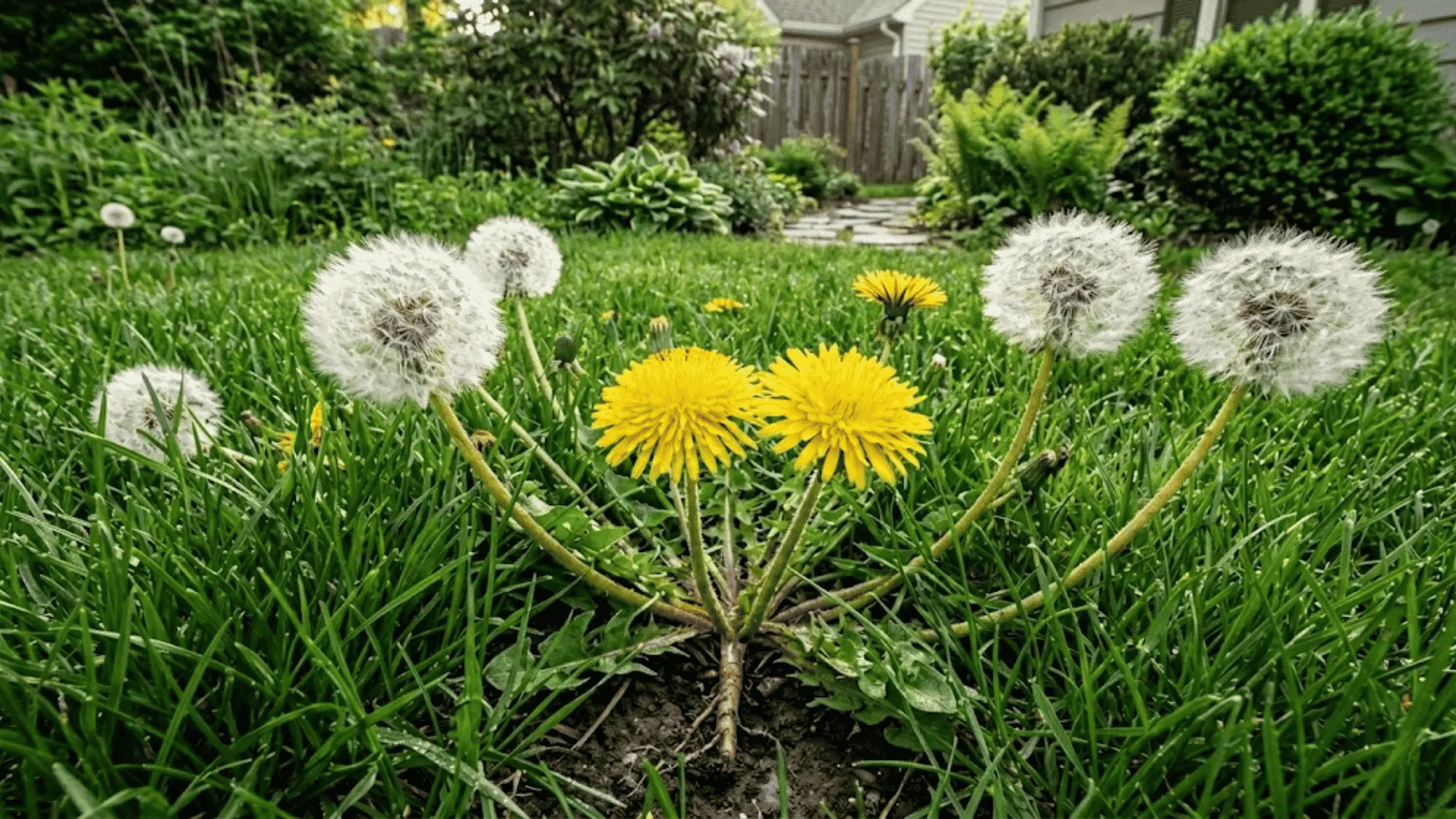
Dandelions have a way of appearing overnight, one day your lawn looks perfectly fine, and the next it is a sea of yellow blooms quietly spreading roots deeper than you would expect.
If you have been pulling them out one by one with little to show for it, you are probably ready for an approach that actually works.
Natural removal, targeted treatments, long-term prevention, consider every method covered so you can finally kill dandelions before they take over for good.
Why Dandelions Are Hard to Get Rid Of?
Dandelions are stubborn for a reason. Their taproots can grow several inches deep, meaning even if you pull the plant out, any fragment left behind will simply grow back. It is not just the roots that make them tricky, either.
Each bloom produces seeds that travel on the wind, landing across your lawn and beyond before you even notice.
What starts as a couple of patches can quietly multiply across your entire yard within a season.
Understanding why they spread so easily is actually the first step toward stopping them, because once you know what you are dealing with, removal gets a lot more intentional.
When is the Best Time to Get Rid of Dandelions?
Timing makes more of a difference than most people realize.
Catching dandelions early in the spring, before they flower and seed, is ideal because the plants are young and the roots have not fully established yet.
Fall is actually the most effective window for treatments aimed at killing dandelions at the root, since plants are actively drawing nutrients downward, pulling whatever you apply straight to the source.
Mid-summer is worth skipping if your lawn is already stressed from heat, as treatments tend to be less effective and harder on your grass.
A little patience with timing goes a long way here.
How to Get Rid of Dandelions?
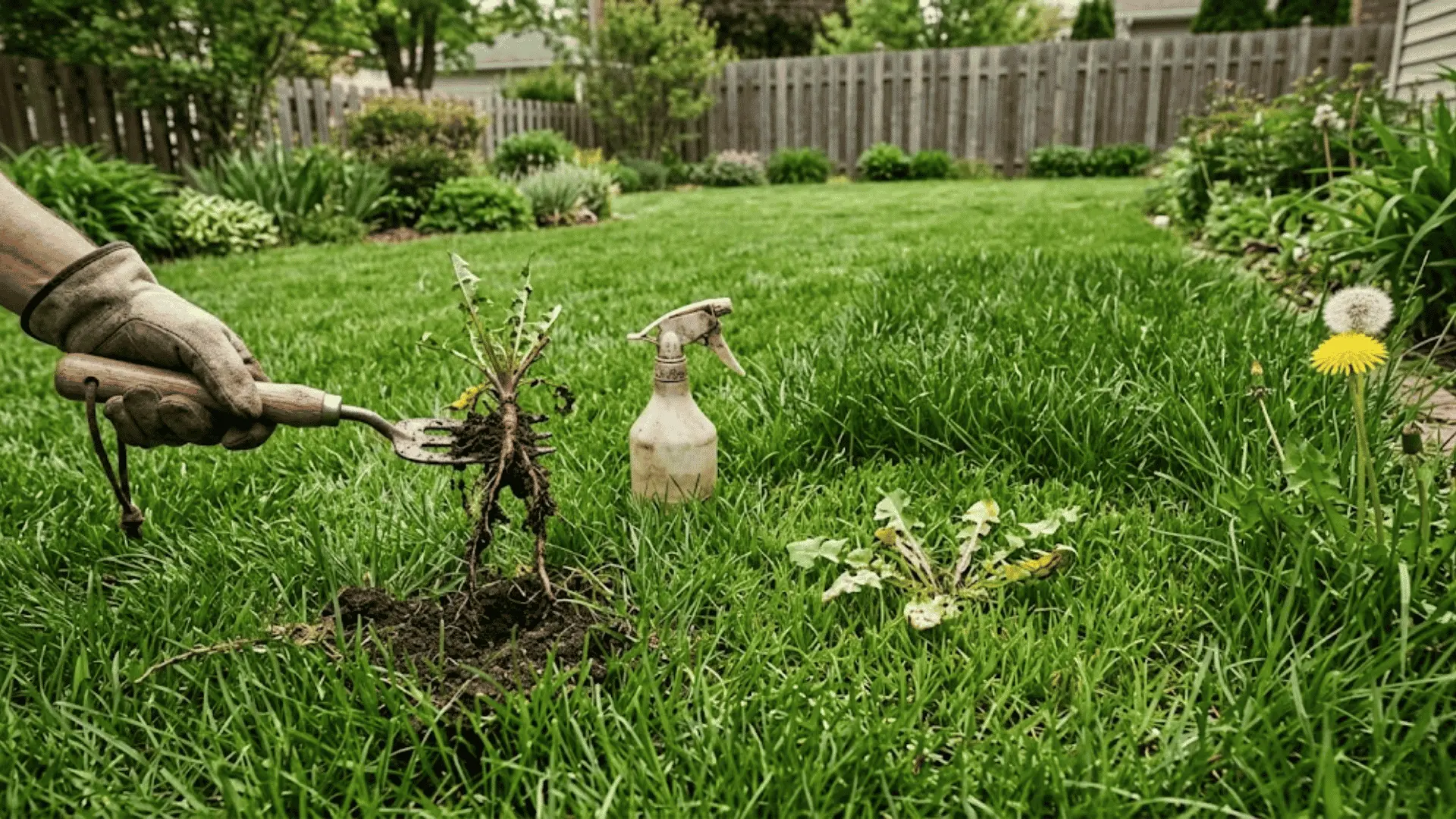
Knowing what works for your specific situation changes everything.
These methods cover every scenario, so you can actually kill dandelions in a way that fits your space, your timeline, and how much effort you want to put in.
1. Hand Pulling
For a few scattered dandelions, hand pulling is still one of the most satisfying and effective options, as long as you do it right.
- Step 1: Water your lawn or wait after rainfall so the soil is loose and easier to work with.
- Step 2: Push a weeding tool or dandelion fork straight down alongside the taproot.
- Step 3: Wiggle and pull slowly to remove the entire taproot without snapping it.
- Step 4: Fill the hole with soil or grass seed so a new weed does not claim the spot.
2. Natural Methods to Kill Dandelions
If you would rather skip the chemicals, these natural options work well for spot treatments and smaller problem areas.
| Method | How It Works | Best For | Watch Out For |
|---|---|---|---|
| Vinegar Solution | High acidity burns and shrivels leaves on contact | Driveways, garden edges | Does not kill the root; reapplication needed |
| Boiling Water | Scalds the plant quickly without any products | Isolated patches | Can damage the surrounding grass if poured too broadly |
| Salt Application | Draws moisture out and kills the plant | Cracks, pavement, non-grass areas | Damages soil health; avoid using on lawn beds |
3. Lawn Care Methods
Consistent lawn care does more to keep dandelions away than any single treatment ever could. Thick, healthy grass is your best defense, leaving no open soil for weeds to settle into.
- Mow regularly at a higher blade setting so grass grows dense enough to crowd weeds out naturally.
- Fertilize seasonally to strengthen grass roots and reduce bare patches. Dandelions love to claim.
- Overseed thin or patchy areas and do a quick scan a couple of times a season to catch any new growth before it seeds.
4. Chemical Herbicides
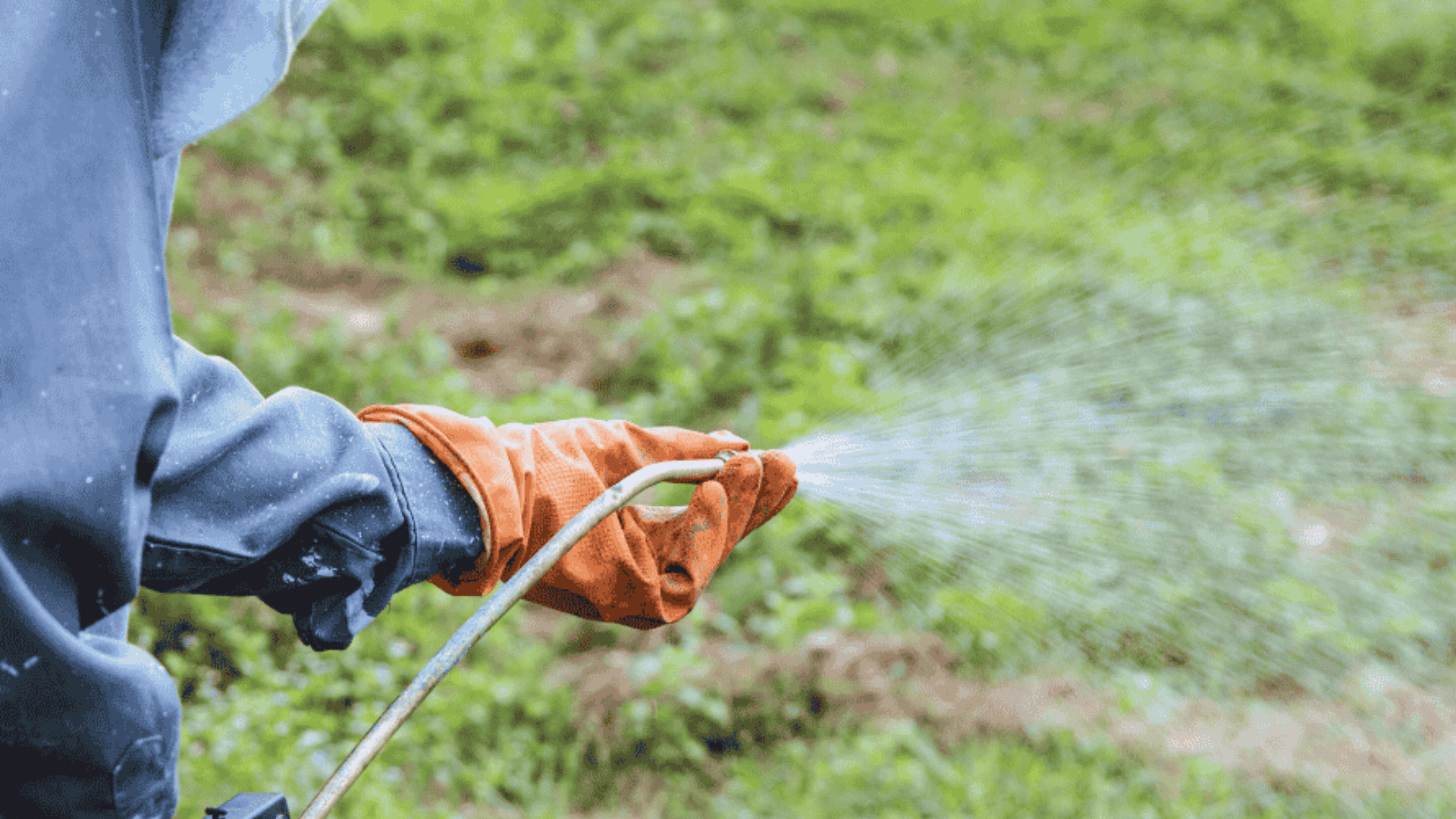
For a widespread dandelion problem, herbicides cut the work down significantly and deliver faster, more reliable results.
| Type | What It Does | Best Time to Apply | Key Precaution |
|---|---|---|---|
| Selective Herbicide | Targets broadleaf weeds without harming grass | Fall, for deep root penetration | Keep pets and children off treated areas until dry |
| Non-Selective Herbicide | Kills everything it touches | Spot use on non-lawn areas only | Avoid contact with grass, garden plants, or runoff areas |
How to Kill Dandelions Permanently?
Permanent removal comes down to one thing: getting to the root, literally.
Pulling dandelions without fully removing the taproot just delays the problem, which is why combining manual removal with a targeted treatment tends to work far better than either method on its own.
After treating, keeping your grass healthy and dense is what stops new seeds from taking hold.
A lawn that is well-fertilized and regularly mowed simply does not give dandelions the open, weak patches they need to grow.
Consistency over a couple of seasons is what actually moves the needle from managing dandelions to being done with them.
Organic vs. Chemical Methods
Not every lawn situation calls for the same approach, and knowing the tradeoffs upfront saves a lot of time and guesswork.
| Factor | Organic Methods | Chemical Methods |
|---|---|---|
| Speed | Slower, requires repeated application | Faster, often visible results within days |
| Effectiveness | Best for spot treatment and mild infestations | More reliable for widespread dandelion problems |
| Safety | Safe for pets, children, and the environment | Requires careful handling and drying time before foot traffic |
| Soil Impact | Gentle, maintains soil health over time | Some options can affect surrounding plants or soil balance |
| Best For | Small patches, garden-adjacent areas | Large lawns with heavy dandelion coverage |
How to Prevent Dandelions from Coming Back?
Removal only gets you halfway there. Keeping dandelions from returning is really about making your lawn an environment where they simply cannot compete.
- Maintain thick turf by mowing at a higher blade setting so grass stays dense and leaves no room for weeds to establish.
- Overseed bare spots as soon as you notice them, since open patches of soil are the first place dandelion seeds settle after drifting in on the wind.
- Improve soil health with seasonal fertilization and occasional aeration so your grass grows strong from the roots up.
- Stay consistent with lawn maintenance because a well-kept lawn is genuinely the most effective long-term barrier against dandelion regrowth.
Prevention is less about doing more and more and more about doing the right things regularly. A little attention each season adds up to a lawn that keeps weeds out on its own.
How Long Does it Take to Kill Dandelions?
Results vary depending on the method, and setting realistic expectations makes the whole process feel a lot more manageable.
Natural treatments like vinegar or boiling water can show visible damage within a few days, but full removal often takes several rounds of treatment spread over weeks.
Chemical herbicides work faster, with most showing results within a week, especially when applied in fall for deeper root penetration.
Long-term prevention, meaning a lawn that stays consistently dandelion-free, is more of a seasonal commitment than a one-time fix.
Most people start seeing real, lasting results after one full growing season of consistent care.
Best Tools for Removing Dandelions
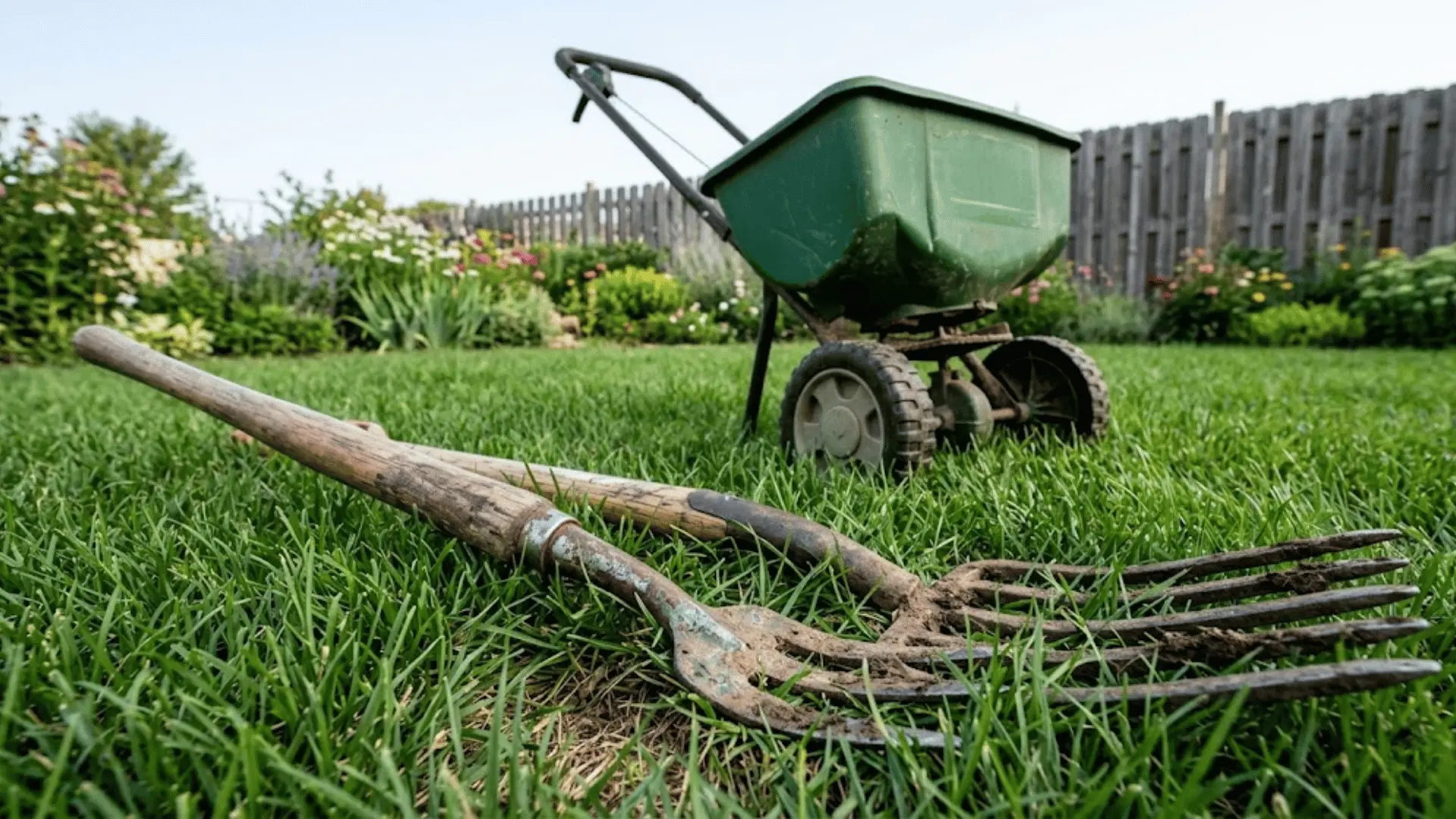
Having the right tool on hand makes removal quicker, cleaner, and a lot less frustrating. These are the ones worth keeping in your gardening kit.
- Dandelion Weeder or Fishtail Tool: Designed specifically to get under and around the taproot, this is the most efficient option for clean, full removal without breaking the root mid-pull.
- Garden Fork: Great for loosening compacted soil around stubborn dandelions before pulling, especially useful when the ground is dry and firm.
- Lawn Spreader: Useful for applying granular herbicides or fertilizers evenly across larger areas, making treatments more consistent and effective overall.
The right tools do not just make the job easier, they make your efforts actually count. Paired with the right method and timing, these basics cover just about everything you need for a cleaner, weed-free lawn.
Are Dandelions Actually Bad for Your Lawn?
Dandelions get a bad reputation, but the answer is a little more nuanced than a flat yes or no.
On the positive side, their deep taproots naturally aerate compacted soil, and their early blooms are actually one of the first food sources for pollinators in spring.
That said, left unchecked, they compete aggressively with grass for water, nutrients, and sunlight, gradually weakening your turf over time.
So while a stray dandelion here and there is not the end of the world, allowing them to spread and seed is where the real damage to your lawn happens.
Wrapping Up
Getting rid of dandelions does not have to feel like an uphill battle.
With the right methods, a little consistency, and some attention to what your lawn actually needs, it is very much a winnable situation.
The key is staying a step ahead rather than reacting once things have already spread.
Start with what feels manageable, build from there, and your lawn will reflect the effort sooner than you think.
Tried any of these methods? Drop a comment below and share what worked best for your yard.
Frequently Asked Questions (FAQs)
What is the Fastest Way to Get Rid of Dandelions?
Selective herbicides work the quickest, often showing visible results within days of application. Boiling water is a solid chemical-free alternative for smaller, more isolated patches.
How Do You Kill Dandelions Permanently?
Permanent removal comes down to fully extracting the taproot and not leaving any fragments behind. Pairing that with consistent lawn care is what stops them from returning season after season.
Can Dandelions Grow Back After Pulling?
They absolutely can, especially if even a small portion of the taproot is left in the soil. Always use a weeding tool to ensure the full root comes out cleanly.