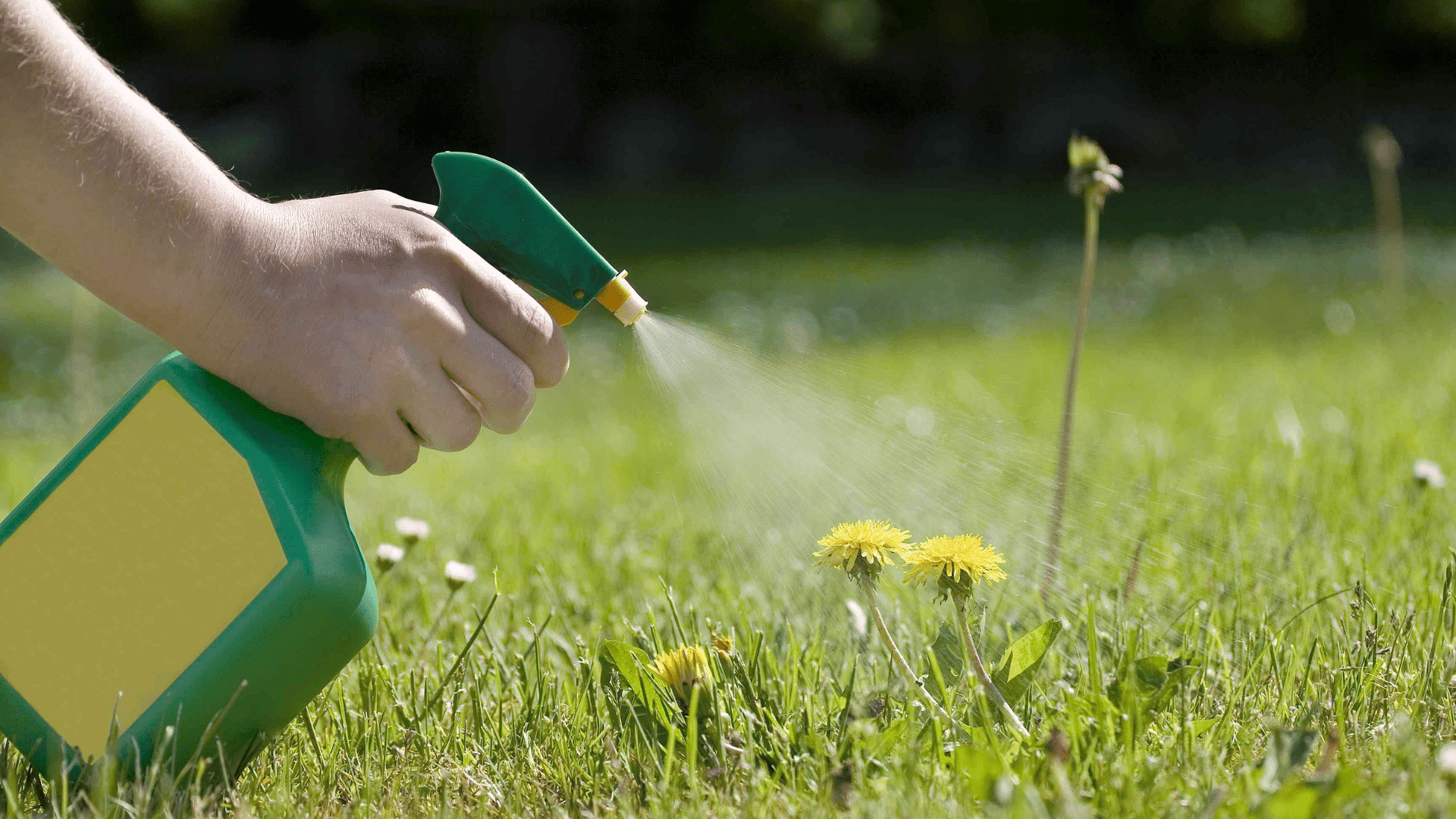
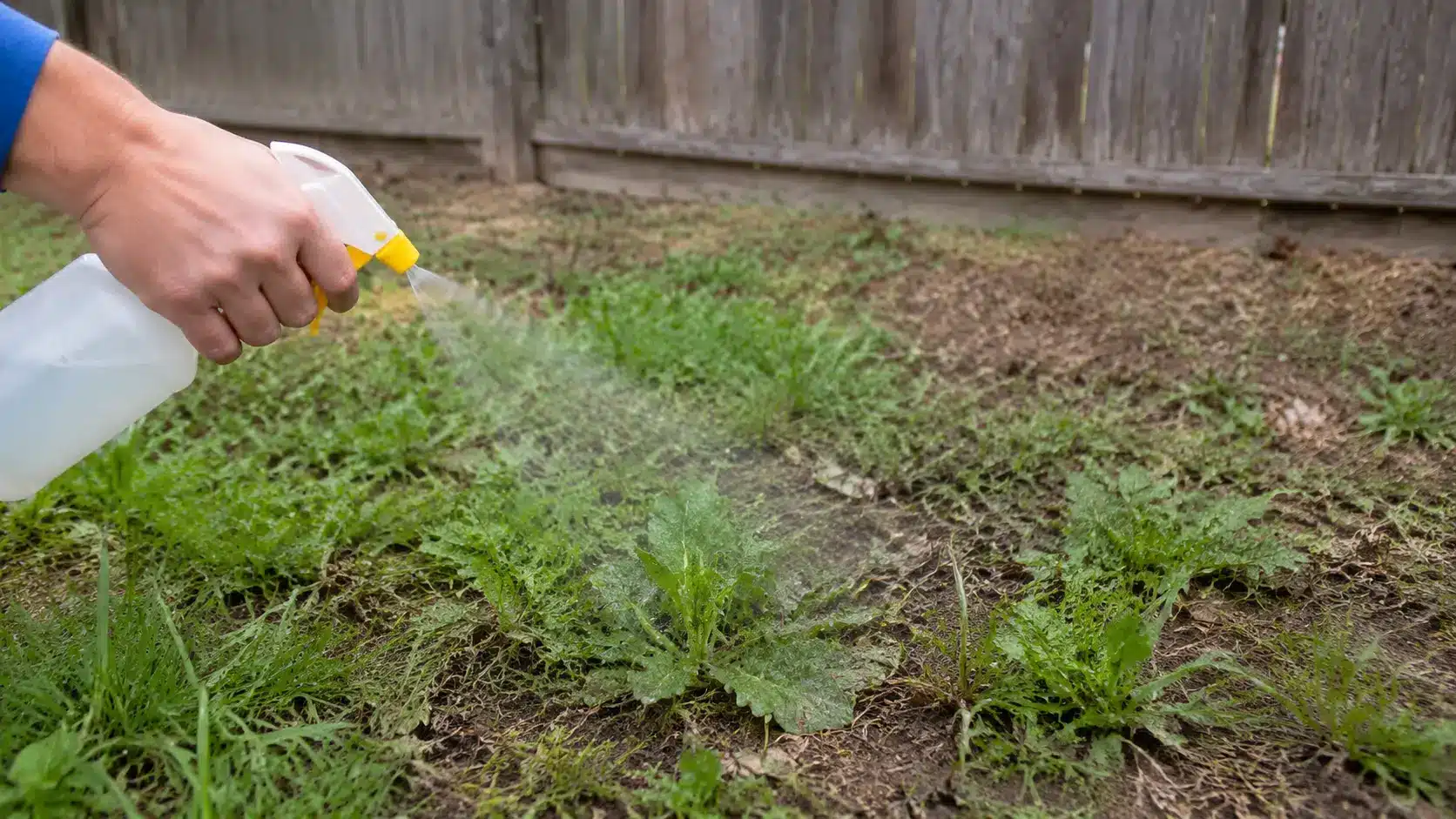
Most gardeners treat weeding like a permanent chore. Pull them Sunday, they are back Wednesday. Pull them again; they come back. It never ends, and most people never question why.
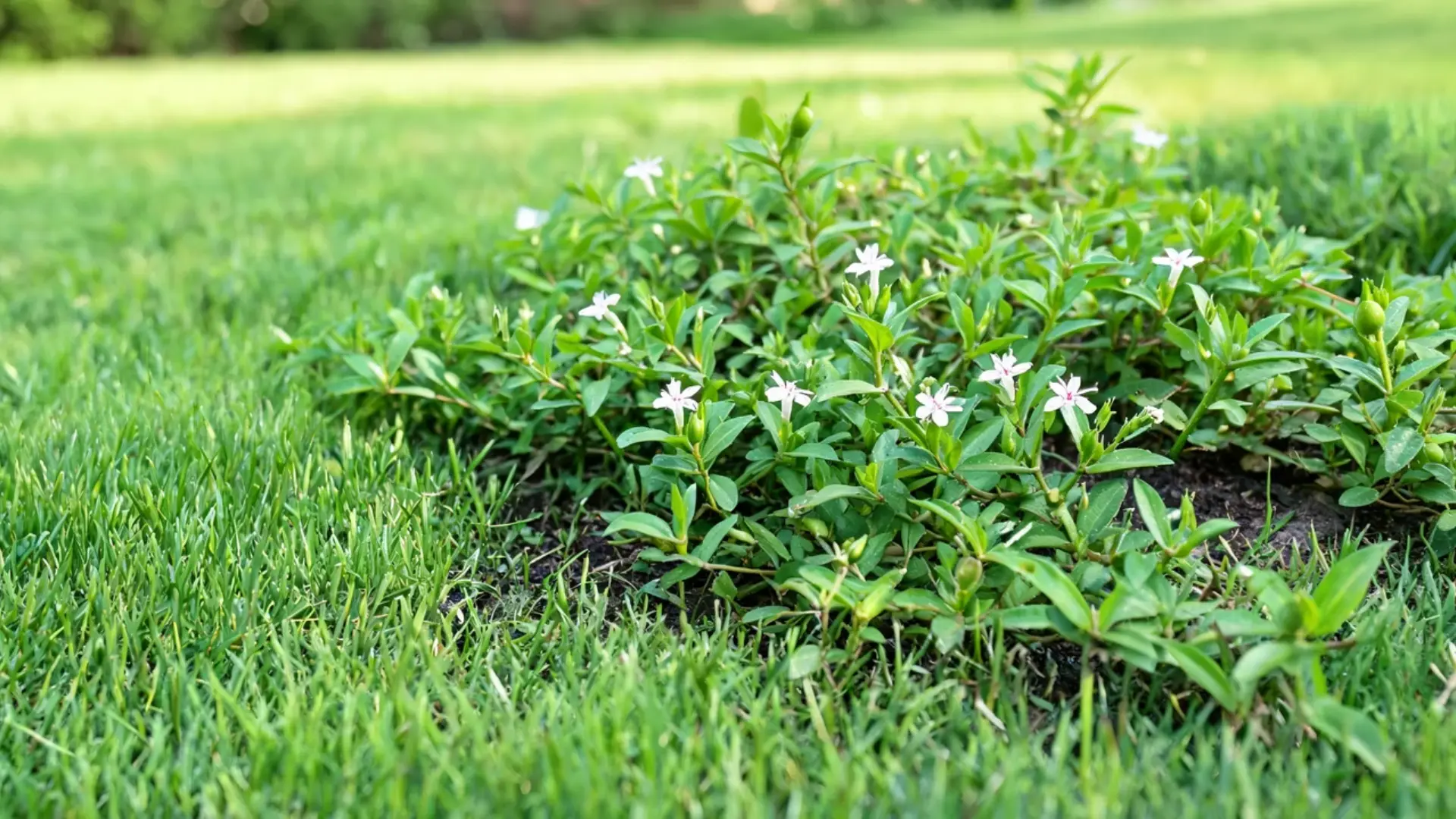
The problem is not the weeds. It is the bare soil sitting open and waiting for them. Weeds do not show up randomly. They show up because the conditions are perfect and nothing else got there first.
Every patch of uncovered ground is an open invitation and weeds are always the first to accept it. Most people respond by pulling. This guide will show you a better way.
Why Weeds Keep Winning and How Plants Stop Them
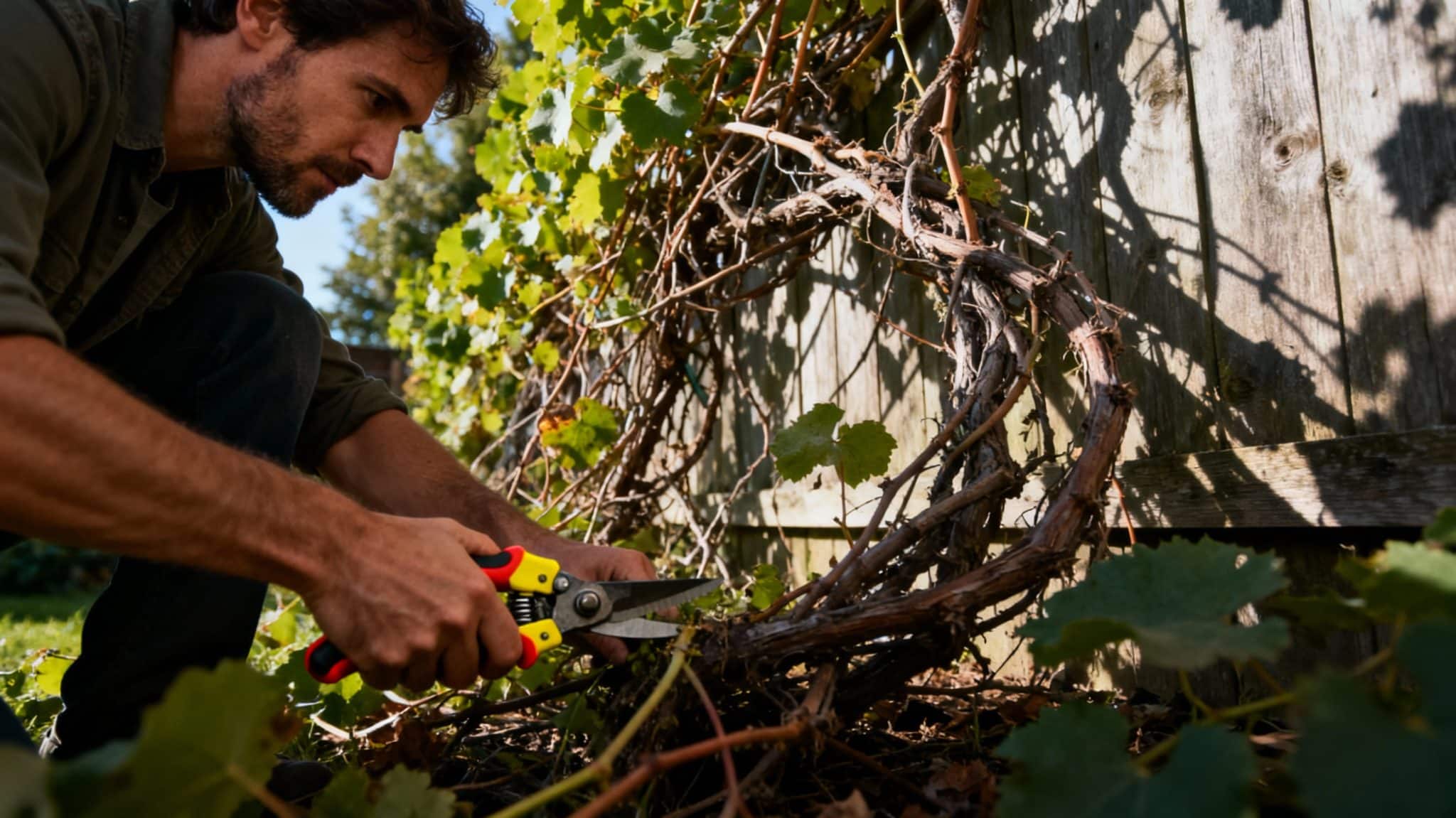
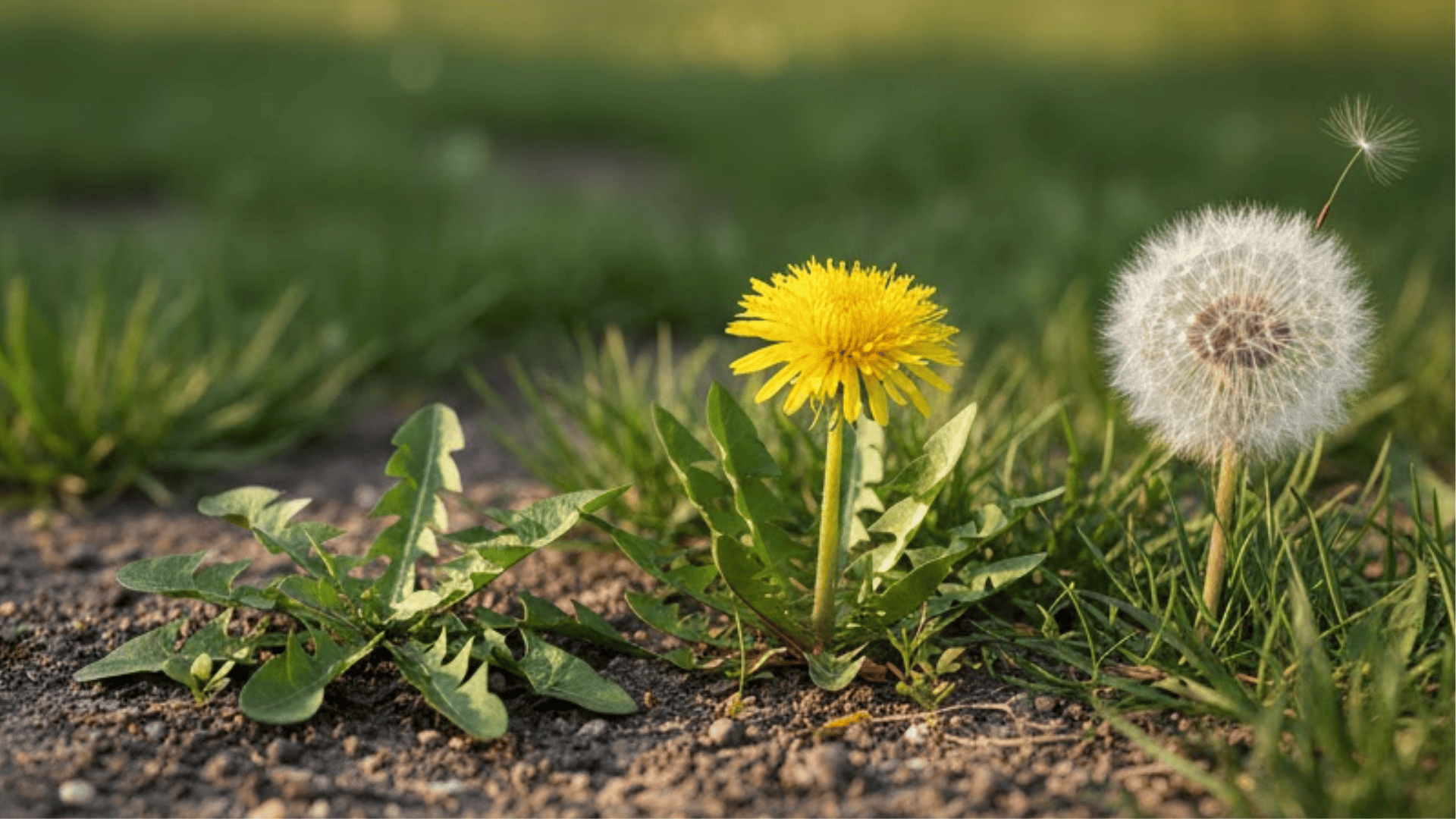
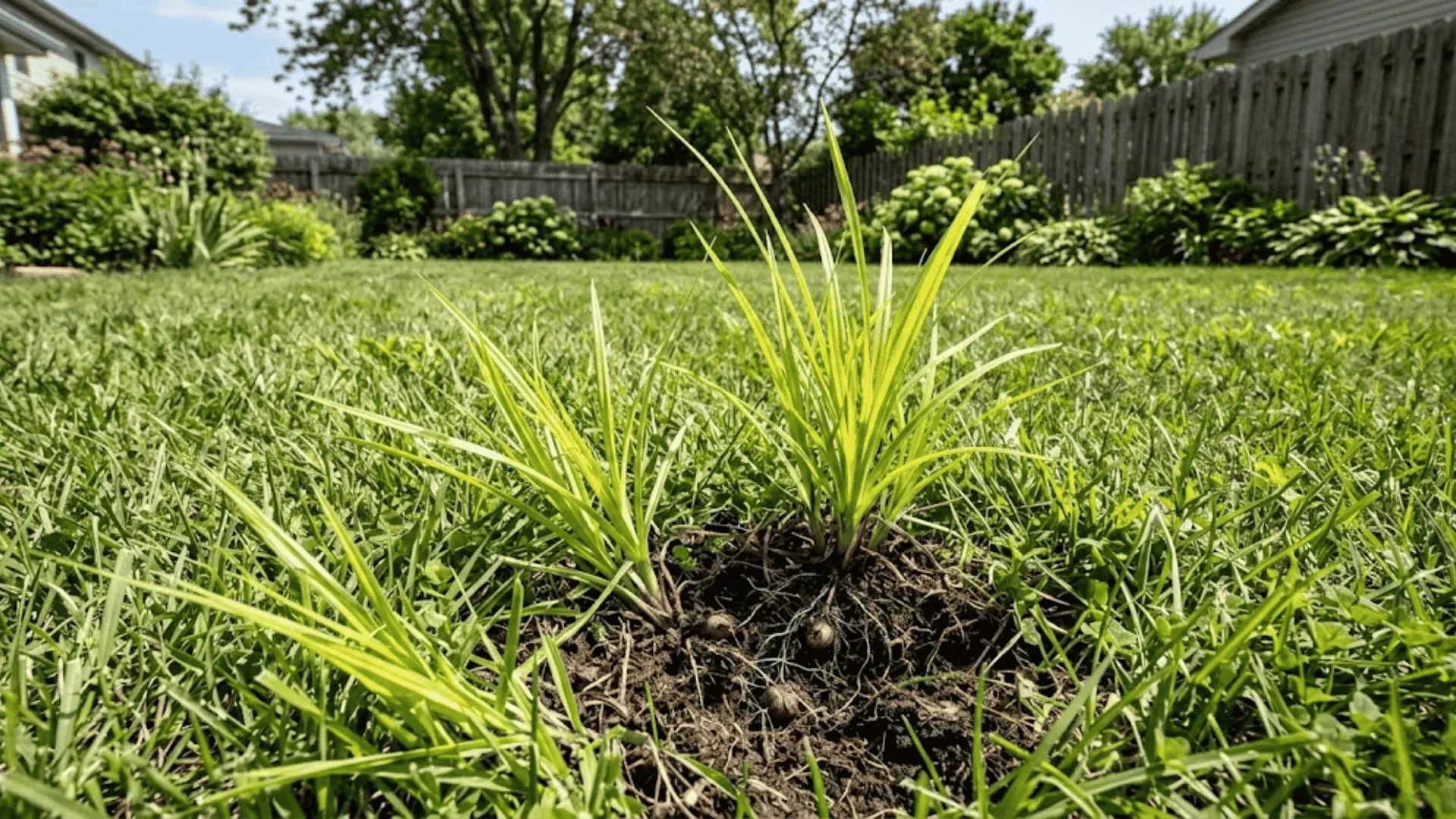
Weed plants and all, every time you pull one, you disturb the soil underneath, bringing dormant seeds to the surface. Pull one weed and you plant ten more. The cycle never ends.
Covering the ground permanently breaks it.
- Ground Cover – low spreading plants block light from reaching the soil so weed seeds cannot germinate
- Allelopathy – certain plants release compounds through their roots that chemically prevent weeds from establishing
- Root Competition – dense root systems absorb water and nutrients before weeds can get what they need
Best Ground Cover Plants to Suppress Weeds
These are the plants that work hardest across the widest range of US gardens. Each one is built for a specific condition:
1. Creeping Thyme
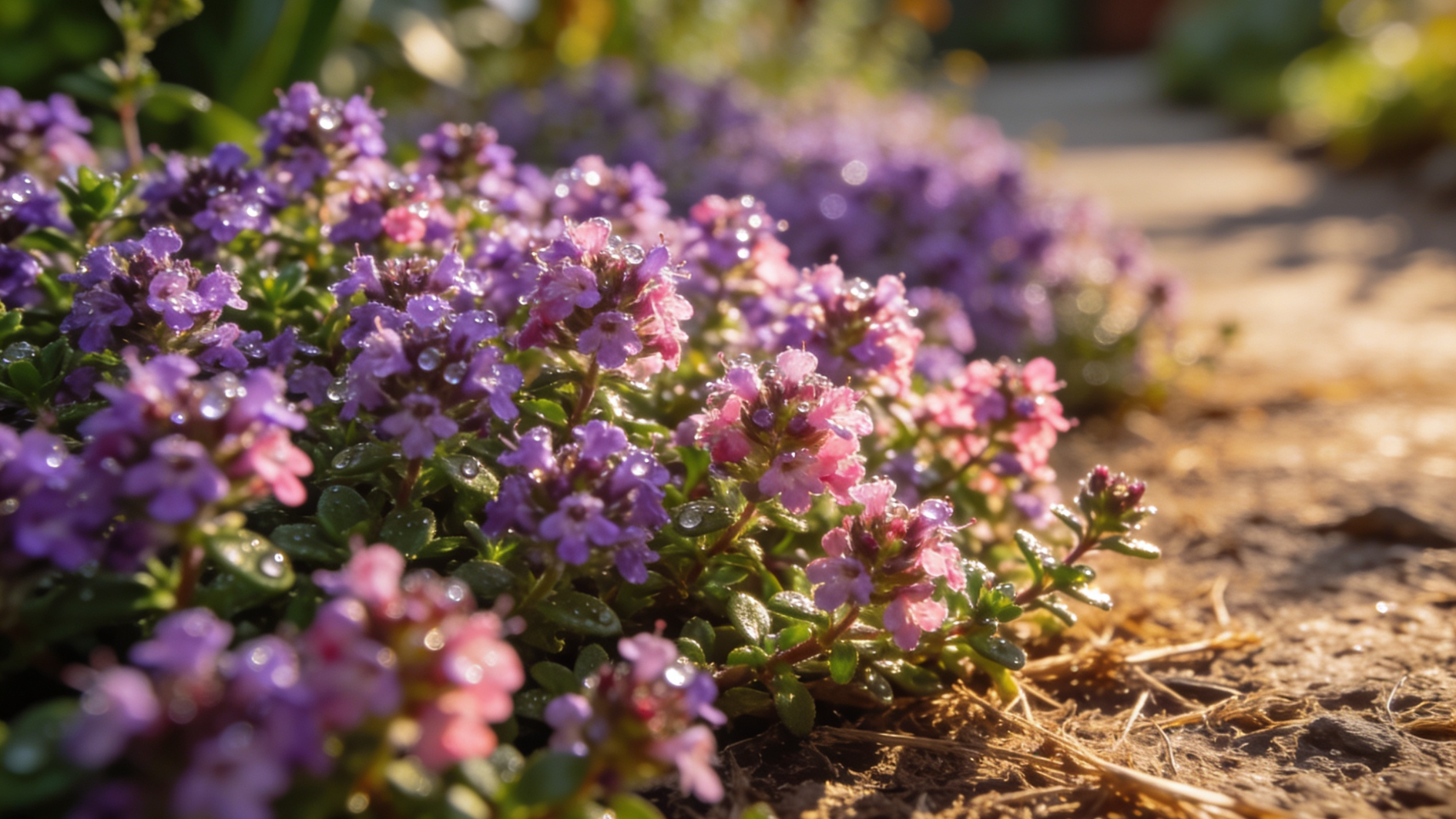
Creeping Thyme is one of the best low-maintenance ground covers for stopping weeds naturally. It spreads into a thick mat that blocks sunlight from reaching weed seeds underneath.
The plant also releases natural compounds that make weed germination harder over time. Its drought tolerance makes it perfect for sunny borders, pathways, and spaces between stepping stones.
Once established, it needs very little watering and can even handle light foot traffic without damage. Best suited for USDA Zones 4 to 9.
2. White Clover
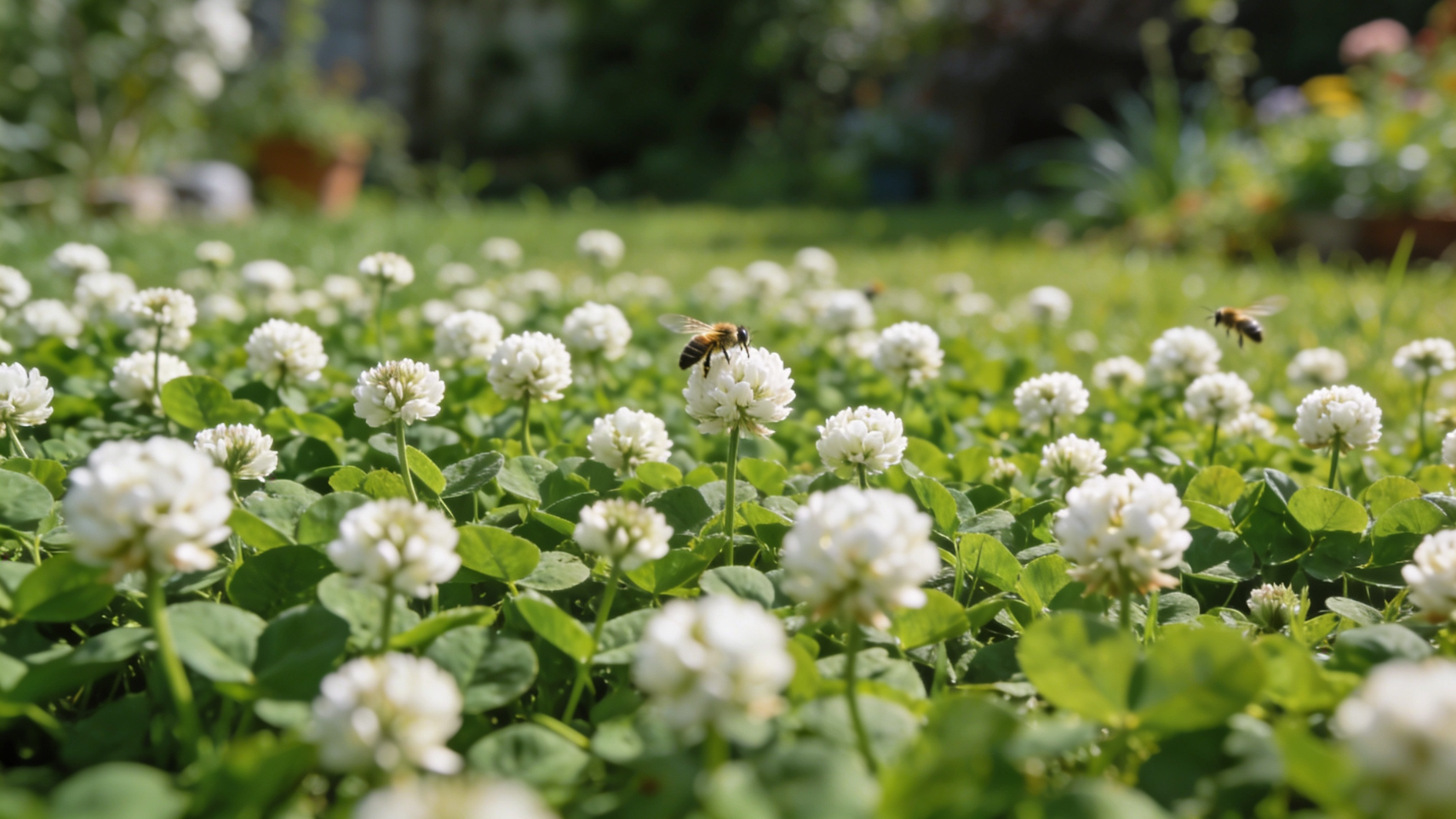
White Clover grows quickly and fills bare soil before weeds get a chance to spread. Its dense growth pattern crowds out unwanted plants while also improving the soil by adding nitrogen naturally
This makes it especially useful in vegetable gardens, lawns, and open spaces that struggle with poor soil quality. It works well in both sunny and partially shaded areas, making it one of the easiest options for beginners.
3. Ajuga
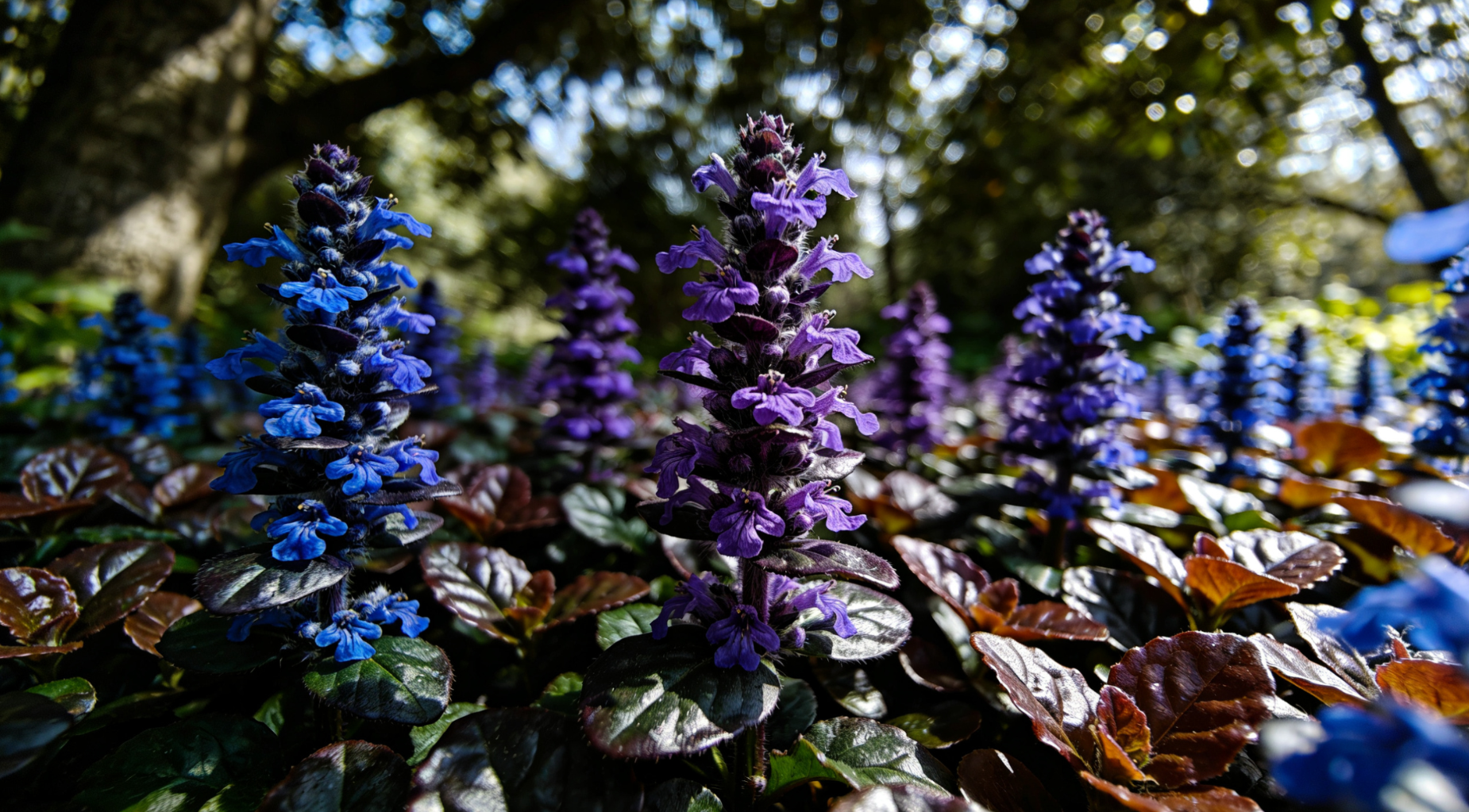
Ajuga is highly effective for shaded areas where grass and many ground covers fail to grow properly. It spreads aggressively through runners and forms a thick carpet that blocks most weeds completely.
The glossy foliage creates dense coverage that returns every year without much attention. Ajuga grows especially well under trees, along fences, and in dark corners of the yard where bare soil often becomes a weed problem.
4. Creeping Jenny
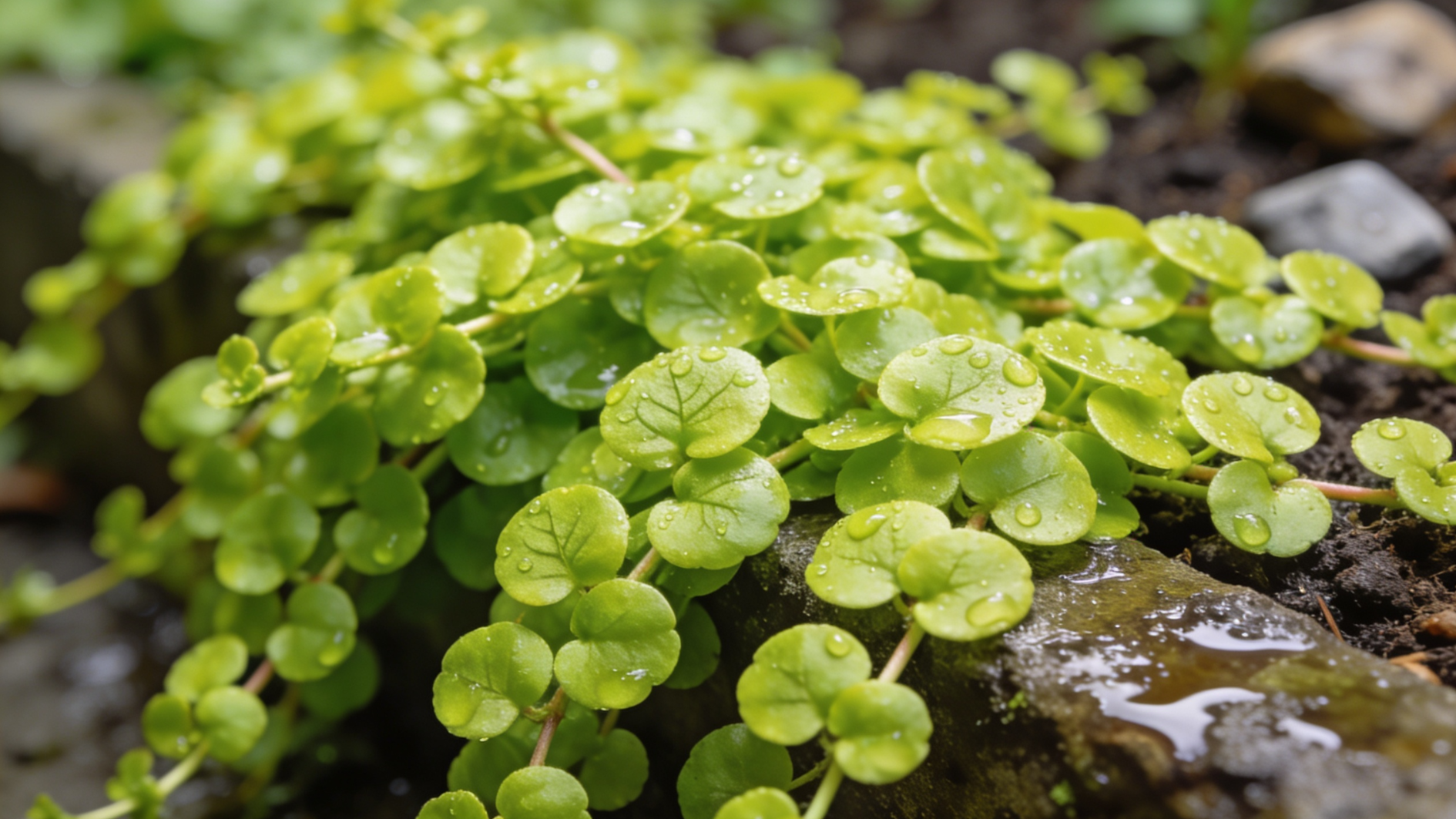
Creeping Jenny is known for its fast growth and ability to thrive in damp or soggy areas. It quickly spreads across exposed soil, helping prevent weeds that usually appear in moist conditions.
It works especially well around ponds, drainage areas, and low spots in the yard where water tends to collect. Because of its rapid growth habit, it can fill large areas within a single growing season. Best for Zones 3 to 9.
5. Lamb’s Ear
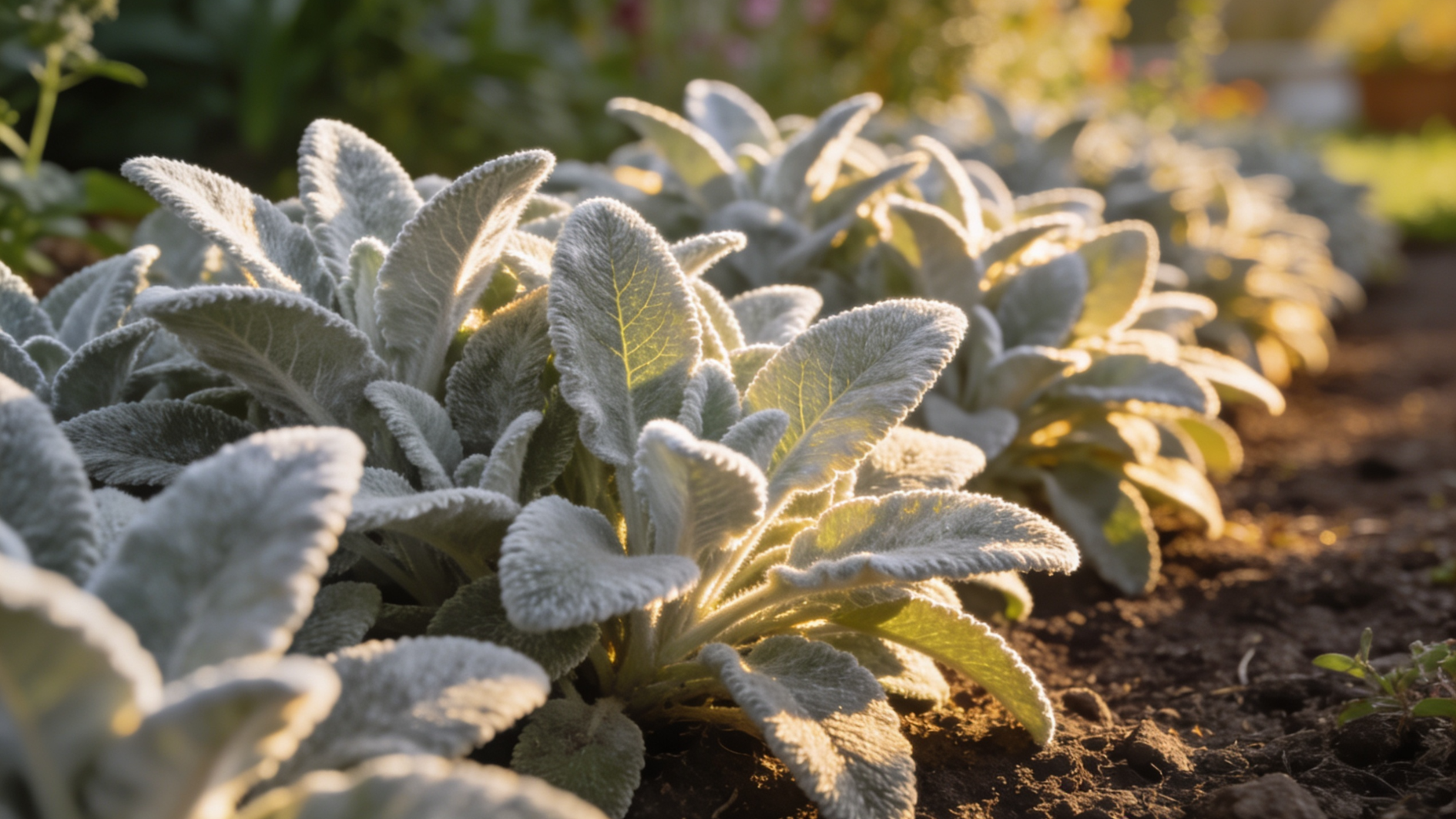
Lamb’s Ear stands out because of its thick, soft, silvery leaves that create a natural barrier over the soil. Those fuzzy leaves shade the ground heavily, making it difficult for weed seedlings to grow through.
Once mature, it spreads more aggressively than many people expect and requires very little maintenance. It performs best in dry sunny locations and can handle drought conditions without much trouble.
6. Sweet Woodruff
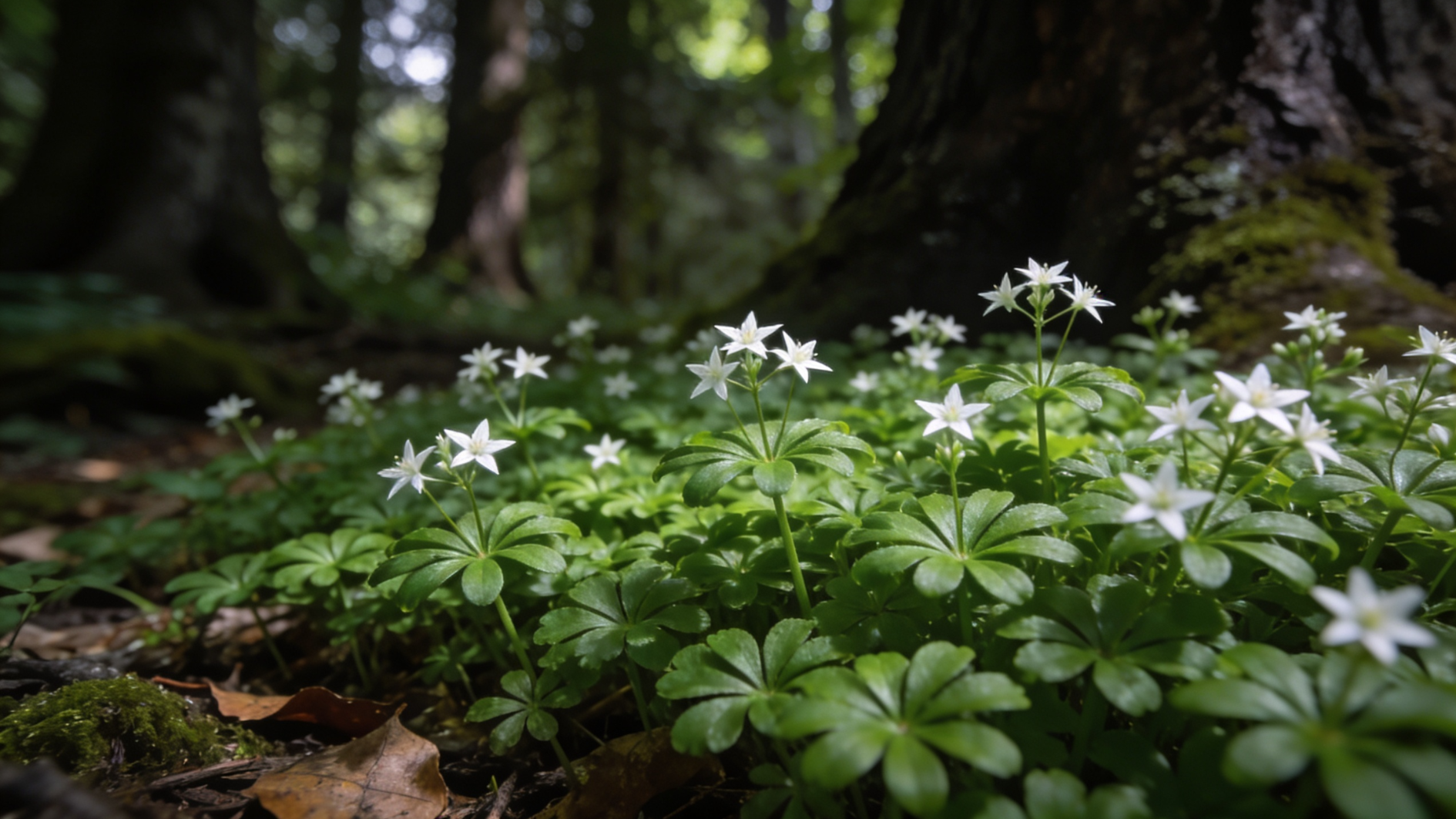
Sweet Woodruff is one of the strongest choices for deep shade, where other plants struggle to survive. It spreads through underground runners and creates a dense green carpet that blocks sunlight from reaching weed seeds below
Once established, it practically takes care of itself with very little watering or maintenance needed. Small white flowers appear in spring, adding extra interest while the plant continues suppressing weeds naturally. Best suited for Zones 4 to 8
Allelopathic Plants That Actively Stop Weeds
Ground covers block light and space. These go further releasing compounds that prevent weeds from germinating regardless of conditions.
7. Rye Grass and Marigolds
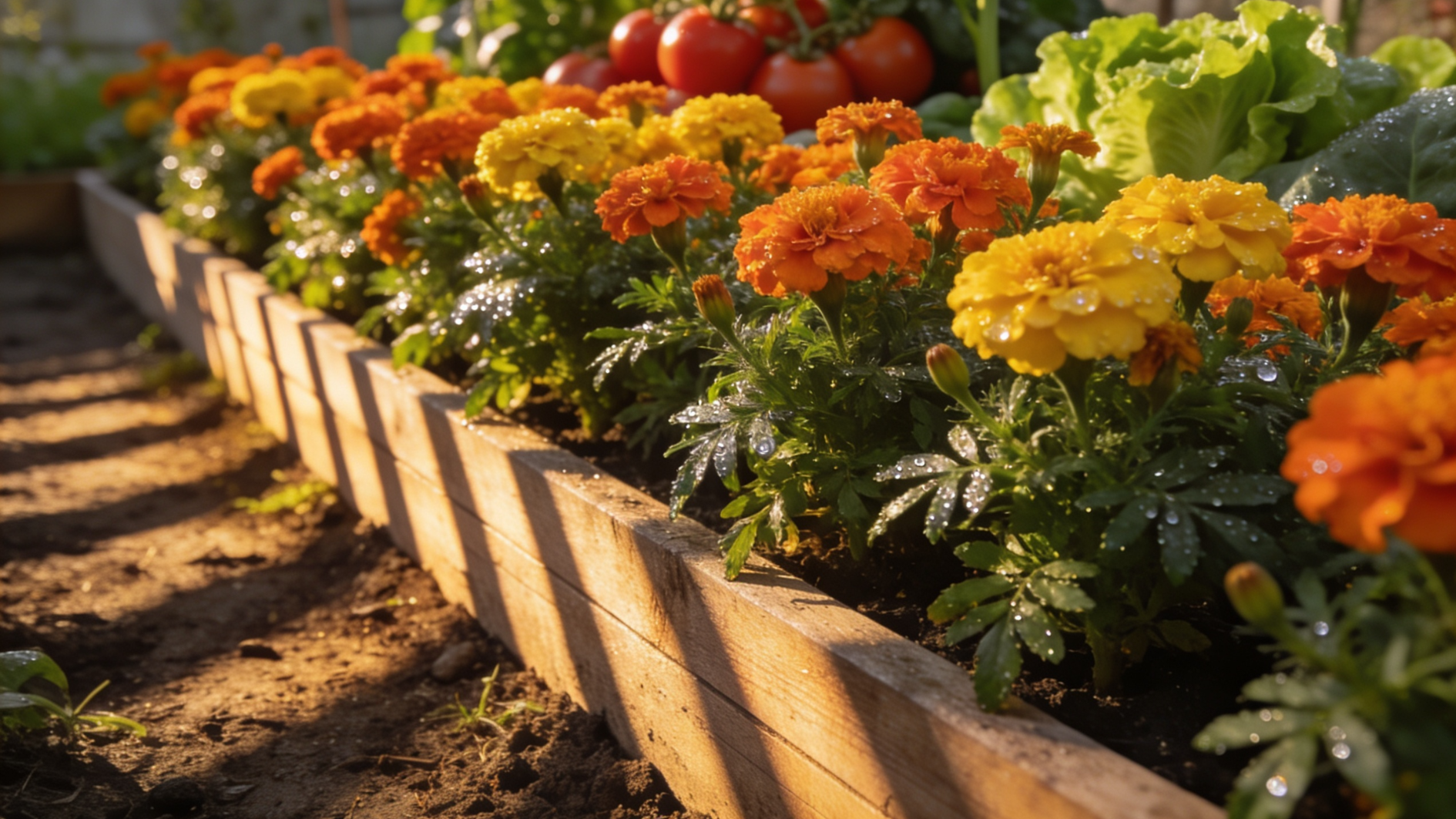
Plant rye grass between growing seasons and it suppresses weed seed germination through compounds released as it breaks down a natural pre-emergent with no chemicals.
Marigolds create a chemical barrier at soil level through root secretions that suppress certain weed species and nematodes season after season.
8. Sunflowers
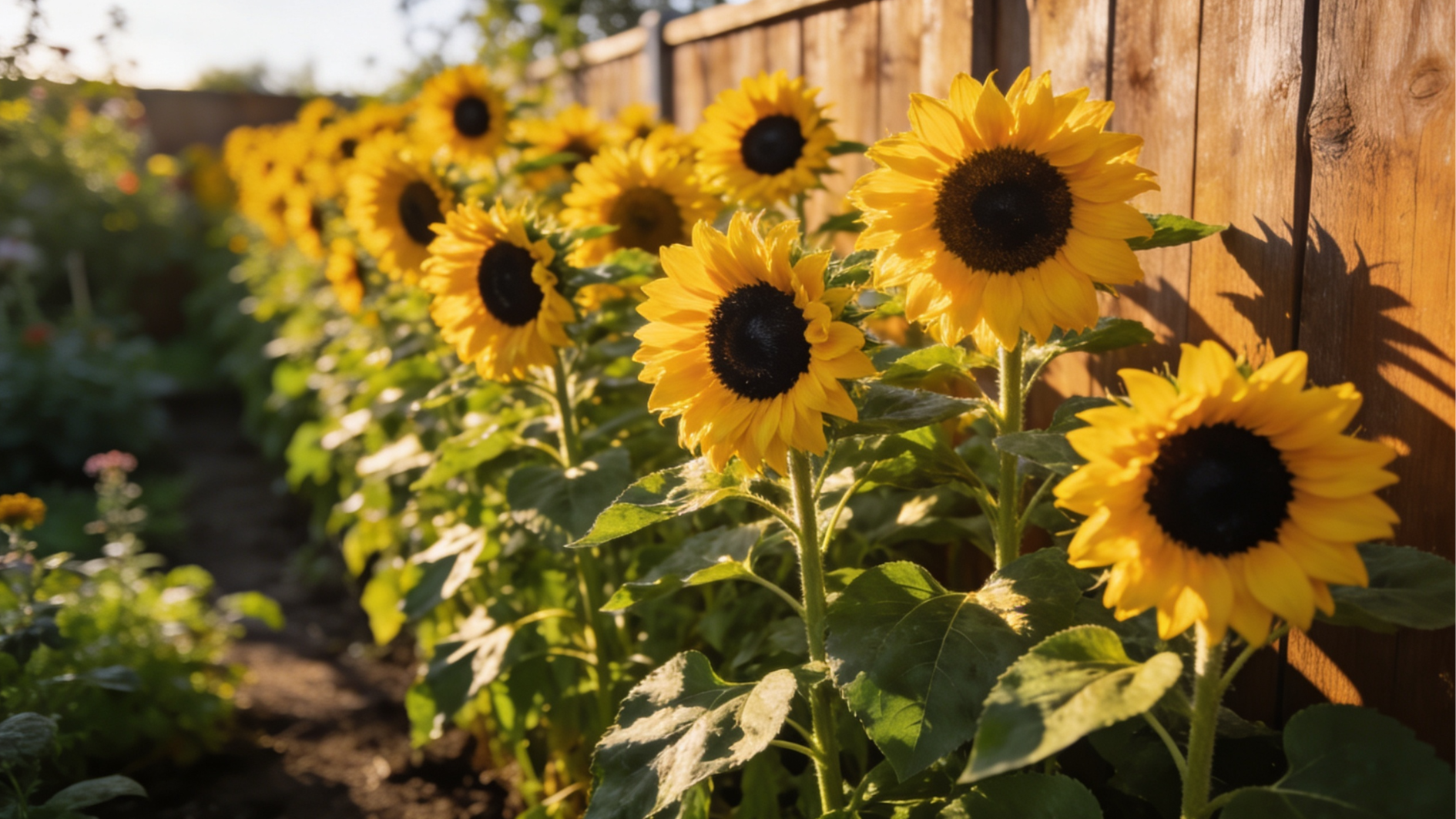
Release allelopathic compounds from their roots that leach into surrounding soil and prevent weed seeds from germinating nearby.
The effect extends several feet from the plant making them genuinely useful along fence lines or cutting beds. Keep them away from vegetables since the compounds do not discriminate.
How to Use These Plants in Your Garden?
Most people plant ground covers too far apart, watch weeds fill the gaps, and give up. The plants were not the problem. The spacing was.
- Find Problem Areas: Walk through the garden and identify bare soil spots where weeds keep returning so you know exactly where coverage is needed.
- Match Plants to Conditions: Choose ground covers based on sunlight and moisture levels, like Creeping Thyme for sunny spots or Ajuga for shaded areas.
- Combine Weed-Control Methods: Pair ground covers with allelopathic plants like Marigolds or Rye Grass to block sunlight and reduce weed germination naturally.
- Plant Closer Together: Reduce normal spacing by about one-third and use staggered rows to create faster coverage with fewer open gaps for weeds.
- Mulch Empty Spaces: Add a 2–3 inch mulch layer between young plants during the first season to help suppress weeds while plants spread.
- Give Plants Time to Fill In: Most ground covers need one full growing season before they fully spread and start naturally controlling weeds long term.
Conclusion
Weeding is not a gardening chore. It is a signal that your garden has empty space it is trying to fill with whatever gets there first.
Most people respond by pulling common weeds out by hand week after week and the weeds keep coming back because the bare soil never goes away.
The better response is planting. Cover the ground with something intentional, match the plant to the condition, give it one full season, and the cycle breaks on its own.
The garden does not get easier because you work harder. It gets easier because you stop leaving room for the problem to exist.
Frequently Asked Questions
Do Ground Cover Plants Spread Too Aggressively?
Some do. Creeping Jenny and Ajuga can spread beyond where you want them. Plant where spreading is welcome or install a simple border edge to contain them.
Can I Use These Plants in a Vegetable Garden?
Yes with some planning. Marigolds and clover work well around vegetable beds. Keep sunflowers and rye grass away from actively growing crops, as their compounds can affect both vegetables and weeds.
How Long Before Ground Cover Suppresses Weeds?
One full growing season for most varieties. Mulching between plants in the first season fills the gap while you wait.
Is Clover Good or Bad for a Lawn?
Good for most home lawns. Fixes nitrogen, tolerates drought better than most turf grass, and outcompetes weeds naturally.