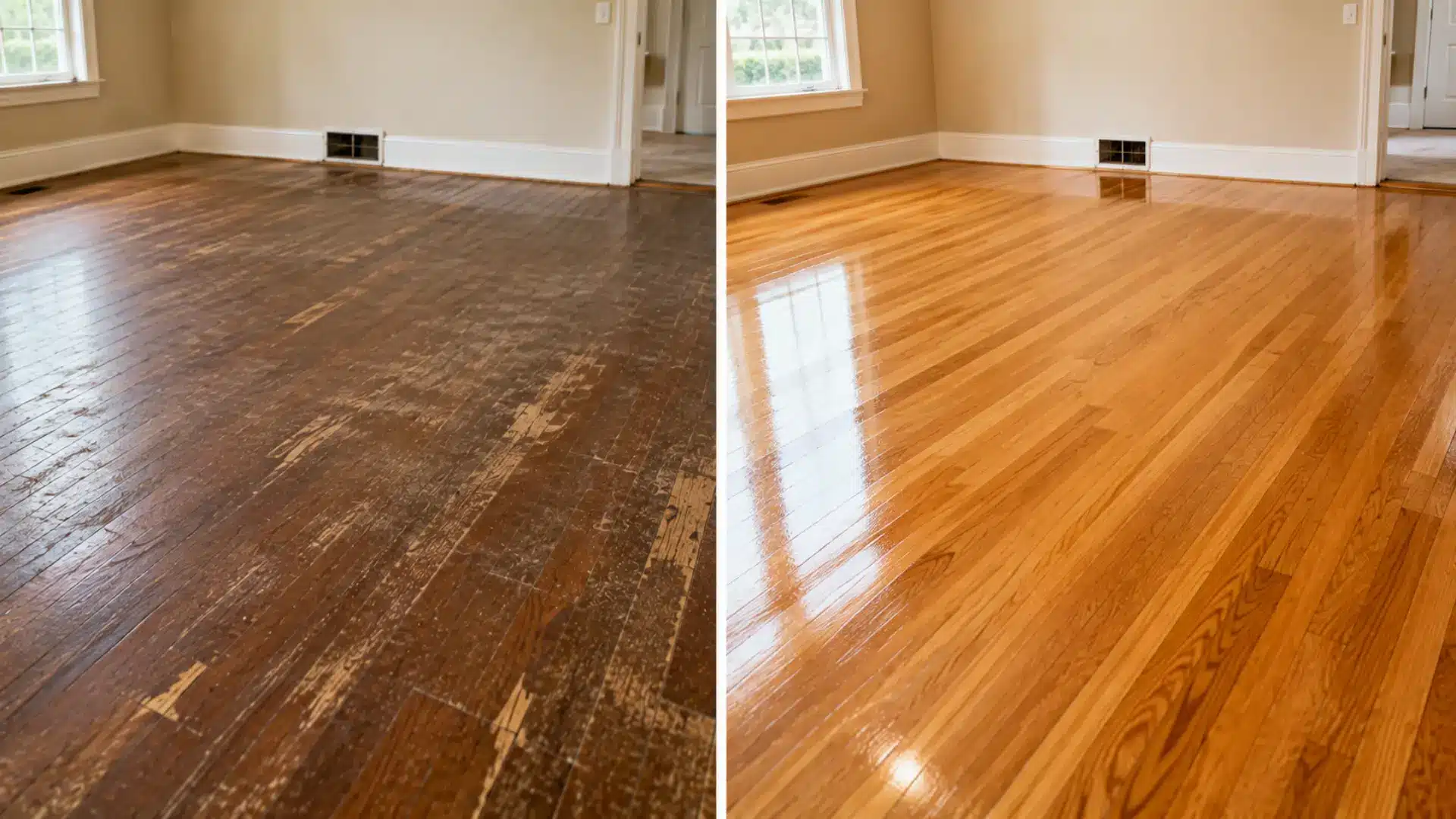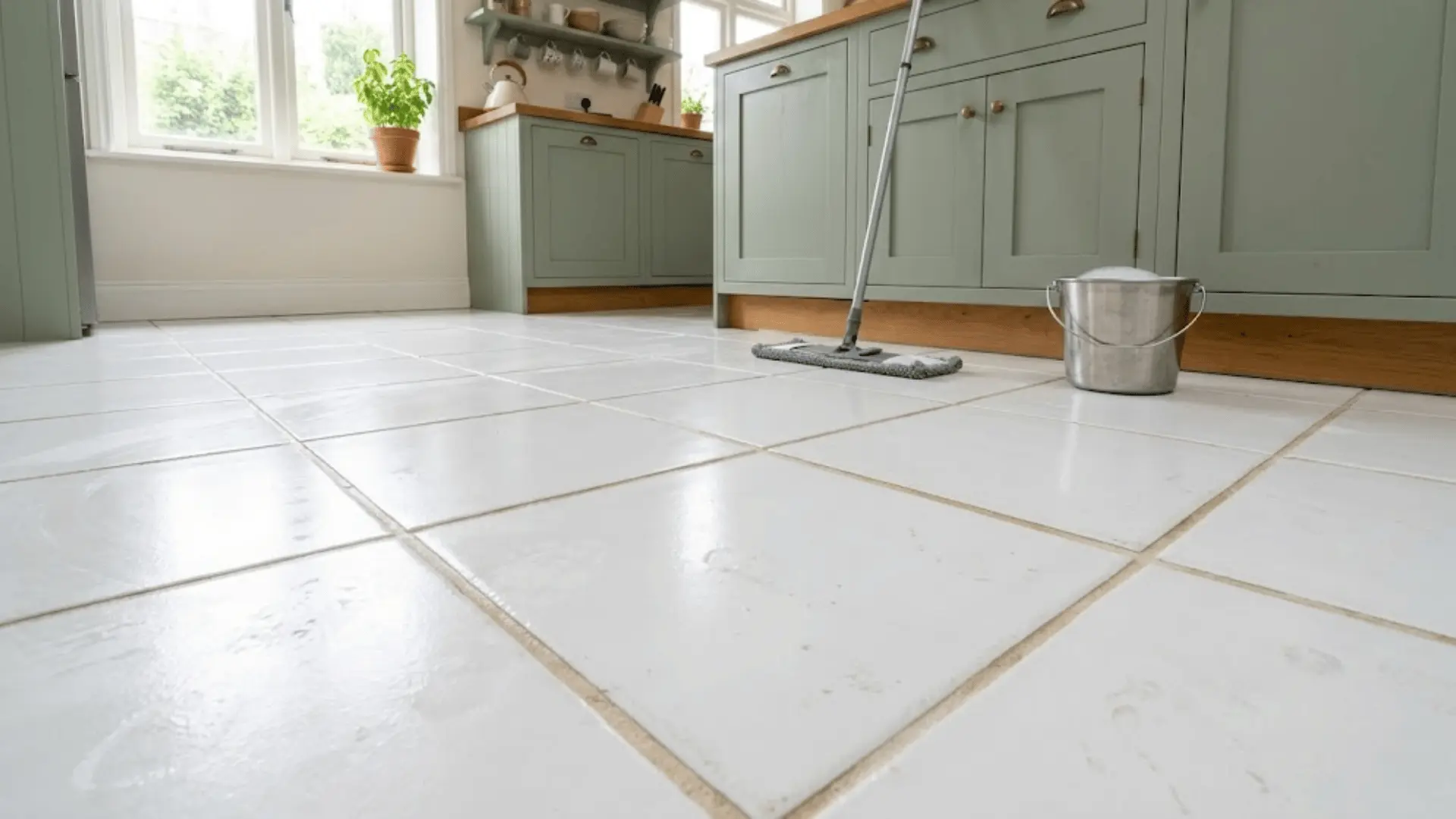
Tile floors are built to last, but keeping them looking fresh? That’s a whole different story.
Most people end up with streaky surfaces, sticky residue that just won’t quit, and grout lines that seem to collect every bit of dirt imaginable.
It usually comes down to a few simple missteps rather than any deep, unsolvable problem.
Knowing what actually works makes cleaning tile floors go from a frustrating chore to a genuinely satisfying reset.
Know Your Tile Type Before Cleaning
Not all tiles are created equal, and the cleaner that works beautifully on one can quietly damage another. Before you grab whatever’s under the sink, it’s worth knowing what you’re working with.
| Tile Type | Key Trait | Best Cleaner | What to Avoid |
|---|---|---|---|
| Ceramic | Durable, glazed surface | Dish soap + warm water | Abrasive scrubbers |
| Porcelain | Dense, low absorption | pH-neutral or plain hot water | Bleach-heavy formulas |
| Natural Stone | Porous, finish-sensitive | pH-neutral only | Vinegar, lemon, anything acidic |
| Vinyl-Look / Specialty | Coating varies | Manufacturer-recommended | Steam mops, harsh solvents |
Tools & Supplies You’ll Need
Having the right setup before you start saves a lot of back-and-forth mid-clean. Nothing complicated here, just a few things worth keeping dedicated to your floors.
Basic Supplies
- Broom or hard-floor vacuum
- Microfiber mop
- Bucket
- Soft-bristle brush
- Microfiber cloths
Cleaning Solutions
- Warm water
- Mild dish soap
- pH-neutral tile cleaner
- Vinegar, only for ceramic and porcelain, never on natural stone
Step-by-Step: Best Way to Clean Tile Floors
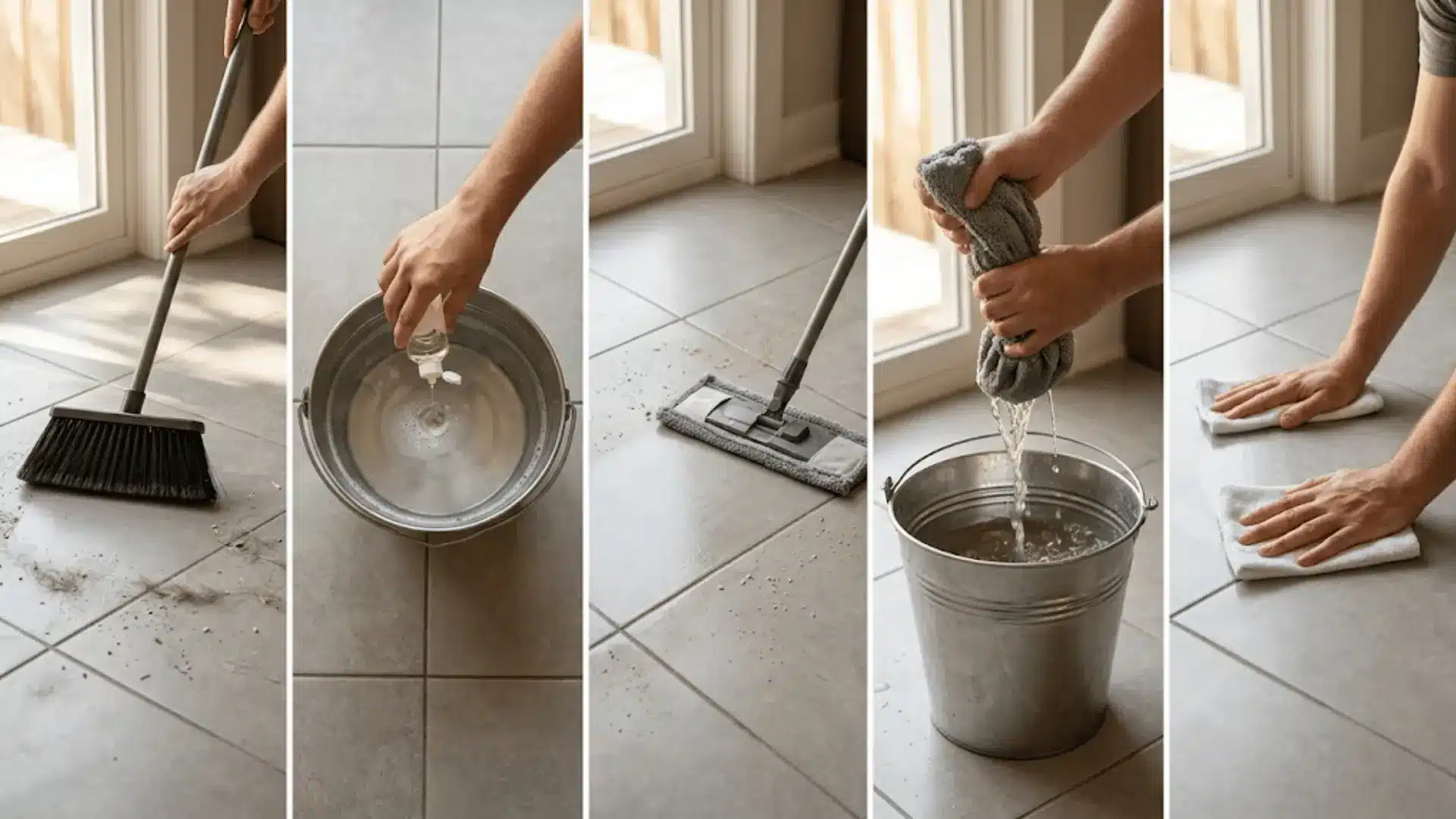
Cleaning tile floors well isn’t about scrubbing harder; it’s about moving through the process in the right order. Skip a step, and you’ll likely redo the whole thing.
Step 1: Sweep or Vacuum First
This one matters more than people give it credit for. Loose grit and debris act like sandpaper the moment a wet mop pushes them around.
A quick sweep or a hard-floor vacuum setting picks up what your eyes miss, and protects your tile surface before any moisture even enters the picture.
Step 2: Mix Your Cleaning Solution Properly
More soap does not mean cleaner floors. Too much product leaves a hazy film that attracts dirt faster and takes multiple rinses to fully lift.
A small amount of mild dish soap or pH-neutral cleaner in warm water is genuinely all you need for most tile types.
Step 3: Mop in Sections
Work your way across the floor in manageable sections rather than sloshing water everywhere at once. Flooding the floor pushes dirty water into grout lines and makes the whole job harder.
A damp mop, not a soaking wet one, gives you far better control and a cleaner result.
Step 4: Rinse Your Mop Frequently
A dirty mop just moves grime from one spot to another. Rinsing it out every few sections keeps the water in your bucket cleaner for longer and actually lifts dirt off the floor instead of redistributing it.
If the water looks visibly murky, swap it out entirely.
Step 5: Dry the Floor
Letting tile air dry sounds fine in theory, but it’s usually where streaks and water spots come from.
A dry microfiber cloth or a clean, dry mop head buffed lightly over the surface after mopping makes a noticeable difference, especially on darker tiles or high-gloss finishes.
How to Clean Ceramic Tile Floors?
Ceramic is one of the more forgiving tile types, but forgiving doesn’t mean indestructible. The right cleaner keeps the glaze intact and the surface looking sharp for longer.
Best Cleaners for Ceramic Tile
These options work well across most ceramic surfaces without leaving residue or dulling the finish over time.
| Product | Best For | Finish Safe |
|---|---|---|
| Bona Hard-Floor Cleaner | Daily upkeep | Glazed, matte |
| Zep Neutral Floor Cleaner | Deep cleaning | All ceramic |
| Method Squirt + Mop | Quick refreshes | Glossy |
| Warm water + dish soap | Regular maintenance | All types |
What to Avoid?
A few things that seem harmless can quietly do damage over time, especially on glazed surfaces.
- Abrasive scrub pads, they leave fine scratches that catch light and dull the finish.
- Straight bleach, weakens grout with repeated use.
- Vinegar, slowly etches the glaze in ways you won’t notice until the damage is done.
- Excess water sitting in grout lines, invites mold and loosens grout over time.
How to Clean Porcelain Tile Floors?
Porcelain is dense, barely absorbs moisture, and holds up well under heavy use. It’s low maintenance by nature, but it does have one consistent weakness: haze from product buildup that accumulates quietly over time.
Everyday Cleaning
Porcelain doesn’t need much to stay clean, and keeping it that way is more about consistency than effort.
- Step 1: Dry dust mop to lift surface debris before it gets ground in.
- Step 2: Follow with a lightly damp mop using plain warm water.
- Step 3: Add a very small amount of pH-neutral cleaner only when needed.
- Step 4: Dry with a microfiber cloth to keep water spots from forming.
Removing Haze
Haze on porcelain almost always comes from too much cleaner and not enough rinsing. Scale back the product, follow up with a clean, damp mop using plain water, and buff dry with a microfiber cloth afterward.
If the cloudiness persists, a porcelain-specific haze remover used sparingly tends to sort it out without damaging the surface.
How to Clean Natural Stone Tile Floors?
Natural stone brings a lot of character to a space, but it asks for more careful handling than ceramic or porcelain. Being porous and finish-sensitive, it reacts badly to the wrong products, and some of that damage is permanent.
Safe Products Only
Stone needs a pH-neutral cleaner specifically formulated for its surface, nothing borrowed from another tile type, and nothing DIY. These options are consistently reliable without risking the finish.
- Black Diamond Stone & Tile Floor Cleaner, made specifically for natural stone surfaces.
- Miracle Sealants 511 Spray-On Grout Sealer, for maintaining the protective layer after cleaning.
- Plain warm water, the safest everyday option when the stone is well-sealed.
Avoid These
These are common household staples that have no place on natural stone.
- Vinegar, the acidity, etches the surface and strips the finish over time.
- Bleach, breaks down sealants and discolors certain stone types.
- Lemon or citrus-based cleaners, acidic in the same way vinegar is.
- Abrasive scrubbers, scratch the surface and make it more porous over time.
How to Clean Grout Between Tile Floors?
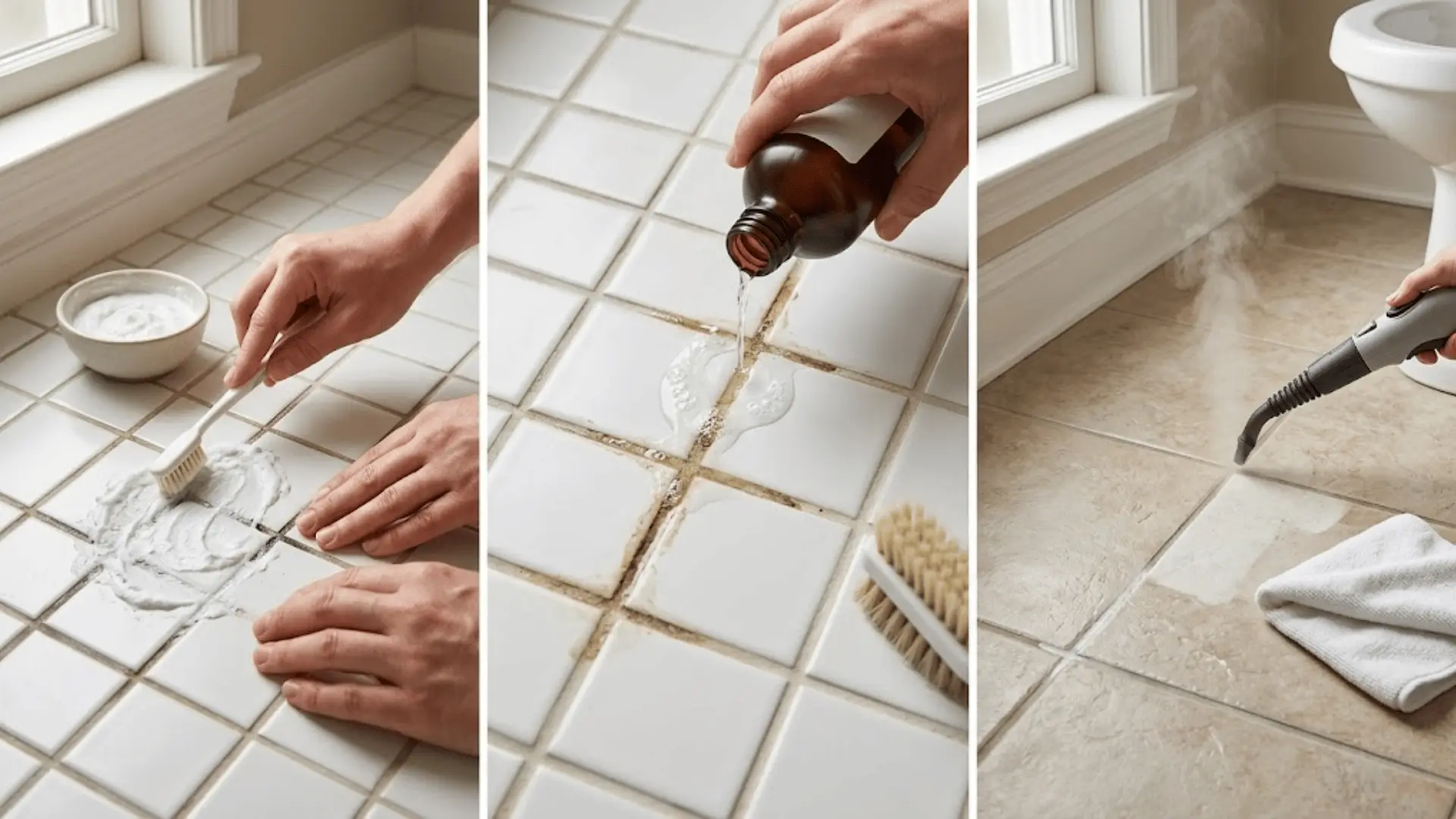
Grout is porous by nature, which means it holds onto dirt, moisture, and staining in ways the tile surface around it simply doesn’t.
Targeted cleaning works far better here than scrubbing the entire floor and hoping for the best.
1. Baking Soda Paste Method
A gentle, accessible option that works well for regular grout maintenance without any harsh chemicals involved.
- Step 1: Mix baking soda with just enough water to form a thick paste.
- Step 2: Apply directly onto grout lines and let it sit briefly.
- Step 3: Scrub gently with a soft-bristle brush in short back-and-forth strokes.
- Step 4: Rinse thoroughly with warm water and dry the area after.
2. Hydrogen Peroxide Option
Better suited for grout that’s visibly stained or hasn’t been deep cleaned in a while; always spot test first.
- Step 1: Apply hydrogen peroxide directly onto stained grout lines.
- Step 2: Let it sit for a few minutes to break down the discoloration.
- Step 3: Scrub with a soft brush, working in small sections.
- Step 4: Rinse well and check the result before treating more areas.
3. Steam Cleaning
A popular pick in cleaning communities for good reason, it lifts grime from grout without any product residue left behind.
- Step 1: Run the steam cleaner slowly along each grout line.
- Step 2: Follow immediately with a microfiber cloth to wipe away loosened dirt.
- Step 3: Work in sections so the steam doesn’t dry before you wipe.
- Step 4: Allow grout to dry fully before walking on the floor.
Best Homemade Tile Floor Cleaners
Store-bought cleaners work, but most tile floors clean up just fine with what’s already in your kitchen. These combinations are simple, low-cost, and effective when mixed in the right ratios.
| Recipe | Mix Ratio | Best For | Safe On |
|---|---|---|---|
| Warm Water + Dish Soap | 1 tsp soap per gallon of water | Routine cleaning | Ceramic, porcelain |
| Vinegar + Water | 1:1 ratio | Cutting through buildup | Ceramic, porcelain only |
| Baking Soda Paste | Baking soda + enough water to form paste | Spot cleaning sticky messes | Ceramic, porcelain |
| Plain Warm Water | As is | Light daily upkeep | All tile types |
Common Tile Floor Problems & Fixes
Even with a solid cleaning routine, tile floors throw up the occasional frustrating issue. Most of them trace back to one small thing done slightly off, and most of them are pretty straightforward to sort out.
Problem 1: My Floors Look Streaky Even After Mopping.
Fix: Cut back on the cleaner and swap out mop water mid-clean. Finish with a plain damp mop pass to lift whatever residue is left behind.
Problem 2: My Tile Feels Sticky After Cleaning.
Fix: That tackiness is product buildup, and more soap won’t fix it. Mop with plain warm water only, rinsing the mop frequently until the stickiness clears.
Problem 3: My Tile Looks Cloudy and Dull.
Fix: Soap film or hard water deposits are sitting on the surface and dulling the finish. A thorough rinse with plain water followed by a dry microfiber buff usually brings the clarity back.
Problem 4: My Grout is Dark and Grimy No Matter How Much I Mop.
Fix: Mopping alone won’t reach embedded grout dirt, it needs direct treatment. Apply a baking soda paste or hydrogen peroxide straight onto the lines and scrub with a soft brush.
What Real Homeowners Recommend?
Cleaning product labels tell you one thing, but people who’ve actually dealt with stubborn tile and grimy grout tend to tell you something more useful.
Across discussions like this thread on r/CleaningTips and this one on r/HomeImprovement, a few pieces of advice keep coming up consistently.
- Microfiber mops over sponge mops, nearly everyone who switched said they’d never go back.
- Less cleaner, more rinsing, product buildup came up as the most common self-inflicted problem.
- Two-bucket method, one for the cleaning solution and one for rinsing the mop, keeps floors genuinely clean instead of just relocated dirt.
- Steam mops for stubborn areas, popular across multiple threads but always with the caveat to check your tile type before using one.
The general consensus leans toward simpler methods over heavy chemicals, and most people found their floors improved once they used less product rather than more.
Cleaning Tile Floors by Room
The approach that works in one room doesn’t always translate to another.
Each space brings its own kind of mess, and cleaning with that in mind makes the whole process faster and more effective.
| Room | Main Culprits | Best Approach |
|---|---|---|
| Kitchen | Grease, food residue, spills | Degreasing dish soap in warm water, mop frequently in cooking zones |
| Bathroom | Soap scum, mildew, hard water | pH-neutral cleaner, target grout lines regularly, dry after cleaning |
| Entryway | Sand, mud, salt, outdoor debris | Dry sweep first always, damp mop with plain water, reseal grout seasonally |
How Often Should You Clean Tile Floors?
Tile is forgiving, but it does respond well to a loose routine. How often you clean really comes down to the room, the foot traffic, and how much you’re willing to let build up before it becomes a bigger job.
- Daily or several times a week, a quick sweep or dry mop through high-traffic areas like the kitchen and entryway keeps grit from scratching the surface.
- Weekly, a proper damp mop through regularly used rooms prevents dirt from settling into grout lines and becoming harder to lift.
- Monthly, a deeper clean targeting grout, corners, and edges catches what regular mopping consistently misses.
Sticking to even a loose version of this keeps tile floors looking well-maintained without ever needing a dramatic deep clean session to recover them.
Mistakes to Avoid
Most tile cleaning frustrations aren’t about the wrong product, they’re about small habits that quietly work against you. These are the ones worth unlearning.
- Using too much cleaner, more product means more residue, and residue is what makes floors look dull and feel sticky after cleaning.
- Flooding grout lines with water, excess moisture sitting in grout invites mold and slowly loosens the grout over time.
- Using vinegar on natural stone, even diluted, the acidity etches the surface in ways that are difficult to reverse.
- Dirty mop heads, a mop that hasn’t been cleaned is just spreading old dirt around in cleaner water.
- Skipping the dry sweep, mopping over loose grit and debris scratches the tile surface before cleaning even begins.
Getting these right changes the results more than any product upgrade ever will.
The Bottom Line
Cleaning tile floors well really does come down to a few consistent habits over anything complicated or expensive.
The right cleaner for your tile type, a mop that’s actually clean, and a light routine that keeps buildup from getting ahead of you.
That’s most of it. Once it clicks, it stops feeling like a chore and starts feeling like maintenance you actually have control over.
If you have a method that works particularly well in your home, drop it in the comments below.
Frequently Asked Questions (FAQs)
Can I Use Vinegar on Tile Floors?
On ceramic and porcelain, diluted vinegar works fine occasionally, but it should never go near natural stone. The acidity etches stone surfaces over time and strips the finish in ways that aren’t easy to fix.
Why Do My Tile Floors Feel Sticky After Mopping?
That stickiness is almost always product buildup from too much cleaner being used consistently. Mop with plain warm water only for a few rounds, rinsing the mop frequently, and it usually clears up completely.
How Do I Whiten Dirty Grout Lines?
A baking soda paste or hydrogen peroxide applied directly onto the lines and scrubbed with a soft-bristle brush works better than any amount of regular mopping. Grout needs targeted treatment, not surface cleaning.
Are Steam Mops Safe for Tile Floors?
For most ceramic and porcelain, yes, but natural stone and certain specialty tiles don’t respond well to high heat and moisture. Always check the manufacturer guidance for your specific tile type before using one.