

Few flowers stop you in your tracks quite like a hydrangea in full bloom. These full-headed beauties are a dream for any hydrangea garden, but many gardeners struggle to keep them happy.
Too much sun, the wrong soil, or inconsistent watering, and those gorgeous blooms quickly disappoint. The good news? They are easier to care for than you think.
In this guide, I will walk you through everything you need to know about how to take care of hydrangeas, from watering schedules and sunlight requirements to getting your soil just right.
Meet Hydrangeas
Hydrangeas originated in Asia and the Americas and have been brightening gardens for centuries.
They are best known for their large, globe-shaped flower clusters that come in soft pinks, blues, purples, and whites. The most popular types you will come across are Bigleaf, Panicle, Smooth, and Oakleaf, each with its own personality and needs care.
What makes them truly special is their ability to change bloom color based on soil pH, something very few flowers can do.
If you are building a cottage-stylehydrangea garden or simply want one showstopping plant by your front door, learning how to take care of hydrangeas is the best place to start.
Signs Your Hydrangea is Struggling
Knowing how to take care of hydrangeas means catching problems before they get out of hand.
Even a well-maintained hydrangea garden can run into trouble, and most issues have a clear cause and a simple fix once identified. Here is what to look for and what to do about it.
- Drooping leaves after transplanting: Transplant shock, water consistently, and hold off on fertilizing until new growth appears.
- Yellow leaves with green veins: Iron chlorosis from high soil pH, add sulfur or acidifying fertilizer to restore nutrient absorption.
- Brown or purple spots on leaves: Cercospora leaf spot, remove affected leaves and avoid overhead watering.
- Plant has stopped growing: Root rot from poor drainage, check for dark, mushy roots and improve drainage immediately.
- Ragged holes in leaves overnight: Slug damage, place slug pellets or coarse sand around the base.
- Grey mold on flowers and stems: Botrytis from damp conditions, remove affected parts and improve airflow.
Things to Consider When Growing a Hydrangea Garden
Before going into care, getting the foundation right matters most. The right planting time, location, and spacing set the plant up for years of healthy growth and generous blooms.
1. Planting Time
Early spring or fall are the best windows. Mild temperatures give roots time to settle before heat or frost arrives.
Always wait until after the last frost date in your region before getting started. Most varieties thrive in USDA hardiness zones 3 to 9 and do especially well in humid climates.
2. Location
A good location is not just about sunlight. It is where every element comes together.
Well-draining soil, good air circulation, and distance from large trees that compete for water and nutrients all matter equally.
Get the spot right and everything else, like watering, feeding, and pruning, becomes so much easier.
3. Spacing and Depth
Space hydrangeas 3 to 10 feet apart, depending on the variety, as crowding cuts airflow and invites disease.
Dig a hole twice as wide as the root ball and plant at the same depth as the nursery container. Backfill with a mix of native soil and compost to give the roots a strong and nourishing start.
How to Take Care of Hydrangeas
Hydrangeas are far more forgiving than most people think, but they do have a few non-negotiables. Get the watering, sunlight, soil, feeding, and pruning right, and the plant will reward you with generous blooms season after season. Here is exactly what to focus on.
Watering Tips
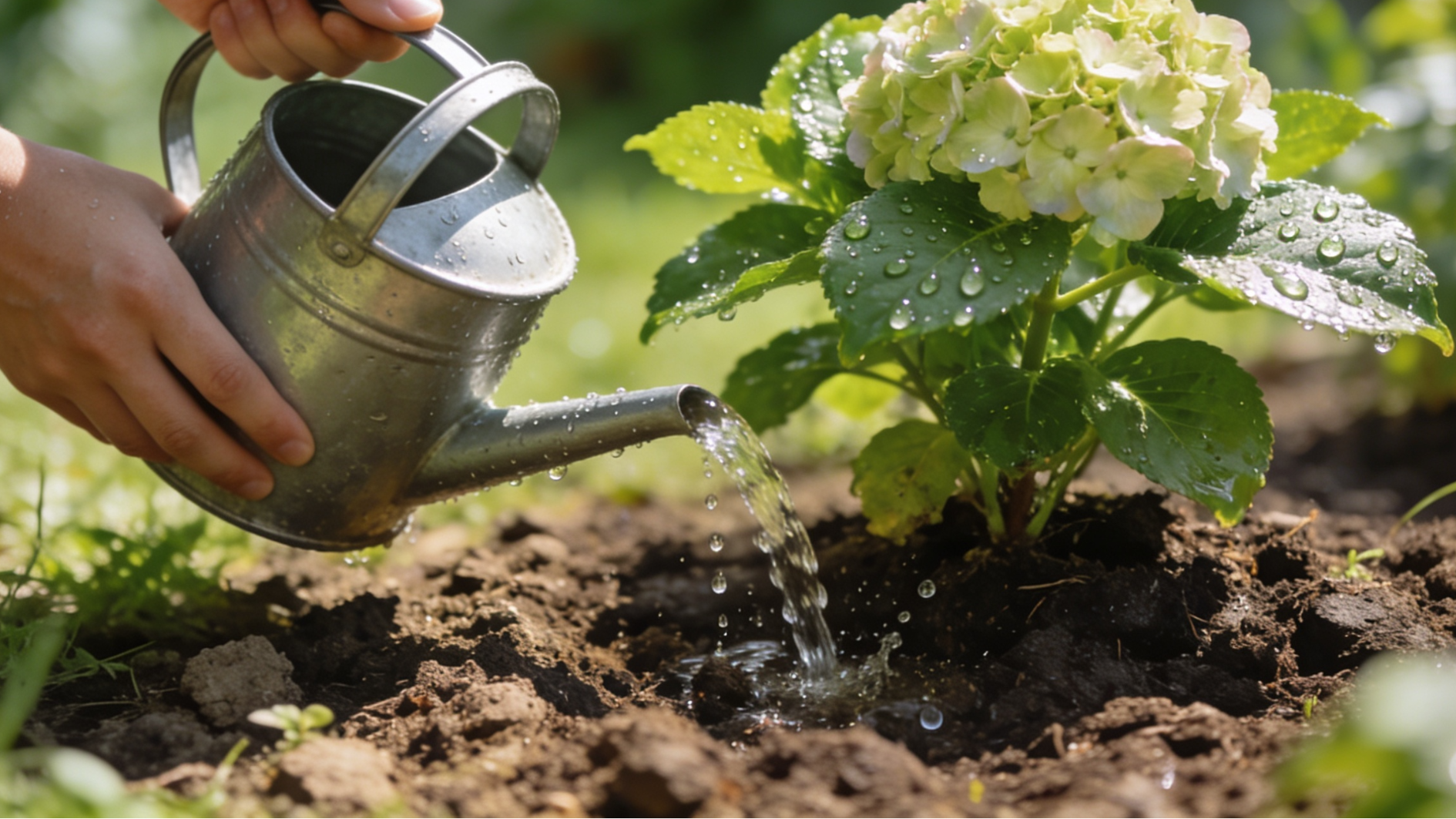
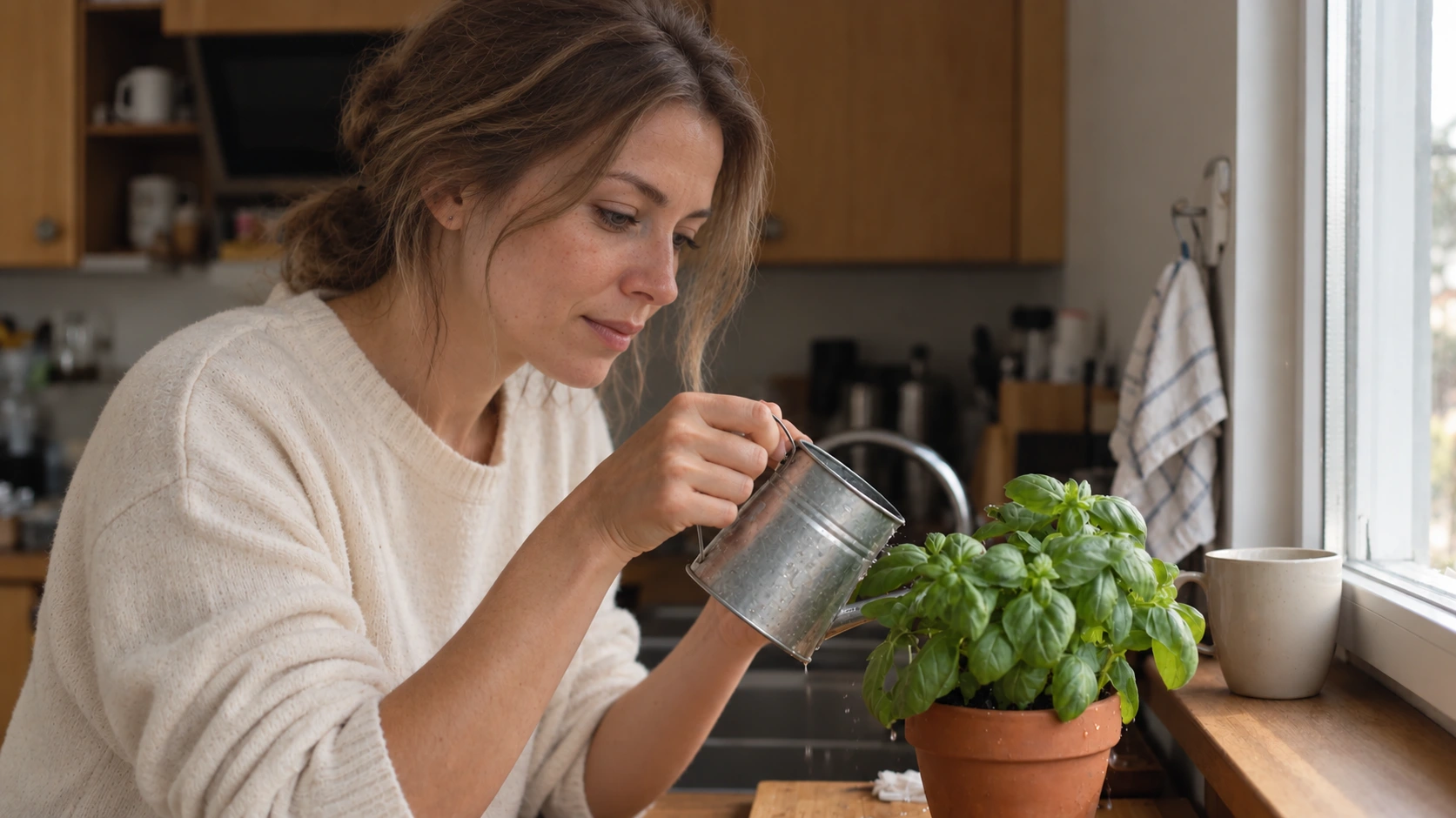
Deep, consistent watering is far more effective than a little splash every day. The goal is to encourage roots to grow downward in search of moisture. Shallow watering keeps roots weak and the plant vulnerable.
- Water deeply three times a week to give roots a proper soak.
- Always water at the base, wet leaves invite disease and mildew.
- Lay mulch around the base to lock in moisture between waterings.
Tip: Push a finger an inch into the soil before watering. If it still feels damp, hold off for a day.
Sunlight Requirements
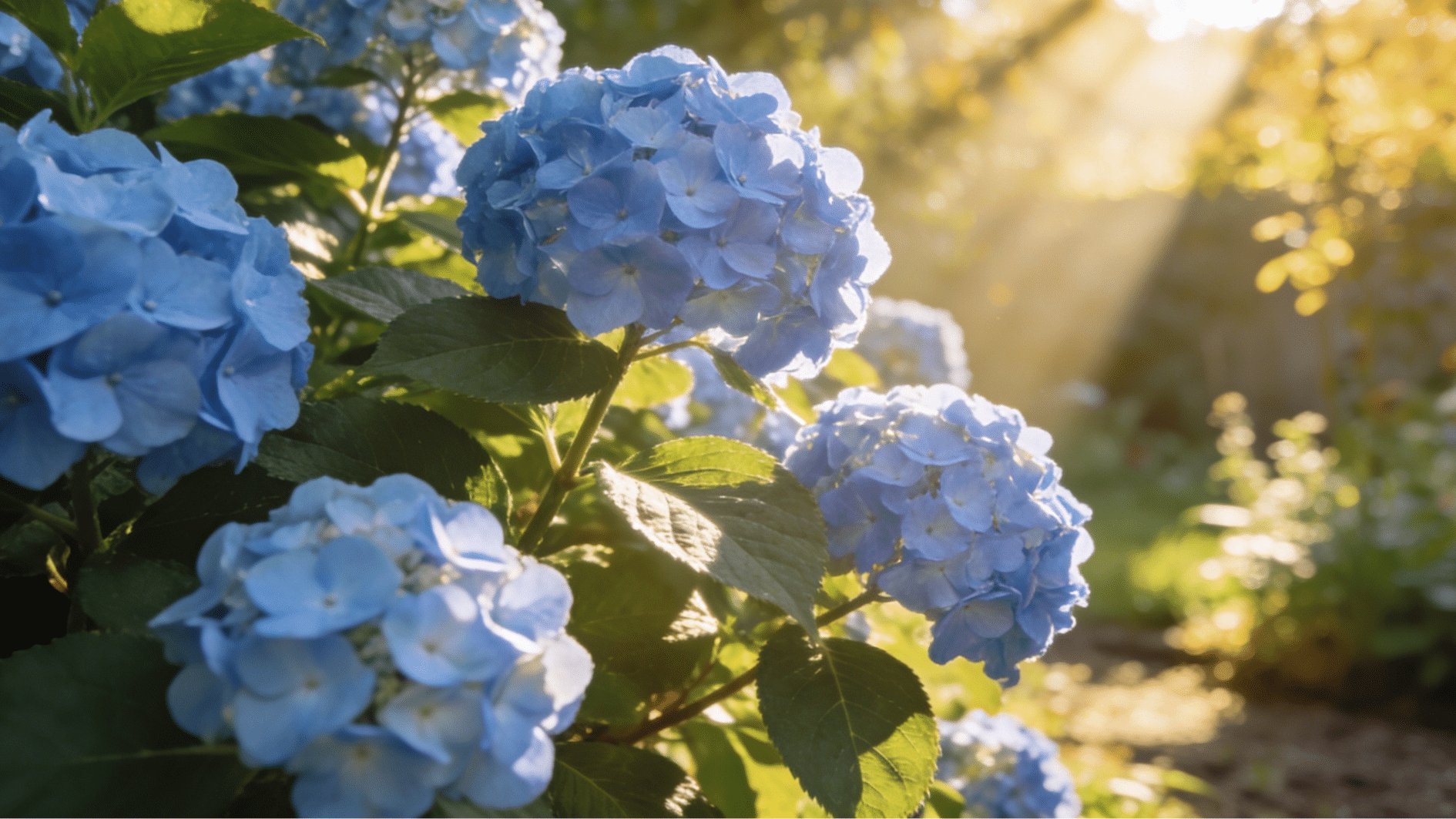
Most hydrangeas thrive with a careful balance of light and shade throughout the day. Too much sun scorches them, and too little quietly stops them from flowering. Finding that middle ground makes all the difference.
- Morning sun with afternoon shade is the sweet spot for most varieties.
- Scorched, papery leaves signal too much direct sun; reposition or shade the plant.
- Less than 4 hours of light a day will quietly stop the flowers from appearing.
Tip: If moving a potted hydrangea, shift it gradually over a few days rather than placing it in full shade all at once.
Soil Type
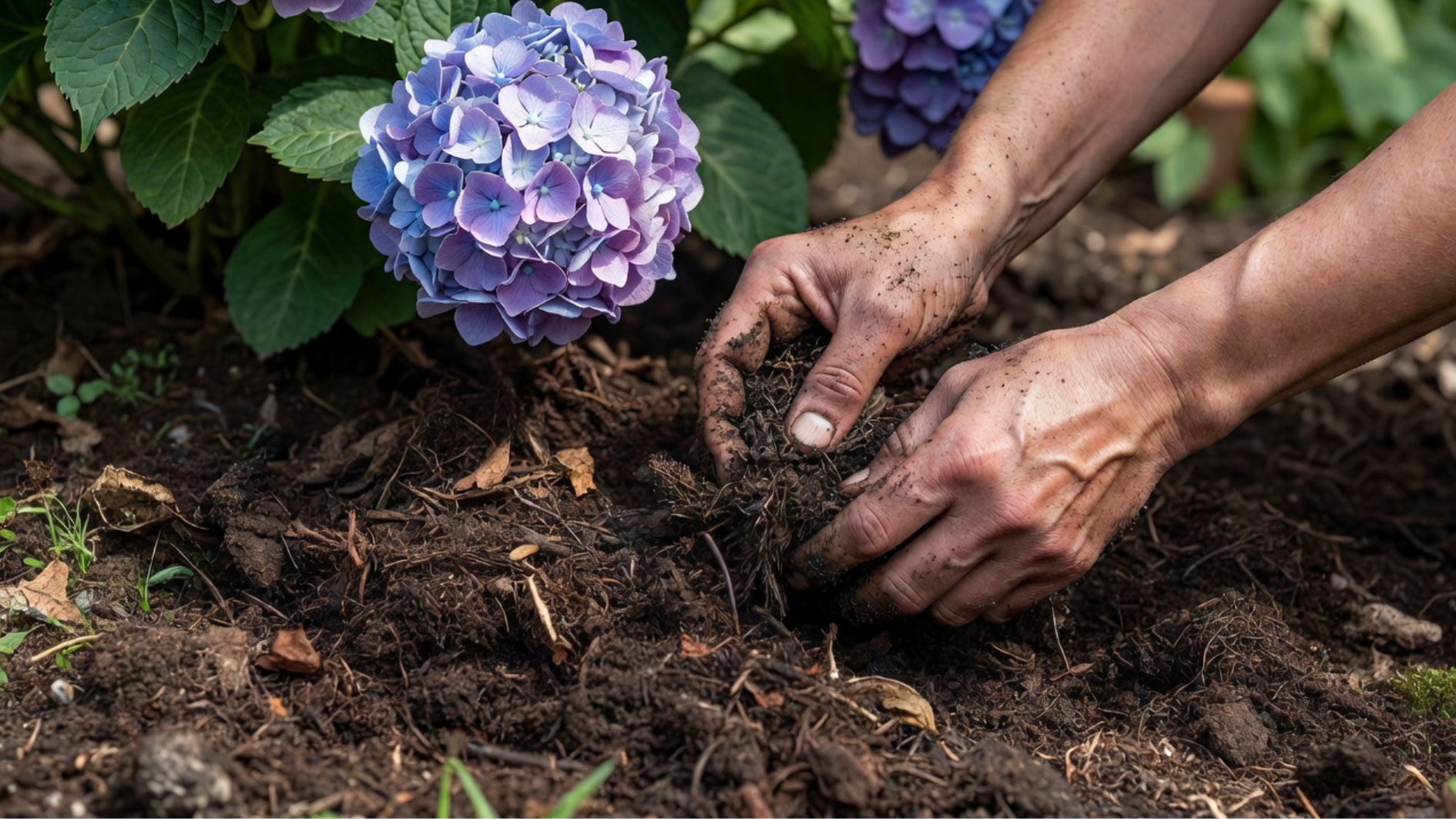
The right soil does more than anchor the roots. It directly influences bloom color and overall plant health. Getting soil composition and pH right before planting saves a lot of troubleshooting later.
- Rich, well-draining soil is non-negotiable for a healthy hydrangea garden.
- Acidic soil below 6 gives blue blooms while alkaline soil above 7 gives pink blooms.
- Work compost into heavy or clay-like soil before planting to loosen it up.
Tip: To shift blooms to blue, mix a little coffee grounds into the soil. It naturally lowers pH over time.
Fertilizing Properly
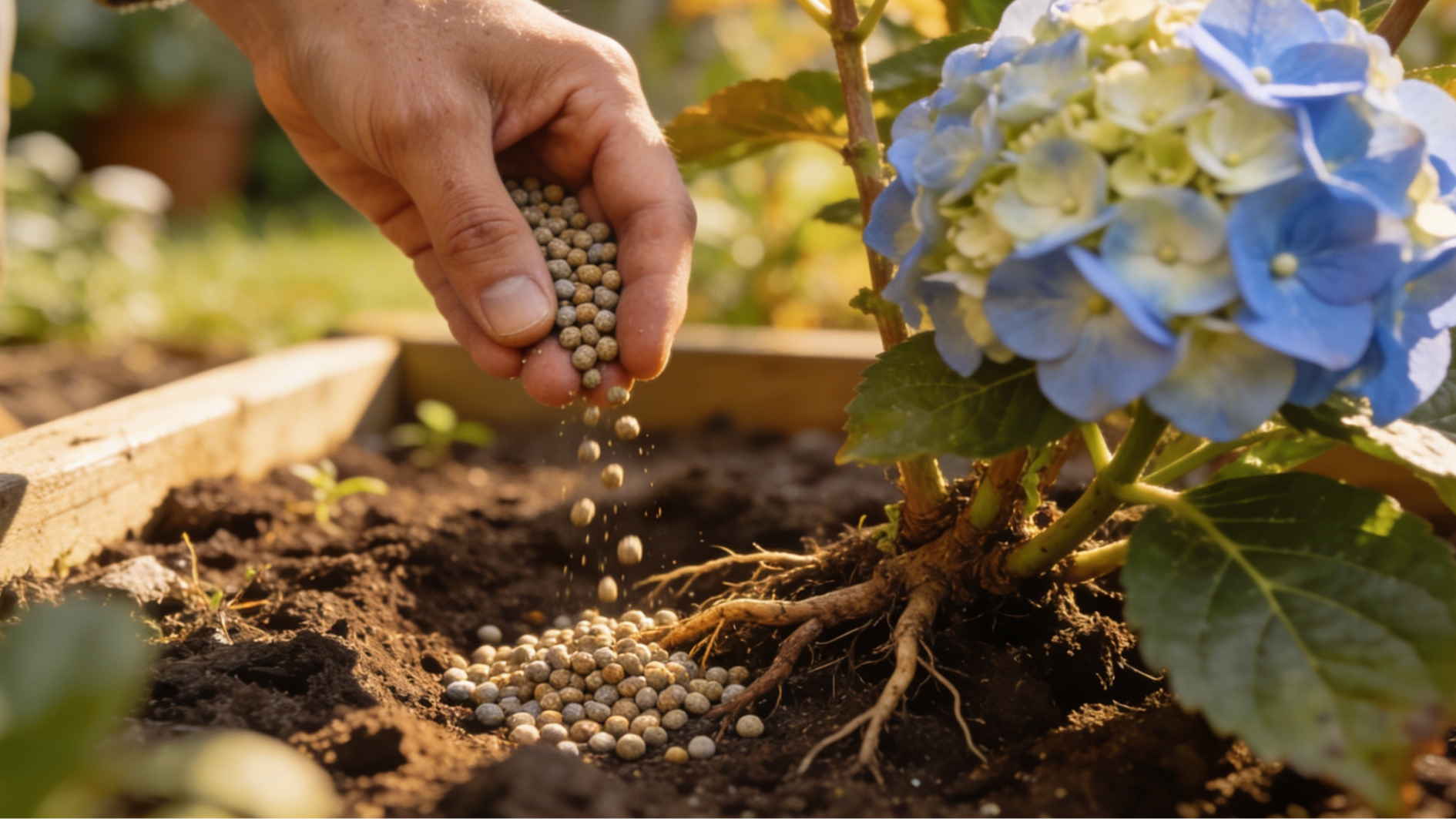
Fertilizing is one area where less is genuinely more when it comes to how to take care of hydrangeas. Overfeeding is one of the most common mistakes and often the reason a plant looks lush but produces no blooms.
- Spring and midsummer are the only two feeding windows needed.
- A balanced slow-release fertilizer with a 10-10-10 ratio covers all the bases.
- Stop fertilizing by late summer to let the plant prepare naturally for dormancy.
Tip: A lush, green plant with no flowers is a clear sign of too much nitrogen. Cut fertilizing immediately.
Pruning & Caring
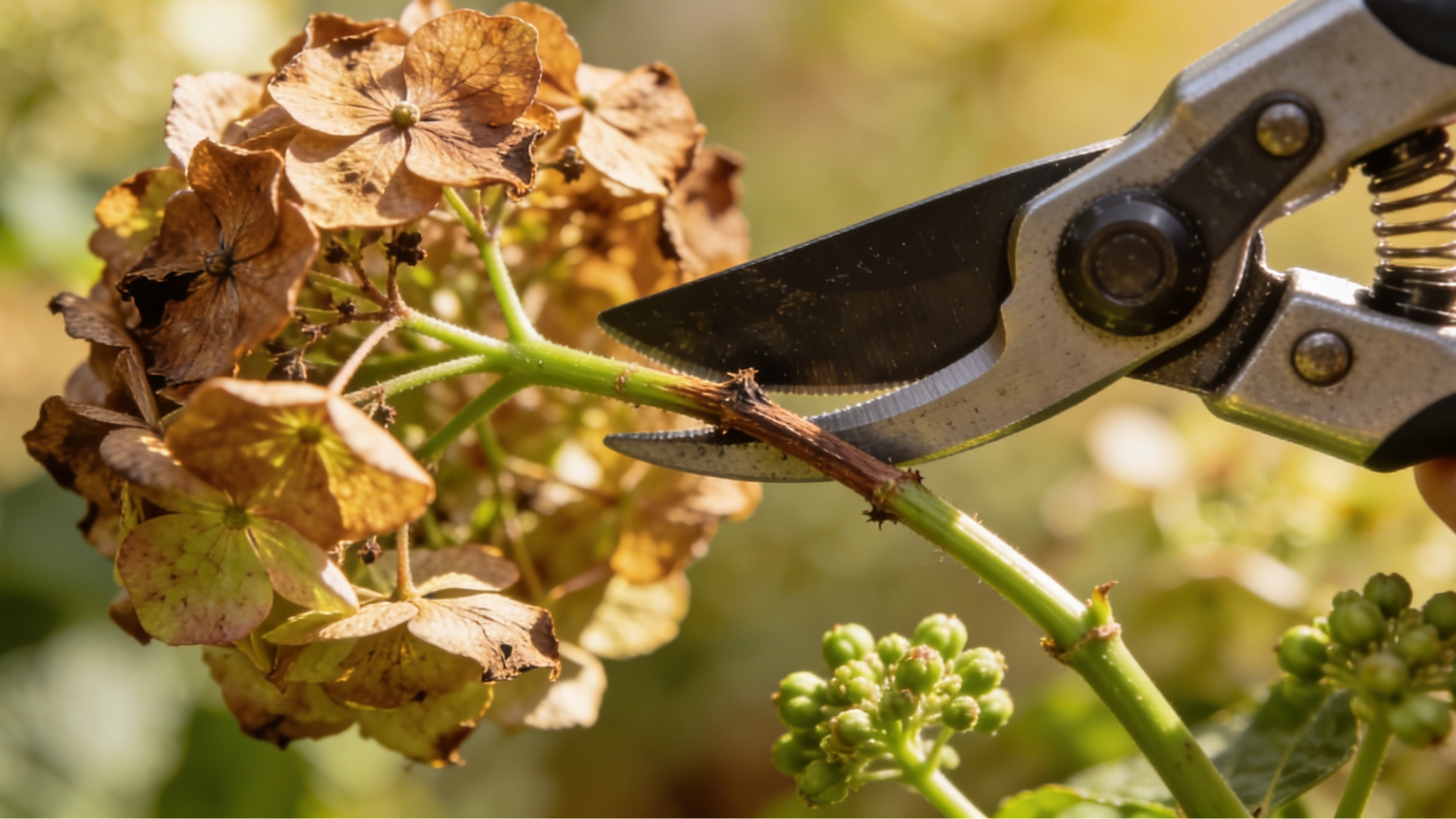
Pruning is one of the most misunderstood parts of hydrangea care, and one wrong cut can mean an entire season without blooms. Knowing the variety and its growth pattern makes all the difference.
- Old wood bloomers like Bigleaf should be pruned immediately after flowering.
- New wood bloomers like Panicle and Smooth are best pruned in late winter.
- Dead stems are brown, hollow, and dry. Dormant stems feel firm — leave those alone.
Tip: Not sure which type it is — wait and watch. Flowers before midsummer mean old wood bloomer. Flowers after midsummer mean a new wood bloomer
The Takeaway
Taking care of hydrangeas is less about perfection and more about paying attention.
With the right planting time, a good spot in your hydrangea garden, and a simple care routine covering water, light, soil, and pruning, these blooms will take care of themselves season after season.
Now that you know how to take care of hydrangeas from the ground up, the only thing left is to get your hands in the soil.
And here is a lovely parting thought: Hydrangeas can live for over 50 years with the right care, meaning a plant you put in the ground today could outlive your garden itself.
So go ahead and get some floral happiness in your life today.
Frequently Asked Questions
Do Hydrangeas Need Full Sun or Shade?
Hydrangeas do best with morning sun and afternoon shade. Around 4 to 6 hours of light daily is the sweet spot.
What is the Best Fertilizer for Hydrangeas?
A balanced, slow-release fertilizer with a 10-10-10 ratio, applied in spring and midsummer, is all a hydrangea needs.
Can I Grow Hydrangeas in Pots or Containers?
Yes, hydrangeas grow well in large containers as long as the pot has good drainage and the soil is kept consistently moist.



One Response
I planted a hydrangea bush . The blooms and leaves are dropping. What can I do?