Every morning, millions of coffee lovers rinse their filters and toss the grounds straight into the bin. No second thought. But what if that dark, coffee-scented waste could actually feed your garden?
Used coffee grounds carry nitrogen, potassium, and phosphorus, the same nutrients your plants need to grow strong.
The catch? Not every plant wants them. And throwing too much onto your soil can do more harm than good.
This guide explains which plants actually benefit from coffee grounds, how to apply them correctly, and what mistakes to avoid. Think twice before discarding those grounds the next time you brew a cup.
What Do Coffee Grounds Contain?
Used coffee grounds contain roughly 2% nitrogen, along with small amounts of potassium, phosphorus, and trace minerals like magnesium, calcium, copper, and iron.
These nutrients support leaf growth, strengthen plant stems, and help improve soil over time. One important note: the nutrients do not become available to plants right away.
The grounds need time to break down, which is why composting them before applying them yields the best results.
| Are Coffee Grounds Good for Plants?
Yes, coffee grounds are good for plants, but only under certain conditions. The key difference is between used grounds and fresh grounds. Once brewed, the grounds lose most of their acidity and settle at a nearly neutral pH of 6.5-6.8. That means they will not burn roots or make your soil too acidic. |
Top Benefits of Using Coffee Grounds in the Garden
Before you toss those morning coffee grounds, it is worth knowing what they can actually do for your garden. The benefits are real, but they work best when you apply them the right way.
- Adds nitrogen to soil: Nitrogen feeds plant growth and helps produce healthy, green leaves.
- Improves soil structure: Grounds mixed into soil improve drainage, airflow, and water retention.
- Feeds earthworms: Worms are drawn to coffee grounds, and more worm activity means healthier soil.
- Deters common pests: Slugs, snails, and ants tend to avoid soil containing coffee grounds.
- Speeds up composting: Coffee grounds raise the temperature inside a compost pile, which helps it break down faster.
- Cuts down on kitchen waste: Recycling grounds in the garden keeps them out of the bin and puts them to work.
Note: Applying too much directly to the soil can block water and air from reaching roots. The safest approach is to mix grounds into compost first and let them break down before they reach your plants.
Which Plants Love Coffee Grounds And Which Do Not
Not every plant in your garden will respond the same way to coffee grounds. Some love them, and some are better off without them.
| Plants That Like Coffee Grounds | Plants to Keep Away From Coffee Grounds |
|---|---|
| Roses | Tomatoes |
| Azaleas | Bell peppers |
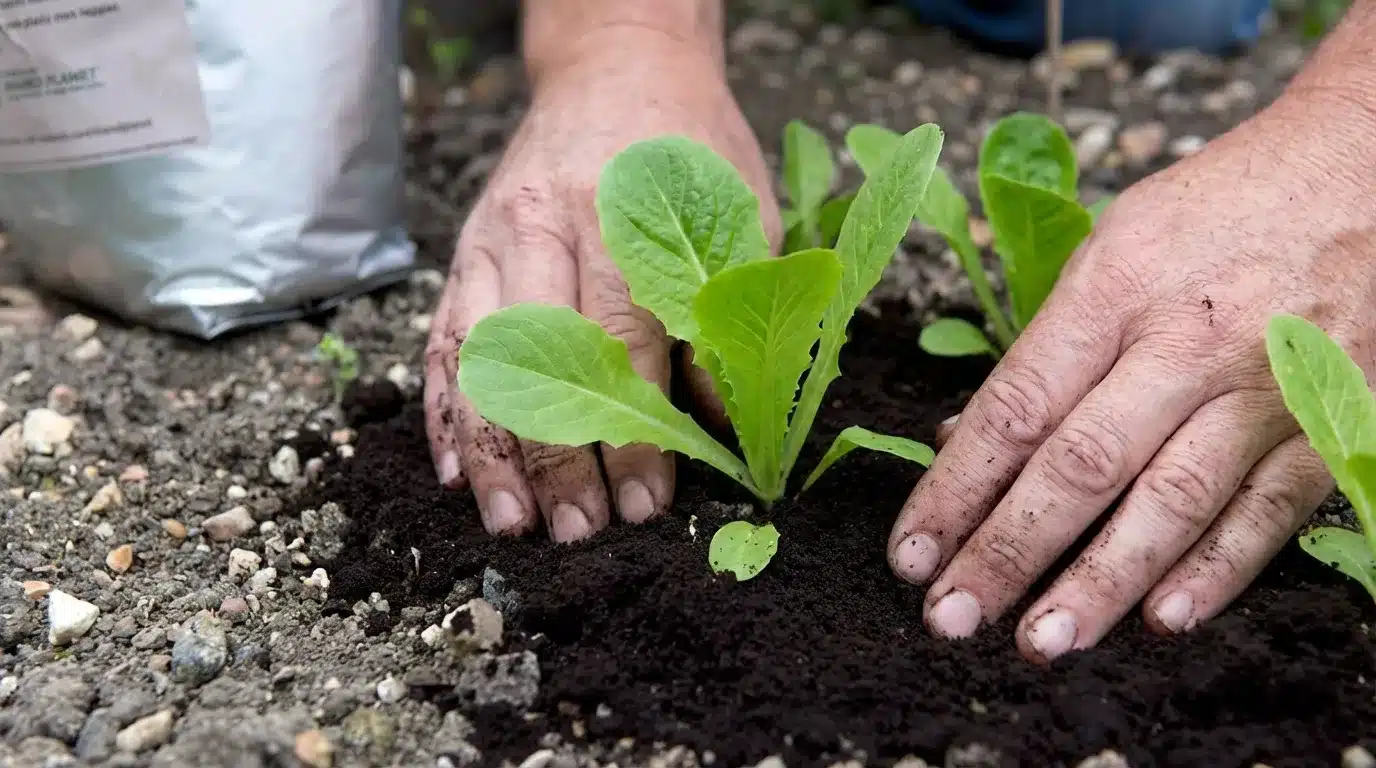
| Rhododendrons | Seedlings (any type) |
| Blueberries | Succulents and cacti |
| Ferns | Lavender |
| Camellias | Rosemary |
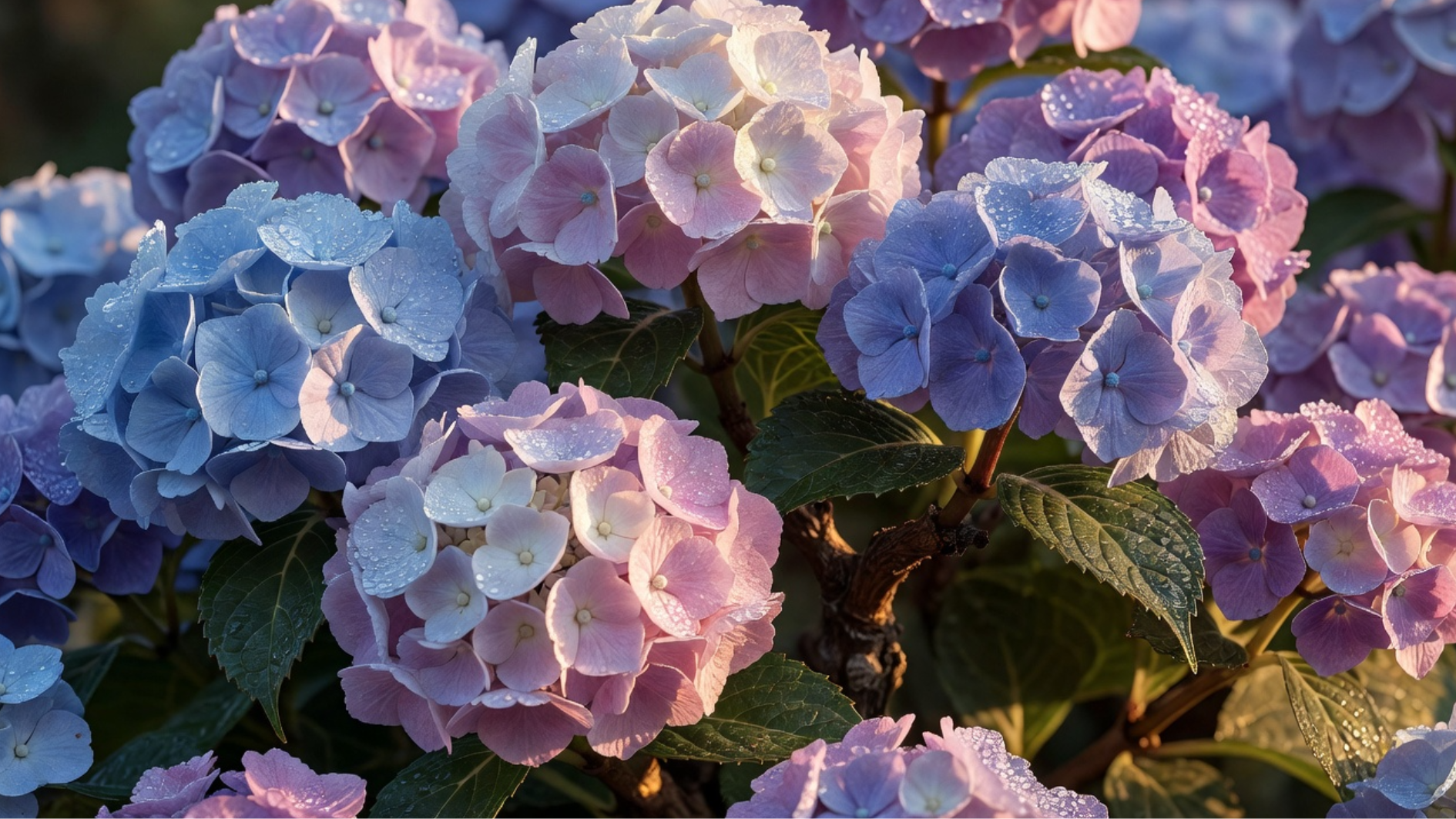
| Hydrangeas | Geraniums |
| Gardenias | Most alkaline-loving plants |
Fresh vs. Used Coffee Grounds: What Is the Difference?
The type of coffee grounds you use matters more than most people realize. Using the wrong kind can harm your plants rather than help them.
Fresh (Unbrewed) Grounds:
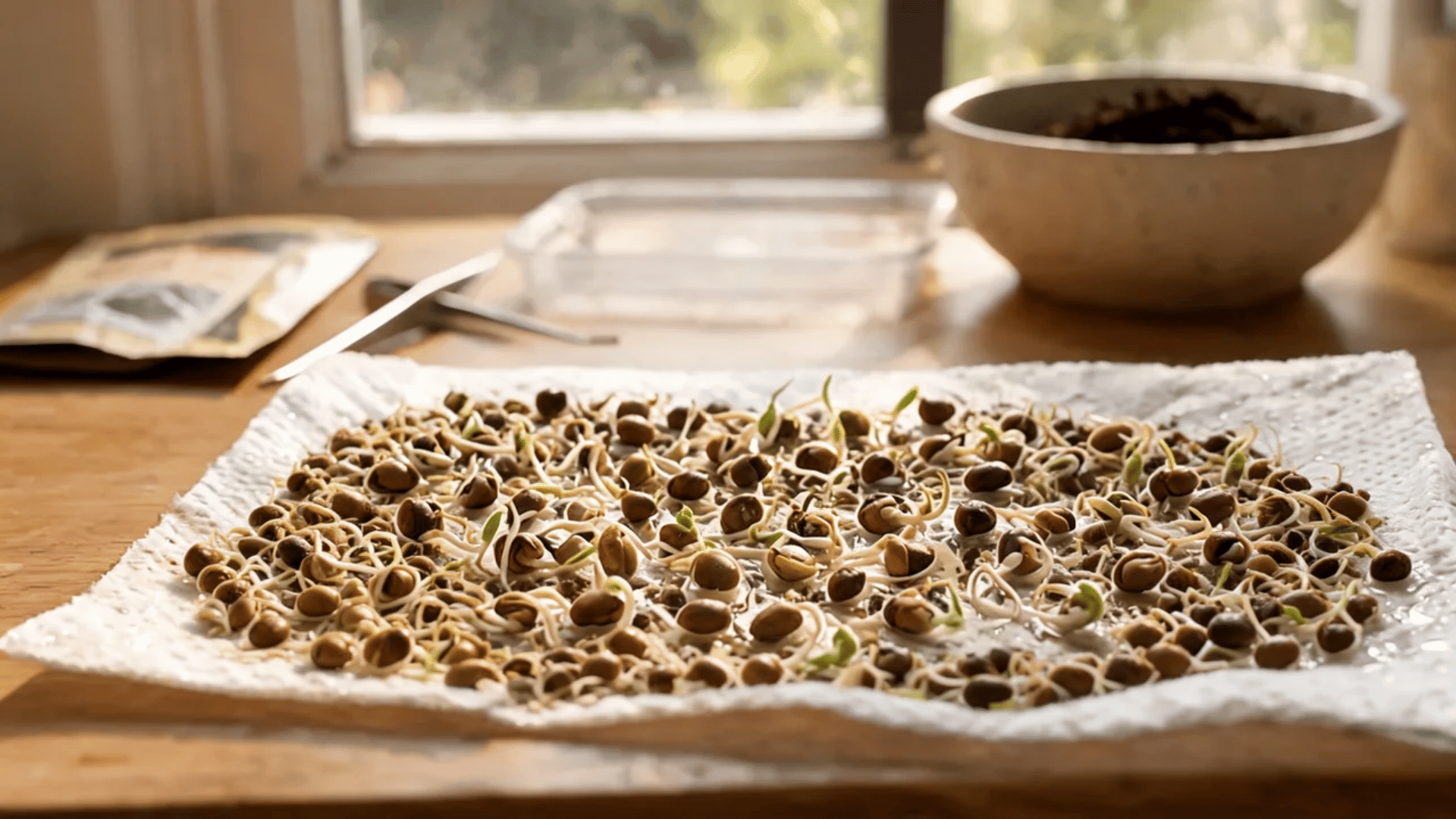
- High in caffeine, which can slow or stop seed germination
- More acidic, with a lower pH that can burn plant roots
- Should only go into compost, never directly onto soil
Used (Brewed) Grounds:
- Caffeine has mostly been washed out during brewing
- Nearly neutral pH of 6.5 to 6.8, much safer for roots
- Can be lightly mixed into soil or added to compost
- Ideal for most garden and indoor plants when used in small amounts
How to Use Coffee Grounds in the Garden?
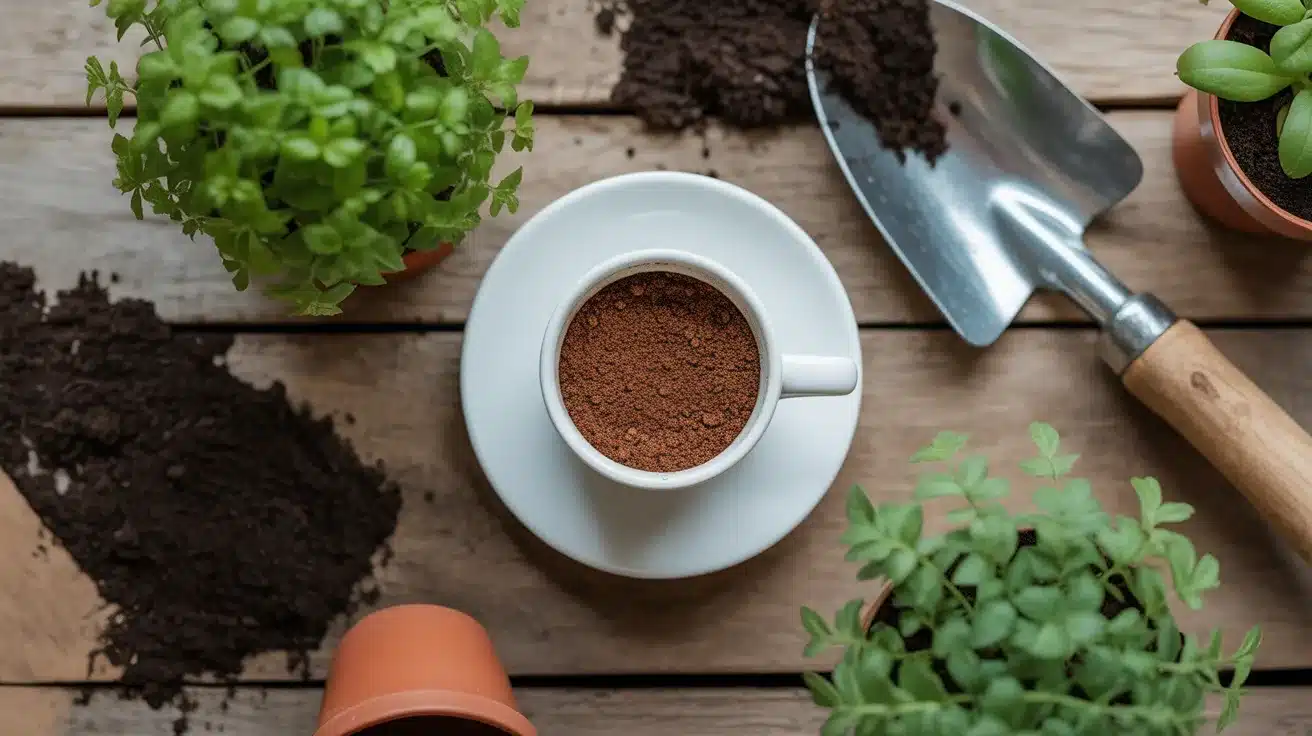
There is more than one way to use coffee grounds in your garden, and each method works differently. Pick the one that best fits your setup.
1. Add to Compost
Layer one part coffee grounds, one part fresh grass clippings, and one part dry leaves by volume. Turn the pile once a week.
According to Cindy Wise, compost program coordinator at Oregon State University Extension Service, usable compost will be ready in three to six months. This is the safest and most effective method overall.
2. Mix Into Soil
Use only composted grounds for this, not fresh-from-the-brewer grounds. Mix them lightly into the top inch or two of soil.
Never pile grounds on the surface, as the fine particles pack together and form a hard crust that blocks water and air from reaching roots.
3. Use as a Liquid Fertilizer
Add two cups of used grounds to five gallons of water and let it steep overnight. Use this liquid to water your containers and garden beds, or apply it as a foliar spray. This is a gentle way to give plants a nitrogen boost without the risk of over-applying.
4. Mulching (Use Lightly)
Sprinkle a very thin layer of dried grounds around, not against, the base of your plants. Always mix with other organic mulch materials. A thick layer of ground will compact quickly and prevent water from penetrating.
5. Add to a Worm Bin
Worms respond well to coffee grounds in a vermicomposting setup. Add them in small amounts alongside fruit and vegetable scraps. The worm castings that result are one of the richest, most natural fertilizers you can make at home.
How Much Coffee Grounds Should You Use?
One of the most common problems gardeners run into is simply using too much. Linda Brewer, a soil scientist at Oregon State University Extension Service, put it plainly: too much can ruin a raised bed completely.
- In compost: Coffee grounds should make up no more than 10-20% of the total compost volume.
- In soil: A light layer of about half an inch, mixed in, is more than enough.
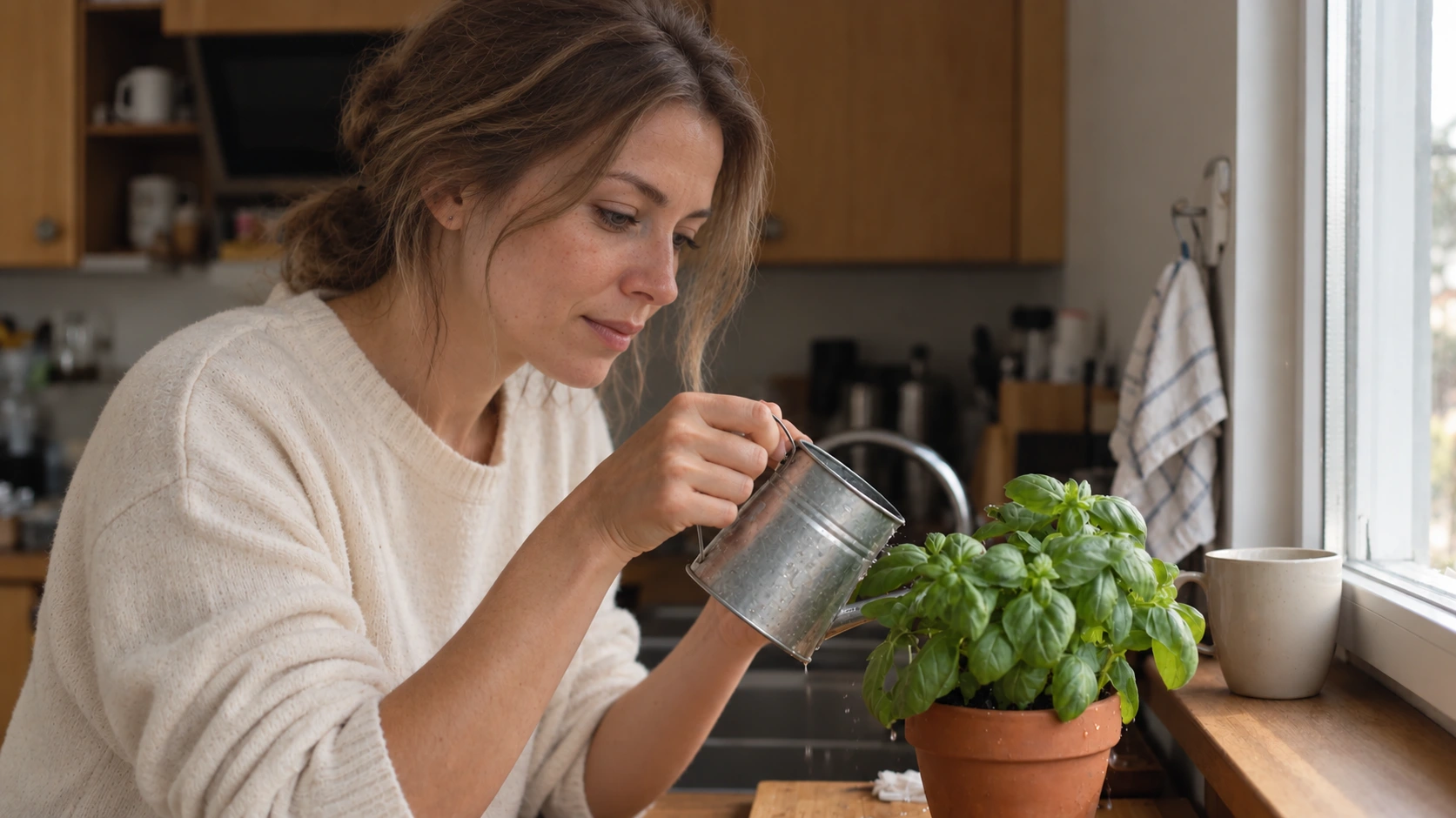
- For houseplants: One teaspoon of used grounds per pot, mixed into the top layer of soil.
- As liquid fertilizer: Two cups of grounds per five gallons of water, steeped overnight before use.
- As mulch: A thin dusting, not more than a quarter inch, combined with other organic materials.
Coffee Grounds for Indoor Plants
Indoor plants can get a boost from coffee grounds, too, but the rules are a little different inside the home. The key is to use much smaller amounts than you would in an outdoor garden.
| Indoor Plant | Benefits From Coffee Grounds? | Notes |
|---|---|---|
| Peace lily | Yes | Mix 1 tsp into the top layer of soil |
| Ferns | Yes | Responds well to occasional nitrogen boost |
| African violet | Yes | Use very sparingly |
| Spider plant | Yes | Mix into the soil, not on the surface |
| Snake plant | No | Prefers dry, well-draining soil |
| Succulent | No | Grounds increase moisture and can cause rot |
| Cactus | No | Needs dry soil; grounds raise water retention |
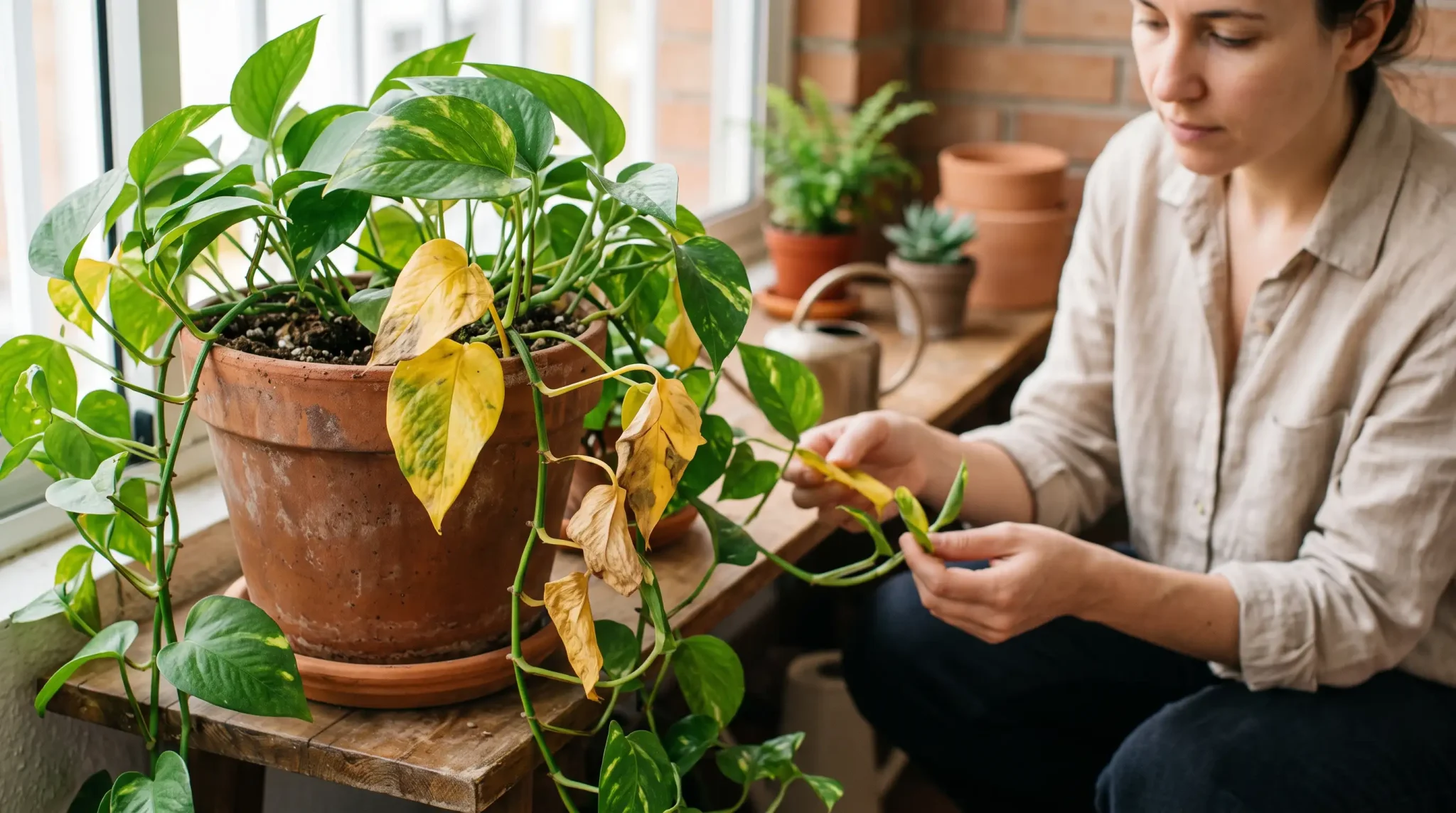
| Pothos | Use with caution | Only in very small amounts |
Where to Get Free Coffee Grounds for Your Garden

You do not need to buy anything special to start using coffee grounds in your garden. There are several easy ways to get them without spending a penny.
- From your own kitchen: Save daily grounds in a container and collect them over a few days before applying.
- Local coffee shops: Many independent cafes give away used grounds to gardeners. Just ask at the counter.
- Starbucks: The company runs a “Grounds for Your Garden” program and offers free used grounds at many locations.
- Your office: Workplaces with shared coffee machines often discard large amounts of grounds and are happy to let you take them.
- Neighbors: If someone you know drinks a lot of coffee but does not garden, ask if they will save their grounds for you.
Are Coffee Grounds Safe for Pets and Kids?
Used coffee grounds are mostly safe around children, but they pose a mild risk to dogs.
Brewed grounds contain very little caffeine, but dogs that tend to eat things from the soil can still be affected if they ingest a large amount.
If you have a dog that likes to sniff around garden beds, the safer option is to bury the grounds in the soil or add them to a covered compost bin instead of leaving them on the surface.
There is currently no evidence that coffee grounds in garden soil pose a risk to children.
Final Thoughts
Coffee grounds are good for plants, but only when used with some thought. Toss them into compost, mix them lightly into the soil, or steep them to make a liquid feed. Just do not overdo it.
Your soil will thank you for the nitrogen boost. Your roses and ferns will likely respond well. Your seedlings and tomatoes? Keep the grounds well away from them.
The best part is that this costs nothing. You are already making coffee every day anyway.
Have you tried using coffee grounds in your garden or on your houseplants? Did it work out, or did something go sideways? Drop your experience in the comments below.
We would love to hear what worked for you.