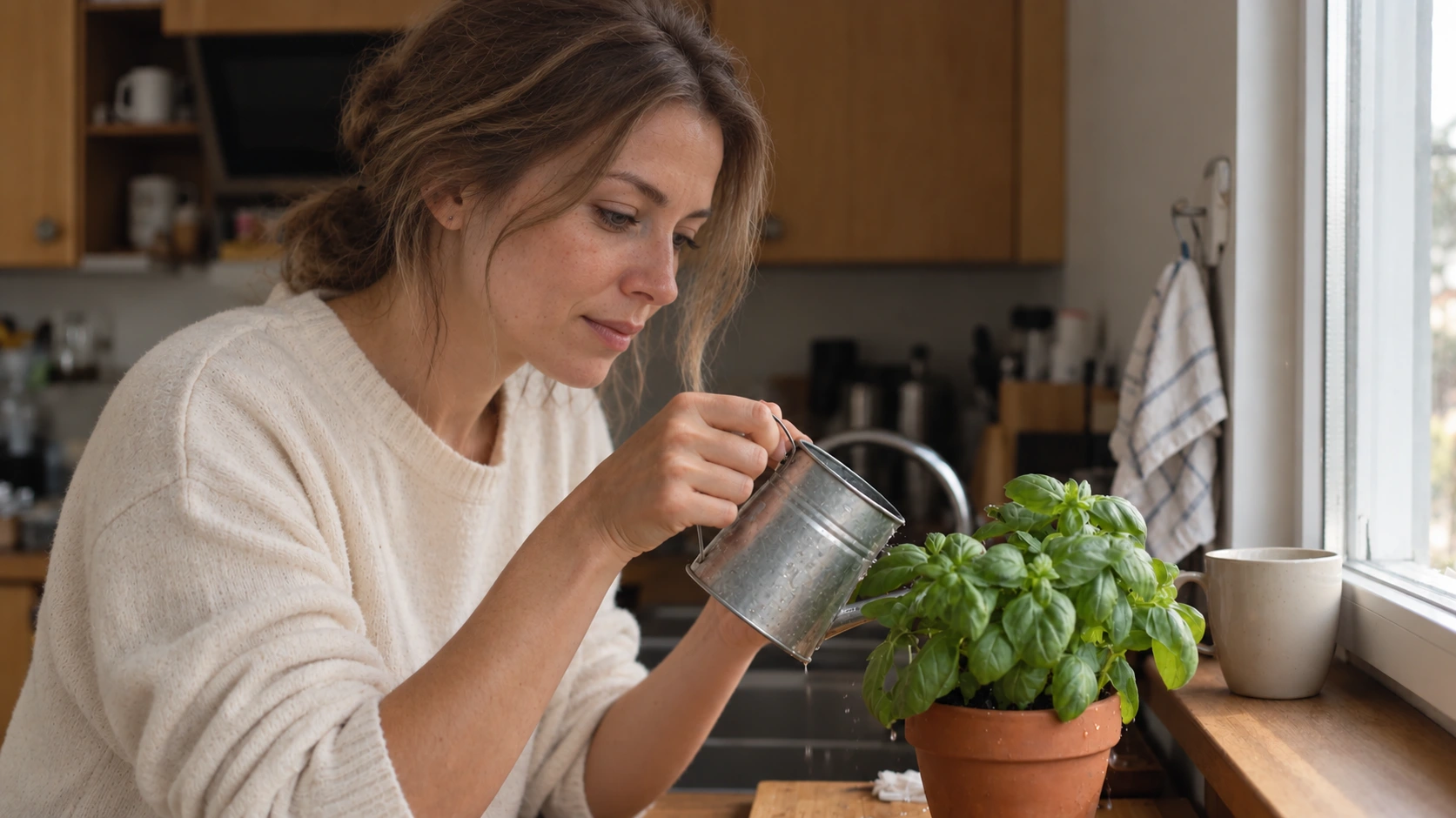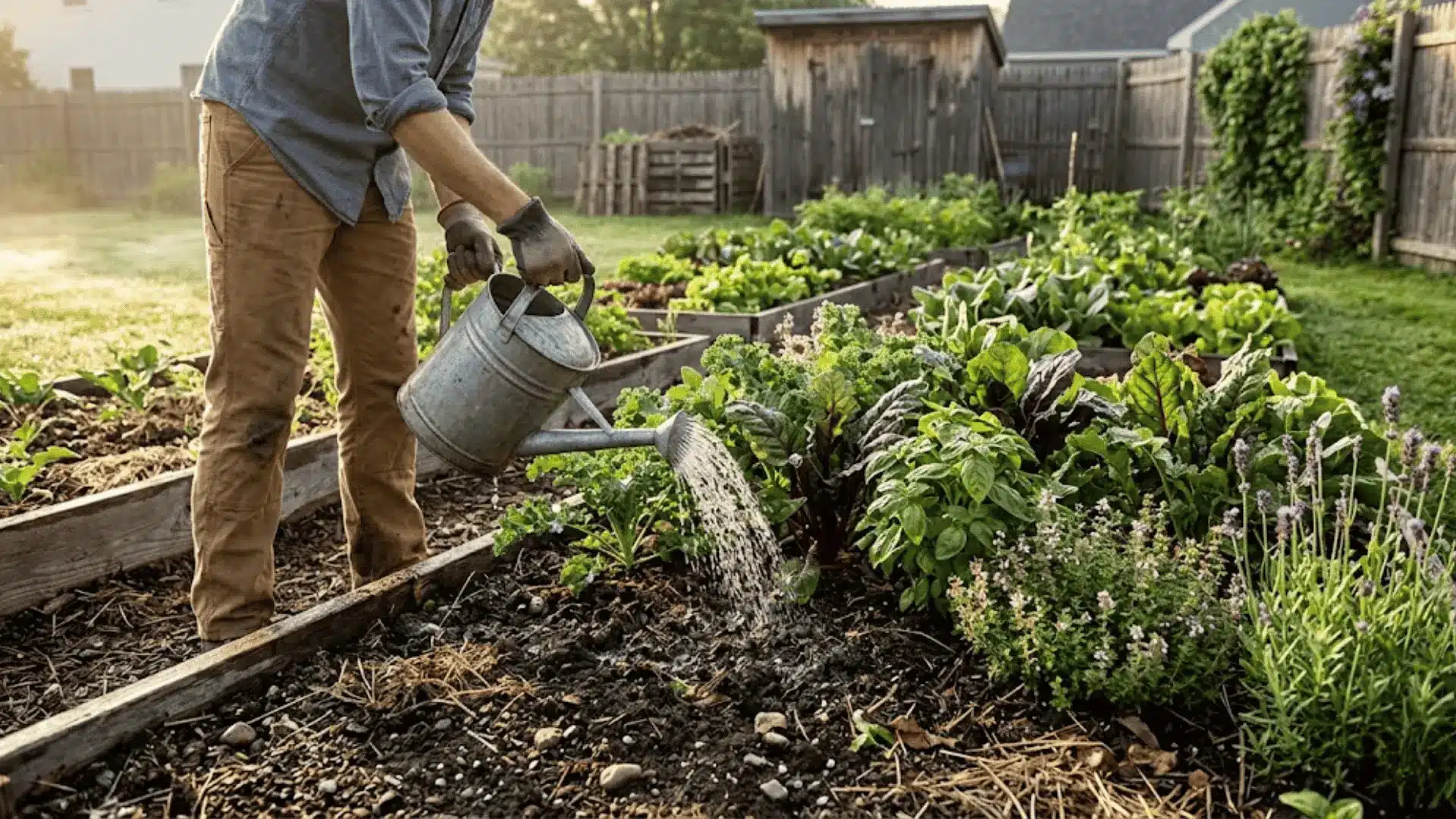
You could be doing everything right in your garden and still wonder why your plants look a little… off.
The soil is good, the sunlight is fine, and you water consistently. So what gives?
More often than not, it comes down to when you are watering, not how much. Getting that timing right is what separates a garden that just grows from one that genuinely flourishes.
And yes, we are also settling the whole night watering debate once and for all.
What is the Best Time to Water Your Garden?
Early morning, ideally between 5 AM and 9 AM, is the best time to water your garden.
The air is cool, the sun is low, and the soil is ready to actually absorb what you give it. Water loss to evaporation drops significantly compared to midday watering, which means more of it reaches the roots where it belongs.
Your plants get a deep, effective drink before the heat kicks in.
And because the leaves have the whole morning to dry off, you are also keeping fungal diseases and mildew from making themselves at home.
Why is Morning the Best Time to Water Plants?
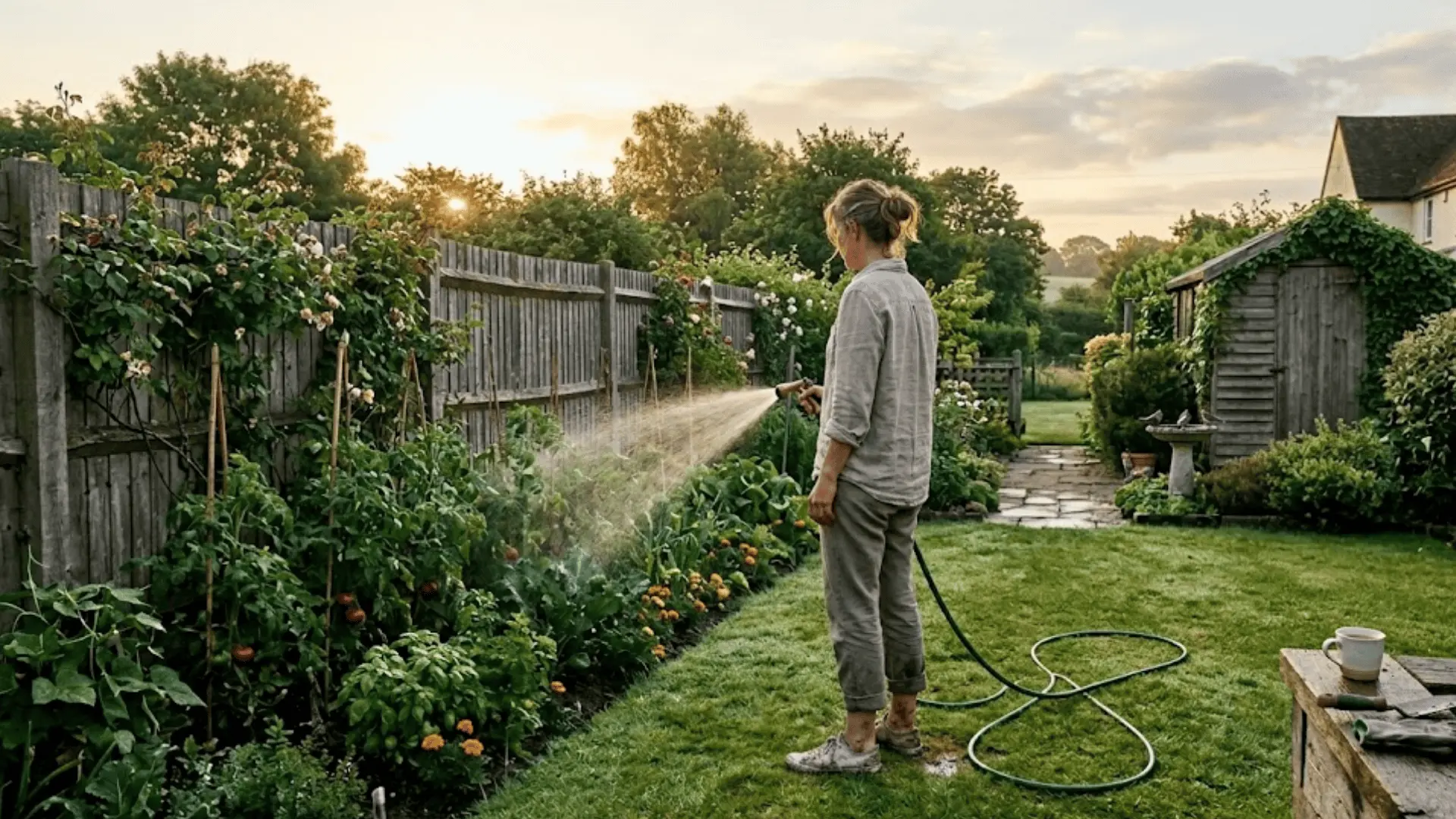
Morning watering is not just a gardening tip someone made up. It actually works with your plants’ natural rhythm, and once you see the difference, you will not want to go back.
1. Reduces Water Loss
Cooler morning temperatures mean the water you pour actually reaches the soil instead of disappearing into the air. Midday watering can lose a significant portion of moisture to evaporation before it ever benefits the roots.
Watering early keeps things efficient and makes every drop count. Your garden gets more out of the same amount of water, which is a quiet win for both your plants and your water bill.
2. Helps Plants Handle Heat
Think of morning watering as prepping your plants for the day ahead. When roots are well-hydrated going into the afternoon, plants handle heat and sun stress far better.
Dry roots during peak heat hours are what lead to that sad, drooping look by midday. A good morning soak essentially gives your garden a buffer, keeping it steady and strong through the hottest part of the day.
3. Prevents Disease
Wet leaves sitting overnight are a breeding ground for fungal problems. When you water in the morning, the foliage has the entire day to dry out naturally in the sun and breeze.
That simple shift in timing keeps mildew, leaf spot, and other moisture-related diseases mostly out of the picture. Healthy leaves stay cleaner, and your plants spend more energy growing rather than fighting off infection.
4. Matches Plant Biology
Plants are quietly at their most active in the morning. Stomata, the tiny pores on leaves, open up early to take in water and nutrients most efficiently.
Watering in sync with that window means better absorption, stronger growth, and a garden that actually responds to the care you put in. Working with your plants’ biology rather than against it makes a noticeable difference over time.
Is It Bad to Water Plants at Night?
Night watering gets a lot of mixed advice, and the truth sits somewhere in the middle. It is not automatically harmful, but it does come with real risks that are worth understanding before you make it a habit.
How you do it and what your plants are dealing with at the time make all the difference.
Why Night Watering Can Be Risky?
Done carelessly, night watering can quietly do more harm than good.
Here is what tends to go wrong:
- Leaves stay wet for hours, creating the perfect conditions for fungal diseases to settle in.
- Mold and rot thrive in damp, cool overnight environments.
- Slugs, gnats, and other moisture-loving pests are more active at night and get drawn in.
- Consistently wet soil without daytime evaporation can suffocate roots over time.
When is Night Watering Okay?
That said, there are situations where it makes sense and does not hurt your plants at all:
- During a heatwave or drought, when plants genuinely need relief.
- When you are watering at the base and keeping foliage completely dry.
- With drip irrigation or soaker hoses that deliver water directly to the roots.
- As an occasional fix rather than a regular part of your routine.
Morning vs. Evening Watering
If you have ever gone back and forth between watering in the morning or saving it for the evening, this should clear things up.
Both have their place, but they are not equal, and the differences add up over a growing season.
| Factor | Morning | Evening |
|---|---|---|
| Water Absorption | High; plants are biologically active | Moderate, activity slows down by evening |
| Evaporation Loss | Low; cool air keeps moisture in the soil | Minimal, but overnight dampness is the trade-off |
| Leaf Drying Time | Fully dry within a few hours | Stay wet all night |
| Disease Risk | Low | High, mildew, and rot thrive overnight |
| Soil Drainage | Water reaches the root zone cleanly | Moisture lingers, can suffocate roots |
| Best For | Everyday routine watering | Heat relief when mornings are not possible |
Morning watering wins for most gardens and most situations. Evening can work in a pinch, but making it your default is a trade-off your plants will eventually show you.
When NOT to Water Your Garden?
Two windows are best avoided altogether.
Midday watering, especially between late morning and early afternoon, loses a significant chunk of moisture to evaporation before it even reaches the roots.
The heat also puts plants under additional stress right when they are already working hard to stay cool.
Late-night watering is the other one to skip. Moisture that sits on leaves and soil through the night creates exactly the damp, stagnant conditions that fungal diseases and mold love most.
Best Watering Time by Season
Your garden’s watering needs shift with the seasons, and the timing that works in July will not serve you as well in November.
Here is how to adjust throughout the year.
Summer
Summer is when morning watering matters the most. Heat peaks fast, and plants need that moisture reserve built up before the day gets going.
A few things to keep in mind:
- Water as early as possible, ideally before the sun is fully up.
- In extreme heat, a light evening watering at the base can help.
- Always water deeply rather than frequently to encourage stronger roots.
Spring and Fall
Spring and fall are more forgiving, but that does not mean timing stops mattering. Morning is still the ideal window across both seasons.
A few things to keep in mind:
- Watering frequency naturally drops as temperatures stay mild.
- Rainfall does a fair amount of the work, so let the soil moisture guide you.
- Avoid watering on already damp mornings to prevent oversaturation.
Winter
Frost is the main concern in winter, so shift your watering to late morning once temperatures have had a chance to rise.
A few things to keep in mind:
- Never water when frost is expected, as moisture can freeze around roots.
- Most plants need significantly less water, so let the soil be your guide.
- On dry winter days, a slow, deep watering once a week is usually enough.
Best Time to Water Different Garden Types
Not every garden works the same way, and watering needs can vary quite a bit depending on what you are growing.
This quick breakdown covers the ideal timing for each.
| Garden Type | Best Time | Frequency | Key Tip |
|---|---|---|---|
| Vegetable Gardens | Early morning | Regular, consistent | Keeps foliage dry and supports active growth |
| Flower Beds | Morning | Moderate | Protects blooms and reduces mildew risk |
| Lawns | Before 9 AM | Every few days | Allows grass to dry fully before evening |
| Container Plants | Morning | Daily, twice in heat | Containers dry out faster than ground soil |
How Often Should You Water Your Garden?
There is no single answer that works for every garden, but deep watering a few times a week will serve most plants better than light daily watering.
As a general rule, most gardens need around an inch of water per week, though that shifts based on your soil type, climate, and what you are growing.
Sandy soil drains faster and needs more frequent watering, while clay holds moisture longer.
Before you reach for the hose, check the soil an inch or two down. If it feels dry, it is time to water.
Best Watering Techniques for Maximum Efficiency
Timing matters, but how you water is just as important. These four habits make a real difference in how well your garden holds up over time.
- Water deeply and infrequently to push roots further down into the soil rather than keeping them shallow and dependent.
- Always water at the base of the plant to keep foliage dry and cut down on disease risk.
- Use drip irrigation or soaker hoses to deliver moisture directly to the roots with minimal evaporation.
- Layer mulch around your plants to lock in soil moisture and reduce how often you need to water.
Small shifts in technique add up quickly, and your plants will show the difference within a season.
Pro Tips for Healthier Plants
Good watering habits are less about following strict rules and more about staying observant. These small practices keep your garden in better shape with a lot less guesswork.
- Stick to a morning routine, so your plants get consistent hydration before the heat of the day sets in.
- Adjust for weather conditions and skip watering altogether on rainy or overcast days.
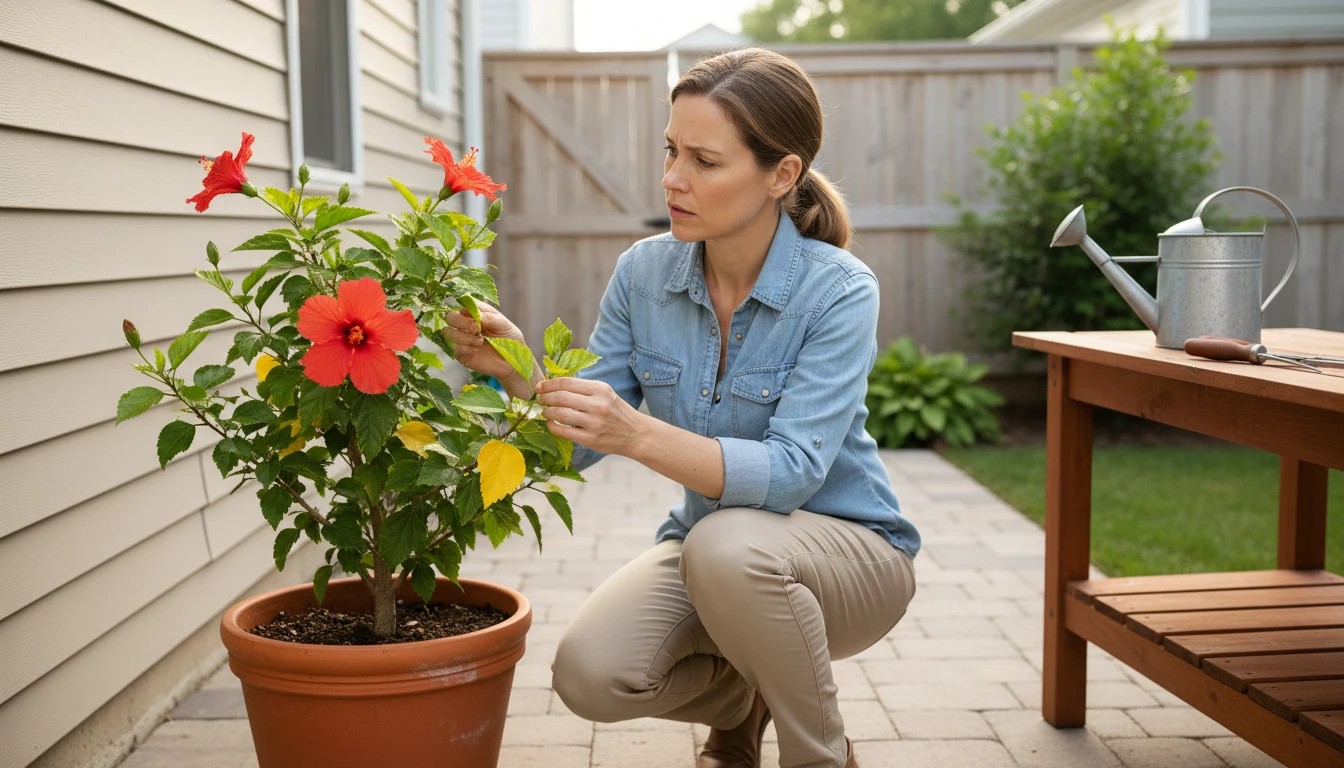
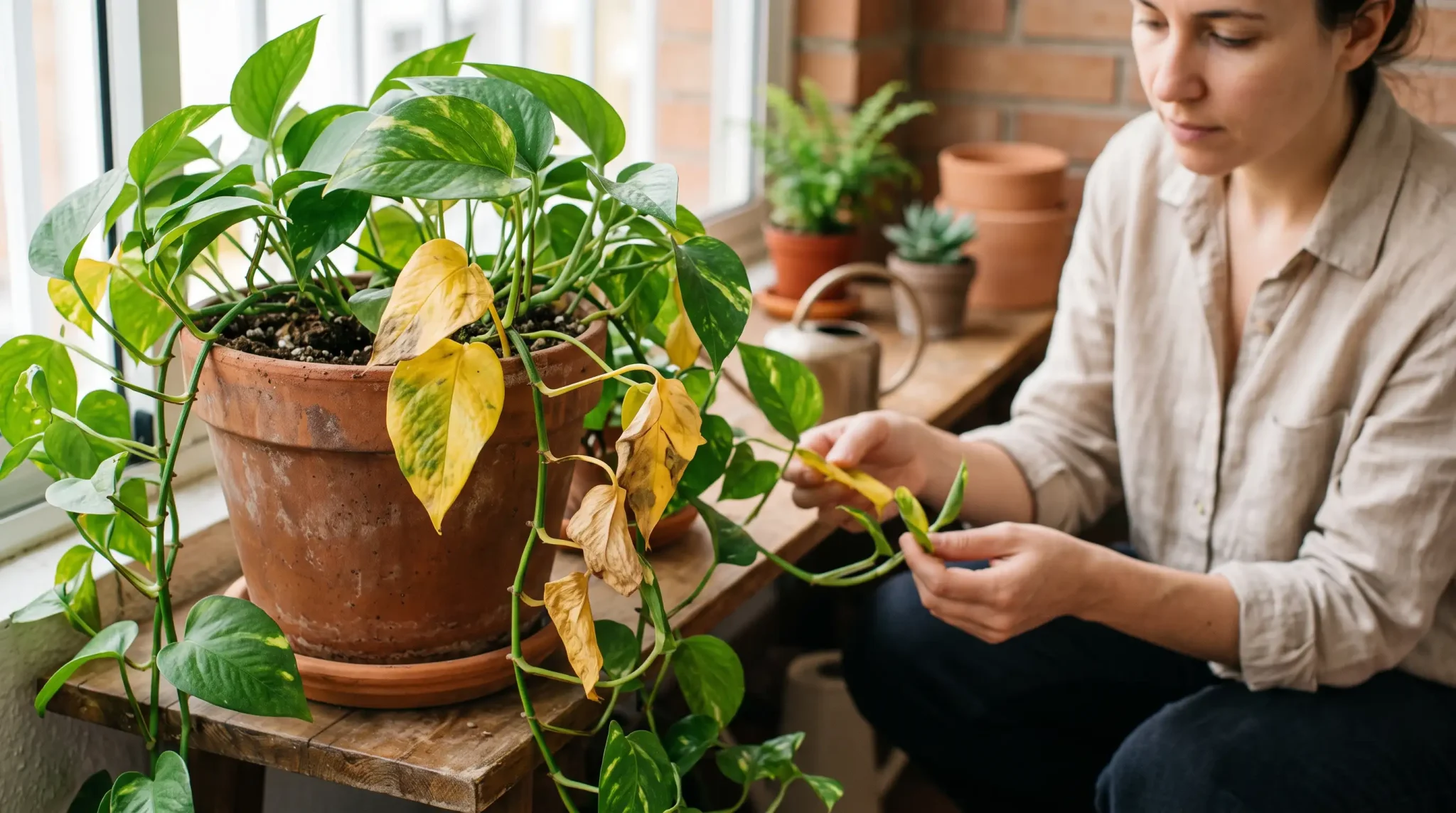
- Watch your plants closely as wilting, yellowing, or drooping leaves are often the earliest signs of watering issues.
- Use a timer or drip system to take the guesswork out and keep your schedule consistent.
- Group plants with similar water needs together so you are never over- or underwatering an entire bed.
Once these habits become second nature, you will spend less time troubleshooting and more time actually enjoying your garden.
The Bottom Line
Finding the best time to water your garden is one of those small shifts that quietly changes everything.
Your plants get more out of every watering, diseases have less room to settle in, and your whole garden just feels more cared for.
Start with mornings, pay attention to what your plants are telling you, and adjust as the seasons change. That is really all it takes.
Got a watering tip that works brilliantly for your garden? Drop it in the comments; someone out there might need exactly that.