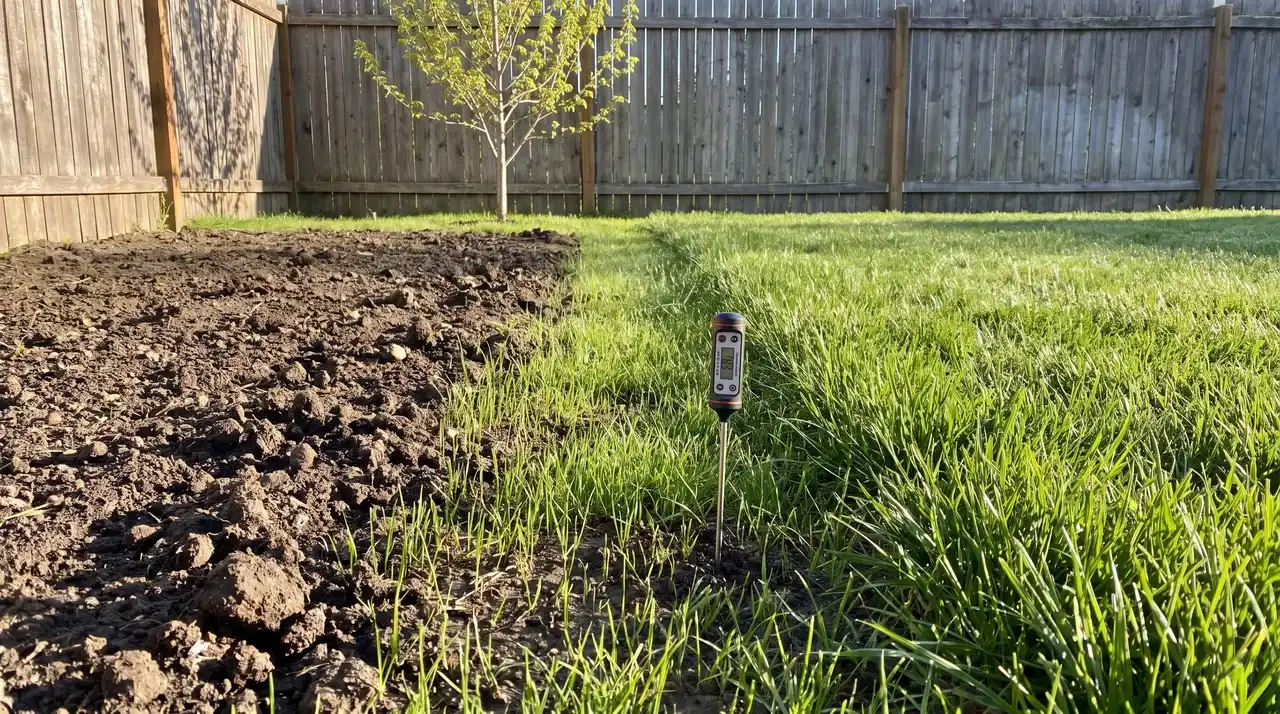
Nothing tests a gardener’s patience quite like staring at bare dirt every morning, hoping for a hint of green. Have you already checked that same patch of soil three times today?
Grass seed germination time is the part nobody warns you about. You want a number, a date to circle on the calendar, but the honest answer depends on the grass you planted and the weather you’re working with.
I’ve paced across plenty of half-sprouted yards myself, so I understand the itch to know exactly when growth should show up.
Here’s what typically happens after planting, what speeds germination up, and what tends to slow it down.
Grass Seed Germination Time By Type
Most lawn grasses sprout somewhere between 5 and 30 days, but the exact number depends heavily on species and soil temperature. Here is how germination timing and soil temperature compare across common lawn grasses.
| Grass Type | Germination Time | Soil Temperature Needed To Sprout |
|---|---|---|
| Perennial ryegrass | 5–10 days | 50–70°F |
| Fine fescue | 5–12 days | 50–70°F |
| Tall fescue | 7–14 days | 50–70°F |
| Kentucky bluegrass | 14–21 days, longer in cool soil | 50–70°F |
| Bermudagrass (warm-season) | 10–30 days | 65°F minimum |
Germination speed still shifts with moisture, seed-to-soil contact, and how closely soil temperature matches what each species needs. Soil outside that range can push germination past the high end.
Important: University of Maryland Extension puts the optimal soil temperature for most cool-season lawn grasses at 50 to 70 degrees Fahrenheit, measured about an inch deep. A soil thermometer reads this better than the calendar does.
Best Time To Plant Grass Seed
The best time to plant grass seed is late summer to early fall for cool-season lawns and late spring to early summer for warm-season lawns, when soil temperature and moisture match what each type needs.
| Grass Category | Common Types | Best Window | Backup Window | Why This Timing Works |
|---|---|---|---|---|
| Cool-season grasses | Ryegrass, fescue, bluegrass | Late summer to early fall | Early spring | Soil stays warm as air cools, easing heat stress |
| Warm-season grasses | Bermudagrass and similar types | Late spring to early summer | Varies by climate | Soil warms after frost risk fades, speeding establishment |
Fall favors cool-season grass because soil holds summer warmth as air cools, giving seedlings a head start before winter. Spring works too, but faster drying and heavier weed competition mean more watering. Warm-season grass waits for frost risk to pass and soil to warm.
Note: Exact windows shift by region, so confirm dates with your county extension office. Timing only pays off alongside picking the right grass for your yard, since a poor species match struggles even with ideal timing.
Factors That Affect Germination Success
Germination depends on several conditions working together, and when one is off, sprouting slows down or stalls out completely. Temperature, soil preparation, moisture, and seed quality each play a distinct role in how quickly and evenly grass seed comes up.
1. Temperature
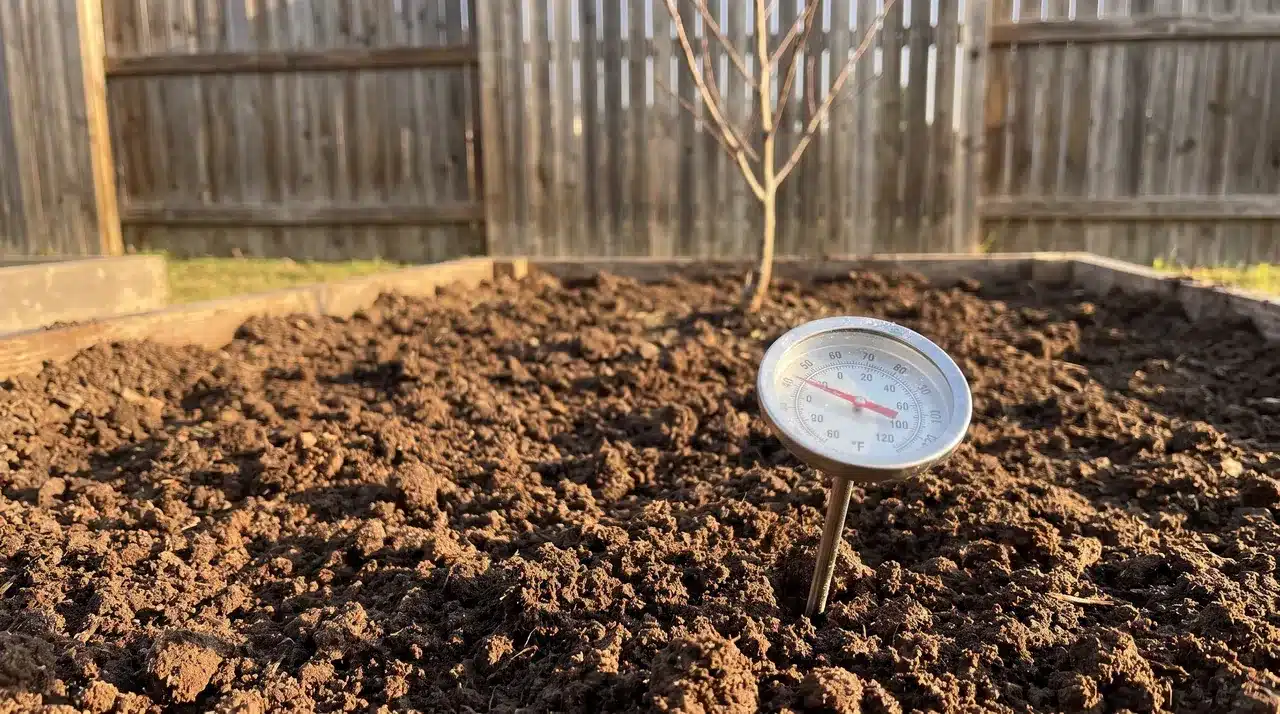
Soil temperature, not air temperature, tells seeds when to wake up. Cool-season grasses sprout fastest in cooler soil, while warm-season grasses stay dormant until the ground warms up enough to trigger growth.
Planting in the right season keeps soil temperature in the range your grass type actually needs, since seed sown too early or too late often just sits and waits.
2. Soil Preparation And Planting Depth
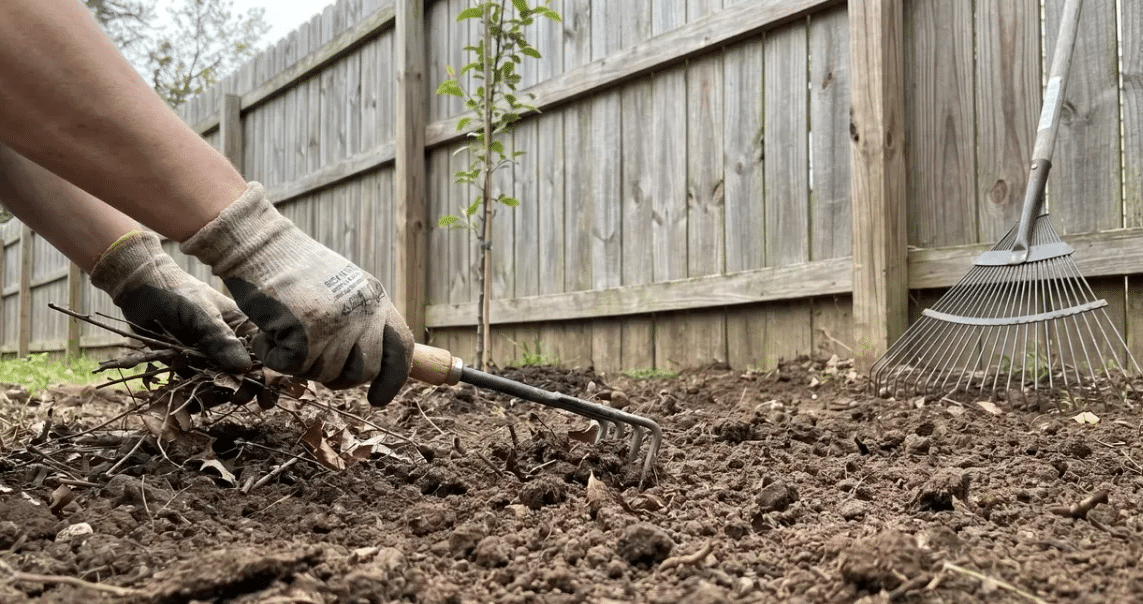
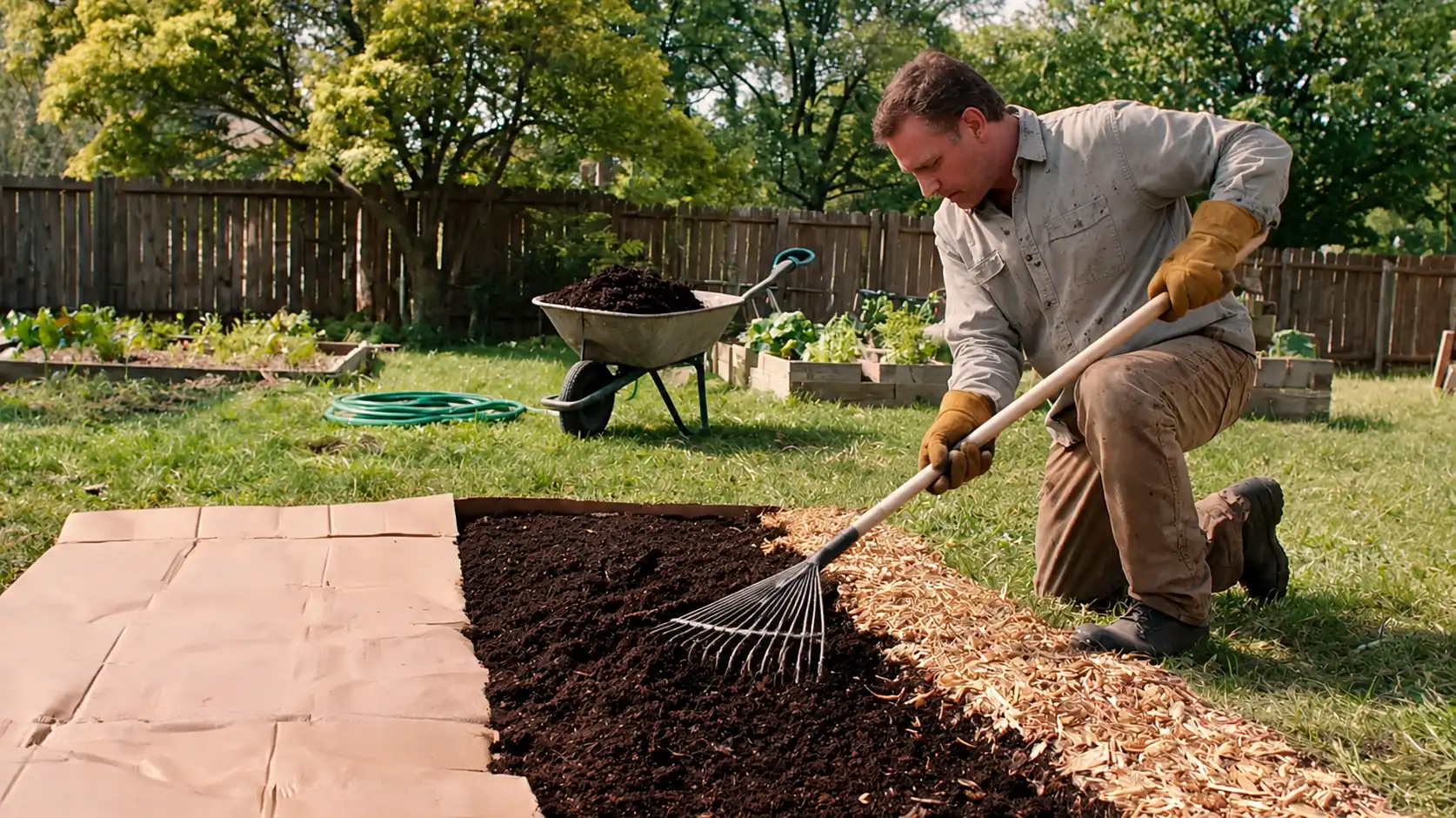
Loosen compacted soil, clear debris, and check pH before planting, since compacted ground blocks water and air from reaching seeds. Planting depth matters just as much: lawn seed should sit very shallow, roughly a quarter inch or less, never buried deep.
Oklahoma State University Extension notes that seeded bermudagrass needs soil temperatures near 65 degrees Fahrenheit and shallow placement within the top quarter inch to germinate.
3. Moisture, Seed Care And Quality
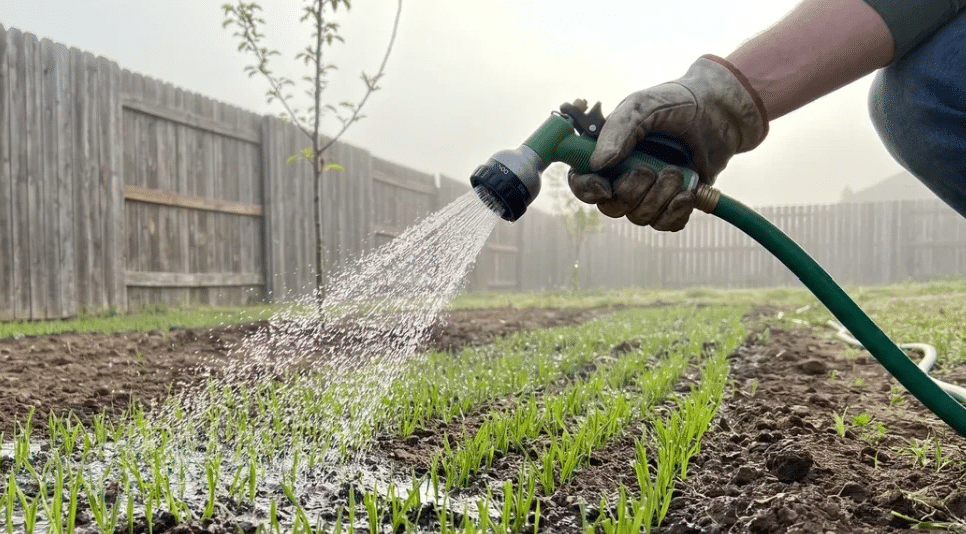
Newly planted seed needs consistent moisture, not heavy soaking, since the surface should stay damp without turning soggy.
Avoid walking on the area, since seedlings are fragile before germination finishes. Old or low-quality seed germinates unevenly even under ideal conditions, so check the bag’s test date and germination rate before buying, since seed left sitting around for years sprouts at a noticeably lower rate.
From Sprout To Established Lawn
Sprouting is only the first milestone, not the finish line, and a seed mix rarely comes up all at once.
Faster species like ryegrass often show green within a week while slower ones like Kentucky bluegrass are still working underground, so a lawn seeded with a mixture can look patchy even when everything is on track.
A new lawn typically needs about four to six weeks before it is ready for its first mow, and considerably longer, often a full growing season, before it looks and behaves like established turf.
During germination, a seedling relies on food reserves stored inside the seed rather than fertilizer, which is why starter fertilizer supports root growth after sprouting but doesn’t speed up the sprouting process itself.
If bare patches still haven’t filled in once the slowest species in your mix should have sprouted, the patch likely needs direct reseeding rather than more waiting time.
How To Check If Grass Seed Is Growing Properly
Checking on progress regularly makes it easier to catch a problem early, before a small issue becomes a bigger bare spot. Expect patchy growth at first, since that’s normal rather than a warning sign.
- Early shoots: thin green blades pushing through soil mean germination has started.
- Thickening growth: seedlings gradually fill in bare ground over several weeks.
- Uneven progress: sunlight, moisture, and soil quality cause some spots to lag.
- Bare patches: areas still bare past your grass type’s timeline likely need reseeding.
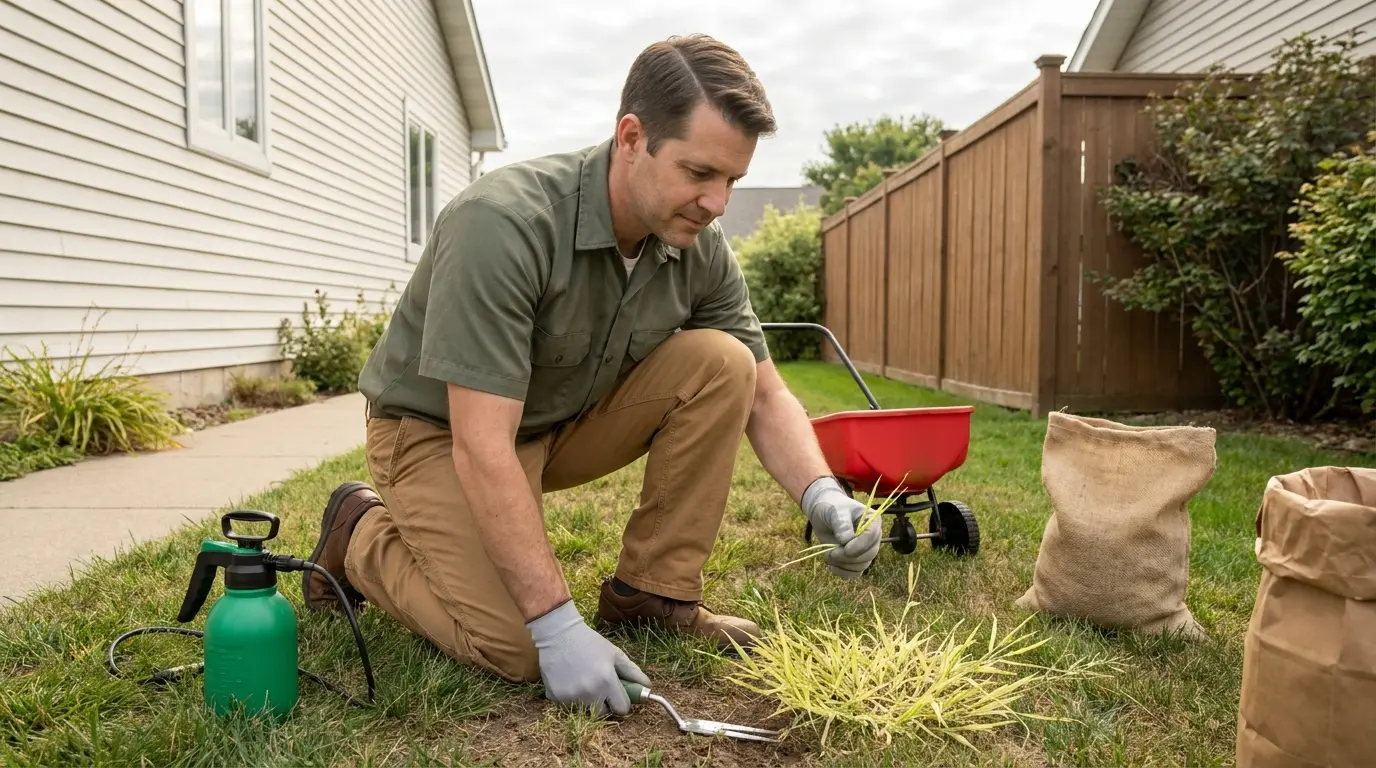
If certain spots stay bare well past the expected timeline for your slowest grass type, treat that as a sign to reseed those spots directly rather than waiting longer.
Frequently Asked Questions
Can grass seed germinate without full sun?
Yes, grass seed can begin sprouting in shade since it draws on stored reserves rather than sunlight at first. Seed should still sit shallow, close to the surface, and young seedlings need real sunlight afterward to keep growing.
Does fertilizer make grass seed sprout faster?
No, fertilizer does not trigger germination itself, since a seed relies on stored food inside it to sprout. Fertilizer becomes useful afterward, supporting root and leaf growth once seedlings have already emerged from the soil.
How do I know if a bare patch needs reseeding?
If a spot stays bare well past the expected germination window for your slowest grass type, waiting longer usually won’t help. Loosen the soil, add fresh seed to that patch, and water it the same way as new seed.
Can heavy rain wash away newly planted grass seed?
Yes, a hard, sudden rain can move seed into low spots, clumps, or gutters before it has a chance to root. A light mulch or straw layer helps hold seed in place, and reseeding thin spots afterward fixes most damage.
Why does a new lawn look patchy while it’s still coming in?
Different grasses in a seed mix sprout at different speeds, so ryegrass often shows green before slower Kentucky bluegrass does. That unevenness is normal early on and typically fills in once the slower species catches up.
Final Thoughts
Grass seed germination time always comes down to matching the right grass to your soil, season, and patience level. You know the general windows now, so the next few weeks are mostly about consistent care rather than guesswork.
Keep that soil evenly moist, resist the urge to disturb it, and give each grass type the number of days it needs before you start to worry. Some spots will fill in faster than others, and that’s normal.
If you’re staring at your yard, trying to decide whether you wait it out or step in, trust the timeline for your grass type first. A soil thermometer and a little patience solve more problems than an extra bag of seed does.
Drop a comment below and let me know if this helped you.