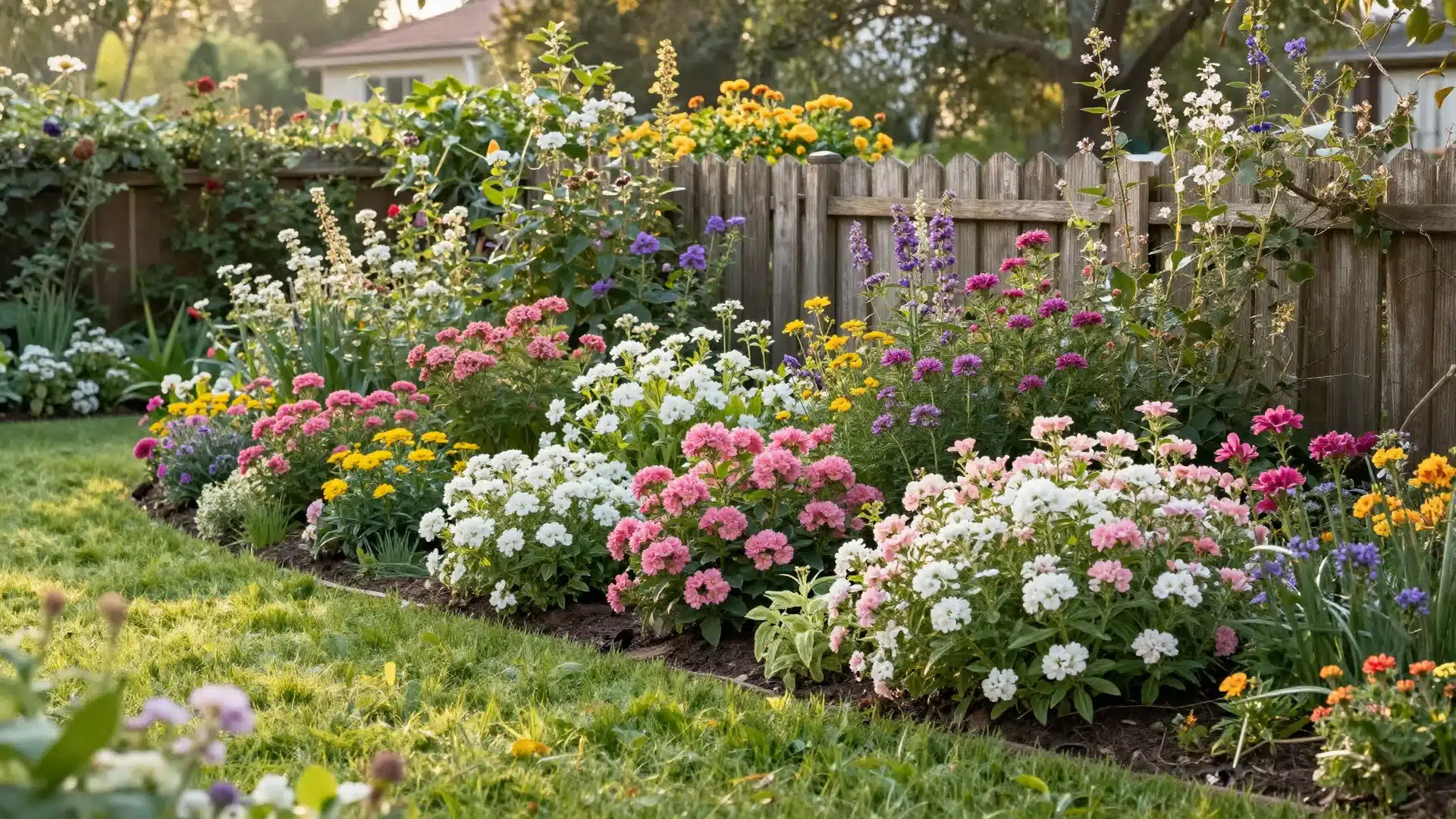
Your garden can look great in May. But what about August? What about November or February? That is the real test, and it is where the right flowering shrubs make all the difference.
Many gardeners pick plants based on what looks good at the nursery, only to end up with bare, dull branches for most of the year.
This guide covers flowering shrubs worth growing, what they look like, when they bloom, how to care for them, and which ones will actually work in your yard.
What Are Flowering Shrubs?
Flowering shrubs are woody plants with multiple stems that produce blooms at different times of the year. Some are deciduous and drop their leaves in winter, while others remain green year-round.
Many of these flowering bushes also attract bees, butterflies, and birds, making them useful beyond their looks.
Unlike trees, shrubs stay closer to the ground and work well in borders, hedges, or as stand-alone plants.
20 Best Flowering Shrubs
These flowering bushes cover a wide range of bloom times, sizes, and growing conditions. Whether your garden gets full sun all day or sits in partial shade, there is a shrub on this list that will work for you.
1. Hydrangea
- Bloom time: Summer to fall
- Flower colors: Blue, pink, white, purple
- USDA Zones: 3–9 (varies by type)
- Sun: Full sun to partial shade
- Soil: Rich, moist, well-draining
- Mature size: 3–15 feet tall
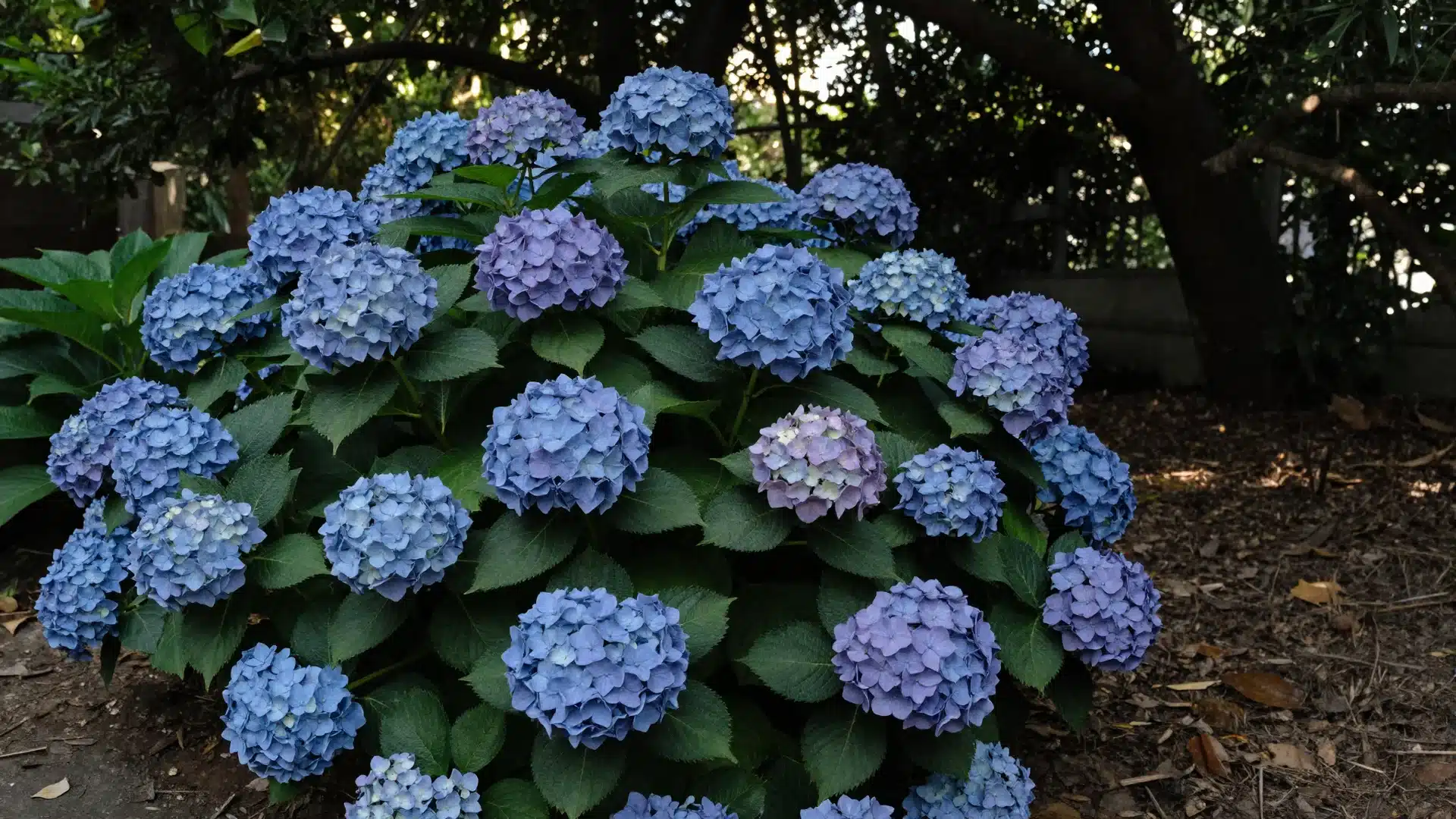
Hydrangeas are one of the most popular flowering shrubs in the USA for a reason: they bloom for months and come in a wide range of colors.
The flower color of bigleaf hydrangeas (Hydrangea macrophylla) actually changes based on your soil’s acidity. Acidic soil produces blue flowers; alkaline soil shifts them toward pink.
If you want the easiest type to grow, go with panicle hydrangeas (Hydrangea paniculata). They handle full sun better than other types and bloom from summer right into fall.
2. Forsythia
- Bloom time: Early spring
- Flower color: Bright yellow
- USDA Zones: 3–9
- Sun: Full sun to partial shade
- Soil: Adaptable, well-draining
- Mature size: 1–10 feet tall
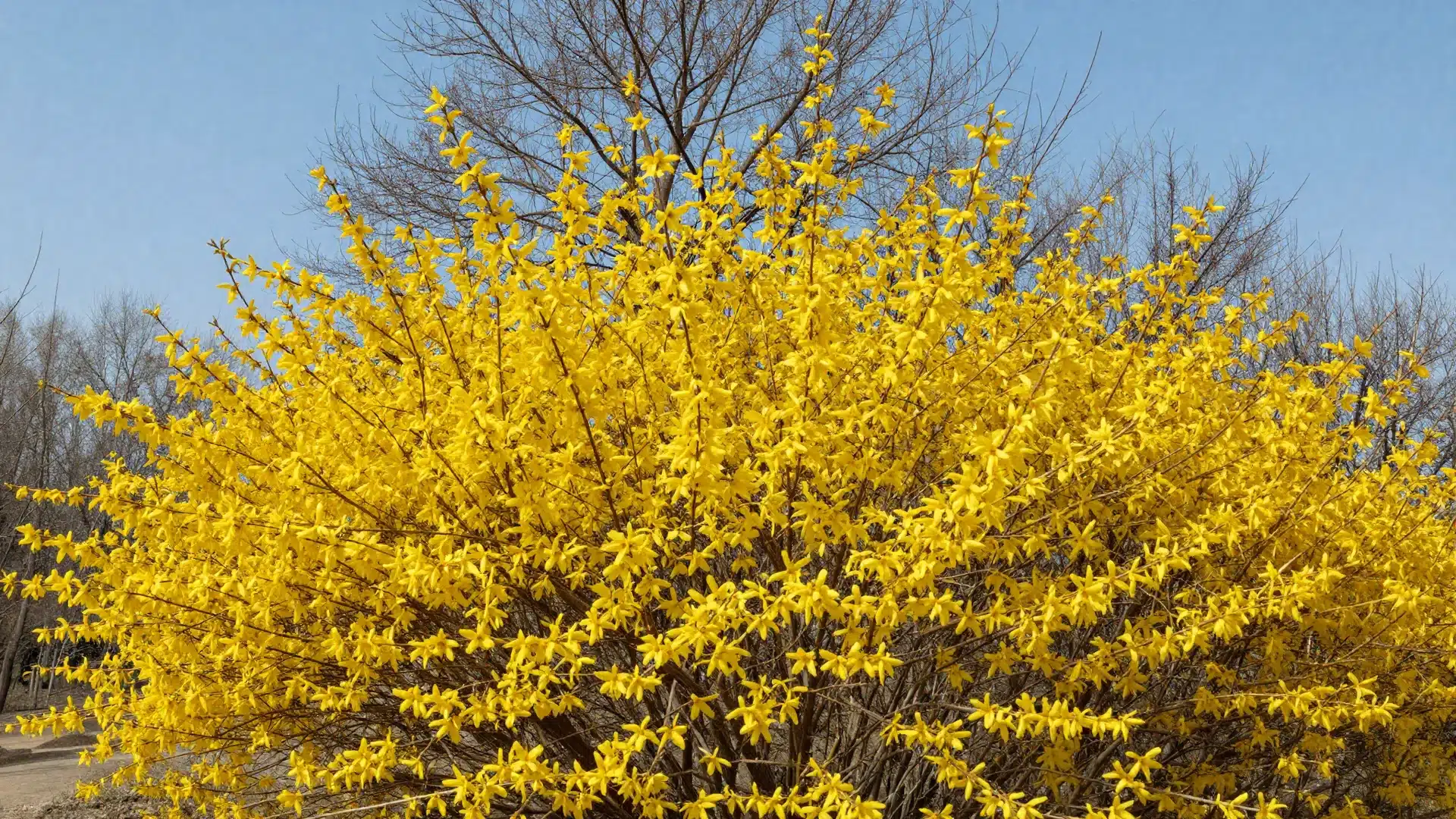
Forsythia is the shrub that tells you winter is actually over. It bursts into bright yellow flowers before its leaves even appear, usually in March or early April, depending on where you live.
This is one of those plants that genuinely stops people in their tracks when they drive past a garden in early spring. Prune it right after the flowers fade; if you wait until fall, you will cut off next year’s buds and miss the whole show.
3. Lilac (Syringa)
- Bloom time: Late spring
- Flower colors: Purple, pink, white, red
- USDA Zones: 3–7
- Sun: Full sun
- Soil: Well-draining, fertile, slightly alkaline
- Mature size: 4–20 feet (dwarf to full-sized)
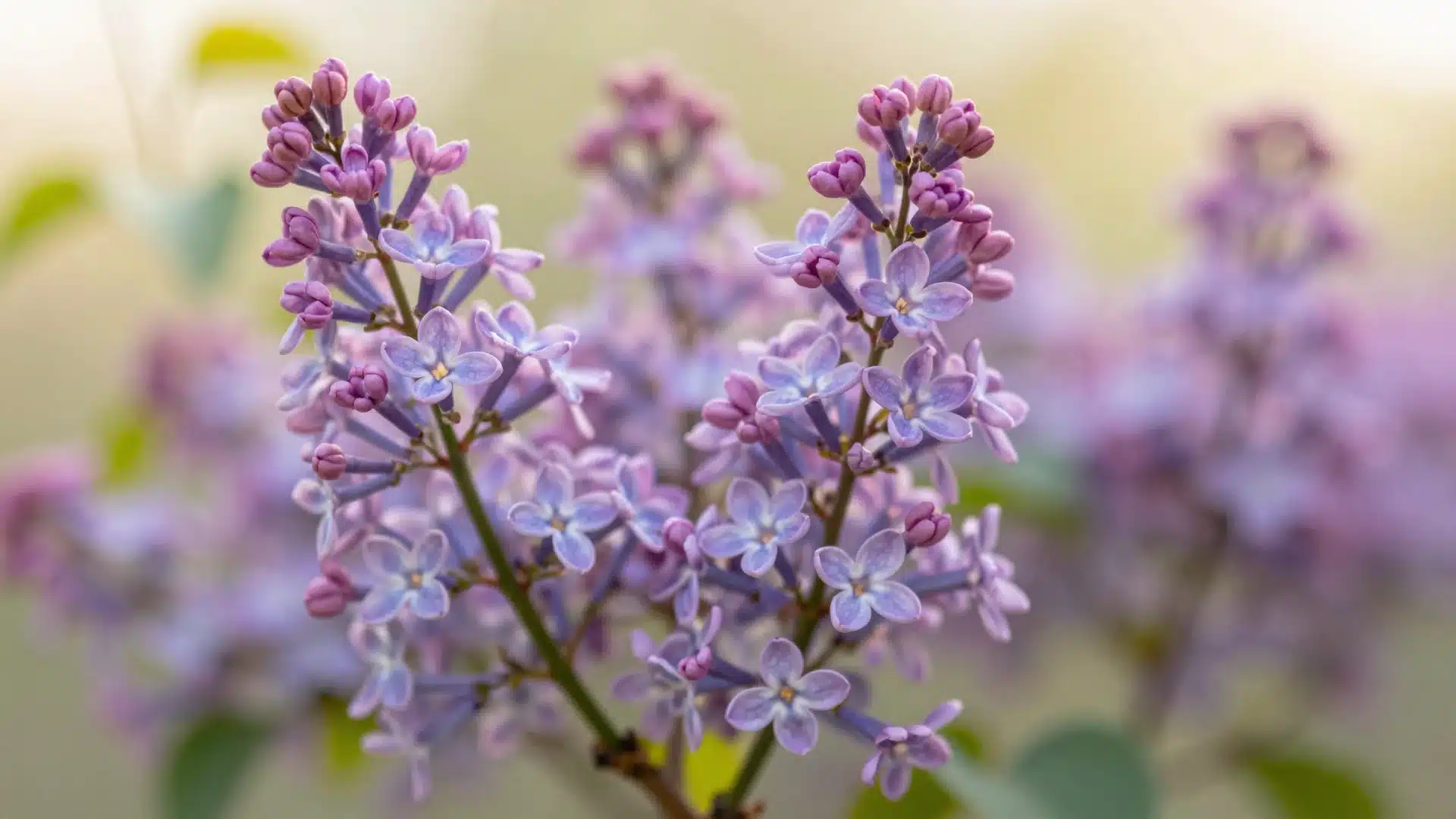
Lilacs have one of the most recognizable scents of any flowering bush. Even people who have never gardened know that smell.
They bloom for about two to three weeks in late spring, and those weeks are worth the whole year of waiting. Plant them in full sun for the best flower production; shade reduces blooming significantly.
To keep an older lilac productive, remove the oldest stems at ground level every few years rather than shearing the whole plant back.
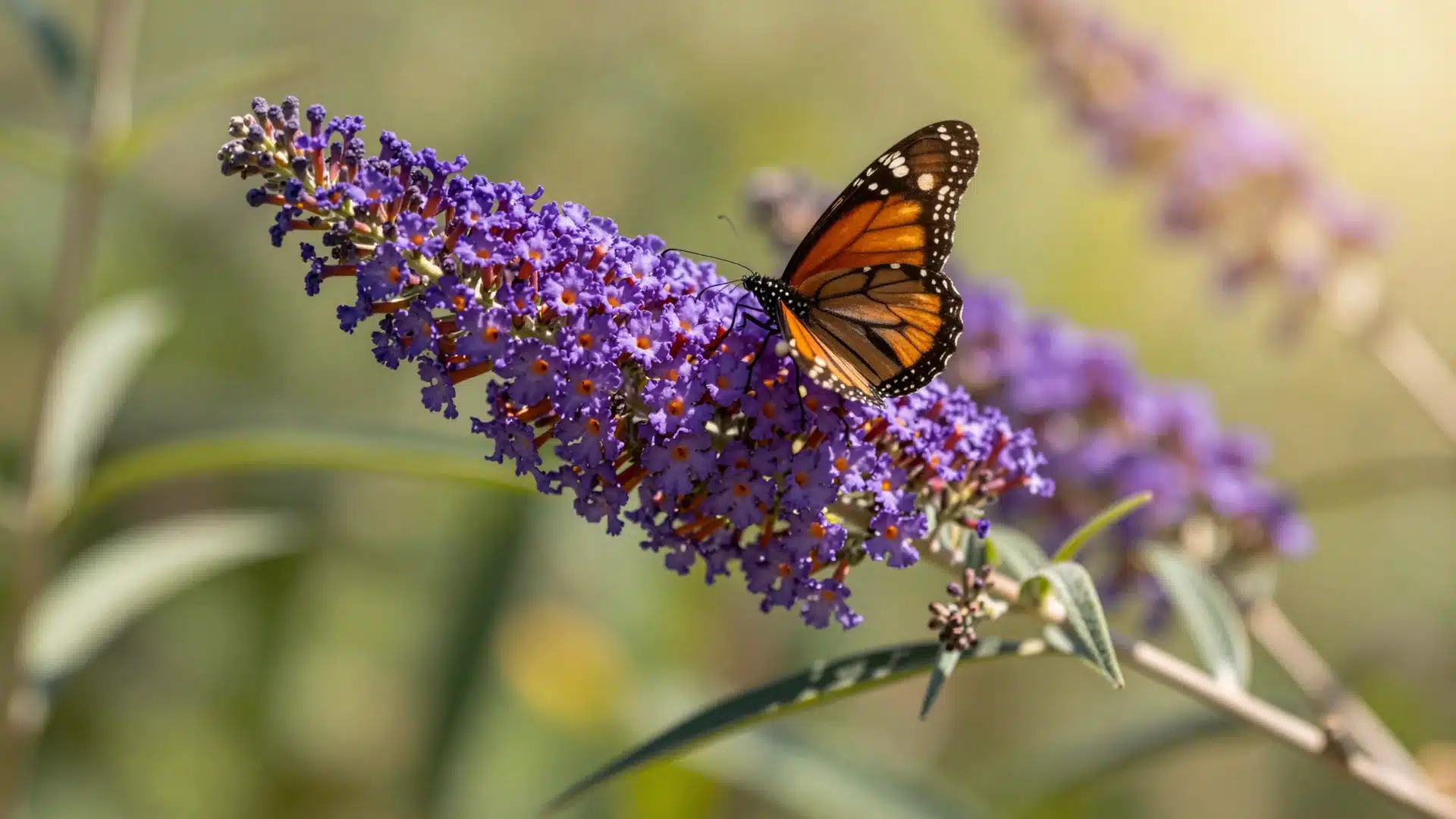
4. Butterfly Bush (Buddleia)
- Bloom time: Summer into fall
- Flower colors: Purple, pink, white, yellow
- USDA Zones: 5–9
- Sun: Full sun
- Soil: Well-draining, tolerates poor soil
- Mature size: 5–15 feet
If you want butterflies in your yard from July through September, this is your plant. Butterfly bushes bloom in long, cone-shaped clusters and produce nectar that attracts both butterflies and hummingbirds.
Worth flagging: in mild climates (Zones 8 and above), this shrub can self-seed aggressively, crowding out other plants.
If you live in a warmer region, choose sterile cultivars that cannot reproduce on their own. Prune it hard in late winter, and it will come back full and flowering.
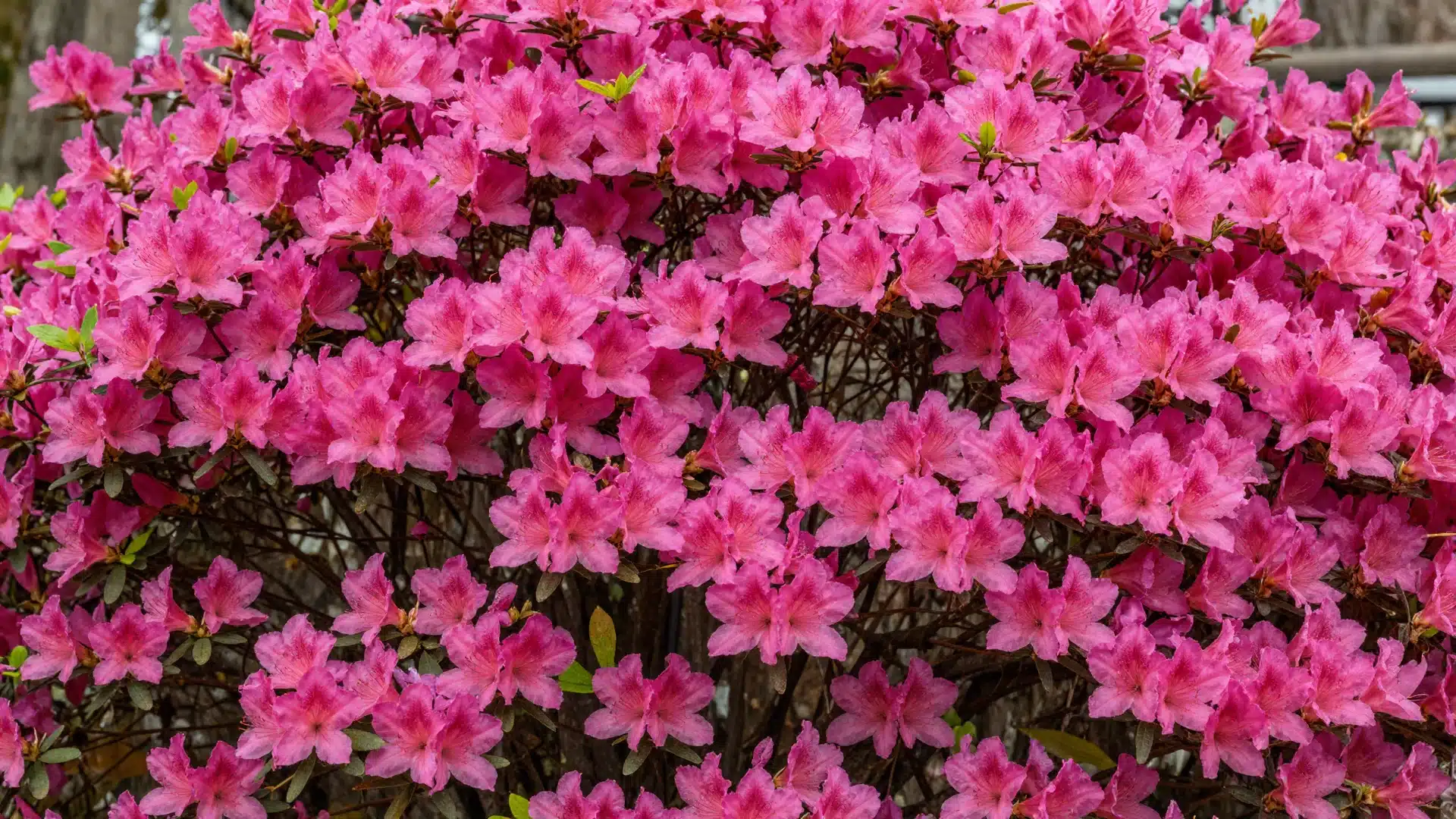
5. Azalea (Rhododendron)
- Bloom time: Spring (some rebloom in summer and fall)
- Flower colors: Pink, red, white, orange, yellow, purple
- USDA Zones: 4–9
- Sun: Partial shade to filtered sun
- Soil: Acidic, well-draining
- Mature size: 2–8 feet
Few flowering shrubs put on a spring show as bold as azaleas. They cover themselves in blooms so completely that you can barely see the foliage underneath.
Azaleas bloom on old wood, which means they set their flower buds in summer for the following spring. If you prune them in fall or winter, you remove those buds and lose a full season of flowers. Always prune right after spring blooming, that is the window.
if you are growing them in the Gulf Coast or Houston area, azalea care guide walks through exactly how to maintain the right acidity and when to feed.
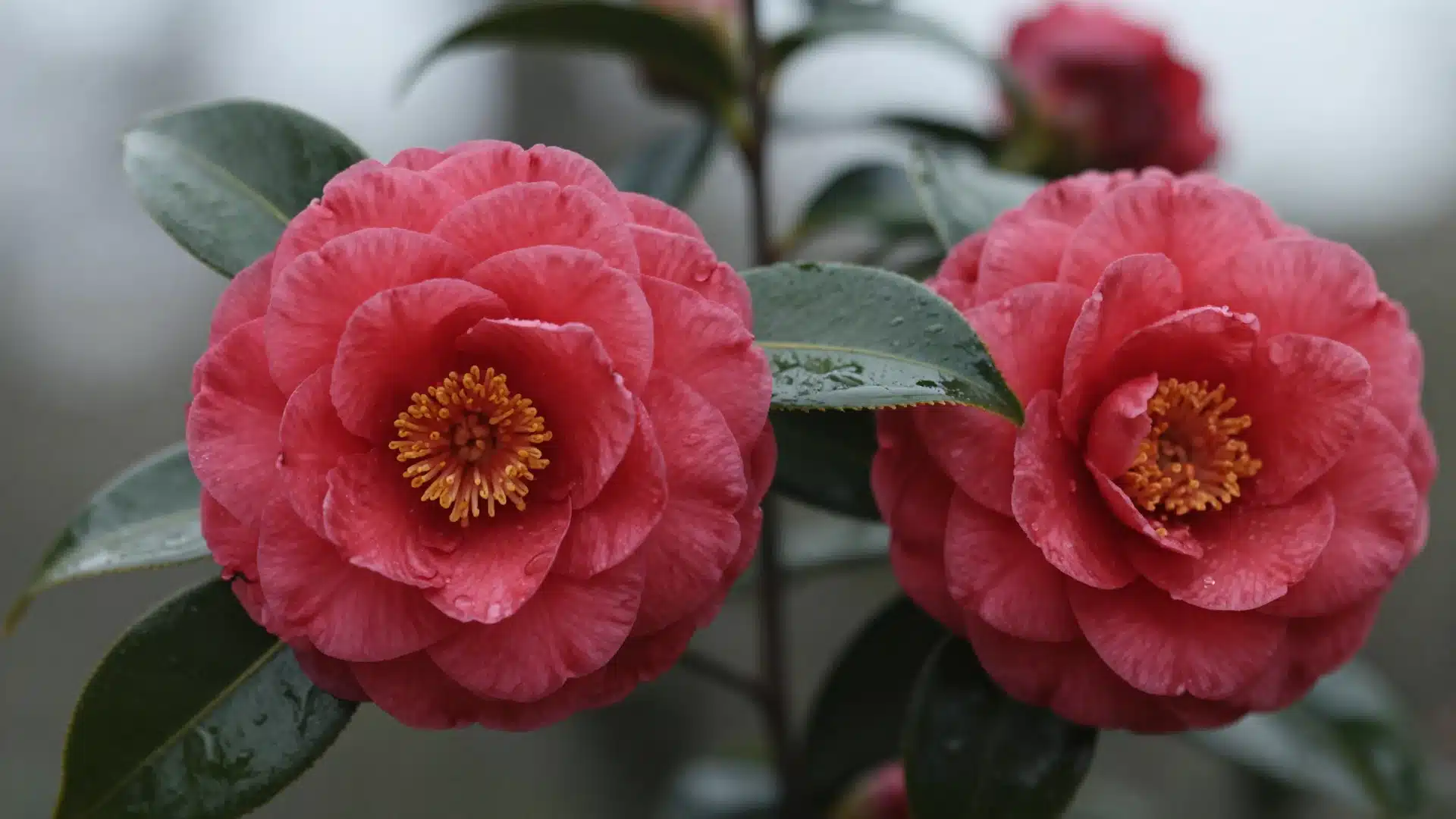
6. Camellia
- Bloom time: Late fall through early spring (varies by variety)
- Flower colors: White, pink, red
- USDA Zones: 6–10
- Sun: Partial shade; afternoon shade preferred
- Soil: Acidic, moist, well-draining
- Mature size: 6–15 feet
Camellias do something almost no other flowering bushes do: they bloom in the middle of winter. While the rest of your garden sits dormant, camellias open large, rose-like flowers in white, pink, and red from November through March.
They prefer light shade and acidic soil, and they need protection from hard freezes. Mulch the roots well in autumn, and plant them where they get morning sun rather than harsh afternoon sun.
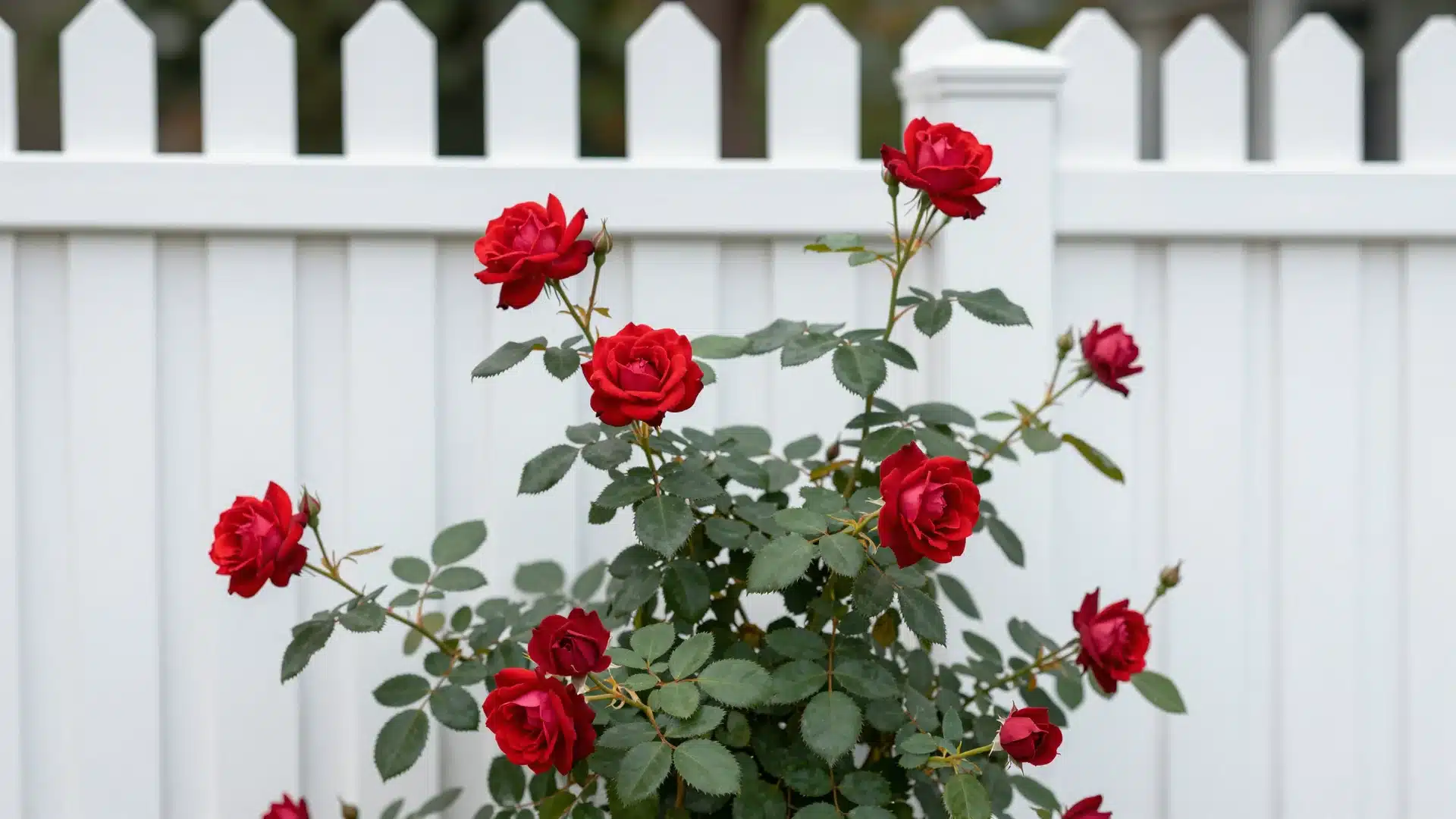
7. Shrub Roses / Knock Out Roses
- Bloom time: Late spring through fall (continuous)
- Flower colors: Red, pink, coral, white, yellow
- USDA Zones: 5–10
- Sun: Full sun (minimum 6 hours)
- Soil: Well-draining, fertile
- Mature size: 3–6 feet
Knock Out roses changed how many gardeners think about roses. Traditional roses require regular spraying, careful pruning, and close attention.
Knock Out varieties are different; they are disease-resistant, self-cleaning (spent blooms fall off on their own), and bloom from late spring all the way through frost.
They do need at least six hours of direct sun daily for the best flowering. Keep away from high-nitrogen fertilizers, which push leaf growth at the cost of flowers.
If this is your first time growing roses, read through this beginner-friendly guide to planting roses before you buy
8. Weigela
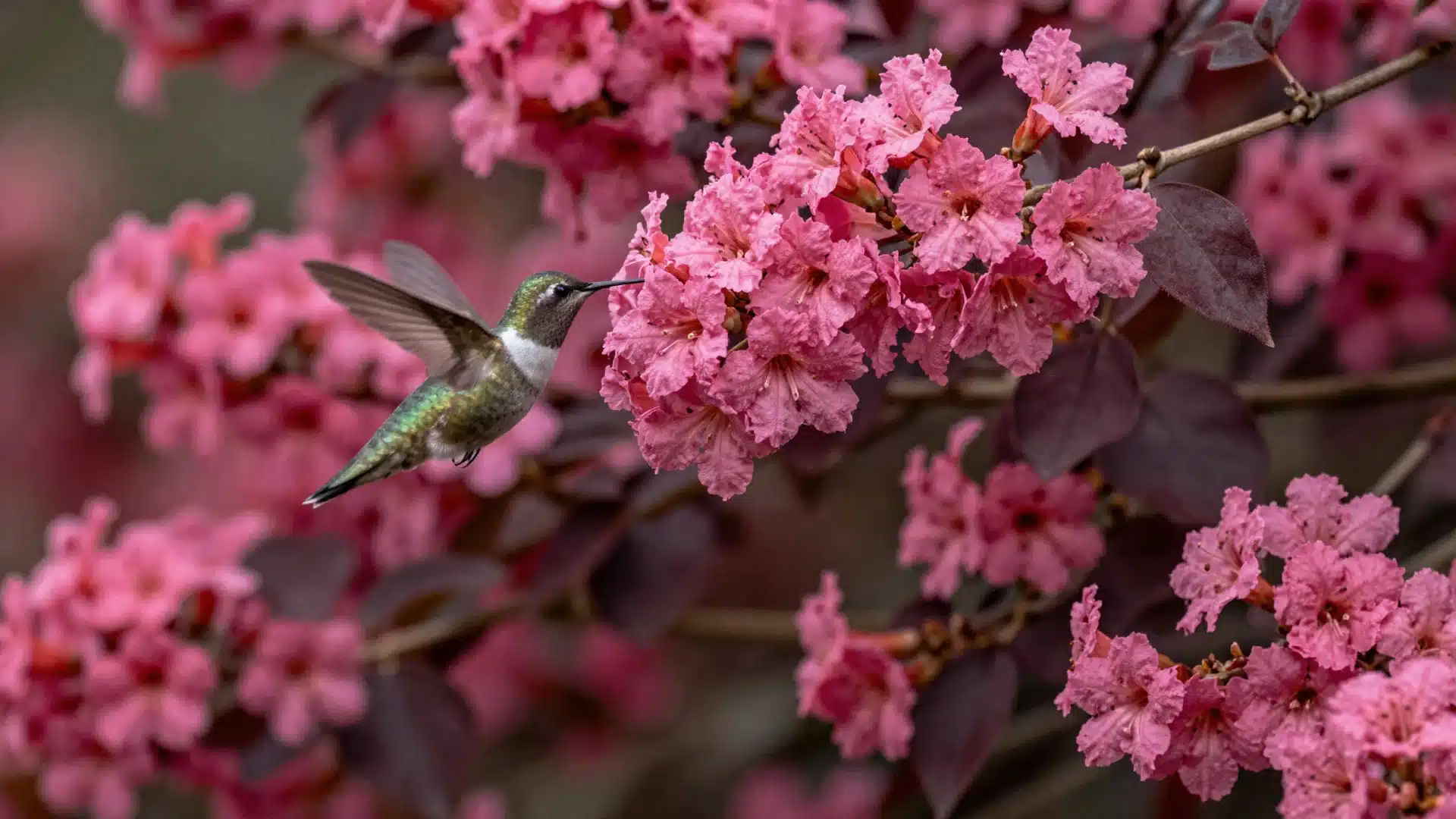
- Bloom time: Late spring, with a second flush in summer
- Flower colors: Pink, red, white, yellow
- USDA Zones: 4–8
- Sun: Full sun to partial shade
- Soil: Adaptable, well-draining
- Mature size: 2–9 feet
Weigela has gotten a major upgrade in recent years. Newer varieties, like My Monet and Tuxedo, have deep purple or variegated foliage that looks good from spring through fall, long before and after the flowers appear.
The trumpet-shaped blooms draw hummingbirds in, which is a bonus many gardeners do not expect. Prune right after the first bloom flush in late spring to get a second round of flowers later in summer.
9. Spirea
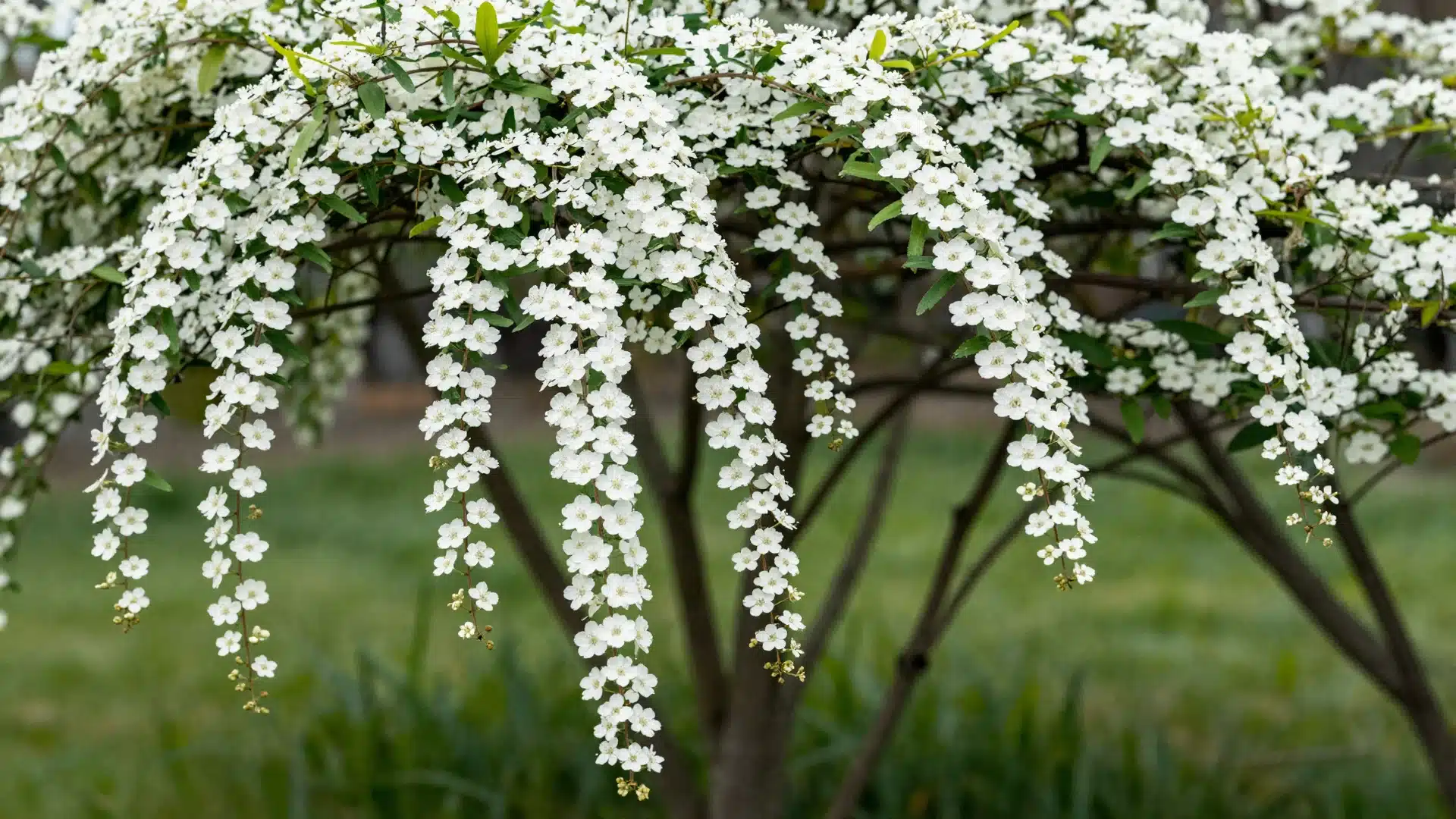
- Bloom time: Spring or summer (varies by variety)
- Flower colors: White, pink, red
- USDA Zones: 3–9
- Sun: Full sun
- Soil: Adaptable, well-draining
- Mature size: 2–6 feet
Spirea is one of the most dependable and affordable flowering shrubs you can buy. It is low-maintenance, cold-hardy, and comes in enough varieties to fit almost any garden size or color scheme.
Many newer types also have colorful orange or gold foliage in spring, adding interest beyond the flowers.
One timing note: spring bloomers (like bridal wreath spirea) should be pruned right after flowering, while summer bloomers like Japanese spirea should be cut back in late winter.
10. Viburnum
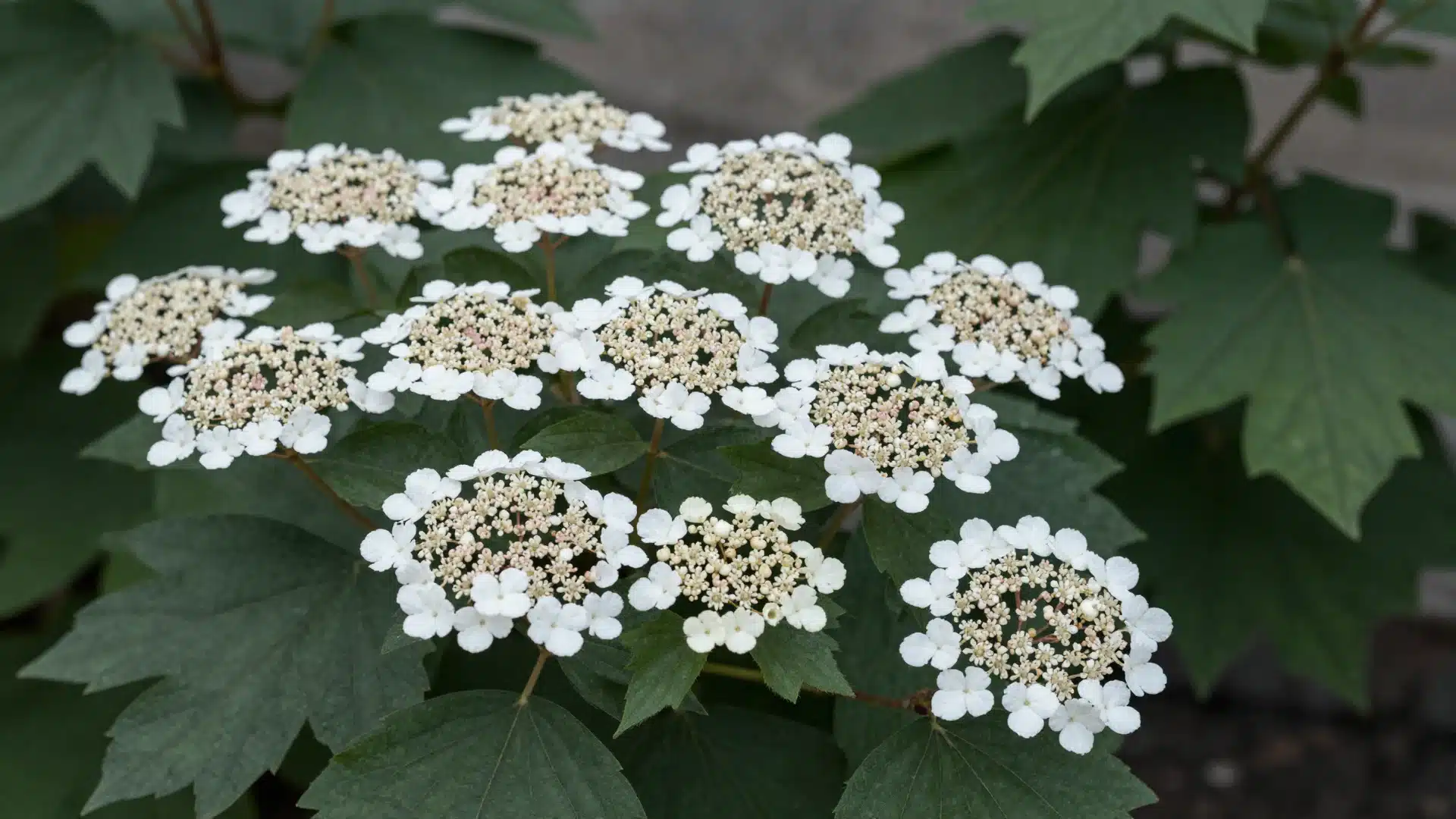
- Bloom time: Spring (most varieties)
- Flower colors: White, pale pink
- USDA Zones: 2–8 (varies by species)
- Sun: Full sun to partial shade
- Soil: Moist, well-draining, adaptable
- Mature size: 2–30 feet (wide range of species)
Viburnum earns its place in a garden through multiple seasons, not just spring. The flowers open in clusters with a spice-cake scent that carries well in the garden.
Then in fall, the foliage shifts to rich red and orange, and clusters of berries appear that birds eat through winter. This is the kind of shrub that works hard year-round. It rarely needs much pruning; just remove any dead or crossing branches after it finishes blooming.
11. Mock Orange (Philadelphus)
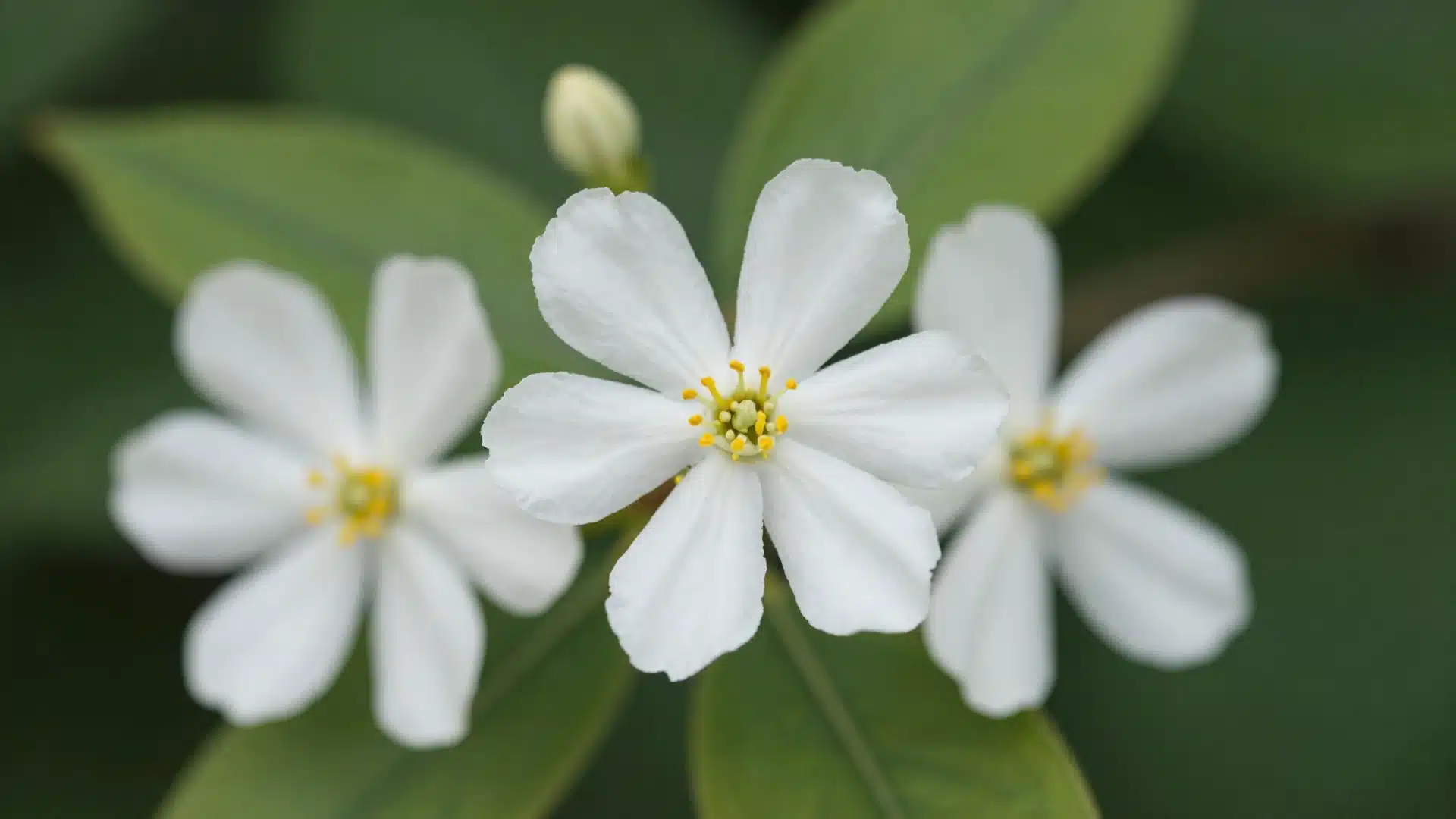
- Bloom time: Late spring to early summer
- Flower color: White
- USDA Zones: 4–8
- Sun: Full sun
- Soil: Well-draining, adaptable
- Mature size: 4–12 feet
Mock orange produces pure white flowers that smell almost exactly like orange blossom; it is a genuinely striking scent for a garden shrub.
Plant it near a patio, walkway, or bench where you can actually sit and enjoy the fragrance during its two-to-three-week bloom period. After flowering, you can prune it back fairly hard.
Older branches that no longer produce many flowers can be cut to the ground to make room for fresh, productive stems.
12. Witch Hazel (Hamamelis)
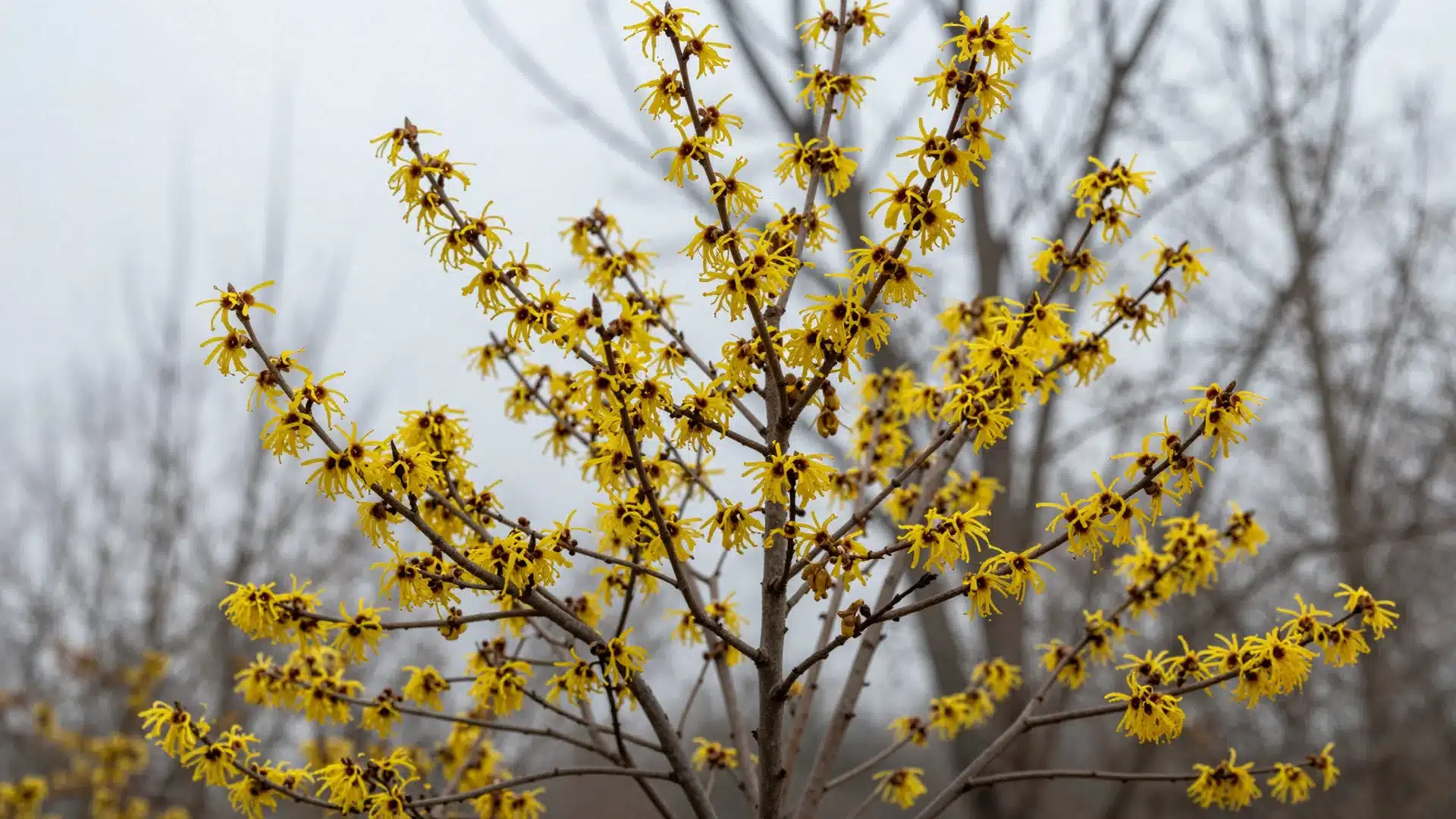
- Bloom time: Late fall through early spring (depends on variety)
- Flower colors: Yellow, orange, red
- USDA Zones: 3–9
- Sun: Full sun to partial shade
- Soil: Moist, well-draining
- Mature size: 10–20 feet
Witch hazel blooms on completely bare branches in the dead of winter. The flowers are spidery and fragrant, and they appear when almost nothing else in the garden is doing anything at all.
Native varieties bloom in late fall; hybrid varieties often bloom in January or February. This is one of the most useful flowering bushes for winter garden interest, and it is also deer-resistant, which is a genuine plus in many parts of the USA.
13. Ninebark (Physocarpus)
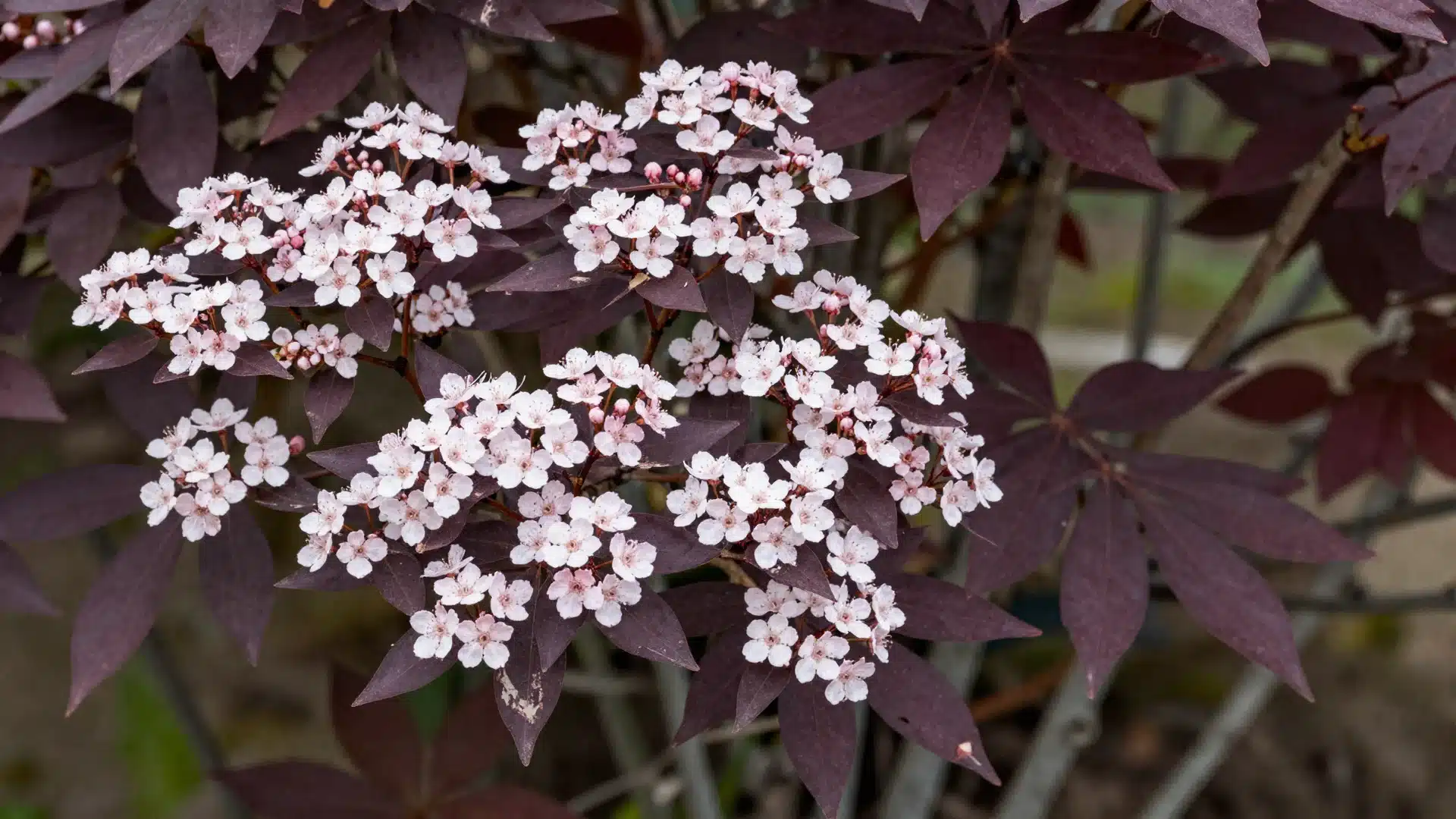
- Bloom time: Late spring to early summer
- Flower color: White or pale pink
- USDA Zones: 2–7
- Sun: Full sun to partial shade
- Soil: Tolerates clay, poor soil, drought
- Mature size: 3–10 feet
Ninebark is one of the toughest plants on this list. It handles clay soil, drought, poor drainage, and cold winters without complaint.
The name comes from its bark, which peels back in layers to reveal different colors underneath, a feature that gives it visual interest even in winter when everything else is bare.
wide varieties also have deep burgundy or gold foliage that holds its color from spring through fall. It rarely needs much care once it settles in.
14. Abelia
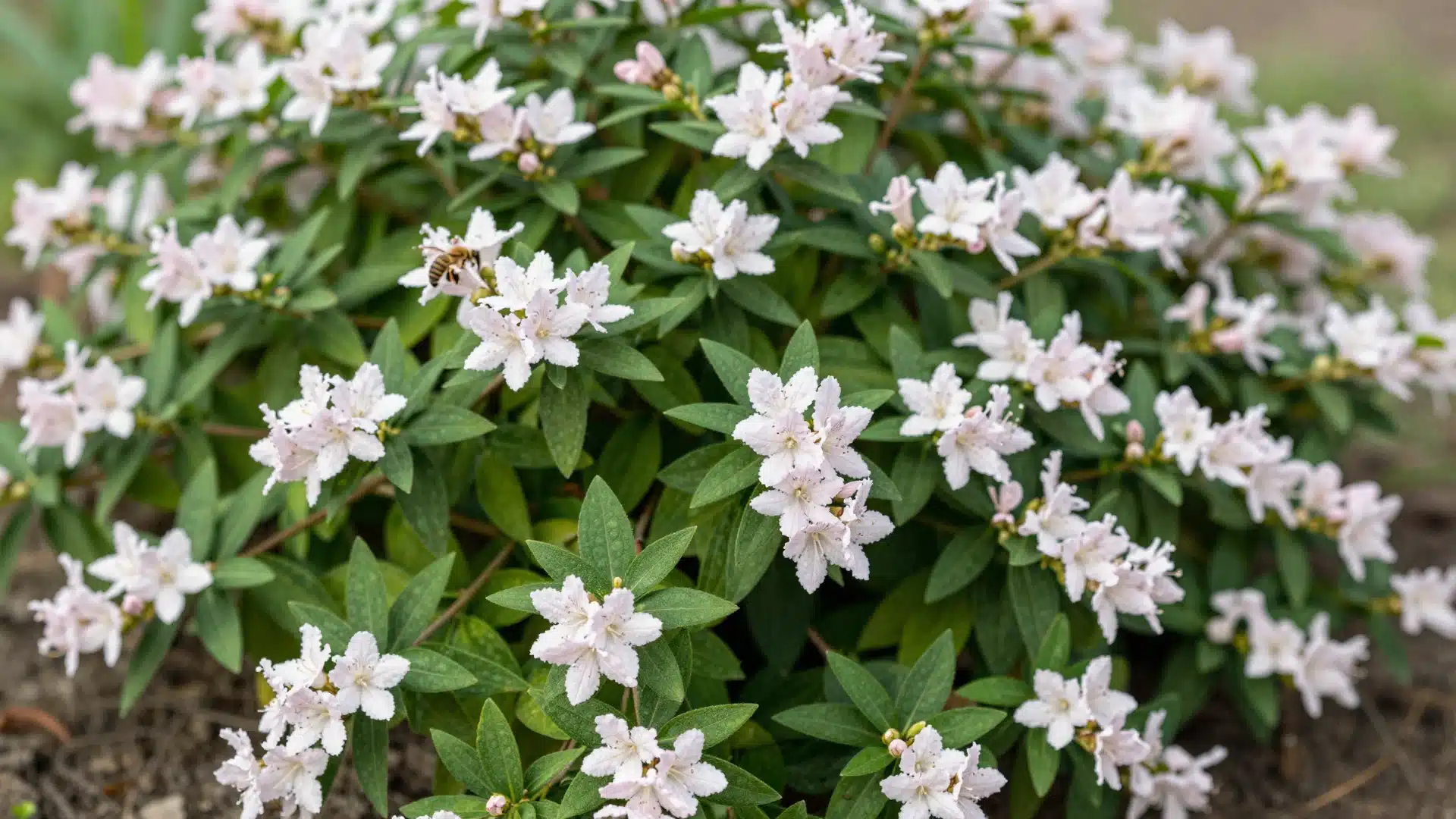
- Bloom time: Summer through fall
- Flower color: White, pale pink
- USDA Zones: 5–9
- Sun: Full sun to partial shade
- Soil: Well-draining, adaptable
- Mature size: 3–6 feet
If you want a flowering shrub that blooms for the longest possible season, abelia is worth serious consideration. It starts flowering in early summer and keeps going well into autumn, often one of the last shrubs still blooming before frost arrives.
In mild climates, it holds onto its leaves through winter, which means it looks presentable year-round. It needs very little pruning. A light shaping in late winter is usually all it takes.
15. Summersweet (Clethra alnifolia)
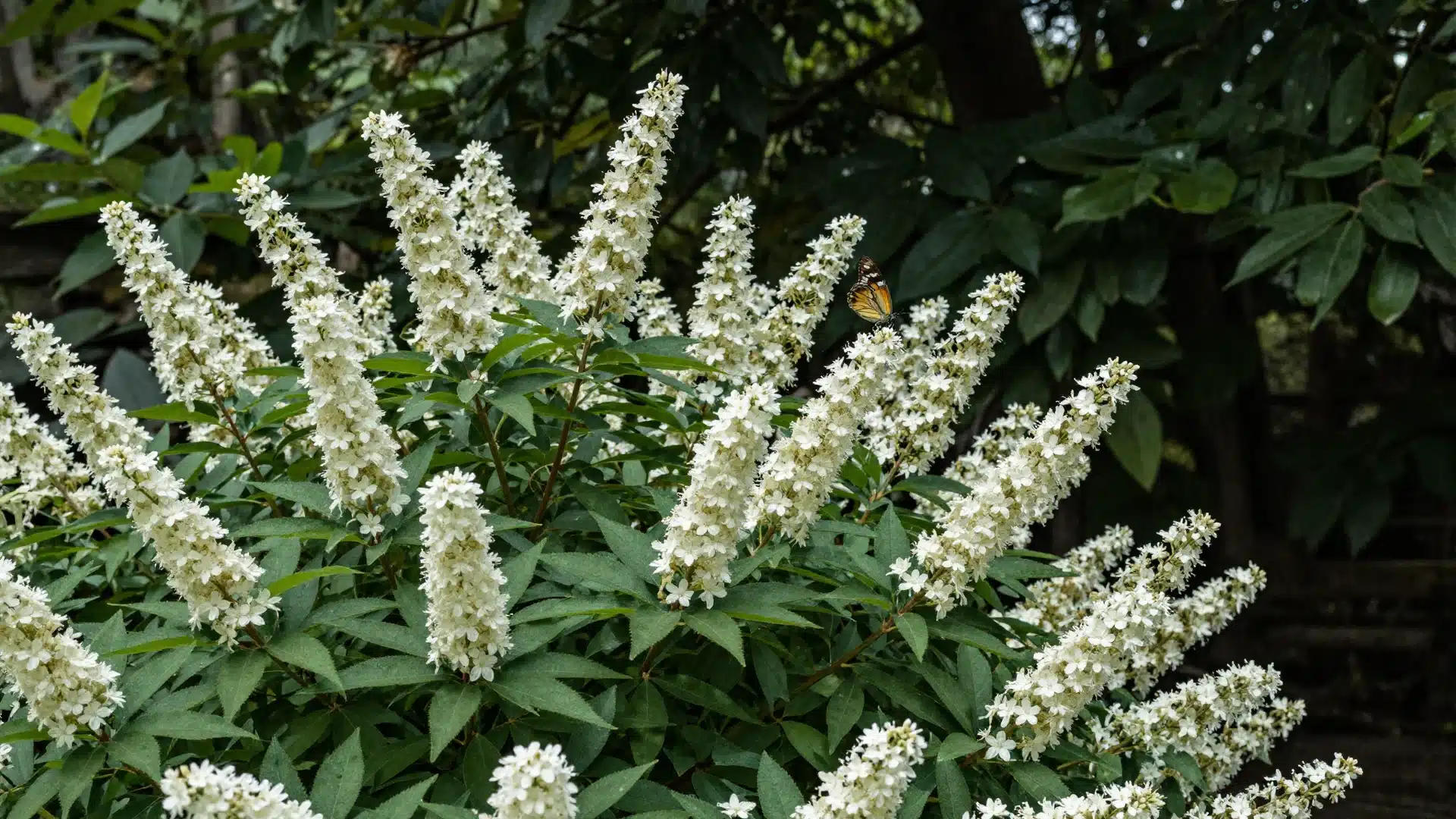
- Bloom time: Midsummer
- Flower color: White, pink
- USDA Zones: 4–9
- Sun: Full sun to full shade
- Soil: Moist; tolerates wet, boggy areas
- Mature size: 3–6 feet
Summersweet fills a gap that is genuinely hard to fill; it blooms in midsummer, in shade, in wet soil. That combination is rare. It is native to North America, which means it is well-adapted to local conditions and good for pollinators.
The flowers have a sweet, spicy scent that carries through a garden in July and August. In fall, the foliage turns gold, which is a nice end-of-season bonus. Prune it back in late winter for the best summer flowering.
16. Rose of Sharon (Hibiscus syriacus)
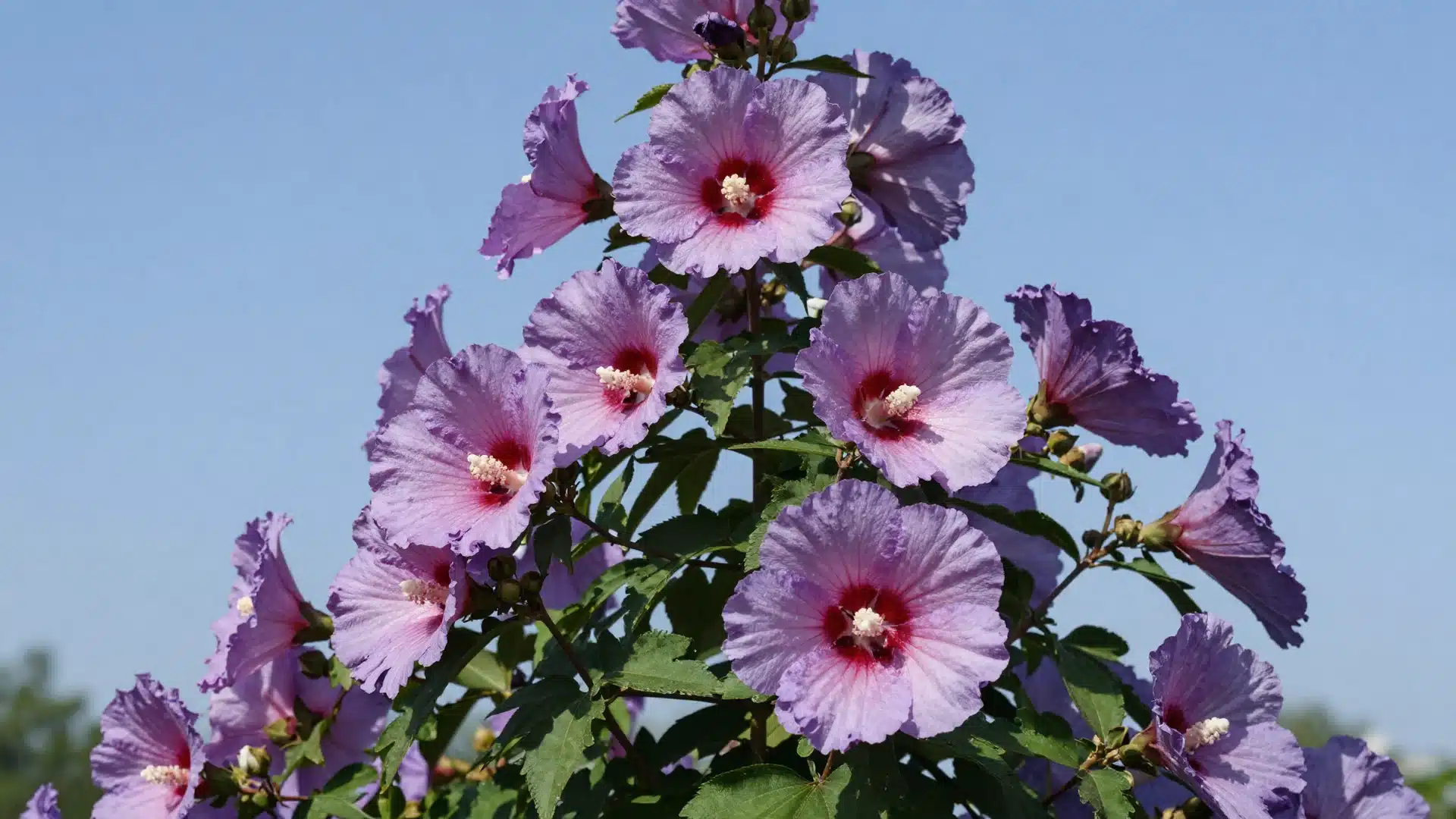
- Bloom time: Late summer through fall (August to October)
- Flower colors: White, pink, purple, blue, red
- USDA Zones: 5–9
- Sun: Full sun
- Soil: Well-draining, adaptable
- Mature size: 8–12 feet tall, 4–6 feet wide
Rose of Sharon blooms from August through October, right when most other flowering shrubs have already finished. The flowers are large and tropical-looking, almost like small hibiscus blooms, which makes sense because it is closely related.
This is an excellent choice for extending color into autumn. One thing to watch: it self-seeds readily and can spread around a garden faster than you might want. Deadhead spent blooms regularly, or choose one of the newer sterile varieties.
17. Beautyberry (Callicarpa)
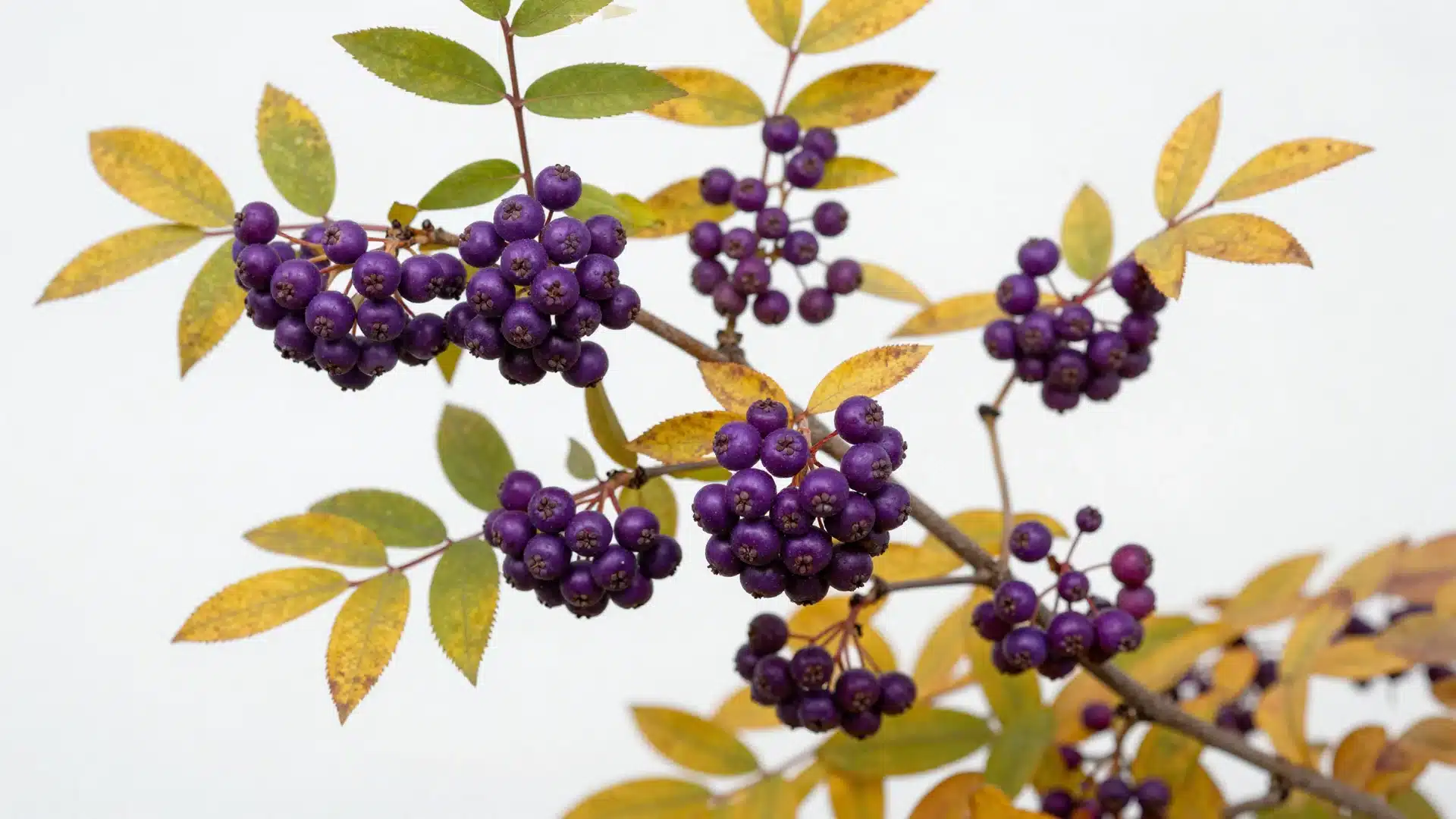
- Bloom time: Small flowers in summer; vivid purple berries in fall
- USDA Zones: 5–10
- Sun: Full sun to partial shade
- Soil: Well-draining, adaptable
- Mature size: 3–8 feet
Beautyberry is grown less for its flowers and more for what comes after them. In fall, the stems become covered in clusters of bright, metallic purple berries that look almost artificial, the color is that intense.
It stands out in autumn gardens where most things are turning brown. The berries also attract birds. Prune this one hard in late winter, cutting it back close to the ground. It blooms on new wood, and cutting it back produces more stems, which means more berries.
18. Potentilla / Shrubby Cinquefoil (Potentilla fruticosa)
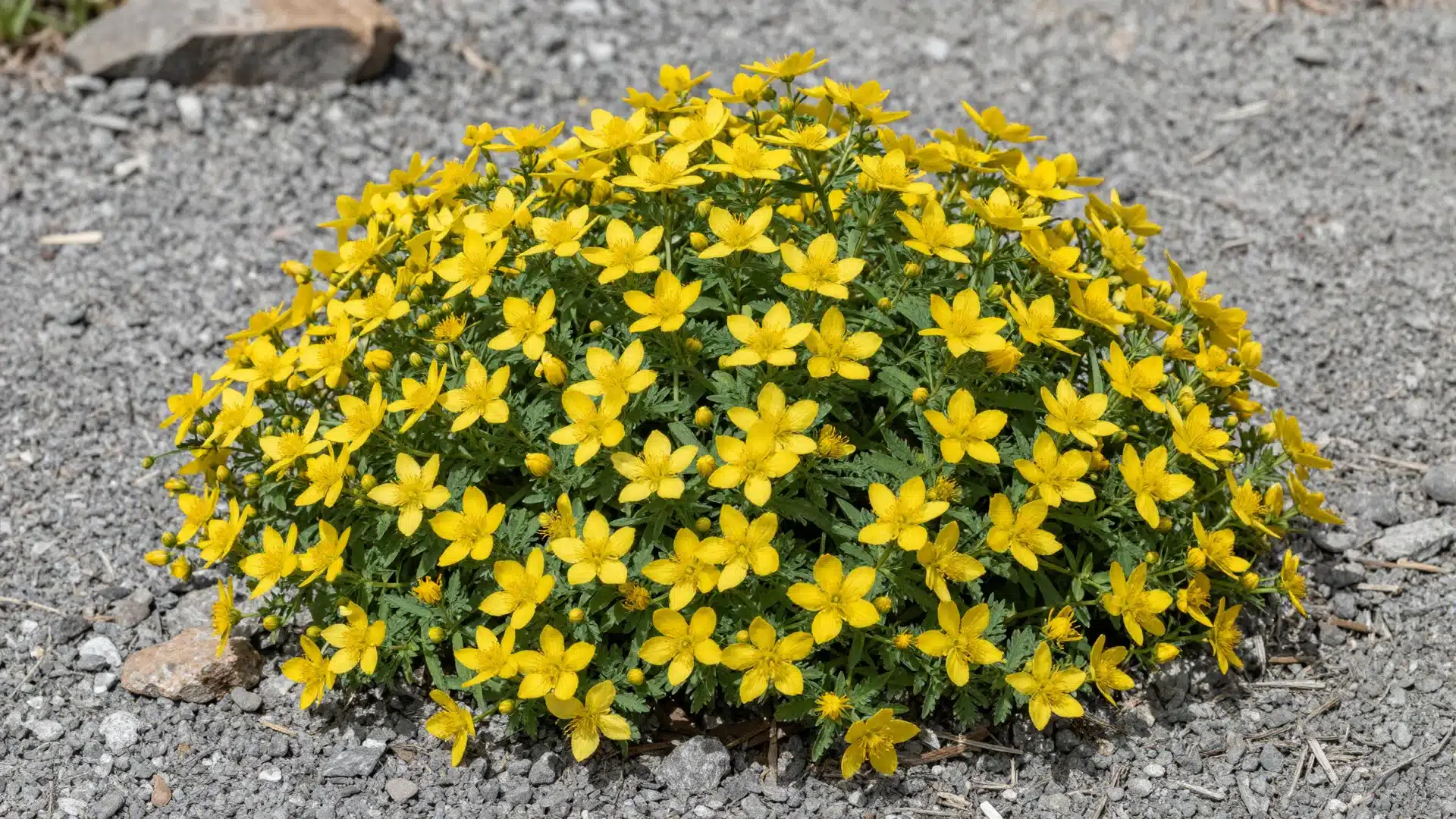
- Bloom time: Late spring through frost
- Flower colors: Yellow, white, orange, pink
- USDA Zones: 2–7
- Sun: Full sun
- Soil: Tolerates poor, dry, rocky soil
- Mature size: 1–4 feet
Potentilla has one of the longest bloom seasons of any shrub on this list; it flowers from late spring until the first hard frost. It grows in poor soil, survives drought, and handles cold winters in Zones 2 through 7 without any fuss.
This makes it useful for spots in the garden where other shrubs have struggled. The flowers are small but produced in large numbers, and the plant stays naturally tidy without much pruning.
Trim it back by about one-third in early spring to keep it compact.
19. Loropetalum (Chinese Fringe Flower)
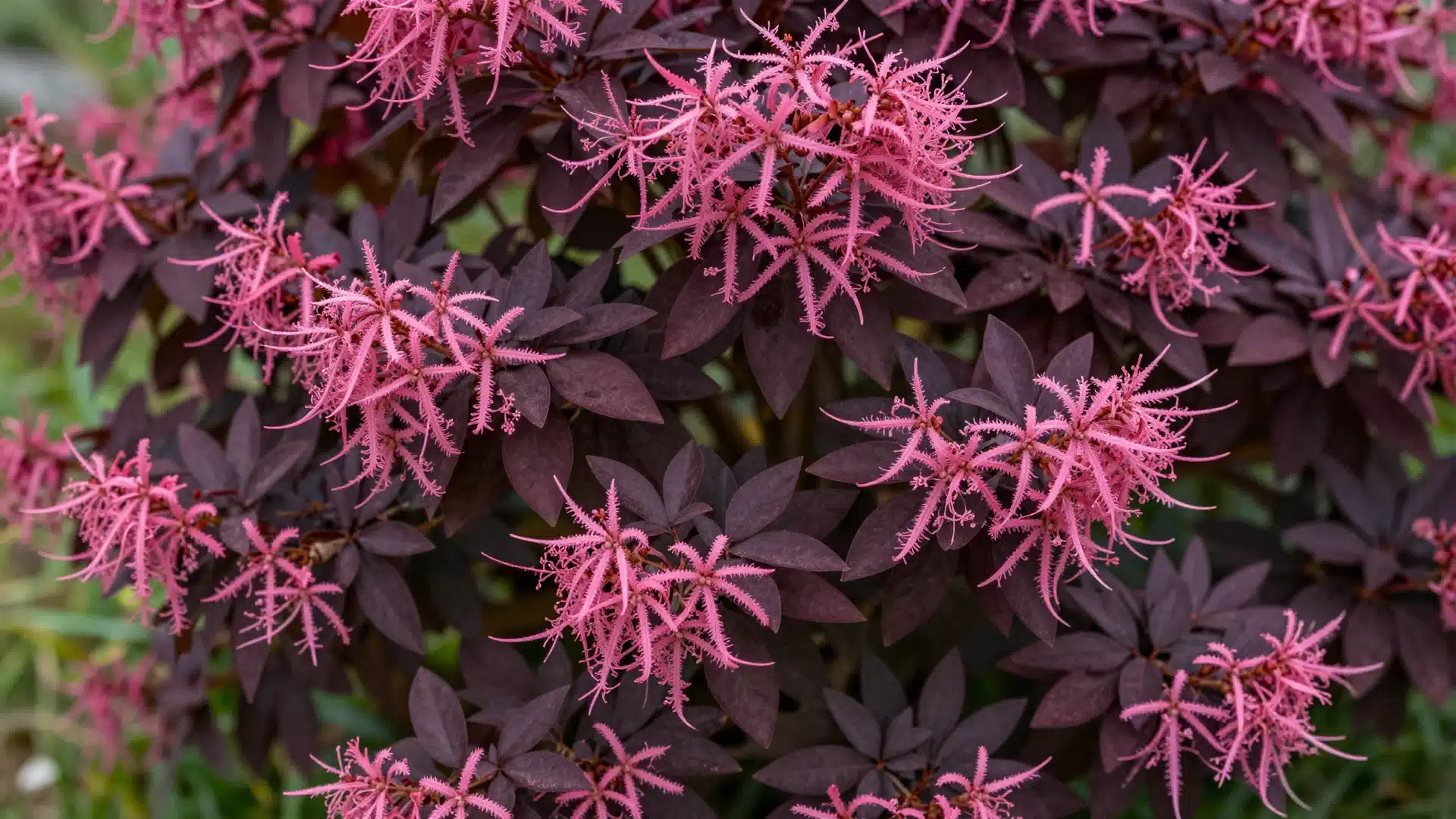
- Bloom time: Mid-spring, with occasional rebloom
- Flower color: Pink (most common), white
- USDA Zones: 7–10
- Sun: Full sun to light shade
- Soil: Acidic, well-draining
- Mature size: 1–15 feet (wide range of cultivars)
Loropetalum is largely evergreen, which already gives it a leg up on many flowering bushes that go bare in winter. But the real standout feature is the foliage; most varieties have deep burgundy or purple leaves that hold their color all year, not just when the fringe-like spring flowers are open.
It is also deer-resistant and low-maintenance, which makes it popular in Southern gardens. Prune lightly right after spring flowering, and it rarely needs attention the rest of the year.
20. Bluebeard / Caryopteris (Caryopteris x clandonensis)
- Bloom time: Late summer to fall
- Flower color: True blue
- USDA Zones: 5–9
- Sun: Full sun
- Soil: Well-draining, tolerates poor soil
- Mature size: 2–4 feet
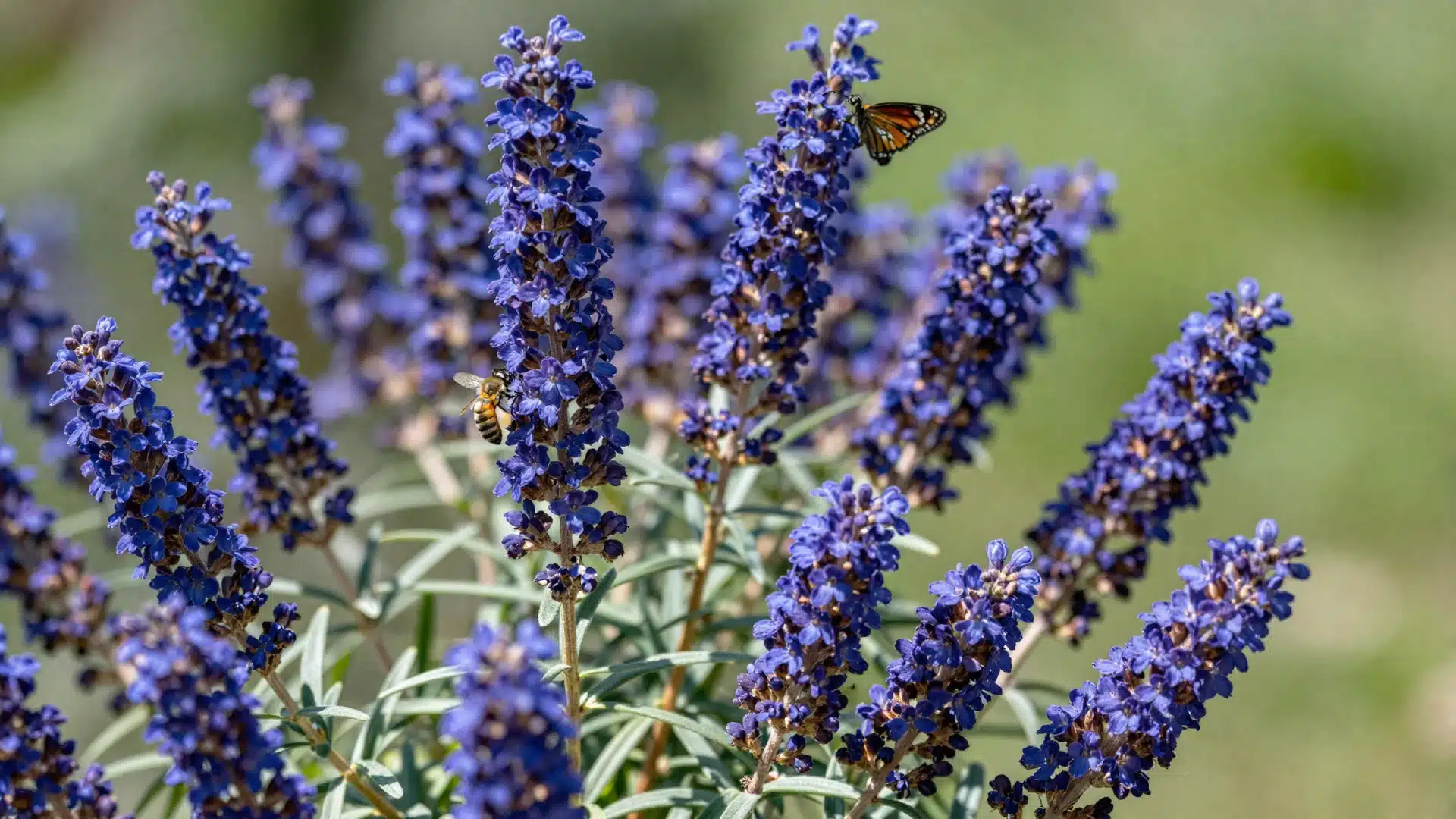
True blue is one of the rarest colors in flowering shrubs; most plants labeled “blue” are actually purple or violet.
Caryopteris is genuinely blue, and it blooms in late summer and fall when that color is almost nowhere else to be found in the garden. It draws in bees and butterflies heavily during its bloom period.
Cut it back hard in late winter, almost to the ground; it regrows from the base and puts on its best flower display on fresh new wood.
How to Plant Flowering Shrubs the Right Way?
Planting flowering shrubs correctly from the start sets them up to grow well without constant attention afterward. The two best times to plant are early spring and fall, when cooler temperatures give roots time to settle before summer heat arrives.
- Dig the hole right: Make it twice as wide as the root ball but only as deep. Planting too deeply is one of the most common mistakes, and it can slowly kill a shrub over the years.
- Skip the soil amendments: Backfill with the native soil you dug out. Amended holes can actually discourage roots from spreading into the surrounding soil.
- Water at planting: Soak the root zone thoroughly right after planting, then water regularly throughout the first full growing season.
- Mulch, but carefully: Spread 2 to 3 inches of mulch around the base, but keep it a few inches away from the stem to prevent rot.
- Hold off on fertilizer: Wait until you see new growth before feeding. Fertilizing at planting can burn fresh roots.
- Check the depth one more time: The root flare (where the trunk widens at the base) should sit at or just above ground level, never buried.
When and How to Prune Flowering Shrubs?
The single most important thing to know about pruning flowering shrubs is this: shrubs that bloom in spring flower on last year’s growth (called old wood), so they should be pruned right after their flowers fade.
Shrubs that bloom in summer or fall flower on this year’s new growth, so they should be cut back in late winter or early spring before growth starts. Get the timing wrong, and you will prune off the flower buds before they ever open, meaning you lose a full season of blooms.
Never remove more than one-third of a plant in a single session, and always use clean, sharp tools to avoid spreading disease between plants.
The Bottom Line
Flowering shrubs are one of the best long-term additions you can make to a garden.
They come back year after year, grow without much fuss once established, and give your yard structure and color through multiple seasons.
The key is matching the right shrub to your actual conditions, your zone, your soil, and your sunlight. Get that part right, and most of these flowering bushes will take care of themselves.
Which one on this list are you planning to try first? Drop a comment below, we would love to hear what is growing in your garden.
Frequently Asked Questions
What Are the Most Popular Flowering Shrubs?
Hydrangeas, azaleas, lilacs, Knock Out roses, and butterfly bush are the most widely grown flowering shrubs across the USA.
What Flowering Shrub Blooms All Summer?
Abelia, butterfly bush, and Knock Out roses bloom continuously from early summer through fall without much attention.
What Is the Easiest Flowering Bush to Grow?
Forsythia is one of the easiest, it blooms reliably every spring, tolerates most soils, and needs almost no care once planted.
What Is the Longest-Lasting Flowering Shrub?
Abelia has one of the longest bloom seasons of any shrub, flowering from early summer well into autumn in a single season.
What Small Shrubs Look Good All Year-Round?
Compact loropetalum, dwarf spirea, and abelia all hold their foliage or color across multiple seasons and stay manageable in smaller spaces.