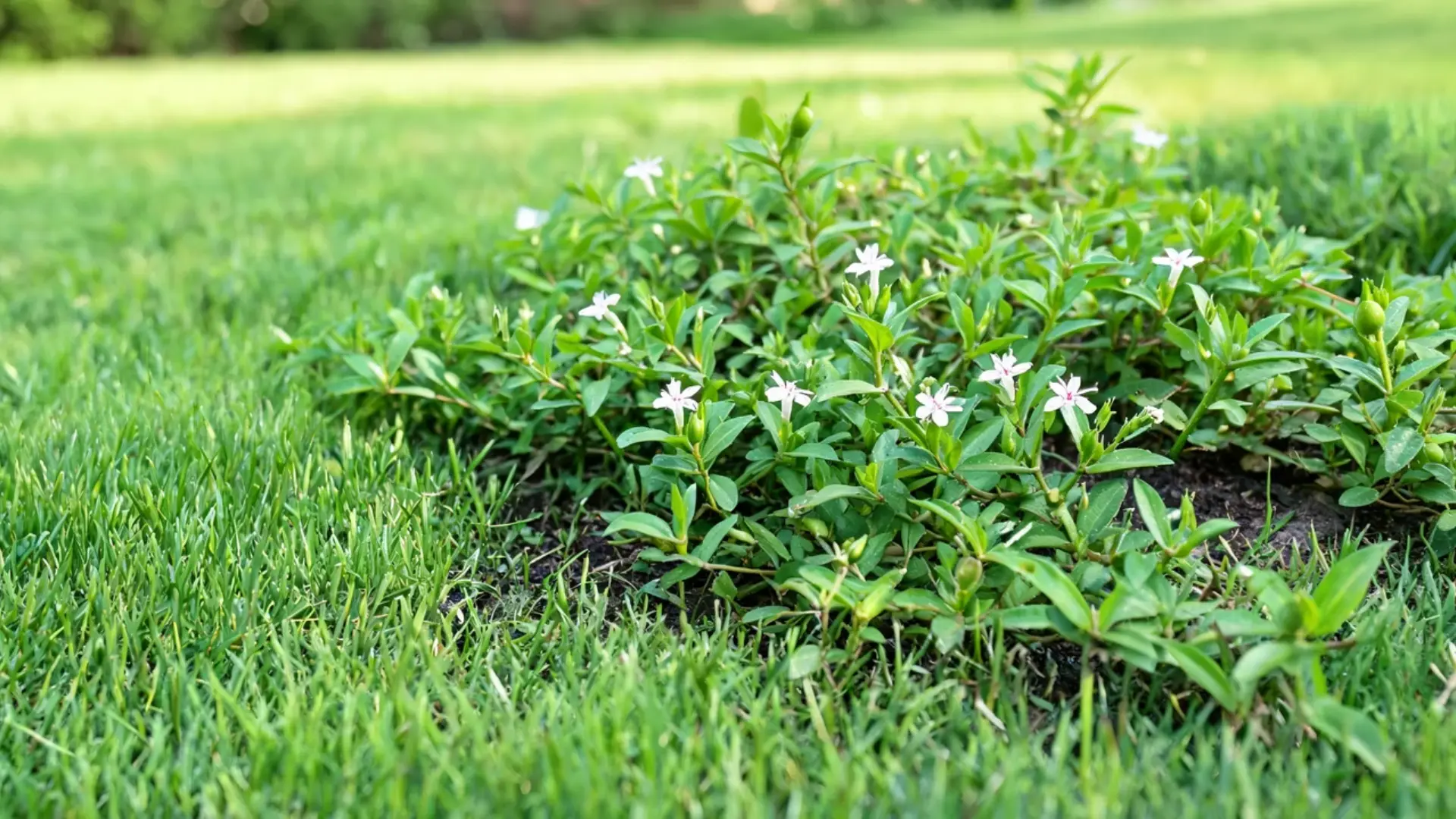
Your lawn looked fine last week. Now something’s creeping in low, spreading wide, and taking over patches of grass you worked hard to grow. That’s not a new ground cover – those are creeping lawn weeds, and they move fast.
The tricky part isn’t removing them. It’s knowing what you’re removing. The wrong treatment of the wrong weed is just wasted time and money.
This blog covers exactly how to identify the most common lawn weeds, what actually gets rid of them, and how to stop them from coming back next season.
What are Creeping Lawn Weeds?
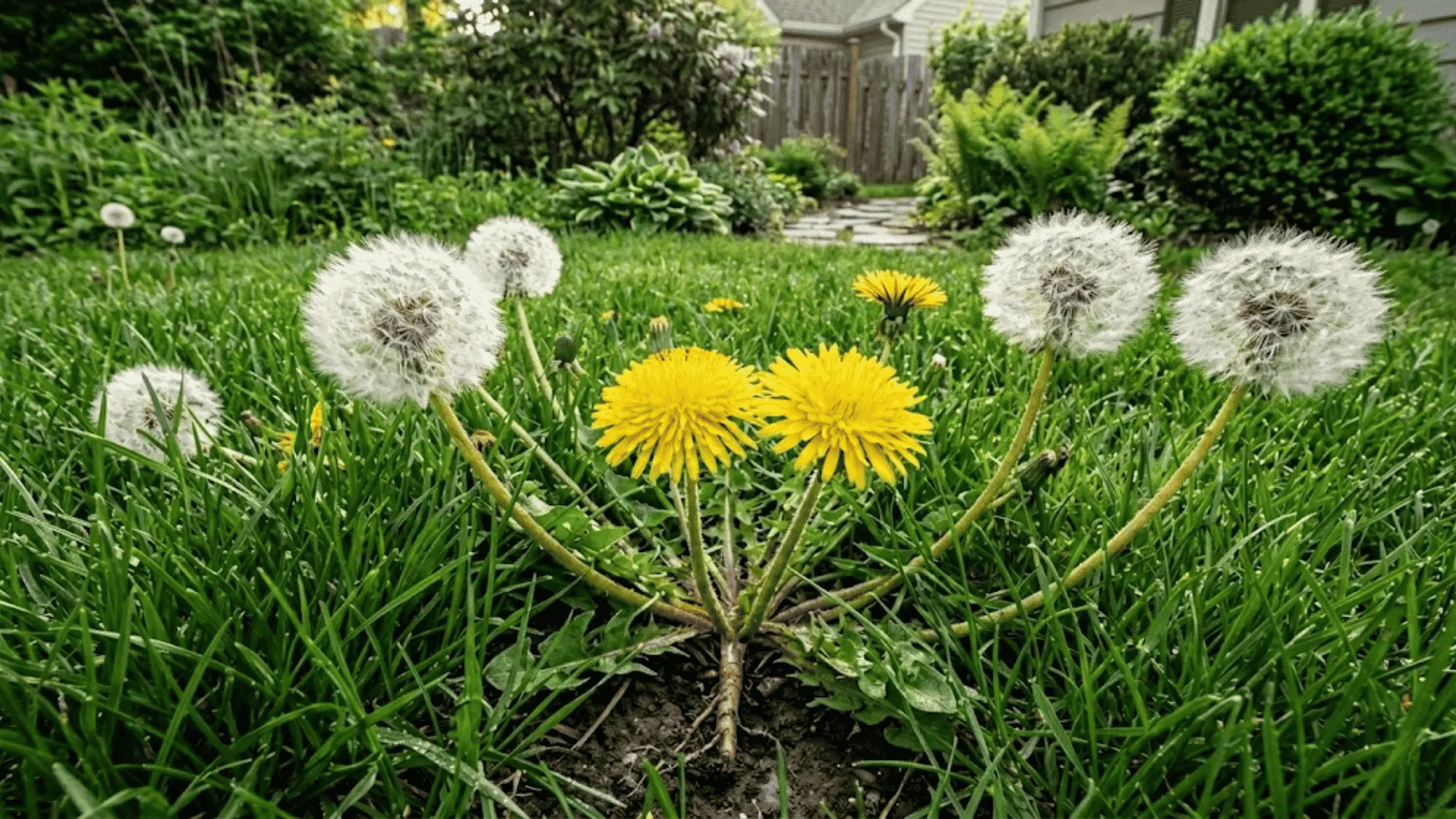
Not all weeds grow straight up. Creeping weeds spread low and wide – that’s what makes them so sneaky and so difficult to remove.
Unlike upright weeds that you can mow off, creeping lawn weeds grow horizontally across the soil. They spread through stolons (above-ground runners), rhizomes (underground stems), or trailing stems that root at multiple points.
Every rooted node can become a brand new plant, which is why pulling just the visible part rarely solves the problem.
Think of creeping weeds as opportunists. A weak lawn is an open invitation. Stressed lawns (from drought, compaction, low fertility, or poor drainage) create exactly the conditions these weeds need.
Why are Creeping Weeds So Hard to Control?
If you’ve tried pulling creeping weeds and watched them come right back within a few weeks, you’re not doing it wrong. These plants are genuinely built to survive removal attempts.
The biological reasons they keep coming back:
- Node rooting: Each point where a stem touches the soil can form its own root. Leave one node behind, and you’ve left a new plant behind.
- Rhizome fragmentation: Underground stems break apart during pulling. Small fragments left in the soil regenerate on their own.
- Seed backup: Most creeping lawn weeds produce large volumes of seeds as a fallback. Even if you remove the plant, seeds already in the soil can sprout for years.
The other piece of this is your lawn itself. Creeping weeds don’t just randomly appear – they move into spaces where grass is thin, weak, or struggling.
How to Identify Common Creeping Lawn Weeds
Before you treat anything, you need to know exactly what weed you’re dealing with. The wrong treatment wastes time, money, and effort – and some products can actually damage your grass if you pick the wrong one.
1. Creeping Charlie (Ground Ivy)
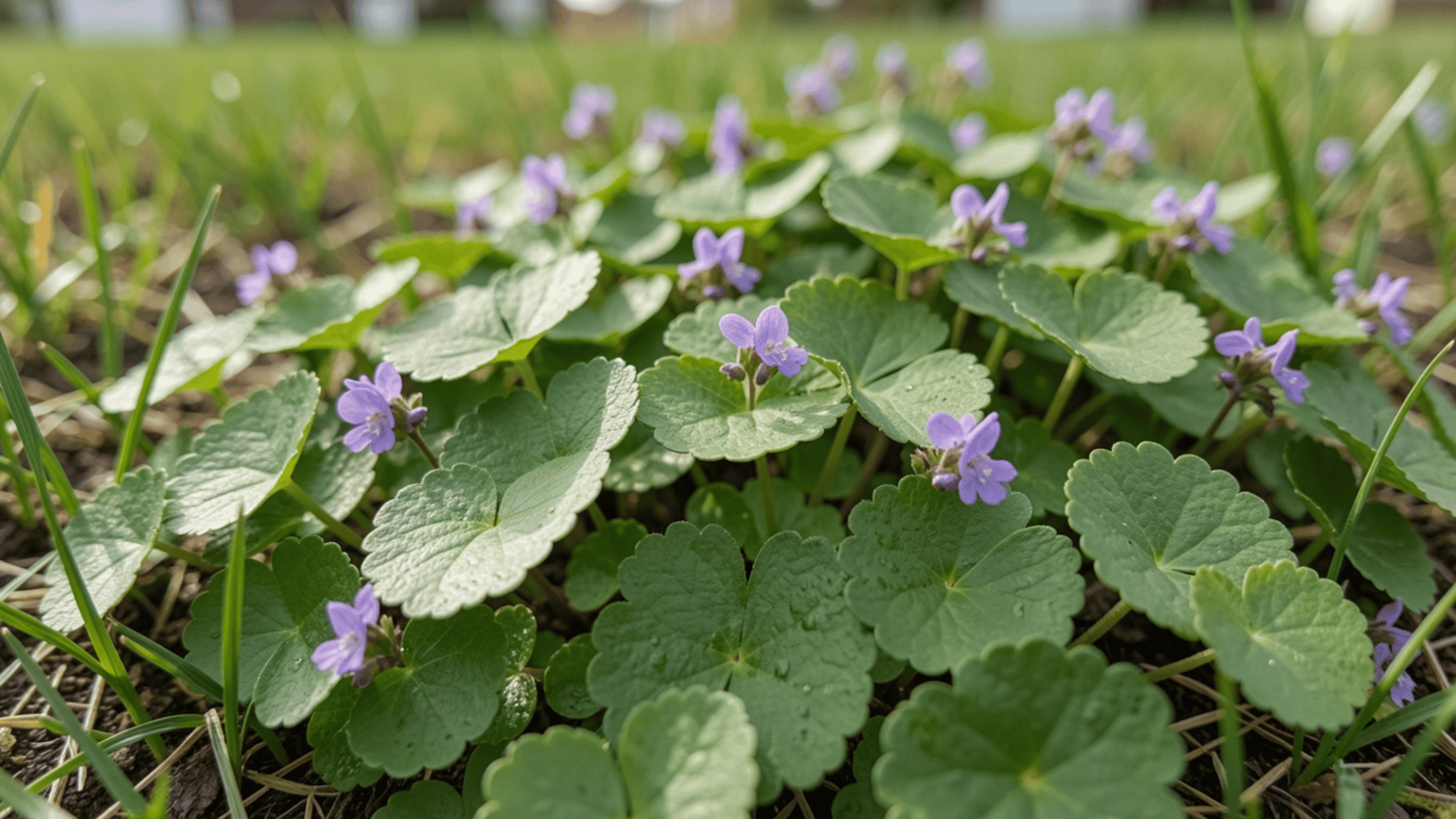
Round, scalloped leaves with a minty smell when crushed. Small purple flowers appear in spring.
Spreads through stolons and roots at every node it touches – so breaking the stem during pulling just leaves new plants behind. Most common in shady, moist areas under trees and near downspouts.
2. Creeping Jenny
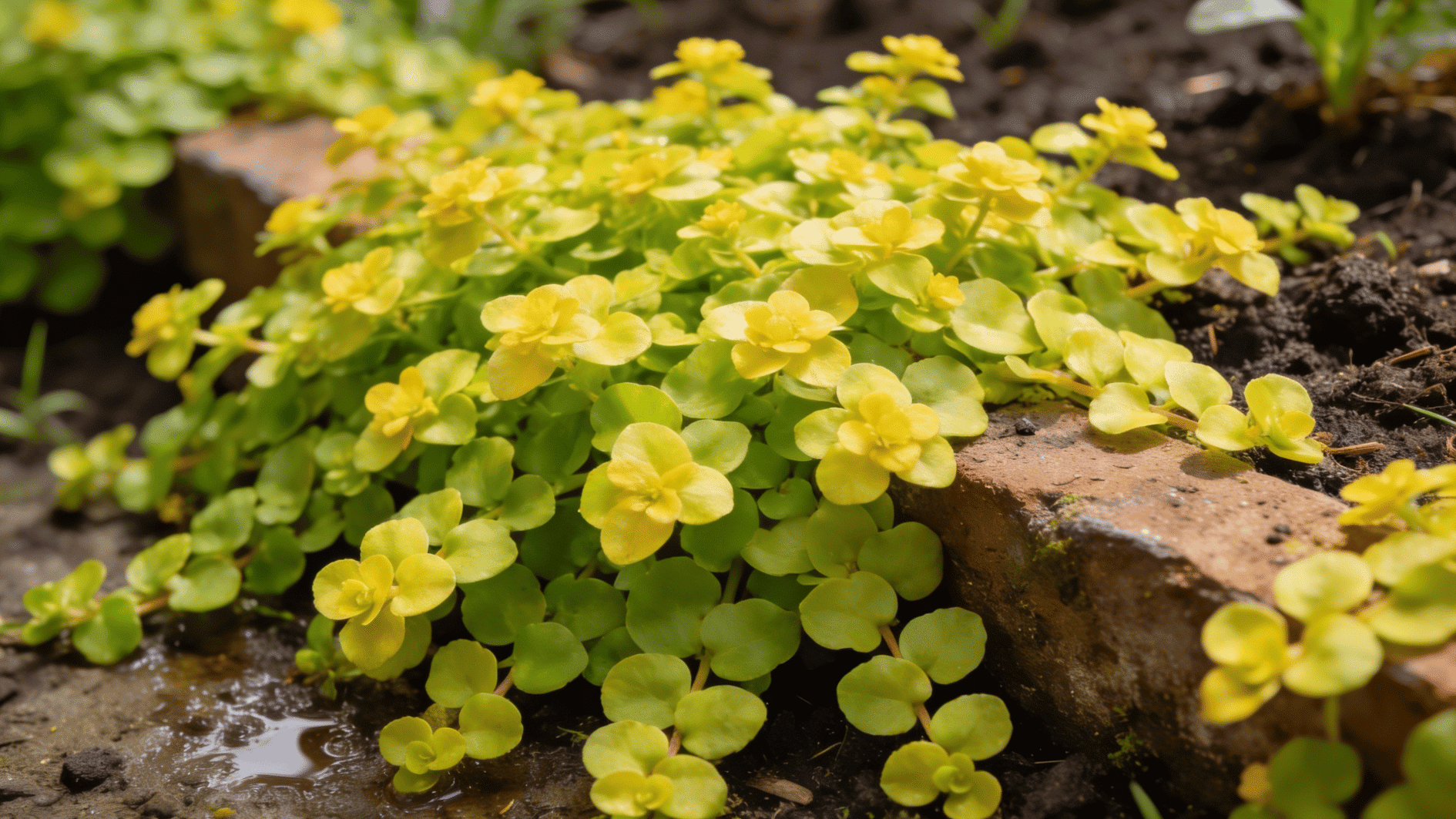
Often confused with Creeping Charlie, but easier to tell apart up close.
It is a low-growing plant with trailing stems, round bright-green leaves, and yellow flowers. Common ground cover that spreads quickly in moist areas.
Forms dense ground mats and spreads fastest near garden edges and low-lying spots.
3. White Clover
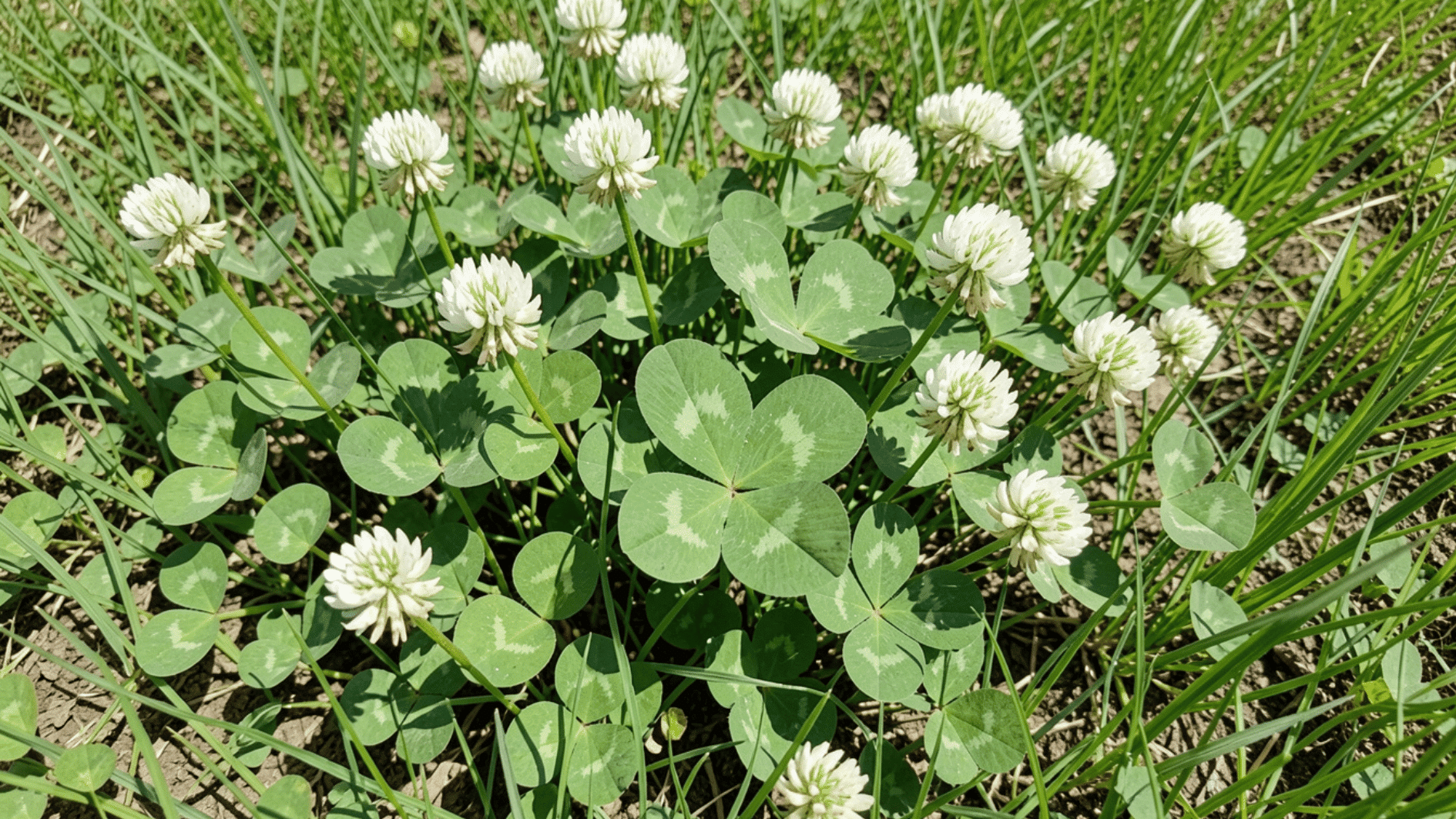
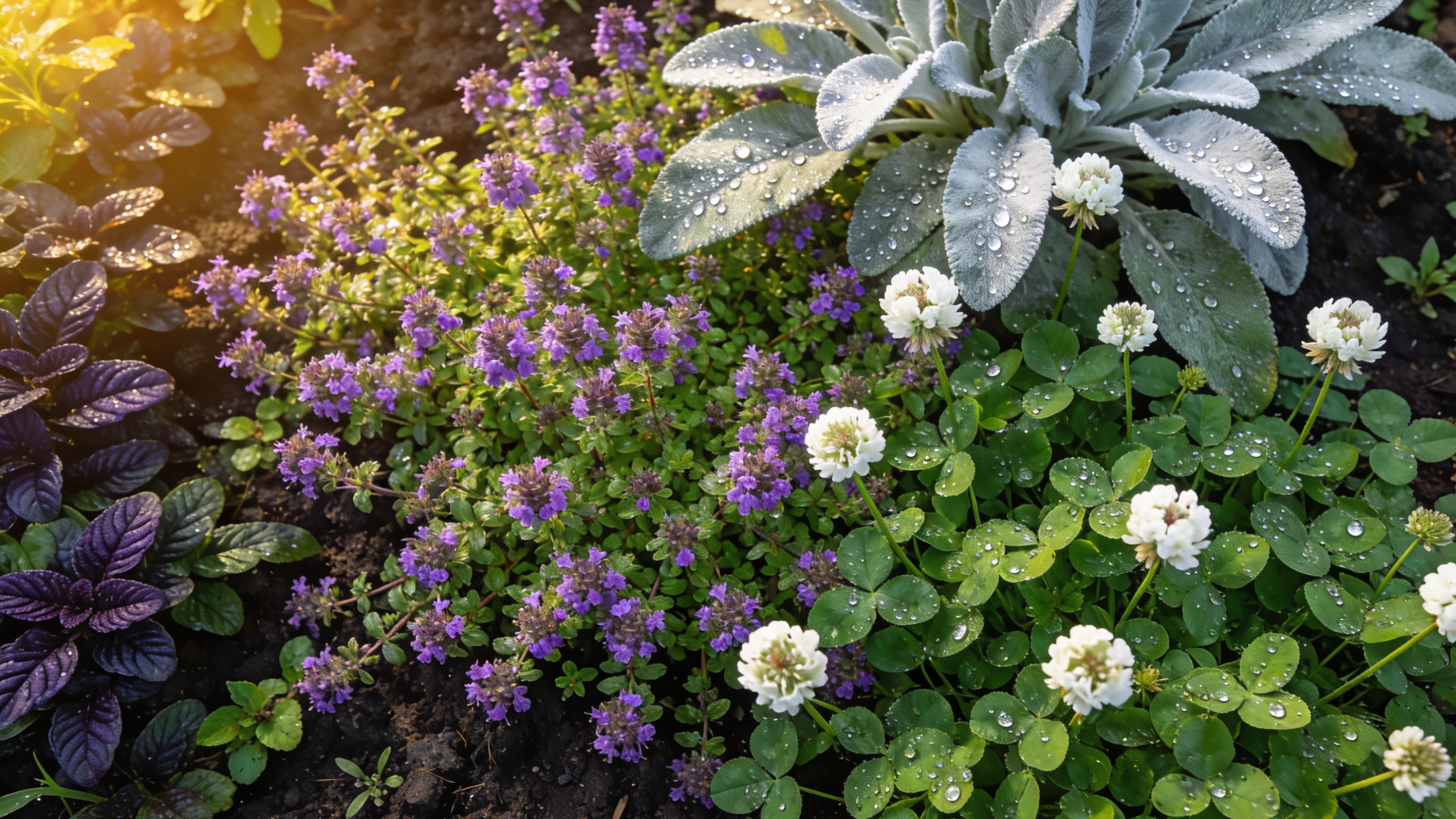
Three-part leaves with a light chevron marking and round white flower heads. Clover thrives in low-nitrogen lawns – it fixes nitrogen from the air, giving it an edge your grass can’t match in poor soil.
The white flowers also attract bees, worth noting for barefoot yard use.
4. Speedwell (Veronica)
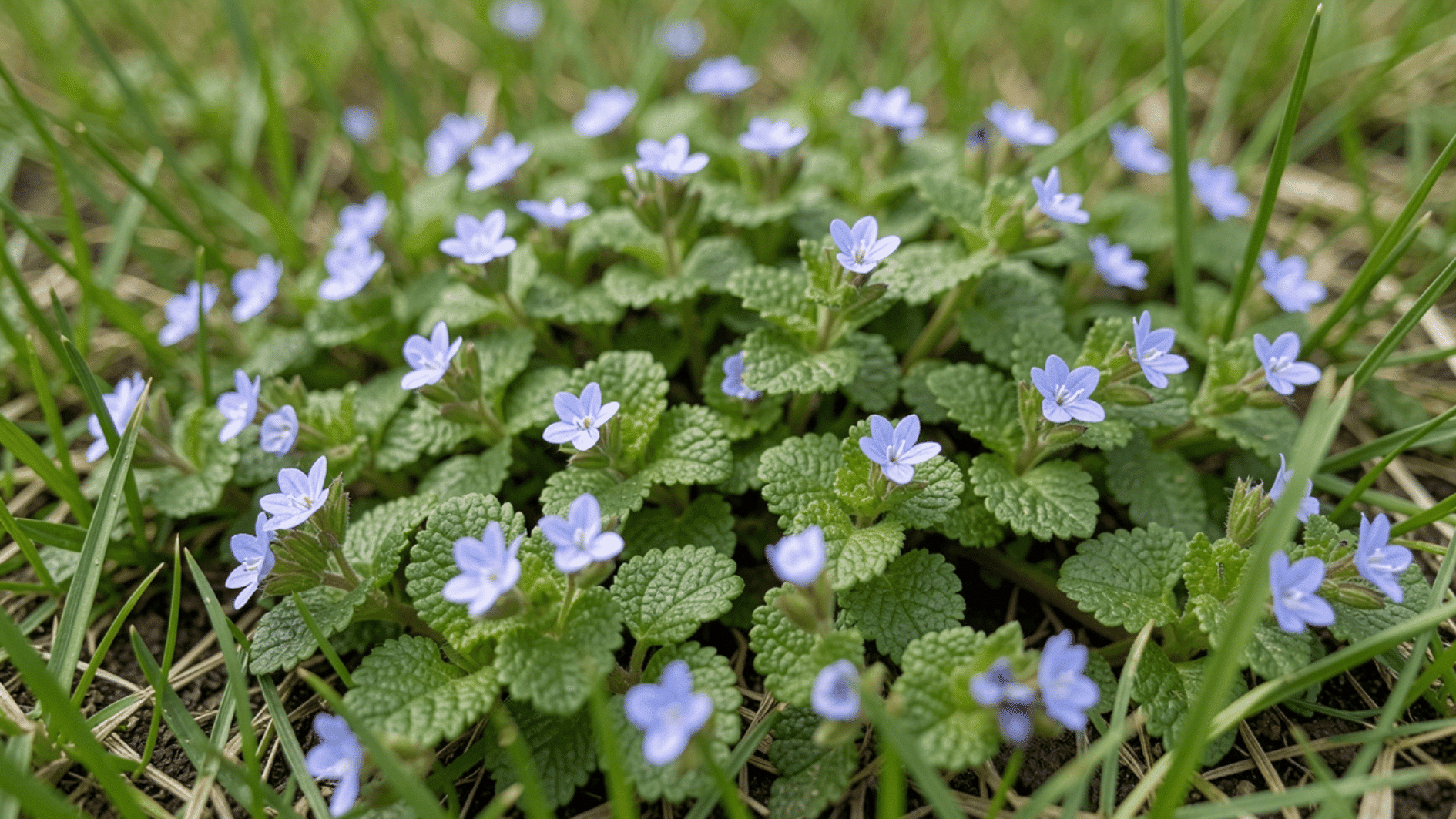
Small oval leaves, tiny blue or purple spring flowers, flat mat growth. Its roots are extremely fine and break apart when pulled, leaving enough behind to regrow.
Compacted, moist soil is where it spreads fastest. Herbicide works better here than hand removal.
5. Crabgrass
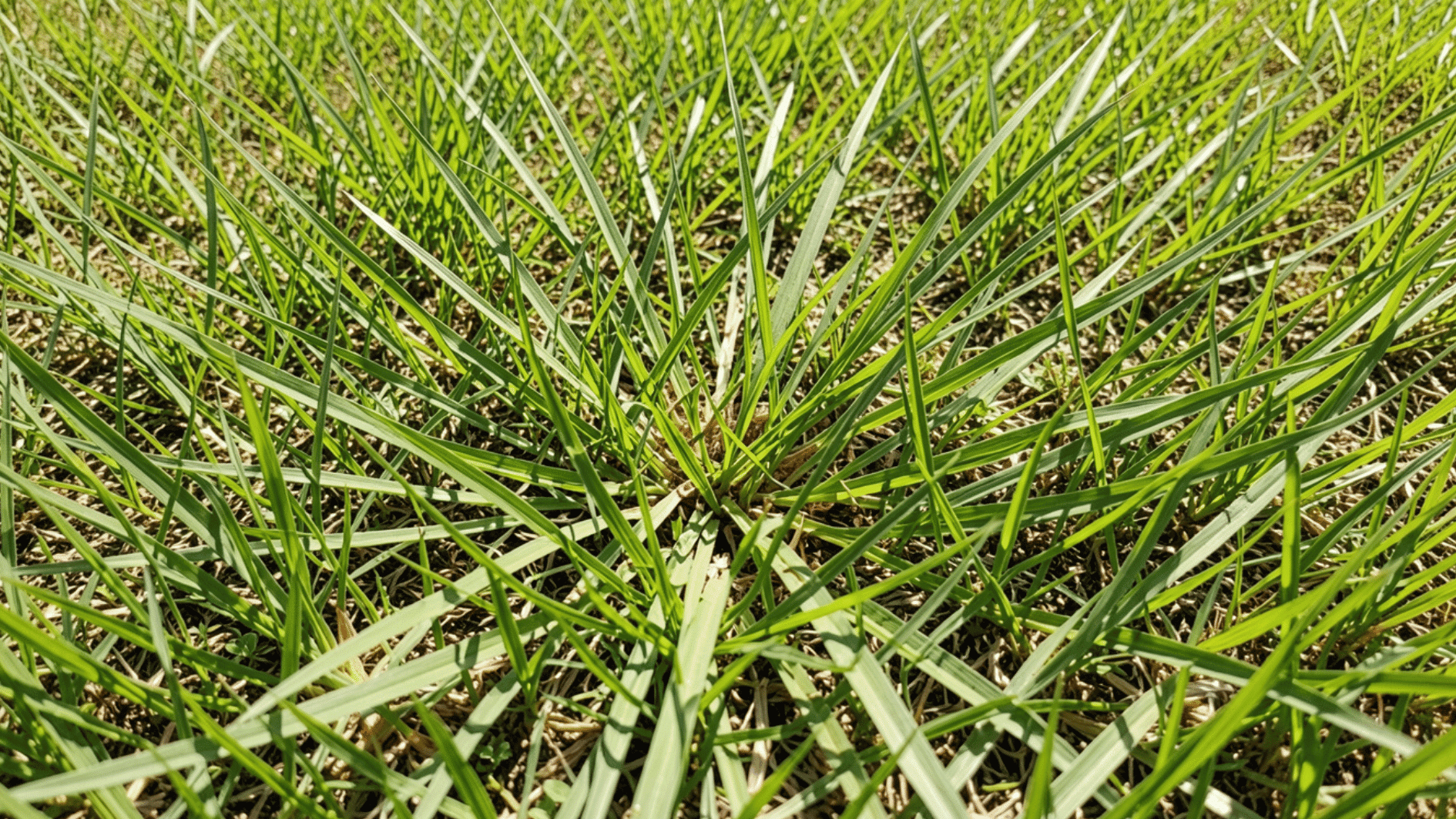
Wide, flat blades fanning out in a low star pattern – lighter green and coarser than your lawn grass.
It’s an annual, but one plant drops up to 150,000 seeds before the first frost. Those seeds overwinter and sprout again every spring without intervention.
6. Oxalis (Wood Sorrel)
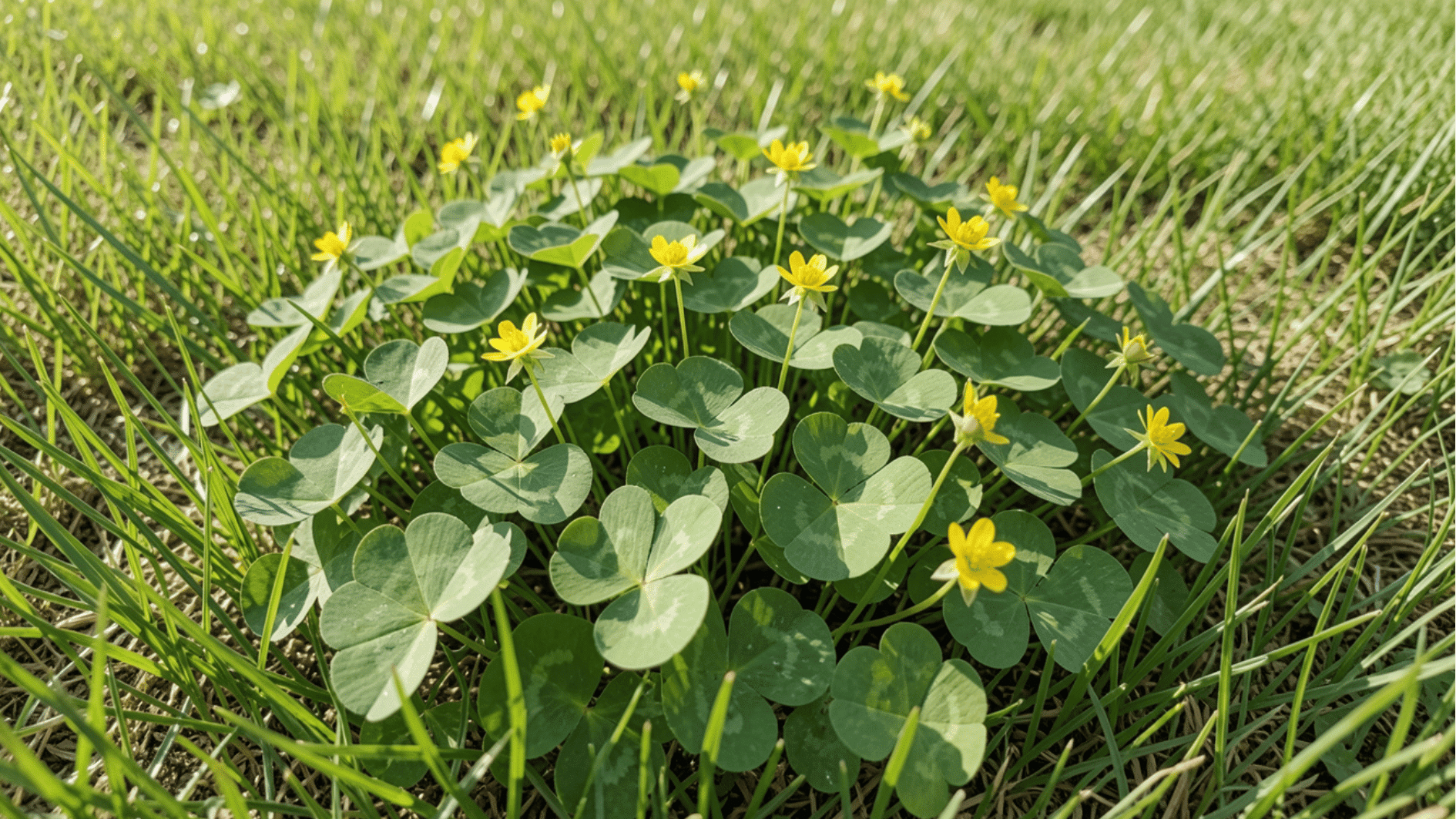
Clover-like leaves with heart-shaped leaflets and small yellow flowers. The seed pods explode when mature, scattering seeds several feet away.
Underground, it has both a taproot and rhizomes – hand-pulling rarely gets enough of the root system to prevent regrowth.
How to Get Rid of Creeping Lawn Weeds?
Getting rid of lawn weeds requires the right method for the right weed – and a realistic expectation that one treatment rarely ends it. Here’s what actually works.
1. Hand Pulling and Manual Removal
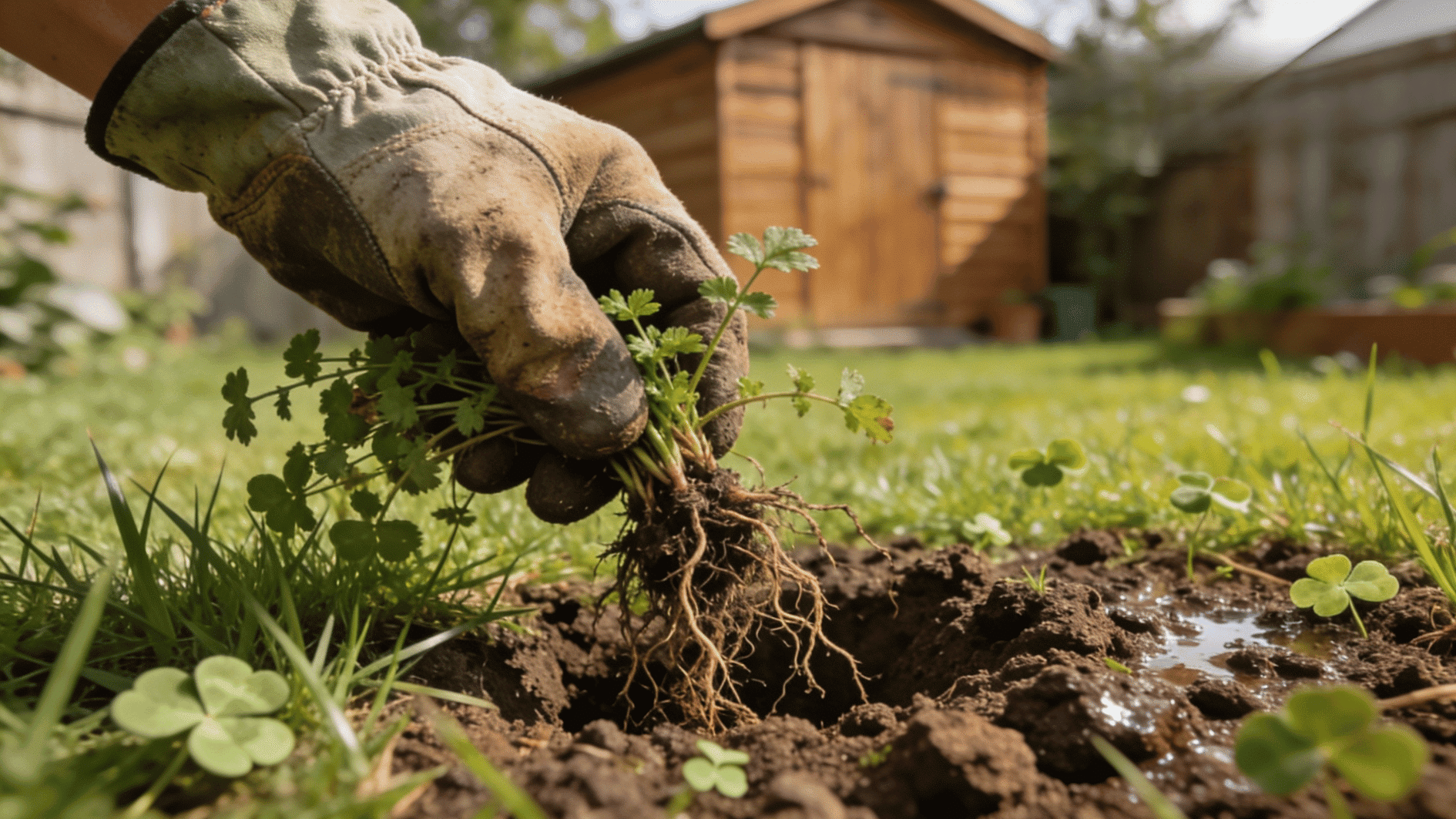
Hand pulling works best when the infestation is still small, and the soil is moist. Dry, compacted soil makes it nearly impossible to extract the full root system.
Tips for doing it right:
- Use a hand weeder or dandelion fork – not just your fingers
- Work after a rain or after watering to loosen the soil
- Go slow and try to get the entire root, not just the top growth
- Check the same area every 2–3 weeks and remove any regrowth immediately
- Don’t compost what you pull – seeds and nodes can survive in compost piles. Bag it and throw it out.
Hand pulling is not effective for speedwell, oxalis, or heavily rooted Creeping Charlie. For those, you’ll need additional help.
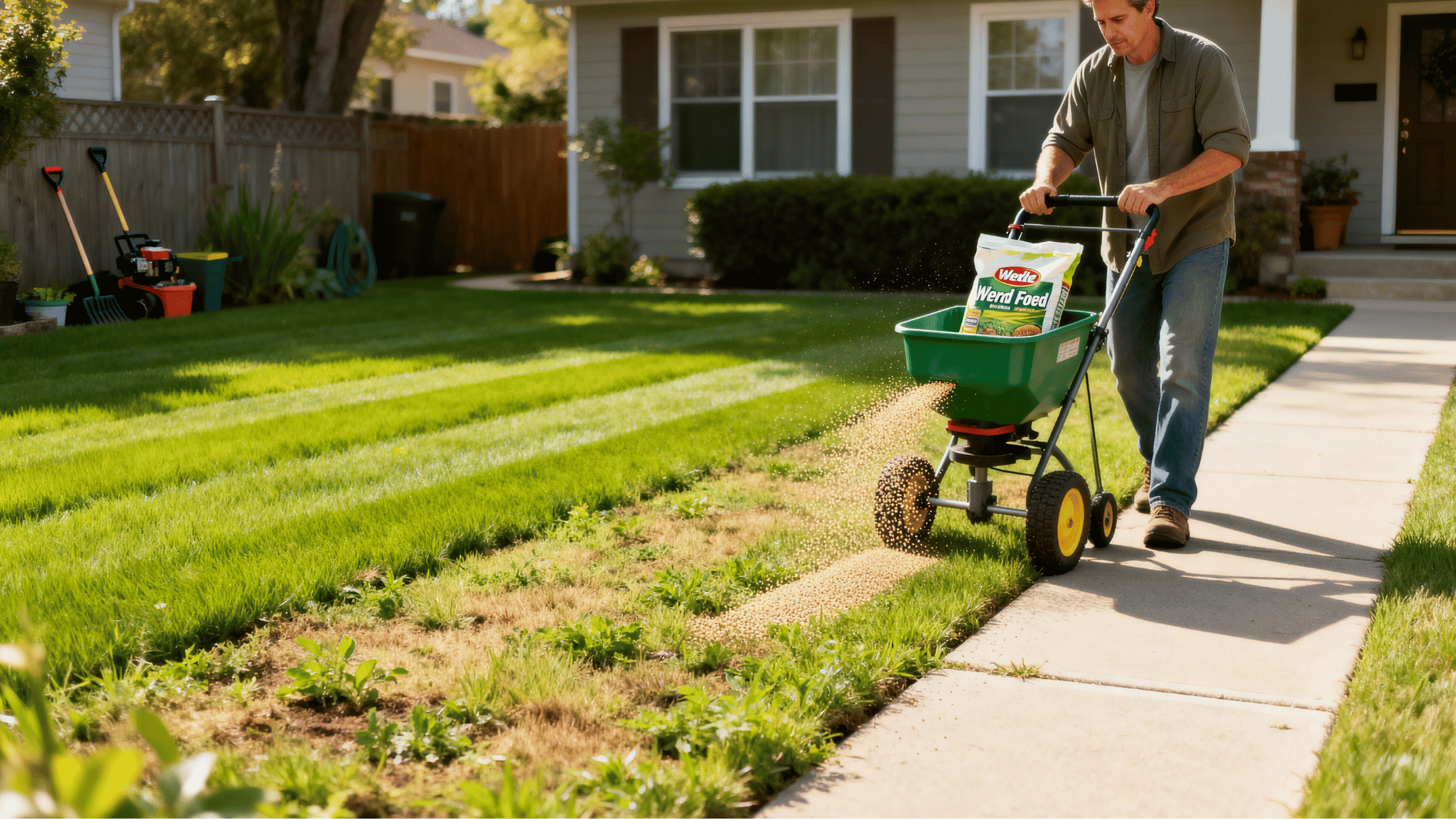
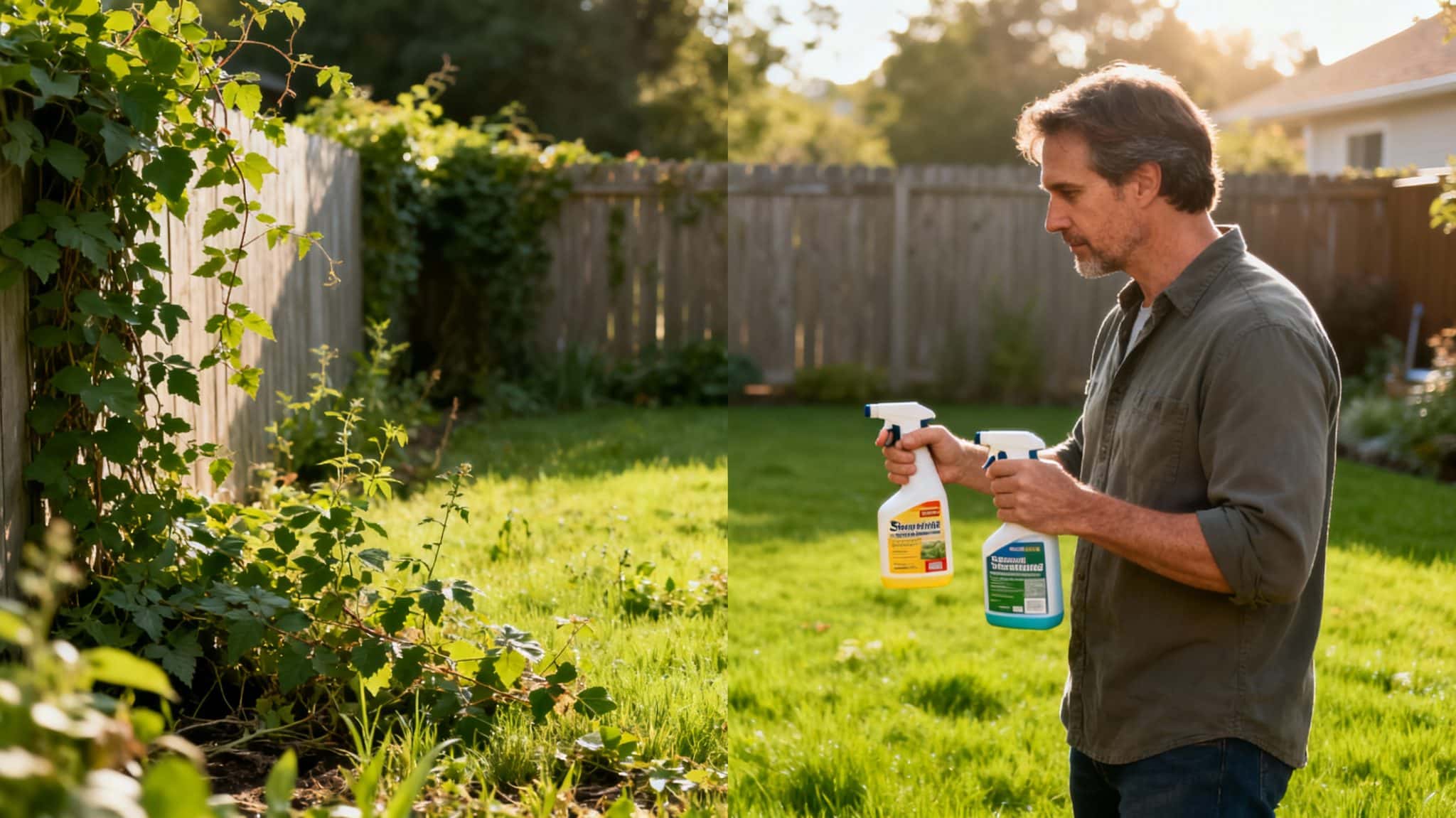
2. Herbicide Treatments
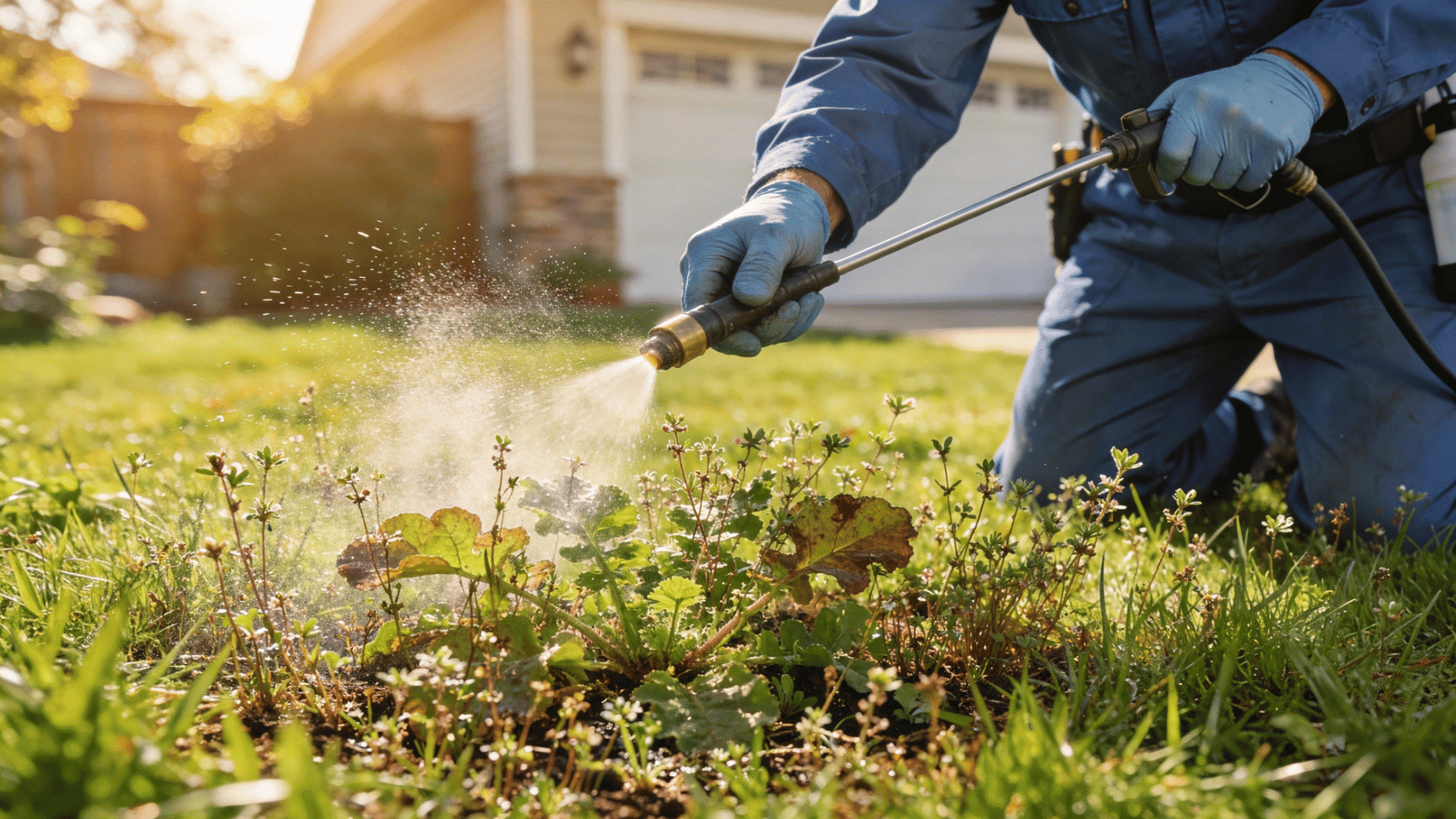
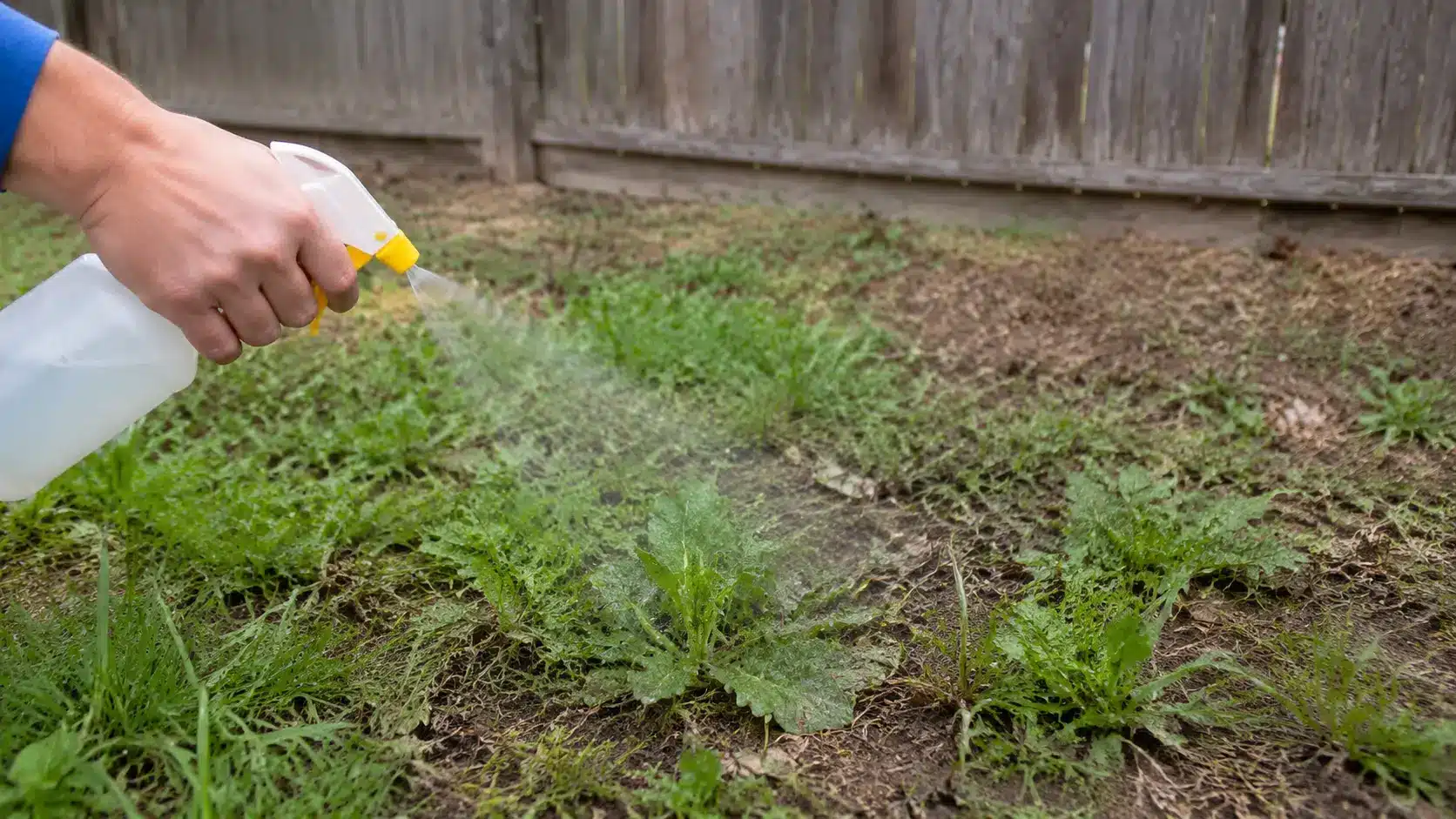
For widespread creeping lawn weeds, herbicides are often the most practical solution – but product choice and timing matter a lot.
| Herbicide Type | Best For | When to Apply |
|---|---|---|
| Selective post-emergent | Broadleaf weeds (clover, Creeping Charlie, speedwell) | Fall, when weeds are actively growing |
| Pre-emergent |
Crabgrass |
Early spring, before the soil reaches 55°F |
| Non-selective (spot treatment) | Isolated patches away from the grass | Any active growth period |
Active ingredients to look for in selective broadleaf herbicides: triclopyr, dicamba, and 2,4-D. Products that combine these are often more effective than single-ingredient options.
A few important rules:
- Never apply before rain – runoff dilutes the product and can harm nearby plants
- Always follow label directions for mixing, timing, and re-application intervals
- For Creeping Charlie specifically, fall application is significantly more effective than spring application
3. Organic and Natural Options
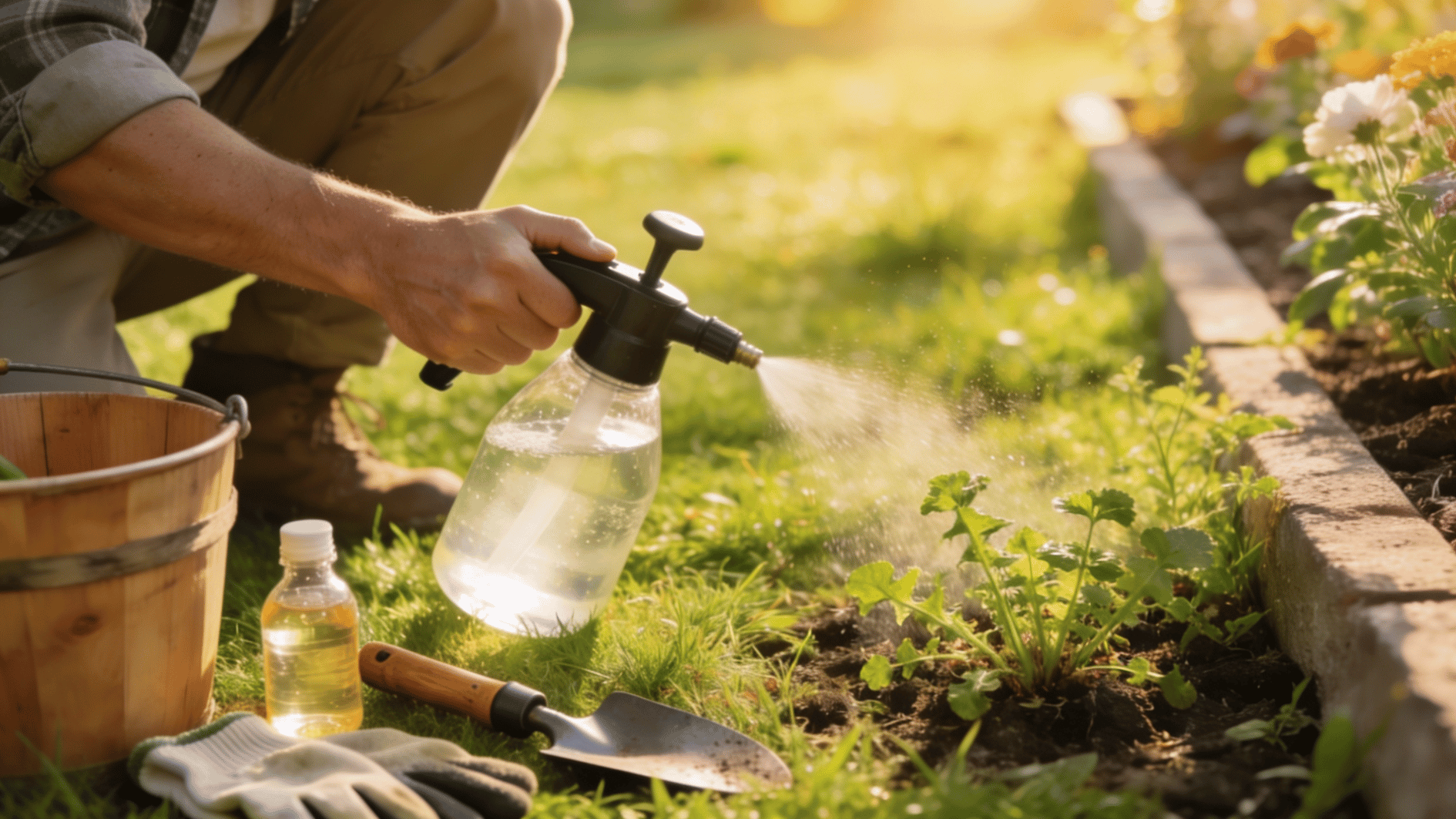
If you prefer to keep chemicals off your lawn, there are natural approaches that can reduce creeping weeds over time – though they generally work more slowly and need to be repeated.
- Corn gluten meal – Acts as a natural pre-emergent by limiting seed germination. Apply in early spring.
- Vinegar or boiling water – Effective for spot treatment, but use carefully. Both will kill the surrounding grass just as easily as the weeds.
- Solarization – For heavily infested patches: lay clear plastic sheeting over the area and leave it for 4–6 weeks in summer. The trapped heat kills weeds and seeds. You’ll need to reseed after.
Be honest about the limitations here: organic methods work best as part of a prevention strategy, not as a cure for an established infestation.
Prevent Creeping Weeds from Coming Back
Removing weeds is only half the job. A thick, healthy lawn is your best long-term defense – creeping weeds can’t get a foothold where grass is already growing well.
| Lawn Problem | What You Should Do | Why It Helps |
|---|---|---|
| Thin or Bare Grass | Overseed thin areas | Thick turf crowds out creeping weeds naturally. |
| Weed Seeds Sprouting | Mow at 3–4 inches | Taller grass shades the soil and blocks weed growth. |
| Weak Grass Growth | Fertilize on schedule | Healthy grass competes better against weeds like clover. |
| Compacted Soil | Aerate the lawn | Looser soil helps grass roots grow stronger. |
| Shallow Grass Roots | Water deeply, not often | Deep roots create healthier and tougher turf. |
| Wet Lawn Areas | Fix drainage problems | Dry soil conditions make it harder for weeds to spread. |
Conclusion
Creeping lawn weeds are frustrating – but they’re manageable once you know what you’re working with.
Start by identifying exactly which lawn weeds are in your yard, because each one responds best to specific treatments.
From there, pick a removal approach that fits your situation, and back it up with consistent lawn care habits that make your turf harder to invade.
One treatment won’t fix everything. But when you mow at the right height, feed your lawn properly, and catch new growth early, you’re not just removing weeds – you’re building a lawn that doesn’t give them room to come back.