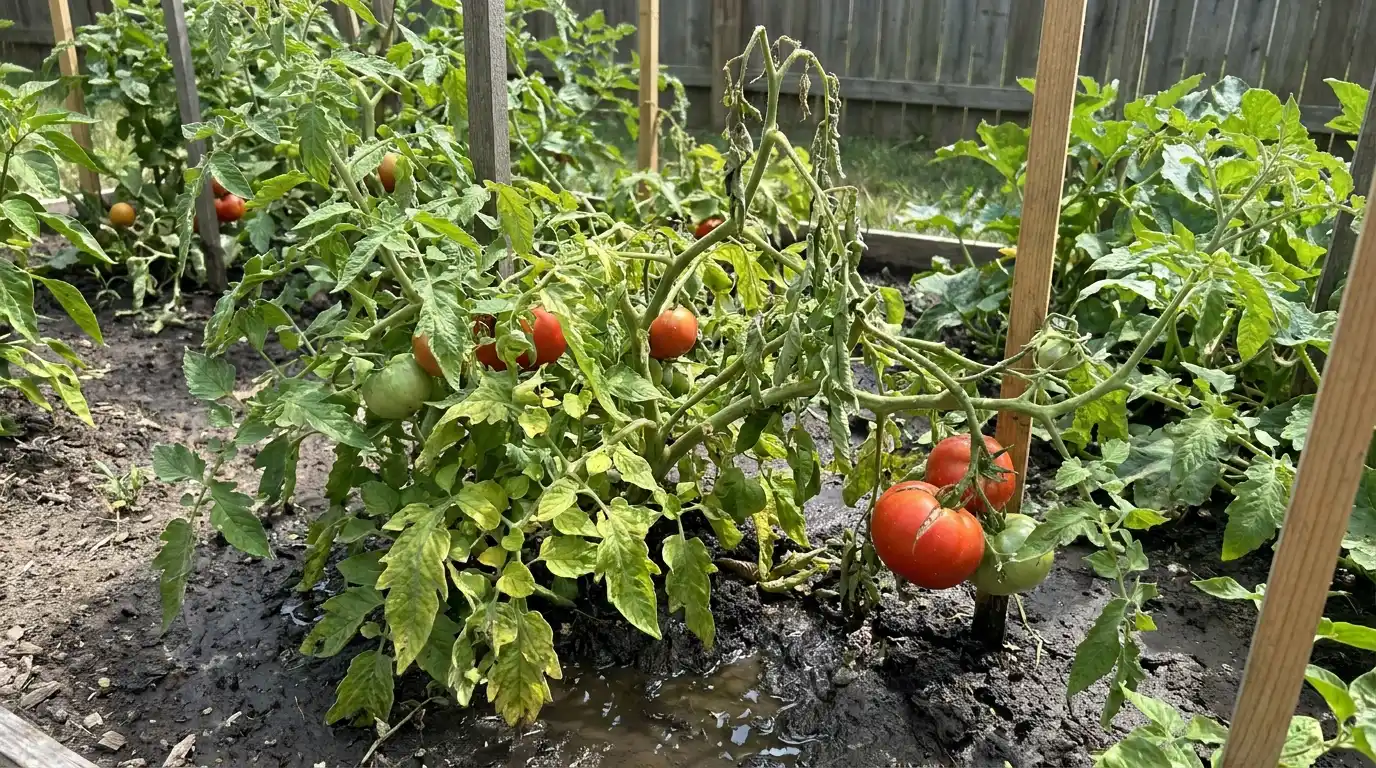
Tomatoes love regular water, but too much of it can quietly work against them. When soil stays wet for too long, roots struggle to breathe, and an overwatered tomato plant starts showing signs of trouble that are easy to miss or mistake for something else.
A few simple checks can tell you whether water is the real cause, long before it becomes harder to manage. Once you know what a stressed root system looks and feels like, the pattern becomes much easier to spot.
Catching the problem early usually means your overwatered tomato plant bounces back fully, while ignoring it can lead to damage that’s much harder to undo later on.
Why Does Overwatering Happen?
Most overwatering starts with habits rather than mistakes. Watering on a fixed schedule instead of checking the soil first is the biggest cause, since plants end up getting water even when they don’t need it. A few other common triggers:
- Shallow, frequent watering instead of deep, spaced-out sessions
- Pots or garden beds with poor drainage
- Low-lying spots where rain collects
- Not adjusting the routine after heavy rainfall
- Treating container and ground plants the same, when containers dry out faster and need different care
Once water builds up faster than the roots can use it, the soil stays wet longer than it should, and that’s when the real trouble begins.
How to Tell Overwatering Apart From Underwatering
Both problems can look surprisingly similar at first glance, which is why so many gardeners treat one issue as the other. Checking a few basic traits side by side makes the difference clear.
| Check | Overwatered Tomato | Underwatered Tomato |
|---|---|---|
| Soil | Wet or soggy | Dry |
| Leaves | Droopy, soft, sometimes yellow | Droopy, dry, or crispy |
| Lower leaves | Often yellow | May dry or brown |
| Stems | Soft or weak in severe cases | Usually firm |
| After watering | Symptoms may worsen or stay the same | Often improves after watering |
| Roots | Brown/black and mushy if rotting | Usually firm unless badly stressed |
When the signs feel mixed, the soil is always the most reliable place to start. A quick finger test a few inches down tells you more than the leaves ever will.
Signs of an Overwatered Tomato Plant
Overwatering affects tomato plants in stages, starting below the soil and moving up through the leaves, stems, and fruit over time. Recognizing these signs early makes recovery far easier, while ignoring them can lead to lasting, serious damage each season.
1. Soggy, Waterlogged Soil
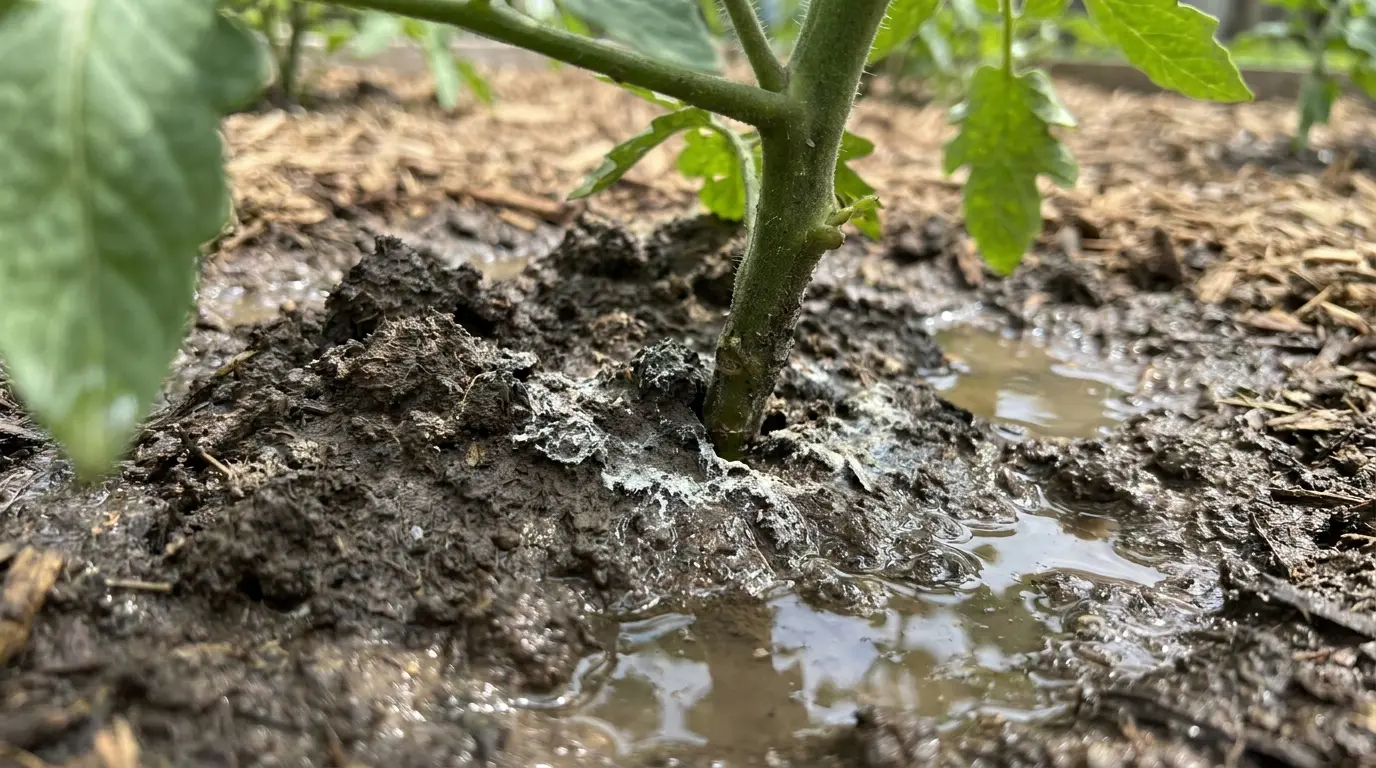
The first clue often shows up right at the base of the plant. Standing water, a foul smell, or a white or dark crust on the soil surface usually means water isn’t draining properly.
Press a finger into the soil near the stem. If the soil stays soggy several inches below the surface, the roots are getting more moisture than they can use. Poor drainage, frequent watering, or recent heavy rain may be responsible.
2. Drooping Leaves and Stems That Stay Soft
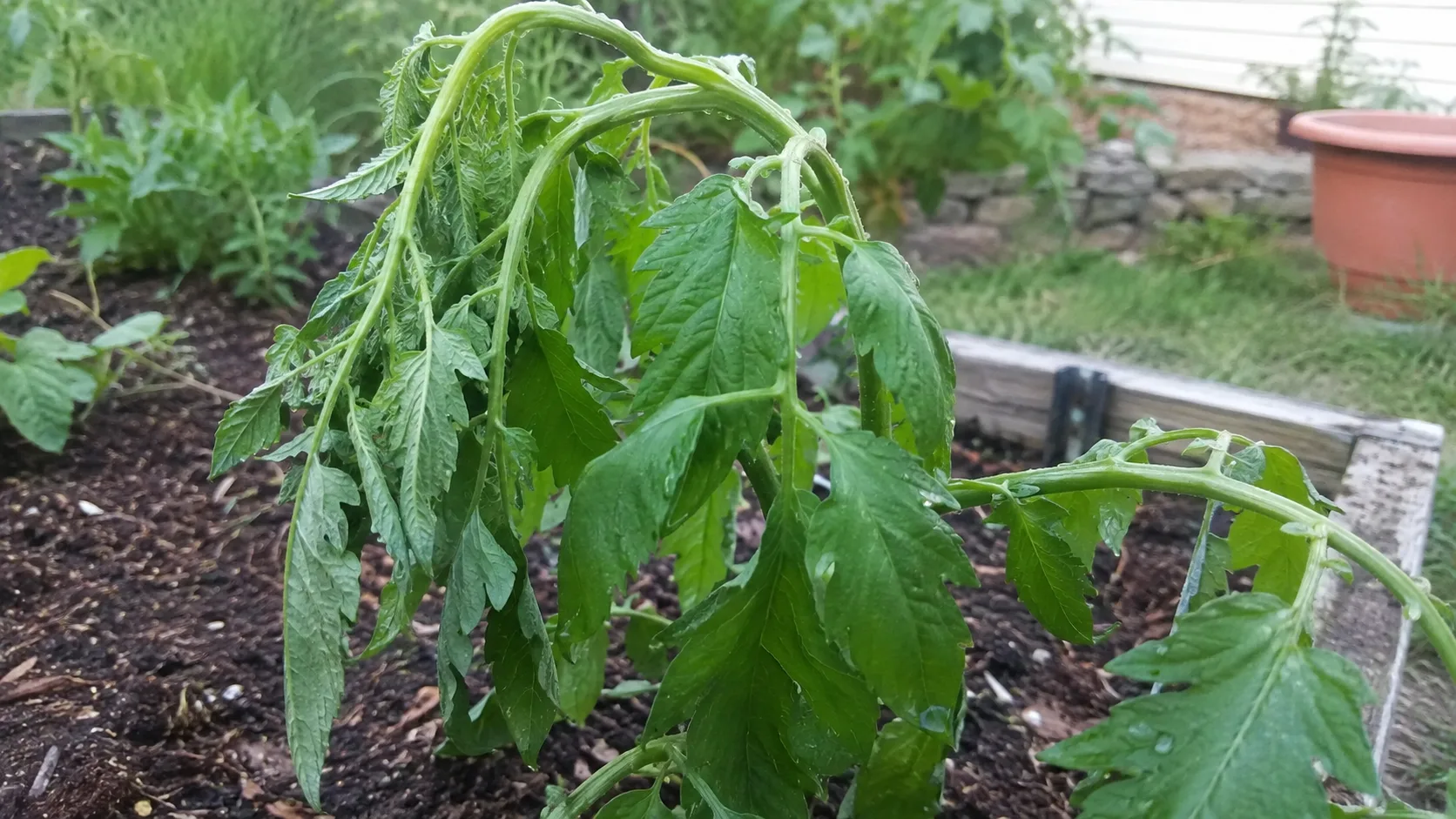
Drooping leaves and stems can look like thirst, but texture tells the real story. Overwatered foliage stays soft, mushy, and green, while underwatered leaves turn dry and crispy.
Gently squeeze a drooping stem – if it feels weak and waterlogged rather than brittle, too much moisture is weighing the plant down. This distinction matters, since watering more at this stage only worsens the damage.
3. Yellowing Leaves
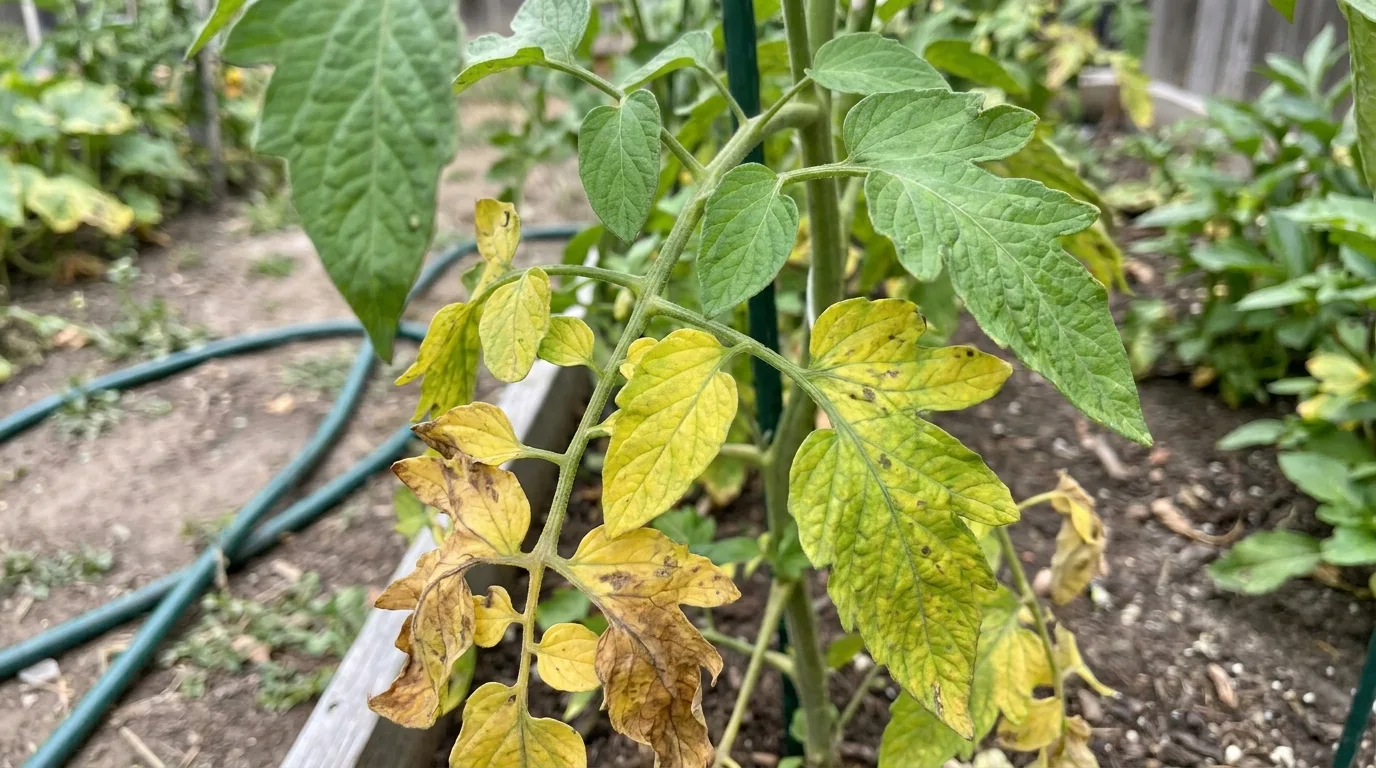
Yellow leaves usually start lower on the plant before spreading upward. This happens because saturated roots struggle to move nutrients through the plant, leaving older leaves starved first.
Occasional black spots point to a more advanced fungal issue tied to the same excess moisture. Either way, checking the soil right away confirms whether excess watering is behind the discoloration before the issue spreads further.
4. Mushy, Dark Roots
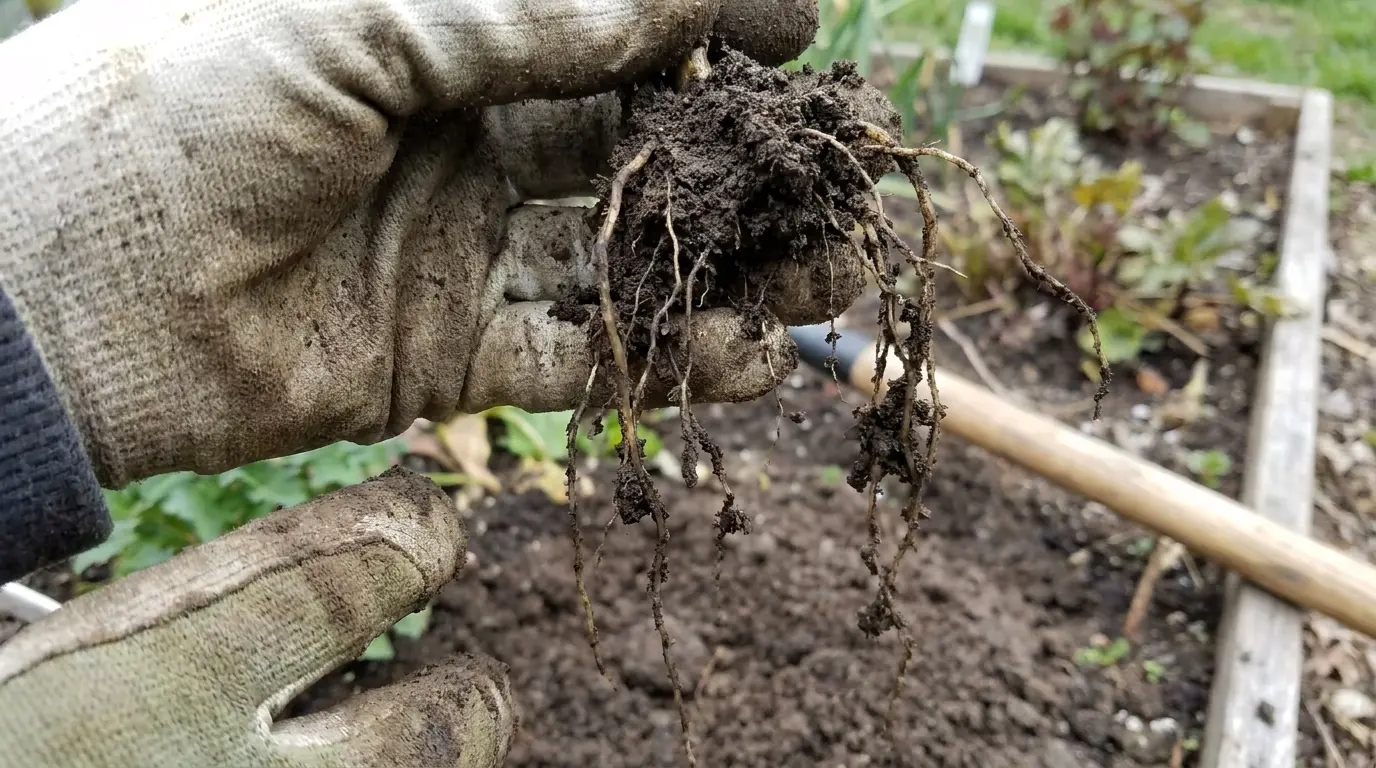
Roots tell the clearest story, even though they’re hidden underground. Gently dig a few inches near the base to check them.
Healthy roots feel firm and look pale, while overwatered roots turn brown or black and feel limp and mushy to the touch. If the roots have already broken down this way, root rot has set in and needs quick action.
5. Cracked Fruit or Blistered Leaves
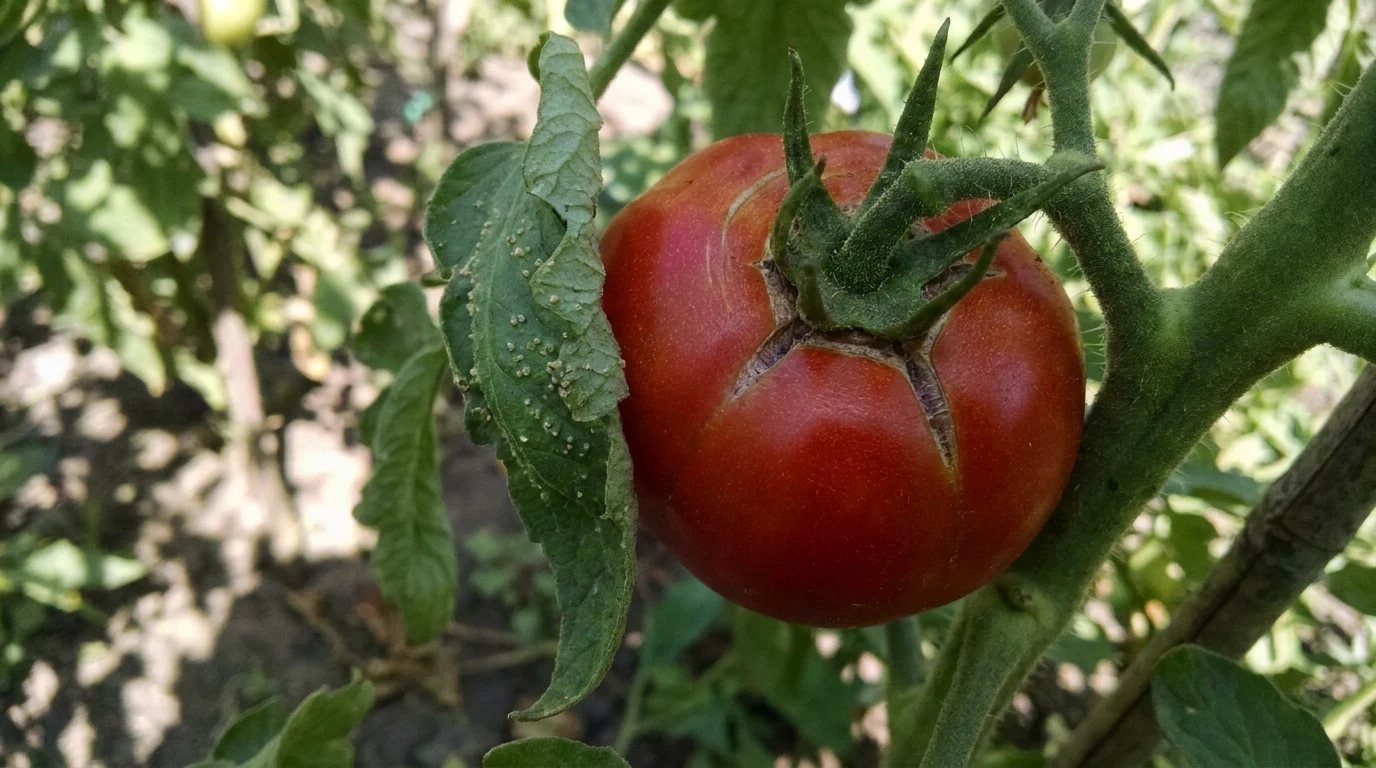
By the time fruit and leaves show damage, overwatering has usually been going on for a while. Raised bumps or blisters can appear on leaf surfaces, while fruit develops cracks after sudden, heavy watering following a dry spell, a pattern that can look a lot like the sun and heat damage tomatoes get from sudden temperature swings.
Both point to inconsistent moisture rather than steady care, and often show up right as tomatoes are close to ripening, making the harvest less reliable overall.
How to Confirm Whether Overwatering Is the Problem
When soil and leaf checks still leave the cause unclear, the surrounding growing conditions usually fill in the gap.
- Step 1: Revisit What You Already Checked – Keep the soil feel and leaf texture from earlier in mind – they’re your starting clues, not the full picture.
- Step 2: Look at Drainage – Poor drainage or compact soil traps water near the roots, even when watering seems reasonable.
- Step 3: Consider the Planting Spot – Low-lying areas or beds that collect rain often hold excess moisture longer than expected.
- Step 4: Factor In Recent Weather – Heavy rainfall shortly before symptoms appeared often explains what watering alone wouldn’t.
Together, these details confirm whether the environment, not just watering habits, is behind the problem.
How to Fix an Overwatered Tomato Plant
Once you confirm overwatering, the priority shifts to drying things out and giving roots room to recover.
| Situation | What to Do |
|---|---|
| Potted plants | Remove from pot, gently shake off wet soil, trim mushy roots, repot in fresh dry mix |
| Garden plants | Dig up carefully, rinse roots, trim damaged parts, replant in a drier spot with room to spread |
| Either case | Withhold water for several days until soil dries out fully |
| After recovery | Feed with a balanced fertilizer once new growth appears, not before |
Large, fruit-heavy plants recover more slowly and may lose leaves temporarily, but new growth within a week or two usually signals the plant is on track.
Recognizing a Plant That Won’t Recover
Some plants pass a point where drying out the soil no longer helps. If the stem feels soft and dark well above the soil line, not just at the roots, the rot has likely spread too far to reverse.
Widespread wilting that doesn’t respond after several days of dry soil, combined with little to no green growth left near the base, strongly suggests the damage has taken over. Waiting two to three weeks without any new shoots is usually the clearest signal.
At that stage, removing the plant and starting fresh in clean, dry soil gives better results than continuing to nurse one that’s already lost the fight.
How to Prevent It Going Forward
Preventing overwatering comes down to a few daily habits, not a fixed schedule.
- Check the soil before watering: press a finger in a couple of inches; only water if it feels dry
- Water at the base, in the morning: this cuts down evaporation and keeps leaves dry, lowering disease risk
- Use mulch: a couple of inches around the base holds moisture evenly, so you’re not watering on guesswork
- Never make up for a missed day with extra water: one heavy dose overwhelms roots faster than a skipped day ever would
- Adjust for containers separately: potted plants dry out faster and often need daily attention, especially in hot weather
Small, consistent checks do more for long-term health than any strict routine.
Overwatering vs. Other Tomato Problems
Several tomato problems mimic overwatering closely enough to cause confusion, so it helps to know what else could be at play before assuming water is the cause.
| Symptom | Could Also Mean |
|---|---|
| Yellow leaves | Nitrogen deficiency, natural aging of lower leaves |
| Curling leaves | Heat stress, aphid or pest damage |
| Spotted or blackened patches | Fungal disease unrelated to watering, like early blight |
| Cracked fruit | Sudden temperature swings, not just water |
If soil and root checks come back normal, the real cause is likely something other than watering. Ruling this out first prevents unnecessary changes to a routine that may already be working fine.
Frequently Asked Questions
How long does it take a tomato plant to recover from overwatering?
Most plants bounce back within one to two weeks after the soil dries out and damaged roots are trimmed. Severely affected plants may take longer, especially if root rot had already set in.
Can an overwatered tomato plant still produce fruit?
Yes, if caught early. Mild cases often continue fruiting normally once watering is corrected. Severe root damage, though, usually reduces both fruit size and overall yield for that season.
Should I remove yellow leaves from an overwatered plant?
Yes, trimming badly yellowed or damaged leaves helps the plant focus energy on new, healthy growth instead of trying to repair leaves that won’t recover.
Is it normal for tomato leaves to droop briefly after heavy rain?
Yes, temporary drooping after rain is common and usually resolves on its own. Prolonged drooping lasting more than a day or two signals a deeper watering issue.
Do seedlings show overwatering signs differently than mature plants?
Seedlings react faster and more severely, often collapsing or developing damping-off disease within days, while mature plants tend to show gradual stress over a longer period.
Final Takeaway
An overwatered tomato plant rarely stays a mystery for long once you know what to look for. Most watering issues show up early, and a plant given the chance to dry out and reset usually rewards that patience with fresh growth.
The real skill isn’t memorizing every symptom; it’s building a habit of checking before reacting, since soil rarely lies even when leaves send mixed signals. Seasons change, rainfall varies, and containers behave differently from garden beds, so a little flexibility goes a long way.
Stay observant, adjust as conditions shift, and your overwatered tomato plant will have everything it needs to recover fully and keep growing strong right through harvest.