Tired of eating noodles every time you want something warm in winter? When it is cold outside, quick comfort food feels tempting, but you may still want meals that are healthier, filling, and easy to make.
That is where winter vegetables can help. I will show you what winter vegetables are, how to cook them, and how to add them to breakfast, lunch, dinner, and leftovers.
You will also find easy recipe ideas, seasoning tips, storage help, and common mistakes to avoid. By the end, you will have simple ways to eat warm, nourishing meals without always reaching for noodles.
What are Winter Vegetables?
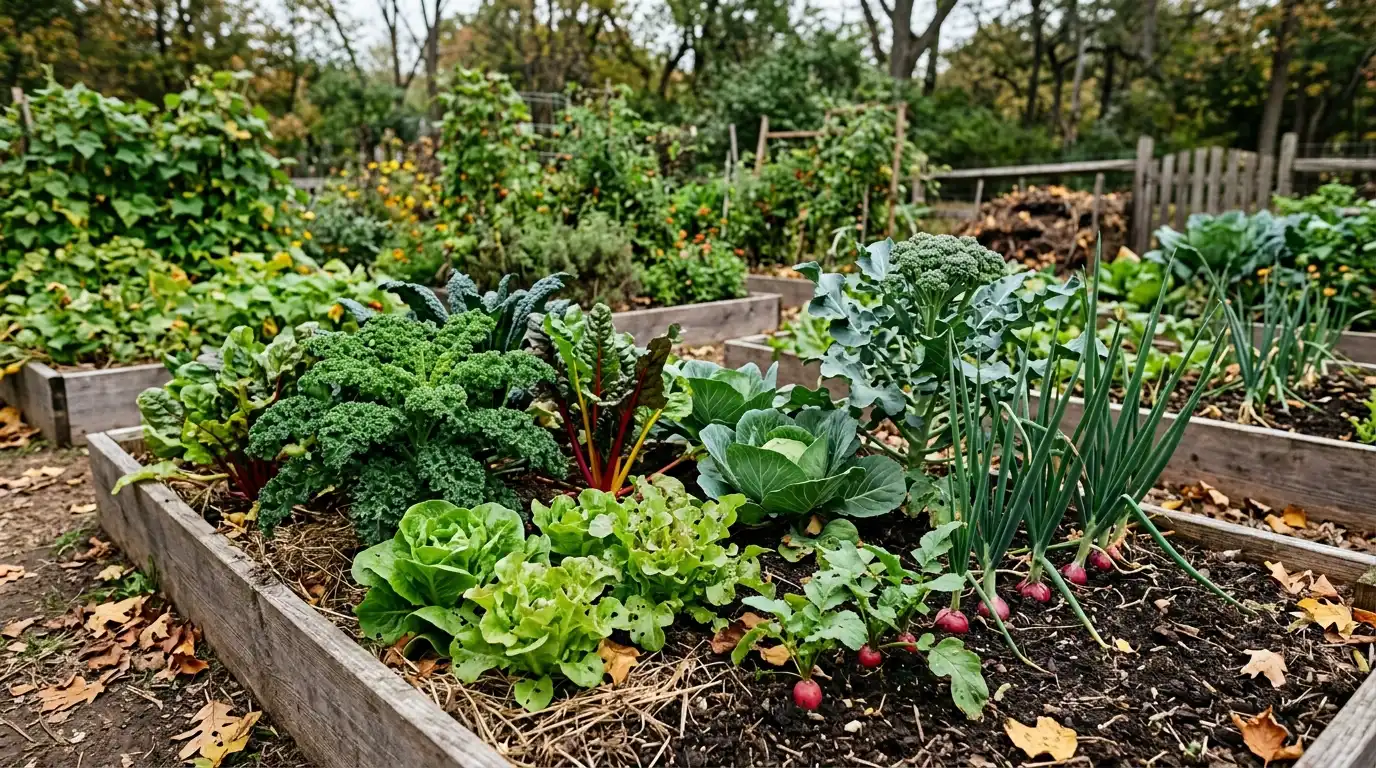
Winter vegetables are vegetables that grow well in cool weather or are easy to find during the winter season.
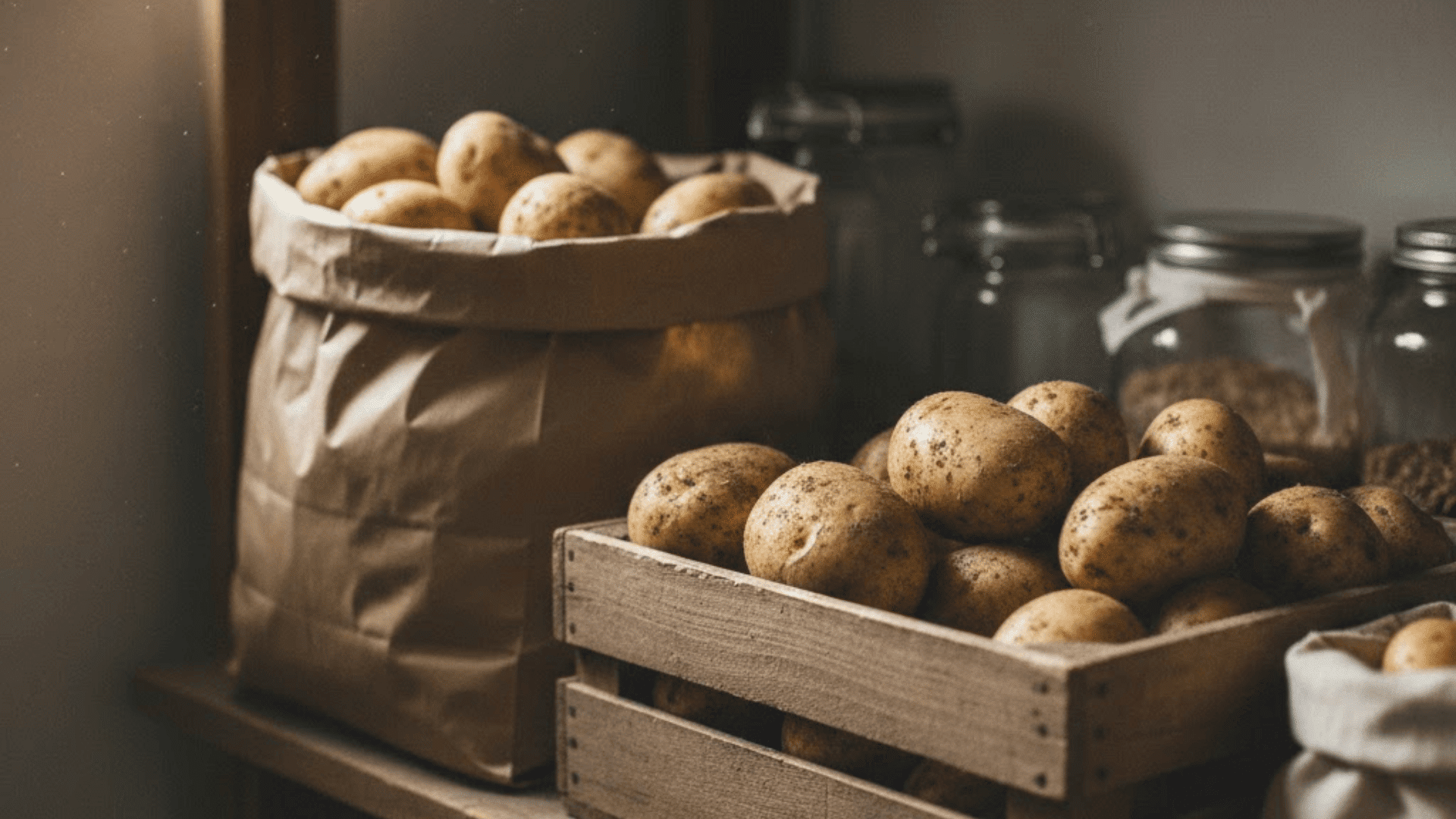
They include root vegetables like carrots, parsnips, turnips, rutabaga, potatoes, sweet potatoes, beets, and celeriac.
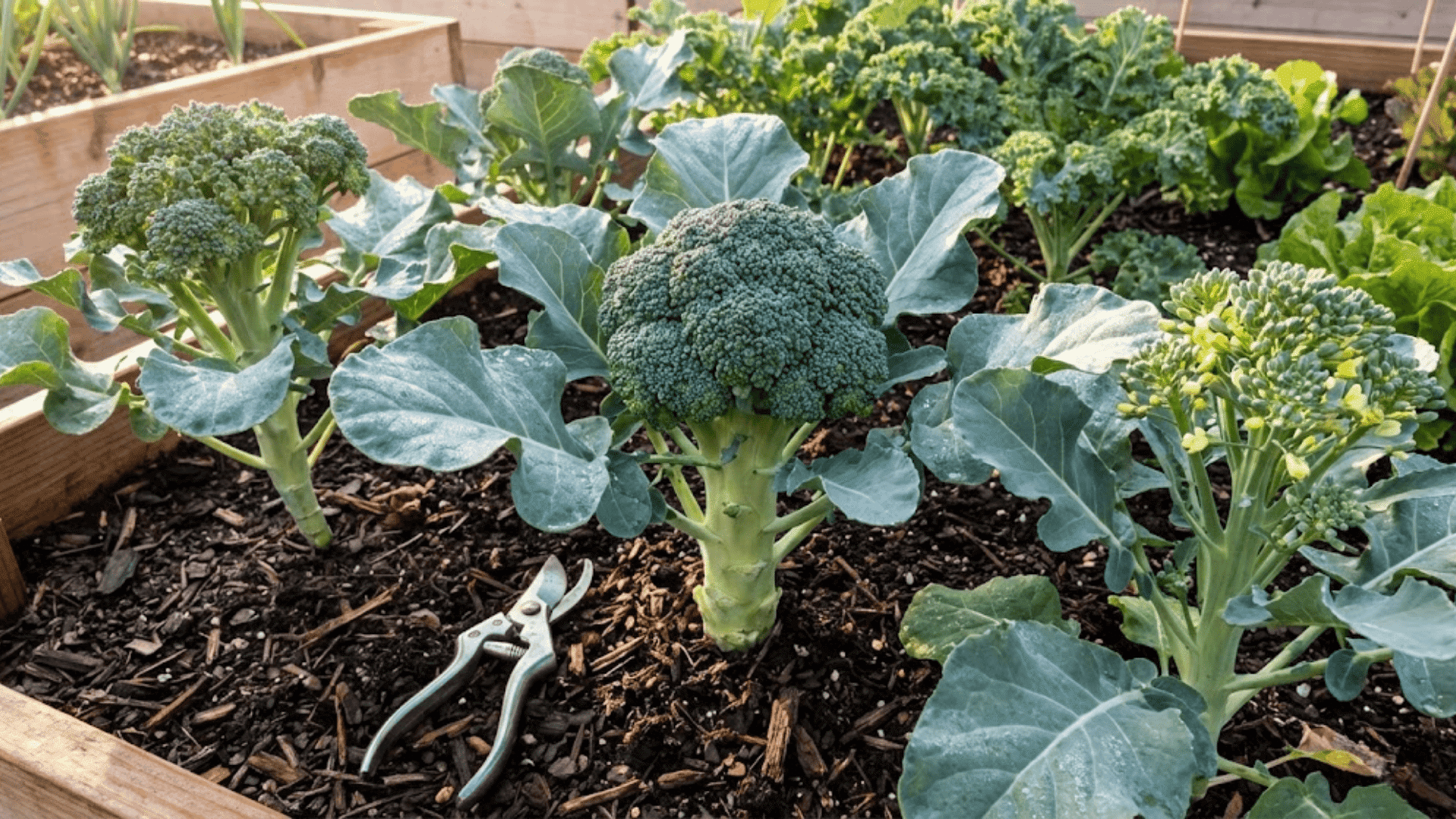
They also include cruciferous vegetables and greens such as Brussels sprouts, cabbage, cauliflower, broccoli, kale, and leeks, as well as onions, garlic, pumpkin, butternut squash, acorn squash, and mushrooms.
These vegetables are filling, comforting, and easy to use in warm meals. You can roast, boil, mash, bake, or add them to soups, stews, grains, beans, meat, and lentils.
Best Ways to Cook Winter Vegetables
I always find winter vegetables easier to use when I think of them as more than just side dishes. They can turn into cozy soups, crisp roasted trays, creamy mashes, filling casseroles, pasta meals, rice bowls, and hearty salads.
1. Roast Them for Easy Flavor
Roasting is one of the easiest ways to cook winter vegetables because the oven does most of the work. It brings out their natural sweetness and gives them crisp, browned edges while keeping the inside soft and tender.
Carrots, potatoes, sweet potatoes, parsnips, Brussels sprouts, cauliflower, beets, squash, and onions all roast well. You can keep the seasoning simple with olive oil, salt, pepper, and garlic, or add herbs like rosemary and thyme. Roasted winter vegetables make a great side dish, bowl topping, salad base, or quick meal prep option for the week.
Tip: Cut the vegetables into similar-sized pieces so they cook evenly.
2. Add Them to Soups and Stews
Winter vegetables are perfect for soups and stews because they hold their shape, add flavor, and make meals feel warm and filling. Cabbage, potatoes, carrots, cauliflower, kale, pumpkin, butternut squash, and sweet potatoes all work well in the pot.
You can make creamy soups by blending cooked pumpkin, squash, cauliflower, or sweet potatoes. For a heartier meal, add winter vegetables to chunky soups, lentil soups, bean soups, or slow-cooked stews. They pair well with broth, herbs, garlic, onions, spices, beans, lentils, chicken, or grains.
Tip: Add leafy greens like kale near the end so they stay fresh and tender.
3. Mash or Puree Them
Mashing or pureeing winter vegetables is a simple way to turn them into smooth, comforting sides. Potatoes, parsnips, rutabaga, celeriac, sweet potatoes, and cauliflower are great choices because they become soft and creamy when cooked.
You can boil, steam, or roast them first, then mash with butter, olive oil, garlic, herbs, cheese, Greek yogurt, or buttermilk. Mashed vegetables work well with roasted meats, lentils, beans, stews, and holiday meals. You can also mix two vegetables together, like potatoes and celeriac or sweet potatoes and cauliflower, for more flavor.
Tip: Warm the butter, milk, or yogurt before mixing for a smoother texture.
4. Bake Them Into Casseroles and Gratins
Casseroles and gratins are great for turning winter vegetables into cozy, family-style meals. Vegetables like cauliflower, potatoes, sweet potatoes, celeriac, leeks, onions, and squash bake well with cream, cheese, herbs, breadcrumbs, or a simple sauce.
You can make sweet potato gratin, cauliflower bake, potato and celeriac gratin, or butternut squash casserole. These dishes are rich, filling, and easy to serve with roasted chicken, fish, beans, or a green salad. They also work well for holidays, potlucks, or make-ahead dinners because many can be prepped before baking.
Tip: Slice firm vegetables thinly so they become tender without overbaking.
5. Use Them in Pasta, Rice, and Grain Bowls
Winter vegetables are easy to add to pasta, rice, and grain bowls when you want a full meal with more color and texture.
Broccoli pasta, pumpkin risotto, roasted vegetable rice bowls, farro with roasted carrots and kale, sweet potato and chickpea bowls, and cauliflower fried rice are all simple options. You can roast the vegetables first for a deeper flavor or cook them directly into the dish.
Add beans, lentils, eggs, chicken, tofu, cheese, nuts, or seeds to make the meal more filling. A sauce or dressing can tie everything together.
Tip: Use leftover roasted vegetables to make fast bowls or pasta the next day.
6. Make Winter Salads
Winter salads can be warm, roasted, crunchy, or a mix of all three. Kale, cabbage, broccoli, roasted carrots, beets, Brussels sprouts, and fennel work well because they can handle heavier dressings and toppings.
You can serve them raw, roasted, lightly steamed, or tossed with grains for a more filling meal. Add nuts, seeds, cheese, citrus, lentils, chickpeas, or a grain base like quinoa, farro, or brown rice. A bright dressing with lemon juice, vinegar, mustard, or yogurt helps balance the earthy taste of winter vegetables.
Tip: Massage kale or cabbage with a little dressing to soften it before serving.
Easy Winter Vegetable Recipes To Try
These ideas are easy to make, use common cold-weather vegetables, and fit into everyday meals. You can make quick sides, filling soups, cozy bakes, pasta dinners, and simple one-pot meals with the same vegetables you may already have at home.
Note: Approx. Carbs are total carb estimates per serving, not net carbs. They can change based on vegetable size, brands, and toppings.
1. Roasted Mix Winter Veggies
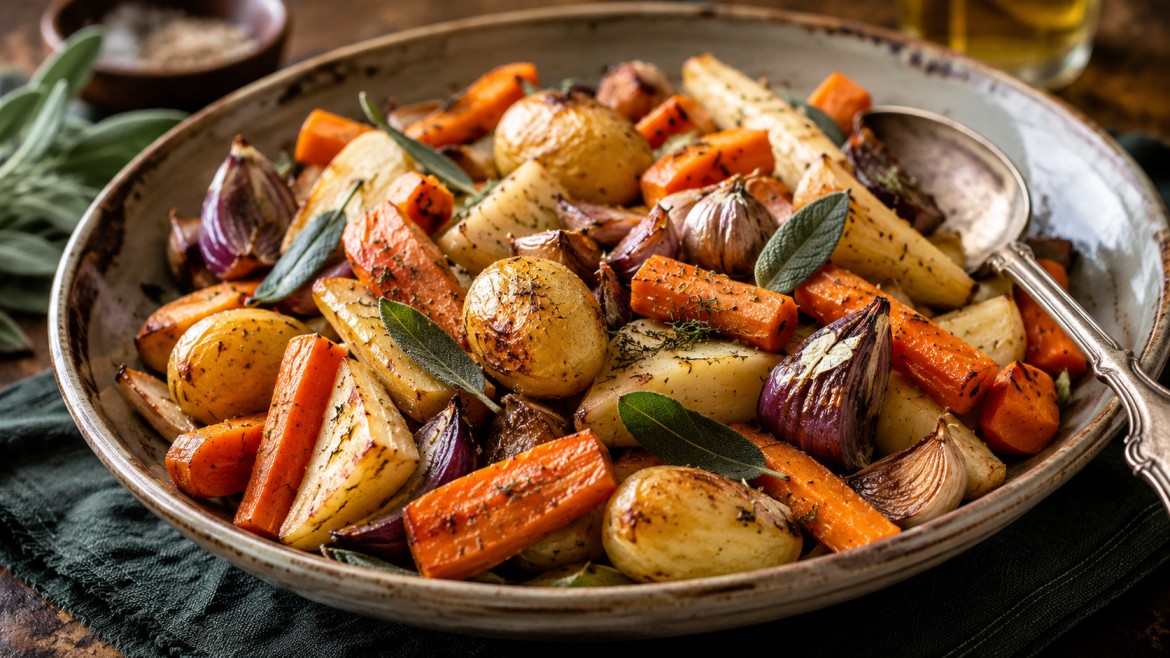
Prep time: 10 minutes | Cook time: 25 to 35 minutes | Serves: 4
Ingredients: 2 chopped carrots, 2 chopped potatoes or sweet potatoes, 1 cup cauliflower or broccoli florets, 1 cup halved Brussels sprouts, 1 onion cut into wedges, 1 cup cubed butternut squash or pumpkin, 2 tablespoons olive oil, 1 teaspoon salt, ½ teaspoon black pepper, 1 teaspoon paprika, and 1 teaspoon garlic powder.
Optional add-ins: Rosemary, thyme, oregano, chili flakes, cumin, lemon zest, fresh herbs, lemon juice, or grated cheese.
- Preheat the oven to 425°F or 220°C.
- Wash and dry all the vegetables well.
- Peel the carrots, potatoes, sweet potatoes, squash, or pumpkin if needed.
- Chop the vegetables into similar-sized pieces so they cook at the same speed.
- Cut firmer vegetables, like carrots, potatoes, beets, and squash, a little smaller because they take longer to soften.
- Place all the chopped vegetables in a large mixing bowl.
- Add olive oil, salt, black pepper, paprika, and garlic powder.
- Toss everything well until the vegetables are lightly coated with oil and seasoning.
- Spread the vegetables on a baking sheet in one even layer.
- Place the baking sheet in the oven.
- Roast for 25 to 35 minutes, or until the vegetables are soft inside and lightly browned at the edges.
- Check them with a fork. If the fork goes in easily, they are done.
- Serve warm as a side dish, bowl topping, salad base, or simple meal prep option.
Roasting Tips
- Cut firm vegetables smaller so they cook faster.
- Do not crowd the pan. Use two pans if needed.
- Use high heat for crisp edges.
- Flip halfway for even browning.
- Add fresh herbs after roasting, not before.
Roasting brings out the natural sweetness of winter vegetables and gives them crisp edges with minimal effort. High heat helps the vegetables brown, while the oil and seasonings add flavor. For the best result, keep the pieces even, give them space on the pan, and add fresh herbs after roasting so they stay bright and fresh.
2. Roasted Beet Salad
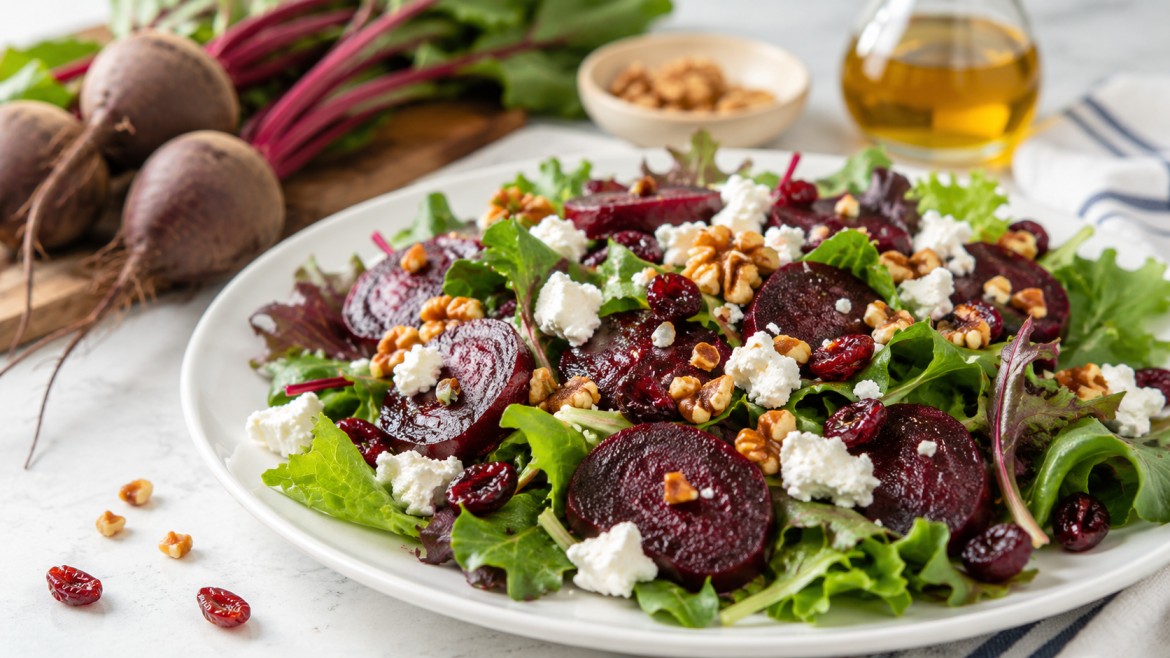
Prep time: 15 minutes | Cook time: 45 to 60 minutes | Serves: 4 | Approx. carbs: 18 to 25g per serving
Ingredients: 4 medium beets, 4 cups arugula or mixed greens, ¼ cup goat cheese, ¼ cup walnuts, 1 orange or 2 tablespoons lemon juice, 2 tablespoons olive oil, 1 tablespoon vinegar, ½ teaspoon salt, and ½ teaspoon pepper.
- Wash the beets well.
- Wrap each beet in foil.
- Place them on a baking sheet.
- Roast at 400°F or 200°C for 45 to 60 minutes.
- Cook until a fork goes in easily.
- Let the beets cool.
- Rub off the skins with a paper towel.
- Slice the beets.
- Add greens to a bowl.
- Top with beets, goat cheese, walnuts, and orange pieces or lemon juice.
- Mix olive oil, vinegar, salt, and pepper.
- Pour the dressing over the salad.
- Serve as lunch or a dinner side.
Roasted beet salad is fresh, colorful, and earthy. Beets add fiber, folate, and natural sweetness, while greens bring freshness to the bowl. Goat cheese adds creaminess, walnuts add crunch and healthy fats, and citrus or vinegar keeps the salad bright and balanced.
3. Honey Roasted Carrots and Parsnips
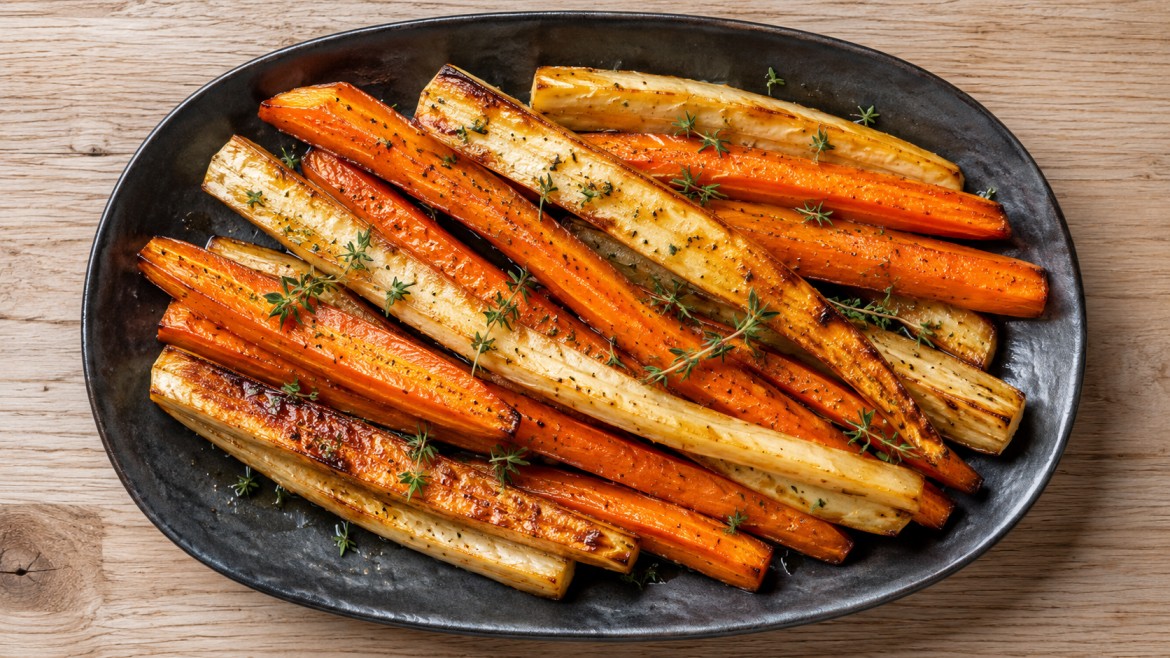
Prep time: 10 minutes | Cook time: 30 to 35 minutes | Serves: 4 | Approx. carbs: 35 to 42g per serving
Ingredients: 4 carrots, 4 parsnips, 2 tablespoons olive oil, 2 tablespoons honey, ½ teaspoon salt, ½ teaspoon black pepper, and 1 teaspoon fresh or dried thyme.
- Wash and peel the carrots and parsnips.
- Cut them into long sticks or thick slices.
- Add them to a large bowl.
- Pour in olive oil, honey, salt, pepper, and thyme.
- Toss well so every piece gets coated.
- Spread them on a baking sheet in one layer.
- Roast at 400°F (200°C) for 30 to 35 minutes.
- Turn them halfway through cooking.
- Cook until the edges are golden and the vegetables are soft.
- Serve warm with roasted chicken, lentils, rice, or as part of a holiday meal.
Honey-roasted carrots and parsnips make a sweet, tender side dish with plenty of color. Carrots add beta-carotene, while parsnips bring fiber and a mild nutty taste. Olive oil and thyme help balance the honey, making this a good side for chicken, lentils, or rice.
4. Roasted Brussels Sprouts
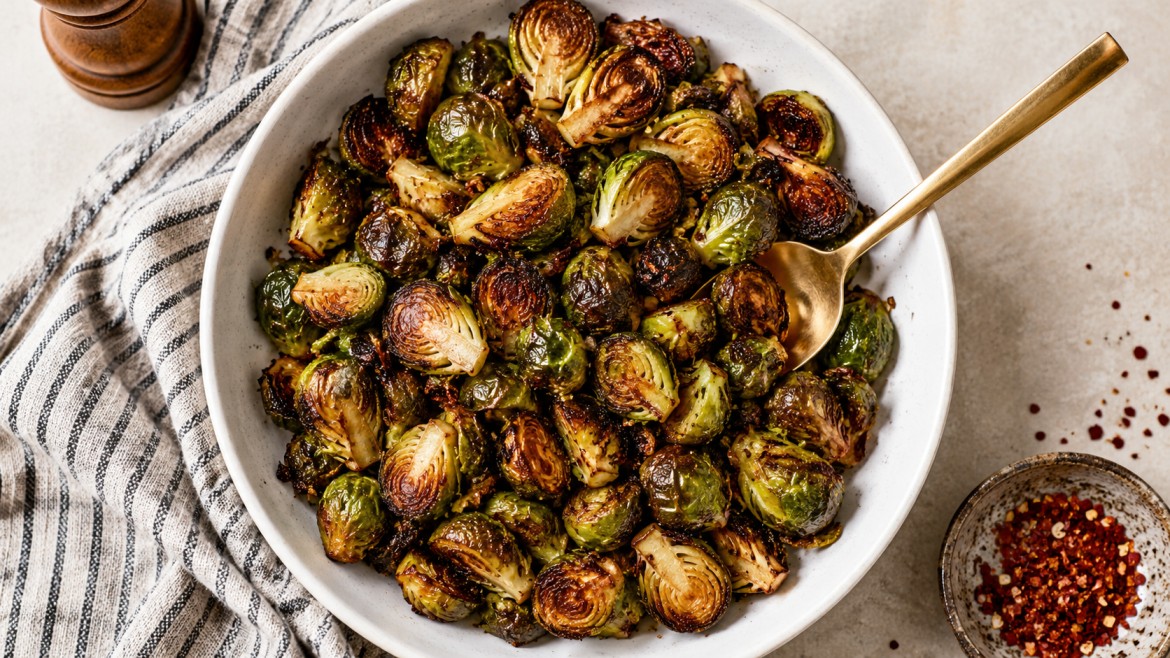
Prep time: 10 minutes | Cook time: 20 to 25 minutes | Serves: 4 | Approx. carbs: 12 to 18g per serving
Ingredients: 1½ pounds Brussels sprouts, 2 tablespoons olive oil, 2 minced garlic cloves, ½ teaspoon salt, ½ teaspoon black pepper, and optional balsamic glaze, parmesan, bacon, or toasted nuts.
- Wash the Brussels sprouts and pat them dry.
- Trim the hard ends.
- Cut each sprout in half.
- Add them to a bowl with olive oil, garlic, salt, and pepper.
- Toss until coated.
- Spread them cut-side down on a baking sheet.
- Roast at 425°F or 220°C for 20 to 25 minutes.
- Flip once near the middle of cooking.
- Cook until the edges are browned and crisp.
- Add balsamic glaze, parmesan, bacon, or toasted nuts before serving.
Roasted Brussels sprouts are crisp at the edges and soft in the middle, with garlic and olive oil adding simple flavor. Brussels sprouts provide fiber, vitamin C, and plant compounds found in cruciferous vegetables. Add parmesan, balsamic glaze, nuts, or bacon for extra taste and texture.
5. Roasted Acorn Squash
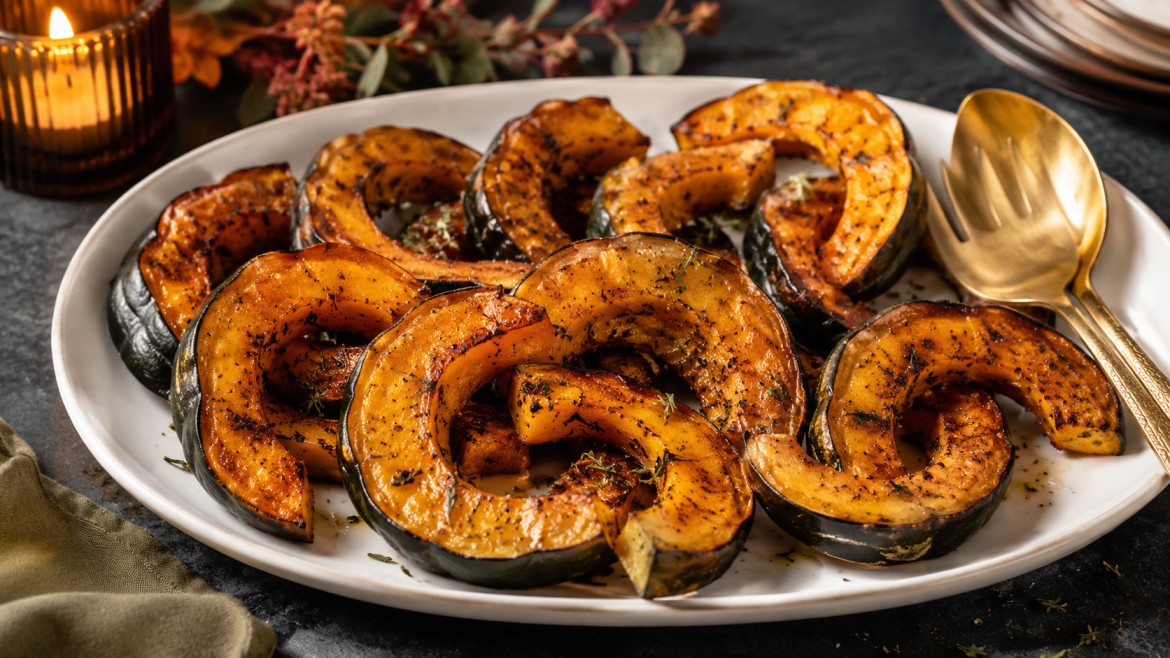
Prep time: 10 minutes | Cook time: 35 to 45 minutes | Serves: 4 | Approx. carbs: 25 to 35g per serving
Ingredients: 2 acorn squash, 2 tablespoons butter, 1 tablespoon maple syrup or brown sugar, ½ teaspoon salt, ½ teaspoon black pepper, and optional cinnamon, rosemary, or thyme.
- Wash the acorn squash.
- Cut each squash in half from top to bottom.
- Scoop out the seeds with a spoon.
- Place the halves on a baking sheet.
- Brush the cut sides with melted butter.
- Add maple syrup or brown sugar.
- Sprinkle with salt and pepper.
- Add cinnamon for a sweet taste, or rosemary and thyme for a savory taste.
- Roast at 400°F or 200°C for 35 to 45 minutes.
- Cook until the flesh is soft when pierced with a fork.
- Serve as a side dish, or fill with grains and beans.
Roasted acorn squash is simple, soft, and lightly sweet. Acorn squash adds fiber, potassium, and a rich orange flesh that works well with butter, maple syrup, brown sugar, or herbs. Serve it as a side, or fill the roasted halves with grains and beans.
6. Creamy Cauliflower Bake

Prep time: 15 minutes | Cook time: 25 to 30 minutes | Serves: 6 | Approx. carbs: 8 to 13g per serving
Ingredients: 1 large cauliflower, 1 tablespoon butter, 1 tablespoon flour, 1 cup milk, 1 cup shredded cheddar cheese, ¼ teaspoon garlic powder, ½ teaspoon salt, ½ teaspoon black pepper, and 2 tablespoons grated parmesan.
- Cut the cauliflower into small florets.
- Boil or steam the florets for 5 to 7 minutes, until just tender.
- Drain well so the bake does not become watery.
- Melt butter in a small pan.
- Stir in flour and cook for 1 minute.
- Slowly add milk while stirring.
- Cook until the sauce thickens slightly.
- Add cheddar, garlic powder, salt, and pepper.
- Place cauliflower in a baking dish.
- Pour the cheese sauce over the top.
- Sprinkle with parmesan.
- Bake at 375°F (190°C) for 25 to 30 minutes.
- Serve warm as a side dish.
Creamy cauliflower bake turns tender cauliflower into a warm, cheesy side dish. Cauliflower adds fiber and vitamin C, while milk and cheese bring calcium and richness. The sauce keeps the dish creamy, and the baked top makes it feel comforting enough for family dinners or holiday meals.
7. Winter Vegetable Soup
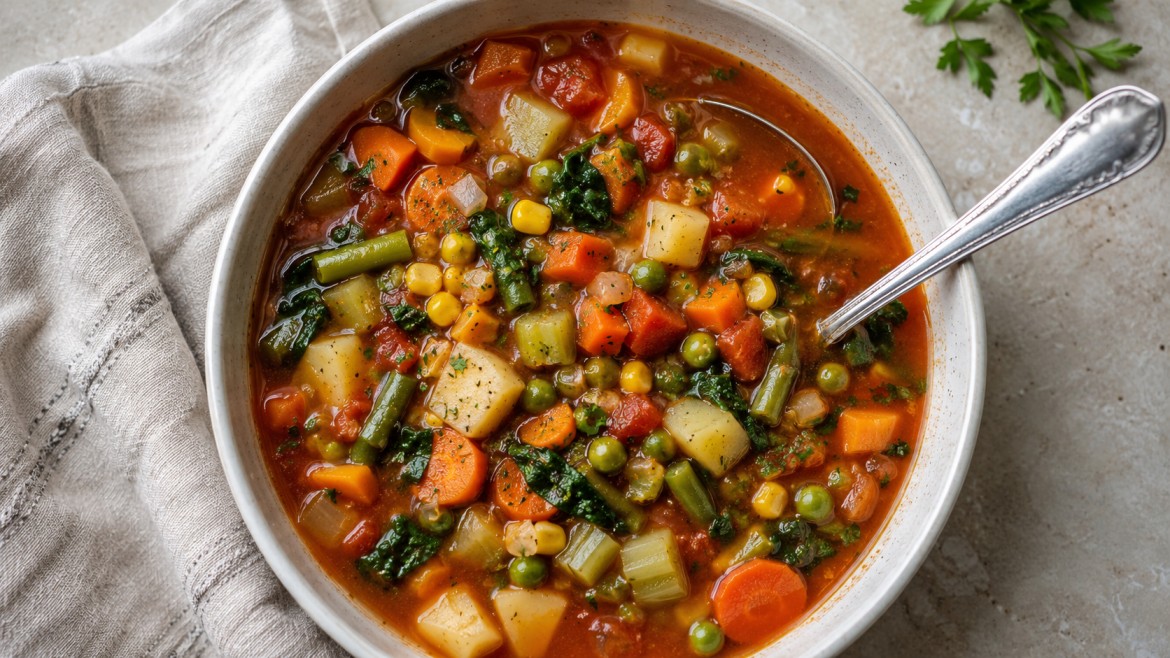
Prep time: 15 minutes | Cook time: 30 to 40 minutes | Serves: 6 | Approx. carbs: 28 to 38g per serving
Ingredients: 2 carrots, 2 potatoes, 2 cups chopped cabbage, 1 cup cauliflower, 1 can chickpeas, 1 can diced tomatoes, 1 chopped onion, 2 minced garlic cloves, 5 cups vegetable broth, 1 teaspoon salt, ½ teaspoon black pepper, and 1 teaspoon dried herbs.
- Wash and chop all the vegetables.
- Add onion and garlic to a large pot with a little oil.
- Cook for 2 to 3 minutes.
- Add carrots, potatoes, cabbage, and cauliflower.
- Stir for 2 minutes.
- Add chickpeas, tomatoes, broth, salt, pepper, and herbs.
- Bring the soup to a boil.
- Lower the heat and let it simmer for 30 to 40 minutes.
- Cook until the potatoes and carrots are soft.
- Leave it chunky, or blend a small part of the soup and stir it back in.
- Serve warm.
Winter vegetable soup is filling, colorful, and easy to make in one pot. Carrots, cabbage, cauliflower, potatoes, chickpeas, and tomatoes add fiber, vitamins, and plant-based protein. The broth keeps it light, while the potatoes and chickpeas make it satisfying enough for lunch or dinner.
8. Sweet Potato and Chickpea Dinner
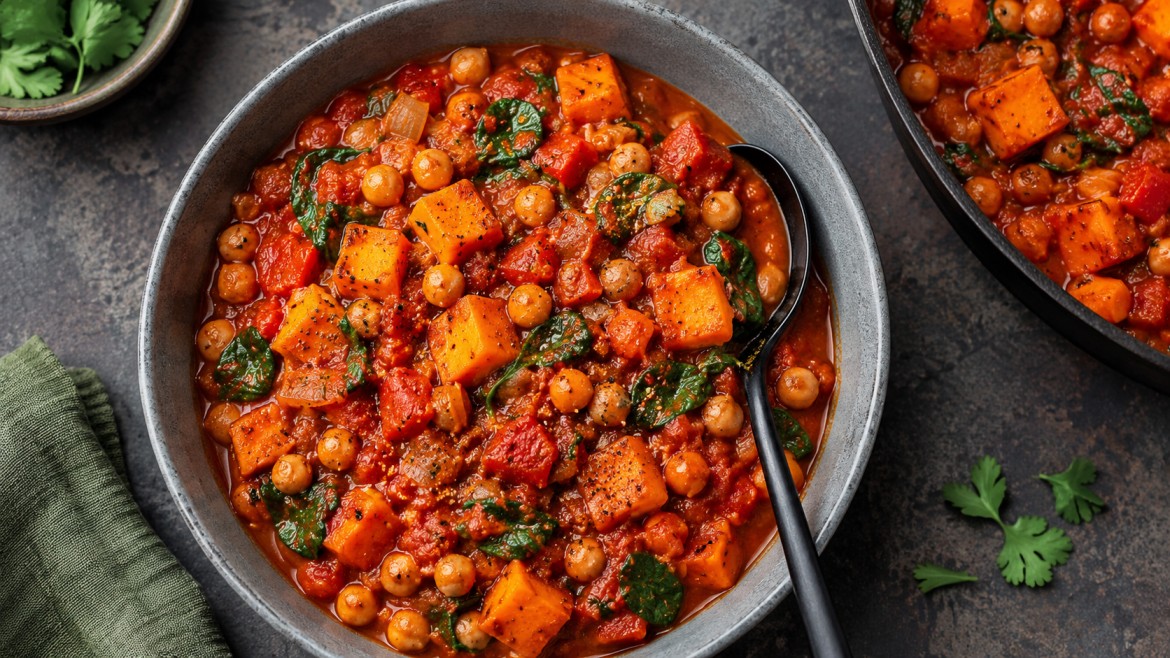
Prep time: 15 minutes | Cook time: 30 minutes | Serves: 4 | Approx. carbs: 35 to 45g per serving without rice or quinoa
Ingredients: 2 medium sweet potatoes, 1 can chickpeas, 1 can diced tomatoes, ½ cup coconut milk, 1 chopped onion, 2 minced garlic cloves, 1 teaspoon cumin, 1 teaspoon paprika, ½ teaspoon salt, ½ teaspoon black pepper, and optional spinach.
- Peel and chop the sweet potatoes into small cubes.
- Drain and rinse the chickpeas.
- Add onion and garlic to a pan with a little oil.
- Cook for 2 to 3 minutes.
- Add cumin, paprika, salt, and pepper.
- Stir for 30 seconds.
- Add sweet potatoes, chickpeas, tomatoes, and coconut milk.
- Cover and cook for 25 to 30 minutes.
- Stir a few times so it does not stick.
- Cook until the sweet potatoes are soft.
- Add spinach at the end, if using.
- Serve as it is, or spoon it over rice or quinoa.
Sweet potato and chickpea dinner is a hearty one-pan meal with soft vegetables, warm spices, tomatoes, and coconut milk. Sweet potatoes add vitamin A and fiber, while chickpeas bring plant-based protein. Serve it alone or with rice or quinoa for a more complete meal.
9. Butternut Squash Soup
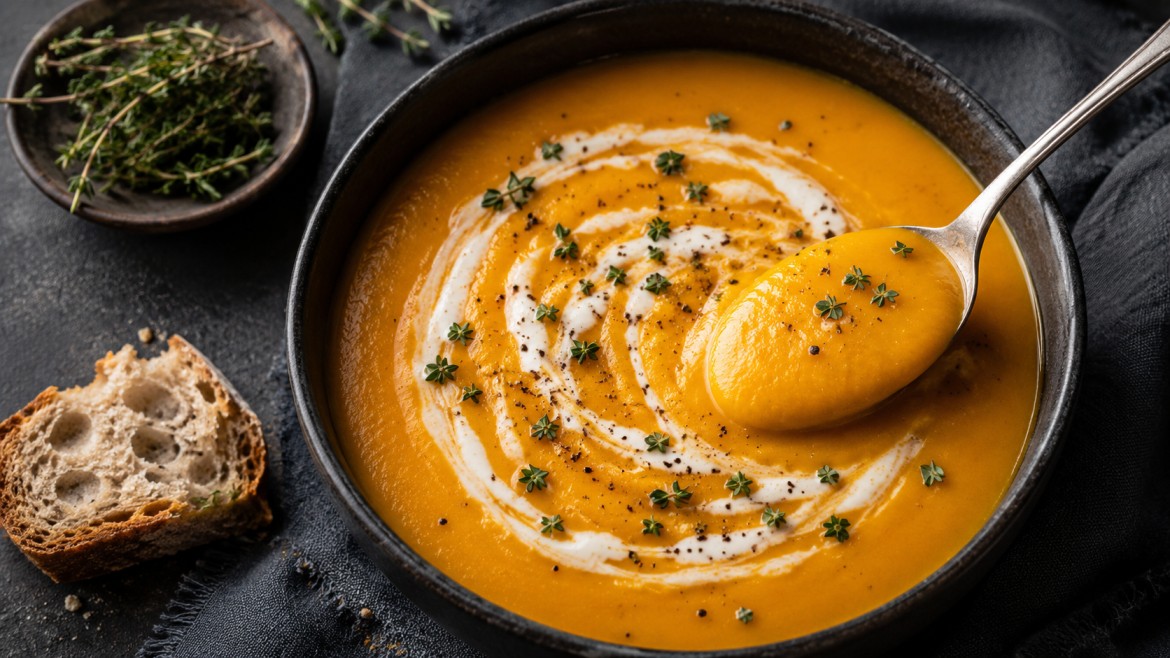
Prep time: 15 minutes | Cook time: 30 to 35 minutes | Serves: 4 | Approx. carbs: 25 to 35g per serving
Ingredients: 1 medium butternut squash, 1 chopped onion, 2 minced garlic cloves, 4 cups vegetable broth, 1 tablespoon olive oil, ½ teaspoon salt, ½ teaspoon black pepper, ½ teaspoon thyme, and optional cream, coconut milk, or Greek yogurt.
Peel the butternut squash.
- Remove the seeds.
- Cut the squash into cubes.
- Add olive oil, onion, and garlic to a pot.
- Cook for 2 to 3 minutes.
- Add squash, broth, salt, pepper, and thyme.
- Bring to a boil.
- Lower the heat and simmer for 25 to 30 minutes.
- Cook until the squash is very soft.
- Blend the soup until smooth.
- Stir in cream, coconut milk, or Greek yogurt if you want it richer.
- Serve warm.
Butternut squash soup is smooth, warm, and naturally sweet. Squash adds vitamin A, fiber, and a creamy texture once blended. Onion, garlic, broth, and thyme build simple flavor, while cream, coconut milk, or Greek yogurt can make the soup richer before serving.
10. Cabbage Roll Soup
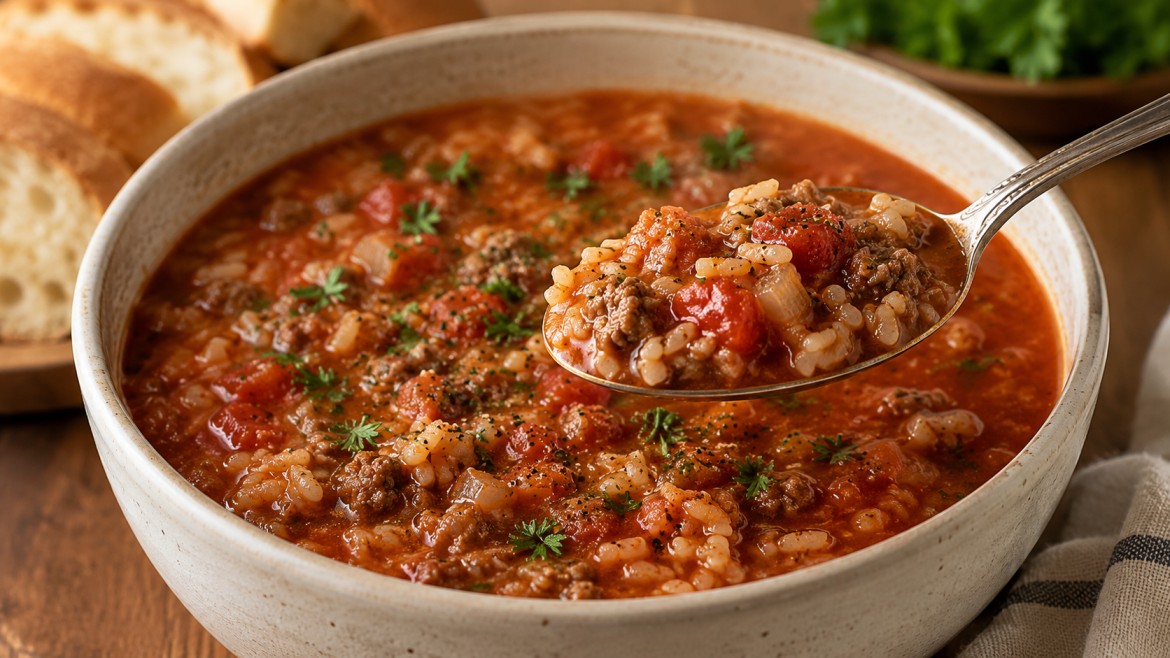
Prep time: 15 minutes | Cook time: 35 to 45 minutes | Serves: 6 | Approx. carbs: 25 to 35g per serving with rice
Ingredients: 1 small cabbage, 1 pound ground beef or turkey, ½ cup uncooked rice, 1 can diced tomatoes, 1 can tomato sauce, 1 chopped onion, 2 minced garlic cloves, 5 cups broth, 1 teaspoon salt, ½ teaspoon pepper, and 1 teaspoon dried Italian herbs.
- Chop the cabbage into small pieces.
- Add the ground beef or turkey to a large pot.
- Cook until browned.
- Drain extra fat if needed.
- Add onion and garlic.
- Cook for 2 to 3 minutes.
- Add cabbage, rice, diced tomatoes, tomato sauce, broth, salt, pepper, and herbs.
- Stir well.
- Bring to a boil.
- Lower the heat and simmer for 35 to 45 minutes.
- Cook until the rice is soft and the cabbage is tender.
- Serve hot.
Cabbage roll soup gives the taste of stuffed cabbage in an easier one-pot form. Cabbage adds fiber and vitamin C, tomatoes bring bright flavor, and rice makes the soup more filling. Ground beef or turkey adds protein, making this a hearty winter dinner.
11. Potato and Celeriac Gratin
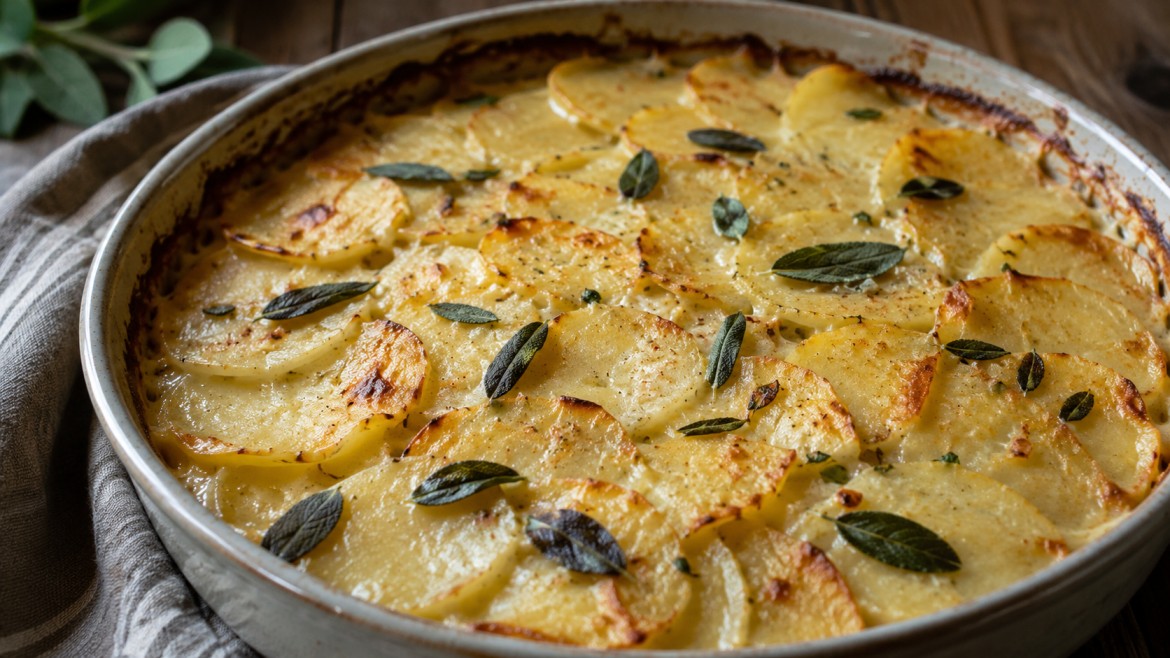
Prep time: 20 minutes | Cook time: 55 to 65 minutes | Serves: 6 | Approx. carbs: 28 to 38g per serving
Ingredients: 3 medium potatoes, 1 small celeriac, 1 cup cream, ½ cup milk, 1 minced garlic clove, 1 teaspoon salt, ½ teaspoon black pepper, 1 teaspoon thyme, and 1 cup shredded cheese.
- Peel the potatoes and celeriac.
- Slice them thinly.
- Grease a baking dish.
- Mix cream, milk, garlic, salt, pepper, and thyme in a bowl.
- Layer half of the potato and celeriac slices in the dish.
- Pour over half of the cream mixture.
- Add half of the cheese.
- Repeat with the rest of the slices, cream mixture, and cheese.
- Cover with foil.
- Bake at 375°F (190°C) for 40 minutes.
- Remove the foil.
- Bake for 15 to 25 more minutes.
- Cook until the top is golden and the vegetables are soft.
Potato and celeriac gratin is rich, creamy, and perfect for cold-weather meals. Potatoes add potassium and a soft texture, while celeriac brings fiber and a mild, earthy taste. Cream, garlic, herbs, and cheese bake together into a warm side dish with a golden top.
12. Kale and White Bean Stew
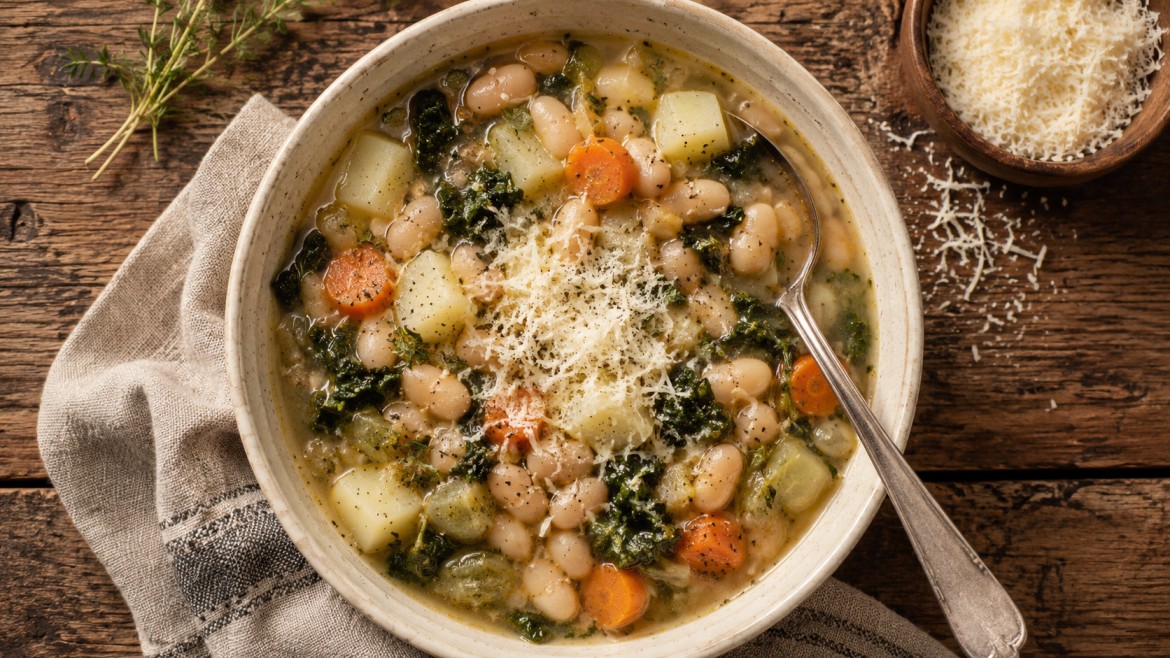
Prep time: 15 minutes | Cook time: 25 to 30 minutes | Serves: 4 | Approx. carbs: 30 to 40g per serving
Ingredients: 1 bunch kale, 2 cans white beans, 2 carrots, 2 celery stalks, 1 chopped onion, 2 minced garlic cloves, 4 cups vegetable broth, 1 tablespoon olive oil, ½ teaspoon salt, ½ teaspoon pepper, and 1 teaspoon dried herbs.
- Wash the kale and remove the hard stems.
- Chop the leaves.
- Drain and rinse the white beans.
- Chop the carrots, celery, and onion.
- Add olive oil to a large pot.
- Cook onion, carrots, and celery for 5 minutes.
- Add garlic and cook for 1 minute.
- Add beans, broth, salt, pepper, and herbs.
- Simmer for 15 to 20 minutes.
- Add kale near the end.
- Cook for 5 more minutes, until the kale is soft.
- Serve warm with bread if desired.
Kale and white bean stew is warm, simple, and filling. Kale adds vitamin K, vitamin C, and fiber, while white beans bring plant-based protein and a creamy bite. Carrots, celery, onion, garlic, and broth make the stew flavorful without needing many extra ingredients.
13. Broccoli Pasta
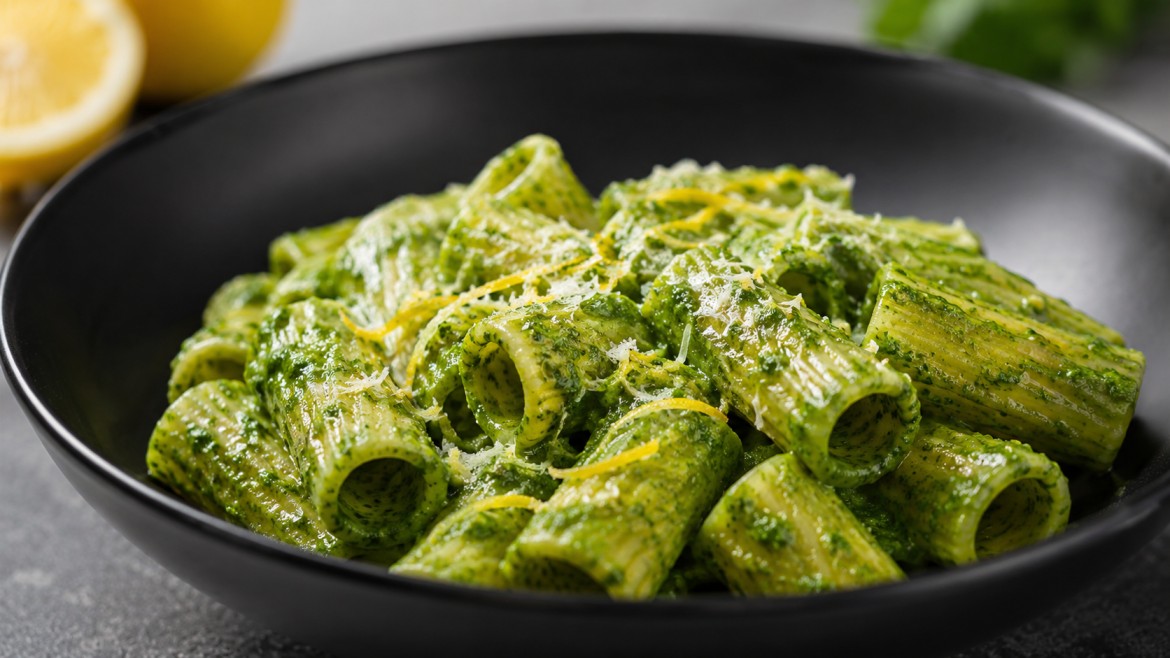
Prep time: 10 minutes | Cook time: 15 to 20 minutes | Serves: 4 | Approx. carbs: 45 to 60g per serving
Ingredients: 12 ounces pasta, 3 cups broccoli florets, 3 tablespoons olive oil, 3 minced garlic cloves, 1 tablespoon lemon juice, ¼ teaspoon chili flakes, ½ teaspoon salt, ½ teaspoon black pepper, ½ cup parmesan, and optional toasted almonds or breadcrumbs.
- Boil a large pot of salted water.
- Add pasta and cook as the package says.
- Add broccoli to the same pot during the last 3 minutes.
- Save ½ cup of pasta water.
- Drain the pasta and broccoli.
- Add olive oil and garlic to the pot.
- Cook for 1 minute.
- Add pasta, broccoli, lemon juice, chili flakes, salt, and pepper.
- Add a splash of pasta water to loosen it.
- Stir in parmesan.
- Top with almonds or breadcrumbs if desired.
- Serve warm.
Broccoli pasta is quick, bright, and easy to make with simple pantry ingredients. Broccoli adds fiber, vitamin C, and color, while pasta makes the dish filling. Garlic, olive oil, lemon, chili flakes, and parmesan add flavor, and almonds or breadcrumbs give a crisp finish.
14. Sweet Potato Gratin
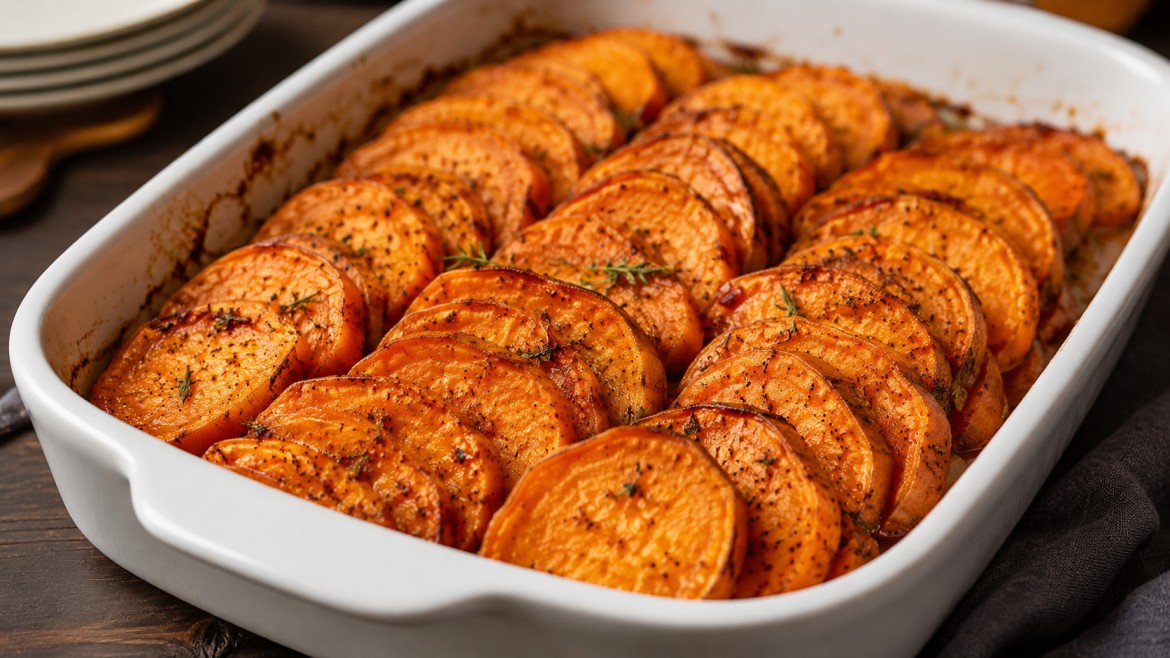
Prep time: 20 minutes | Cook time: 50 to 60 minutes | Serves: 6 | Approx. carbs: 30 to 40g per serving
Ingredients: 3 large sweet potatoes, 1 cup cream, ½ cup milk, 1 minced garlic clove, 1 teaspoon thyme or rosemary, ½ teaspoon salt, ½ teaspoon black pepper, and 1 cup shredded cheese.
- Peel the sweet potatoes.
- Slice them thinly.
- Grease a baking dish.
- Mix cream, milk, garlic, herbs, salt, and pepper in a bowl.
- Add one layer of sweet potato slices to the dish.
- Pour a little cream mixture over the top.
- Sprinkle with a little cheese.
- Repeat the layers until everything is used.
- Cover with foil.
- Bake at 375°F (190°C) for 35 to 40 minutes.
- Remove the foil.
- Bake for 15 to 20 more minutes.
- Cook until the sweet potatoes are tender and the tops are golden.
Sweet potato gratin is creamy, slightly sweet, and great for winter dinners. Sweet potatoes add fiber, potassium, and vitamin A, while cream and cheese make the dish rich and warm. Garlic, thyme, or rosemary helps balance the sweetness and add deeper flavor.
15. Pumpkin or Squash Lasagna
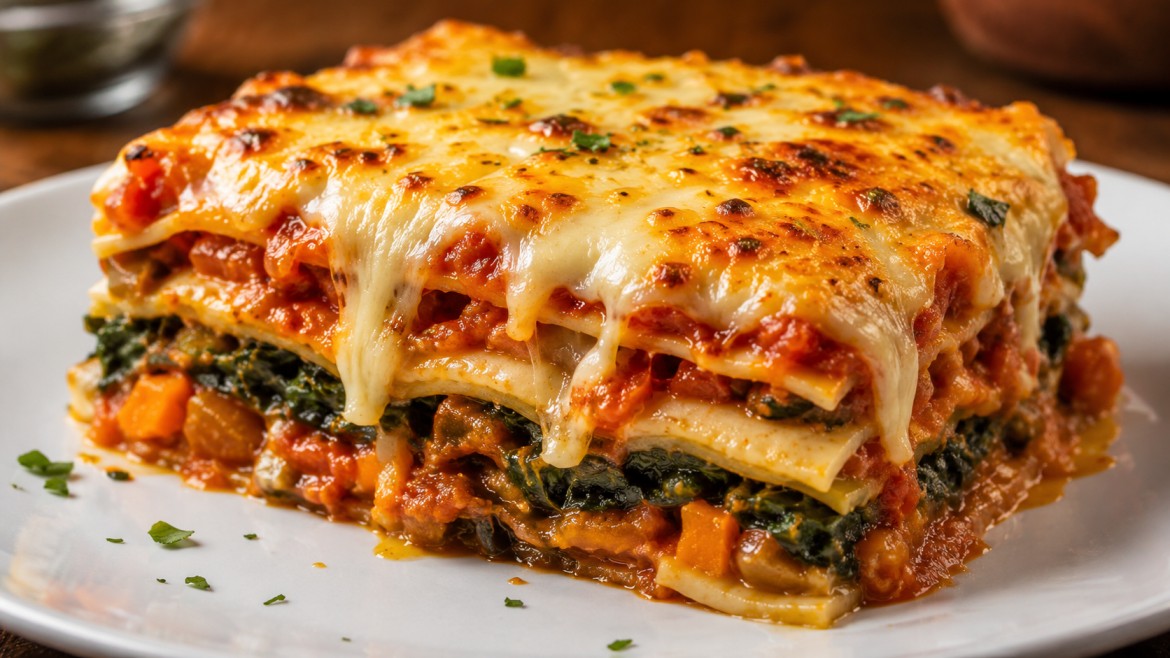
Prep time: 25 minutes | Cook time: 45 to 55 minutes | Serves: 8 | Approx. carbs: 35 to 45g per serving
Ingredients: 9 lasagna sheets, 3 cups roasted pumpkin or squash, 1½ cups ricotta, 2 cups tomato sauce or white sauce, 1 cup mozzarella, ½ cup parmesan, 1 teaspoon dried herbs, ½ teaspoon salt, and ½ teaspoon black pepper.
- Roast pumpkin or squash cubes until soft.
- Mash them lightly with salt, pepper, and dried herbs.
- Spread a thin layer of sauce in a baking dish.
- Add a layer of lasagna sheets.
- Spread some mashed pumpkin or squash over the pasta.
- Add spoonfuls of ricotta.
- Add more sauce.
- Repeat the layers.
- Finish with sauce, mozzarella, and parmesan on top.
- Cover with foil.
- Bake at 375°F (190°C) for 35 minutes.
- Remove the foil.
- Bake for 10 to 20 more minutes.
- Let it rest for 10 minutes before slicing.
Pumpkin or squash lasagna is a cozy vegetarian dinner with soft layers of pasta, sauce, ricotta, mozzarella, and parmesan. Pumpkin or squash adds fiber, vitamin A, and gentle sweetness. The cheese brings protein and creaminess, making the dish filling without needing meat.
16. Loaded Baked Potato Soup

Prep time: 15 minutes | Cook time: 30 to 35 minutes | Serves: 6 | Approx. carbs: 30 to 40g per serving
Ingredients: 4 large potatoes, 1 chopped onion, 2 minced garlic cloves, 4 cups broth, 1 cup milk, ½ cup shredded cheddar, ½ cup sour cream, ½ teaspoon salt, ½ teaspoon black pepper, and optional green onion, bacon, or crispy toppings.
- Peel the potatoes if desired.
- Cut them into small cubes.
- Add onion and garlic to a pot with a little oil or butter.
- Cook for 2 to 3 minutes.
- Add potatoes, broth, salt, and pepper.
- Bring to a boil.
- Lower the heat and simmer for 20 to 25 minutes.
- Cook until the potatoes are soft.
- Mash some of the potatoes in the pot to thicken the soup.
- Stir in milk, cheddar, and sour cream.
- Cook on low heat for 3 to 5 minutes.
- Do not boil after adding dairy.
- Top with green onion, bacon, or crispy toppings.
Loaded baked potato soup is creamy, warm, and easy to make in one pot. Potatoes add potassium and a smooth texture when mashed into the broth. Milk, cheddar, and sour cream make it rich, while green onion, bacon, or crispy toppings add flavor.
What to Serve With Winter Vegetables
Winter vegetables are easy to pair with many meals because they work with grains, proteins, breads, and creamy sides. Use this quick table to match them with weeknight dinners, holiday meals, or vegetarian plates.
| Meal Type | What to Serve | Why It Works |
|---|---|---|
| Simple Weeknight Dinners | Rice and lentils, grilled chicken, baked fish, pasta, beans, quinoa, fried eggs, flatbread, soup | Keeps dinner balanced and filling without needing much prep. Roasted or steamed winter vegetables can be served alongside a protein, grain, or soup for a quick meal. |
| Holiday Meals | Roast turkey, roast chicken, ham, stuffing, mashed potatoes, gravy, cranberry sauce, dinner rolls | Their natural sweetness, color, and texture help balance heavier foods like gravy, stuffing, and roasted meats. |
| Vegetarian Meals | Chickpeas, lentils, white beans, tofu, paneer, halloumi, eggs, Greek yogurt, cheese, nuts, and seeds | Adds protein, creaminess, crunch, or extra flavor. Helps turn winter vegetables into a complete vegetarian meal rather than just a side dish. |
How to Add More Winter Vegetables to Meals
Winter vegetables are easy to add to daily meals without making the recipe complicated. Use this table to fit them into breakfast, lunch, dinner, and leftovers.
- Breakfast: Add kale or mushrooms to omelets, serve roasted sweet potatoes with eggs, mix grated carrots or zucchini into savory pancakes, or use leftover roasted vegetables in breakfast bowls.
- Lunch: Make warm grain bowls, add roasted vegetables to wraps, toss cooked vegetables into salads, or prepare vegetable soup ahead for quick lunches.
- Dinner: Roast a sheet pan of vegetables, add chopped vegetables to pasta sauces, stir them into curries, use them in casseroles, or make vegetable-heavy soups and stews.
- Leftovers: Add roasted vegetables to scrambled eggs, blend them into soup, toss them with pasta, use them in wraps, add them to pizza, or mix them into rice bowls.
A small batch of cooked winter vegetables can work across many meals. Roast or cook them once, then use them in simple ways during the week.
Seasoning Ideas for Winter Vegetables
The right seasoning can make winter vegetables taste sweeter, warmer, brighter, or more savory. Use this quick table to match seasonings with the vegetables you are roasting, baking, mashing, or adding to bowls and salads.
| Seasoning Style | Ingredients to Use | Best For | Why It Works |
|---|---|---|---|
| Classic Herb Seasoning | Olive oil, garlic, rosemary, thyme, salt, pepper | Potatoes, carrots, parsnips, Brussels sprouts, cauliflower, squash | This simple mix works with almost any winter vegetable. Olive oil helps the vegetables brown, while garlic and herbs add a warm, savory flavor. |
| Sweet and Warm Seasoning | Cinnamon, nutmeg, maple syrup, honey, butter, brown sugar | Carrots, sweet potatoes, pumpkin, butternut squash, parsnips | These flavors bring out the natural sweetness in root vegetables and squash. They work well for roasted sides, holiday meals, and creamy mashed vegetables. |
| Spicy Seasoning | Paprika, chili flakes, cumin, coriander, garlic powder, black pepper | Potatoes, cauliflower, Brussels sprouts, carrots, squash | This mix adds heat, warmth, and deeper flavor. It is a good choice when you want roasted vegetables to taste bold instead of plain. |
| Bright and Fresh Seasoning | Lemon juice, orange zest, parsley, dill, mint, yogurt sauce | Beets, broccoli, kale, cabbage, roasted carrots | Fresh herbs, citrus, and yogurt-based sauces help balance heavier winter vegetables. They add a lighter taste and work well for salads, grain bowls, and roasted sides. |
Frequently Asked Questions
Which foods reduce cold?
Foods do not cure a cold, but warm meals can support your body while you rest. Try vegetable soup, citrus fruits, ginger tea, garlic, yogurt, leafy greens, and broth-based meals. These foods help with hydration, comfort, and steady nourishment during cold weather.
Who is the king of veg?
Brinjal, also called eggplant, is often known as the king of vegetables in many parts of India because it is used in many dishes. It works well in curries, fries, bakes, and stuffed recipes. Its soft texture and mild taste make it very flexible.
Which vegetable is best in cold weather?
Carrots, sweet potatoes, cabbage, cauliflower, spinach, kale, and broccoli are good choices in cold weather. They work well in soups, stews, roasted dishes, and warm sides. These vegetables add fiber, color, and useful nutrients while making winter meals feel more filling.
What are the healthiest winter greens?
Kale, spinach, mustard greens, collard greens, fenugreek leaves, and Swiss chard are healthy winter greens. They add fiber, iron, folate, vitamin C, and vitamin K to meals. You can use them in soups, curries, stir-fries, omelets, stews, and warm salads.
Which winter vegetables are healthiest?
Healthy winter vegetables include carrots, sweet potatoes, beets, cauliflower, cabbage, broccoli, Brussels sprouts, spinach, kale, pumpkin, and turnips. They offer fiber, vitamins, minerals, and natural color. Eating a mix of them gives your meals more texture, flavor, and nutrients throughout the season.
What are winter root vegetables?
Winter root vegetables grow under the soil and are common in colder months. They include carrots, parsnips, turnips, rutabaga, beets, potatoes, sweet potatoes, radishes, and celeriac. They are filling, easy to store, and work well in soups, roasts, mashes, stews, and gratins.
Final Thoughts on Winter Vegetables
Winter vegetables are easy to use in everyday meals once you know a few simple cooking methods. Roasting is the best place to start because it brings out their natural sweetness, adds crisp edges, and requires little work.
You can also turn winter vegetables into soups, casseroles, pasta dishes, grain bowls, salads, and quick sides. They make meals feel warm, filling, and more balanced without making cooking feel hard.
Start with one tray of roasted winter vegetables at the beginning of the week. Use the leftovers in eggs, wraps, rice bowls, pasta, or soup.
This small habit can help you eat better through winter while keeping your meals simple and comforting.