Have you ever searched for vitamin D vegetables only to find a list of random healthy foods that don’t actually contain the nutrient? It is incredibly frustrating to read conflicting advice when you just want a straight answer.
The truth is that regular garden vegetables cannot provide this essential vitamin. That is why I wrote this guide to clear up the confusion.
You will find the unique plant-based options that actually count, how to read food labels accurately, and how to build meals that maximize absorption.
By the end, you will know exactly how to support your body without the guesswork.
The Truth About Vitamin D in Vegetables
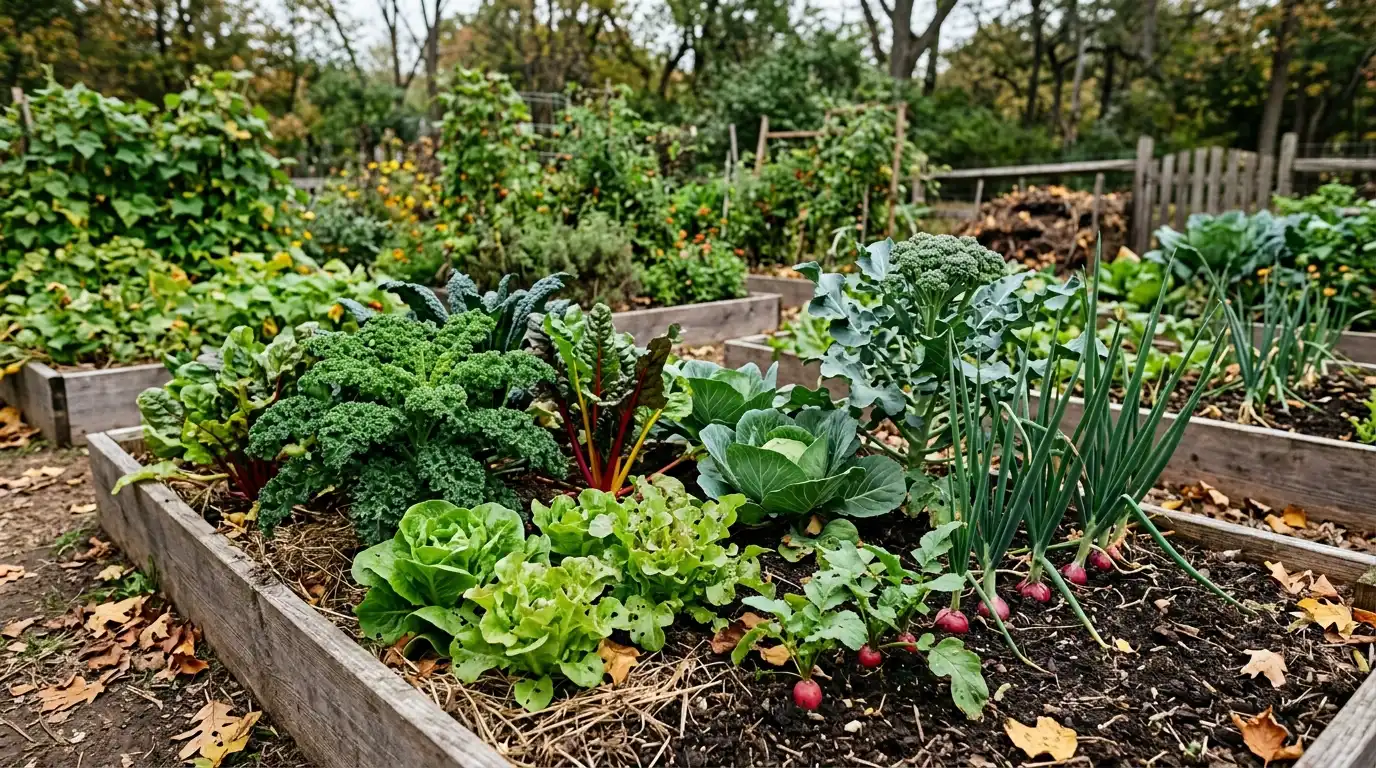
Many people search for vegetables high in vitamin D, but the reality is that very few vegetables naturally contain meaningful amounts of it. Common vegetables such as spinach, kale, broccoli, carrots, tomatoes, and bottle gourd support overall health, but they are not reliable sources of vitamin D.
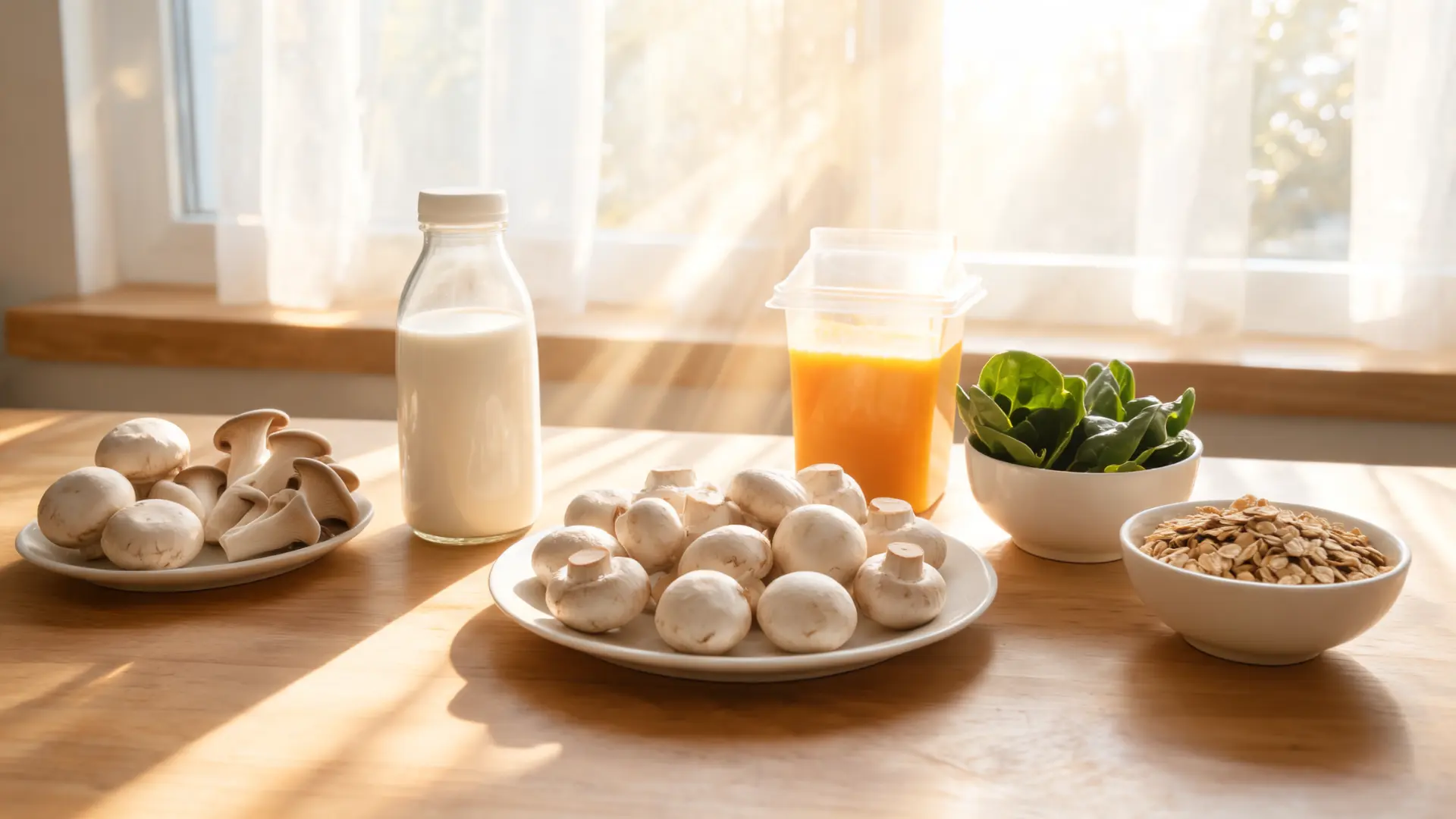
The main exception is mushrooms. When exposed to sunlight or ultraviolet light, certain mushrooms can naturally produce vitamin D2, making them the closest thing to true vitamin D vegetables. UV-exposed, sun-dried, and outdoor-grown mushrooms usually contain more vitamin D than regular indoor-grown mushrooms.
To put numbers to this: according to data from the Harvard T.H. Chan School of Public Health, commercially grown mushrooms raised in the dark typically contain less than 40 IU of vitamin D per 3.5-ounce serving, while the same mushrooms exposed to sunlight can produce up to 400 IU per serving. Wild varieties like chanterelles and morels can reach up to 1,200 IU per 3.5-ounce serving when grown in sunlight-rich conditions.
Even though most vegetables do not provide much vitamin D, they still matter because they supply calcium, magnesium, potassium, vitamin K, and antioxidants that support bone health. For better vitamin D intake, it helps to combine mushrooms, fortified foods, sunlight exposure, and balanced meals instead of relying on vegetables alone.
Vitamin D2 vs. Vitamin D3: Why It Matters for Plant-Based Eaters
Before diving into specific foods, it helps to understand the two main forms of vitamin D:
- Vitamin D2 (ergocalciferol) is found in mushrooms and fortified plant-based foods. It is the plant-sourced form and is what UV-exposed mushrooms produce.
- Vitamin D3 (cholecalciferol) is found in animal products like fatty fish, egg yolks, and liver. It is also added to many fortified dairy products. D3 is generally considered more effective at raising blood vitamin D levels than D2, though both forms are beneficial.
For vegetarians and vegans, this distinction is important because most high-dose supplements and many fortified foods use D3 sourced from lanolin (sheep’s wool). Vegan D3 supplements derived from lichen are available, but less common. UV-exposed mushrooms remain the most accessible whole-food source of vitamin D2 for plant-based diets.
Vitamin D Vegetables: What Actually Counts?
When people look for vitamin D vegetables, mushrooms are the main food that truly fits the search. Most common vegetables support health with fiber, minerals, and bone-friendly nutrients, but they do not naturally offer much vitamin D.
According to a review by Cardwell et al. (2018) published in Nutrients, UV-exposed mushrooms are the only non-animal, unfortified food the can provide substantial amounts of bioavailable vitamin D in a single serving, making them especially valuable for vegetarians and vegans.
1. UV-Exposed Mushrooms
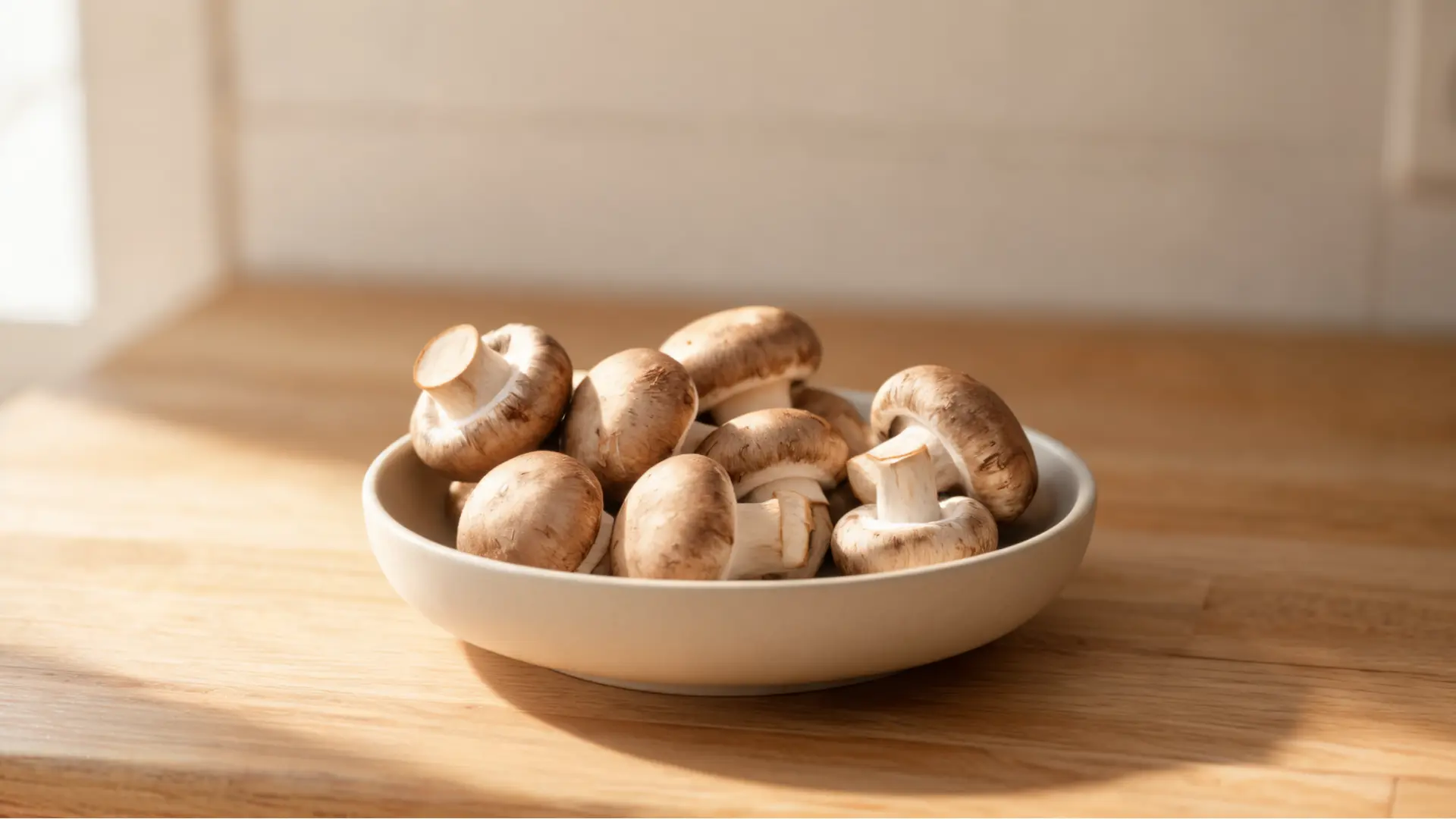
UV-exposed mushrooms are treated with ultraviolet light, which helps increase their vitamin D2 content. This makes them among the most useful plant-based sources of vitamin D, especially for vegetarians and vegans.
Their vitamin D level can vary significantly. According to Harvard Nutrition Source, button mushrooms exposed to sunlight can provide up to 400 IU per 3.5-ounce serving, compared to less than 40 IU in non-UV-treated versions. Always check the label for IU content per serving.
Their vitamin D level can vary by brand, serving size, and exposure process, so checking the label is important. Choose packs that mention “UV-exposed,” “vitamin D enriched,” or “high in vitamin D” for better value.
- Nutrients: Vitamin D2, fiber, minerals, and antioxidants
- Cooking: Roast, sauté, or stir-fry lightly to keep the texture firm
- Storage: Keep refrigerated and use within a few days
Best way to eat: Add them to soups, wraps, stir-fries, or grain bowls.
2. Maitake Mushrooms
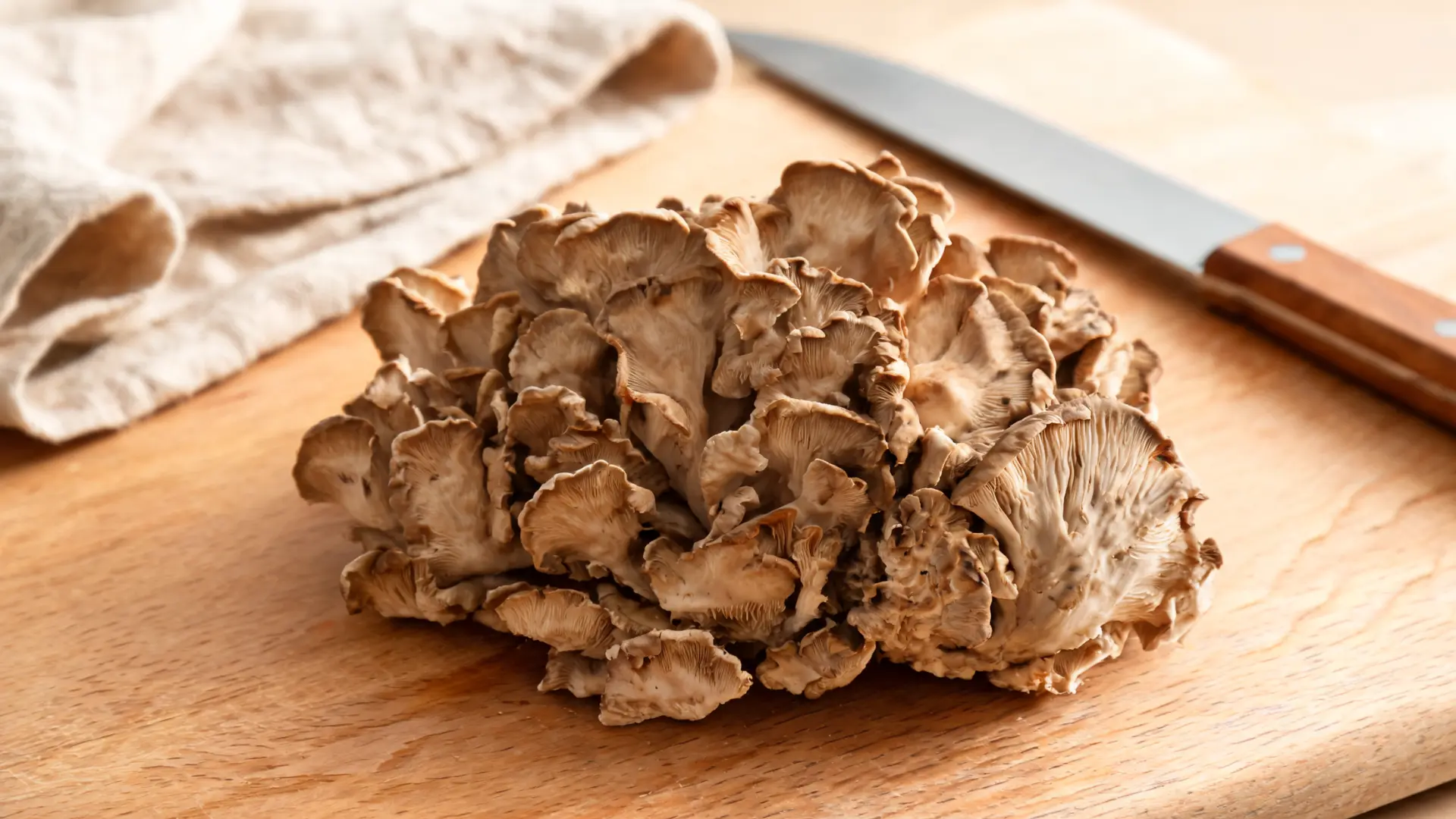
Maitake mushrooms can support vitamin D production when exposed to sunlight or UV light. They have a rich, earthy taste and a layered texture that cooks quickly.
Their vitamin D levels depend on how they are grown, dried, or treated after harvest, so UV-treated or sun-exposed options are better. Maitake mushrooms are also available dried, which makes them easier to store and use in soups or broths.
- Nutrients: Fiber, minerals, antioxidants, and plant compounds
- Cooking: Tear into smaller pieces before roasting, sautéing, or stir-frying
- Storage: Refrigerate fresh maitake; keep dried maitake in an airtight container
Best way to eat: Add them to vegetable curries, tofu dishes, fried rice, soups, or roasted bowls.
3. Shiitake Mushrooms
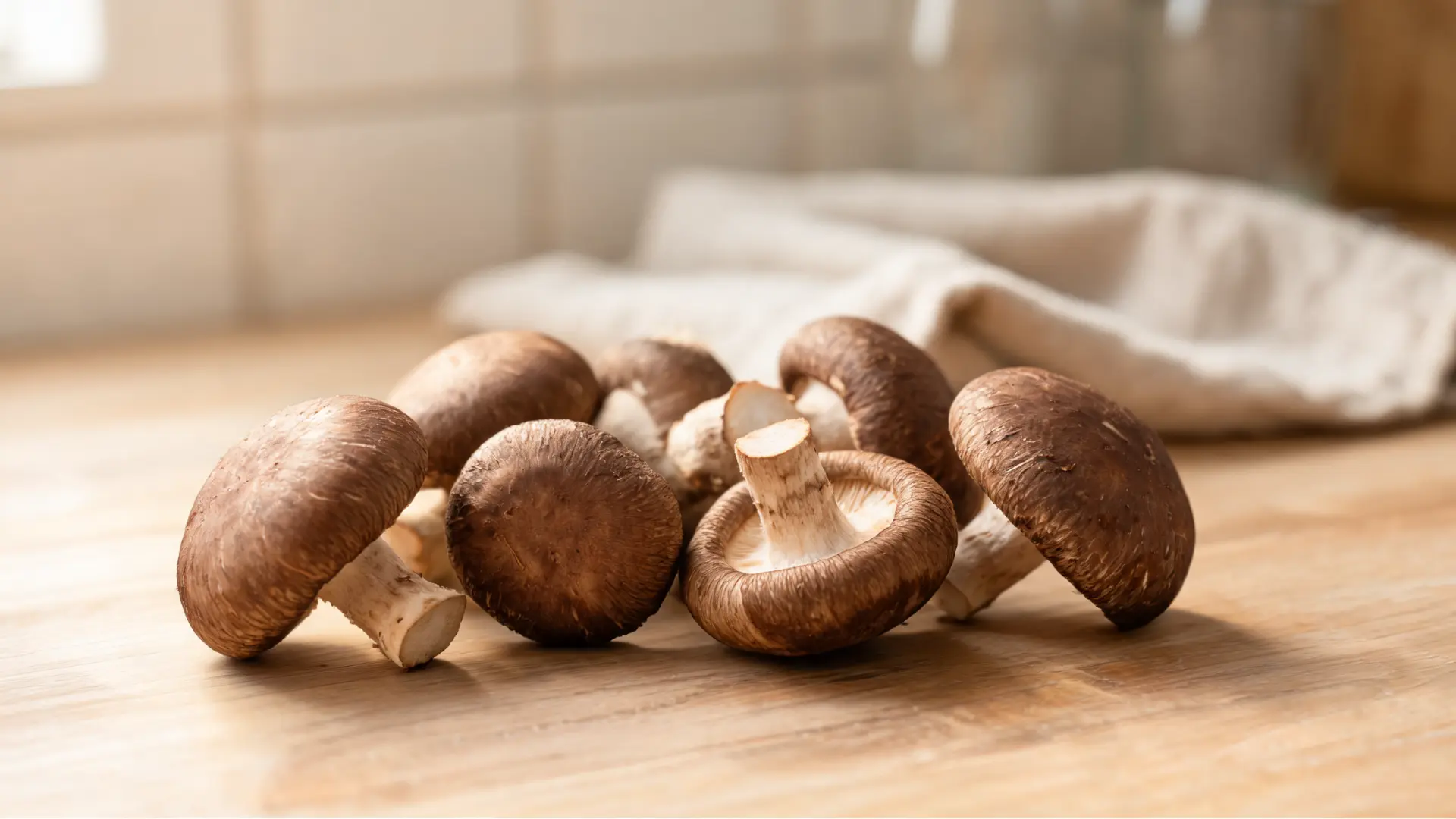
Shiitake mushrooms are a useful source of vitamin D when sun-dried or UV-treated. They have a deep, savory flavor that adds richness to meals without much effort.
Fresh indoor-grown shiitake typically contain very little vitamin D. Sun-dried or UV-treated shiitake can provide considerably more. Drying shiitake gills-up in direct sunlight for a few hours is a traditional Japanese practice that has been shown to meaningfully increase their vitamin D2 content. Remove the tough stems before cooking for a better texture.
- Nutrients: Fiber, minerals, antioxidants, and savory plant compounds
- Cooking: Remove tough stems and cook in soups, stir-fries, or broths
- Storage: Keep dried shiitake sealed in a cool, dry place
Best way to eat: Soak dried shiitake, then add it to ramen, curries, stir-fries, rice, or broths.
4. Morel Mushrooms
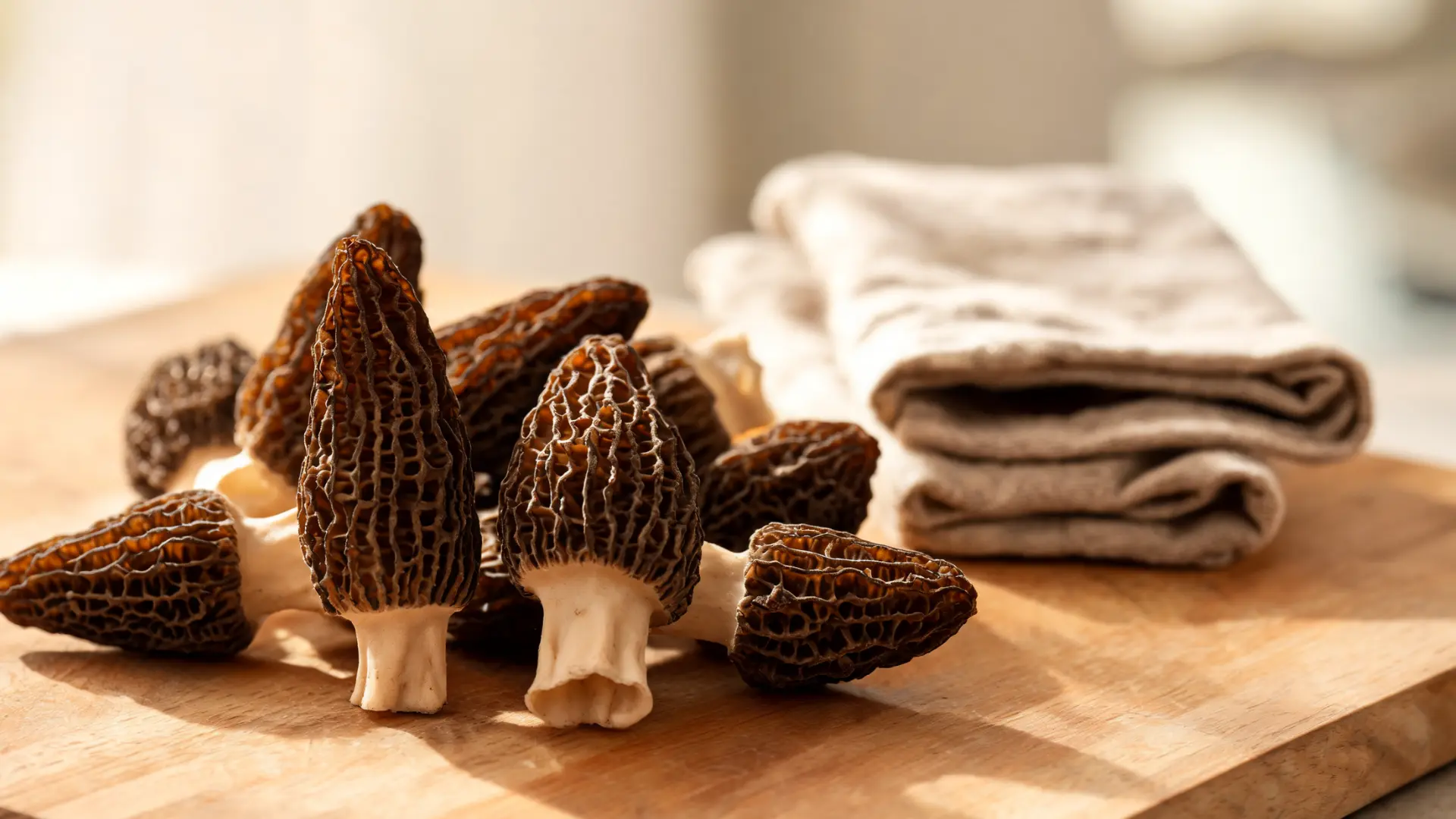
Morel mushrooms can contain vitamin D when they grow in sunlight-rich environments or are dried with sunlight exposure. They are known for their honeycomb texture and nutty flavor.
Wild morels grown outdoors are one of the stronger natural sources: USDA data shows non-UV-treated morels containing around 204 IU per 100g, which is notably higher than most indoor-grown mushrooms even without UV treatment.
Since many morels are wild and seasonal, their vitamin D content will still vary by region and conditions. They should always be cleaned carefully and cooked properly before eating.
- Nutrients: Minerals, antioxidants, and possible sunlight-driven vitamin D2
- Cooking: Clean well, cook fully, and avoid eating them raw
- Storage: Use fresh morels quickly; store dried morels in an airtight container
Best way to eat: Sauté them in olive oil or butter, then add them to pasta, eggs, rice, or soups.
5. Portobello Mushrooms
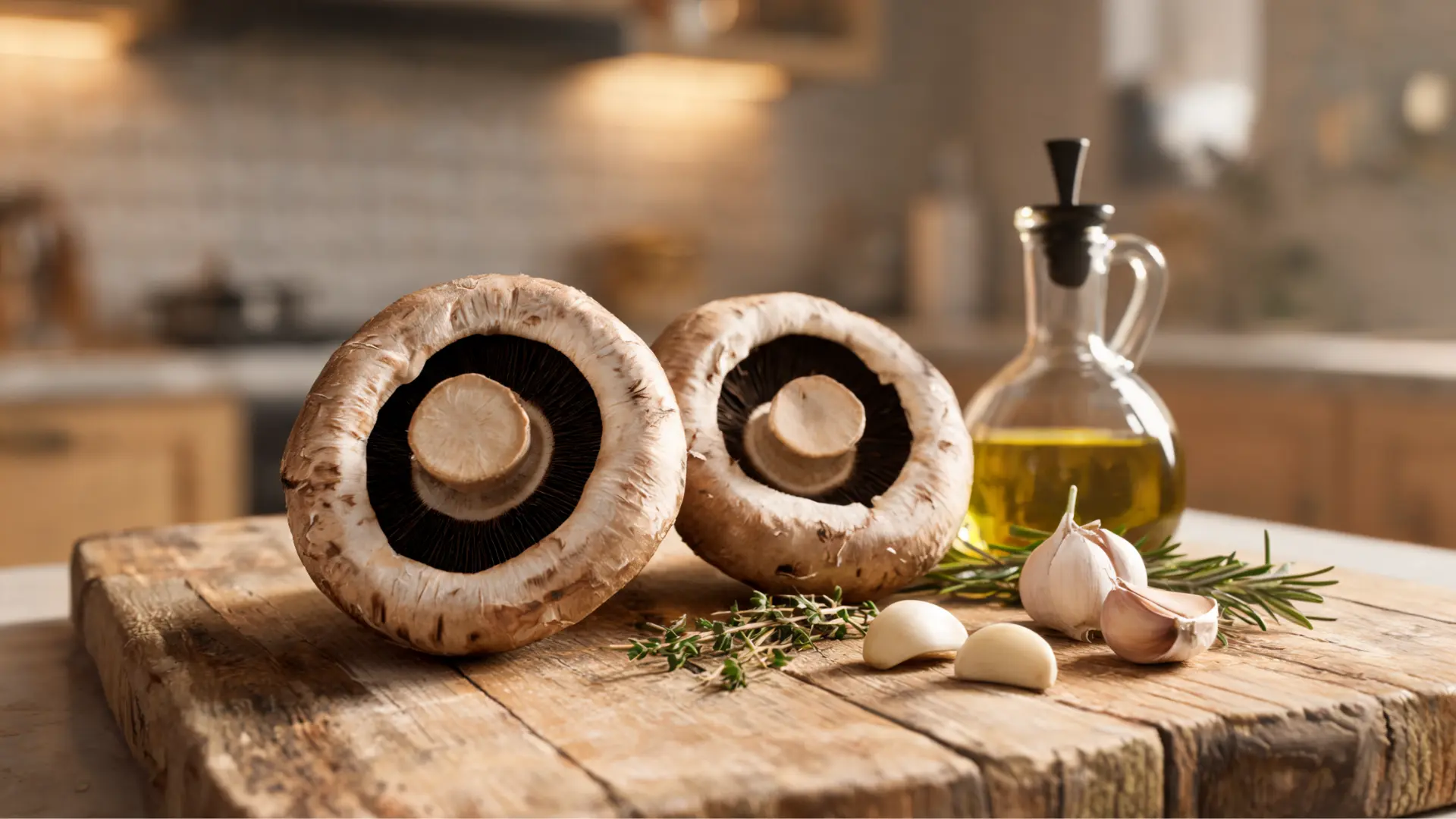
Portobello mushrooms can increase their vitamin D content when exposed to UV light before packaging. Their large caps and firm texture make them a popular choice for vegetarian meals. They hold their shape well during grilling, roasting, or stuffing, making them useful as a meat substitute.
According to Medical News Today, UV-exposed raw portobello mushrooms can contain around 568 IU per 50g serving, which is roughly 95% of the daily recommended intake. This makes them one of the most efficient per-serving sources among common mushroom types. Fresh UV-treated packs are the better option since dried portobello mushrooms are less widely available.
- Nutrients: Fiber, minerals, antioxidants, and filling plant-based texture
- Cooking: Remove the stem, wipe the cap, then grill, roast, or stuff
- Storage: Refrigerate in a paper bag to reduce moisture buildup
Best way to eat: Grill them as burger patties, stuff them, roast them, or slice them into wraps.
6. White Button Mushrooms
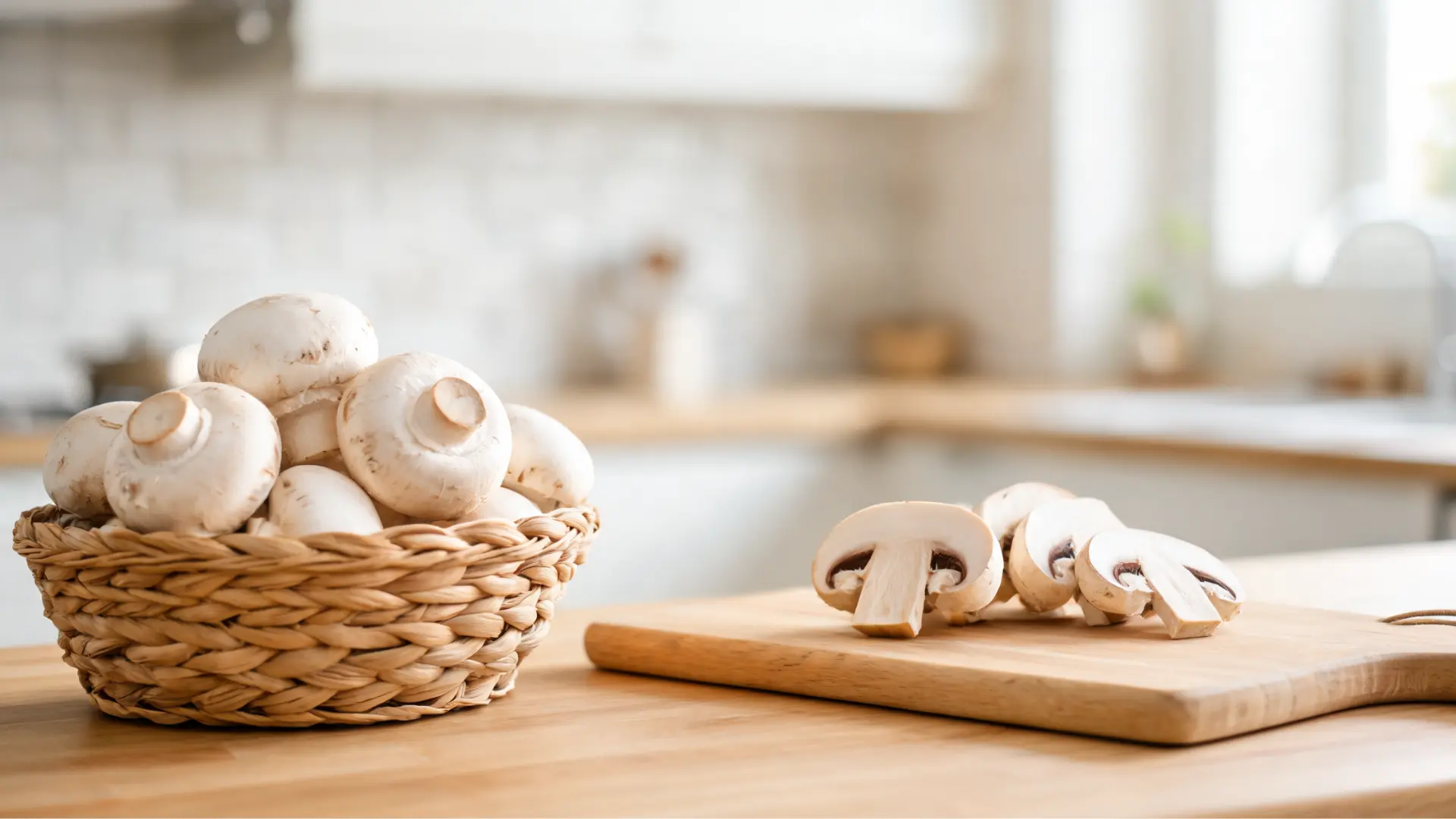
White button mushrooms are mild, affordable, and easy to use in daily cooking. Regular indoor-grown white mushrooms may be low in vitamin D, but UV-treated versions can provide better vitamin D2 value.
Their neutral taste makes them simple to add to family meals, soups, pasta, and breakfast dishes. Dried white button mushrooms are available sometimes, but fresh UV-treated ones are usually more common.
- Nutrients: Fiber, minerals, and light plant-based nutrition
- Cooking: Slice evenly so they cook at the same speed
- Storage: Keep refrigerated and avoid washing until just before cooking
Best way to eat: Add them to omelets, pasta sauces, soups, curries, or stir-fries.
7. Cremini Mushrooms
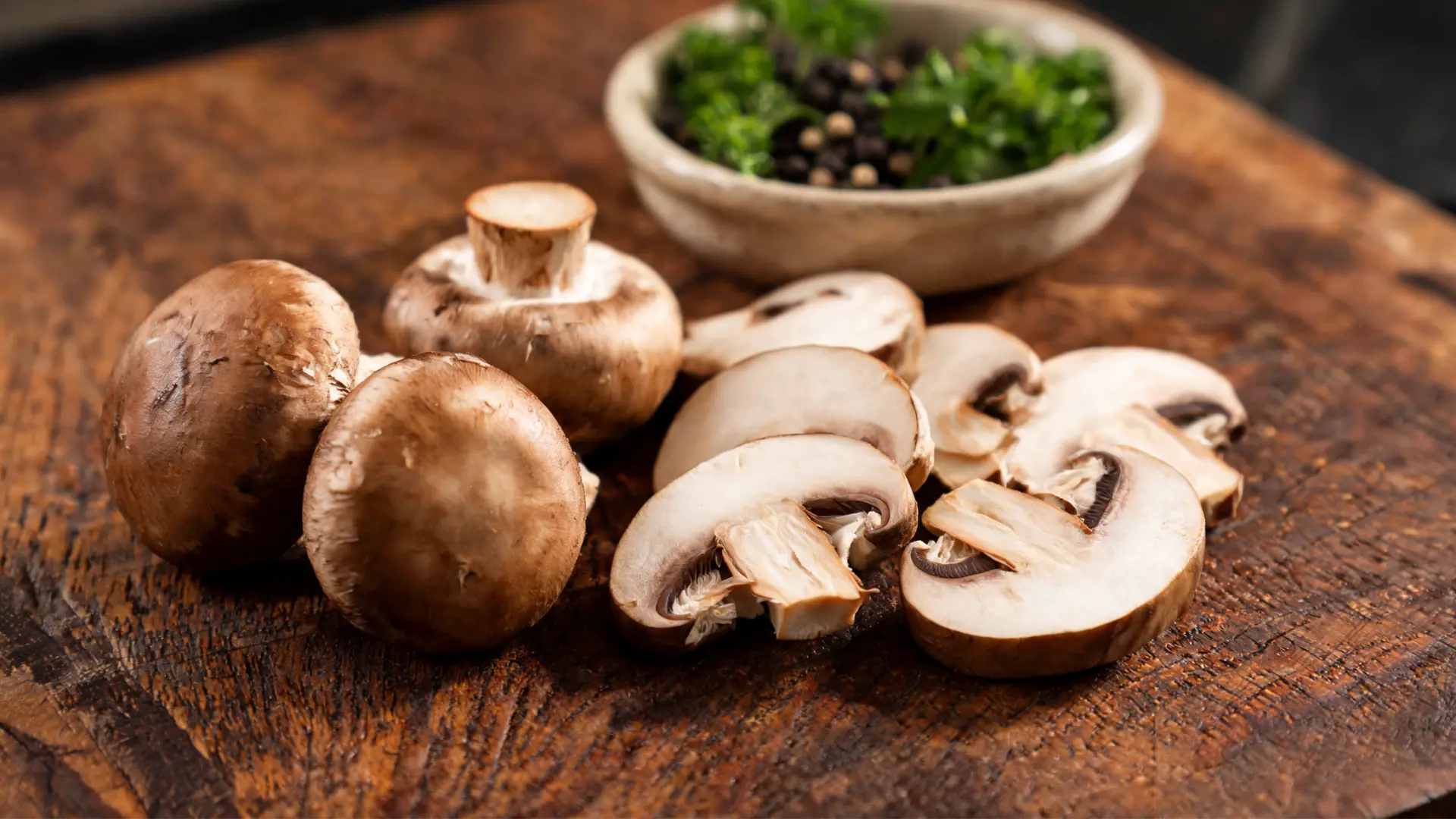
Cremini mushrooms have a deeper flavor than white button mushrooms and can provide vitamin D when UV-treated. They are firm, easy to cook, and useful in savory dishes.
Their vitamin D level depends on UV exposure, so the label is worth checking. Dried cremini mushrooms can also be used, but fresh, UV-treated cremini mushrooms are more commonly found in supermarkets.
- Nutrients: Fiber, minerals, antioxidants, and rich mushroom flavor
- Cooking: Roast or sauté to bring out their deeper taste
- Storage: Store in the fridge and keep dry to prevent sliminess
Best way to eat: Use them in risotto, pasta, soups, curries, or roasted vegetable trays.
8. Oyster Mushrooms
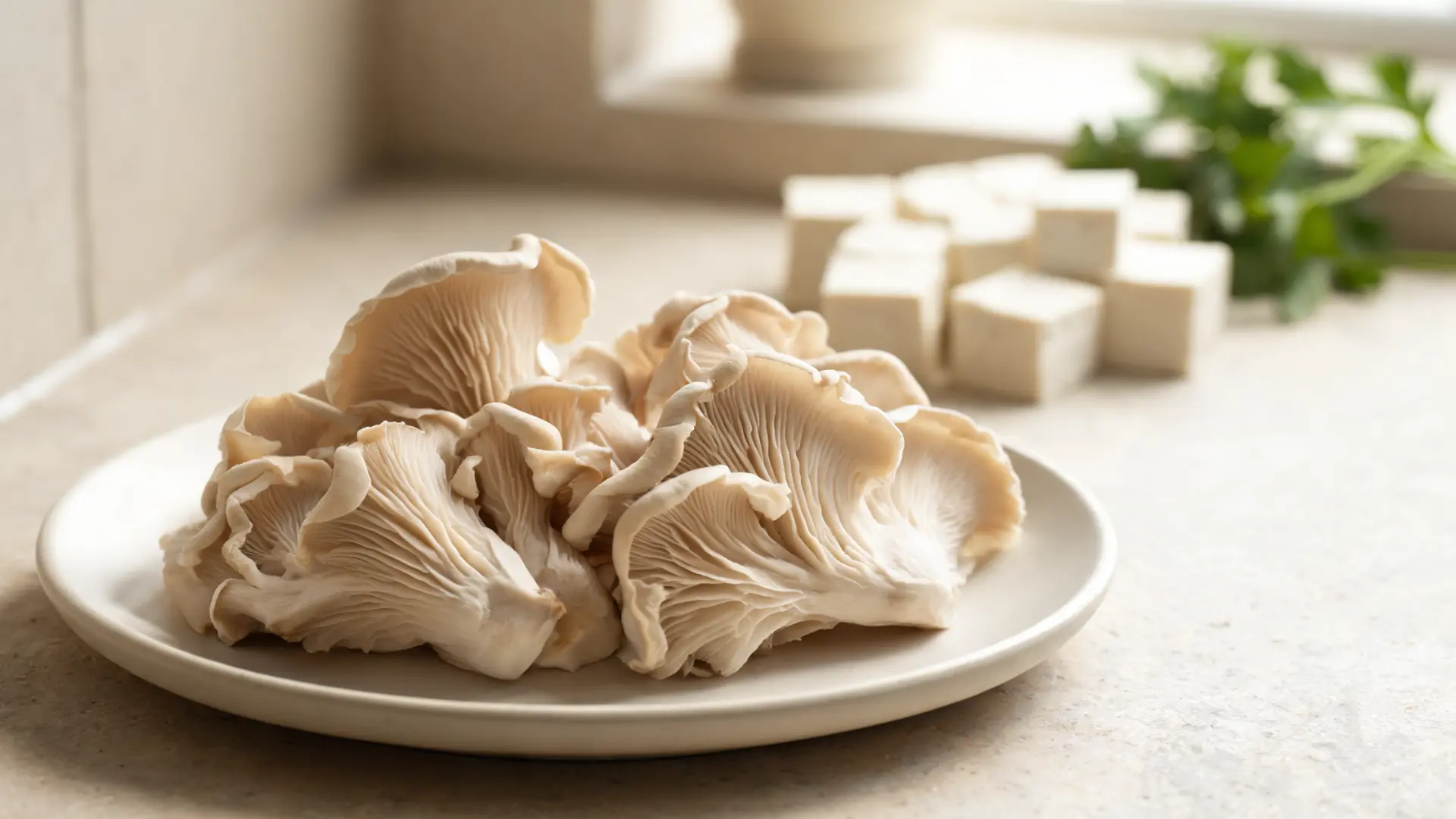
Indoor-grown oyster mushrooms typically contain less than 40 IU per serving, similar to other commercially raised varieties. UV treatment or outdoor growing conditions can significantly raise that number.
Oyster mushrooms cook quickly and are best torn by hand instead of sliced. Dried oyster mushrooms are also available and can be rehydrated for soups, noodles, and curries
- Nutrients: Fiber, minerals, antioxidants, and plant compounds
- Cooking: Tear by hand and cook quickly to keep a tender texture
- Storage: Refrigerate fresh oyster mushrooms and use them soon
Best way to eat: Add them to stir-fries, soups, noodles, curries, or vegan wraps.
9. Chanterelle Mushrooms
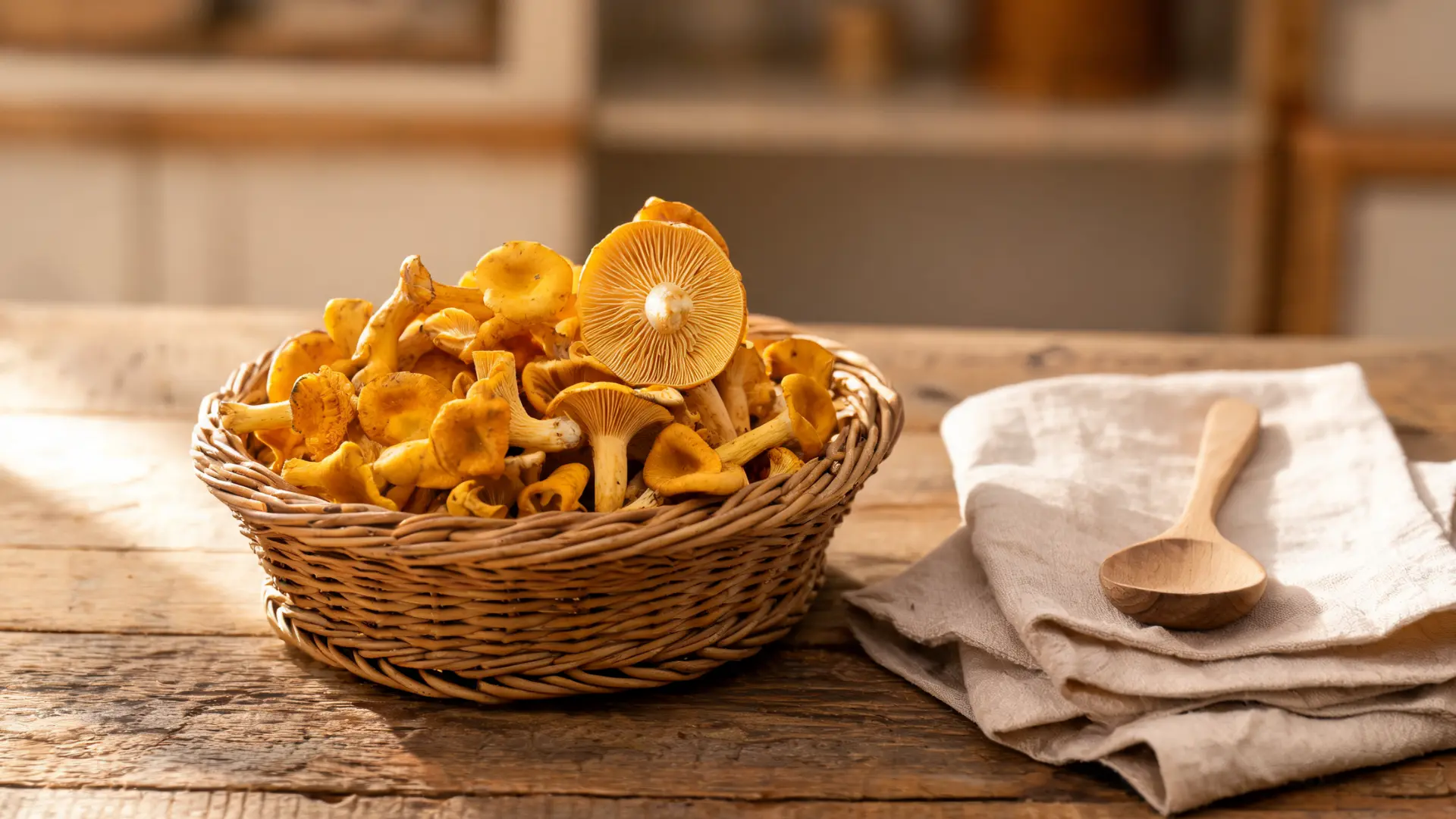
Chanterelle mushrooms may contain vitamin D when they grow outdoors with enough sunlight. They are known for their golden color, delicate texture, and slightly fruity flavor.
Since many chanterelles are wild and seasonal, their vitamin D content can vary by location, climate, and sunlight exposure. Dried chanterelles are also available and work well when rehydrated for sauces, soups, and pasta.
- Nutrients: Minerals, antioxidants, and possible natural vitamin D2
- Cooking: Cook gently because their texture is delicate
- Storage: Use fresh chanterelles quickly; store dried ones in an airtight jar
Best way to eat: Sauté them with garlic and add them to pasta, soups, sauces, or roasted vegetables.
10. Enoki Mushrooms
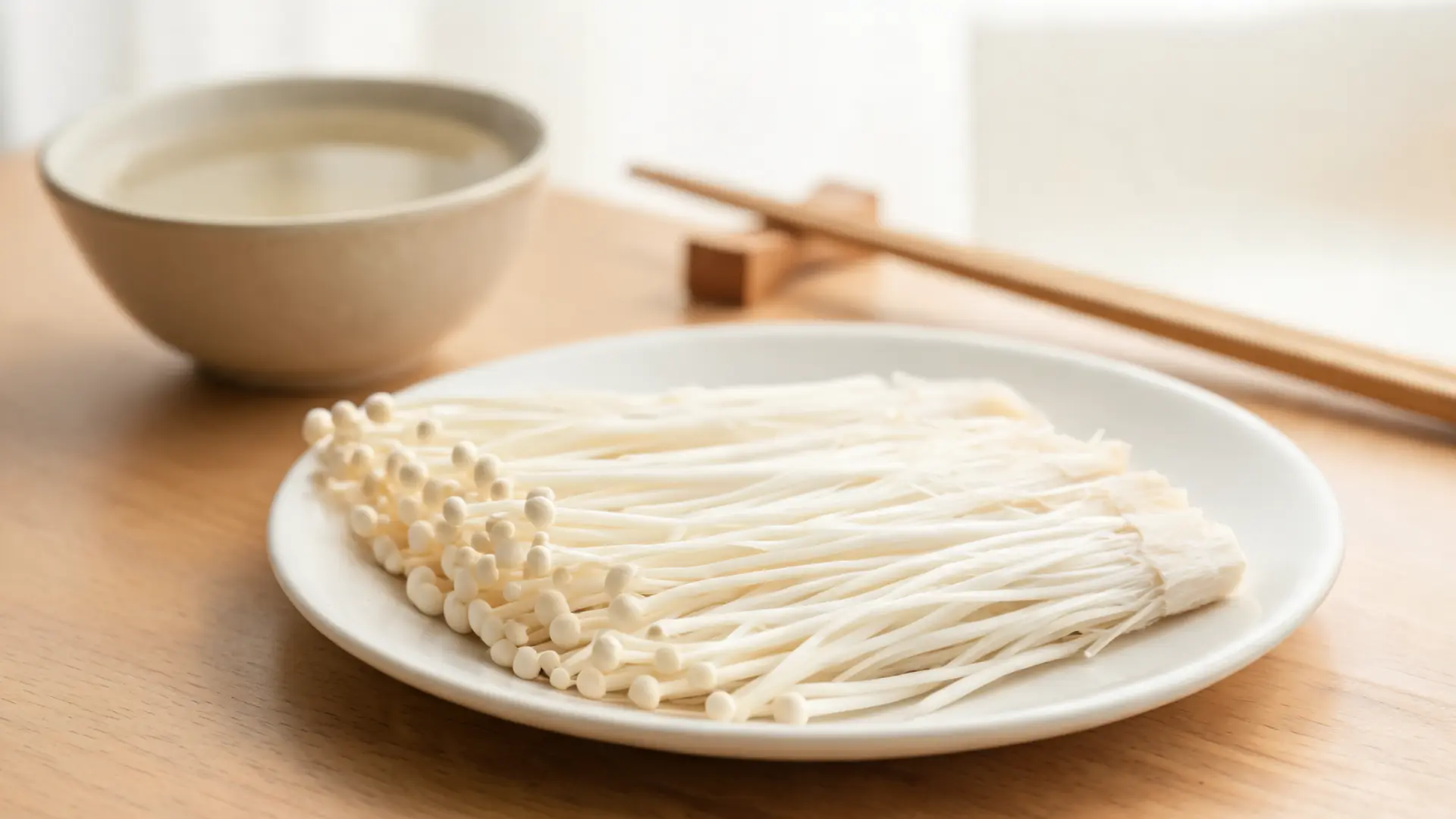
Enoki mushrooms can offer better vitamin D value when they are UV-treated. They have long, thin stems and small caps, with a mild flavor that pairs well with light meals.
Since they cook very quickly, add them near the end of the cooking process. Dried enoki mushrooms can be found in some stores, but fresh UV-treated enoki mushrooms are more common for soups and broths.
- Nutrients: Fiber, antioxidants, and light plant-based nutrients
- Cooking: Trim the root end and separate the strands before cooking
- Storage: Keep refrigerated in the pack and use before they soften
Best way to eat: Use them in hot pots, noodle soups, stir-fries, or clear broths.
11. Sun-Dried Mushrooms
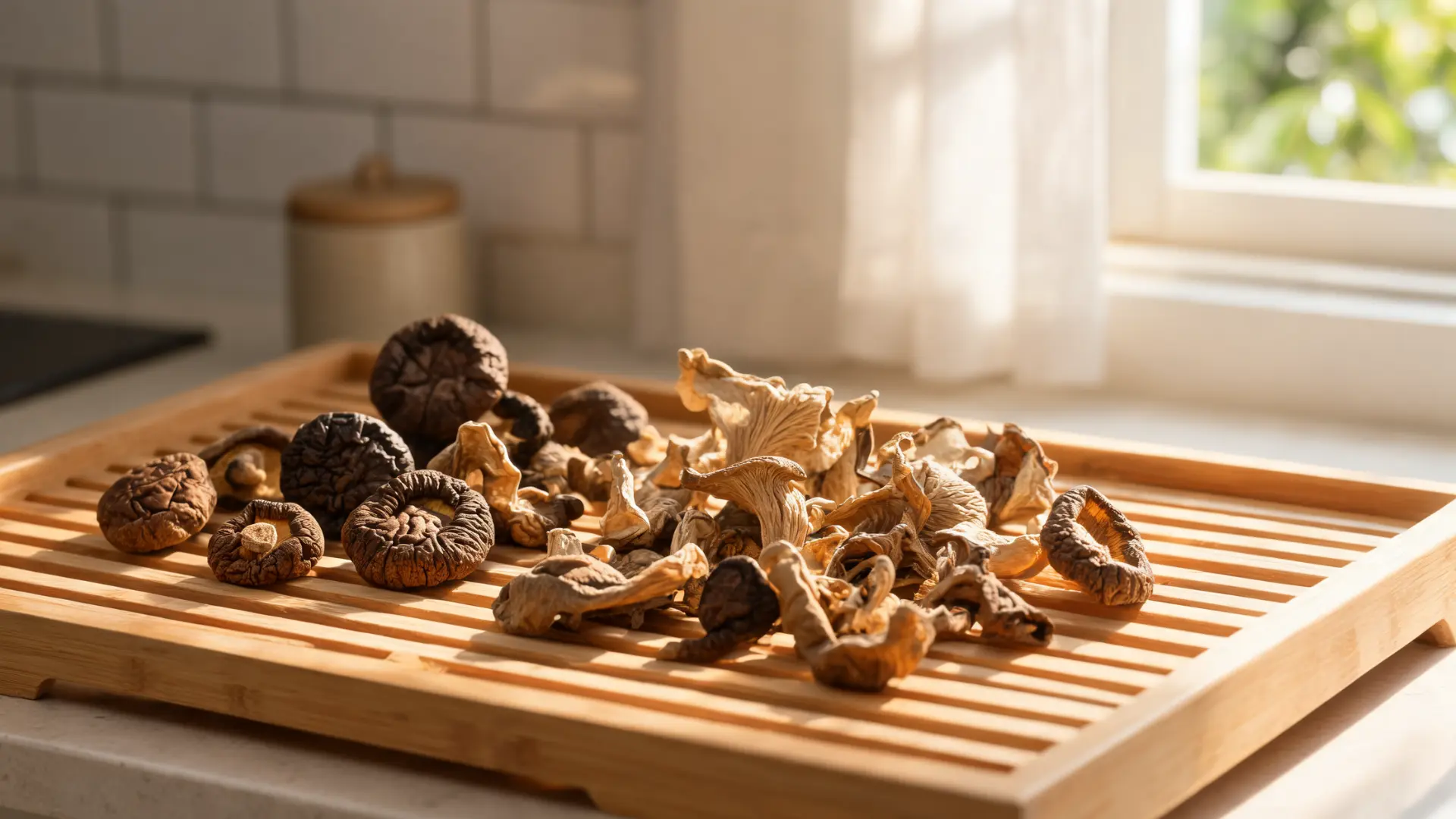
Sun-dried mushrooms can naturally develop more vitamin D because sunlight helps mushrooms produce vitamin D2. Drying also intensifies their flavor and extends shelf life, making them useful for pantry meals.
Many types of mushrooms can be eaten dried, including shiitake, maitake, morels, oyster mushrooms, and chanterelles. Rehydrating them before cooking helps restore texture and adds flavor to the soaking liquid.
- Nutrients: Concentrated flavor, minerals, antioxidants, and vitamin D2 potential
- Cooking: Soak in warm water before cooking to soften the texture
- Storage: The same principles that apply to storing produce properly apply here: keep dried mushrooms in an airtight container, away from heat and moisture.
Best way to eat: Rehydrate them and add them to soups, sauces, curries, rice, or stir-fries
Vitamin D Content in Mushrooms at a Glance
This table gives you a quick comparison of approximate vitamin D levels in different mushrooms. Values are based on UV-treated, sun-dried, outdoor-grown, or wild-harvested conditions and can vary by brand, growing method, and exposure time. Always check the package label for the most accurate per-serving amount.
| Mushroom Type | Approx. Vitamin D | Best Source Type |
|---|---|---|
| Maitake mushrooms | Up to 2,000+ IU per 100g | UV-treated or outdoor-grown |
| Portobello mushrooms | About 568 IU per 50g serving | UV-treated fresh packs |
| Sun-dried mushrooms | About 600 IU per 100g | Sun-dried and stored correctly |
| White button mushrooms | Up to 400 IU per 100g | UV-treated fresh or sliced |
| Chanterelle mushrooms | About 212 IU per 100g | Wild-harvested outdoors |
| Morel mushrooms | About 204 IU per 100g | Wild-harvested outdoors |
| Cremini mushrooms | Varies by product | UV-treated fresh packs |
| Shiitake mushrooms | Higher when sun-dried | Sun-dried with gills facing up |
| White button mushrooms without UV exposure | Less than 40 IU per 100g | Indoor-grown, not ideal for vitamin D |
Use this table as a shopping guide, not a fixed nutrition chart. UV-treated and sun-exposed mushrooms usually provide much more vitamin D than regular indoor-grown mushrooms. For the best results, look for labels that say “UV-treated,” “vitamin D enhanced,” “sun-dried,” or “high in vitamin D.”
Bone-Supporting Vegetables That Pair Well With Vitamin D Foods
Many vegetables support bone health, but only a few foods naturally contain vitamin D. Pairing nutrient-rich vegetables with vitamin D foods can help improve calcium absorption, support stronger bones, and create more balanced meals for everyday health.
| Vegetable | Key Bone-Supporting Nutrients | Best Pairing Foods |
|---|---|---|
| Spinach | Calcium, magnesium, and vitamin K | Eggs, mushrooms |
| Kale | Calcium, vitamin K, antioxidants | UV-exposed mushrooms, tofu |
| Collard Greens | Calcium, vitamin K | Fortified dairy, mushrooms |
| Bok Choy | Calcium, vitamin C, and vitamin K | Tofu, mushrooms |
| Broccoli | Calcium, vitamin C, fiber | Cheese, fortified yogurt |
| Sweet Potatoes | Magnesium, potassium, beta-carotene | Yogurt, eggs |
| Mustard Greens | Calcium, vitamin K, antioxidants | Mushrooms, fatty fish |
Combining bone-supporting vegetables with vitamin D-rich foods is one of the simplest ways to improve overall nutrition and support long-term bone health. Much like natural plant nutrients work best in combination, the minerals in these vegetables are most useful when paired with the right co-factors.
Fruits That Support Vitamin D Intake
Fruits do not naturally contain vitamin D. This includes bananas, oranges, apples, figs, papaya, kiwi, guava, and avocado. The only fruit-based option that may contain vitamin D is fortified orange juice, where vitamin D is added during processing.
Some fruits can still indirectly support a vitamin D-focused diet. Avocado provides healthy fats, which may help with vitamin D absorption because vitamin D is fat-soluble.
Bananas provide magnesium, which supports vitamin D activation in the body. Figs, kiwi, papaya, and guava offer fiber, antioxidants, vitamin C, potassium, or calcium, but they should not be treated as vitamin D foods.
For actual vitamin D intake, rely on UV-exposed mushrooms, fortified milk, fortified tofu, fortified cereal, eggs, fatty fish, or supplements if needed. Fruits are useful for overall nutrition, but they are only supporting foods, not direct vitamin D sources
Vitamin D Foods for Vegetarians, Vegans, and Non-Vegetarians
Vitamin D can come from both natural and fortified foods, but the right choice depends on your diet. This table compares vegetarian, vegan, and non-vegetarian sources so readers can quickly find practical options for daily meals.
| Food | Diet Type | Main Benefit | Best Way to Eat |
|---|---|---|---|
| Fortified Plant Milk | Vegan | Dairy-free vitamin D source | Use in oats, smoothies, or cereal |
| Fortified Tofu | Vegan | Adds vitamin D, protein, and calcium | Stir-fry, grill, or add to curries |
| Fortified Breakfast Cereal | Vegetarian/Vegan | Easy breakfast source | Pair with fortified milk |
| Fortified Orange Juice | Vegetarian/Vegan | Dairy-free vitamin D option | Drink with breakfast |
| Fortified Yogurt | Vegetarian | Supports bones and gut health | Add fruit, nuts, or cereal |
| Fortified Cow’s Milk | Vegetarian | Provides vitamin D, calcium, and protein | Use in oats, tea, or cereal |
| Fatty Fish | Non-vegetarian | Rich natural vitamin D source | Grill, bake, or pan-sear |
| Cod Liver Oil | Non-vegetarian | Very concentrated vitamin D source | Take in small amounts as advised |
Keep in mind that fortified foods are not all the same, so reviewing the nutrition label can help you choose better options.
How Much Vitamin D Do You Need Daily?
Vitamin D needs can change with age because the body’s ability to absorb nutrients and produce vitamin D from sunlight changes over time. These general daily intake levels can help readers understand how much vitamin D they may need.
- Babies need less, but consistently: around 400 IU daily.
- Most children and adults need around 600 IU daily.
- Older adults need more: around 800 IU daily after age 70.
- People with deficiency risk may need a doctor-recommended dose after testing.
These values are general guidelines. People with low vitamin D levels, limited sun exposure, or certain health conditions should speak with a healthcare provider before taking higher-dose supplements.
How to Read Food Labels for Vitamin D
Food labels can help you check whether a product actually supports your vitamin D intake. This is especially important for fortified foods because vitamin D levels can change by brand, serving size, and product type.
- Check for fortification claims: Look for words like “fortified with vitamin D,” “vitamin D enriched,” or “high in vitamin D.”
- Read the nutrition facts panel: Check how much vitamin D is listed per serving.
- Look at the unit: Vitamin D may be shown in IU or mcg, so do not ignore the measurement.
- Compare serving sizes: One product may look higher in vitamin D only because the serving size is larger.
- Check D2 or D3: Some products use vitamin D2, while others use vitamin D3.
- Read the ingredient list: This is helpful if you follow a vegan diet and want a plant-based source of vitamin D.
- Avoid front-label assumptions: Words like “healthy,” “natural,” or “plant-based” do not always mean the product contains vitamin D.
- Example: If almond milk says “fortified with vitamin D” and lists 120 IU per cup, it can count as a vitamin D food.
Vitamin D Meal Ideas
Vitamin D meal ideas work best when you combine a vitamin D source with protein, healthy fats, and bone-supporting foods. Since vitamin D is found in limited foods, try using UV-exposed mushrooms, fortified milk, fortified tofu, yogurt, eggs, or fatty fish in everyday meals.
For breakfast, you can have fortified cereal with fortified milk, a mushroom omelet, avocado toast with eggs, or yogurt with fruit and nuts.
Lunch ideas can include tofu and mushroom stir-fry, portobello wraps, kale salad with eggs, or rice bowls with broccoli and UV-exposed mushrooms.
For dinner, try grilled salmon with sweet potatoes, mushroom pasta, tofu curry, baked fish with greens, or egg fried rice with shiitake mushrooms.
Snacks can include fortified smoothies, yogurt bowls, dried figs with nuts, or mushroom toast. Adding healthy fats like olive oil, avocado, nuts, or seeds may also support better vitamin D absorption
Frequently Asked Questions
Are canned mushrooms a vitamin D source?
Canned mushrooms are usually not a strong vitamin D source unless the label clearly says they are vitamin D enriched or UV-treated. Most canned versions are grown indoors and processed for shelf life, so they should not be your main vitamin D food.
Can indoor plants or greens provide vitamin D?
No, indoor plants and leafy greens do not provide meaningful vitamin D. Vegetables like spinach, kale, and broccoli support health in other ways, but they do not produce vitamin D like UV-exposed mushrooms can. Pair them with fortified foods or mushrooms instead.
Does drying mushrooms at home add vitamin D?
Drying mushrooms in sunlight may help increase vitamin D2 if the gills are exposed to direct sun. Drying them indoors or in a dehydrator will not have the same effect. Sun exposure, mushroom type, and drying time all affect the final amount.
Which mushroom is easiest to add daily?
White button, cremini, and portobello mushrooms are usually the easiest to add daily because they are widely available and simple to cook. Choose UV-treated packs when possible. They work well in eggs, wraps, pasta, soups, stir-fries, and rice bowls.
Can too much vitamin D from food be harmful?
Getting too much vitamin D from regular foods is uncommon, but high-dose supplements can cause problems if taken without guidance. Very high vitamin D intake may affect calcium levels and kidney health. Follow label amounts and speak with a healthcare provider if supplementing heavily.
Conclusion
Finding genuine vitamin D vegetables usually leads to dead ends because mushrooms are the only plant-based whole food that fits the description.
I hope this guide helps you look past misleading nutrition trends so you can shop with confidence.
Remember to prioritize UV-exposed or sun-dried mushrooms, utilize fortified foods effectively, and always pair them with healthy fats to boost your body’s absorption.
Meeting your daily requirements does not have to be a guessing game when you know what to look for on food labels.
Try swapping standard mushrooms for a UV-treated variety during your next grocery trip, and drop a comment below to share your favorite way to cook them.