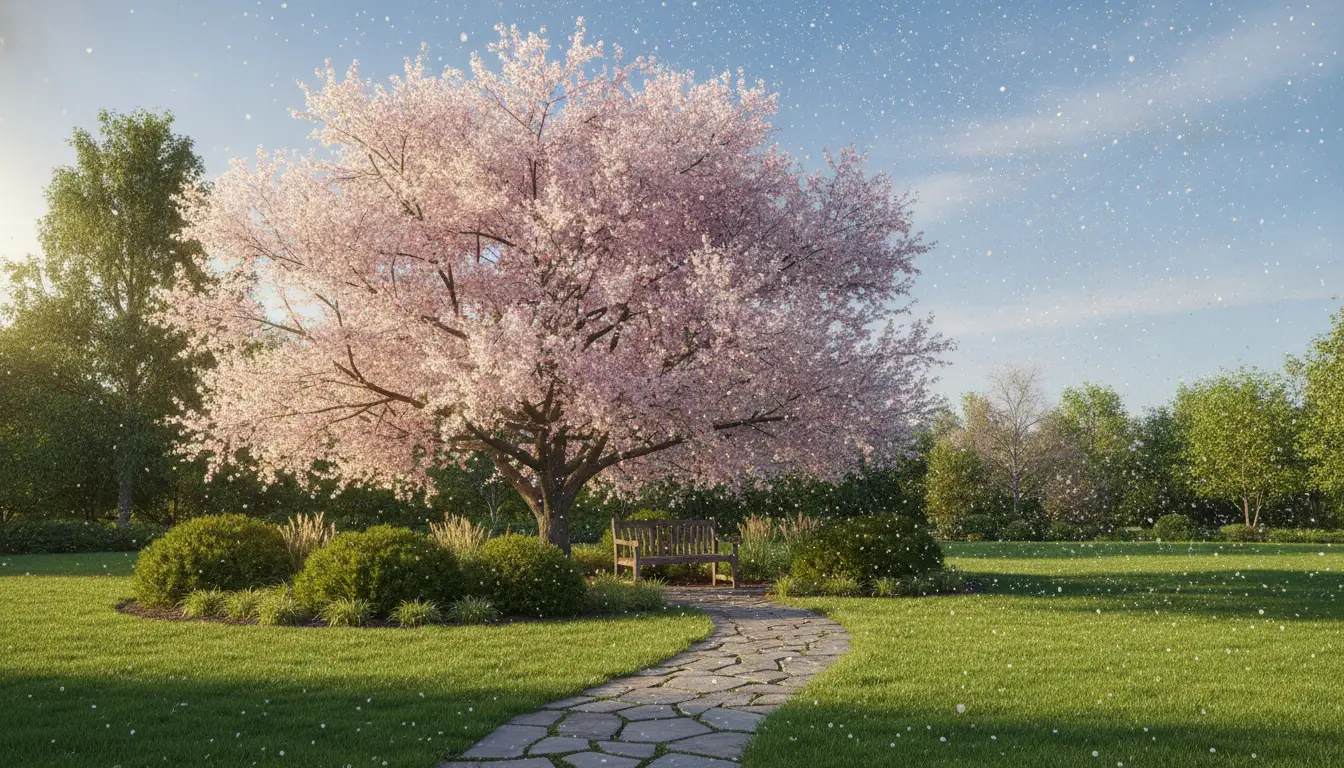
Cherry blossom trees have earned their place among the most admired ornamental trees for good reason. Their delicate blooms signal the arrival of spring, add graceful structure to a landscape, and create a peaceful atmosphere that few other trees can match.
Whether you have a sprawling property or a modest suburban yard, choosing the right variety can add years of seasonal interest. Beyond their famous flowers, cherry blossoms can support wildlife, provide gentle shade, and increase the overall appeal of your outdoor space with relatively simple care.
A Springtime Showstopper
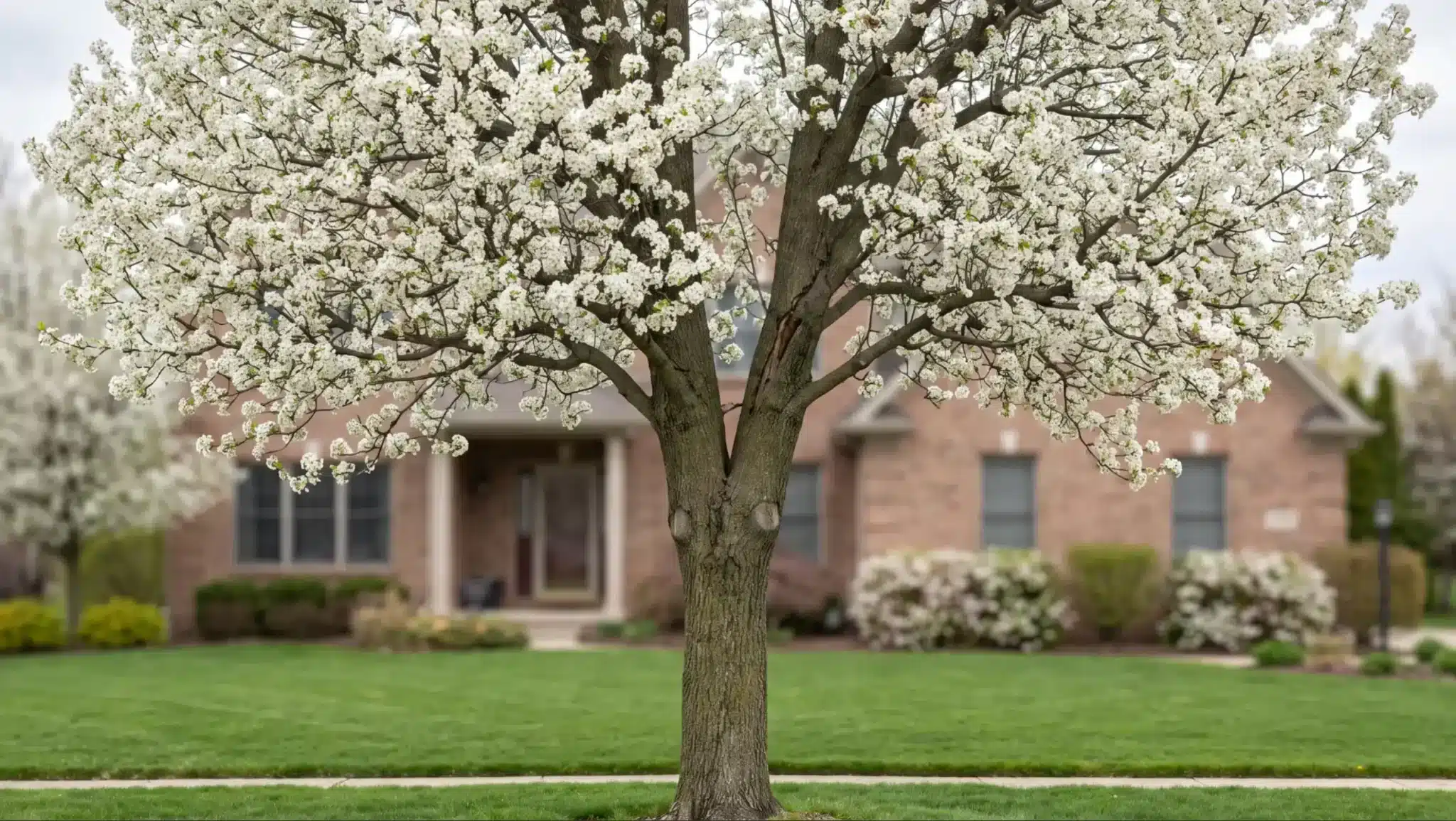
Few landscape features attract attention as naturally as a Cherry Blossom tree bursting into bloom. Depending on the variety, these trees produce clouds of pink or white flowers that often appear before the leaves emerge, creating a dramatic display after a long winter. That seasonal transformation gives homeowners something to anticipate every year, making spring feel even more rewarding.
Cherry blossom trees also pair well with many common landscape plants. Evergreen shrubs, flowering perennials, and ornamental grasses can all complement the tree without competing for attention. Because the blooms typically last only a short time, surrounding the tree with plants that flower later in the season helps keep the landscape colorful well into summer.
Many varieties also develop attractive foliage after the blooms fade. Some feature rich green leaves throughout the growing season before turning shades of gold, orange, or bronze in autumn. Instead of offering beauty for only a few weeks, these trees continue contributing to the landscape long after the blossoms have disappeared.
Adds Character Year Round
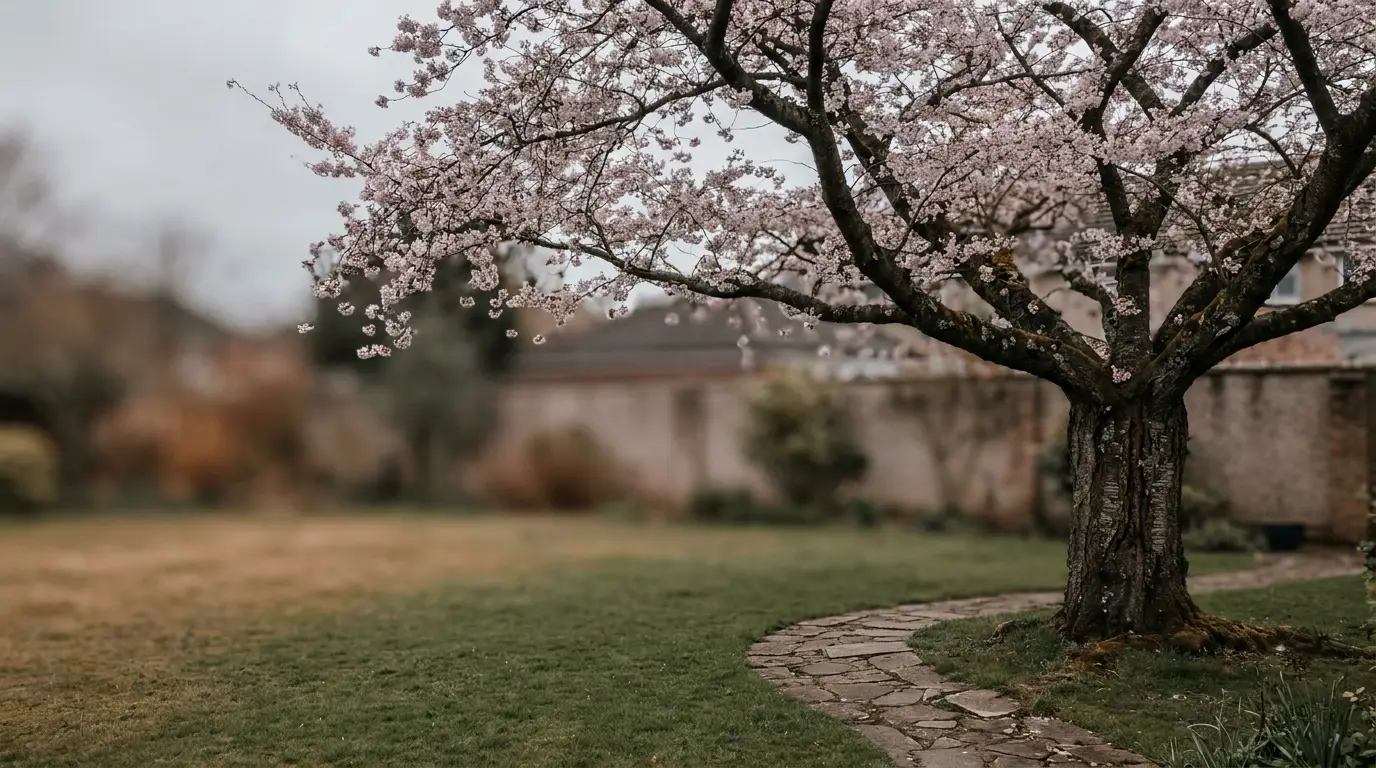
A thoughtfully placed cherry blossom tree can become the visual centerpiece of an entire yard. Even during winter, the graceful branching pattern provides structure that prevents the landscape from looking bare. Mature specimens develop elegant silhouettes that create interest in every season.
These trees fit comfortably into a wide range of landscape styles. Traditional gardens often use them near walkways or patios, while more contemporary designs may feature a single specimen surrounded by clean planting beds. Their moderate size also makes them practical for residential neighborhoods where space is more limited than in rural settings.
Because cherry blossoms are primarily grown for their ornamental value, they encourage homeowners to think more intentionally about landscape design. Adding curved pathways, benches, decorative stone borders, or seasonal flower beds nearby creates an inviting outdoor retreat without requiring an extensive renovation. The result feels cohesive rather than crowded, giving the yard a polished appearance.
Supports Wildlife Naturally
Although cherry blossom trees are famous for their flowers, they also provide meaningful benefits for local wildlife. Early spring blooms offer an important nectar source for bees and other pollinators emerging after winter. Supporting these beneficial insects contributes to a healthier garden overall, especially if you grow vegetables, herbs, or flowering plants nearby.
Birds also appreciate the shelter provided by the tree’s branches throughout much of the year. While ornamental cherry varieties generally do not produce significant fruit, they still create resting places and nesting opportunities for many common backyard birds. Watching wildlife become more active around your landscape adds another layer of enjoyment that extends well beyond the flowering season.
When selecting a planting location, choose an area with good air circulation and adequate sunlight. Most ornamental cherry trees perform best with several hours of direct sun each day and well-drained soil. Providing those basic conditions helps promote vigorous growth while reducing the likelihood of common fungal problems that may affect ornamental trees in damp environments.
Simple Care, Lasting Rewards
One reason many homeowners appreciate cherry blossom trees is that they offer impressive visual rewards without demanding constant attention. After becoming established, most varieties require routine watering during extended dry periods, occasional pruning to remove damaged branches, and seasonal mulching to help regulate soil moisture.
Choosing a healthy tree from a reputable nursery also improves long-term success. Before planting, consider the mature height and width so the tree has room to develop naturally without crowding nearby structures or power lines. Selecting a variety that suits your climate can make maintenance much easier over the years.
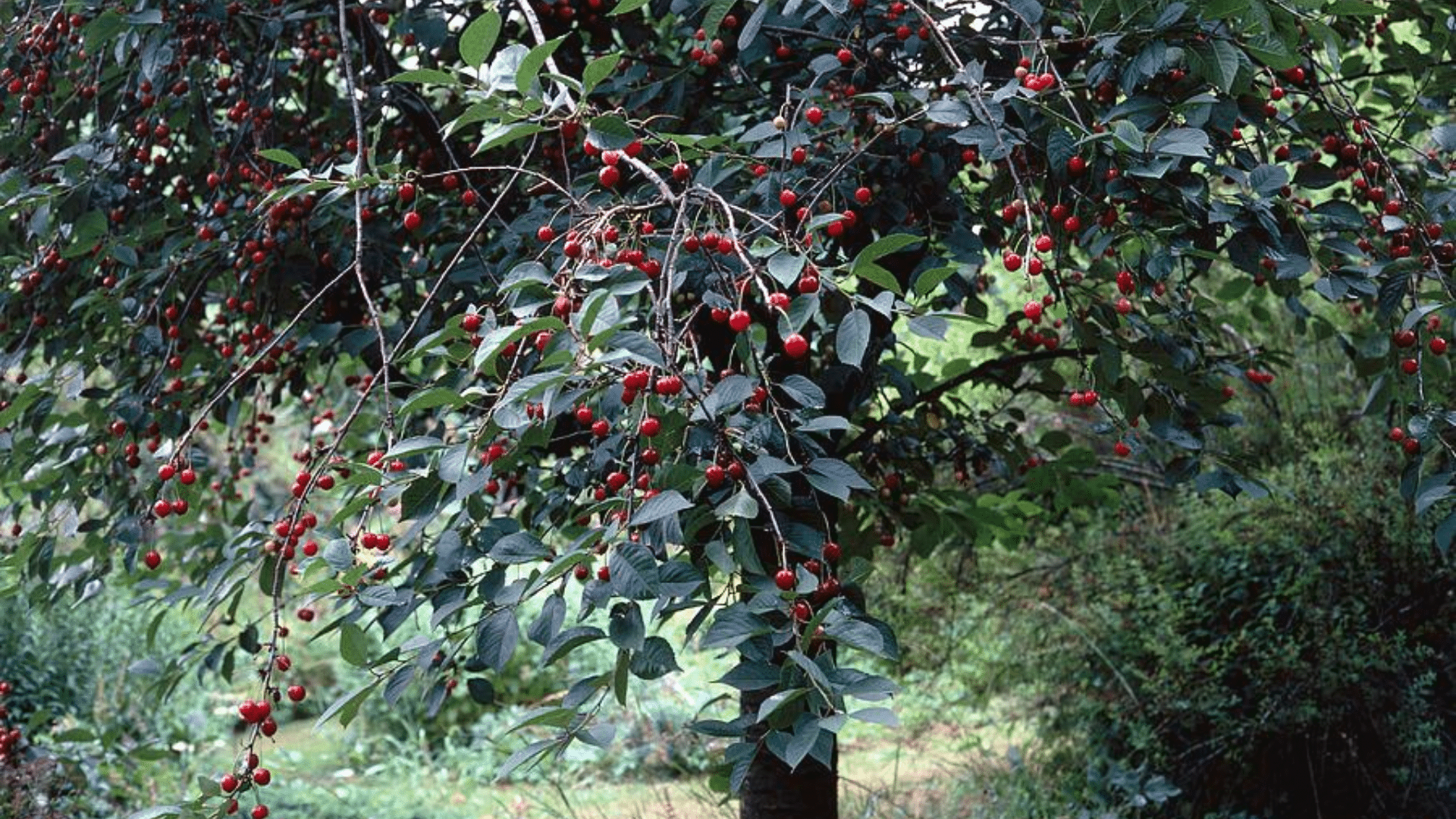
It is also worth exploring several ornamental cherry species before making a final decision. Some develop weeping branches, while others grow in upright forms or feature double blossoms. Looking beyond the familiar options may introduce you to beautiful varieties like a Wild Cherry tree, each offering distinctive characteristics that complement different landscape designs while expanding the visual diversity of your yard.
A Landscape Worth Enjoying
Planting a cherry blossom tree is an investment that rewards patience. Each spring brings a fresh display of blossoms, while the tree continues adding texture, shade, and visual interest throughout the year. With thoughtful placement and routine care, it can become one of the most memorable features of your landscape. Even a single well-chosen tree has the ability to make your yard feel more welcoming for years to come.