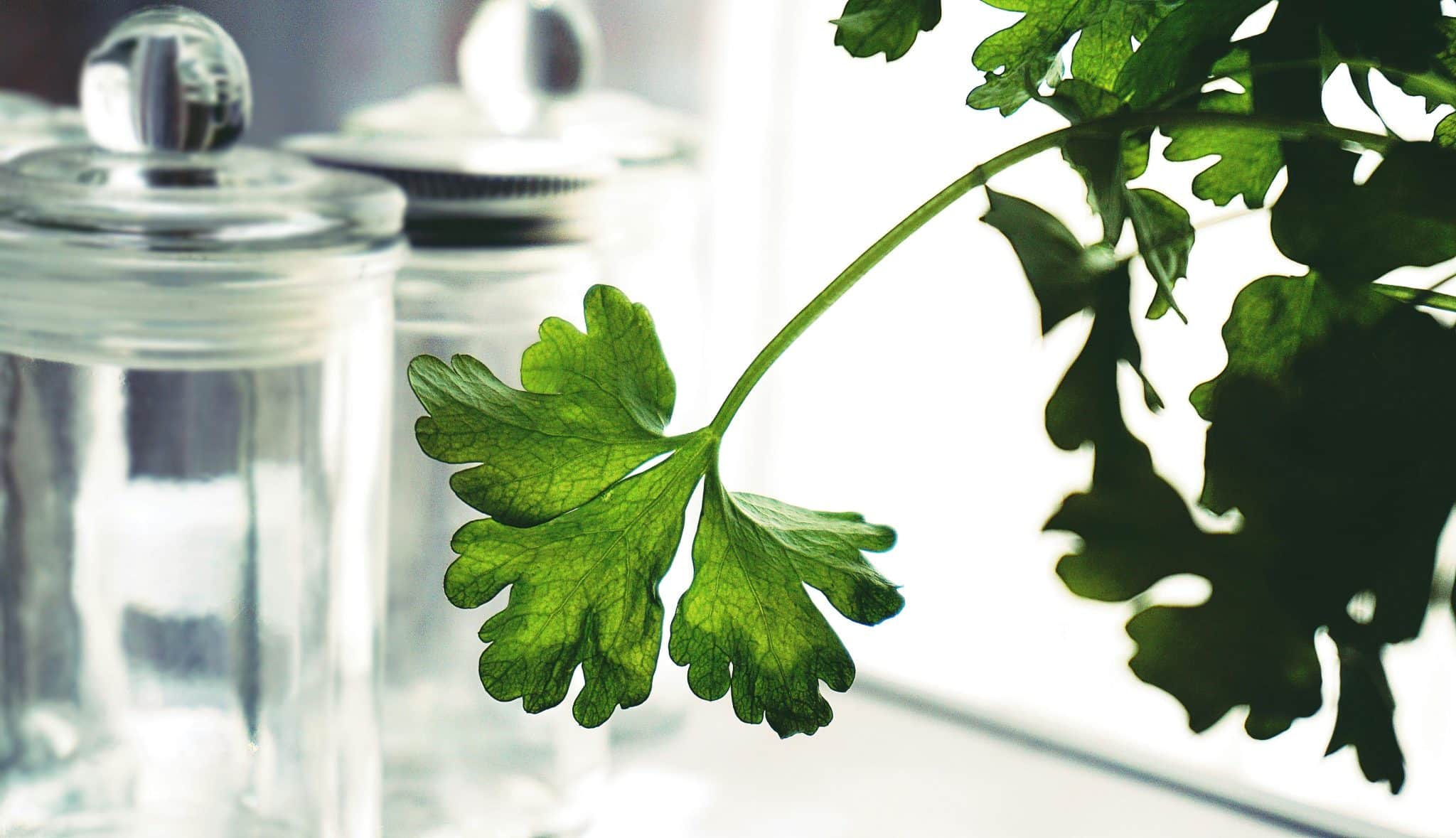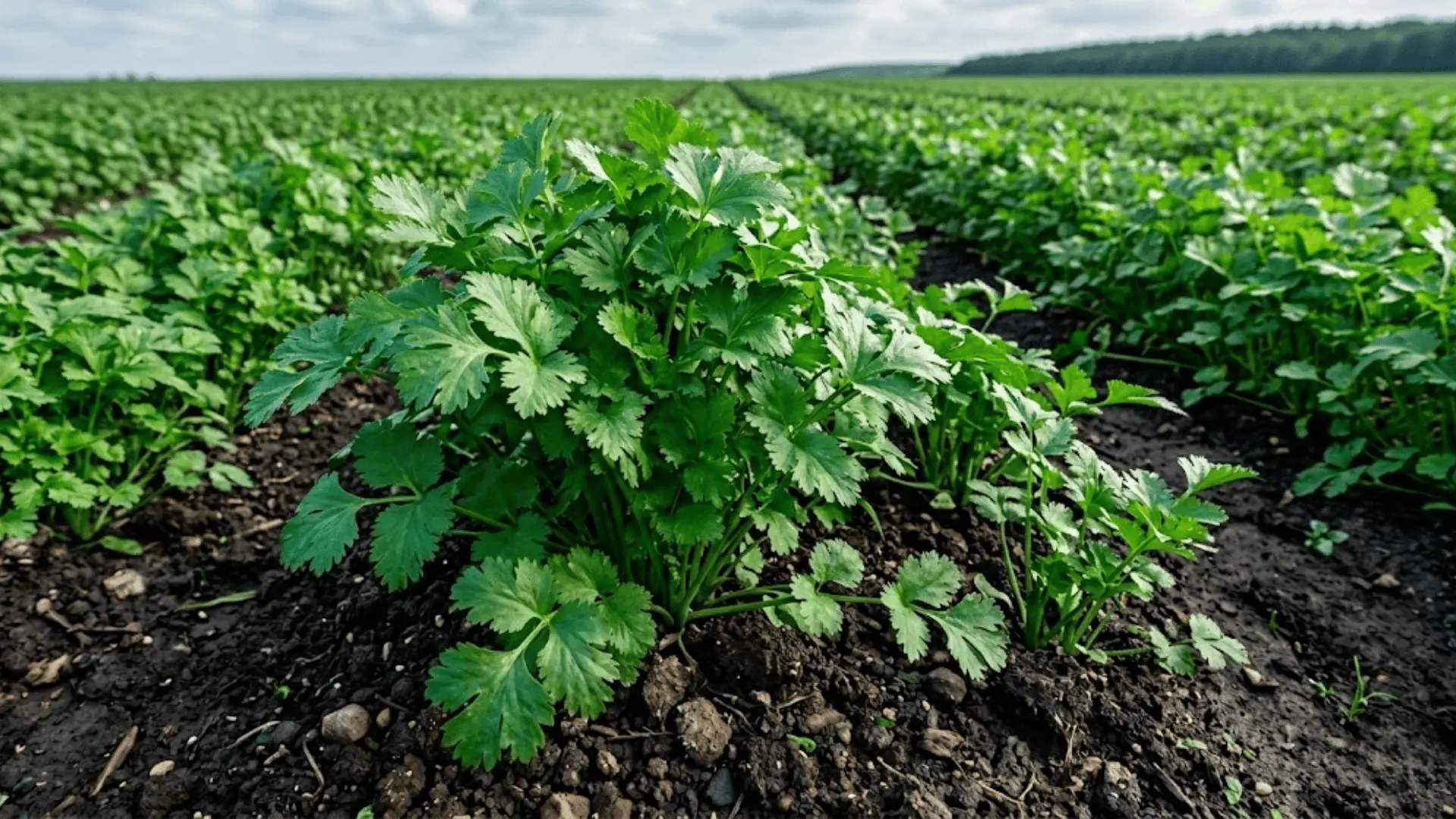
Cilantro is that one herb you always want more of, and somehow never have enough of.
It’s generous when it’s happy, a little stubborn when it’s not, and wildly worth figuring out.
Growing it at home is absolutely doable; you just have to learn how it thinks. It has a short lifecycle, a strong opinion about heat, and a tendency to bolt the moment you stop paying attention.
Once you get a feel for what it loves, though, a steady, fresh harvest becomes so much more achievable than it sounds.
What are the Ideal Cilantro Growing Conditions?
Cilantro has a clear idea of its perfect environment, and matching it is honestly half the work.
Here’s exactly what to aim for:
- Temperature: Keep it between 50–75°F; anything warmer and it starts bolting before you’re ready.
- Sunlight: 6 hours of full sun daily is ideal, with some afternoon shade to protect it when temperatures climb.
- Soil: Go for well-drained, fertile soil with a pH of 6.2–6.8 for the best root health.
- Water: Water consistently to keep the soil evenly moist, but let the top layer dry slightly between sessions to avoid waterlogging.
- Season: Plan your planting around spring and fall; these cooler windows give it the longest, most productive growing period.
Get these basics in place, and you’re already setting your cilantro up for a really good life.
Climate and Temperature Requirements
Cilantro is a cool-season herb through and through. Get its climate conditions right, and it’ll grow steadily and generously; push it into the wrong season, and it’ll rush straight to seed.
Cool Weather is Essential
Cilantro genuinely thrives when the air is mild and comfortable. It grows best between 50–75°F, producing lush, full leaves with good flavor.
Once temperatures creep above 85°F, the plant shifts its energy toward flowering and seed production, which is great for coriander, but not so much if you’re after a steady leaf harvest.
Keeping it cool is the single most effective way to extend its growing window.
Best Seasons to Grow Cilantro
The timing of your planting makes a bigger difference than most people expect.
Here’s when cilantro is happiest:
- Early Spring: Plant as soon as the last frost passes and the soil is workable.
- Fall: A second planting in late summer gives you a fresh harvest as temperatures drop.
- Winter: In mild climates where frost is light and infrequent, cilantro can grow comfortably through the cooler months.
Frost and Heat Tolerance
Cilantro handles temperature extremes differently depending on how intense and prolonged they are.
Here’s a quick breakdown:
| Condition | Temperature | Impact |
|---|---|---|
| Light Frost | Below 32°F briefly | Tolerated well |
| Hard Freeze | Sustained below 32°F | Damages or kills the plant |
| Moderate Heat | 75–85°F | Slows growth, watch for bolting |
| Prolonged Heat | Above 85°F | Triggers bolting, flavor declines |
Sunlight Needs for Cilantro
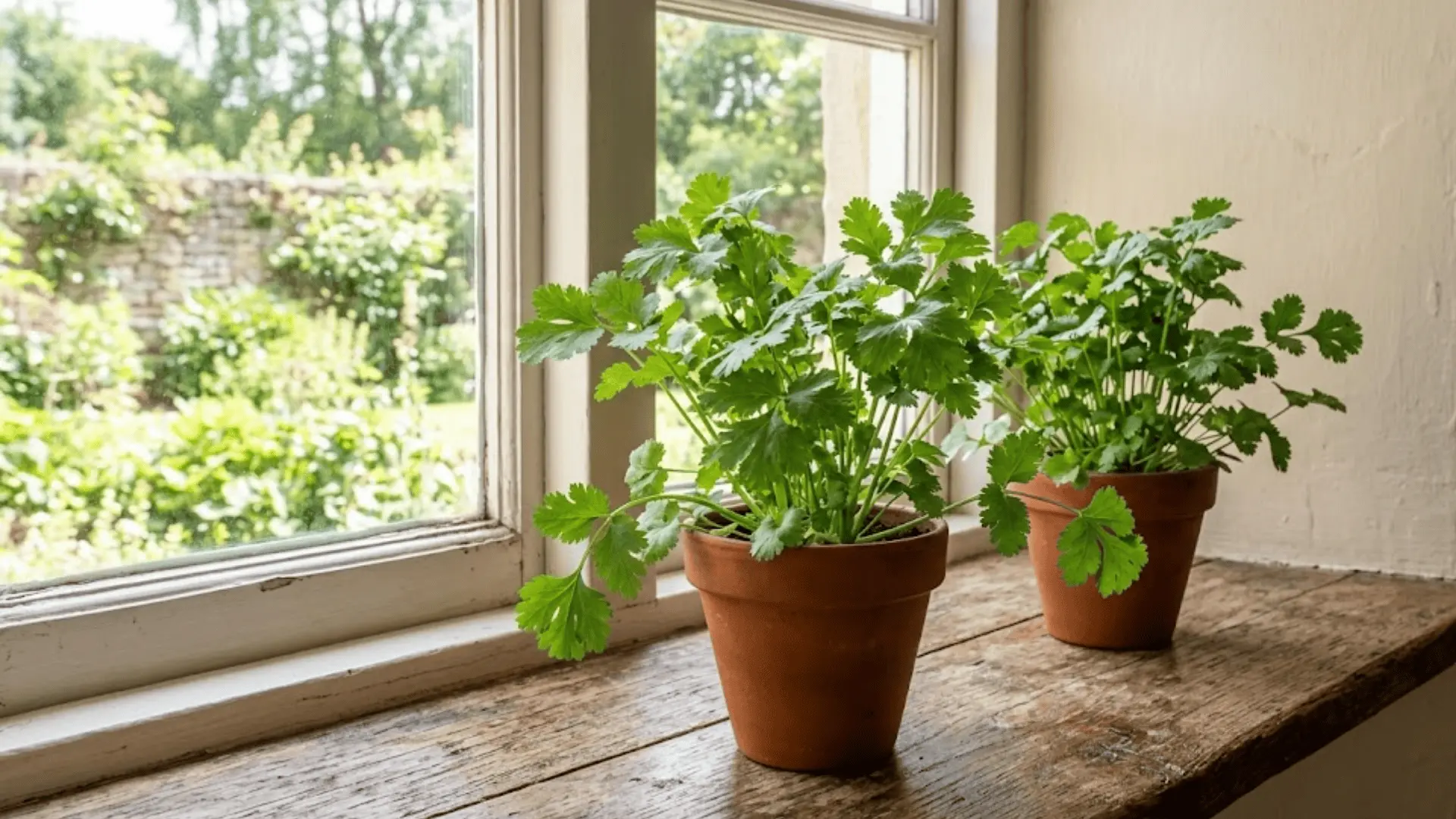
Light is one of those things cilantro is quietly specific about. Too little and it gets weak and straggly; too much intense heat alongside it and it bolts.
Finding that balance is what keeps it growing full and flavourful.
Full Sun vs. Partial Shade
How much sun cilantro needs really depends on where you’re growing it and what season you’re in.
Here’s how full sun and partial shade compare:
| Condition | Full Sun | Partial Shade |
|---|---|---|
| Daily Light | 6+ hours | 3–4 hours |
| Best For | Cool climates, spring and fall | Hot climates, summer growing |
| Leaf Growth | Lush and productive | Steady but slower |
| Bolting Risk | Higher in warm weather | Lower, stays leafy longer |
Indoor Light Requirements
Growing cilantro indoors is absolutely doable, but light is where most people run into trouble.
Here’s what to get right from the start:
- Bright Window: A south or west-facing window with 6 hours of natural light is your best starting point.
- Grow Lights: If natural light is limited, a full-spectrum grow light kept on for 12–14 hours does the job well.
- Avoid Low Light: Insufficient light leads to leggy, weak stems and a noticeably poor flavor.
- Rotate Regularly: Turn the pot every few days to keep growth even and prevent it from leaning toward the light source.
Soil Requirements for Healthy Growth
Cilantro isn’t too demanding about soil, but it does have a clear preference.
Get the texture and nutrition right from the start, and it’ll establish quickly, root well, and reward you with steady, healthy growth.
Best Soil Type
The quality of your soil sets the tone for everything that follows.
Here’s what cilantro’s ideal growing medium looks like:
| Soil Quality | Ideal Condition | What to Avoid |
|---|---|---|
| Texture | Loose and light | Dense or compacted |
| Drainage | Well-drained | Waterlogged or soggy |
| Nutrition | Rich in organic matter | Nutrient-depleted soil |
| Composition | Garden soil amended with compost | Heavy clay-based mixes |
Soil pH
Cilantro prefers a slightly acidic to neutral soil pH, ideally sitting between 6.2 and 6.8. Within this range, nutrients stay accessible, and the roots absorb them efficiently.
If your soil falls outside this window, a simple pH test can tell you where you stand, and a little lime or sulfur can bring it back into balance without much effort.
Soil Preparation Tips
A little prep before planting goes a long way with cilantro.
Here’s how to get the soil ready:
- Amend with Compost: Work in a generous layer of compost before planting to boost organic matter and improve soil structure.
- Loosen the Soil: Till or hand-loosen the top few inches to give young roots room to establish without resistance.
- Avoid Heavy Soil: Clay-heavy or compacted soil holds too much moisture and suffocates the roots; skip it or amend it heavily.
How to Plant Cilantro?
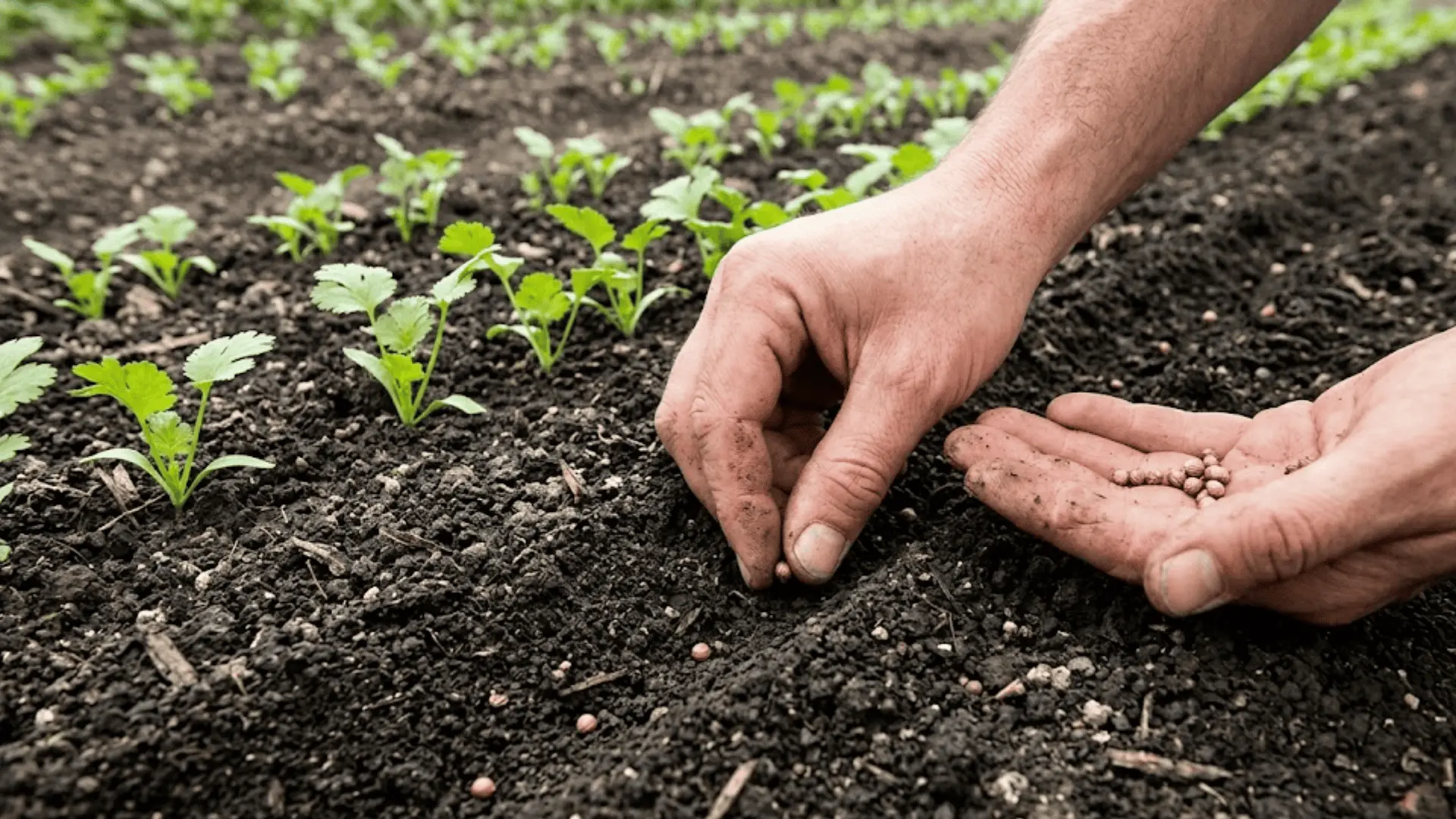
Planting cilantro is straightforward once you know what it responds well to. A few deliberate decisions at the start, from how you sow to how you space, set the tone for everything that follows.
Direct Sowing is Best
Cilantro develops a long taproot early on, which makes it sensitive to any kind of root disturbance. Direct sowing into your final container or garden bed is always the better call.
Transplanting almost always sets it back, sometimes significantly. Sow the seeds right where you want the plant to grow and let it establish without interruption.
Spacing and Depth
Getting the spacing right from the start saves you a lot of corrective work later.
Here’s how to sow with intention:
- Depth: Sow seeds ¼ inch deep, just enough to give them good soil contact without burying them.
- Initial Spacing: Place seeds 1–2 inches apart to give each one room to germinate comfortably.
- Thinning: Once seedlings are established, thin them to about 6 inches apart to avoid overcrowding.
- Crushing Seeds: Gently crush the seed husk before sowing to improve germination rates and speed things up.
Succession Planting
If a continuous harvest is what you’re after, succession planting is the move. Sow a fresh batch of seeds every 2–3 weeks throughout spring and fall, and as one planting starts to bolt, the next one is already coming in.
It’s a simple rhythm that keeps fresh cilantro on hand without any gaps.
Watering and Moisture Needs
Cilantro likes its water consistent but never excessive. It’s the kind of plant that responds quickly to both neglect and overwatering, so finding a steady rhythm early makes a real difference.
How Much and How Often?
Consistency matters more than quantity with cilantro. Here’s how to water it well:
- Garden Beds: Once or twice a week is usually enough, adjusting based on rainfall and temperature.
- Containers: Check more frequently as pots dry out faster, watering when the top inch of soil feels dry.
- Deep Watering: Water slowly and thoroughly each time to encourage roots to grow downward.
- Avoid Overhead Watering: Watering at the base keeps foliage dry and reduces the risk of fungal issues.
Moisture Retention and Mulching
Keeping moisture levels stable between watering sessions is just as important as the watering itself.
A thin layer of organic mulch around the base of the plant goes a long way; it slows evaporation, keeps the roots cool during warmer spells, and helps the soil stay at that consistently moist level cilantro genuinely thrives in.
Growing Cilantro in Different Environments
Cilantro adapts well to different growing setups, but each environment comes with its own set of needs.
Here’s how the three main options compare so you can choose what works best for your space:
| Environment | Garden Beds | Containers | Indoors |
|---|---|---|---|
| Best For | Larger, continuous harvests | Small spaces, patios, balconies | Year-round growing, limited outdoor space |
| Pot/Space Depth | 8–12 inches of loose soil | At least 8–10 inches deep | 8–10 inch deep pot minimum |
| Drainage | Ensure good natural drainage | Drainage holes essential | Well-draining potting mix |
| Watering | Once or twice a week | More frequent, dries out faster | Check regularly, consistent moisture |
| Light | Full sun to partial shade | Full sun preferred | Sunny window or grow light |
| Temperature Control | Weather dependent | Moveable, easier to manage | Easiest to control |
How to Prevent Cilantro from Bolting?
Bolting is the most common frustration with cilantro, and it often catches growers off guard. Understanding what triggers it and how to slow it down can meaningfully extend your harvest window.
Problem 1: Why is my cilantro flowering so fast?
Cause: Bolting is almost always heat-triggered. Move your plant to a spot with afternoon shade and make sure the soil isn’t drying out between watering sessions; both changes together can slow the process noticeably.
Problem 2: Why does my cilantro keep going to seed before I can harvest it?
Cause: You’re likely letting it grow too long between harvests. Trim it regularly, taking no more than a third of the plant at a time, and it’ll stay in leaf production mode for longer.
Problem 3: My cilantro looked fine and then bolted overnight, what happened?
Cause: A sudden temperature spike is usually the culprit. Cilantro is sensitive to abrupt heat changes, especially during early summer. Shade cloth or moving a container to a cooler spot can help buffer those swings.
Problem 4: Why is my cilantro bolting even though the weather seems fine?
Cause: Long daylight hours alone can trigger bolting, even without heat. Try growing slow-bolt varieties like Leisure or Calypso; they’re bred specifically to hold off flowering longer under extended light conditions.
Fertilizing Cilantro (Do You Need It?)
Cilantro is a light feeder, and in most cases, well-prepared soil with compost worked in before planting is genuinely enough to carry it through its growing cycle.
If growth feels slow or the leaves look pale, a light dose of balanced liquid fertilizer once or twice during the season can give it a gentle nudge.
The one thing to watch is nitrogen; too much of it and the plant puts its energy into lush foliage at the cost of flavor and aroma.
With cilantro, a little restraint with feeding goes a long way.
Harvesting Cilantro
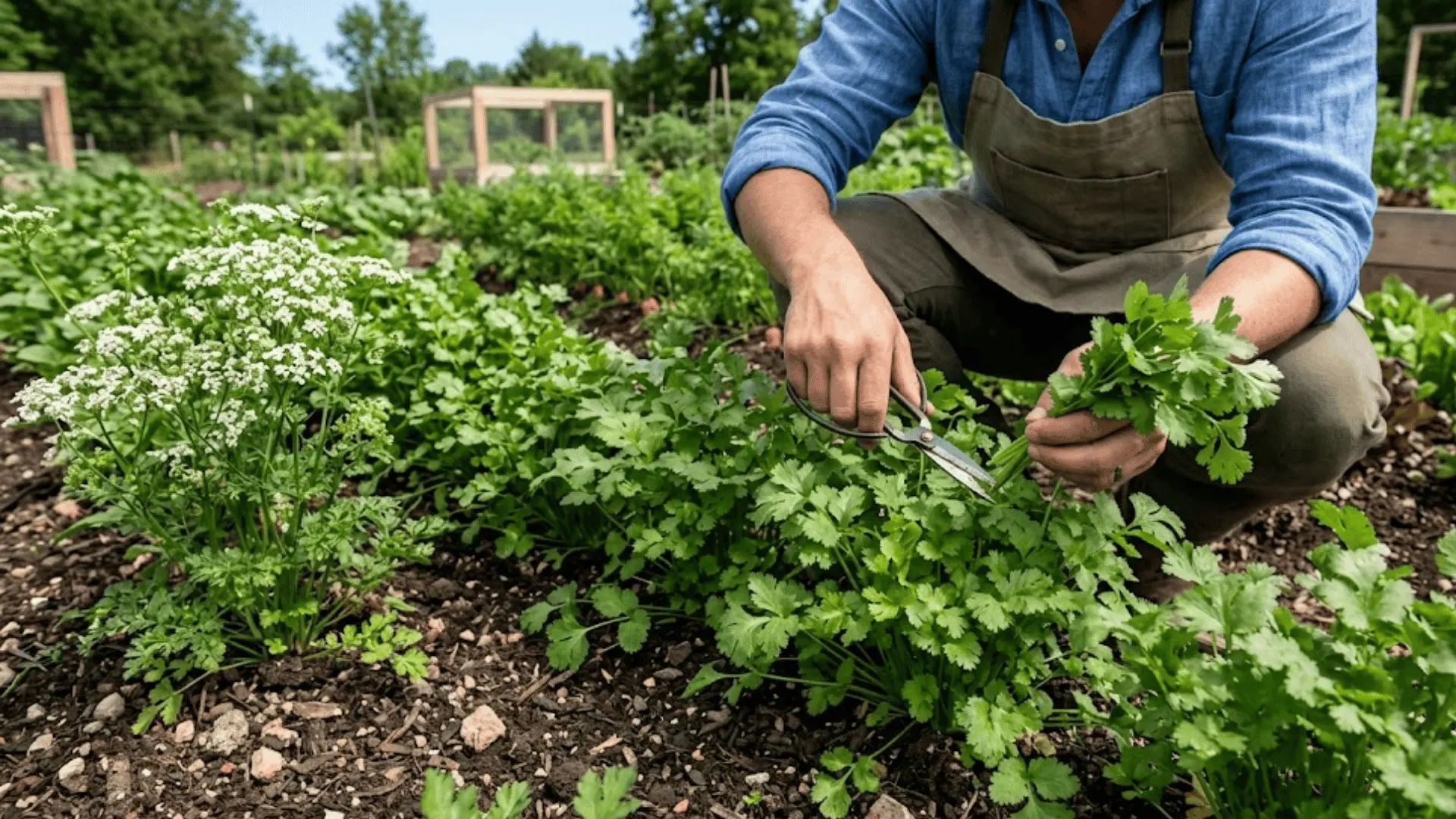
Harvesting cilantro at the right time and in the right way is what keeps the plant productive for as long as possible. Done well, it’s a simple process that actually encourages fuller, bushier regrowth.
When to Harvest?
Cilantro is ready to harvest sooner than most people expect. Leaves are typically ready 30–45 days after planting, once the plant has reached about 6 inches in height.
The best time to pick is in the morning when the leaves are at their freshest and most flavorful. If you see flower buds forming, harvest immediately, as flavor tends to decline once bolting begins.
How to Harvest?
A little intention here goes a long way. Here’s how to harvest without setting the plant back:
- Step 1: Start with the outermost stems and leaves, working your way in rather than cutting from the top down.
- Step 2: Use clean scissors or pinch stems off just above a leaf node to encourage branching.
- Step 3: Never remove more than a third of the plant in a single harvest to keep it actively growing.
- Step 4: Harvest regularly, even if you don’t need it. Frequent trimming delays bolting and keeps growth going.
Harvesting Seeds
If your cilantro has bolted, don’t pull it out just yet. Let the flowers develop and dry naturally on the plant, and the seeds that follow are coriander, a spice worth collecting.
Once the seed heads turn brown and papery, usually 90–120 days after planting, snip the stems and shake the seeds loose into a dry container. Store them in an airtight jar, and they’ll keep their flavor well.
Pro Tips for Growing Better Cilantro
These are the small shifts that make a noticeable difference, simple to apply, and genuinely worth building into your routine:
- Time Your Planting: Cooler months give cilantro the best possible start; spring and fall are your windows.
- Succession Sow: Plant a fresh batch every 2–3 weeks to keep a continuous harvest going without any gaps.
- Mulch the Base: A layer of organic mulch keeps roots cool, retains moisture, and quietly works in your favor between watering sessions.
- Harvest Often: Regular trimming, even light harvesting, signals the plant to keep producing leaves instead of rushing to flower.
- Choose Slow-Bolt Varieties: If bolting has been a recurring issue, varieties like Leisure or Calypso are bred to hold off longer.
Get these right and cilantro stops feeling like a guessing game; it becomes one of the more rewarding things you grow, precisely because you know what it needs.
Final Thoughts
Getting cilantro growing conditions right is less about perfection and more about paying attention. It’s a fast-moving herb that tells you exactly what it needs when you know what to look for.
Cool temperatures, consistent moisture, and timely harvesting; these aren’t complicated asks. They’re just small, deliberate habits that add up.
Once you find your rhythm with it, cilantro becomes one of those genuinely satisfying crops that keeps giving back.
We’d love to hear how yours is coming along; drop a comment below and tell us what’s working for you.