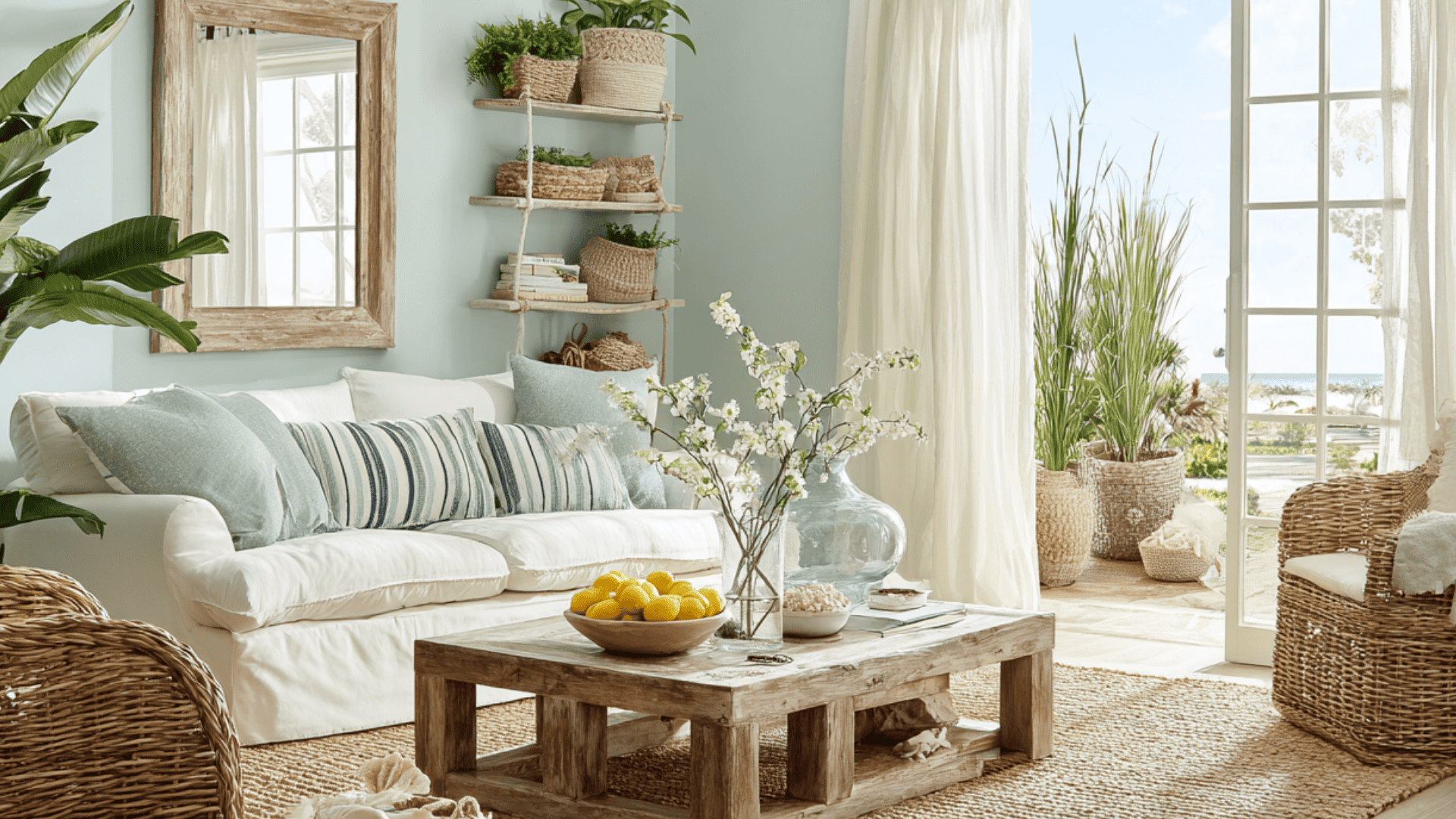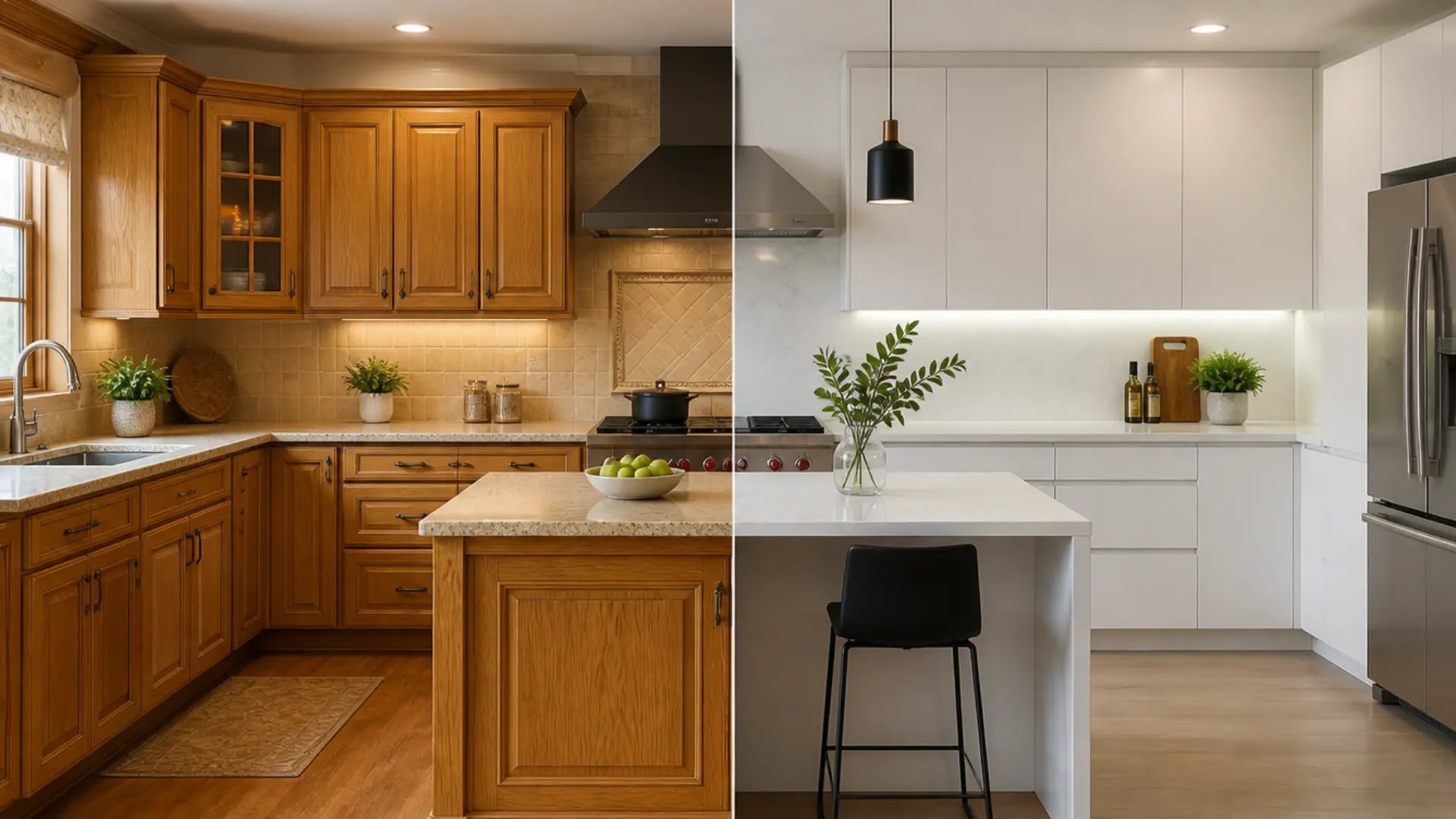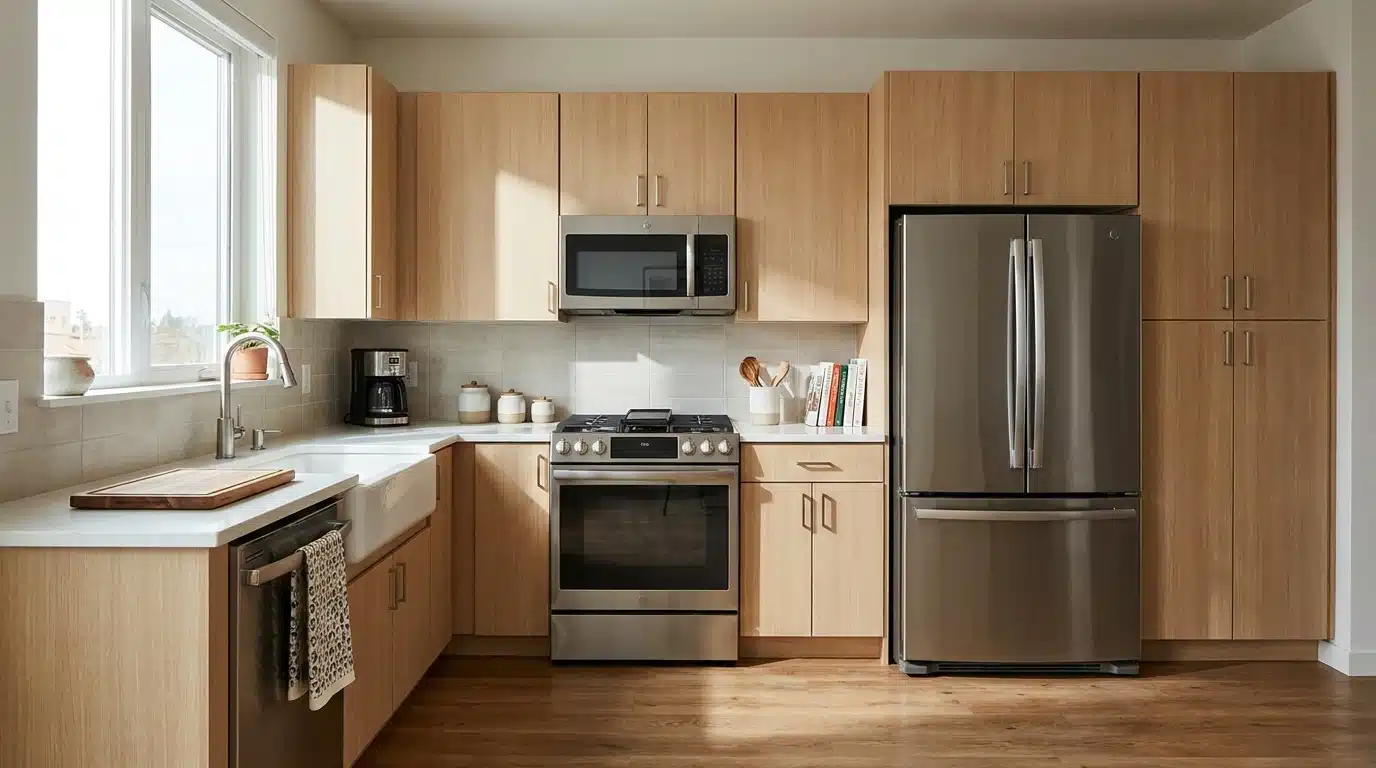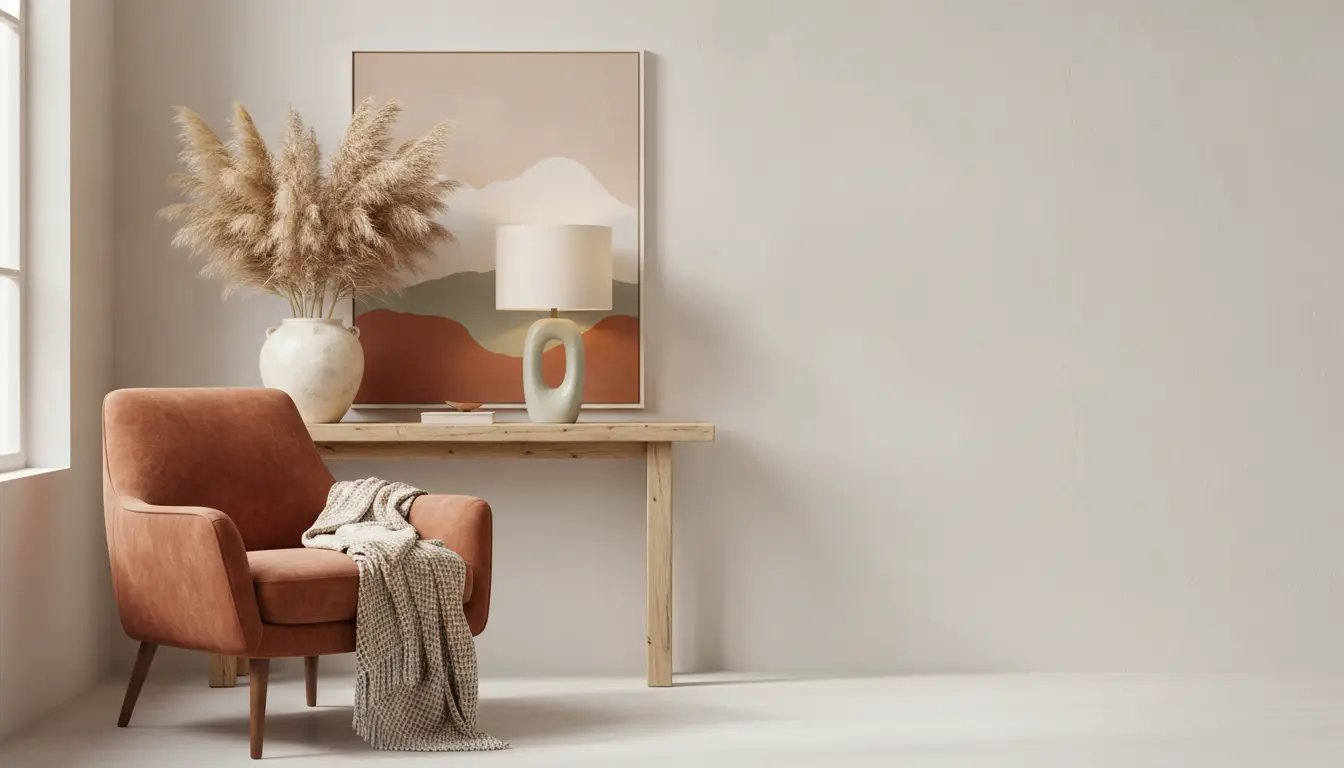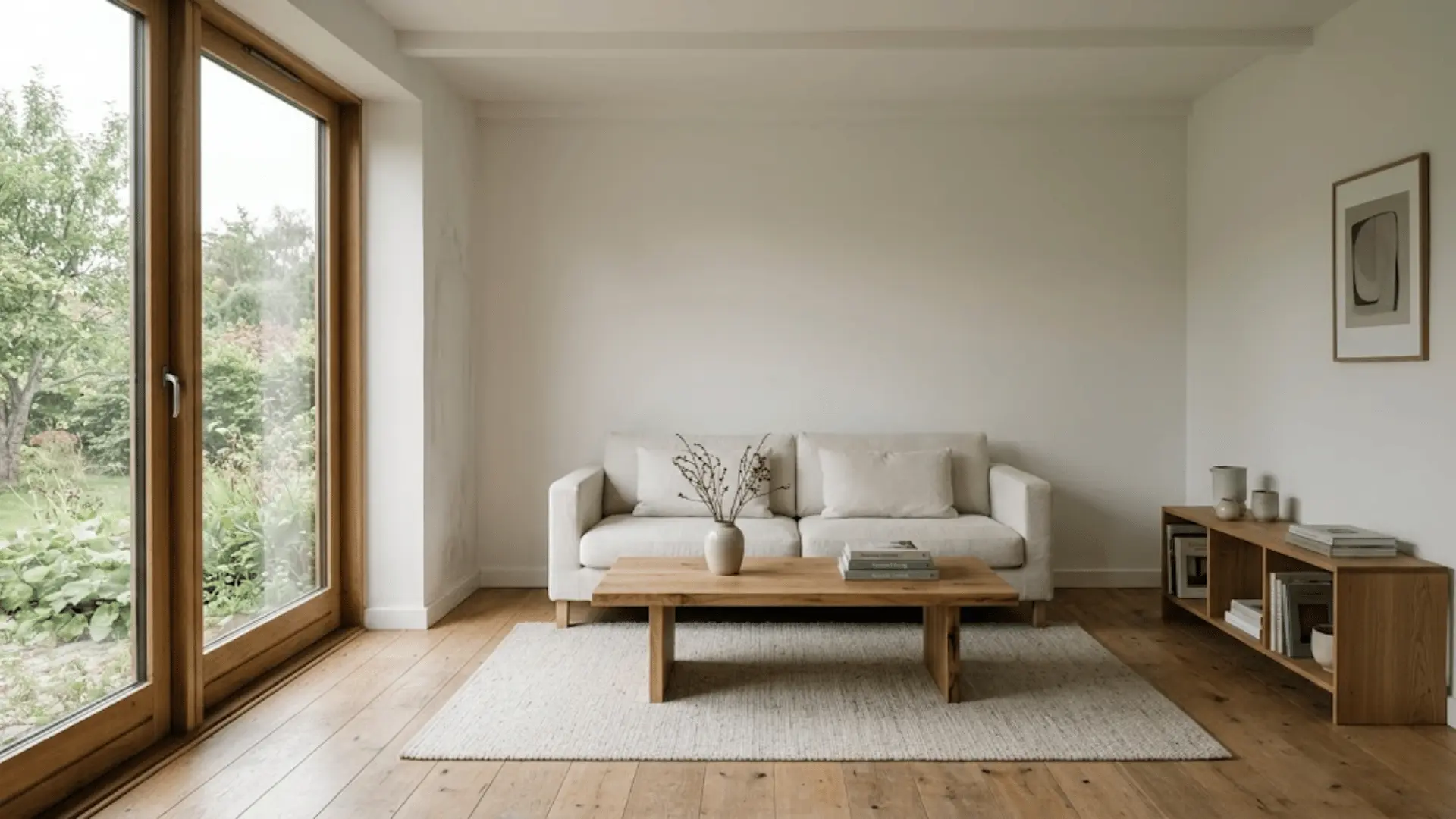
Flat paint has a way of making walls look effortlessly polished, like something straight out of an interior design mood board.
It absorbs light beautifully, hides imperfections, and gives any room that soft, gallery-like finish.
But as dreamy as it looks, flat paint comes with its fair share of real-world challenges that most people only learn about after the walls are already done.
So before you commit, here’s everything worth knowing about flat paint on walls, including where it shines and where it falls short.
Getting Familiar With Flat Paint
Flat paint, also called matte finish, is exactly what it sounds like. It dries into a non-reflective, velvety surface that sits quietly on walls without bouncing light back at you.
No shine, no sheen, just a clean and even look that feels intentional.
That softness is what makes it such a popular choice for living rooms, bedrooms, ceilings, and low-traffic spaces where the goal is more ambiance, less glare.
It is the finish people reach for when they want walls that blend into the background and let everything else in the room do the talking.
Why Do People Choose Flat Paint?
Flat paint has built quite a loyal following, and honestly, it is easy to see why.
Here is what makes it such a go-to finish for so many homeowners:
- Delivers a clean, modern look with zero shine or sheen.
- Softens the overall feel of a room without trying too hard.
- Works beautifully on uneven walls by absorbing light instead of highlighting flaws.
- Touch-ups blend in seamlessly, no patchy or mismatched spots.
- Creates a cohesive, pulled-together look that feels very intentional.
For spaces where aesthetics take priority over heavy use, flat paint genuinely delivers on its promise.
Why Some People Dislike Flat Paint on Walls?
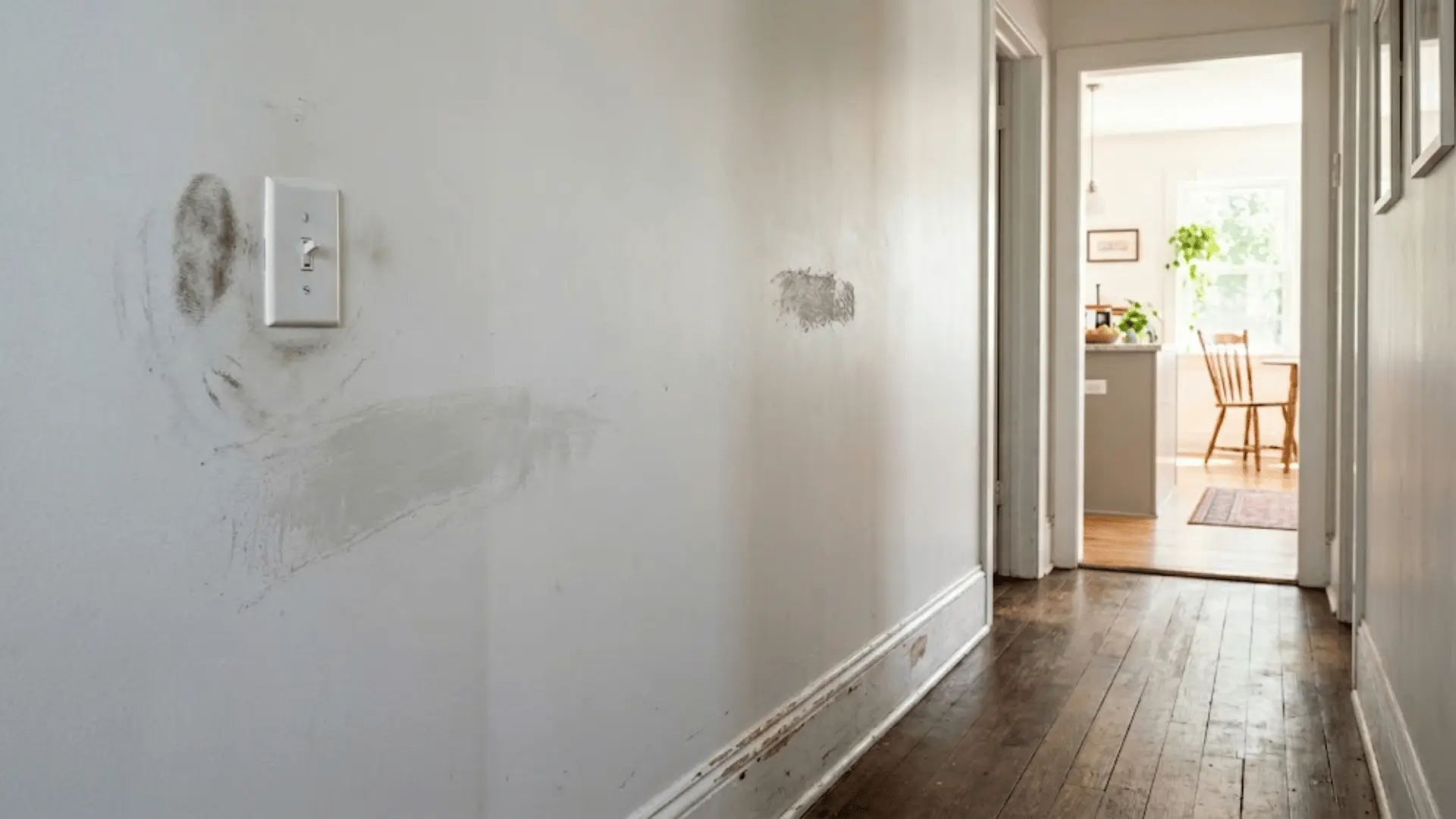
Flat paint is beautiful until it is not. Once it meets real life, a few frustrating truths tend to surface pretty quickly.
1. Hard to Clean
Flat paint and everyday messes do not get along well. Because the surface is porous and non-reflective, it tends to absorb stains rather than resist them.
Wiping down a scuff or a greasy fingerprint often makes things worse, leaving a faded or streaky patch behind. For busy households, this can become a recurring headache.
2. Less Durable
High-traffic areas are simply not where flat paint thrives. Hallways, kids’ rooms, and entryways take a beating daily, and flat finishes wear down faster under that kind of pressure.
The paint tends to rub off or thin out in spots that see a lot of contact, meaning you might be repainting sooner than expected.
3. Shows Scuffs Easily
This one surprises most people. Despite giving walls a clean and polished look, flat paint is actually quite unforgiving when it comes to surface marks.
Fingerprints, light scratches, and scuffs tend to stand out against the matte finish, especially in rooms with natural or direct lighting.
4. Not Moisture-Resistant
Kitchens and bathrooms are a hard no for flat paint. Humidity, steam, and splashes cause the paint to bubble, peel, or grow mildew over time.
Without any moisture barrier, flat finishes simply break down faster in wet environments, making them a poor long-term investment for those spaces.
Pros and Cons of Flat Paint on Walls
Every finish comes with its tradeoffs, and flat paint is no different. Here is an honest, balanced look at what you are signing up for.
Where Flat Paint Works in Your Favor
If the conditions are right, flat paint can genuinely elevate a space in ways other finishes cannot quite match:
- Hides wall imperfections like cracks, dents, and uneven textures effortlessly.
- Gives rooms a soft, modern appearance that feels calm and considered.
- Generally, more budget-friendly than higher-sheen alternatives.
- Applies evenly and delivers a consistent, seamless finish.
Where Flat Paint Falls Short
That same beautiful finish has a few limitations that are worth being upfront about:
- Difficult to clean without leaving behind faded or streaky patches.
- Wears down faster in high-traffic or high-contact areas.
- Not suitable for moisture-prone spaces like kitchens and bathrooms.
- Shows scuffs and fingerprints more than glossier finishes do.
Flat Paint vs. Other Paint Finishes
Not sure how flat paint stacks up against everything else on the shelf?
Here is a side-by-side look to make the decision a little easier.
| Finish | Shine Level | Durability | Best For | Maintenance |
|---|---|---|---|---|
| Flat/Matte | None | Low | Bedrooms, ceilings, low-traffic rooms | Difficult to clean |
| Eggshell | Subtle | Moderate | Living rooms, dining areas | Fairly washable |
| Satin | Soft glow | High | Hallways, kids’ rooms, trim | Easy to wipe down |
| Semi-Gloss | Noticeable | Very High | Kitchens, bathrooms, doors | Very easy to clean |
Flat paint sits at one end of the spectrum where aesthetics take the lead. As you move toward higher sheens, practicality and durability gradually take over, making each finish better suited to a different kind of space and lifestyle.
Best Places to Use Flat Paint on Walls
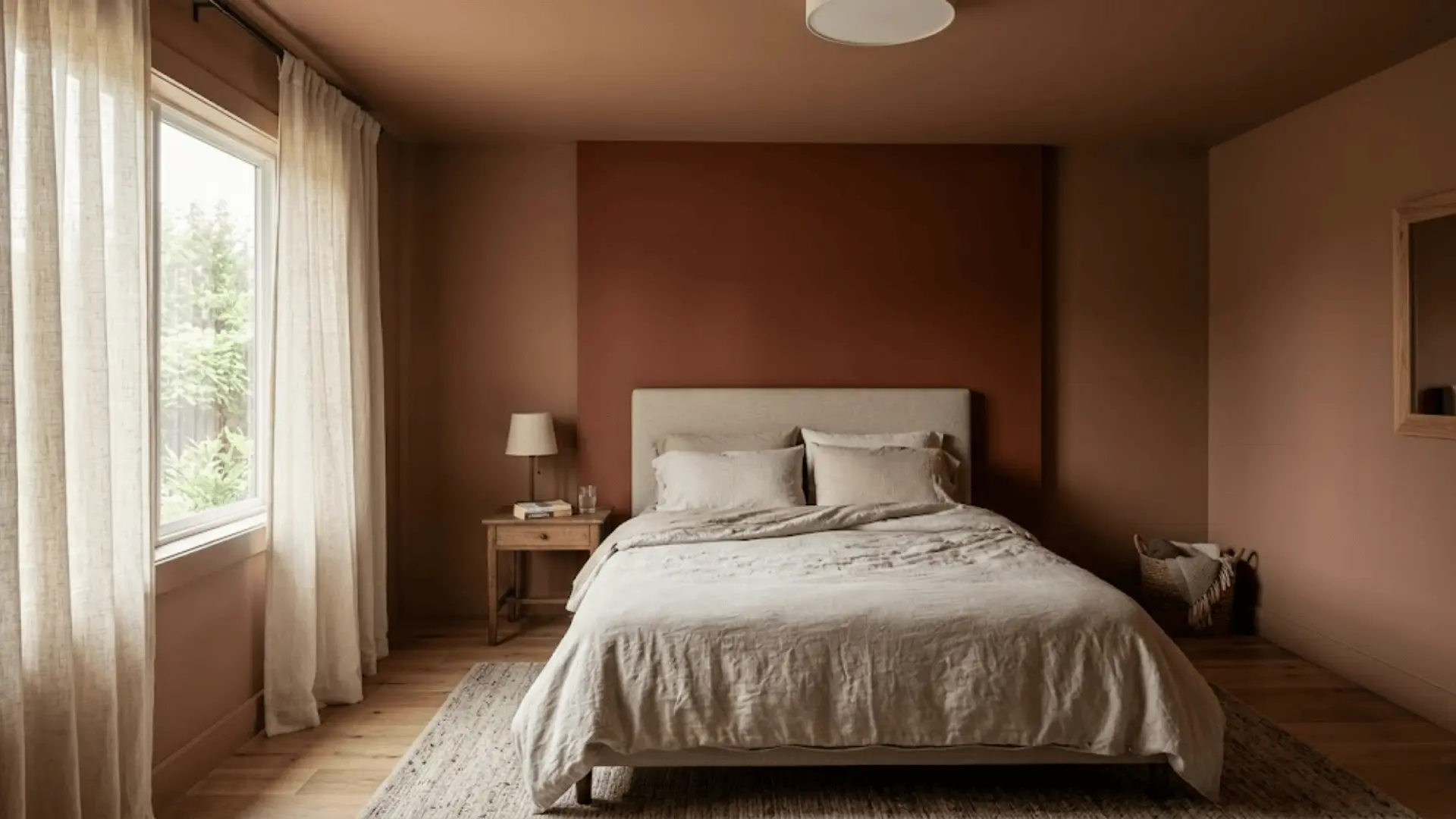
Flat paint has its sweet spot, and once you know where that is, it genuinely delivers.
Here is where it earns its place.
1. Bedrooms
Bedrooms are probably the most natural fit for flat paint. The finish brings a soft, cocooning quality to the walls that makes the space feel restful and warm.
Since bedrooms see minimal scuffing and rarely need heavy cleaning, flat paint gets to do what it does best without running into its usual limitations.
2. Ceilings
Flat paint is practically the industry standard for ceilings, and for good reason. It eliminates any reflection from overhead lighting, keeping the ceiling looking clean and receding into the background.
Even builder-grade ceilings with slight texture or imperfections look noticeably smoother and more refined under a flat finish.
3. Low-Traffic Areas
Spaces like formal dining rooms, reading nooks, or guest rooms are ideal for flat paint. These areas do not see daily wear and tear, which means the finish stays looking fresh for longer.
The matte quality adds a certain intentional stillness to rooms that are more about atmosphere than function.
4. Accent Walls
Flat paint on an accent wall creates a depth and richness that shinier finishes simply cannot replicate.
The way it absorbs light makes colors look more saturated and intentional, which is exactly what you want when a single wall is meant to anchor the entire room visually.
Where Should You Avoid Flat Paint?
As much as flat paint has going for it, there are spaces where it simply does not hold up. Here is a quick breakdown of where another finish would serve you much better.
| Space | Main Issue | Better Alternative |
|---|---|---|
| Kitchens | Grease and steam break down the finish fast | Semi-gloss or satin |
| Bathrooms | Humidity causes peeling and mildew | Semi-gloss |
| Hallways | Heavy contact leads to scuffs and worn patches | Satin or eggshell |
| Kids’ Rooms | Cannot withstand scrubbing or sticky messes | Eggshell or satin |
If any of these spaces are on your painting list, eggshell or satin would be a far more practical and lasting choice.
Tips for Using Flat Paint Successfully
Flat paint requires a little extra thought upfront. Keep these in mind before you start rolling:
- Prep your walls thoroughly, as flat paint highlights dust, grease, and uneven surfaces more than you’d expect.
- Stick to low-touch areas where walls are unlikely to take daily wear and contact.
- Invest in a high-quality flat paint since cheaper options tend to mark and scuff even faster.
- Look into washable matte formulas if you love the look but need something slightly more forgiving.
- Always keep leftover paint for touch-ups since blending is only seamless when the batch matches.
A little planning goes a long way with flat paint, and the results are absolutely worth it when the conditions are right.
Alternatives to Flat Paint
If flat paint feels like a bit of a commitment, there are finishes that give you a similar aesthetic with a little more practicality built in.
| Finish | Look | Best For | Washability |
|---|---|---|---|
| Eggshell | Soft, barely-there sheen | Living rooms, dining areas | Moderate |
| Satin | Gentle, velvety glow | Hallways, kids’ rooms | Good |
| Washable Matte | Same flat look, better performance | High-traffic areas, family homes | Very Good |
Is Flat Paint Worth It?
Honestly, it depends on the space. Flat paint is absolutely worth it in low-traffic, low-moisture rooms where the goal is a clean, considered aesthetic.
Bedrooms, ceilings, and accent walls are where it genuinely thrives. But if the space sees daily wear, humidity, or little hands, a more durable finish will save you time, money, and frustration in the long run.
The finish itself is beautiful, the commitment just needs to match the reality of how the space is actually lived in.
Choose wisely, and flat paint will deliver exactly what it promises.
What People are Actually Saying About Flat Paint
Real experiences with flat paint tend to fall into two clear camps. Homeowners love it for bedrooms and ceilings, consistently praising the soft, polished look it brings to quieter spaces.
The complaints, however, circle back to the same thing every time: cleaning is a nightmare. Scuffs, fingerprints, and watermarks come up repeatedly, especially in homes with kids or pets.
The general consensus from seasoned painters and DIYers is to pair flat paint with a realistic lifestyle assessment before committing.
For more honest, firsthand opinions, this Reddit thread on flat paint walls is worth browsing through.
Final Thoughts
Flat paint on walls is one of those choices that looks effortless but works best with a little intention behind it.
Match it to the right spaces, set realistic expectations, and it genuinely converts a room in the quietest, most beautiful way.
It is not about perfection; it is about knowing what you are working with and making it work for you.
If you have used flat paint in your home, we would love to hear how it held up. Drop your experience in the comments below; it might be exactly what someone else needed to read today.
Frequently Asked Questions (FAQs)
Is Flat Paint Good for Walls?
Flat paint is a great choice for the right walls. It works beautifully in low-traffic spaces like bedrooms, ceilings, and accent walls where aesthetics matter more than durability.
Why is Flat Paint Hard to Clean?
Unlike glossier finishes that repel moisture, flat paint is porous and absorbs stains instead of resisting them. That absorption is what makes wiping it down tricky without lifting the paint itself.
Can You Wash Flat Paint Walls?
You can, but it requires a very gentle touch. A barely damp cloth and light blotting is about as far as you can go before the finish starts to show damage.
Does Flat Paint Last Long?
Flat paint holds up well in low-contact spaces but tends to show wear faster in areas that see daily use. Its longevity really comes down to where and how it is applied.