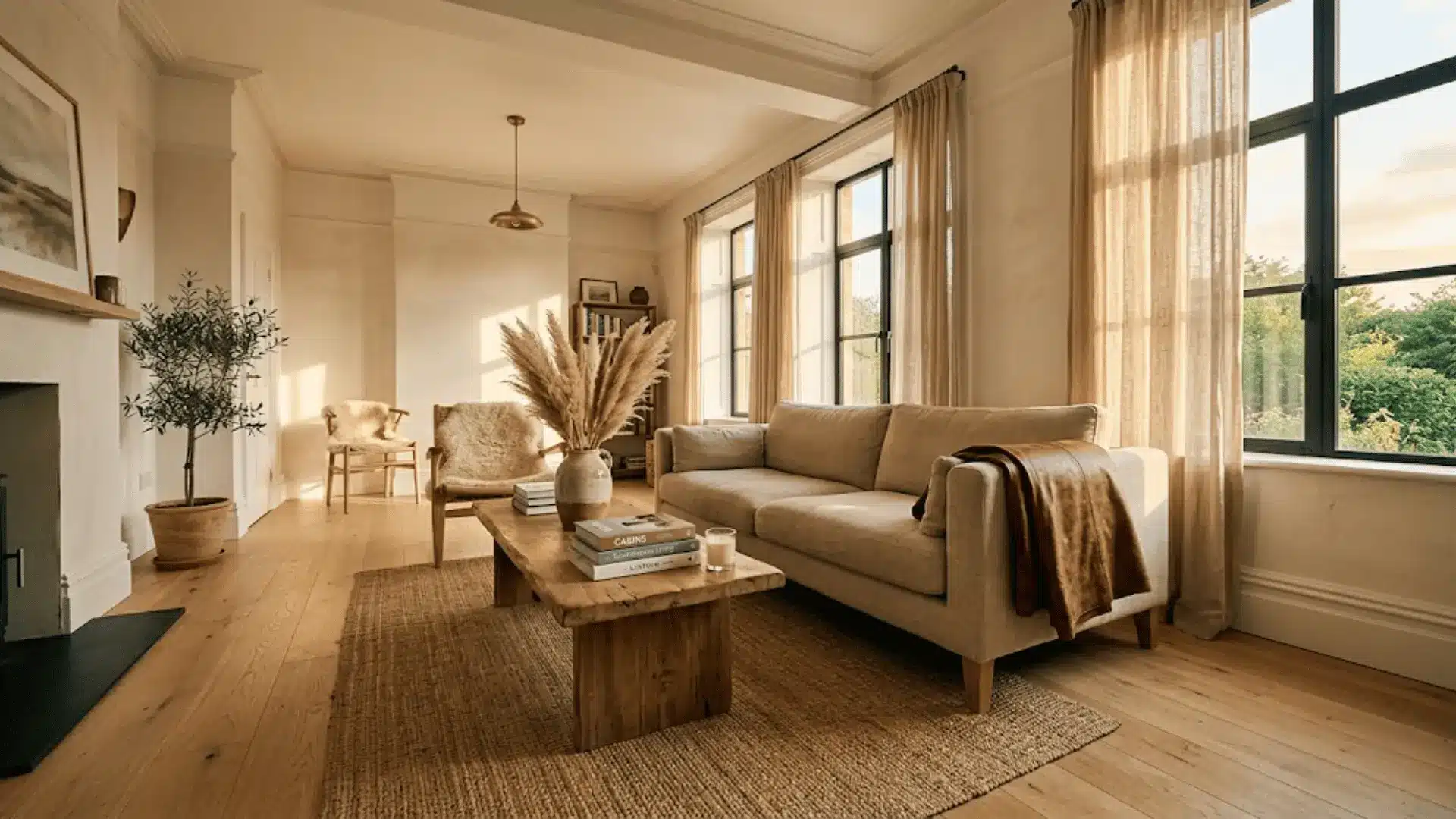
Most people think decorating a home is about picking the right curtains or finding a sofa that fits.
And honestly, that’s where it starts. But the more you lean into it, the more you realize interior design is quietly shaping the way you feel every single morning.
That shift in perspective is exactly why interior design is interesting; it goes so much deeper than aesthetics alone.
At Mintpaldecor, we look at spaces the way a stylist looks at a wardrobe, practical choices that also feel like you. Stick around for some house decoration advice that actually makes sense for real homes.
What Makes Interior Design So Interesting?
Interior design sits at this rare crossroads where creativity has a job to do.
Every choice, a paint color, a furniture arrangement, a single well-placed lamp, is pulling double duty between looking beautiful and actually working for the people living there.
Styles shift, new influences come in, and the whole landscape keeps moving, which means there’s always something new to explore.
But what makes it genuinely personal is that no two spaces ever tell the same story. It draws from art, taps into psychology, and somehow turns four walls into a feeling.
Top Reasons Why Interior Design is Interesting
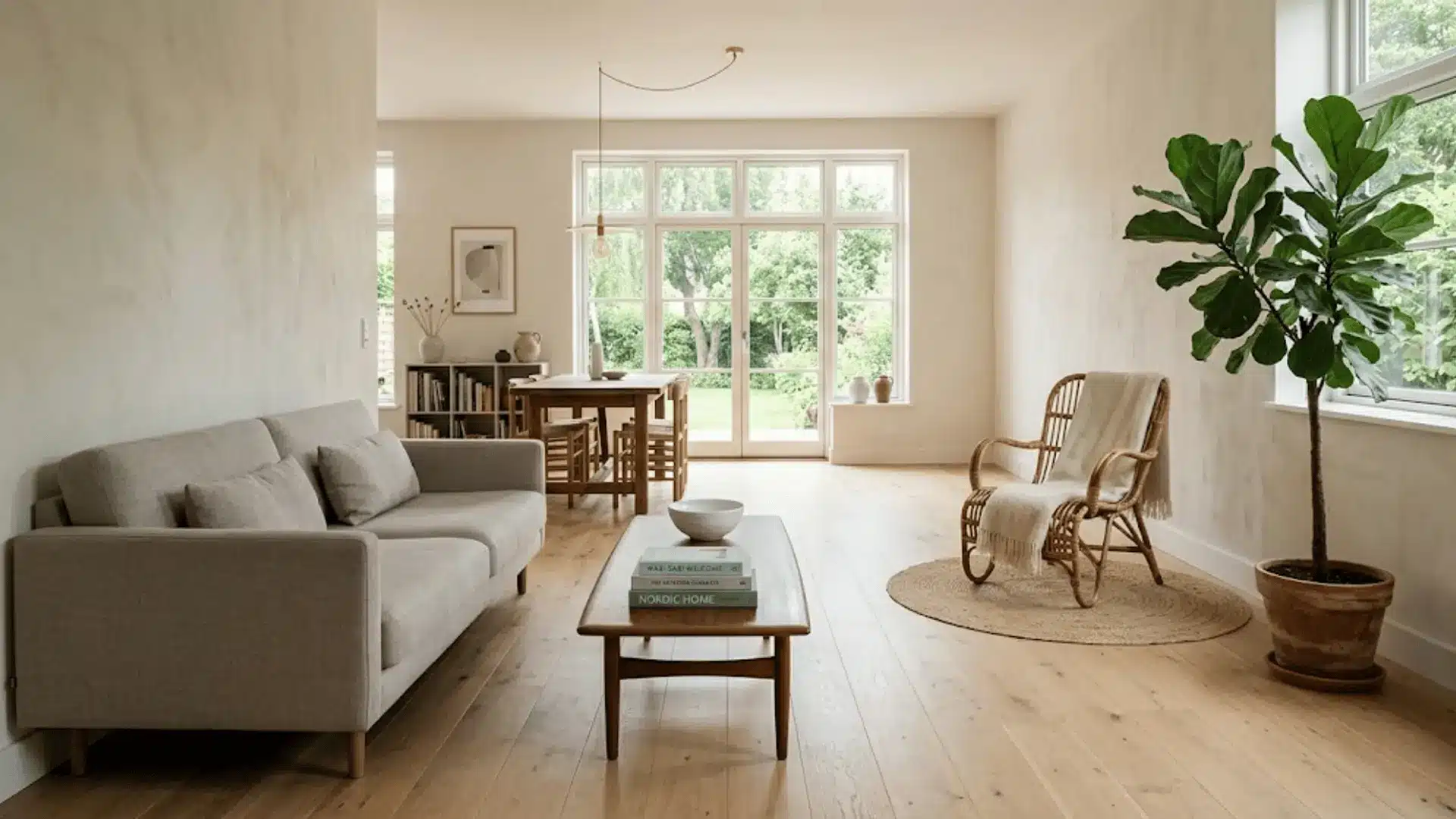
Interior design is one of those fields that keeps pulling you back in, and for good reason. Every layer you uncover reveals something new, for the seasoned decorator and the total beginner alike
1. It Combines Creativity with Functionality
What draws so many people to interior design is that creativity here isn’t just decorative; it has a purpose. A beautiful space that doesn’t work for the people in it is just a pretty picture.
The real craft lies in designing rooms that flow naturally, where every piece earns its place, and the whole thing feels effortless to live in.
2. Every Space Tells a Unique Story
No two homes are the same because no two people are the same. Interior design gives you the language to express who you are through the space around you.
The books you display, the textures you choose, the corners you make cozy, all of it builds an environment that feels yours emotionally, not just aesthetically pleasing.
3. Infinite Design Styles to Explore
From the clean lines of modern minimalism to the layered warmth of bohemian interiors, the design world genuinely has no ceiling.
You’re never locked into one aesthetic, and that freedom is part of what makes it so exciting. Mixing a vintage piece into a contemporary room, for instance, often creates something far more interesting than playing it safe.
4. It Impacts Mood and Well-Being
The way a room is lit, the colors on the walls, the way furniture is arranged, none of that is neutral. Design directly shapes how you feel inside a space, whether that’s calm, energized, focused, or at ease.
Thoughtful interiors don’t just look good, they quietly support the kind of life you actually want to live.
5. Continuous Learning and Trends
Interior design never really settles. New materials come in, sustainability shifts priorities, and cultural influences constantly reshape what feels fresh.
That ongoing evolution means there’s always something worth learning, a new concept to explore or a trend to reinterpret in a way that feels personal rather than borrowed.
6. Problem-Solving Aspect
A low ceiling, an awkward corner, a tight budget, these aren’t obstacles so much as invitations to think differently. Some of the most creative design outcomes come from working within constraints, not despite them.
That problem-solving dimension is a big part of why interior design keeps designers and homeowners genuinely engaged rather than just following a formula.
7. It Adds Value to Homes
Good design isn’t just a personal investment, it’s a practical one. A well-designed space increases a home’s appeal and functionality, making it more livable for you now and more desirable to others later.
From smarter storage to better flow, thoughtful design decisions quietly compound into something that pays off in ways you feel every single day.
How Interior Design Reshapes Everyday Living?
Interior design does something quietly powerful to the way daily life feels.
A well-designed home removes friction from your routine, making mornings smoother, evenings more restorative, and shared spaces genuinely enjoyable.
Beyond the visual appeal, it works around how you actually live, whether that means carving out a focused work corner, a spot to unwind, or a living area that welcomes people in.
Good design doesn’t decorate your life, it supports it.
Key Elements That Make Interior Design Interesting
Every well-designed space is built on a handful of foundational elements working quietly together.
Understanding each one gives you a sharper eye for what makes a room feel cohesive, intentional, and genuinely livable.
| Element | What It Does | Why It Matters |
|---|---|---|
| Color Theory | Guides how hues interact and influence perception | Sets the emotional tone of a room before anything else |
| Furniture Selection | Defines scale, function, and visual weight in a space | The wrong piece disrupts flow; the right one anchors everything |
| Lighting Design | Controls how a room feels at different times of day | Shapes mood, highlights features, and makes spaces feel larger or cozier |
| Textures and Materials | Adds depth and tactile interest to a space | Keeps a room from feeling flat, even with a minimal palette |
| Space Planning | Determines how people move through and use a room | Functionality lives here; a good layout makes the design invisible |
House Decoration Advice by Mintpaldecor
Decorating well isn’t about spending more or following every trend that comes along. It’s about making deliberate choices that add up to a space feeling exactly the way you want it to.
1. Start with a Clear Vision
Jumping straight into shopping for pieces without a direction is where most decorating decisions go sideways. Knowing your style and the purpose of each room gives every choice a filter.
It doesn’t need to be rigid, but having a loose visual direction saves you from a space that feels pulled in too many directions at once.
2. Focus on Function First
A room can be stunning and still feel frustrating to live in if the layout hasn’t been thought through. How people move through a space matters as much as how it looks.
Start with usability, traffic flow, seating distances, surface access, and let the aesthetic layer on top of a foundation that already works.
3. Use Color Strategically
Color does more heavy lifting than most people give it credit for. The right palette sets a room’s entire emotional register before a single piece of furniture is considered.
Cool tones create calm, warm tones invite coziness, and contrast adds energy. Treat color as a design decision, not an afterthought.
4. Mix Textures and Materials
A room decorated entirely in smooth, similar surfaces tends to fall flat, no matter how curated the pieces are.
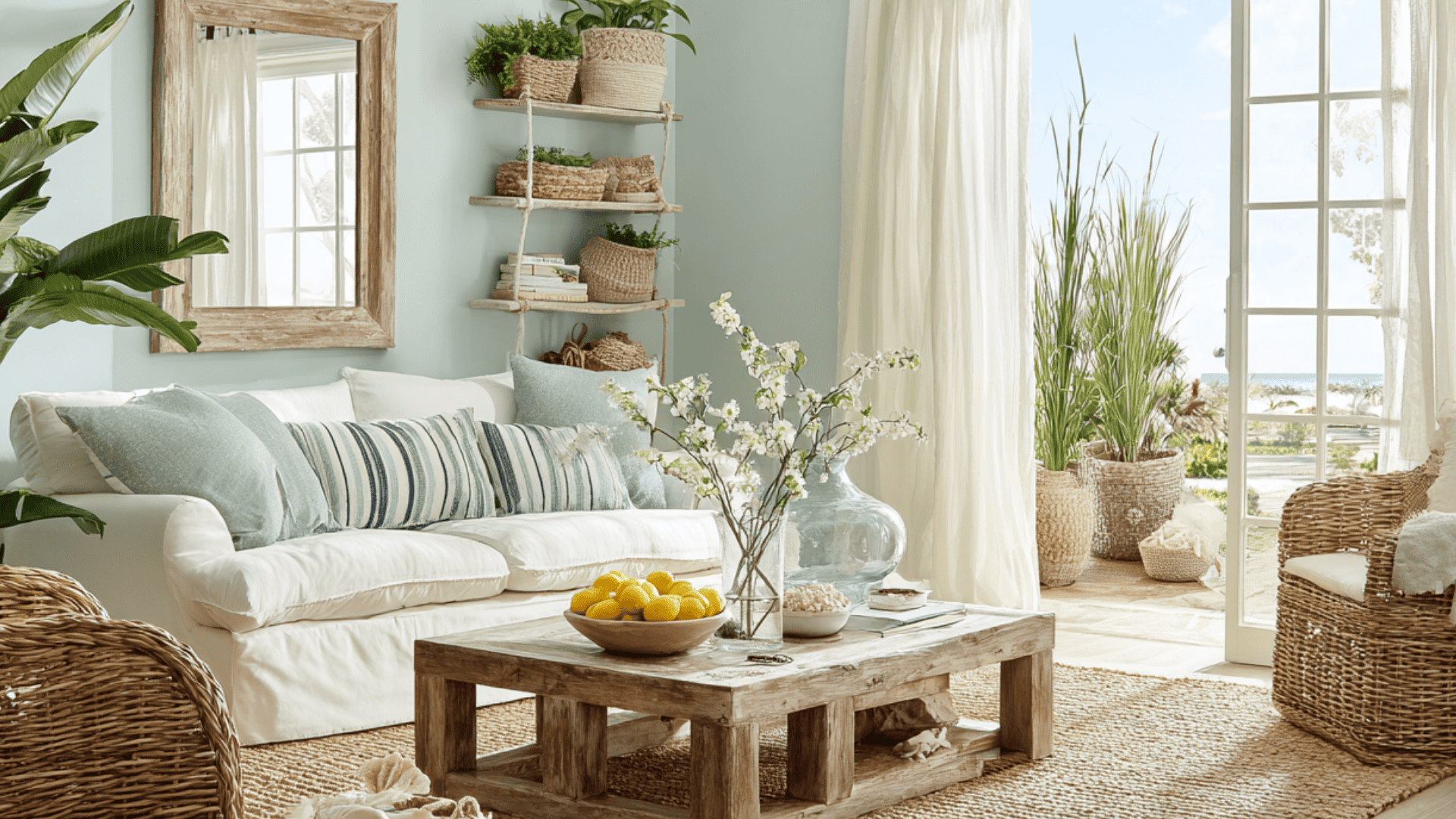
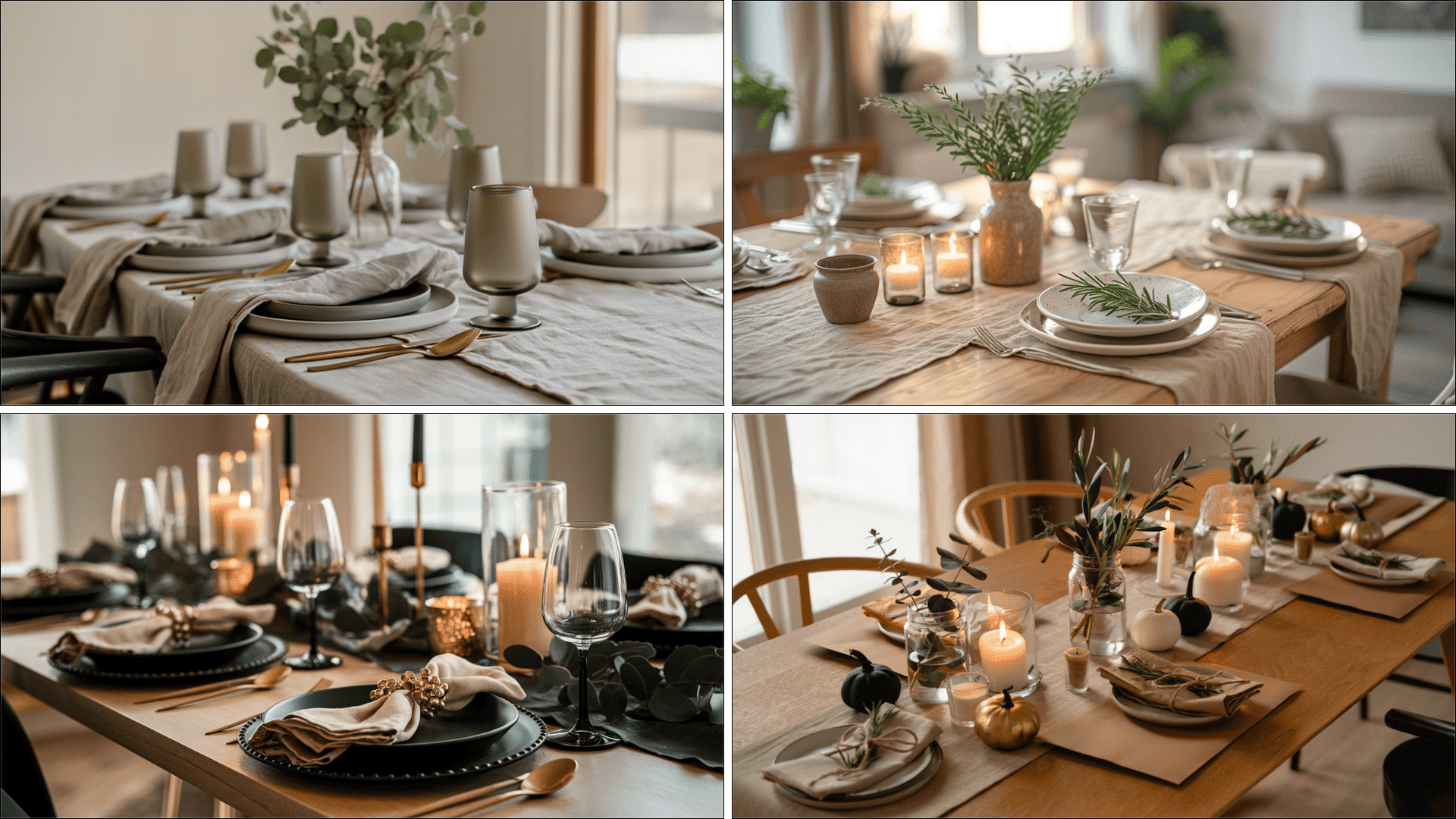
Layering linen against wood, or matte against sheen, is what gives a space its visual richness. Texture adds the kind of depth that photographs don’t fully capture, but you feel the moment you walk in.
5. Don’t Overcrowd the Space
More is rarely more in interior design. Negative space is an active design choice, not an oversight.
Giving a room room to breathe lets each piece stand out and makes the overall environment feel considered rather than cluttered. Editing down is often the most impactful thing you can do for a space.
Why Interior Design Appeals to Beginners and Experts?
Interior design is one of the few creative fields where the entry point is genuinely low, and the ceiling is genuinely high.
A beginner can start with a gallery wall or a fresh coat of paint and feel the reward almost immediately. That early creative satisfaction is what pulls most people deeper in.
For professionals, the complexity only grows, client briefs, spatial logic, sourcing, and storytelling all layering on top of each other.
At every level, the process of making a space feel right never really gets old.
Common Misconceptions About Interior Design
Interior design carries a lot of assumptions that quietly stop people from even getting started. Most of them are more myth than reality, and once you look closer, the whole thing becomes a lot more approachable.
Myth 1: “I just want my living room to look better, but I don’t know where to begin.”
Fact: Good design doesn’t require a complete overhaul. Swapping out a rug, rearranging furniture, or adding a few layered lighting sources can shift a room entirely without touching the walls or spending heavily.
Myth 2: “Every time I try to decorate, it ends up looking cluttered and off.”
Fact: That’s usually a proportion issue, not a taste issue. Editing down and giving pieces room to breathe does more for a space than adding more to it ever will.
Myth 3: “I assumed interior design was only for people with big budgets.”
Fact: Thoughtful design is about intention, not expenditure. Some of the most cohesive interiors are built around secondhand finds, paint, and a clear sense of what the space needs to feel like.
Myth 4: “I always thought you needed a design degree to get any of this right.”
Fact: Formal training adds depth, but a good eye is something you develop through observation and practice. Mood boards, reference images, and simply paying attention to spaces you love will take you further than most people expect.
Trends That Keep Interior Design Interesting
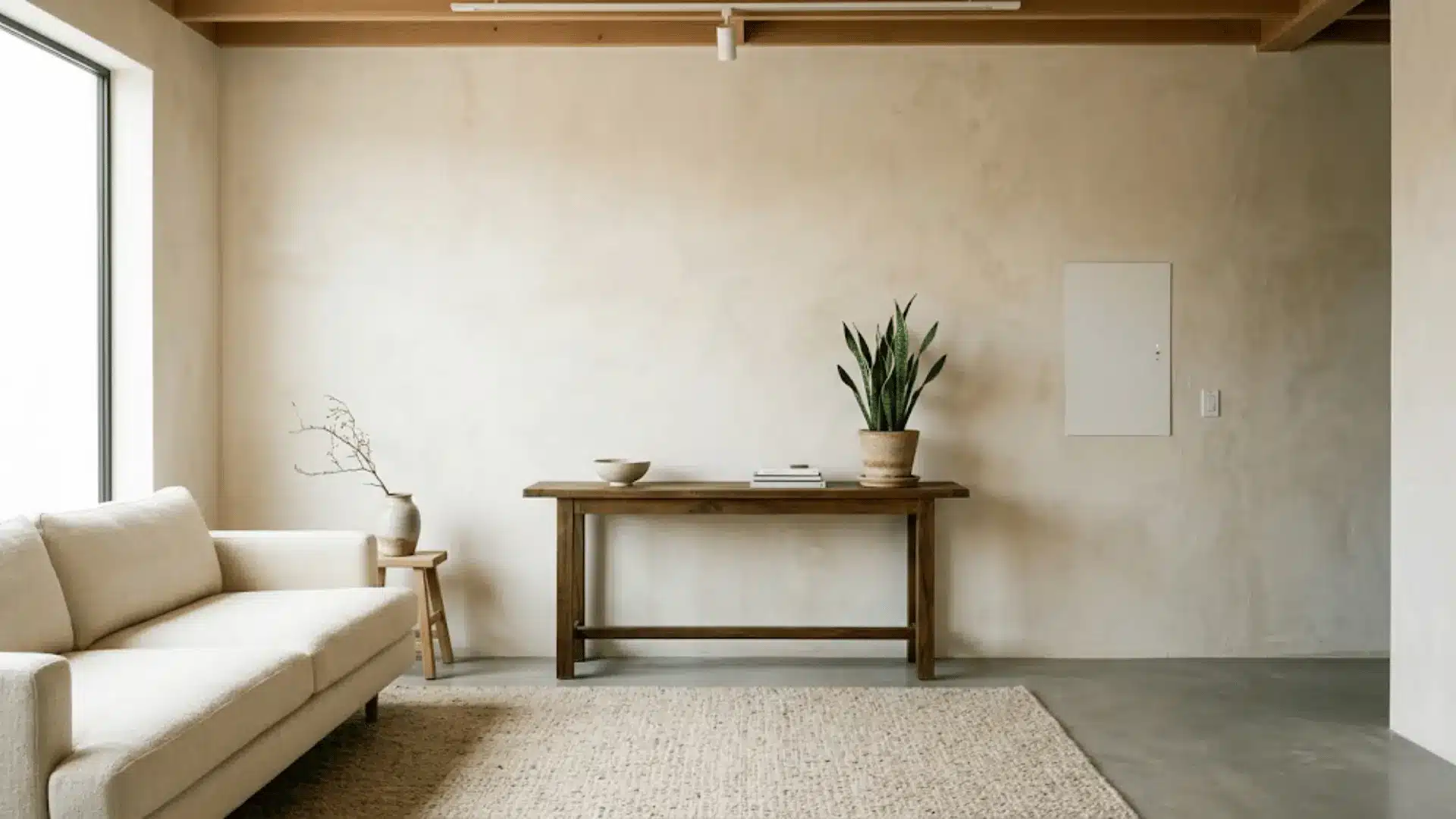
Design never stands still, and right now the directions it’s moving in are some of the most considered the industry has seen.
Sustainability is reshaping material choices, pushing designers toward finishes and furnishings that are built to last rather than built to trend.
Smart home integration is quietly becoming a design element in itself, with technology folding into spaces rather than sitting on top of them.
And the push toward minimalist, multifunctional layouts reflects something bigger: people want homes that work harder without feeling heavier.
How to Get Started with Interior Design?
Getting into interior design doesn’t have to feel overwhelming. The best starting point is always simpler than you think.
- Pick one room and focus there entirely before moving anywhere else in the house.
- Build a mood board first; it saves you from costly decisions made on impulse.
- Swap smaller elements like cushions, throws, or lighting before committing to bigger changes.
- Draw inspiration consistently from platforms, blogs, and spaces that genuinely resonate with your taste.
- Let Mintpaldecor guide your eye with practical, aesthetic-forward advice built for real homes.
Starting small and staying curious is genuinely all it takes to build a design instinct worth trusting.
Final Thoughts
The more time you spend with interior design, the more it starts to feel less like a skill and more like a second language. One that helps you understand what a space needs and how to give it that.
Why interior design is interesting isn’t a question with one answer; it unfolds differently for everyone who gets curious enough to explore it.
Mintpaldecor’s approach makes that exploration feel a lot more accessible, for the total beginner and the seasoned decorator alike.
Found something in this blog that sparked an idea? Drop it in the comments below!
Frequently Asked Questions (FAQs)
Is Interior Design a Good Hobby or Career?
Absolutely. As a hobby, it offers a creative outlet that directly improves your everyday environment. As a career, it combines artistic thinking with real problem-solving in a field that continues to grow.
How Can I Improve My Home Design?
Start with the basics: get the layout right, layer your lighting thoughtfully, and introduce decor changes gradually. Small, intentional shifts tend to have a far bigger impact than a full room overhaul.
What is Mintpaldecor Known for?
Mintpaldecor is known for making home decoration feel approachable without dumbing it down. Their advice sits at the intersection of practical guidance and genuine aesthetic sensibility, built for real homes and real people.